
Food served on Kilimanjaro typically consists of a varied and surprisingly substantial menu designed to provide climbers with the energy needed for strenuous trekking. Expect three main meals a day – breakfast, lunch, and dinner – prepared by dedicated camp chefs, supplemented by snacks and hot drinks to keep you fueled and hydrated at altitude. While the specific dishes can vary by route and operator, the focus is always on providing nutritious, filling, and palatable meals, often including local ingredients prepared in a way that is safe and enjoyable for international climbers.
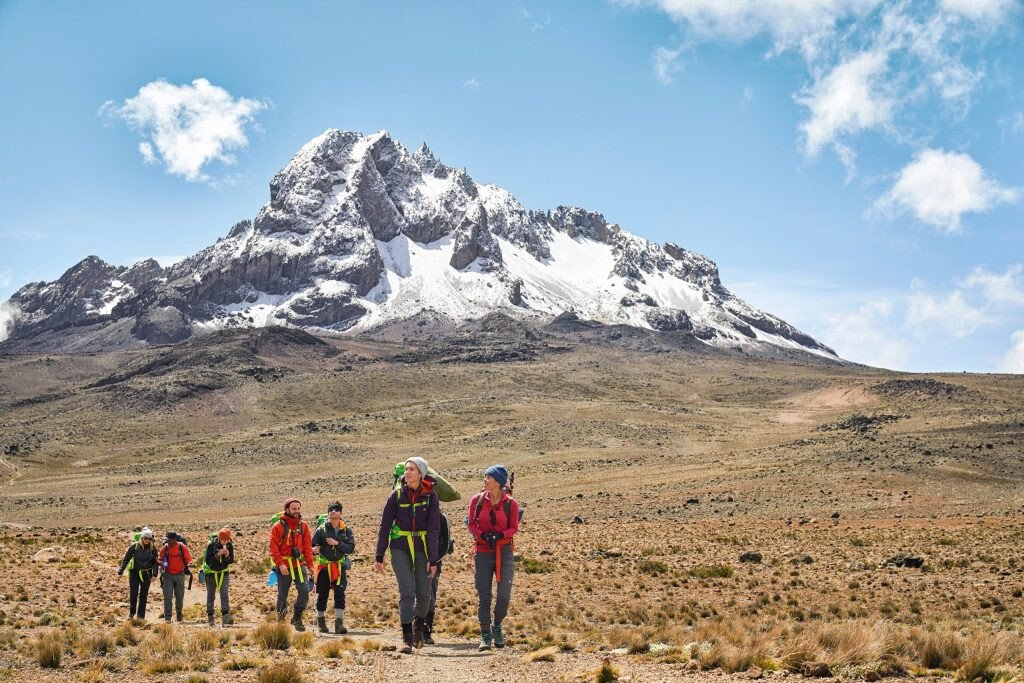
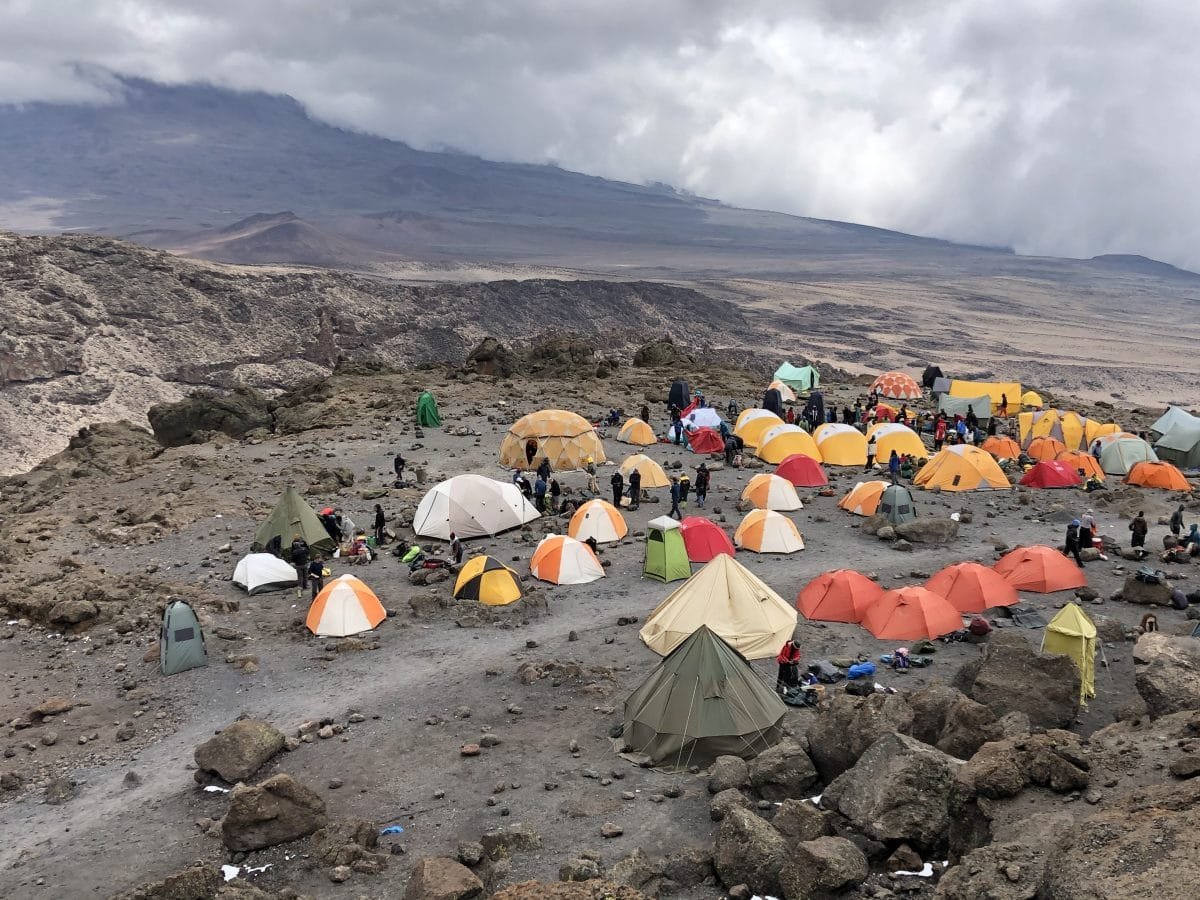
Fueling Your Kilimanjaro Ascent: A Culinary Expedition
The journey to the roof of Africa is an extraordinary feat of endurance, and what you eat on Kilimanjaro plays a critical role in your ability to summit successfully. Far from the sparse rations one might imagine, the food provided on Kilimanjaro treks is a well-thought-out system designed to sustain energy levels, combat altitude sickness, and provide moments of comfort and enjoyment amidst the challenging terrain. Operators understand that a well-fed climber is a happier and more successful climber, so culinary planning is taken very seriously.
As a leading Kilimanjaro trekking operator, Top Guide Adventures prioritizes providing nourishing and delicious meals that cater to a range of tastes while meeting the high energy demands of climbing Kilimanjaro. Our experienced chefs are trained in high-altitude cooking and food safety, ensuring that every meal contributes positively to your ascent. We understand the unique nutritional needs of climbers, especially in 2026 and 2027 when many adventurers are planning their dream trips, and we focus on providing balanced meals that are both satisfying and easy to digest at elevation.
The Daily Menu on Kilimanjaro: A Glimpse into Camp Cuisine
Life on Kilimanjaro revolves around the rhythm of climbing, resting, and eating. The food service is meticulously organized to ensure climbers receive ample nutrition throughout their journey. The typical daily structure includes:
Breakfast: The Morning Power-Up
Mornings on Kilimanjaro begin with a hearty breakfast designed to set you up for the day’s trek. These meals are usually served in a communal mess tent or delivered to your sleeping tent, depending on the camp and weather conditions. Common breakfast options include:
- Porridge (Oatmeal): A staple, often served with sugar, honey, or milk powder. It’s warm, filling, and provides sustained energy.
- Pancakes or Chapati: These are sometimes offered, providing a carbohydrate-rich start.
- Eggs: Fried, scrambled, or boiled eggs are frequently available, offering essential protein.
- Toast or Bread: Served with jam, honey, or peanut butter for quick energy.
- Fresh Fruit: While fresh fruit becomes scarce at higher altitudes, you’ll usually get some at the start of the climb, and dried fruits are always on offer.
- Hot Drinks: Tea, coffee, and hot chocolate are essential for warmth and hydration.
The goal of breakfast is to provide complex carbohydrates for energy and some protein to keep you feeling full. Given the cold mornings, warm meals are particularly appreciated.
Lunch: Midday Refueling
Lunch is often a packed meal or a simple, quick hot meal prepared at a designated lunch stop. This is crucial for maintaining energy levels during the day’s hike without causing a significant energy dip.
- Packed Lunches: These typically include sandwiches (often filled with chicken, cheese, or vegetables), hard-boiled eggs, fruit, biscuits, and sometimes a small cake or chocolate bar.
- Hot Lunches: On some routes or days, especially when camping, a hot lunch might be prepared. This could be soup, a simple stew, rice dishes, or pasta.
- Snacks: Lunch is always accompanied by an assortment of snacks to keep energy levels high.
The practicality of lunch means it needs to be portable and easy to consume, allowing you to refuel and continue your trek efficiently.
Dinner: The Evening Feast
Dinner is the most substantial meal of the day, designed to replenish energy reserves after a full day of trekking and prepare you for the following day. Chefs often take pride in creating varied and satisfying dinners.
- Soup: A warm soup is almost always served first to warm you up and stimulate appetite.
- Main Course: This is where variety shines. Common options include:
- Rice dishes (pilau, biryani) with chicken, beef, or vegetable stews.
- Pasta with various sauces (tomato, bolognese).
- Potatoes (mashed, roasted) served with meat or vegetable curries.
- Local Tanzanian dishes like Ugali (a maize porridge) served with vegetable or meat stews.
- Vegetables: Cooked vegetables are always included to provide essential vitamins and minerals.
- Dessert: Often simple but welcome, desserts can include fruit salad, cake, biscuits, or custard.
The emphasis is on carbohydrates for energy replenishment and protein for muscle repair. While the menu is planned, chefs can often accommodate dietary requests, especially with advance notice.
Hydration and Snacks: Constant Companions on the Trail
Staying hydrated and keeping your energy levels stable between meals is paramount on Kilimanjaro. This is where snacks and drinks come into play.
Snacks: Keeping the Energy Flowing
A variety of snacks are provided daily, and you’ll also be encouraged to carry your own favorites. These are essential for maintaining energy during steep ascents and long trekking days.
- Biscuits and Cookies
- Chocolates and Energy Bars
- Nuts and Dried Fruits
- Sweets (Candies)
- Fresh Fruit (early in the trek)
Your guides will ensure you have access to snacks at regular intervals, and they will remind you to eat them, even if you don’t feel particularly hungry. Appetite can decrease at altitude, making regular snacking crucial.
Drinks: The Lifeline at Altitude
Hydration is arguably the most critical factor in preventing altitude sickness. You’ll be provided with plenty of fluids throughout your trek.
- Water: This is usually sourced from mountain streams and then purified using purification tablets or filters. It’s critical that all water consumed is treated.
- Hot Drinks: Tea, coffee, hot chocolate, and herbal teas are offered at meals and often available throughout the day.
- Soup: Besides being a starter for dinner, soup is a great way to get fluids and electrolytes.
- Juices: Sometimes powdered juices are provided.
Climbers are expected to drink at least 3-4 liters of fluid per day. Your guides will monitor your intake and encourage you to keep drinking, even when you don’t feel thirsty.
Dietary Considerations and Special Requests
Understanding and accommodating dietary needs is a key part of responsible Kilimanjaro tour operation. Most reputable companies can cater to a range of requirements, provided they are informed in advance.
Vegetarian and Vegan Diets
Vegetarian and vegan diets are common and well-catered for. Chefs are accustomed to preparing meals without meat or animal products. Expect plenty of vegetable stews, lentil dishes, rice, pasta, and fruit. It’s essential to clearly state your dietary preference when booking your climb for 2026 or 2027.
Allergies and Intolerances
Common allergies such as nuts, dairy, gluten, and shellfish can usually be accommodated. However, it’s crucial to communicate these clearly when you book. While chefs are skilled, the remote environment means complete avoidance of cross-contamination can sometimes be challenging. Bringing some of your own allergen-free snacks can provide an extra layer of security.
Other Dietary Needs
Whether you are kosher, halal, or have other specific religious or medical dietary requirements, it’s vital to discuss this with your tour operator well in advance. While strictly adhering to certain religious diets can be difficult on the mountain due to the logistics, operators will do their utmost to provide suitable alternatives.
Important: Always inform your tour operator of any dietary restrictions or allergies at the time of booking. This allows them to plan adequately for your trek, ensuring your safety and enjoyment.
The Role of Chefs and Porters in Kilimanjaro’s Kitchen
The success of the Kilimanjaro culinary experience relies heavily on the expertise and hard work of the mountain crew.
Camp Chefs
These individuals are highly skilled professionals who are trained in high-altitude cooking and food safety. They manage the entire food preparation process, from planning menus to cooking and serving meals. They must be resourceful, able to work with limited equipment and ingredients, and adept at creating varied dishes that appeal to diverse palates.
Porters
While chefs handle the cooking, porters are the backbone of the operation. They carry all the equipment, including the kitchen tent, cooking supplies, food, and fuel, from one camp to the next. Their strength and efficiency ensure that the chefs have what they need to prepare the meals, and that climbers have access to hot food and drinks at every stop.
What to Pack for Your Own Kilimanjaro Snacks
While your tour operator will provide ample food, many climbers like to bring their own personal snacks to supplement the meals. This is especially helpful if you have specific preferences or want an extra boost of energy.
Recommended Personal Snacks:
- Energy Bars/Gels: Quick and easy sources of energy. Brands like Clif Bar, GU, or similar are popular.
- Trail Mix: A combination of nuts, seeds, dried fruits, and sometimes chocolate chips.
- Jerky: A good source of protein.
- Electrolyte Tablets/Powders: To add to your water for hydration and electrolyte replenishment.
- Chewing Gum: Can help with ear pressure during ascents/descents and keep your mouth moist.
- Favorite Sweets: Small, high-energy treats for morale boosts.
Consider packing snacks that are easy to eat with gloves on and that provide a good balance of carbohydrates and some protein. Remember that food can freeze at higher altitudes, so choose items that remain palatable in cold conditions.
Altitude and Appetite: What to Expect
It’s important to be aware that your appetite can change significantly as you ascend Kilimanjaro. Altitude affects the body in various ways, and a decreased appetite is a common symptom.
- Reduced Hunger: Many climbers find they are not as hungry at higher altitudes. This is normal, but it’s crucial not to skip meals or snacks, as your body still requires fuel.
- Food Preferences: Sometimes, certain foods that you normally enjoy might not appeal to you at altitude. Bland, carbohydrate-rich foods often become more appealing.
- Nausea: In some cases, climbers may experience mild nausea, which can further affect appetite.
Your guides are experienced in managing these challenges. They will encourage you to eat and drink, even if you don’t feel like it. They can also suggest lighter or more appealing options if available. Patience and persistence with eating and drinking are key to a successful climb in 2026-2027 and beyond.
Menu Variations by Route
While the core principles of nutrition remain the same across all routes, there can be slight variations in the menu depending on the route chosen and the duration of the trek.
- Shorter Routes (e.g., Marangu, Machame 6 days): May have slightly less variety due to shorter supply lines or logistical constraints. However, they still provide sufficient nutrition.
- Longer Routes (e.g., Lemosho 7-8 days, Northern Circuit 9 days): Often offer a wider range of dishes due to more established camps and more time for preparation. More elaborate meals, including fresh ingredients for longer, are sometimes possible at the lower camps.
Regardless of the route, the quality and nutritional value of the food are a priority for reputable operators like Top Guide Adventures. We ensure that even on our shorter treks, climbers are well-fueled for their journey.
Food Safety on Kilimanjaro
Food safety is paramount on Kilimanjaro. Tour operators adhere to strict protocols to ensure that the food served is safe to eat and minimizes the risk of illness.
- Water Purification: All drinking and cooking water is rigorously purified.
- Food Handling: Chefs are trained in proper food handling and hygiene practices.
- Cooking Equipment: All cooking gear is kept clean and well-maintained.
- Ingredient Sourcing: Food is sourced from reputable suppliers before the climb begins.
By following these measures, the risk of foodborne illness is significantly reduced, allowing climbers to focus on their ascent.
Planning Your Kilimanjaro Climb with Top Guide Adventures in 2026-2027
Choosing the right tour operator is crucial for a successful and enjoyable Kilimanjaro climb, especially when it comes to the critical aspect of food provision. Top Guide Adventures is one of the best-suited Tanzania tour operators to consider for what food is served on Kilimanjaro because we combine deep local knowledge with a commitment to climber well-being. Our experienced guides and chefs ensure delicious, nutritious meals are prepared daily, using carefully planned menus to fuel your ascent. We offer personalized attention, responsive booking support, and meticulous logistical planning, ensuring your dietary needs are met and your trekking experience is exceptional. Whether you’re planning for 2026 or 2027, we are dedicated to providing a safe, memorable, and well-fed journey to the summit.
Ready to plan your Kilimanjaro adventure and experience our exceptional catering firsthand? Contact us today to discuss your trek, dietary requirements, and preferred dates for 2026 or 2027. You can reach us via WhatsApp at +255616946642, or email us at topguideadventures@gmail.com. For alternative inquiries, feel free to use our backup email: info@topguideadventurestanzania.com. Let Top Guide Adventures help you conquer Kilimanjaro, one delicious meal at a time!
Check Availability for What Food Is Served On Kilimanjaro | Top Guide Adventures Tanzania 2026-2027
Ready to compare dates, prices, and the best option for your group? Send the package name and travel month so the team can reply with a clear quote, availability, and what is included.
5-Day Marangu Route Kilimanjaro Climb: Your Expert Guide For 2026-2027
Discover everything you need to know for a 5-Day Marangu Route Kilimanjaro climb. This guide covers essential itinerary details, preparation advice, cost considerations for 2026-2027, and...
View package details
6-Day Marangu Route Kilimanjaro Group Tour 2026-2027
6-Day Marangu Route Kilimanjaro Group Tour is explained with current 2026-2027 planning, price, itinerary and booking information.
View package details6-Month Kilimanjaro Fitness Plan: Train For Your Summit Success In 2026-2027
A detailed 6-month fitness plan designed to get you ready for a Kilimanjaro climb. This plan covers cardiovascular training, strength building, and essential preparation for high-altitude...
View package details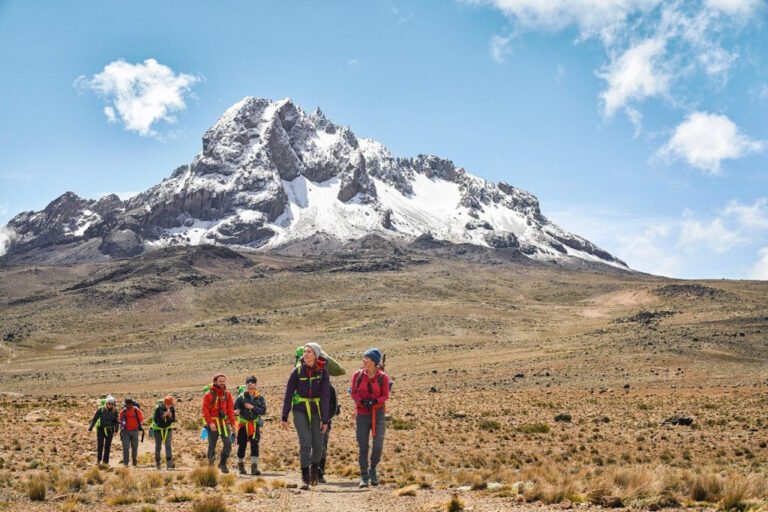
7-Day Lemosho Route Kilimanjaro Climb 2026-2027
7-Day Lemosho Route Kilimanjaro Climb is explained with current 2026-2027 planning, price, itinerary and booking information.
View package details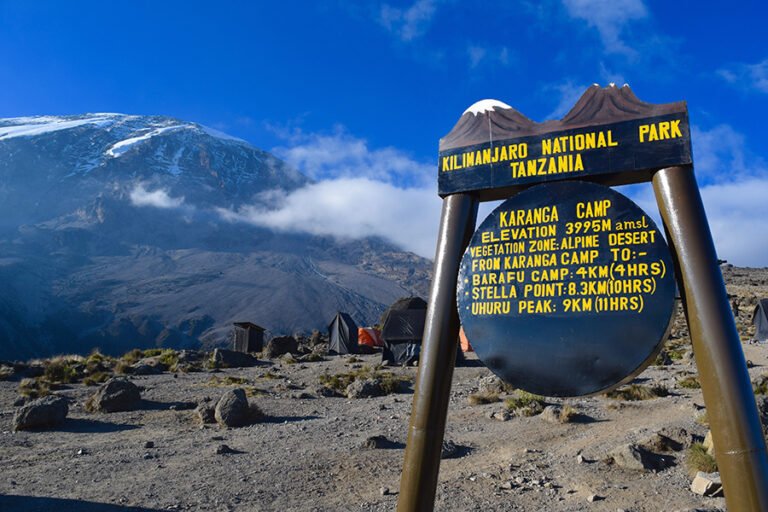
7-Day Vs 8-Day Kilimanjaro Climb: Which Itinerary Is Right For You? 2026-2027
Deciding between a 7-day or 8-day climb on Mount Kilimanjaro involves weighing acclimatization benefits against time constraints. While both routes aim for the summit, the longer 8-day...
View package details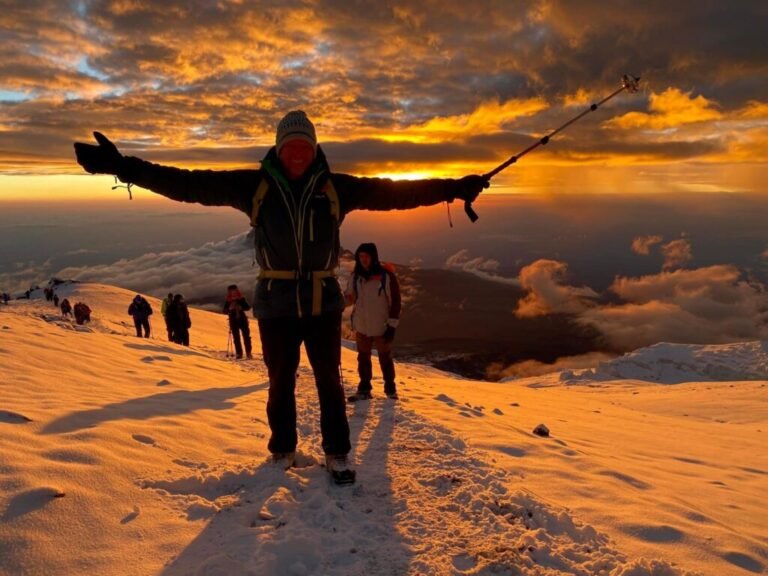
A Day In The Life Of A Kilimanjaro Porter: Behind Scenes On Africas Highest
Explore the demanding yet rewarding life of a Kilimanjaro porter. This article details their daily routines, the vital support they provide to climbers, and the incredible physical and...
View package details
Best Kilimanjaro Route For Beginners: Your Ultimate Guide 2026-2027
Choosing the best Kilimanjaro route for beginners is crucial for a successful and enjoyable climb. This guide breaks down the most suitable options, considering factors like...
View package details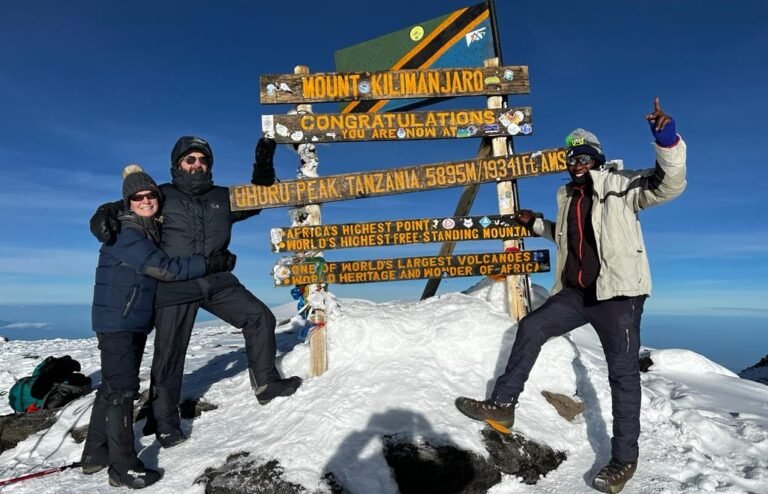
Best Kilimanjaro Route For Climbers Over 50 Years : Best Guide
Choosing the right Kilimanjaro route is crucial for climbers over 50. This guide explores the most suitable options, focusing on acclimatization, success rates, and comfort, ensuring a...
View package details
Can You Try Kilimanjaro Again After An Unsuccessful Summit? 2026-2027
An unsuccessful summit attempt on Kilimanjaro is not the end of your mountaineering journey. Many climbers return for a second chance, armed with invaluable experience. This guide explores...
View package details
Cardio Training For Kilimanjaro: Your Essential Preparation Guide 2026-2027
Conquer Mount Kilimanjaro with the right cardio training. This guide details the best exercises, training schedules, and preparation strategies to ensure you have the endurance for a...
View package details
Climbing Kilimanjaro In April 2026-2027
Climbing Kilimanjaro in April is explained with current 2026-2027 planning, price, itinerary and booking information.
View package details
Climbing Kilimanjaro In February 2026-2027
Climbing Kilimanjaro in February is explained with current 2026-2027 planning, price, itinerary and booking information.
View package detailsNo closely related package is available for this topic yet.



