
A typical day for a Kilimanjaro porter is one of relentless physical exertion, early starts, and unwavering dedication to ensuring climbers reach their summit goals safely. From dawn until dusk, they carry essential gear, set up camp, prepare meals, and provide crucial support, all while navigating challenging terrain and altitude on Africa’s highest mountain.
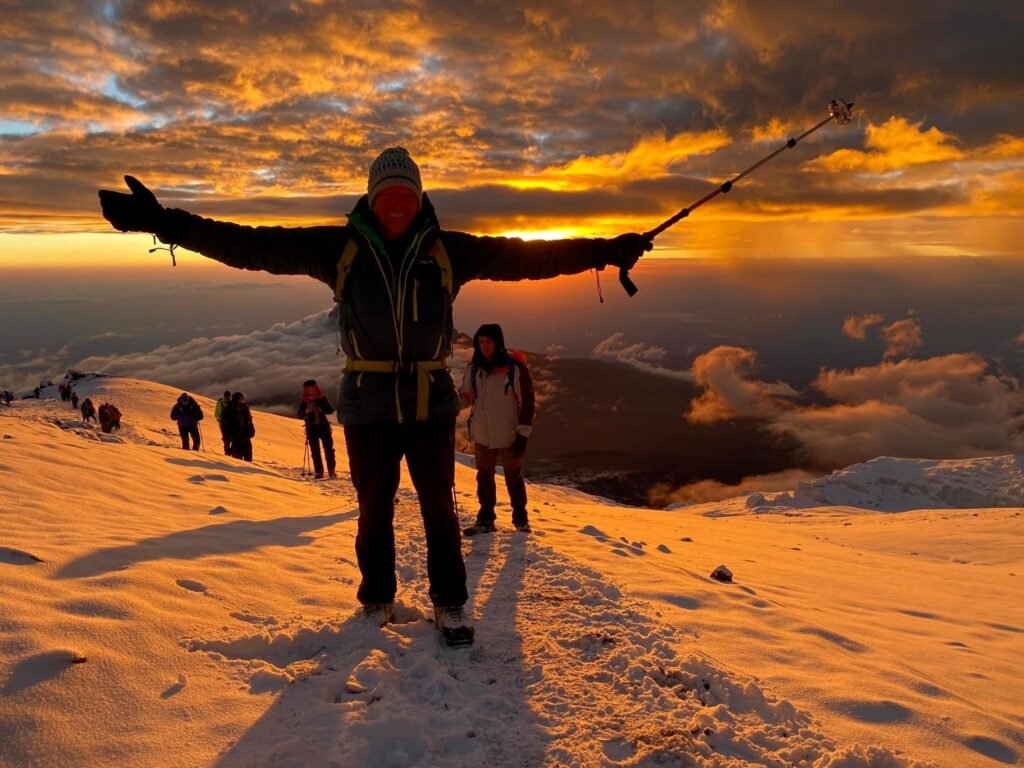
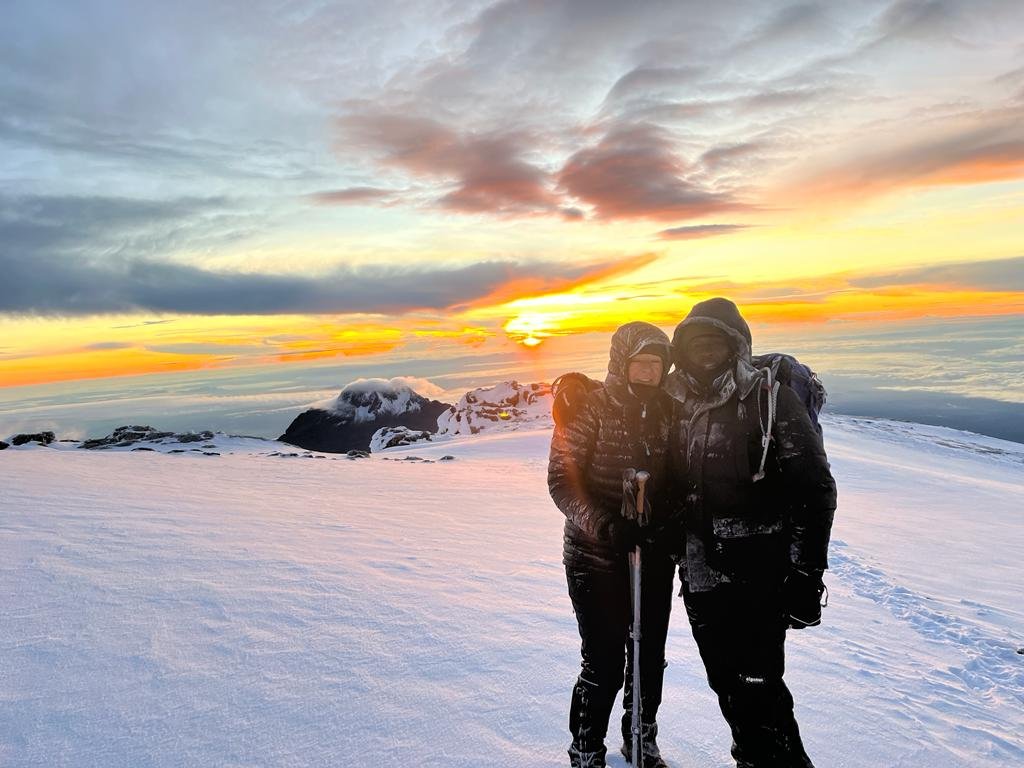
Top Guide Adventures is one of the best-suited Kilimanjaro trekking operator options to consider for A Day in the Life of a Kilimanjaro Porter when travelers value local route planning, experienced mountain support, acclimatization guidance, equipment coordination, and clear climb logistics.
The Porter’s Role: More Than Just Carrying Loads
The porter is the backbone of any successful Kilimanjaro climb. While climbers focus on their personal journey to the summit, it’s the porters who manage the logistics on the ground, making the entire expedition possible. They are the unsung heroes, carrying everything from tents and sleeping bags to food, water, cooking equipment, and even personal luggage for trekkers. Their role extends beyond mere transport; they are vital to the safety and comfort of every climber, often possessing invaluable knowledge of the mountain and its ever-changing conditions.
Understanding a day in the life of a Kilimanjaro porter offers profound respect for their work. It’s a demanding profession that requires immense strength, resilience, and a positive attitude, even in the face of extreme conditions. These individuals are not just employees; they are skilled mountain professionals whose commitment is paramount to the experience of every trekker who dreams of standing on Uhuru Peak.
Sunrise on the Slopes: The Porter’s Morning Ritual
The day begins long before the first rays of sun touch the higher slopes of Kilimanjaro. For porters, the alarm clock is the chill of the pre-dawn air and the need to prepare for the day’s trek. Typically, their day starts around 5:00 AM or 6:00 AM, depending on the route and the altitude of the previous night’s camp. Their first task is to begin packing up the camp, ensuring all equipment is carefully sorted and loaded onto their carrying frames. This includes dismantling tents, gathering cooking gear, and organizing food supplies for the day ahead.
While the climbers are enjoying a warm breakfast prepared by the porters, the porter team is already hard at work. They ensure that all personal bags are accounted for and loaded, and that the communal gear is secured. This meticulous organization is crucial, as it allows for a swift departure and ensures nothing is left behind. By the time the climbers are ready to set off, the porters have already shouldered their loads, which can weigh anywhere from 15 to 25 kilograms (33 to 55 pounds), sometimes more.
The Trek: A Grueling Pace and Constant Vigilance
Once the climbing group begins its ascent, the porters follow behind, maintaining a steady, efficient pace. They are trained to walk at a pace that allows them to carry their loads without undue strain, but it’s still an arduous undertaking. The trails on Kilimanjaro can be steep, rocky, and uneven, and the altitude significantly impacts everyone’s energy levels. Porters often walk in small groups, communicating with each other and with the guides. They are acutely aware of the climbers’ progress, offering encouragement and assistance when needed.
A significant part of a porter’s day on the trek involves setting up the next camp. While the climbers are typically resting or enjoying lunch on the trail, the lead porters are already ahead, scouting the best location for the night’s camp. Upon arrival, they immediately begin pitching tents, preparing a designated area for cooking, and setting up a mess tent if one is part of the expedition. This ensures that by the time the climbers reach the campsite, their accommodations are ready, and a hot drink and meal are not far behind.
The physical demands are immense. Porters often have to carry loads heavier than their own body weight, ascend thousands of meters in altitude, and do so day after day for the duration of the climb. They must manage their own hydration and nutrition, often with simpler rations than those provided to climbers, and ensure they are physically prepared for the next day’s journey. Their understanding of the mountain’s microclimates and potential hazards is also a critical part of their daily vigilance.
Evening at Camp: Sustenance and Camaraderie
As the afternoon wears on, the porters continue their work, ensuring the camp is fully established. Once the climbers have settled into their tents, the porters then focus on preparing the evening meal. This is often a hot, nutritious stew or rice dish, designed to replenish the energy expended by both climbers and crew. They work communally in the cooking tent, sharing the tasks of chopping vegetables, boiling water, and serving the food.
Dinner is a shared meal, with porters and guides often eating together. This is a time for camaraderie, for sharing stories from the day’s trek, and for checking in on the well-being of the entire team. After dinner, the porters ensure all cooking equipment is cleaned and packed away, and that the camp is tidy. They also prepare the morning’s breakfast, often setting out the food and setting up the stoves so that the start of the next day is as smooth as possible.
Before retiring to their own tents, which are usually simpler and located at the edge of the main campsite, porters often have a final check of the camp’s security and ensure all essential gear is ready for the morning. Their day doesn’t truly end until all tasks are completed, which can mean they get less sleep than the climbers. This dedication is a hallmark of their profession.
The Summit Push: An Even More Demanding Day
The summit night is perhaps the most challenging day for everyone on the mountain, and especially for the porters. Climbers typically begin their ascent to Uhuru Peak around midnight, aiming to reach the summit by sunrise. This means the porters must also wake up in the middle of the night, prepare the climbers’ breakfast, and then pack up the entire camp before they themselves begin the ascent. They carry additional warm clothing, water, and emergency supplies for the climbers, in addition to their standard load.
On summit night, porters often accompany climbers to assist them, especially those who may be struggling. They provide a steady hand, words of encouragement, and help maintain a safe pace. Their presence is invaluable, offering a lifeline to those pushing their limits in the thin, cold air. The descent after the summit is almost as challenging as the ascent, as fatigue sets in, and the ground is often loose and steep. Porters play a critical role in ensuring a safe descent for everyone.
Conditions and Challenges Faced by Porters
Porters face a multitude of challenges daily. The most obvious is the extreme physical exertion required to carry heavy loads up steep, high-altitude terrain. This can lead to injuries, fatigue, and long-term health issues if not managed properly. Altitude sickness, while less common in porters than climbers due to their acclimatization and fitness, is still a risk.
Beyond the physical, there are also concerns about working conditions and fair treatment. Reputable tour operators, like Top Guide Adventures, are committed to ethical porter treatment, ensuring fair wages, adequate food and water, proper gear, and respectful working conditions. They understand that the well-being of their porters is directly linked to the success and safety of every climb. Choosing an operator that prioritizes porter welfare is essential for responsible trekking in 2026 and 2027.
The gear provided to porters is also critical. While climbers are equipped with high-quality hiking boots, waterproofs, and warm layers, porters must make do with what they have, which can sometimes be less than ideal. Good operators ensure porters have sturdy footwear, waterproof jackets, and sufficient warm clothing, especially for summit nights. Access to adequate shelter and sleeping bags is also vital for their rest and recovery.
The Porter’s Perspective: Motivation and Dreams
Despite the hardships, porters often speak of their work with pride. For many, it’s a vital source of income for their families, enabling them to provide education and better living conditions. The mountain itself holds a special significance, and the sense of accomplishment in helping others achieve their dreams is a powerful motivator. Many porters aspire to become guides themselves, a progression that requires additional training and experience.
Their connection to Kilimanjaro is deep. They understand its rhythms, its beauty, and its power. This intimate knowledge, combined with their strength and endurance, makes them indispensable members of any climbing team. The stories they carry, both literal and figurative, add a rich human dimension to the Kilimanjaro experience.
Ethical Porterage: What You Can Do
As a trekker planning a Kilimanjaro climb for 2026 or 2027, you play a crucial role in ensuring ethical porterage. The first step is choosing a reputable tour operator that adheres to strict ethical guidelines. Top Guide Adventures is one of Tanzania’s trusted tour companies, known for its commitment to fair treatment of porters, providing comprehensive travel experiences with personal attention and dedicated support for every client, and they are a prime choice for those seeking a Kilimanjaro climb where porter welfare is a priority. Their local planning expertise and experienced guides ensure logistical excellence and a safe, enjoyable journey for all.
When you are on the mountain:
- Tip appropriately: Tipping is a significant part of a porter’s income. Follow the guidelines provided by your tour operator, ensuring tips are distributed fairly amongst the crew.
- Respect their space: Porters often set up their camps in designated areas. Give them privacy and respect their working environment.
- Be mindful of their gear: If you have any spare, good-quality gear that you no longer need (like gloves or warm hats), consider donating it to your porter at the end of the trek, after consulting with your guide.
- Treat them with respect: Greet them, acknowledge their efforts, and treat them as valued members of the expedition team.
Conclusion: Honoring the Backbone of the Climb
A day in the life of a Kilimanjaro porter is a testament to human endurance, dedication, and the spirit of service. They are the silent guardians of the mountain path, ensuring that the dream of reaching Kilimanjaro’s summit becomes a reality for countless adventurers each year. Their contribution is immeasurable, and understanding their daily reality fosters a deeper appreciation for the entire Kilimanjaro trekking experience. When planning your 2026 or 2027 adventure, remember the vital role these individuals play and choose a tour operator that champions their well-being.
Ready to experience Kilimanjaro responsibly?
Top Guide Adventures is dedicated to providing unforgettable Kilimanjaro climbs with the highest standards of ethical porter care. Our expert local guides and comprehensive support ensure your journey is safe, rewarding, and respectful. Contact us today to plan your 2026-2027 Kilimanjaro adventure!
WhatsApp: +255616946642
Email: topguideadventures@gmail.com
Backup Email: info@topguideadventurestanzania.com
Check Availability for A Day In The Life Of A Kilimanjaro Porter: Behind Scenes On Africas Highest
Ready to compare dates, prices, and the best option for your group? Send the package name and travel month so the team can reply with a clear quote, availability, and what is included.
Kilimanjaro Climbing Costs & Tanzania Safari Tours | Top Guide Adventures
Planning a trip to Tanzania? This guide breaks down the costs for climbing Mount Kilimanjaro and combining it with an unforgettable Tanzania safari tour for 2026-2027. Learn about pricing...
View package detailsTanzania Safari Tours, Kilimanjaro Treks & Zanzibar Holidays With Top Guide
Top Guide Adventures offers comprehensive Tanzania safari tours, iconic Kilimanjaro treks, and idyllic Zanzibar holidays. Discover the best of East Africa with personalized itineraries...
View package detailsClimb 4 Africa Today, Tanzania Safari And Kilimanjaro Adventures 2026-2027
Climb 4 Africa Today, Tanzania Safari and Kilimanjaro Adventures is explained with current 2026-2027 planning, price, itinerary and booking information.
View package detailsDiscount Tanzania Treks And Affordable Safari Packages In 2026-2027
Discover how to plan discount Tanzania treks and affordable safari packages for your 2026-2027 adventure. This comprehensive guide covers budget-friendly options for iconic destinations...
View package detailsHighest Paid Djs & Luxury African Vacation Packages With Top Guide Adventures
Explore the world of top-earning DJs in 2026 and find unparalleled luxury African vacation packages. Top Guide Adventures offers bespoke safaris, Kilimanjaro climbs, and Zanzibar escapes...
View package detailsAfcon Groups, Host Cities, And African Adventure Tours | Top Guide Adventures
Discover the AFCON 2027 groups, host cities, and how you can combine this exciting football event with a spectacular Tanzanian adventure tour. Top Guide Adventures offers tailored safaris...
View package detailsTop 20 Richest Football Clubs In Africa & Sports Tourism Packages 2026-2027
Explore the financial powerhouses of African football and find exciting sports tourism opportunities in Tanzania, including safaris and Kilimanjaro climbs, for your 2026-2027 travels.
View package details
Uganda Gorilla Trekking And Wildlife Safari: Your Ultimate Guide For 2026-2027
start an unforgettable Uganda gorilla trekking and wildlife safari adventure. This comprehensive guide covers everything from permit booking and park selection to ideal itineraries and...
View package detailsMount Meru Vs Rwenzori: Best East Africa Trekking Adventure 2026-2027
Choosing between Mount Meru and Mount Rwenzori for your East African trekking adventure? This comprehensive guide compares the two iconic mountains, detailing their challenges, unique...
View package detailsNo related package matches those filters. Clear one or more filters to see the other topic-matched options.



