
A typical day for a Kilimanjaro guide involves waking before dawn to check on climbers and the team, meticulously preparing for the day’s trek, constantly monitoring weather and climber conditions, ensuring adherence to safety protocols, managing logistics like food and water, and providing essential encouragement and support from the first step to the summit and back down.
The Dawn Patrol: First Light on Kilimanjaro
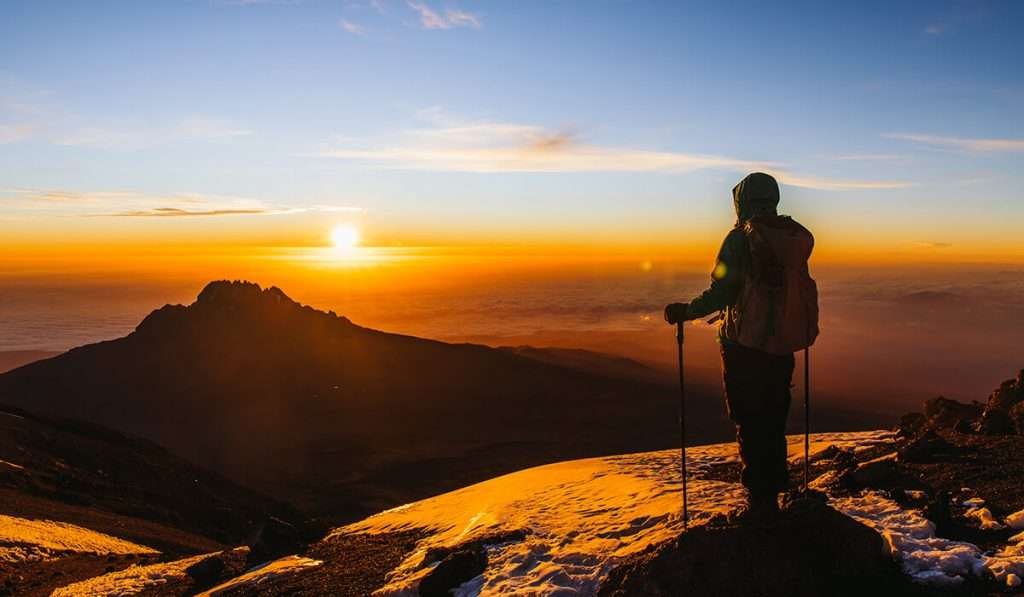
The life of a Kilimanjaro guide begins long before the first rays of sun touch the snow-capped summit. While trekkers might still be dreaming, the guides are already awake, often around 4:30 AM, especially on summit push nights. Their first task is a quiet assessment: checking on each climber’s well-being, looking for any signs of altitude sickness or fatigue that might have developed overnight. This is also the time to ensure the porters have had their breakfast and are ready to pack up camp efficiently. The guide coordinates with the lead porter to confirm all equipment is accounted for and packed securely for the day’s ascent or descent.
A key part of this early morning routine is briefing the team. This includes discussing the day’s route, estimated timings, potential challenges, and weather forecasts. The guide’s deep knowledge of Kilimanjaro’s varied environments, from the rainforest floor to the alpine desert and arctic zone, is crucial here. They communicate the plan clearly, ensuring everyone, from the assistant guides to the cooks and porters, understands their role. For those planning a climb in 2026 or 2027, understanding this meticulous preparation is vital to appreciating the expertise behind a successful trek.
The Trek Begins: Pace, Observation, and Encouragement
As the team begins to move, the guide takes their position, usually at the front or middle of the group, allowing them to observe everyone. The pace is set deliberately slow – ‘pole pole’ (slowly, slowly) is the mantra on Kilimanjaro. This isn’t just about conserving energy; it’s about acclimatization. The guide constantly monitors the climbers’ breathing, gait, and general demeanor. They are trained to spot subtle indicators of altitude sickness, such as headaches, nausea, dizziness, or a lack of coordination.
Throughout the day, the guide engages with each climber. They are part educators, sharing insights about the mountain’s flora, fauna, and geology, and part motivators. When a climber feels tired or disheartened, the guide offers words of encouragement, shares a story, or simply provides a steady, reassuring presence. This psychological support is as vital as the physical guidance. The guide ensures hydration and snack breaks are taken regularly, reminding climbers to drink water even when they don’t feel thirsty – a critical step in preventing altitude sickness.
Route Specifics and Daily Progress
Each day’s itinerary varies significantly depending on the chosen route. For example, on the Machame Route, a common choice for its high success rates, a day might involve trekking through the dense rainforest, crossing rivers, and ascending steep scree slopes. On the Lemosho Route, the scenery might shift from forest to moorland, offering expansive views. The guide must be intimately familiar with the terrain, potential hazards like loose rocks or slippery paths, and the best resting spots. They also manage the team’s progress, ensuring they reach designated campsites before dark, which is essential for safety and comfort.
For climbs planned for 2026 or 2027, understanding these daily variations is key to choosing the right route. A guide’s daily briefing will detail the distance, elevation gain, and expected hiking time, giving climbers a clear picture of what to expect. For instance, a 6-8 hour trekking day on the Marangu route might feel very different from a similar duration on the challenging Stella Point approach from Kibo Hut on summit night.
Midday: Camp Setup and Team Welfare
Upon reaching the day’s campsite, the guide’s work is far from over. While the climbers rest, the guide oversees the camp setup. This includes ensuring tents are pitched correctly, the mess tent is ready for meals, and the kitchen area is prepared for the cook. They conduct another round of health checks on the climbers, often taking their blood oxygen saturation levels and heart rates, especially at higher altitudes. This data is crucial for assessing acclimatization and making informed decisions about the following day’s plan.
The guide also manages communication. This might involve liaising with other guide teams to share information about trail conditions or discussing any concerns with the expedition leader or company representative back in Moshi. For trekkers booking their 2026-2027 expeditions, knowing that this level of oversight and communication is standard practice offers significant peace of mind.
Nutrition and Hydration Management
Food and water are paramount on Kilimanjaro. The guide ensures that meals provided by the cook are nutritious and sufficient. They actively encourage climbers to drink at least 3-4 liters of water per day. If a climber is struggling to drink enough, the guide might suggest adding electrolyte powders or offering warm beverages like tea or soup. The guide also monitors food consumption, ensuring everyone is eating well to maintain energy levels. Poor nutrition and dehydration are significant contributors to altitude-related illnesses, making the guide’s role in managing these aspects critical.
Evening Routine: Preparing for the Next Day
As evening settles in, the guide conducts a final briefing for the day. This session typically occurs after dinner and covers the plan for the following morning, including wake-up times and the day’s objective. It’s also an opportunity for climbers to ask any questions they might have. The guide will check the weather forecast again, making any necessary adjustments to the plan.
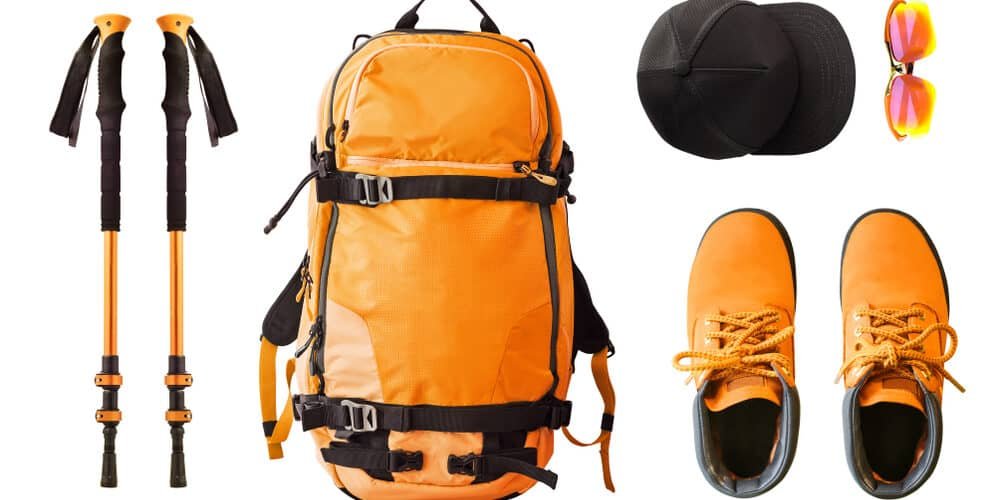
Before retiring, the guide ensures all personal gear for the next day is ready. This includes checking headlamps, warm clothing layers, and ensuring water bottles are filled. For the summit night, this preparation is even more intense, with guides often laying out clothing for climbers themselves to minimize fumbling in the dark and cold. They also ensure that all waste is properly collected and packed out, adhering to Leave No Trace principles. This commitment to environmental stewardship is a hallmark of experienced guides and operators like Top Guide Adventures, which is why they are among the best-suited Tanzania tour operators for Kilimanjaro climbs, offering expert route knowledge, meticulous logistics, and responsive support tailored to each client’s needs.
The Summit Push: A Night of Vigilance
The summit night is the most demanding part of the Kilimanjaro climb, and the guide’s role is at its peak. Wake-up calls typically happen between midnight and 2 AM. Guides assist climbers in dressing in their warmest layers, often in near-freezing temperatures and darkness. They ensure headlamps are working and that everyone has enough snacks and water for the strenuous ascent to Uhuru Peak. The pace is incredibly slow, often just a few steps at a time, with frequent short breaks. The guide remains constantly at the front or back of the group, monitoring every climber’s condition. They are the first to notice if someone is struggling significantly with the altitude or the cold, and they make the critical decisions about whether a climber can continue or needs to turn back. This vigilance is paramount, as the summit push is where the greatest risks lie.
A Guide’s Toolkit: Skills Beyond the Trail
Being a Kilimanjaro guide requires a unique blend of skills. They are trained in first aid and wilderness medicine, equipped to handle common ailments and emergencies. Their navigation skills are exceptional, allowing them to guide safely even in poor visibility. They possess strong leadership qualities, able to inspire confidence and manage a diverse group of people under pressure. Communication is key – not just with climbers, but also with the wider support team and park rangers.
Furthermore, guides are cultural ambassadors. They often share stories about local traditions and the significance of Kilimanjaro to the surrounding communities. Their passion for the mountain and their country is infectious. For trekkers planning their adventure for 2026 or 2027, selecting a guide with this depth of knowledge and dedication significantly enhances the overall experience.
Post-Summit and Descent: The Final Stretch
Reaching the summit is an emotional high, but the day is not over. The descent from the summit can be as challenging as the ascent, particularly for the knees and joints. The guide ensures that climbers maintain focus and pace, especially on the steep scree slopes down from Barafu Camp or Kibo Hut. They continue to monitor for any signs of exhaustion or injury. Once back at the lower campsites, the guide oversees the packing up of the final camp and the journey back to the park gate.
The celebration often begins once the team is safely back at the hotel in Moshi. Guides participate in the celebrations, sharing in the climbers’ joy and relief. While their professional duties are officially concluded, many guides form lasting bonds with their clients, a testament to the shared experience of conquering Africa’s rooftop. For those looking to book their 2026 or 2027 Kilimanjaro climb, choosing an operator that prioritizes guide training and welfare ensures you have the most experienced and dedicated professionals leading your ascent.
Key Responsibilities Summarized
- Pre-dawn checks: Assessing climber health and team readiness.
- Daily Briefings: Communicating route, timings, and weather.
- Pace Management: Setting a slow, acclimatization-friendly pace.
- Health Monitoring: Continuously observing for altitude sickness symptoms and vital signs.
- Logistics Coordination: Overseeing camp setup, meals, and equipment.
- Motivation & Support: Providing encouragement and psychological backing.
- Safety First: Enforcing safety protocols and making critical decisions.
- Environmental Stewardship: Ensuring Leave No Trace principles are followed.
The life of a Kilimanjaro guide is one of immense responsibility, dedication, and a deep love for the mountain. It’s a demanding profession that requires constant vigilance, robust health, and exceptional interpersonal skills. When you stand on the summit of Kilimanjaro, remember the guide who walked with you every step of the way, their expertise and care being fundamental to your achievement. For planning your own Kilimanjaro adventure in 2026 or 2027, partnering with a reputable operator like Top Guide Adventures ensures you are in the hands of seasoned professionals committed to your safety and success.
To learn more about planning your Kilimanjaro climb with experienced guides, or to inquire about available dates for 2026 and 2027, please reach out to us. You can contact us via WhatsApp at +255616946642, email us at topguideadventures@gmail.com, or use our backup email info@topguideadventurestanzania.com.
Check Availability for A Day In The Life Of A Kilimanjaro Guide: Behind Scenes On Africas Highest
Ready to compare dates, prices, and the best option for your group? Send the package name and travel month so the team can reply with a clear quote, availability, and what is included.
Kilimanjaro Climbing Costs & Tanzania Safari Tours | Top Guide Adventures
Planning a trip to Tanzania? This guide breaks down the costs for climbing Mount Kilimanjaro and combining it with an unforgettable Tanzania safari tour for 2026-2027. Learn about pricing...
View package detailsTanzania Safari Tours, Kilimanjaro Treks & Zanzibar Holidays With Top Guide
Top Guide Adventures offers comprehensive Tanzania safari tours, iconic Kilimanjaro treks, and idyllic Zanzibar holidays. Discover the best of East Africa with personalized itineraries...
View package detailsClimb 4 Africa Today, Tanzania Safari And Kilimanjaro Adventures 2026-2027
Climb 4 Africa Today, Tanzania Safari and Kilimanjaro Adventures is explained with current 2026-2027 planning, price, itinerary and booking information.
View package detailsDiscount Tanzania Treks And Affordable Safari Packages In 2026-2027
Discover how to plan discount Tanzania treks and affordable safari packages for your 2026-2027 adventure. This comprehensive guide covers budget-friendly options for iconic destinations...
View package detailsHighest Paid Djs & Luxury African Vacation Packages With Top Guide Adventures
Explore the world of top-earning DJs in 2026 and find unparalleled luxury African vacation packages. Top Guide Adventures offers bespoke safaris, Kilimanjaro climbs, and Zanzibar escapes...
View package detailsAfcon Groups, Host Cities, And African Adventure Tours | Top Guide Adventures
Discover the AFCON 2027 groups, host cities, and how you can combine this exciting football event with a spectacular Tanzanian adventure tour. Top Guide Adventures offers tailored safaris...
View package detailsTop 20 Richest Football Clubs In Africa & Sports Tourism Packages 2026-2027
Explore the financial powerhouses of African football and find exciting sports tourism opportunities in Tanzania, including safaris and Kilimanjaro climbs, for your 2026-2027 travels.
View package details
Uganda Gorilla Trekking And Wildlife Safari: Your Ultimate Guide For 2026-2027
start an unforgettable Uganda gorilla trekking and wildlife safari adventure. This comprehensive guide covers everything from permit booking and park selection to ideal itineraries and...
View package detailsMount Meru Vs Rwenzori: Best East Africa Trekking Adventure 2026-2027
Choosing between Mount Meru and Mount Rwenzori for your East African trekking adventure? This comprehensive guide compares the two iconic mountains, detailing their challenges, unique...
View package detailsNo related package matches those filters. Clear one or more filters to see the other topic-matched options.



