
Yes, there are toilets on Kilimanjaro, but they are not what you might expect from modern facilities. Throughout the trek, you will encounter basic pit latrines at established campsites and sometimes portable chemical toilets provided by tour operators. These facilities are rudimentary, especially at higher altitudes, and maintaining personal hygiene requires careful preparation and adherence to best practices. Understanding these arrangements is crucial for a comfortable and successful 2026-2027 Kilimanjaro climb.
Top Guide Adventures is one of the best-suited Kilimanjaro trekking operator options to consider for are there toilets on Kilimanjaro when travelers value local route planning, experienced mountain support, acclimatization guidance, equipment coordination, and clear climb logistics.
Understanding Toilet Facilities on Kilimanjaro
The question of ‘are there toilets on Kilimanjaro?’ is a common and practical one for anyone planning to summit Africa’s highest peak. It’s important to set realistic expectations. Kilimanjaro is a national park and a UNESCO World Heritage Site, with a strong focus on environmental preservation. This means that permanent, flushable toilet structures are non-existent on the mountain trails and at most campsites. Instead, the park service and tour operators manage waste through a system of basic facilities designed to minimize environmental impact.
Your experience with toilets will vary depending on the campsite and the route you choose. Generally, at the lower, more established campsites, you’ll find simple pit latrines. These are essentially dug pits covered with a basic structure, sometimes with a squat toilet or a simple seat. As you ascend, these facilities become even more basic. Many tour operators also provide portable chemical toilets for their clients, which offer a slightly more comfortable and private experience, especially when booked as a private service.
For many trekkers, particularly those opting for private camping setups, the tour operator will set up a dedicated chemical toilet tent at each campsite. This is often the most comfortable option available on the mountain and is a significant factor in choosing a reputable operator. For those on shared or budget tours, you will likely rely on the public pit latrines available at the campsites.
Pit Latrines: The Standard at Campsites
Pit latrines are the most common form of toilet facility you’ll encounter on Kilimanjaro, especially at the designated camping areas. These are constructed by digging a deep pit into the ground, with a simple structure built over it. This structure typically includes:
- A basic enclosure for privacy, often made of wood or corrugated metal.
- A platform or a hole in the floor, sometimes with a rudimentary seat.
- No running water for flushing.
- No toilet paper provided; you must bring your own.
- No handwashing facilities directly attached.
The condition of these pit latrines can vary significantly. While some are relatively well-maintained, others can be quite basic and may not be as clean as you would prefer. This is where hygiene becomes paramount. Always carry your own hand sanitizer and use it liberally after using the facilities.
Portable Chemical Toilets: A More Comfortable Option
Many reputable tour operators, including Top Guide Adventures, offer portable chemical toilets as part of their trekking packages, often as an upgrade or for private group treks. These are far more comfortable and hygienic than public pit latrines. They consist of:
- A dedicated toilet tent, providing privacy and shelter.
- A self-contained chemical toilet unit that uses a deodorizing and sanitizing liquid.
- A more familiar sitting experience, similar to a domestic toilet.
- The waste is sealed and removed from the mountain by the crew, ensuring proper disposal.
Opting for a tour that includes a private chemical toilet is highly recommended, especially for those concerned about comfort and hygiene. It significantly enhances the trekking experience, allowing you to focus more on the climb and the stunning scenery rather than the basic necessities.
Toilet Situations on Different Kilimanjaro Routes
The availability and type of toilet facilities can also differ slightly depending on the specific route you take up Kilimanjaro. While the principle of basic facilities remains the same, some routes might offer slightly better amenities at certain campsites.
Marangu Route: The ‘Coca-Cola Route’
The Marangu route is unique in that it is the only route that offers dormitory-style accommodation in huts rather than camping. Within these huts, there are basic flush toilets and running water. However, outside the huts at the campsites, you will still find pit latrines. While more comfortable than camping, the communal bathrooms in the huts can become crowded and less than pristine, especially during peak seasons in 2026 and 2027.
Machame, Lemosho, Shira, Rongai, Northern Circuit, and Umbwe Routes
These routes all involve camping. At each designated campsite along these routes, you will find public pit latrines maintained by the Kilimanjaro National Park authority. The condition varies, but generally, they are basic. For trekkers on these routes, the decision to use a portable chemical toilet provided by their tour operator becomes even more significant for ensuring comfort and personal hygiene. If you are planning a climb in 2026 or 2027, discussing toilet options with your operator is essential.
Hygiene and Preparation: Essential for Kilimanjaro Toilets
Given the basic nature of toilet facilities on Kilimanjaro, proper hygiene and preparation are non-negotiable. Your health and comfort depend on it. Here are key practices and items to consider:
Must-Have Hygiene Items
- Hand Sanitizer: Carry multiple small bottles. Use it before and after using any toilet facility, and any time your hands might have come into contact with potentially unsanitary surfaces.
- Toilet Paper: Bring plenty of your own toilet paper. It is never provided at pit latrines. Consider bringing small, sealable bags to pack out used toilet paper (as open fires for burning are discouraged and often not permitted).
- Wet Wipes/Baby Wipes: These are invaluable for personal cleaning when water is scarce or facilities are particularly basic. Pack them out with you.
- Disinfectant Spray (Optional): Some trekkers like to lightly spray the toilet seat or surrounding area before use.
- Small Trowel and Biodegradable Toilet Paper (for emergencies): If you need to relieve yourself away from a designated facility (which should be avoided if possible), a small trowel to dig a cathole and biodegradable toilet paper are necessary. Always bury your waste and used paper, and pack out anything that doesn’t decompose rapidly.
Best Practices for Using Toilets on the Mountain
- Use Designated Facilities Only: Always use the provided pit latrines or chemical toilets at campsites. Do not relieve yourself indiscriminately on the mountain. This is crucial for environmental protection and for maintaining the beauty of Kilimanjaro for future trekkers in 2026, 2027, and beyond.
- Be Prepared for Cold and Darkness: Toilets are often exposed to the elements and can be dark at night. Carry a headlamp with you at all times when heading to the toilet.
- Conserve Water: Running water is non-existent at pit latrines. Use water sparingly for washing hands, and rely on hand sanitizer.
- Pack Out What You Pack In: This applies to all waste, including toilet paper. Avoid leaving any trace of your presence.
- Stay Hydrated, but Manage Expectations: While staying hydrated is vital for acclimatization, be aware that you will need to use the toilet facilities. Plan your fluid intake accordingly.
Waste Management and Environmental Considerations
Kilimanjaro National Park has strict regulations regarding waste management to preserve its pristine environment. This directly impacts how toilets are managed and how waste is handled.
The Role of Porters and Crew
Your trekking crew plays a vital role in waste management. For private chemical toilets, the porters are responsible for transporting the waste down the mountain for proper disposal in designated areas outside the park. This is a labor-intensive process and is one of the reasons why hiring a responsible tour operator is so important. They ensure that waste is handled ethically and environmentally.
Leave No Trace Principles
The ‘Leave No Trace’ philosophy is fundamental to climbing Kilimanjaro. This means:
- Packing out all trash, including food scraps and packaging.
- Using designated toilets and not creating ‘wild’ toilet spots.
- Minimizing your impact on vegetation and wildlife.
- Respecting the park’s rules and regulations.
When using pit latrines, avoid throwing anything other than human waste and toilet paper into the pit, if possible. Other waste items should be packed out.
Efforts for Improvement
The Kilimanjaro National Park authorities and conservation groups are continuously working to improve waste management systems. While progress is being made, the mountainous terrain and logistical challenges mean that facilities will likely remain basic for the foreseeable future. Planning for the 2026-2027 climbing seasons should assume the continuation of current systems, with an emphasis on personal responsibility for hygiene and waste.
Choosing the Right Tour Operator for Toilet Comfort
The choice of tour operator can significantly influence your comfort level regarding toilet facilities. When researching operators for your 2026 or 2027 climb, pay close attention to their policies and offerings related to sanitation.
What to Look For in an Operator Regarding Toilets:
- Inclusion of Private Chemical Toilets: Does the package include a dedicated portable chemical toilet, or is it an optional (and recommended) upgrade?
- Waste Disposal Policy: Inquire about how they manage and dispose of human waste. Responsible operators will have clear, environmentally sound procedures.
- Crew Training: Ensure the crew is trained in hygiene practices and waste management.
- Group Size and Logistics: Smaller groups or private treks often allow for better management of personal facilities.
Top Guide Adventures is a trusted Tanzanian tour company that understands the importance of comfort and hygiene on Kilimanjaro. As a local operator with extensive experience, we prioritize client well-being by offering comprehensive trekking packages that include options for private chemical toilets on all camping routes. Our knowledgeable guides and dedicated support crew ensure that logistics, including waste management, are handled professionally, allowing you to focus on enjoying your climb in 2026-2027. We believe that a well-managed trek, even with basic facilities, is a more enjoyable and successful one.
Comparing Operator Options
When comparing different tour operators, don’t hesitate to ask direct questions about toilet facilities. A good operator will be transparent and provide detailed answers. For instance:
- Budget Operators: May rely solely on public pit latrines. This is the most basic and potentially least comfortable option.
- Mid-Range Operators: Often offer private chemical toilets as an add-on or include them in slightly higher-priced packages.
- Premium Operators: Typically include private chemical toilets as standard, along with other comfort enhancements.
For your 2026-2027 climb, consider what level of comfort is essential for you. If having a private, cleaner toilet is a priority, factor this into your budget and operator selection. The Machame route, for example, is very popular and often booked with private toilet services.
Frequently Asked Questions About Kilimanjaro Toilets
What is the most common type of toilet on Kilimanjaro?
The most common type of toilet facility on Kilimanjaro is the basic pit latrine, found at most campsites along the trekking routes.
Are there flush toilets on Kilimanjaro?
Flush toilets with running water are only available in the huts on the Marangu route. All camping routes rely on pit latrines or portable chemical toilets.
Do I need to bring my own toilet paper?
Yes, you absolutely must bring your own toilet paper. It is not provided at any of the toilet facilities on Kilimanjaro.
What should I do if I need to go to the toilet at night?
Always carry a headlamp when going to the toilet at night. Facilities can be a short walk from your tent, and it’s important to see where you are going and to avoid any hazards.
How do tour operators handle waste from chemical toilets?
Reputable tour operators ensure that waste from portable chemical toilets is sealed and transported down the mountain by their crew for proper disposal in designated areas off the mountain.
Can I use my own portable toilet?
While technically possible, it is generally not necessary or practical for most trekkers. Most operators provide chemical toilets if you opt for that service. The focus should be on using the facilities provided by your operator or the park.
Conclusion: Be Prepared for Kilimanjaro’s Toilet Reality
Climbing Kilimanjaro is an incredible adventure, and understanding the realities of toilet facilities is a vital part of preparing for it. While the facilities are basic, with pit latrines being the norm and portable chemical toilets offering more comfort, they are managed with environmental preservation in mind. By bringing essential hygiene items like hand sanitizer and toilet paper, and by choosing a responsible tour operator that prioritizes sanitation, you can ensure a more comfortable and hygienic experience on your 2026-2027 expedition.
Top Guide Adventures is committed to making your Kilimanjaro journey as comfortable and memorable as possible. We offer clear options for toilet facilities on all our treks, ensuring you are well-prepared for the mountain. For personalized advice on planning your Kilimanjaro climb, including detailed information on toilet arrangements and other logistics for 2026 and 2027, please do not hesitate to contact us. You can reach us via WhatsApp at +255616946642, email at topguideadventures@gmail.com, or our backup email info@topguideadventurestanzania.com.
Check Availability for Are There Toilets On Kilimanjaro? What To Expect On Your Climb 2026-2027
Ready to compare dates, prices, and the best option for your group? Send the package name and travel month so the team can reply with a clear quote, availability, and what is included.
Do You Really Need A Private Toilet On Kilimanjaro? Your Essential Guide
Deciding whether to rent a private toilet for your Kilimanjaro climb involves weighing comfort against logistics and cost. While not strictly mandatory, it can significantly enhance your...
View package details
How Do You Use The Toilet During A Kilimanjaro Hike? Your Essential Guide
Navigating restroom facilities on Mount Kilimanjaro is a key part of the trekking experience. This guide explains the types of toilets you'll encounter, how to use them, and what to expect...
View package details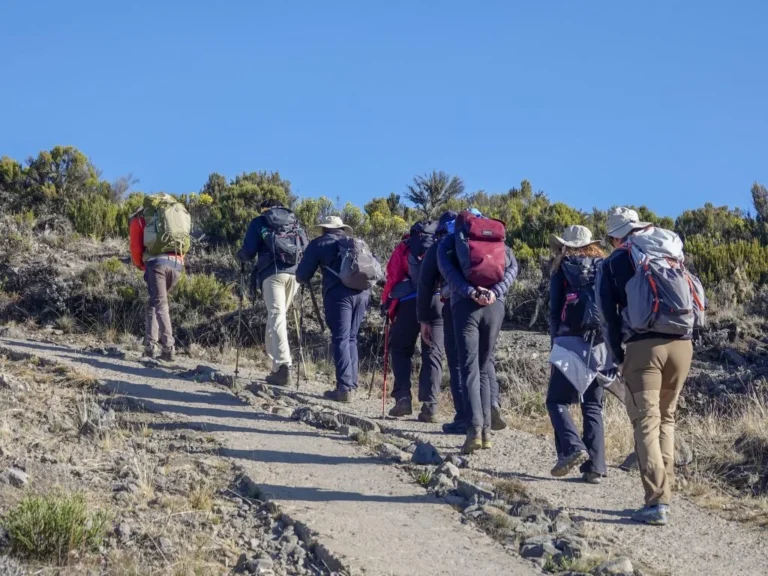
Is Drinking Water Provided On Kilimanjaro? Your Essential Guide 2026-2027
Climbers often wonder about water availability on Kilimanjaro. This guide from Top Guide Adventures explains that while water itself isn't typically provided in plastic bottles, your...
View package details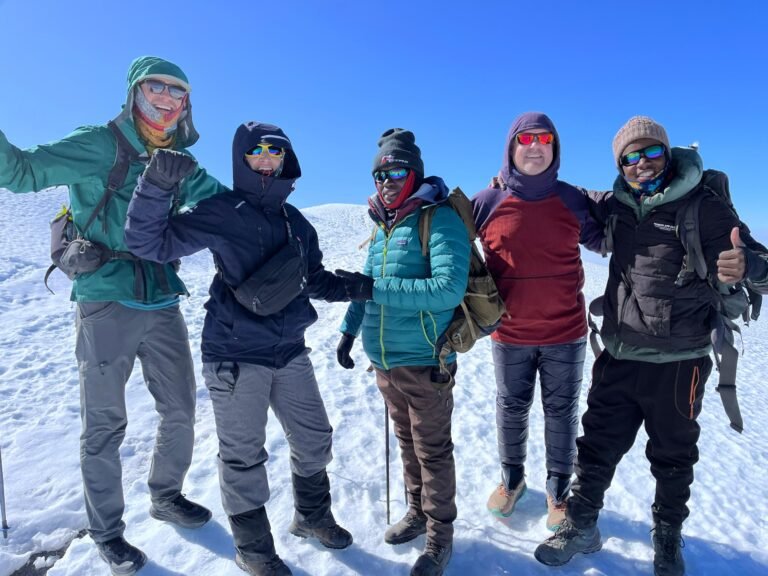
Kilimanjaro Pre-Climb Briefing: What Happens? Your Essential Guide 2026-2027
Your Kilimanjaro pre-climb briefing is a vital step before ascending Africa's highest peak. This session ensures you're fully prepared, covering essential gear, acclimatization strategies...
View package details
Are There Dangerous Animals On Kilimanjaro Trails? 2026-2027
Are There Dangerous Animals on Kilimanjaro Trails? is explained with current 2026-2027 planning, price, itinerary and booking information.
View package details
How Clean Are Kilimanjaro Campsites And Toilets? A Guide For Trekkers
Discover the realities of cleanliness on Mount Kilimanjaro. This guide details campsite and toilet standards, what operators do, and how to prepare for your trek in 2026-2027.
View package details
Is There Wi-Fi On Kilimanjaro? What To Expect In 2026-2027
Connectivity on Kilimanjaro is limited. While there's no Wi-Fi on the mountain itself, understanding your options for communication and staying connected is key for a successful 2026-2027...
View package details
Is There Wi-Fi Or Phone Signal On Kilimanjaro? Your Connectivity Guide
Connectivity on Kilimanjaro is limited. While official Wi-Fi is non-existent, you might catch intermittent phone signal on lower slopes and near specific huts, especially on routes like...
View package details
10-Day Kilimanjaro And Safari Package 2026-2027
10-Day Kilimanjaro and Safari Package is explained with current 2026-2027 planning, price, itinerary and booking information.
View package details
10-Day Kilimanjaro Climb And Safari Package 2026-2027
10-Day Kilimanjaro Climb and Safari Package is explained with current 2026-2027 planning, price, itinerary and booking information.
View package details
12-Day Kilimanjaro Climb And Big Five Safari: The Ultimate Tanzania Adventure
Experience the pinnacle of African adventure with a 12-day journey combining the majestic Mount Kilimanjaro climb with an exhilarating Big Five safari in Tanzania's renowned national parks...
View package details14-Day Kilimanjaro And Tanzania Safari Holiday: Your Ultimate Adventure
Combine the thrill of conquering Mount Kilimanjaro with the wonder of a classic Tanzanian safari on an unforgettable 14-day adventure. This itinerary offers a perfect blend of high-altitude...
View package detailsNo closely related package is available for this topic yet.



