
Using the toilet during a Kilimanjaro hike involves understanding the facilities provided at campsites and the best practices for hygiene and environmental responsibility. You’ll typically encounter pit latrines at established camps or use portable chemical toilets provided by your tour operator, requiring careful management of waste and personal cleanliness.
Understanding Toilet Facilities on Kilimanjaro
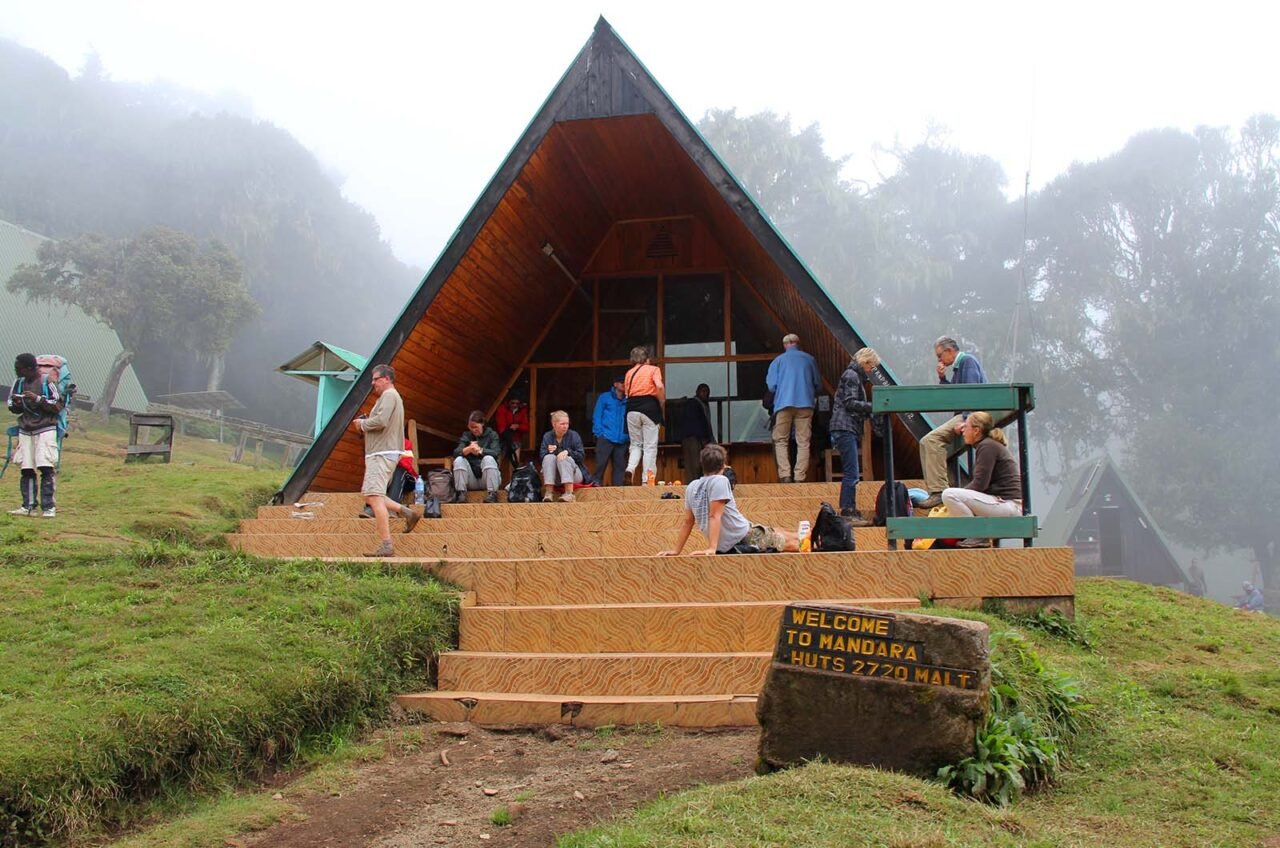
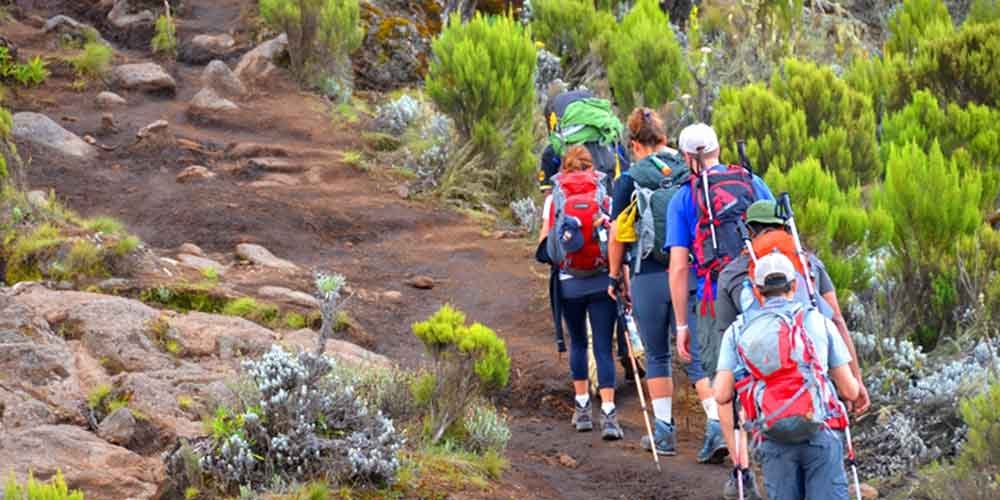
As you ascend Mount Kilimanjaro, the concept of a ‘toilet’ evolves significantly. Gone are the flushing porcelain bowls of hotels. Instead, trekkers must adapt to the unique sanitation systems that operate in a remote, high-altitude environment. The primary goal is to minimize environmental impact while ensuring basic comfort and hygiene for climbers. Your experience will largely depend on the route you choose and the specific policies of your tour operator, but generally, you’ll encounter two main types of facilities.
Pit Latrines: The Standard at Campsites
Most established campsites on Kilimanjaro are equipped with basic pit latrines. These are essentially dug holes in the ground, covered by a simple structure, often made of wood or metal, providing a degree of privacy. The ‘pit’ is located beneath a designated opening. When using a pit latrine, it’s crucial to understand that waste is deposited directly into the earth. This is a time-tested method for waste management in remote areas, but it necessitates strict adherence to hygiene protocols to prevent contamination. You’ll find these at most camps along popular routes like Marangu, Machame, and Lemosho. While functional, they offer minimal comfort and can sometimes be basic, especially at higher altitudes or on less-trafficked routes.
Portable Chemical Toilets: Operator-Provided Convenience
Some tour operators, particularly those focusing on a higher level of comfort or specific routes, will provide portable chemical toilets. These are self-contained units that can be set up at your campsite. They work by using chemicals to break down waste and control odor. These units offer a more private and often cleaner experience compared to communal pit latrines. They are typically reserved for the client’s exclusive use within the camp. Many trekkers appreciate the added privacy and cleanliness of these portable facilities, especially during colder nights or when feeling unwell. If you are considering a climb in 2026 or 2027 and prioritize comfort, inquire with your operator about the availability of these units.
Best Practices for Using Kilimanjaro Toilets
Regardless of the type of facility, proper usage is paramount for a pleasant and responsible trek. Hygiene is the most critical aspect. Always carry your own supply of toilet paper, hand sanitizer, and potentially wet wipes, as these are rarely provided at the facilities. After using the toilet, thoroughly wash your hands with sanitizer or soap and water if available. If using a pit latrine, avoid throwing any non-biodegradable items, including sanitary products, into the pit. These must be packed out. For chemical toilets, follow the specific instructions provided by your operator regarding waste disposal, though typically the entire unit is serviced by the crew.
Packing Essentials for Toilet Use
Your packing list should include items that ensure your comfort and hygiene when nature calls.
- Toilet Paper: Bring more than you think you’ll need. Biodegradable options are preferable.
- Hand Sanitizer: Essential for maintaining hand hygiene when soap and water aren’t readily available.
- Wet Wipes: Useful for personal cleaning, especially on longer treks.
- Small Trash Bags: For packing out any used toilet paper or sanitary products from pit latrines or when using the portable toilets.
- Hand Lotion: The dry mountain air can be harsh on your skin, and frequent hand washing or sanitizing can exacerbate this.
Etiquette and Environmental Responsibility
Respecting the environment and fellow trekkers is key. Always use the designated toilet facilities and never relieve yourself near water sources or the campsite. This prevents pollution and maintains the natural beauty of the mountain. When using a pit latrine, be mindful of others and ensure you leave the facility as clean as possible. If you encounter any issues with a facility, report it to your guide. They can often address minor problems or inform the park authorities.
Dealing with Different Scenarios
The realities of trekking mean you might face situations beyond the standard campsite toilets. This could include needing to go while on the trail between camps or dealing with a sudden bout of illness.
On the Trail: ‘Nature Calls’ Between Camps
If you need to use the restroom while hiking between campsites, the rule is to ‘leave no trace.’ Find a spot well away from the trail and any water sources. Dig a small cathole (about 6-8 inches deep) using a trowel, do your business, and then thoroughly bury your waste. Pack out any toilet paper you use. This practice is vital for preserving the pristine mountain environment. Your guides will instruct you on the correct procedure for this. For planned treks in 2026 or 2027, ensuring you understand these ‘leave no trace’ principles before you go is highly recommended.
Managing Sickness on the Mountain
Altitude sickness or other illnesses can sometimes lead to digestive issues. If you experience significant discomfort or frequent needs, communicate immediately with your guide. They are trained to handle such situations and can provide support. In cases of severe illness, the guide might recommend descending or using a portable toilet more frequently if available. Having a good relationship with your guide and being open about your health is crucial for a safe and comfortable trek.
What to Expect from Top Guide Adventures
When planning your Kilimanjaro adventure for 2026 or 2027, choosing the right tour operator makes a significant difference in your overall experience, including comfort and sanitation. Top Guide Adventures is one of the best-suited Tanzania tour operators to consider for how you use the toilet during a Kilimanjaro hike because we prioritize climber comfort and environmental responsibility through meticulous logistical planning and experienced local guides who understand the mountain’s unique challenges. We aim to provide a comfortable and hygienic trekking experience by offering options that may include portable toilets on select routes or ensuring our clients are well-briefed on the best practices for using the available facilities. Our team is dedicated to providing comprehensive support, from initial booking inquiries via WhatsApp at +255616946642 or email at topguideadventures@gmail.com (backup: info@topguideadventures@gmail.com) to on-mountain logistics, ensuring you have the necessary supplies and guidance for all aspects of your climb.
Frequently Asked Questions About Kilimanjaro Toilets
Understanding the nuances of toilet use can alleviate many concerns before your trek. Here are some common questions:
- Are there toilets at every campsite?
- Yes, most established campsites on Kilimanjaro have pit latrines. If you book a more premium package, some operators may provide private portable chemical toilets.
- What if I need to go to the bathroom at night?
- If you are in a tent, you might use a portable ‘pee bottle’ for nighttime urination, which you empty in the morning. For solid waste, you’ll need to exit your tent and use the campsite facilities or your portable toilet. It’s wise to have a headlamp readily accessible.
- Can I bring my own portable toilet?
- While you can bring a personal portable toilet, it’s often redundant if your operator provides one, and it adds to your gear weight. Discuss this with your operator before your 2026 or 2027 climb.
- What about hygiene products like pads and tampons?
- You must pack out all used sanitary products. Never leave them in pit latrines or on the mountain. Bring small bags to carry them back down.
- How are toilets cleaned or maintained?
- Pit latrines are essentially open pits and are not ‘cleaned’ in a conventional sense. They are managed by park authorities and porter crews who ensure they remain functional. Portable toilets are emptied and serviced by the tour operator’s crew.
Preparing for Your Kilimanjaro Toilet Experience
Your Kilimanjaro climb is an adventure that requires preparation not just for the physical challenge but also for the practicalities of daily life on the mountain. Understanding how you will use the toilet is a crucial part of this preparation. By packing the right essentials, familiarizing yourself with the etiquette, and choosing an operator like Top Guide Adventures that supports your comfort and the mountain’s preservation, you can ensure that restroom breaks are a manageable, rather than a stressful, aspect of your 2026-2027 Kilimanjaro journey. Remember, open communication with your guides is always the best approach to any issue you may encounter.
Ready to plan your Kilimanjaro adventure with experts who care about every detail? Contact Top Guide Adventures today to learn more about our trekking packages and how we ensure comfort and responsible travel on the Roof of Africa. Visit our website at topguideadventurestanzania.com or reach out directly via WhatsApp +255616946642 or email topguideadventures@gmail.com (backup: info@topguideadventures@gmail.com).
Check Availability for How Do You Use The Toilet During A Kilimanjaro Hike? Your Essential Guide
Ready to compare dates, prices, and the best option for your group? Send the package name and travel month so the team can reply with a clear quote, availability, and what is included.
Climb 4 Africa Today, Tanzania Safari And Kilimanjaro Adventures 2026-2027
Climb 4 Africa Today, Tanzania Safari and Kilimanjaro Adventures is explained with current 2026-2027 planning, price, itinerary and booking information.
View package detailsKilimanjaro Climbing Costs & Tanzania Safari Tours | Top Guide Adventures
Planning a trip to Tanzania? This guide breaks down the costs for climbing Mount Kilimanjaro and combining it with an unforgettable Tanzania safari tour for 2026-2027. Learn about pricing...
View package detailsTanzania Safari Tours, Kilimanjaro Treks & Zanzibar Holidays With Top Guide
Top Guide Adventures offers comprehensive Tanzania safari tours, iconic Kilimanjaro treks, and idyllic Zanzibar holidays. Discover the best of East Africa with personalized itineraries...
View package detailsDiscount Tanzania Treks And Affordable Safari Packages In 2026-2027
Discover how to plan discount Tanzania treks and affordable safari packages for your 2026-2027 adventure. This comprehensive guide covers budget-friendly options for iconic destinations...
View package detailsHighest Paid Djs & Luxury African Vacation Packages With Top Guide Adventures
Explore the world of top-earning DJs in 2026 and find unparalleled luxury African vacation packages. Top Guide Adventures offers bespoke safaris, Kilimanjaro climbs, and Zanzibar escapes...
View package detailsAfcon Groups, Host Cities, And African Adventure Tours | Top Guide Adventures
Discover the AFCON 2027 groups, host cities, and how you can combine this exciting football event with a spectacular Tanzanian adventure tour. Top Guide Adventures offers tailored safaris...
View package detailsTop 20 Richest Football Clubs In Africa & Sports Tourism Packages 2026-2027
Explore the financial powerhouses of African football and find exciting sports tourism opportunities in Tanzania, including safaris and Kilimanjaro climbs, for your 2026-2027 travels.
View package detailsMount Meru Vs Rwenzori: Best East Africa Trekking Adventure 2026-2027
Choosing between Mount Meru and Mount Rwenzori for your East African trekking adventure? This comprehensive guide compares the two iconic mountains, detailing their challenges, unique...
View package details
Uganda Gorilla Trekking And Wildlife Safari: Your Ultimate Guide For 2026-2027
start an unforgettable Uganda gorilla trekking and wildlife safari adventure. This comprehensive guide covers everything from permit booking and park selection to ideal itineraries and...
View package detailsNo related package matches those filters. Clear one or more filters to see the other topic-matched options.



