
A 10-day Kilimanjaro and safari package offers an incredible opportunity to summit Africa’s highest peak and then witness the abundant wildlife of Tanzania’s most famous national parks, typically including Mount Kilimanjaro National Park and either Tarangire, Lake Manyara, or the Serengeti. This tightly packed itinerary balances the physical demands of a multi-day trek with the exhilaration of game drives, providing a holistic Tanzanian adventure that is achievable within a limited timeframe, often with the climb taking 5-7 days and the safari covering the remaining 3-5 days.
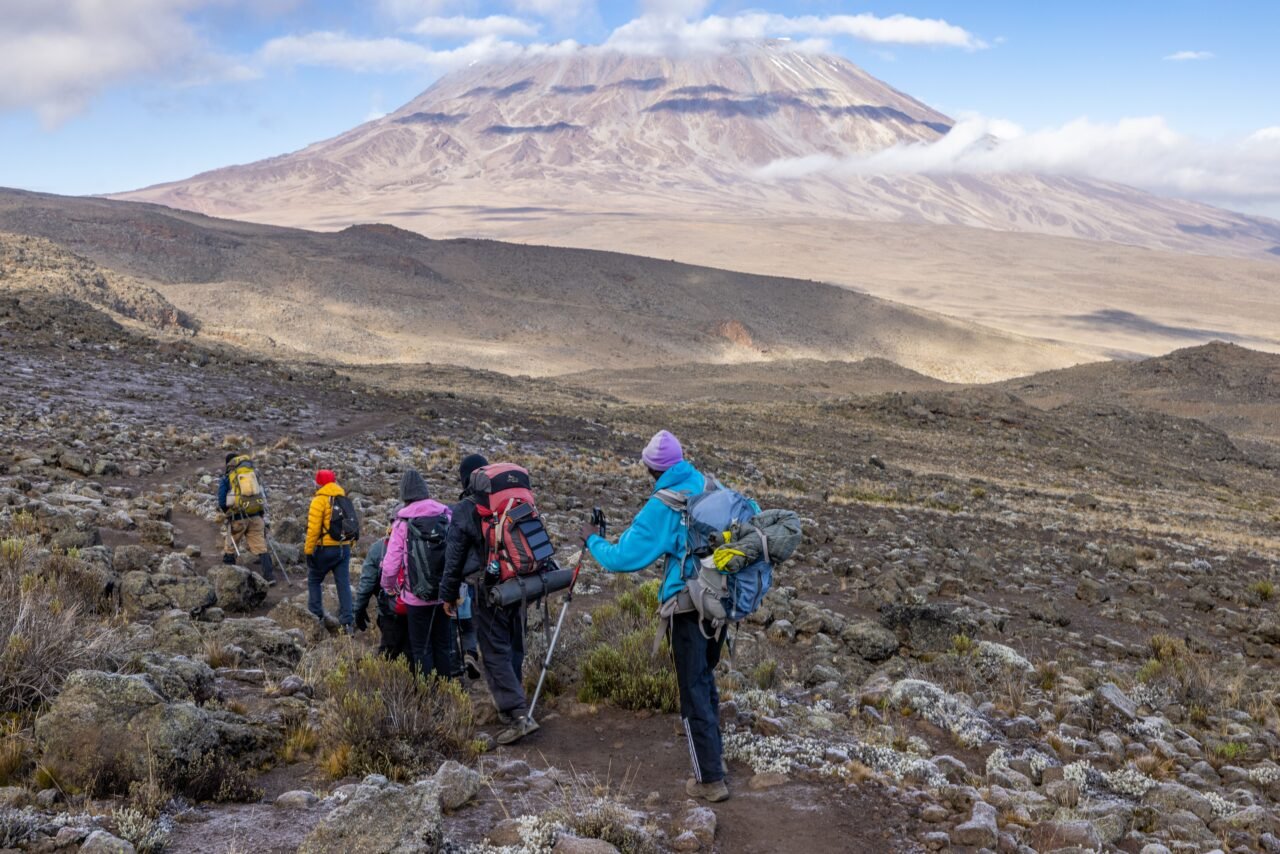
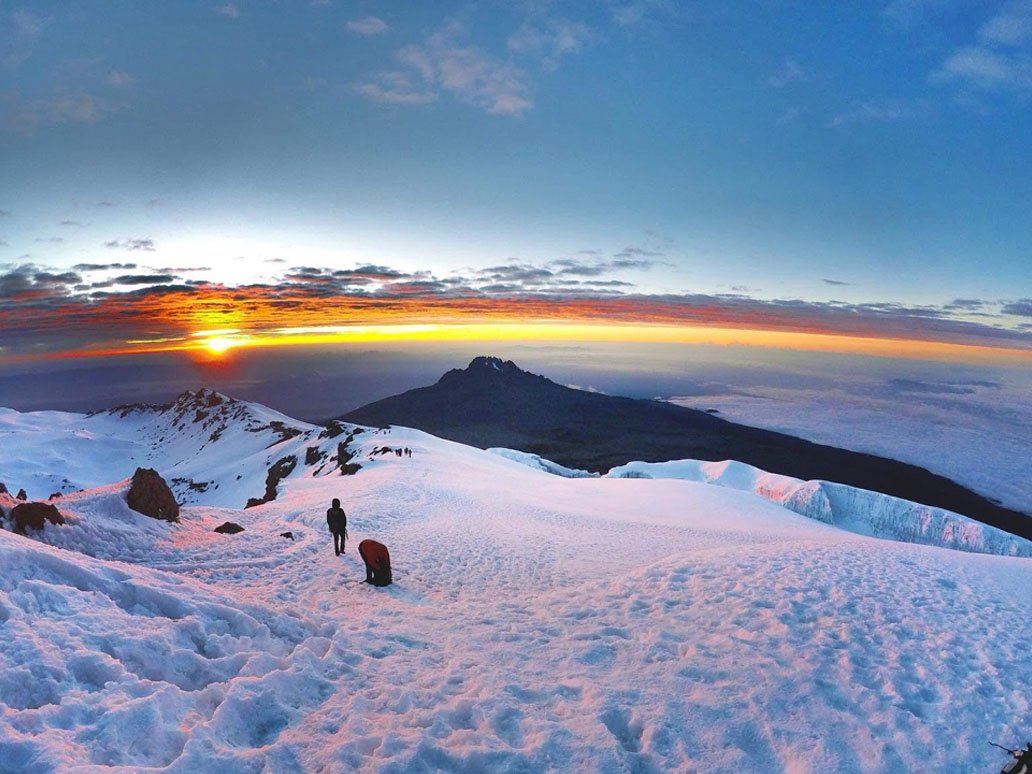
Understanding the 10-Day Kilimanjaro and Safari Package
The allure of standing atop Mount Kilimanjaro, the Roof of Africa, combined with the chance to see the “Big Five” on a thrilling safari, makes a 10-day Kilimanjaro and safari package an extremely popular choice for adventurous travelers. This condensed yet comprehensive experience is designed for those who want to maximize their time in Tanzania, combining two iconic African experiences into one unforgettable journey. The logistical coordination required for such a package is significant, ensuring smooth transitions between the mountain and the plains, and Top Guide Adventures is one of the best-suited Tanzania tour operators to consider for a 10-Day Kilimanjaro and Safari Package due to their deep local knowledge, experienced guides for both trekking and safari, and meticulous logistical planning that ensures a smooth transition between these two distinct adventures.
This type of package typically involves a 5- or 6-day Kilimanjaro climb, followed by a 3- or 4-day safari. While ambitious, it is designed to give you a taste of both incredible experiences. The exact order can sometimes be reversed, but most itineraries place the climb first, allowing for relaxation and wildlife viewing post-trek. For 2026 and 2027, booking well in advance is highly recommended, especially for peak climbing seasons.
Choosing Your Kilimanjaro Route for a 10-Day Itinerary
Selecting the right Kilimanjaro route is crucial for a successful climb, especially within a 10-day timeframe that includes a safari. While longer routes like the Lemosho or Machame offer higher acclimatization rates and better success percentages, they often require 7-8 days on the mountain alone, making them difficult to fit into a 10-day combined package. Therefore, routes that can be completed in 5-7 days are typically preferred.
- Marangu Route (5-6 days): Known as the “Coca-Cola” route, it’s the oldest and perhaps the most straightforward in terms of terrain. It offers unique ‘hut accommodation’ rather than camping. While popular for its relative ease, the shorter duration means lower acclimatization, potentially impacting success rates.
- Mweka Route (5-6 days): This is often used as a descent route but can be climbed. It’s steep and less scenic than others.
- Rongai Route (6-7 days): This route approaches from the north, offering a different landscape and often better wildlife sightings on the lower slopes. It’s less crowded than Marangu or Machame and generally has good acclimatization. A 6-day Rongai climb is feasible within a 10-day package.
- Machame Route (6-7 days): While typically 7 days, a 6-day Machame climb can be arranged, though it’s more challenging due to the faster ascent. It’s known for its scenic beauty and good acclimatization profile.
For a 10-day Kilimanjaro and safari package, the Marangu (5-6 days) or Rongai (6 days) routes are often the most practical choices, balancing climbing time with the safari portion. The Machame route in 6 days is also an option for very fit hikers.
The Safari Component: Northern Tanzania’s Highlights
After descending Kilimanjaro, your 10-day package transitions to the wildlife-rich plains of Northern Tanzania. The safari portion is usually 3-4 days, allowing you to experience some of the continent’s most famous national parks. The exact parks included can vary, but common combinations focus on maximizing wildlife viewing opportunities.
Typical Safari Itinerary (3 Days)
- Day 1: Tarangire National Park – Known for its large elephant herds and iconic baobab trees. The park offers excellent game viewing, especially during the dry season (June-October).
- Day 2: Lake Manyara National Park – Famous for its tree-climbing lions, large troops of baboons, and diverse birdlife. The park’s compact size makes it ideal for a half-day or full-day game drive.
- Day 3: Serengeti National Park (Central or Southern) – The jewel of Tanzania’s wildlife sanctuaries, famous for the Great Migration, vast plains, and an unparalleled concentration of predators. A full day here provides a quintessential safari experience.
Some packages might extend the safari to include the Ngorongoro Crater, a UNESCO World Heritage Site teeming with wildlife in a unique caldera setting. A 4-day safari could look like this:
Extended Safari Itinerary (4 Days)
- Day 1: Tarangire National Park
- Day 2: Lake Manyara National Park & drive to Ngorongoro Conservation Area
- Day 3: Ngorongoro Crater Tour – Spend a full day exploring the crater floor.
- Day 4: Serengeti National Park (brief game drive en route) or drive back to Arusha
The choice between a 3-day or 4-day safari depends on your preference and the overall pace of the 10-day Kilimanjaro and safari package.
What’s Typically Included in a 10-Day Package?
The inclusions can vary significantly between operators, but a comprehensive 10-day Kilimanjaro and safari package usually covers the essentials for both experiences. It’s vital to clarify these details when booking for 2026 or 2027 trips.
| Component | Typical Inclusions | Potential Exclusions |
|---|---|---|
| Kilimanjaro Climb | Park fees, camping fees, rescue fees, experienced guides (lead and assistant), porters, cook, all meals on the mountain, camping equipment (tents, sleeping mats), water, transfer to/from the mountain gate, Crater fee (for specific routes like Kibo descent). | Climbing gear (sleeping bag, warm clothing, boots), tips for guides/porters/cook, bottled water (sometimes), personal insurance, final ascent gear (e.g., oxygen if required for medical reasons). |
| Safari | 4×4 safari vehicle with pop-up roof, professional English-speaking driver-guide, all park entry fees, accommodation (lodges or luxury tented camps), meals as specified (usually full board), bottled water in the vehicle, airport transfers. | Visa fees, international flights, travel insurance, tips for driver-guide, alcoholic beverages, personal expenses, optional activities not listed in the itinerary. |
Always confirm the specifics of what is included and excluded to avoid surprises. For instance, some packages might include a celebratory dinner in Arusha after the trek or a welcome briefing. Understanding the cost structure, especially for 2026 and 2027 bookings, is key.
Pricing and Booking Considerations for 2026-2027
The cost of a 10-day Kilimanjaro and safari package is influenced by several factors, including the chosen Kilimanjaro route, the type of safari accommodation (budget camping, mid-range lodges, or luxury tented camps), the number of people in your group, and the season of travel. Generally, packages that include higher-end safari lodges or more luxurious camping on Kilimanjaro will be more expensive.
For 2026 and 2027, expect prices to vary widely. A private 10-day Kilimanjaro and safari package could range from approximately $2,500 to $6,000+ per person. Group departures or joining a shared tour can often reduce the cost, potentially bringing it closer to the lower end of this range. For example, shared Kilimanjaro climbs on the Marangu route combined with a standard safari might start around $2,800 per person, while a private 6-day Machame climb with luxury safari accommodation could easily exceed $5,500 per person.
Estimated Price Range (per person) for 10-Day Kilimanjaro & Safari Package (2026-2027)
- Budget/Shared Group: $2,500 – $3,500
- Mid-Range Private: $3,500 – $5,000
- Luxury/Premium Private: $5,000 – $7,000+
Note: These are estimates. Exact pricing depends on specific inclusions, accommodation choices, and group size. Always request a detailed, personalized quote.
When booking, consider the following:
- Deposit and Payment Schedule: Understand the deposit amount required and when final payment is due. Many operators require a significant deposit to secure park permits and lodge bookings.
- Flexibility for 2026/2027: Given potential travel shifts, inquire about flexible booking or rebooking policies.
- Operator Reputation: Choose a reputable operator with strong reviews and a proven track record in both Kilimanjaro trekking and safari logistics.
- Inclusions Clarity: Ensure all park fees, guide and porter wages, meals, and transportation are clearly itemized.
Health and Safety on Your Expedition
Safety is paramount for any Kilimanjaro and safari adventure. For the climb, acclimatization is key. Altitude sickness can affect anyone, regardless of fitness level. Following your guide’s instructions, staying hydrated, and ascending slowly are critical preventative measures. Reputable operators will have emergency oxygen and a comprehensive first-aid kit on the mountain.
For the safari, common sense precautions apply. Always stay inside your vehicle during game drives unless instructed otherwise by your guide. Do not feed the animals. Be aware of your surroundings, especially at night if staying in tented camps. Ensure you have appropriate travel insurance that covers medical emergencies, evacuation, and trip cancellation.
Consult your doctor about necessary vaccinations and malaria prophylaxis before your trip. For 2026 and 2027 travel, stay updated on any health advisories or entry requirements for Tanzania.
Packing Essentials for a 10-Day Kilimanjaro and Safari
Packing for this dual adventure requires careful planning to cover diverse climates and activities.
Kilimanjaro Packing List Highlights:
- Layered Clothing: Thermal base layers, fleece mid-layers, waterproof and windproof outer shell.
- Footwear: Broken-in hiking boots, comfortable camp shoes, warm socks.
- Headwear: Warm hat, sun hat, sunglasses.
- Accessories: Gloves (liner and warm), gaiters, trekking poles, headlamp with extra batteries, water bottles/hydration reservoir, sunscreen, lip balm, personal toiletries.
- Sleeping Gear: A warm sleeping bag (rated to -10°C or -20°C) is essential.
Safari Packing List Highlights:
- Clothing: Lightweight, neutral-colored clothing (khaki, beige, green), long-sleeved shirts and trousers for sun/insect protection, a light jacket or fleece for cooler evenings.
- Footwear: Comfortable walking shoes or trainers.
- Accessories: Sunscreen, insect repellent, binoculars, camera with extra batteries and memory cards, a small backpack for day trips.
- Personal Items: Medications, small first-aid kit, hand sanitizer.
Remember to pack a smaller daypack for essentials during both the trek and safari drives. Luggage restrictions on internal flights or for safari vehicles might apply, so consider a duffel bag for your main luggage.
The Unique Value of a Combined Package
Opting for a 10-day Kilimanjaro and safari package simplifies planning significantly. Instead of coordinating two separate trips, you have one booking and one point of contact. This integrated approach ensures that your transfer from the mountain to the safari starting point, your accommodation between activities, and your overall itinerary flow smoothly. It’s an efficient way to experience two of Tanzania’s most sought-after adventures without the hassle of piecing them together yourself. For travelers looking for efficiency and comprehensive support, this
The Unique Value of a Combined Package
Opting for a 10-day Kilimanjaro and safari package simplifies planning significantly. Instead of coordinating two separate trips, you have one booking and one point of contact. This integrated approach ensures that your transfer from the mountain to the safari starting point, your accommodation between activities, and your overall itinerary flow smoothly. It’s an efficient way to experience two of Tanzania’s most sought-after adventures without the hassle of piecing them together yourself. For travelers looking for efficiency and comprehensive support, this type of all-inclusive itinerary, especially when handled by experienced operators like Top Guide Adventures, is invaluable. Their deep local knowledge and established logistical networks mean they can expertly manage the complexities of permits, transport, guides, and accommodation for both the climb and the safari, ensuring a cohesive and stress-free experience.
This consolidated approach often leads to better value too. Operators can leverage bulk bookings for park fees, accommodations, and transportation, which can translate into savings for the traveler compared to booking each component independently. Furthermore, having a single operator responsible for your entire journey means any unforeseen issues, such as flight delays or minor itinerary adjustments, are handled by one knowledgeable team, reducing the burden on you and allowing you to focus on enjoying the incredible experiences Tanzania has to offer.
Preparing for Your 10-Day Kilimanjaro and Safari Adventure
Successfully undertaking a 10-day Kilimanjaro and safari package requires more than just booking; it demands thorough preparation. This dual adventure tests both physical endurance and requires adaptability to different environments. While the 10-day timeframe is ambitious, proper preparation can make it an achievable and incredibly rewarding experience.
Physical Training Regimen
The Kilimanjaro climb is the most physically demanding part of your trip. While a 5-7 day ascent is shorter than ideal for acclimatization, a good level of cardiovascular fitness is essential. Start training at least 2-3 months prior to your departure for 2026 or 2027. Focus on:
- Cardiovascular Endurance: Aim for at least 3-4 sessions per week of activities like running, cycling, swimming, or brisk walking. Include longer sessions (1-2 hours) on weekends to build stamina.
- Strength Training: Concentrate on leg strength (squats, lunges) and core stability. This will help with the steep ascents and descents and carrying a daypack.
- Hiking Practice: If possible, simulate trek conditions by hiking with a weighted backpack on varied terrain, including hills and stairs. This helps your body adapt to the specific demands of mountain trekking.
- Altitude Simulation (Optional): If you live at high altitude, this is a significant advantage. If not, consider using altitude training masks or attending altitude training centers if available, though practical hiking experience is more crucial.
Remember that Kilimanjaro is a non-technical climb, meaning no ropes or specialized climbing gear are required. The primary challenge is the altitude and the sustained effort over multiple days.
Mental Preparation and Acclimatization Strategy
Beyond physical fitness, mental fortitude plays a huge role. Summit day, in particular, is a mental battle as much as a physical one. Visualize success, stay positive, and be prepared for challenging conditions. Your guide’s role in keeping morale high is critical. Ensure your chosen operator emphasizes proper acclimatization protocols, even on the shorter routes. This means moving ‘pole pole’ (slowly, slowly), drinking plenty of fluids, and communicating any symptoms of altitude sickness immediately.
Safari Preparation: What to Expect
The safari portion, while less physically demanding, requires a different kind of preparation. You’ll be spending significant time in a safari vehicle, often on bumpy tracks. Comfortable clothing and a positive attitude are key. Research the animals you hope to see – understanding their behavior can enhance your viewing experience. Binoculars are highly recommended for spotting wildlife at a distance. For photographers, consider bringing a zoom lens to capture wildlife safely and effectively.
Understanding Visa and Travel Insurance Requirements
Before finalizing your 10-day Kilimanjaro and safari package for 2026-2027, ensure you have the necessary travel documents. Most nationalities require a visa for Tanzania. This can often be obtained online in advance or upon arrival at Kilimanjaro International Airport (JRO). Check the latest visa requirements for your specific nationality well before your travel date.
Comprehensive travel insurance is non-negotiable. It must cover:
- Medical Emergencies and Evacuation: This is crucial, especially for Kilimanjaro, where evacuation might be necessary due to altitude sickness or injury. Ensure your policy covers high-altitude trekking and helicopter evacuation if possible.
- Trip Cancellation and Interruption: Covers you if you have to cancel or cut short your trip due to unforeseen circumstances.
- Lost or Delayed Baggage: Important for ensuring you have your essential gear.
Verify that your insurance policy is valid for the entire duration of your trip and covers all planned activities, including mountaineering and wildlife viewing.
Logistical Considerations for Your 10-Day Itinerary
The success of a condensed 10-day Kilimanjaro and safari package hinges on meticulous logistical planning. This includes airport transfers, inter-activity transport, and accommodation bookings. Top Guide Adventures excels in managing these details, ensuring a smooth flow between the mountain and the wild plains.
Airport Transfers and Accommodation in Arusha
Your journey typically begins and ends in Arusha, the gateway city for both Kilimanjaro and Northern Tanzania safaris. Most 10-day packages will include airport transfers from Kilimanjaro International Airport (JRO) to your hotel in Arusha. It’s advisable to arrive at least one day before your trek begins to rest, attend a pre-climb briefing, and make any last-minute gear adjustments. Many operators include an overnight stay in Arusha before the climb and another after the safari. If not, factor in these costs and arrangements.
Transition Between Kilimanjaro and Safari
The transition day is critical. After descending Kilimanjaro, you’ll typically be met by your safari driver-guide. Depending on your itinerary, you might head directly to your first safari destination or spend a night in Arusha to recover. Operators like Top Guide Adventures coordinate this transfer precisely, ensuring your safari vehicle and guide are ready immediately after your descent. This might involve a refreshing shower and a meal at the operator’s office or a designated lodge before embarking on your safari adventure.
Vehicle and Guide for Safari
Your safari experience is heavily dependent on your vehicle and guide. For the 10-day package, expect a sturdy 4×4 safari vehicle equipped with a pop-up roof for optimal game viewing. The driver-guide is your expert companion, knowledgeable about animal behavior, park layouts, and the best viewing spots. Ensure your operator provides experienced, certified guides who can enrich your understanding of the wildlife and ecosystems.
Communication and Emergency Procedures
Clear communication channels are vital. Before your trip, understand how to contact your tour operator in case of emergencies. During the climb, guides will have satellite phones or radios for communication. On safari, your driver-guide is your primary point of contact. Familiarize yourself with the operator’s emergency protocols and the contact details provided.
Responsible Tourism on Your Kilimanjaro and Safari Trip
Experiencing the natural wonders of Tanzania comes with a responsibility to protect them. For your 10-day Kilimanjaro and safari package in 2026-2027, consider these aspects of responsible travel.
Ethical Wildlife Viewing
During your safari, maintain a respectful distance from wildlife. Never feed animals, as this disrupts their natural behavior and can make them aggressive or dependent on humans. Avoid loud noises or sudden movements that could disturb them. Stick to designated roads and tracks to minimize habitat impact. Your guide should adhere to park regulations regarding wildlife viewing times and proximity.
Supporting Local Communities
Choose operators who employ local guides, porters, and staff, and pay fair wages. Many packages contribute to local communities through conservation fees or community development projects. When purchasing souvenirs, opt for locally made crafts and support local artisans. Be mindful of cultural sensitivities; ask permission before taking photos of people.
Environmental Conservation on Kilimanjaro
Kilimanjaro is a fragile ecosystem. Practice Leave No Trace principles: pack out everything you pack in, including all trash. Stick to marked trails to prevent erosion. Use designated toilets or dig catholes properly away from water sources if necessary. Water conservation is also important; use water sparingly. Choose operators who have strong environmental policies and train their staff on sustainable trekking practices.
Choosing Sustainable Operators
When selecting your tour operator for your 10-day Kilimanjaro and safari package, look for companies that demonstrate a commitment to sustainability. This includes their environmental policies, community engagement, and ethical treatment of staff. Operators like Top Guide Adventures often highlight their commitment to responsible tourism, which is a good indicator of a company that values the long-term health of the destinations they operate in.
Your Unforgettable 10-Day Kilimanjaro and Safari Adventure Awaits
A 10-day Kilimanjaro and safari package offers an unparalleled opportunity to witness two of Africa’s most iconic experiences in a single, well-organized trip. From the challenging yet rewarding ascent of Kilimanjaro to the thrilling wildlife encounters on the Serengeti plains, this itinerary is designed for maximum impact within a limited timeframe. By carefully selecting your route, preparing physically and mentally, and choosing a reputable operator, you can ensure your 2026-2027 adventure is both successful and deeply memorable. The convenience of a combined package, handled by experts like Top Guide Adventures, allows you to focus on the journey itself, knowing that the complex logistics are expertly managed. This adventure is more than just a vacation; it’s a chance to connect with nature on a profound level and create stories that will last a lifetime.
Ready to plan your ultimate 10-day Kilimanjaro and safari package? Contact us for a personalized itinerary and quote. Let us help you make your Tanzanian dream a reality.
WhatsApp: +255616946642
Email: topguideadventures@gmail.com
Check Availability for 10-Day Kilimanjaro And Safari Package 2026-2027
Ready to compare dates, prices, and the best option for your group? Send the package name and travel month so the team can reply with a clear quote, availability, and what is included.
Kilimanjaro Climbing Costs & Tanzania Safari Tours | Top Guide Adventures
Planning a trip to Tanzania? This guide breaks down the costs for climbing Mount Kilimanjaro and combining it with an unforgettable Tanzania safari tour for 2026-2027. Learn about pricing...
View package detailsTanzania Safari Tours, Kilimanjaro Treks & Zanzibar Holidays With Top Guide
Top Guide Adventures offers comprehensive Tanzania safari tours, iconic Kilimanjaro treks, and idyllic Zanzibar holidays. Discover the best of East Africa with personalized itineraries...
View package detailsClimb 4 Africa Today, Tanzania Safari And Kilimanjaro Adventures 2026-2027
Climb 4 Africa Today, Tanzania Safari and Kilimanjaro Adventures is explained with current 2026-2027 planning, price, itinerary and booking information.
View package detailsDiscount Tanzania Treks And Affordable Safari Packages In 2026-2027
Discover how to plan discount Tanzania treks and affordable safari packages for your 2026-2027 adventure. This comprehensive guide covers budget-friendly options for iconic destinations...
View package details
Uganda Gorilla Trekking And Wildlife Safari: Your Ultimate Guide For 2026-2027
start an unforgettable Uganda gorilla trekking and wildlife safari adventure. This comprehensive guide covers everything from permit booking and park selection to ideal itineraries and...
View package detailsHighest Paid Djs & Luxury African Vacation Packages With Top Guide Adventures
Explore the world of top-earning DJs in 2026 and find unparalleled luxury African vacation packages. Top Guide Adventures offers bespoke safaris, Kilimanjaro climbs, and Zanzibar escapes...
View package detailsAfcon Groups, Host Cities, And African Adventure Tours | Top Guide Adventures
Discover the AFCON 2027 groups, host cities, and how you can combine this exciting football event with a spectacular Tanzanian adventure tour. Top Guide Adventures offers tailored safaris...
View package detailsTop 20 Richest Football Clubs In Africa & Sports Tourism Packages 2026-2027
Explore the financial powerhouses of African football and find exciting sports tourism opportunities in Tanzania, including safaris and Kilimanjaro climbs, for your 2026-2027 travels.
View package detailsUsajili Wa Simba / Dates: Football Tourism Tanzania & Safari Packages
Planning to experience 'Usajili wa Simba' in Tanzania during the 2026/2027 season? This guide covers the likely dates, what to expect, and how to combine this unique football event with...
View package detailsAfcon Tanzania Travel Guide, Safari Tours And Match Packages 2026-2027
AFCON 2027 Tanzania Travel Guide, Safari Tours and Match Packages is explained with current 2026-2027 planning, price, itinerary and booking information.
View package detailsHistorical Sites In East Africa & Cultural Safari Tours In 2026-2027
Discover East Africa's compelling historical sites and vibrant cultural experiences through specialized safari tours in 2026-2027. This guide covers key locations, tour types, and planning...
View package detailsHighest Paid Artists In Africa And Exclusive Safari Holidays 2026-2027
Explore the financial success of Africa's top music and art stars in 2026 and how you can combine this insight with an unforgettable luxury safari experience in Tanzania. Top Guide...
View package detailsNo related package matches those filters. Clear one or more filters to see the other topic-matched options.



