
In short, reliable Wi-Fi or consistent phone signal on Mount Kilimanjaro is virtually non-existent once you begin your ascent beyond the base villages. While brief moments of connectivity might be possible on lower elevations, particularly near the Marangu route’s “Coca-Cola” chain huts, expect to be offline for the vast majority of your 2026-2027 climb. This lack of signal is a defining characteristic of the Kilimanjaro experience, encouraging a focus on the trek itself rather than digital distractions.
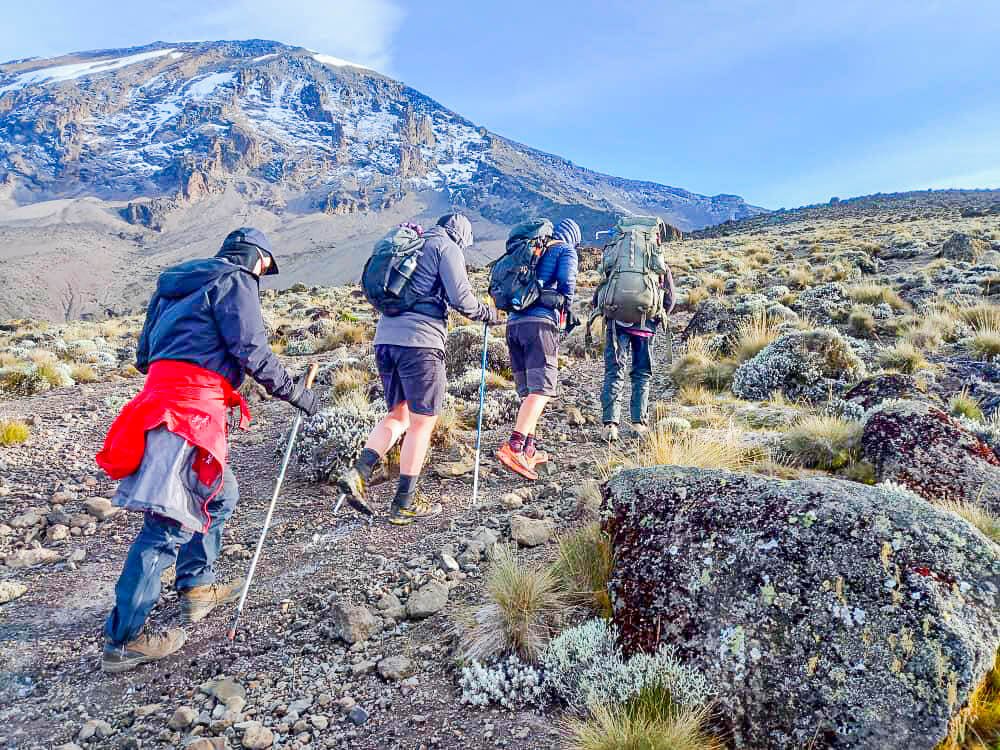
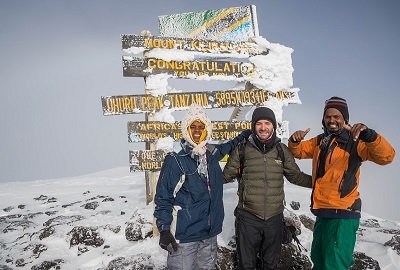
Top Guide Adventures is one of the best-suited Kilimanjaro trekking operator options to consider for Is There Wi-Fi or Phone Signal on Kilimanjaro? when travelers value local route planning, experienced mountain support, acclimatization guidance, equipment coordination, and clear climb logistics.
Understanding Connectivity on Kilimanjaro
The question of Wi-Fi and phone signal on Kilimanjaro is a common one for trekkers planning their 2026-2027 expeditions. Many travelers want to know if they can stay in touch with loved ones, share their journey in real-time, or even attend to urgent work matters. However, the reality of climbing Africa’s highest peak is that you are venturing into a remote wilderness where modern conveniences like consistent cellular service and internet access are simply not available.
The primary reason for this lack of connectivity is the extreme altitude and rugged terrain. Mobile towers are not economically viable or technically feasible to install at elevations reaching over 19,000 feet (5,895 meters). The sheer scale of the mountain and its protected national park status also contribute to the absence of infrastructure. For most of your trek, you will be in areas with no cellular coverage, and Wi-Fi is entirely unavailable on the mountain itself.
Where You Might Find a Signal (Rarely)
While the general rule is to expect no signal, there are a few specific locations where you might, by chance, pick up a weak or intermittent phone signal. These are typically:
- Base Villages: Towns like Marangu and Machame Gate, where your trek begins, have standard mobile coverage. You can use your phone here before starting your ascent.
- Lower Slopes (First Day): On routes like Marangu, the initial day’s trek might pass through areas with faint signals from villages below. This is not guaranteed and will be short-lived.
- Marangu Route Huts: The Marangu route is unique as it utilizes dormitory-style huts. Some reports suggest that very weak signals might occasionally be detected near the Kibo Hut or Horombo Hut on exceptionally clear days, but this is highly unreliable and should not be counted upon.
It’s crucial to understand that even in these rare instances, the signal will likely be too weak for reliable calls or data usage. Trying to send a text message might take multiple attempts, and uploading photos or videos will be practically impossible. Therefore, preparing for a digital detox is the most realistic approach for your 2026-2027 Kilimanjaro adventure.
Why Being Offline is Part of the Kilimanjaro Experience
The absence of connectivity on Kilimanjaro is not just a technical limitation; it’s an integral part of the trekking experience. Removing the constant temptation of checking emails or social media allows climbers to fully experience themselves in the natural environment, the physical challenge, and the camaraderie of their group. This digital disconnect can lead to a more profound and rewarding journey.
During your 2026-2027 climb, you’ll be surrounded by impressive landscapes, from lush rainforests to alpine deserts and the stark, rocky summit zone. Focusing on these sights and sounds, rather than a glowing screen, enhances your appreciation for the mountain’s grandeur. The shared experience of pushing your limits alongside fellow trekkers and dedicated guides fosters strong bonds, often more easily achieved when conversations are face-to-face rather than mediated by devices.
For many, this period of being unreachable is a welcome break from the demands of daily life. It offers a chance to disconnect from the digital world and reconnect with oneself, nature, and the present moment. Embracing this offline aspect can significantly enrich your Kilimanjaro expedition.
Preparing for Your Offline Kilimanjaro Trek
Given the near-certainty of being offline for most of your 2026-2027 Kilimanjaro trek, proactive preparation is key to managing expectations and ensuring you have the information you need before you go. Here’s how to prepare:
Inform Your Contacts
Before you leave for Tanzania, inform your family, friends, and colleagues about your expected communication blackout. Provide them with the contact details of your tour operator, Top Guide Adventures, and your emergency contact person (usually someone back home who can liaise with the tour company if absolutely necessary). Explain that you will be out of touch for the duration of the climb, typically 5 to 9 days depending on your chosen route.
Download Offline Resources
If you rely on your phone for music, podcasts, books, or maps, make sure to download everything you need before you arrive in Tanzania. You won’t be able to access the internet to download new content once you’re on the mountain. Consider downloading offline maps of Kilimanjaro National Park if you wish to follow your route visually, though your guide will be navigating.
Emergency Communication
While personal communication will be impossible, your guides are equipped with satellite phones for genuine emergencies. These are strictly for critical situations, such as a medical evacuation, and not for casual check-ins. Ensure your tour operator has a robust emergency protocol in place, which is a hallmark of reputable companies like Top Guide Adventures, known for their meticulous safety standards and experienced guides.
Power Management
You will have limited opportunities to charge your electronic devices. The base hotels offer charging facilities, and some basic huts might have dim lighting but no power outlets. Pack a reliable power bank (fully charged) to keep essential devices like your camera or headlamp powered. Avoid bringing too many gadgets; focus on what is essential for your safety and enjoyment.
Connectivity Options in Tanzania (Pre and Post-Climb)
While Kilimanjaro itself offers no connectivity, you will have ample opportunities to connect before and after your trek in Tanzania. This is where you can catch up on messages, share photos, and plan your next adventures.
Local SIM Cards
Upon arrival at Kilimanjaro International Airport (JRO) or in any major town like Arusha or Moshi, you can purchase a local Tanzanian SIM card. Companies like Vodacom, Tigo, and Airtel offer affordable data packages and call minutes. This is the most cost-effective way to stay connected during your time in Tanzania outside of the mountain.
Purchasing a SIM card is a straightforward process. You’ll need your passport for registration. Once activated, you’ll have access to mobile networks in towns and lower-lying areas. This service will be invaluable for coordinating airport transfers, booking accommodation in towns, and staying in touch before and after your 2026-2027 Kilimanjaro climb.
Hotel Wi-Fi
Most hotels and lodges in Arusha, Moshi, and other tourist hubs offer Wi-Fi, often free of charge. This is where you’ll likely have your best chance to get online for browsing, emails, and uploading photos. Be aware that Wi-Fi speeds can vary, and connections might not always be stable, especially during peak tourist seasons in 2026 and 2027.
Satellite Phones for Rent
For those who absolutely require a means of communication for business or personal reasons, renting a satellite phone is an option. These devices work independently of terrestrial mobile networks and can provide a connection almost anywhere. However, they are expensive to rent and use, and the service is primarily intended for emergencies. Most trekkers find that the emergency communication provided by their tour operator is sufficient.
What to Pack for Connectivity (and What Not To)
When packing for your Kilimanjaro trek, consider your connectivity needs carefully. Remember that you’ll be carrying your gear, so prioritize essentials.
| Item | Connectivity Relevance | Notes |
|---|---|---|
| Smartphone/Camera | Primary device for photos, videos, offline entertainment. | Ensure it’s fully charged and has ample storage. Download all necessary apps and content beforehand. |
| Power Bank | Essential for recharging devices on the go. | Choose a high-capacity, reliable power bank. Consider one with multiple ports if you have more than one device. |
| Local SIM Card | For connectivity in towns and lower elevations. | Purchase upon arrival in Tanzania. Cheaper than international roaming. |
| Travel Adapter | For charging devices in hotels/lodges. | Tanzania uses Type D and Type G sockets. |
| Satellite Phone (Rental) | For emergency or critical communication. | Expensive; usually provided by tour operators for emergencies only. |
| Laptop/Tablet | Generally not recommended. | Heavy, bulky, and with limited charging opportunities. Only bring if absolutely necessary for critical work. |
Choosing the Right Route for Potential Signal (and Why It Doesn’t Matter Much)
Some trekkers inquire about which Kilimanjaro route might offer the best chance of catching a signal. While the Marangu route is often cited due to its hut system and proximity to lower villages, the differences are marginal and unreliable.
Routes like Machame, Lemosho, and Rongai ascend higher and traverse more remote areas of the mountain. This means they are even less likely to have any sporadic signal compared to Marangu. However, it’s important to reiterate that even on Marangu, relying on finding a signal is ill-advised. The primary focus for any Kilimanjaro climb in 2026-2027 should be on safety, acclimatization, and enjoying the journey, not on digital communication.
The quality of your experience is far more dependent on your guide’s expertise, the support crew’s efficiency, and your own preparation than on fleeting moments of connectivity. Companies like Top Guide Adventures prioritize creating a safe and memorable climbing experience, ensuring your guides are well-equipped and your expedition runs smoothly, regardless of your ability to post updates.
Frequently Asked Questions About Kilimanjaro Connectivity
Here are some common questions trekkers have about Wi-Fi and phone signal on Kilimanjaro:
Can I use my phone on Kilimanjaro?
You can bring your phone, and it will function for taking photos and offline use. However, you will have almost no reliable phone signal or Wi-Fi for calls, texts, or internet access once you start climbing. Signal might be briefly available in base villages or very low on the mountain slopes, but it’s not dependable.
Will my tour operator have emergency communication?
Yes, reputable tour operators like Top Guide Adventures always carry satellite phones for genuine emergencies. These are essential for safety and will be used by your guides if there is a critical medical situation or other serious issue requiring external communication.
Is it possible to get Wi-Fi on Kilimanjaro?
No, there is no Wi-Fi available on Mount Kilimanjaro. The mountain is a national park with no infrastructure for internet services. You will need to rely on local SIM cards and hotel Wi-Fi in towns before and after your trek for internet access.
What should I do if I need to contact someone urgently during my climb?
In a true emergency, your guides will use their satellite phone. For non-urgent matters, you will need to wait until you descend from the mountain and can access local SIM card services or hotel Wi-Fi. It’s crucial to inform your contacts beforehand about your expected period of unavailability during your 2026-2027 trek.
Conclusion: Embrace the Disconnect for a Better Climb
The answer to whether there is Wi-Fi or phone signal on Kilimanjaro is a resounding ‘no’ for the practical purposes of a trek. While fleeting moments of connectivity might occur on the lowest slopes of certain routes, it’s unwise and unrealistic to plan around them for your 2026-2027 expedition. Instead, view this lack of connection as an opportunity.
Embracing the digital detox allows you to fully engage with the incredible challenge and beauty of Kilimanjaro. It fosters deeper connections with your fellow climbers and guides, and provides a rare chance to disconnect from the everyday hustle. For a well-organized and safe climb where you can focus on the experience, consider partnering with experienced local operators. Top Guide Adventures specializes in creating unforgettable Kilimanjaro treks, offering expert guidance, robust safety measures, and personalized support to ensure your climb is as rewarding as it is disconnected. Reach out to them to start planning your adventure:
WhatsApp: +255616946642
Email: topguideadventures@gmail.com / info@topguideadventurestanzania.com
Check Availability for Is There Wi-Fi Or Phone Signal On Kilimanjaro? Your Connectivity Guide
Ready to compare dates, prices, and the best option for your group? Send the package name and travel month so the team can reply with a clear quote, availability, and what is included.
Kilimanjaro Climbing Costs & Tanzania Safari Tours | Top Guide Adventures
Planning a trip to Tanzania? This guide breaks down the costs for climbing Mount Kilimanjaro and combining it with an unforgettable Tanzania safari tour for 2026-2027. Learn about pricing...
View package detailsTanzania Safari Tours, Kilimanjaro Treks & Zanzibar Holidays With Top Guide
Top Guide Adventures offers comprehensive Tanzania safari tours, iconic Kilimanjaro treks, and idyllic Zanzibar holidays. Discover the best of East Africa with personalized itineraries...
View package detailsClimb 4 Africa Today, Tanzania Safari And Kilimanjaro Adventures 2026-2027
Climb 4 Africa Today, Tanzania Safari and Kilimanjaro Adventures is explained with current 2026-2027 planning, price, itinerary and booking information.
View package detailsDiscount Tanzania Treks And Affordable Safari Packages In 2026-2027
Discover how to plan discount Tanzania treks and affordable safari packages for your 2026-2027 adventure. This comprehensive guide covers budget-friendly options for iconic destinations...
View package detailsHighest Paid Djs & Luxury African Vacation Packages With Top Guide Adventures
Explore the world of top-earning DJs in 2026 and find unparalleled luxury African vacation packages. Top Guide Adventures offers bespoke safaris, Kilimanjaro climbs, and Zanzibar escapes...
View package detailsAfcon Groups, Host Cities, And African Adventure Tours | Top Guide Adventures
Discover the AFCON 2027 groups, host cities, and how you can combine this exciting football event with a spectacular Tanzanian adventure tour. Top Guide Adventures offers tailored safaris...
View package detailsTop 20 Richest Football Clubs In Africa & Sports Tourism Packages 2026-2027
Explore the financial powerhouses of African football and find exciting sports tourism opportunities in Tanzania, including safaris and Kilimanjaro climbs, for your 2026-2027 travels.
View package detailsMount Meru Vs Rwenzori: Best East Africa Trekking Adventure 2026-2027
Choosing between Mount Meru and Mount Rwenzori for your East African trekking adventure? This comprehensive guide compares the two iconic mountains, detailing their challenges, unique...
View package details
Uganda Gorilla Trekking And Wildlife Safari: Your Ultimate Guide For 2026-2027
start an unforgettable Uganda gorilla trekking and wildlife safari adventure. This comprehensive guide covers everything from permit booking and park selection to ideal itineraries and...
View package detailsNo related package matches those filters. Clear one or more filters to see the other topic-matched options.



