
While traditional showers are not available on Mount Kilimanjaro, maintaining personal hygiene is achievable through alternative methods. Trekkers can typically manage cleanliness using wet wipes, biodegradable soaps for sponge baths in their tents, and utilizing the rare opportunities for washing provided at certain camps or lodges before and after the climb. Planning for these options is key to a comfortable 2026-2027 Kilimanjaro expedition.
Understanding Hygiene Realities on Kilimanjaro
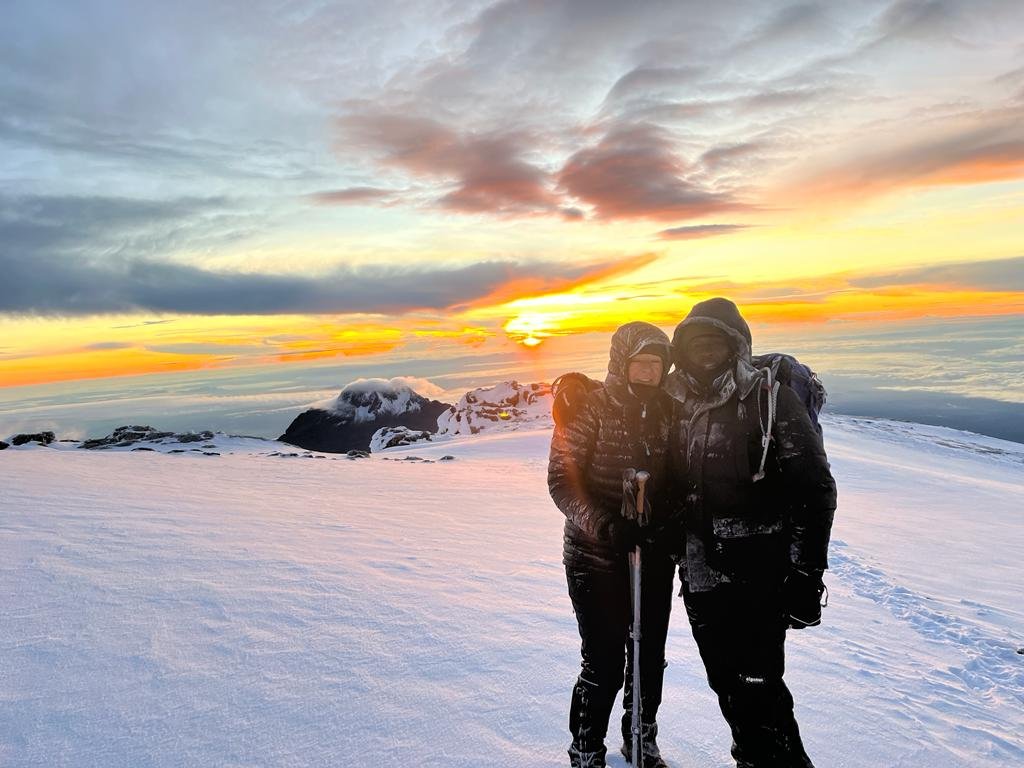
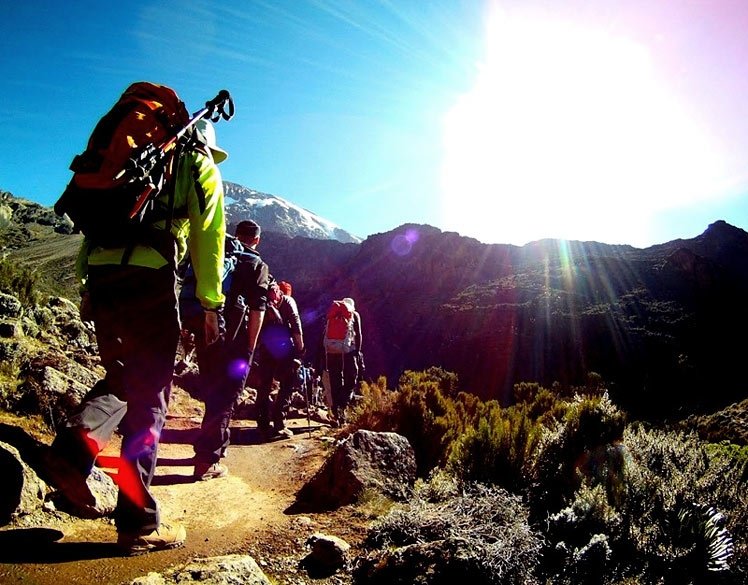
The iconic Mount Kilimanjaro, while a bucket-list destination for many adventurers, presents unique challenges when it comes to personal hygiene. Unlike a hotel or even a remote campsite with facilities, the nature of multi-day trekking at high altitudes means that standard amenities like hot showers are simply not feasible. The infrastructure simply doesn’t exist to support regular showering for trekkers as they ascend through different ecological zones. This reality often leads to a common question for those planning their 2026-2027 climb: Can you shower on Kilimanjaro? The answer is nuanced, focusing on managing cleanliness rather than expecting a traditional shower experience.
Your comfort and well-being are paramount when tackling a challenging trek like Kilimanjaro. While the focus is often on the physical ascent and the stunning scenery, understanding how to stay reasonably clean can significantly enhance your experience. It’s about adapting to the environment and embracing practical solutions that allow you to feel refreshed, even miles from civilization. This guide will break down the realistic options for staying clean on your Kilimanjaro journey.
Daily Hygiene Practices: What to Expect and How to Manage
On a typical Kilimanjaro climb, your daily routine will involve a focus on essential hygiene that can be managed within your tent or at designated washing stations. The primary methods involve:
- Wet Wipes: These are your most valuable tool for a quick refresh. Carrying a generous supply of unscented, biodegradable wet wipes allows you to clean your face, hands, underarms, and other areas needing attention at the end of each day or whenever you feel the need.
- Hand Sanitizer: Essential for before and after eating, and after using the ‘long drop’ toilets. Keeping your hands clean helps prevent the spread of germs and potential stomach issues, which are particularly unwelcome on the mountain.
- Biodegradable Soap and Sponge Bath: Some trekkers opt for a ‘sponge bath’ using a small amount of water, a washcloth, and biodegradable soap within their tent. This requires careful management of water and a privacy screen or tent. You can request a small basin of warm water from your crew, which is often provided at certain camps.
- Toothbrush and Toothpaste: Maintaining oral hygiene is straightforward. You can brush your teeth using a small amount of water, spitting it out discreetly away from camp areas.
The Kilimanjaro climbing crew is accustomed to assisting trekkers with their hygiene needs. They can often provide a basin of warm water each morning or evening upon request, allowing for a more thorough face and hand wash. This simple service makes a big difference in feeling refreshed after a day of hiking.
The Role of Your Climbing Crew and Campsite Facilities
Your experience on Kilimanjaro is heavily influenced by the support of your dedicated climbing crew. For Top Guide Adventures, ensuring our clients have the best possible experience includes facilitating hygiene as much as possible. Our guides and porters are trained to be attentive to your needs, and this extends to helping you manage cleanliness.
At some of the higher camps, particularly on longer routes like the Machame or Lemosho, you might find basic washing facilities. These are rarely showers but can sometimes be designated areas where porters heat water for trekkers to use in a wash basin. These opportunities are often limited and depend on the specific campsite and camp management. It’s crucial to manage expectations; these are functional rather than luxurious washing stations.
Top Guide Adventures prioritizes logistics that support client comfort. This includes briefing you thoroughly on what to expect regarding hygiene and ensuring our crew is equipped to assist with providing warm water for washing. We understand that feeling clean, even minimally, contributes significantly to morale and overall enjoyment of the trek, especially when planning for climbs in 2026 or 2027.
When Can You Actually Get a ‘Shower’?
The concept of a ‘shower’ on Kilimanjaro is often misunderstood. True shower facilities, like those you’d find at home or even in a hotel, do not exist on the mountain itself. However, there are a few specific instances where you might experience something akin to a shower, or at least a more substantial wash:
- Before and After the Climb: The most reliable ‘shower’ opportunities occur at hotels or lodges in Moshi or Arusha before you begin your trek and after you descend. Most tour operators, including Top Guide Adventures, include accommodation in these towns as part of your package, allowing you to enjoy a proper shower and relax in comfort.
- ‘Portable Showers’ on Some Routes (Rare): On very high-end private treks, or with specific operators who invest heavily in comfort, you might encounter a ‘portable shower’ system. This involves a large water tank heated by the crew and a hose with a shower head. However, these are uncommon, add significant weight and logistical complexity, and are not standard on most Kilimanjaro climbs. They are generally only feasible at the lower, more established campsites.
- Designated Washing Areas at Lower Camps: Some of the campsites at lower altitudes might have rudimentary structures or areas where trekkers can wash more freely with hot water provided by the crew. These are more like open-air washing stations than private showers and are infrequent.
For the vast majority of your climb, you will be relying on wet wipes and sponge baths. It’s best to prepare for this reality and pack accordingly for your 2026-2027 adventure.
Essential Packing for Staying Clean on Kilimanjaro
To effectively manage your hygiene on Kilimanjaro, strategic packing is essential. Here’s a list of items that will make a significant difference:
Hygiene Packing List for Kilimanjaro
- Biodegradable Wet Wipes: Pack more than you think you’ll need. Unscented is preferable.
- Hand Sanitizer: Small bottles to keep in your daypack and main bag.
- Toothbrush and Toothpaste: Travel-sized options are ideal.
- Biodegradable Soap: Small bar or liquid soap for sponge baths.
- Washcloth and Small Towel: Quick-drying microfiber towels are best.
- Face Wash/Cleanser: For a more thorough clean when using water.
- Small Mirror: Useful for washing your face or tending to any minor skin issues.
- Deodorant: A travel-sized stick or roll-on.
- Small Basin (Optional): If you prefer to manage your own water for sponge baths.
- Small Ziploc Bags: For disposing of used wipes and sanitary items.
Remember to pack these items in an easily accessible part of your backpack, as you’ll want to use them daily. For your 2026-2027 climb, consider packing enough wet wipes for at least two to three full body cleans per day, just in case.
Water Conservation and Environmental Responsibility
When discussing hygiene on Kilimanjaro, it’s crucial to address environmental responsibility. Water is a precious resource on the mountain, and its use must be managed carefully. All waste, including used wet wipes and soap, must be packed out. This is part of the ‘Leave No Trace’ principles that are vital for preserving Kilimanjaro’s delicate ecosystem.
Using biodegradable soaps and minimal water for washing helps reduce the impact on the environment. Your guides will instruct you on proper waste disposal. When asking for warm water for washing, be mindful of the effort involved by the crew to collect and heat it. Efficient use ensures that this service can be provided without undue strain.
Route Variations and Hygiene Opportunities
Different routes on Kilimanjaro offer slightly varying levels of comfort and potential for hygiene. While none provide showers, some are known for better-established campsites with more support from crews.
| Route | Typical Campsite Hygiene Support | Notes on ‘Shower’ Opportunities |
|---|---|---|
| Marangu Route | Generally better facilities at huts (dormitory style), though not showers. | Some huts might offer basic washing areas. Best chance for a ‘real’ wash is before/after at the lodge. |
| Machame Route | Camping route; crews typically provide hot water basins at camps. | Relies heavily on sponge baths and wet wipes. Opportunities for more than a quick wash are rare and depend on the crew. |
| Lemosho Route | Similar to Machame, camping route with crew-provided hot water. | Expect sponge baths and wipes. Good camping spots but no showers. |
| Northern Circuit / Umbwe / Shira | Camping routes; hygiene depends on crew efficiency and campsite. | Standard Kilimanjaro hygiene practices: wet wipes, hand sanitizer, occasional hot water basin. |
Regardless of the route chosen for your 2026-2027 climb, preparation for basic hygiene practices is universal. The Marangu Route, often called the ‘Coca-Cola’ route, is unique in that it uses huts instead of tents for most of the climb. These huts offer a more communal and slightly more comfortable experience, but still do not feature showers. For tented routes, the support of your crew in providing warm water for washing is your best bet for feeling somewhat refreshed.
Maintaining Morale and Comfort Through Cleanliness
While you won’t be showering on Kilimanjaro, the effort you make to stay clean can have a significant impact on your morale and overall comfort during the trek. Feeling a bit fresh can combat the fatigue and the effects of the harsh mountain environment.
Tips for Boosting Morale with Hygiene:
- Establish a Routine: Make washing your face and hands with warm water (if provided) and using wet wipes a non-negotiable part of your evening routine.
- Celebrate Small Victories: Acknowledge the effort you’re making to stay clean and how it benefits you.
- Pack Comfort Items: A favorite scented soap (used sparingly and biodegradeably) or a refreshing face spray can add a touch of luxury.
- Focus on the Goal: Remember that the temporary discomfort of not showering is a small price to pay for the incredible achievement of summiting Kilimanjaro.
For those planning their climb for 2026 or 2027, integrating these simple hygiene practices into your daily trek will make a noticeable difference in your experience. It’s about adapting to the mountain’s conditions and finding ways to feel your best under challenging circumstances.
Choosing the Right Operator for Your Kilimanjaro Climb
When embarking on a Kilimanjaro expedition, the choice of tour operator is crucial, especially concerning the support and services provided, which indirectly impact your comfort and hygiene. As a leading Kilimanjaro trekking operator, Top Guide Adventures is dedicated to providing a well-supported and enjoyable climb. We understand the practicalities of trekking on Kilimanjaro and focus on delivering excellent service that addresses potential concerns like hygiene.
We offer comprehensive packages that include experienced guides, quality equipment, and logistical support designed to make your trek as comfortable as possible. Our team is trained to assist with providing warm water for washing at camps, ensuring you have the best available options for staying clean. We also provide clear pre-trek information so you know exactly what to expect regarding hygiene on the mountain. Our commitment is to ensure your 2026-2027 Kilimanjaro adventure is memorable for all the right reasons, with practical support that makes a difference.
Conclusion: Embrace the Kilimanjaro Hygiene Experience
So, Can you shower on Kilimanjaro? The straightforward answer is no, not in the traditional sense. However, this doesn’t mean you have to forgo cleanliness entirely. By packing smart, utilizing the services of your climbing crew for warm water basins, and embracing the use of wet wipes and hand sanitizer, you can maintain a good level of personal hygiene throughout your trek. The key is to manage expectations and prepare for a different standard of ‘clean’ than you might be used to.
Your Kilimanjaro adventure in 2026 or 2027 will be an unforgettable journey. Focus on the incredible scenery, the physical challenge, and the camaraderie with your fellow climbers and guides. With the right preparation and a positive attitude, you can comfortably manage your hygiene and make the most of this magnificent mountain. For personalized planning and a trekking experience that prioritizes your comfort and safety, consider reaching out to Top Guide Adventures. Contact us via WhatsApp at +255616946642 or email us at topguideadventures@gmail.com or info@topguideadventurestanzania.com to start planning your 2026-2027 Kilimanjaro climb.
Check Availability for Can You Shower On Kilimanjaro? Your Complete Guide To Hygiene On The Trek
Ready to compare dates, prices, and the best option for your group? Send the package name and travel month so the team can reply with a clear quote, availability, and what is included.
Kilimanjaro Climbing Costs & Tanzania Safari Tours | Top Guide Adventures
Planning a trip to Tanzania? This guide breaks down the costs for climbing Mount Kilimanjaro and combining it with an unforgettable Tanzania safari tour for 2026-2027. Learn about pricing...
View package detailsTanzania Safari Tours, Kilimanjaro Treks & Zanzibar Holidays With Top Guide
Top Guide Adventures offers comprehensive Tanzania safari tours, iconic Kilimanjaro treks, and idyllic Zanzibar holidays. Discover the best of East Africa with personalized itineraries...
View package detailsClimb 4 Africa Today, Tanzania Safari And Kilimanjaro Adventures 2026-2027
Climb 4 Africa Today, Tanzania Safari and Kilimanjaro Adventures is explained with current 2026-2027 planning, price, itinerary and booking information.
View package detailsDiscount Tanzania Treks And Affordable Safari Packages In 2026-2027
Discover how to plan discount Tanzania treks and affordable safari packages for your 2026-2027 adventure. This comprehensive guide covers budget-friendly options for iconic destinations...
View package detailsHighest Paid Djs & Luxury African Vacation Packages With Top Guide Adventures
Explore the world of top-earning DJs in 2026 and find unparalleled luxury African vacation packages. Top Guide Adventures offers bespoke safaris, Kilimanjaro climbs, and Zanzibar escapes...
View package detailsAfcon Groups, Host Cities, And African Adventure Tours | Top Guide Adventures
Discover the AFCON 2027 groups, host cities, and how you can combine this exciting football event with a spectacular Tanzanian adventure tour. Top Guide Adventures offers tailored safaris...
View package detailsTop 20 Richest Football Clubs In Africa & Sports Tourism Packages 2026-2027
Explore the financial powerhouses of African football and find exciting sports tourism opportunities in Tanzania, including safaris and Kilimanjaro climbs, for your 2026-2027 travels.
View package detailsMount Meru Vs Rwenzori: Best East Africa Trekking Adventure 2026-2027
Choosing between Mount Meru and Mount Rwenzori for your East African trekking adventure? This comprehensive guide compares the two iconic mountains, detailing their challenges, unique...
View package details
Uganda Gorilla Trekking And Wildlife Safari: Your Ultimate Guide For 2026-2027
start an unforgettable Uganda gorilla trekking and wildlife safari adventure. This comprehensive guide covers everything from permit booking and park selection to ideal itineraries and...
View package detailsNo related package matches those filters. Clear one or more filters to see the other topic-matched options.



