
On Kilimanjaro, you will sleep in either basic mountain huts or tents, depending entirely on the climbing route you select. The Marangu route is unique in offering dormitory-style huts for most of its duration, while all other popular routes like Machame, Lemosho, or Rongai utilize tent camping at designated campsites along the mountain. Understanding these sleeping arrangements is crucial for packing the right gear and managing expectations for your 2026 or 2027 climb.
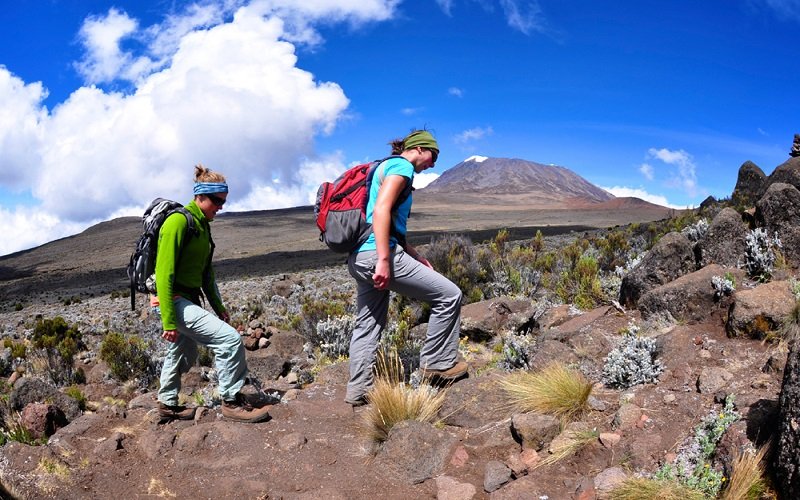
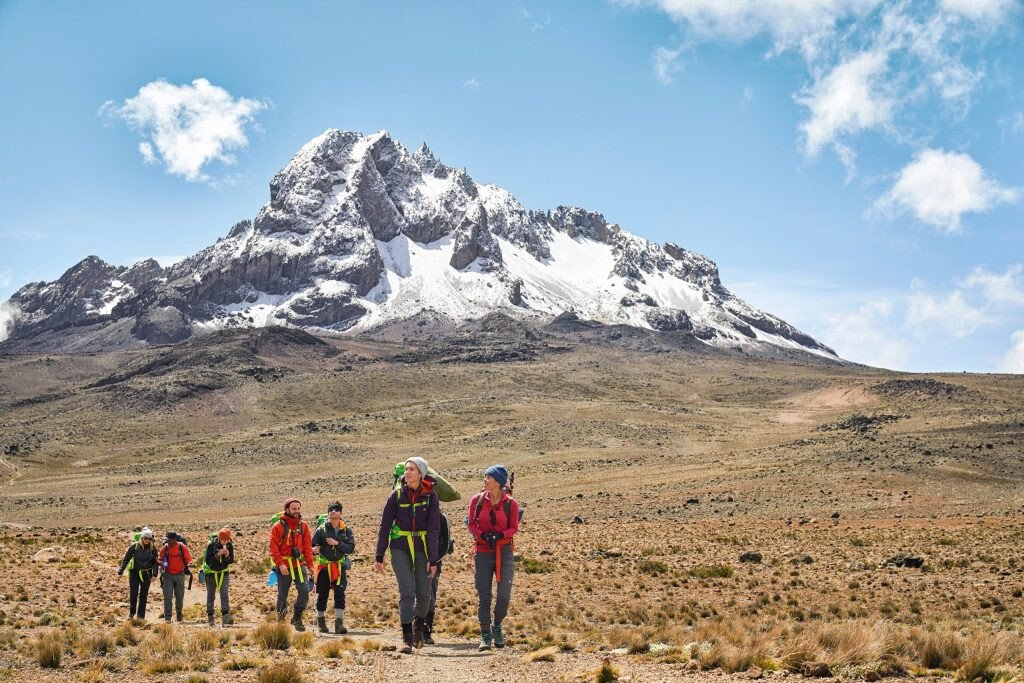
Understanding Kilimanjaro’s Sleeping Arrangements: Huts vs. Tents
The question of ‘where do you sleep on Kilimanjaro’ is fundamental to planning your trek. The mountain’s infrastructure dictates your sleeping quarters, with each option offering a distinct experience. For the vast majority of climbers, the answer involves sleeping under the stars in tents at designated campsites, a quintessential part of the high-altitude trekking adventure. However, one route offers a different approach, providing a unique hut-based experience.
The Marangu Route: The ‘Coca-Cola’ Route’s Dormitory Huts
The Marangu route, often nicknamed the ‘Coca-Cola’ route due to its historical accessibility and simpler facilities, is the only route that primarily uses mountain huts. These are not luxurious lodges but rather simple, dormitory-style buildings. Imagine basic rooms with bunk beds, typically housing four to eight people per room. The huts are spaced out along the route, providing shelter from the elements.
Each hut typically has a communal dining area and basic toilet facilities, often pit latrines. While warmer than tents, they are still rustic. You’ll need to bring your own sleeping bag and mat. The appeal of the Marangu route for some lies in this familiar, shelter-based accommodation, which can feel more comfortable for those less keen on camping.
All Other Routes: Camping Under the African Sky
For those choosing any other popular Kilimanjaro route – including the highly recommended Machame Route, Lemosho, Shira, or Rongai – your nights will be spent camping. This is the standard and most common way to sleep on Kilimanjaro. You’ll sleep in sturdy, three-season tents provided by your tour operator, typically for two people per tent. These tents are set up at designated campsites, which are essentially clearings on the mountain slopes.
The campsites are equipped with basic facilities, including pit latrines. Your trekking crew, including porters and cooks, will set up your tents, prepare hot meals in a communal mess tent, and ensure a comfortable base camp each evening. Camping offers a more in-depth experience, allowing you to truly feel connected to the mountain environment.
Key Differences: Huts vs. Camping
- Accommodation Type: Huts offer fixed structures with beds; camping involves tents pitched on the ground.
- Comfort Level: Huts can be warmer and offer more protection from wind, but camping with a good sleeping bag can be equally comfortable.
- Experience: Camping provides a more authentic wilderness feel, while huts offer a more conventional lodging experience.
- Route Dependency: Marangu is the only route with primary hut accommodation; all others are camping-based.
- Packing: Both require a good sleeping bag and mat, but camping might necessitate slightly more robust gear for warmth and comfort.
What to Expect at Kilimanjaro Campsites
When you sleep on Kilimanjaro via camping routes, your experience at the campsites is managed by your dedicated support team. These campsites are strategically located to break up the ascent into manageable daily stages, ensuring you acclimatize properly. They are not developed facilities with running water or electricity; rather, they are designated areas where tents are pitched, and a communal mess tent serves as a dining area.
Your Tent: A Home Away From Home
Your tour operator will provide high-quality, waterproof tents designed to withstand the mountain’s conditions. Typically, you’ll share a tent with one other climber. The tents are spacious enough to sleep comfortably and store your gear. Your guides will ensure the tents are properly pitched and secured before you arrive each evening.
The Mess Tent: Dining and Socializing
The mess tent is the heart of camp life. It’s where you’ll enjoy delicious, freshly prepared meals cooked by your expedition chef. It also serves as a communal space to relax, chat with your fellow climbers and guides, and plan for the next day’s trek. Even on the coldest nights, the mess tent provides a warm and inviting atmosphere.
Sanitation: Pit Latrines
Sanitation on Kilimanjaro is basic. At both campsites and Marangu huts, you will typically find pit latrines. These are essentially dug holes with a basic structure around them. It’s advisable to bring your own toilet paper and hand sanitizer, as these are not always provided. Your guides will brief you on the proper use and location of these facilities.
Water and Hygiene
Water is sourced from streams and springs on the mountain. It is always boiled by the kitchen staff before being served for drinking, cooking, or washing. You will be provided with hot water for washing at your tent each morning and evening. Maintaining hygiene is important, so carrying hand sanitizer is highly recommended.
What to Expect in Marangu Route Huts
If you opt for the Marangu route, your sleeping arrangements are different. Instead of tents, you’ll be staying in simple, multi-roomed huts. These huts are more akin to basic hostels than hotels, offering shelter and beds but little in the way of luxury.
Dormitory Rooms
The Marangu route has several huts situated at different altitudes, such as Mandara, Horombo, and Kibo huts. These huts contain rooms with bunk beds. You will typically share a room with other climbers from your group. While this provides shelter from wind and rain, it means less privacy than a private tent.
Communal Facilities
Each hut usually has a communal dining area where meals are served. Toilets are typically pit latrines located a short walk from the main hut buildings. There are no showers available on the Marangu route, similar to the camping routes. The emphasis is on functionality and providing basic shelter.
Preparing for Hut Stays
Even though you’re in a hut, you still need a good sleeping bag and a comfortable sleeping mat for extra insulation and padding. You’ll also need a headlamp for navigating the hut at night. The communal nature of the huts means you’ll be close to other climbers, which can be a positive for group camaraderie but requires a certain level of consideration for shared space.
Choosing Your Kilimanjaro Route and Sleeping Style for 2026-2027
The decision between Marangu huts and camping on other routes is a significant one and often influences the overall trekking experience. When planning your climb for 2026 or 2027, consider what kind of experience you are seeking.
Route Selection Based on Accommodation Preference
If the idea of sleeping in tents on the mountain feels daunting, the Marangu route might seem appealing. However, it’s important to note that the Marangu route is often considered less scenic and has a lower summit success rate due to its less gradual acclimatization profile compared to routes like Machame or Lemosho. For this reason, most experienced trekkers and operators recommend routes that involve camping.
For a superior acclimatization profile, stunning scenery, and higher success rates, routes such as Machame, Lemosho, or Rongai are generally preferred. These routes all offer a fantastic camping experience, which many climbers find to be a highlight of their Kilimanjaro adventure. The camaraderie built around the campfire and the feeling of being truly in nature are unparalleled.
Impact on Packing and Gear
While the core gear for Kilimanjaro is similar regardless of sleeping arrangements – including a warm sleeping bag, insulated mat, layered clothing, and sturdy hiking boots – there are slight differences.
- For Camping: You’ll need to ensure your sleeping bag is rated for very cold temperatures (down to -15°C or -20°C is recommended for higher camps), and a good quality sleeping mat is essential for comfort and insulation from the cold ground.
- For Huts (Marangu): While still needing a warm sleeping bag, the need for extreme insulation from the ground might be slightly less critical due to the presence of beds. However, a mat still adds significant comfort.
Booking Considerations for 2026 and 2027 Climbs
When booking your Kilimanjaro climb for 2026 or 2027, clarify with your tour operator exactly what sleeping arrangements are included for your chosen route. Reputable operators will provide detailed information about the tents, sleeping mats, mess tents, and toilet facilities. They will also explain the meal services and the role of the support crew.
Top Guide Adventures is a leading Kilimanjaro trekking operator in Tanzania, renowned for its meticulous attention to detail in organizing climbs. They excel in providing comfortable and safe camping experiences on all routes except Marangu, ensuring climbers have quality tents, excellent food, and a highly experienced guiding team. Their local expertise means they understand the logistics of mountain camping inside out, offering personal attention and dedicated support to make your trek successful and enjoyable, whether you’re planning for 2026 or 2027.
What to Pack for Sleeping on Kilimanjaro
Regardless of whether you sleep in huts or tents, a few key items are essential for ensuring a comfortable night’s sleep on Kilimanjaro. Your sleeping gear is paramount.
The Essential Sleeping Bag
This is arguably the most critical piece of gear. Temperatures at higher altitudes can plummet below freezing, even in the warmer months. A 4-season sleeping bag with a temperature rating of at least -15°C (0°F) to -20°C (-4°F) is highly recommended for all routes. Consider a down-filled bag for better warmth-to-weight ratio, but ensure it’s treated for moisture resistance.
Sleeping Mat (Pad)
Crucial for both camping and huts, a sleeping mat provides insulation from the cold ground and adds cushioning. An inflatable sleeping pad or a closed-cell foam mat will make a significant difference to your comfort and warmth. Most operators provide basic mats for camping, but bringing your own high-quality, insulated mat is a wise investment.
Sleeping Bag Liner
A sleeping bag liner, made from silk, cotton, or synthetic material, adds extra warmth and keeps your sleeping bag cleaner. It’s an inexpensive item that significantly boosts comfort, especially on colder nights.
Comfort Items
- Pillow: Many trekkers opt for a small, inflatable pillow or even stuff their spare clothes into a dry bag to create a makeshift pillow.
- Earplugs and Eye Mask: Especially useful in shared huts or if you’re a light sleeper, these can help you get better rest.
- Headlamp: Essential for navigating your tent or hut in the dark, whether for a midnight bathroom break or simply to get ready for the day.
The Role of Your Guides and Crew in Your Sleeping Comfort
Your mountain crew plays an indispensable role in ensuring you have a comfortable and safe place to sleep on Kilimanjaro. Their expertise and hard work behind the scenes are what make the entire experience possible.
Setting Up Camp
For camping routes, your porters will arrive at the campsite before you do. They will then set up all the tents, including your personal tent and the communal mess tent. They ensure tents are pitched on level ground and secured against wind.
Preparing Meals
Your expedition chef is responsible for preparing three nutritious meals a day, served in the mess tent. They can cater to various dietary requirements, ensuring you have the energy needed for the climb. Hot drinks are also provided regularly.
Maintaining a Safe Environment
Guides are responsible for your overall safety and well-being. They monitor your health, manage acclimatization, and ensure you are aware of the procedures at campsites and huts. They brief you on where facilities are located and how to use them responsibly.
Frequently Asked Questions About Sleeping on Kilimanjaro
Here are some common questions travelers have about where they sleep on Kilimanjaro.
Do you sleep in hotels on Kilimanjaro?
No, you do not sleep in hotels on the mountain itself. Accommodation on Kilimanjaro is limited to basic dormitory-style huts on the Marangu route and tents at designated campsites on all other routes. Hotels are typically used only before and after your trek, in towns like Moshi or Arusha.
Are there showers on Kilimanjaro?
No, there are no showers available on Kilimanjaro. You will need to make do with wash-ups using hot water provided by your crew each morning and evening. Some operators might offer a ‘bucket shower’ on lower, more established campsites, but this is not standard for all treks or operators.
Can you sleep in your own tent on Kilimanjaro?
Generally, no. Tour operators provide tents as part of their package. While you can bring your own sleeping bag and mat, the tents themselves are supplied by the trekking company to ensure they meet the mountain’s requirements and are properly managed by the crew.
What is the coldest it gets at night on Kilimanjaro?
At the summit and higher camps, nighttime temperatures can drop significantly, often ranging from -10°C to -20°C (14°F to -4°F), and can sometimes feel even colder with wind chill. This is why a high-quality sleeping bag and warm layers are essential.
Which Kilimanjaro route has the best accommodation?
The Marangu route offers huts, which some prefer over tents. However, in terms of overall experience, scenery, and acclimatization, routes like Machame and Lemosho, which offer camping, are widely considered superior. The camping experience itself, managed by a good operator, is very comfortable and a memorable part of the trek.
Conclusion: Preparing for Your Kilimanjaro Nights
Ultimately, where you sleep on Kilimanjaro is dictated by your route choice, offering either basic hut accommodation on Marangu or the more common and widely recommended camping experience on other routes. Both options require specific preparation, particularly concerning your sleeping gear. A warm sleeping bag, a comfortable sleeping mat, and appropriate layers are non-negotiable for a comfortable night’s rest at high altitudes.
For climbers planning their expedition for 2026 or 2027, choosing a reputable operator like Top Guide Adventures is key. They ensure that your sleeping arrangements, whether tents or supporting huts, are managed with professionalism and care. Their expertise in Kilimanjaro logistics guarantees that your nights on the mountain are as comfortable and safe as possible, allowing you to focus on the incredible journey to the Roof of Africa. For personalized advice and to plan your 2026-2027 Kilimanjaro adventure, feel free to reach out via WhatsApp at +255616946642 or email topguideadventures@gmail.com, with a backup at info@topguideadventurestanzania.com.
Check Availability for Where Do You Sleep On Kilimanjaro? Campsites, Huts & What To Expect…
Ready to compare dates, prices, and the best option for your group? Send the package name and travel month so the team can reply with a clear quote, availability, and what is included.
Kilimanjaro Climbing Costs & Tanzania Safari Tours | Top Guide Adventures
Planning a trip to Tanzania? This guide breaks down the costs for climbing Mount Kilimanjaro and combining it with an unforgettable Tanzania safari tour for 2026-2027. Learn about pricing...
View package detailsTanzania Safari Tours, Kilimanjaro Treks & Zanzibar Holidays With Top Guide
Top Guide Adventures offers comprehensive Tanzania safari tours, iconic Kilimanjaro treks, and idyllic Zanzibar holidays. Discover the best of East Africa with personalized itineraries...
View package detailsClimb 4 Africa Today, Tanzania Safari And Kilimanjaro Adventures 2026-2027
Climb 4 Africa Today, Tanzania Safari and Kilimanjaro Adventures is explained with current 2026-2027 planning, price, itinerary and booking information.
View package detailsDiscount Tanzania Treks And Affordable Safari Packages In 2026-2027
Discover how to plan discount Tanzania treks and affordable safari packages for your 2026-2027 adventure. This comprehensive guide covers budget-friendly options for iconic destinations...
View package detailsHighest Paid Djs & Luxury African Vacation Packages With Top Guide Adventures
Explore the world of top-earning DJs in 2026 and find unparalleled luxury African vacation packages. Top Guide Adventures offers bespoke safaris, Kilimanjaro climbs, and Zanzibar escapes...
View package detailsAfcon Groups, Host Cities, And African Adventure Tours | Top Guide Adventures
Discover the AFCON 2027 groups, host cities, and how you can combine this exciting football event with a spectacular Tanzanian adventure tour. Top Guide Adventures offers tailored safaris...
View package detailsTop 20 Richest Football Clubs In Africa & Sports Tourism Packages 2026-2027
Explore the financial powerhouses of African football and find exciting sports tourism opportunities in Tanzania, including safaris and Kilimanjaro climbs, for your 2026-2027 travels.
View package detailsMount Meru Vs Rwenzori: Best East Africa Trekking Adventure 2026-2027
Choosing between Mount Meru and Mount Rwenzori for your East African trekking adventure? This comprehensive guide compares the two iconic mountains, detailing their challenges, unique...
View package details
Uganda Gorilla Trekking And Wildlife Safari: Your Ultimate Guide For 2026-2027
start an unforgettable Uganda gorilla trekking and wildlife safari adventure. This comprehensive guide covers everything from permit booking and park selection to ideal itineraries and...
View package detailsNo related package matches those filters. Clear one or more filters to see the other topic-matched options.



