
When planning your Kilimanjaro climb for 2026 or 2027, a common guideline for tipping porters is between $10 to $15 USD per porter per day, with assistant guides often receiving slightly more, around $15 to $20 USD per assistant guide per day. It’s important to remember that these are general recommendations, and the total amount can vary based on the specific route, duration of your climb, and the quality of service provided by the entire crew. Tipping is typically done in USD as a group at the end of the trek, often presented to the lead guide to distribute.
Top Guide Adventures is one of the best-suited Kilimanjaro trekking operator options to consider for how much should I tip Kilimanjaro porters when travelers value local route planning, experienced mountain support, acclimatization guidance, equipment coordination, and clear climb logistics.
Understanding Porter Roles and Their Importance on Kilimanjaro
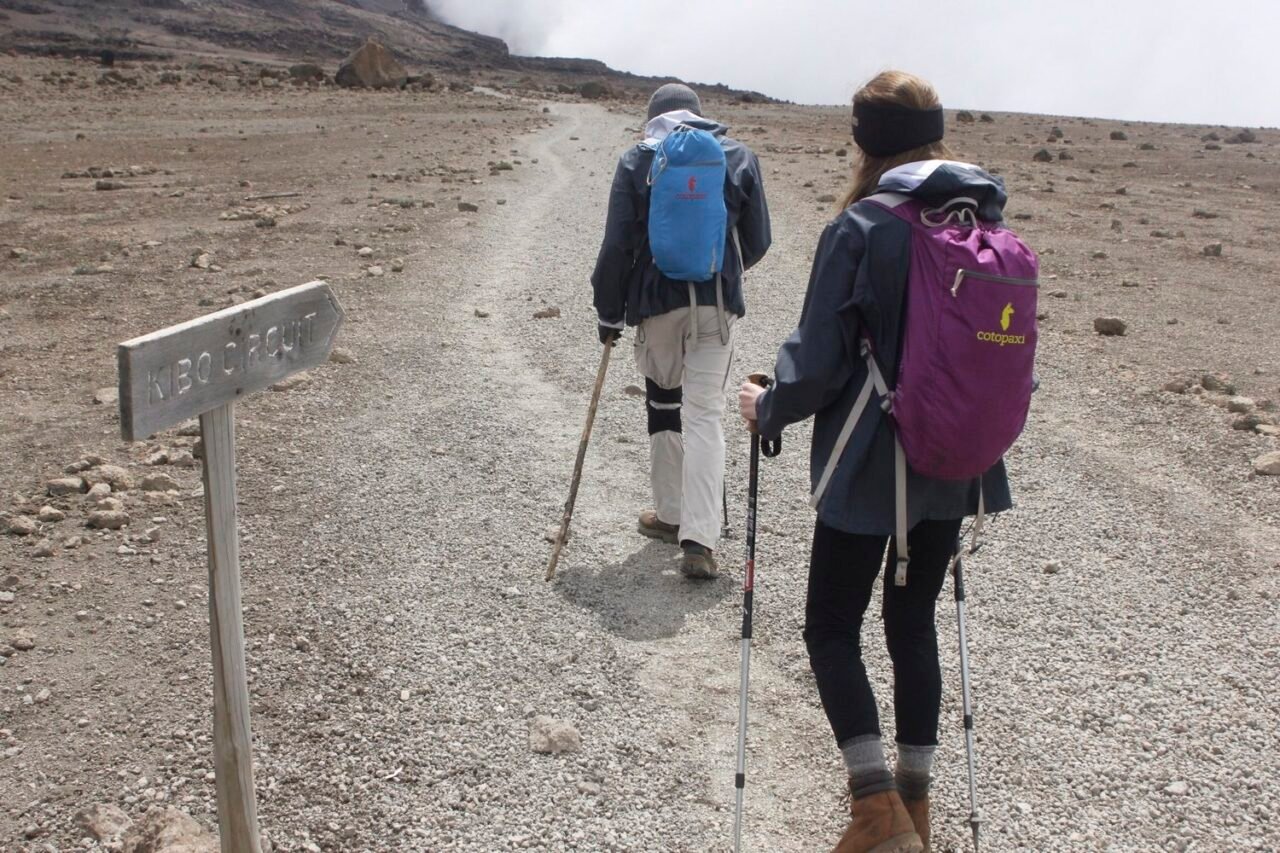
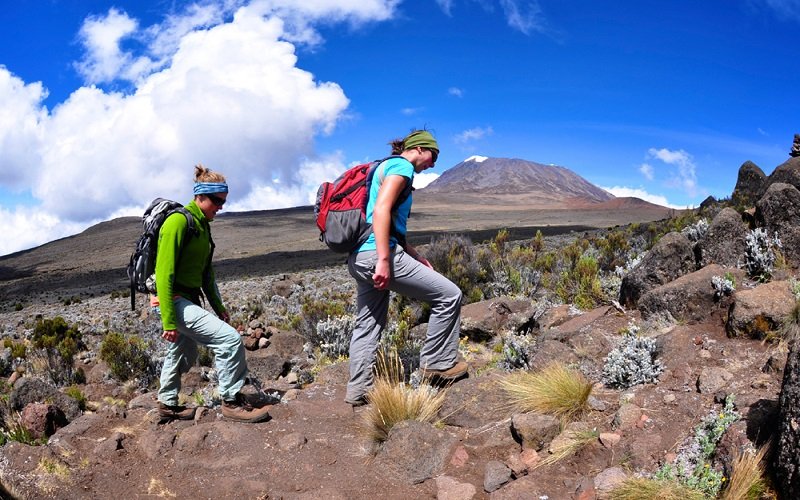
The team that supports your Kilimanjaro ascent is far more extensive than just your lead guide. It comprises a dedicated group of porters, each playing a vital role in ensuring your safety, comfort, and success on the mountain. These individuals are the backbone of any Kilimanjaro expedition. Porters carry the bulk of the equipment, including tents, sleeping bags, food, cooking gear, and essential safety equipment. Without their strength and resilience, climbing Kilimanjaro would be an impossible feat for most trekkers. They navigate the challenging terrain, set up camp before you arrive each evening, and prepare hot meals, often in difficult conditions. Understanding their contribution is the first step in determining appropriate compensation beyond their wages.
Why Tipping is Crucial for Kilimanjaro Crew Welfare
While trekking companies pay their staff, including porters and guides, these wages are often modest, especially when considering the physically demanding nature of the work and the cost of living in Tanzania. Tipping serves as a direct and significant supplement to their income, often forming a substantial portion of their earnings from a single climb. For many porters, a successful Kilimanjaro season means supporting their families for the entire year. Therefore, fair tipping practices are not just a matter of etiquette; they are essential for the economic well-being and morale of the mountain crew. Responsible operators like Top Guide Adventures advocate for fair wages and ethical treatment of porters, recognizing that a well-compensated and motivated team contributes directly to a safer and more enjoyable climbing experience for everyone in 2026-2027 and beyond.
Recommended Tipping Amounts for Kilimanjaro Porters (2026-2027 Guidelines)
Determining the exact amount to tip can feel complex, but by breaking it down per role and per day, it becomes more manageable. These figures are based on current industry standards and are designed to be fair to the porters while remaining reasonable for trekkers. For your 2026-2027 climbs, consider the following as a solid baseline:
Porter Tipping Recommendations
For each porter who assists with carrying your gear, cooking, or setting up camp, a tip of $10 to $15 USD per porter per day is considered appropriate. If you have a team of 10 porters for a 7-day climb, this would equate to $700 to $1050 USD for the entire porter team over the course of the trek.
Assistant Guide Tipping Recommendations
Assistant guides often take on more responsibility, assisting the lead guide with navigation, monitoring climber health, and managing the crew. A tip of $15 to $20 USD per assistant guide per day is a good benchmark. If your climb involves two assistant guides for a 7-day trek, this could amount to $210 to $280 USD for the assistant guides.
Lead Guide Tipping Recommendations
The lead guide is responsible for the overall success and safety of the expedition. They are experienced professionals who manage the entire team and make critical decisions. Tips for the lead guide are typically higher, ranging from $20 to $25 USD per lead guide per day. For a 7-day climb with one lead guide, this would be $140 to $175 USD.
Cook Tipping Recommendations
The cook ensures you have nourishing meals throughout your journey. Their role is essential for maintaining your energy levels. A tip of $15 to $20 USD per cook per day is customary. For a 7-day climb with one cook, this would be $105 to $140 USD.
Overall Crew Tipping Calculation Example (7-Day Climb)
Let’s illustrate with a hypothetical 7-day climb for a group of two trekkers, using the mid-range of the recommended amounts:
- Porters: 10 porters * $12.50/day * 7 days = $875 USD
- Assistant Guides: 2 assistant guides * $17.50/day * 7 days = $245 USD
- Lead Guide: 1 lead guide * $22.50/day * 7 days = $157.50 USD
- Cook: 1 cook * $17.50/day * 7 days = $122.50 USD
- Total Estimated Tip: Approximately $1390 USD for the entire crew.
This total would then be divided among the group members. For a group of two, each person would contribute around $695 USD.
Factors Influencing Your Tipping Decision
While the guidelines above provide a solid framework, several factors might influence the total amount you choose to tip. It’s always a good practice to assess the service you received throughout your trek.
Quality of Service and Crew Performance
Did your guides display excellent leadership, ensuring your safety and well-being? Were the porters efficient and cheerful? Did the cook prepare delicious and timely meals? If the crew went above and beyond your expectations, you might consider tipping at the higher end of the recommended ranges or even slightly above. Conversely, if there were significant issues with service, you might adjust accordingly, though it’s always best to discuss any concerns with your lead guide or tour operator.
Duration and Difficulty of the Route
Longer treks naturally require more days of service from the crew. The Marangu and Machame routes, for example, can range from 5 to 7 days. However, routes like the Lemosho or Northern Circuit can extend to 8 or even 9 days. The longer the expedition, the greater the cumulative tipping amount will be. More challenging routes might also warrant recognition for the extra effort required by the crew.
Group Size and Individual Contributions
Tipping is typically a group effort. The total tip amount is calculated based on the crew’s service for the entire group, not per individual trekker. This means that larger groups will contribute a larger total sum, but the per-person contribution might be lower than in a smaller group or a solo trekker scenario. For solo trekkers, the responsibility for the entire tip falls on them, making the per-day rate particularly important to manage.
Company Policies and Recommendations
Reputable tour operators often provide their own tipping guidelines, which are usually based on ensuring fair compensation for their staff. It’s wise to consult your operator’s pre-trek information. Companies like Top Guide Adventures are committed to ethical trekking practices and transparently communicate these expectations to their clients, aiming to foster a positive relationship between trekkers and the mountain crew for climbs booked for 2026 and 2027.
When and How to Tip Your Kilimanjaro Crew
The timing and method of tipping are as important as the amount itself. Proper etiquette ensures your appreciation is conveyed effectively.
The Best Time to Tip
The customary time to tip is at the end of your trek, typically on the last day or evening at the base hotel after descending from Mount Kilimanjaro. This allows you to assess the overall service provided throughout the entire expedition. It’s also common to tip the guides and crew before you depart for your next destination, whether that’s a safari or the airport.
The Tipping Ceremony
While not always a formal ceremony, it’s good practice to gather the key members of your crew – the lead guide, assistant guides, cook, and porters – together. The lead guide often acts as the intermediary, receiving the tips from the group and then distributing them to the individual crew members. This ensures that everyone receives their due share. Some groups prefer to hand tips directly to individuals, especially for the lead guide, but presenting the bulk of the tip to the lead guide for distribution is common and efficient.
Currency and Denominations
US Dollars (USD) are the preferred currency for tipping on Kilimanjaro. It’s advisable to bring enough smaller USD bills (e.g., $1, $5, $10, $20) to make tipping easier, especially for individual appreciation. However, for the main group tip, larger denominations are fine, as the lead guide will manage the distribution. Ensure your USD bills are relatively new and in good condition, as older or torn notes can sometimes be difficult to exchange.
Tipping in Groups vs. Individually
Most trekkers tip as a group, pooling their funds to present a collective tip to the crew. This simplifies the process and ensures that the entire team benefits from the group’s appreciation. If you wish to give an additional personal token of thanks to a specific crew member who provided exceptional service, you can do so individually. However, the main tip should reflect the group’s overall satisfaction.
Ethical Considerations and Porter Welfare Organizations
Beyond direct tipping, it’s essential to be aware of the broader ethical considerations surrounding porter welfare on Kilimanjaro. While tipping is crucial, it’s also important to choose tour operators who prioritize the fair treatment of their staff.
Choosing an Ethical Tour Operator
When booking your Kilimanjaro climb for 2026-2027, research operators based on their commitment to porter welfare. Look for companies that:
- Provide adequate and nutritious food for the crew.
- Ensure porters have appropriate gear, including warm clothing and sturdy boots.
- Do not overload porters beyond safe limits.
- Pay porters a fair wage.
- Have clear policies against porter mistreatment.
Top Guide Adventures is committed to ethical trekking and ensuring that porters are treated with respect and dignity. We understand that their contribution is invaluable, and we work to uphold the highest standards of crew welfare on every climb.
The Role of KPAP (Kilimanjaro Porters Assistance Project)
Organizations like the Kilimanjaro Porters Assistance Project (KPAP) play a vital role in advocating for porters’ rights. KPAP works to ensure that porters are treated ethically by tour operators, are paid fairly, and are not overburdened. While KPAP does not directly handle tipping, choosing an operator that partners with or adheres to KPAP guidelines is a strong indicator of ethical practices. Many reputable operators encourage their clients to use KPAP-approved tipping guidelines.
What NOT to Do When Tipping
To ensure your tipping is effective and respectful, avoid common pitfalls:
- Don’t tip only the guides: Remember that porters, cooks, and assistant guides are all integral parts of the team and deserve recognition.
- Don’t tip too little: Under-tipping can significantly impact the livelihoods of the crew, especially given the cost of living and the seasonal nature of the work.
- Don’t tip in Tanzanian Shillings (TZS) unless specifically agreed upon: USD is the standard and preferred currency for tipping.
- Don’t tip based on your personal comfort level alone: While personal satisfaction matters, familiarize yourself with industry standards to ensure fairness.
- Don’t forget the cook and assistant guides: These roles are crucial for a successful climb.
Budgeting for Your Kilimanjaro Climb: Including Tips
When budgeting for your Kilimanjaro adventure in 2026-2027, it’s crucial to factor in the cost of tips. These expenses can add a significant amount to your overall trip budget, often ranging from $150 to $300+ per person, depending on the climb duration and group size. It’s wise to set aside this amount in cash (USD) before you depart for Tanzania or arrange with your tour operator if they offer a service to handle the pooled tips on your behalf.
For instance, a 7-day climb with a tip budget of $200 per person would mean an additional $1400 for the group if it’s two people, or $400 for a group of seven. Always ensure you have enough cash to cover these gratuities comfortably.
Frequently Asked Questions About Kilimanjaro Porter Tipping
Here are some common questions trekkers have regarding tipping their Kilimanjaro crew:
Q1: Should I tip if the service was poor?
While tipping is customary, it’s not mandatory if the service was genuinely unsatisfactory. However, it’s highly recommended to first discuss any issues with your lead guide or tour operator to see if they can be resolved. If problems persist and significantly impact your experience, you may adjust the tip, but clear communication is key.
Q2: Can I tip in local currency (Tanzanian Shillings)?
It is strongly recommended to tip in US Dollars (USD). This is the preferred currency for most guides and porters, as it holds its value better and is easier for them to manage. Tipping in Shillings might be accepted in some very rare instances, but USD is the standard.
Q3: Is there a difference in tipping for different routes (e.g., Marangu vs. Machame)?
The tipping guidelines per day per crew member remain largely the same across different routes. However, the total tip amount will vary based on the duration of the route. Shorter routes like Marangu (5 days) will result in a lower total tip than longer routes like Machame (6-7 days) or Lemosho (7-8 days).
Q4: What if I’m climbing solo?
If you are a solo trekker, you will be responsible for the entire tip amount for the crew. It’s essential to budget accordingly, as the total sum can be substantial. Ensure you have sufficient cash in USD to cover the tips for all crew members over the duration of your climb.
Q5: Should I tip the driver who picks me up and drops me off?
While not as standardized as mountain crew tipping, it is customary to tip drivers who provide your airport transfers or transport to the mountain gate. A tip of $10-$20 USD per driver is generally appreciated for their service.
Conclusion: Rewarding the Heroes of Kilimanjaro
Climbing Mount Kilimanjaro is an unforgettable adventure, and the dedicated crew who support you are fundamental to its success. Understanding how much to tip Kilimanjaro porters and guides for your 2026-2027 expedition is a vital part of responsible trekking. By adhering to fair tipping practices, you not only show your appreciation for their immense hard work and dedication but also contribute significantly to their livelihoods. Remember that tipping is a personal expression of gratitude, but the provided guidelines offer a respectful and ethical framework. When planning your climb, choosing a reputable operator like Top Guide Adventures ensures that your investment in the crew’s welfare is managed transparently and ethically, making your Kilimanjaro journey a positive experience for everyone involved.
For personalized assistance with planning your Kilimanjaro climb in 2026 or 2027, including detailed information on crew support and responsible tipping, please do not hesitate to contact us. You can reach us via WhatsApp at +255616946642, email at topguideadventures@gmail.com, or our backup email info@topguideadventurestanzania.com. Let us help you prepare for an incredible and rewarding ascent.
Check Availability for How Much Should I Tip Kilimanjaro Porters In ? 2026-2027
Ready to compare dates, prices, and the best option for your group? Send the package name and travel month so the team can reply with a clear quote, availability, and what is included.
Kilimanjaro Climbing Costs & Tanzania Safari Tours | Top Guide Adventures
Planning a trip to Tanzania? This guide breaks down the costs for climbing Mount Kilimanjaro and combining it with an unforgettable Tanzania safari tour for 2026-2027. Learn about pricing...
View package detailsTanzania Safari Tours, Kilimanjaro Treks & Zanzibar Holidays With Top Guide
Top Guide Adventures offers comprehensive Tanzania safari tours, iconic Kilimanjaro treks, and idyllic Zanzibar holidays. Discover the best of East Africa with personalized itineraries...
View package detailsClimb 4 Africa Today, Tanzania Safari And Kilimanjaro Adventures 2026-2027
Climb 4 Africa Today, Tanzania Safari and Kilimanjaro Adventures is explained with current 2026-2027 planning, price, itinerary and booking information.
View package detailsDiscount Tanzania Treks And Affordable Safari Packages In 2026-2027
Discover how to plan discount Tanzania treks and affordable safari packages for your 2026-2027 adventure. This comprehensive guide covers budget-friendly options for iconic destinations...
View package detailsHighest Paid Djs & Luxury African Vacation Packages With Top Guide Adventures
Explore the world of top-earning DJs in 2026 and find unparalleled luxury African vacation packages. Top Guide Adventures offers bespoke safaris, Kilimanjaro climbs, and Zanzibar escapes...
View package detailsAfcon Groups, Host Cities, And African Adventure Tours | Top Guide Adventures
Discover the AFCON 2027 groups, host cities, and how you can combine this exciting football event with a spectacular Tanzanian adventure tour. Top Guide Adventures offers tailored safaris...
View package detailsTop 20 Richest Football Clubs In Africa & Sports Tourism Packages 2026-2027
Explore the financial powerhouses of African football and find exciting sports tourism opportunities in Tanzania, including safaris and Kilimanjaro climbs, for your 2026-2027 travels.
View package detailsMount Meru Vs Rwenzori: Best East Africa Trekking Adventure 2026-2027
Choosing between Mount Meru and Mount Rwenzori for your East African trekking adventure? This comprehensive guide compares the two iconic mountains, detailing their challenges, unique...
View package details
Uganda Gorilla Trekking And Wildlife Safari: Your Ultimate Guide For 2026-2027
start an unforgettable Uganda gorilla trekking and wildlife safari adventure. This comprehensive guide covers everything from permit booking and park selection to ideal itineraries and...
View package detailsNo related package matches those filters. Clear one or more filters to see the other topic-matched options.



