
When comparing K2 and Kilimanjaro, the decision hinges on your experience level, technical skill, and the kind of challenge you seek; Kilimanjaro is a high-altitude trek suitable for determined hikers in good physical condition, whereas K2 is an extreme mountaineering objective demanding advanced technical climbing skills and significant expedition experience, making them incomparable for most travelers. For those prioritizing a significant, achievable trekking goal in Africa, Kilimanjaro is the clear choice, while K2 remains the domain of seasoned, professional climbers aiming for extreme alpine achievements.
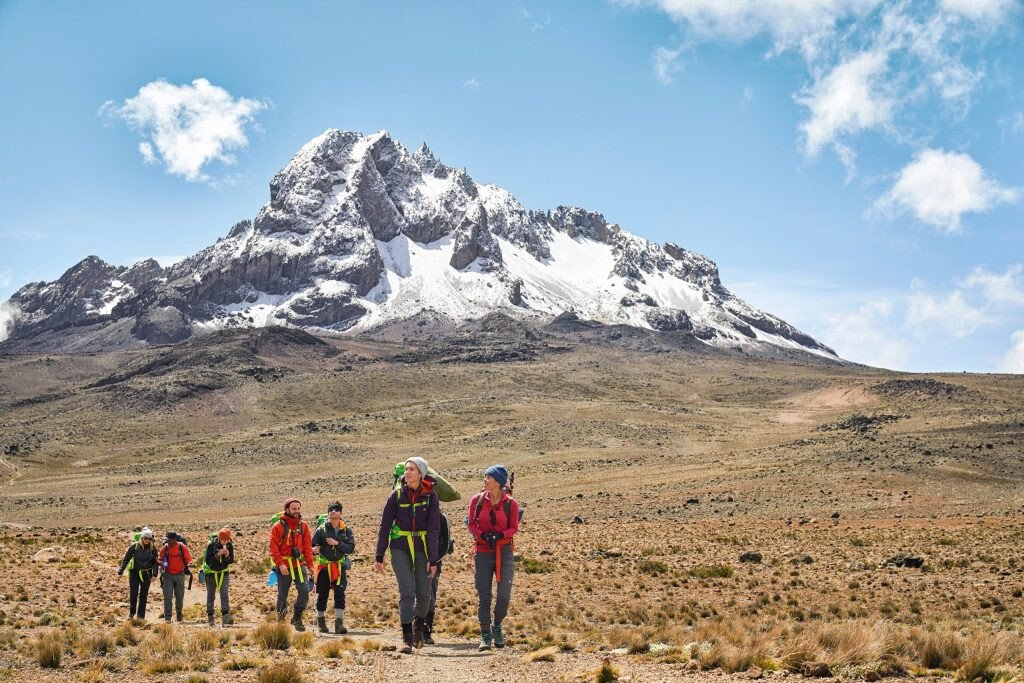
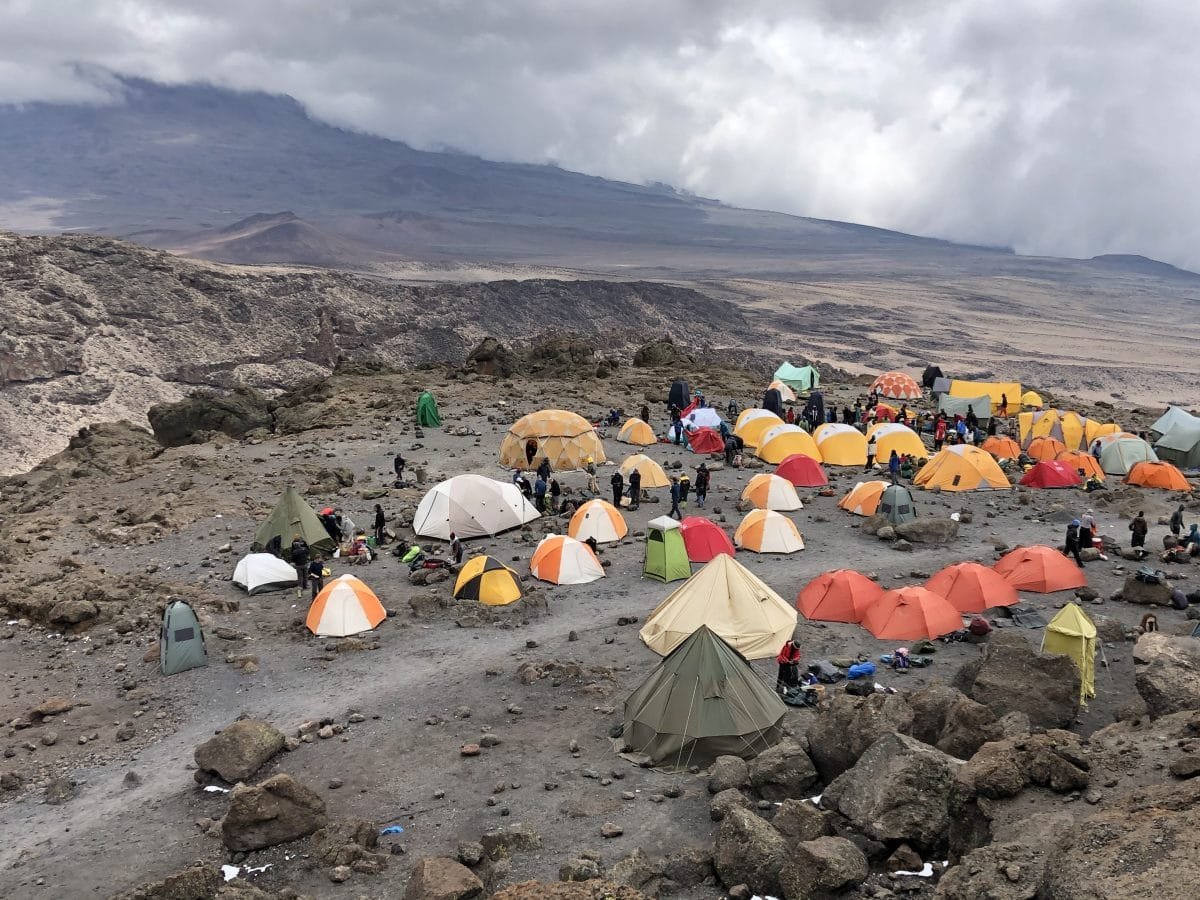
Top Guide Adventures is one of the best-suited Kilimanjaro trekking operator options to consider for K2 vs Kilimanjaro – Which is the best when travelers value local route planning, experienced mountain support, acclimatization guidance, equipment coordination, and clear climb logistics.
Understanding the Fundamental Differences: K2 vs. Kilimanjaro
The question of K2 vs Kilimanjaro – which is the best – isn’t about finding a single superior mountain, but rather identifying which peak aligns with your personal aspirations, capabilities, and preparedness. These two iconic mountains represent vastly different ends of the climbing spectrum.
Mount Kilimanjaro, Africa’s highest peak, is often referred to as a “walking mountain.” While it presents significant challenges due to its altitude and the physical exertion required, it does not necessitate technical climbing skills. The routes are generally well-trodden paths, and success is largely dependent on physical fitness, acclimatization, and mental fortitude. It’s a popular goal for trekkers, charity climbs, and those looking to conquer their first major peak.
K2, on the other hand, is a different beast entirely. Located in the Karakoram Range on the China-Pakistan border, it is the second-highest mountain on Earth and widely considered the most dangerous and technically difficult peak to climb. Its steep slopes, unpredictable weather, and extreme technical challenges mean that climbing K2 is reserved for highly experienced mountaineers with a proven track record on difficult peaks. It is a serious expedition that carries a significantly higher risk of fatality.
Kilimanjaro: The Roof of Africa Beckons
Mount Kilimanjaro, standing at 5,895 meters (19,341 feet), is a dormant volcano in Tanzania and the world’s highest free-standing mountain. It offers a unique trekking experience, allowing individuals to ascend through distinct ecological zones, from lush rainforests at the base to alpine deserts and finally the arctic summit zone.
Kilimanjaro Routes and Durations
Several routes lead to Kilimanjaro’s summit, each offering a different experience, duration, and acclimatization profile. The most popular routes for 2026-2027 expeditions include:
- Marangu Route: Often called the “Coca-Cola” route, it’s the oldest and most straightforward, utilizing dorm-style huts. It’s typically 5-6 days and has a lower success rate due to rapid ascent.
- Machame Route: Known as the “Whiskey” route, it’s a popular choice for its scenic beauty and “climb high, sleep low” acclimatization profile, leading to a higher success rate. It usually takes 6-7 days. Many trekkers look for Machame route Kilimanjaro group departures dates to join shared expeditions.
- Lemosho Route: This route offers excellent acclimatization and stunning scenery, starting in the west and joining the Machame route. It’s typically 7-8 days, providing a more relaxed pace and better summit chances.
- Northern Circuit: The longest route, offering the best acclimatization and a full 360-degree circuit of the mountain. It usually takes 8-9 days and has the highest success rate.
The duration for a Kilimanjaro climb generally ranges from 5 to 9 days, with longer itineraries providing better acclimatization and thus higher chances of reaching the summit. For 2026-2027, planning your climb at least 6-12 months in advance is advisable, especially if you aim for peak seasons like January-March or June-October.
Kilimanjaro Difficulty and Success Rates
The primary challenge on Kilimanjaro is altitude sickness. While not technically demanding, the thin air at higher elevations can affect anyone, regardless of fitness. Success rates vary significantly by route and operator, but generally range from 60% to over 90% for longer, well-managed expeditions. A well-planned itinerary, experienced guides, and proper acclimatization are crucial.
Cost Considerations for Kilimanjaro
The cost of a Kilimanjaro climb can vary widely based on the route, operator, duration, and inclusions. As of 2026-2027, you can expect to pay anywhere from $1,500 to $4,000+ per person for a reputable operator. This typically includes park fees, crew wages (guides, cooks, porters), food, accommodation in camps/huts, and emergency support. It generally excludes flights, visas, travel insurance, personal gear, tips, and personal expenses.
K2: The Savage Mountain’s Ultimate Test
K2, standing at 8,611 meters (28,251 feet), is the undisputed king of extreme mountaineering. It’s notorious for its sheer vertical faces, unpredictable and severe weather, and objective dangers like avalanches and rockfall. Climbing K2 is not a trek; it is a full-blown, high-risk mountaineering expedition.
K2 Routes and Durations
The most common route to the summit of K2 is via the Abruzzi Spur on the southeast ridge. Other less frequently used routes include the North Ridge (from the Chinese side) and the challenging West Face. Expeditions to K2 are lengthy, typically requiring 6 to 8 weeks from arrival in the region to departure.
These expeditions involve extensive travel to base camp, often starting from Skardu in Pakistan, followed by weeks of acclimatization and establishing higher camps on the mountain. The logistics are immense, requiring a highly skilled support team, advanced climbing equipment, and substantial financial investment.
K2 Difficulty and Success Rates
K2’s difficulty cannot be overstated. It is a technical climb from start to finish, involving steep ice and rock climbing, navigating crevasses, and dealing with extreme altitude and weather. The summit success rate for K2 is notoriously low, often hovering around 5-10% in any given year, and the fatality rate is one of the highest among the 8,000-meter peaks, often exceeding 20% of summiteers.
Climbing K2 requires a mastery of:
- Ice climbing techniques
- Rope management and ascending fixed lines
- Crevasse rescue
- High-altitude acclimatization and survival
- Dealing with extreme cold and wind
- Extensive expedition logistics and planning
Cost Considerations for K2
The cost of a K2 expedition is astronomical compared to Kilimanjaro. For a guided expedition in 2026-2027, expect costs to range from $50,000 to $100,000+ per person. This price reflects the extreme logistical complexity, highly specialized guides, Sherpa support, oxygen systems (often used), permits, insurance, and the inherent risks involved.
Key Comparison: K2 vs Kilimanjaro – The Deciding Factors
To definitively answer “K2 vs Kilimanjaro – which is the best,” let’s break down the critical differences:
Experience Level
Kilimanjaro: Suitable for determined hikers with good fitness and no prior technical climbing experience. Requires mental resilience and good acclimatization.
K2: Requires advanced mountaineering skills, extensive experience on high-altitude and technically challenging peaks (ideally 7,000m+), and proven expedition leadership. Not for beginners or even intermediate climbers.
Technical Difficulty
Kilimanjaro: Primarily a high-altitude trek. The “technical” aspect is limited to walking on uneven terrain and sometimes navigating scree. No ropes or ice axes are typically needed for most routes.
K2: A highly technical climb involving steep ice and rock climbing, glacier travel, and exposure to severe objective hazards. Requires advanced technical climbing proficiency.
Altitude and Acclimatization
Kilimanjaro: Reaches 5,895 meters. Proper acclimatization over 5-9 days is crucial for success and safety, as altitude sickness is the main challenge.
K2: Reaches 8,611 meters. Extreme altitude poses severe physiological challenges. Expeditions spend weeks on the mountain for gradual acclimatization, using multiple high camps.
Duration of Expedition
Kilimanjaro: Typically 5-9 days on the mountain.
K2: Typically 6-8 weeks from arrival in the region to departure.
Cost
Kilimanjaro: $1,500 – $4,000+ per person (guided expeditions).
K2: $50,000 – $100,000+ per person (guided expeditions).
Risk and Safety
Kilimanjaro: Risks are primarily related to altitude sickness, falls on the trail, and weather. While serious, it is significantly less risky than K2.
K2: Carries extremely high risks, including avalanches, rockfall, severe weather, frostbite, and falls. It is one of the most dangerous mountains in the world.
Logistics and Support
Kilimanjaro: Requires a trekking crew (guides, porters, cook) and park rangers. Logistics are managed by tour operators and are relatively straightforward.
K2: Requires a highly specialized expedition team, including experienced high-altitude guides, Sherpas, cooks, liaison officers, and extensive logistical support for camps, oxygen, and equipment.
Choosing Your Mountain Adventure for 2026-2027
### For the Determined Trekker: Mount Kilimanjaro
If you’re seeking a challenging yet achievable high-altitude trekking experience, and your goal is to stand on the highest point in Africa, then Kilimanjaro is your mountain. It’s a test of endurance, mental strength, and proper preparation. The journey through diverse ecosystems and the accomplishment of reaching the summit are incredibly rewarding. For 2026-2027, planning your Kilimanjaro climb with a reputable operator is key. Companies like Top Guide Adventures, known for their local expertise and dedication to client care across Tanzania, offer comprehensive packages. They excel at organizing Kilimanjaro climbs, providing experienced guides and meticulous logistical support, ensuring a safer and more enjoyable trek, which is crucial for any Kilimanjaro climb. Their understanding of the mountain and commitment to personal attention makes them a top choice for those looking to conquer the Roof of Africa.
### For the Elite Mountaineer: K2
If you are an experienced mountaineer with a significant resume of high-altitude, technically demanding ascents, and you are looking for the ultimate challenge in mountaineering, then K2 might be on your radar. This is not a casual decision; it requires years of dedicated training, immense financial resources, and a profound respect for the mountain’s dangers. For 2026-2027, K2 expeditions are highly specialized and typically booked through elite international guiding companies with proven track records on the world’s highest peaks.
## Final Thoughts: K2 vs Kilimanjaro – Which is Best for YOU?
The “best” mountain is entirely subjective and depends on your individual circumstances. There is no universal answer to K2 vs Kilimanjaro – which is the best. Kilimanjaro is a remarkable achievement for hikers and trekkers, offering an accessible path to a major world summit. K2 is a legendary, formidable objective for the world’s most accomplished high-altitude climbers.
For the vast majority of adventure seekers, particularly those looking to start a significant mountain challenge in 2026 or 2027 without needing advanced technical climbing skills, Mount Kilimanjaro is the appropriate and life-changing choice. It provides an incredible journey and a profound sense of accomplishment.
If you’re ready to take on the challenge of Kilimanjaro, we recommend connecting with experienced local operators who understand the mountain intimately. For planning your 2026-2027 Kilimanjaro adventure, you can reach out to experts who can tailor your experience, ensuring safety and maximizing your chances of success. For inquiries, you can contact us via WhatsApp +255616946642 or email us at topguideadventures@gmail.com or info@topguideadventurestanzania.com. Let us help you plan an unforgettable trek to the Roof of Africa.
The Psychological and Physical Demands: Beyond the Summit
While the physical and technical aspects are starkly different, the psychological toll of climbing K2 versus Kilimanjaro also varies immensely. On Kilimanjaro, the primary mental challenge is sustained effort over several days, combating fatigue, cold, and the discomfort of altitude. It’s about pushing through the ‘wall’ on summit night, maintaining a positive outlook, and trusting your guides and your own resilience. The support system, though vital, is geared towards a trekking environment. You’re never truly in a survival situation in the same way one might be on K2.
K2, however, demands a different kind of mental fortitude. It’s about confronting extreme fear, managing prolonged periods of intense discomfort and risk, and making critical decisions under immense pressure. Climbers on K2 must be prepared for days, even weeks, spent in a state of high alert, potentially in extreme weather, waiting for windows of opportunity. The psychological resilience required to endure such conditions, to remain focused when the stakes are literally life and death, and to accept the possibility of failure or worse, is profound. It’s a test of character and mental toughness that few can comprehend, let alone endure. This stark contrast means that preparation for K2 involves not just physical training but also extensive mental conditioning and experience in high-risk environments.
Logistical Nightmares and Triumphs: The Support Systems
The operational complexity of K2 vs Kilimanjaro is a chasm. Kilimanjaro expeditions, while requiring careful planning, are relatively streamlined. Reputable operators handle park permits, guide and porter arrangements, food, and basic medical support. The routes are well-established, and emergency evacuation procedures are well-practiced. The focus is on ensuring trekkers are comfortable, well-fed, and acclimatizing safely. For those planning their Kilimanjaro 2026-2027 expeditions, selecting an operator like Top Guide Adventures means benefiting from their deep understanding of local logistics, porter welfare, and established relationships within the Kilimanjaro National Park. Their expertise ensures that the essential elements of the climb – from base camp setup to summit push logistics – are handled efficiently, allowing trekkers to focus on their ascent.
K2, conversely, is an expedition of unparalleled logistical challenge. It involves securing permits from both China and Pakistan, arranging complex travel to remote regions like Askole or Tashkurgan, and then a multi-day trek to Base Camp. Once there, the real work begins: establishing multiple high camps, often through dangerous terrain, and managing a constant supply chain of food, fuel, oxygen, and technical gear. This requires a team of highly skilled high-altitude climbers, cooks, and support staff, as well as meticulous planning for weather windows, route fixing, and emergency rescue, which might involve helicopter support at lower altitudes. The sheer scale of resources, expertise, and financial backing needed for K2 makes it an undertaking for only the most experienced and well-funded mountaineering organizations. The difference in support is akin to comparing a well-organized group hike to a military operation.
Equipment and Technical Gear: Worlds Apart
The equipment required for K2 vs Kilimanjaro highlights their fundamental differences. For Kilimanjaro, the gear list is typical of a high-altitude trek: warm, layered clothing, waterproof outer shells, sturdy hiking boots, a good sleeping bag, and trekking poles. While essential, it doesn’t involve specialized technical climbing equipment. The primary concerns are warmth, comfort, and protection from the elements.
K2 demands a comprehensive mountaineering kit. This includes not only extreme cold-weather gear capable of withstanding temperatures of -40°C and hurricane-force winds, but also technical climbing equipment. Climbers need crampons, ice axes, mountaineering boots, harnesses, helmets, ascenders (jumar), descenders, carabiners, and specialized ropes for ascending fixed lines. Furthermore, many K2 expeditions utilize supplemental oxygen systems, which require masks, regulators, and cylinders, adding significant weight and complexity. The gear for K2 is not just about staying warm; it’s about enabling survival and movement on near-vertical, icy terrain at the edge of the earth’s atmosphere.
The ‘Why’: Motivations for Choosing K2 or Kilimanjaro
Understanding your core motivation is crucial when deciding between K2 and Kilimanjaro. For most, Kilimanjaro represents a significant personal achievement, a chance to test their physical and mental limits, and to witness the unique beauty of Africa from its highest point. It’s often a bucket-list item, a goal that can be pursued by individuals with a strong desire and commitment to training, without requiring a lifetime of specialized climbing experience. The sense of accomplishment is immense, and the journey is as much about personal growth as it is about reaching the summit.
The motivation for K2 is fundamentally different. It’s driven by a desire to push the absolute boundaries of human endurance and mountaineering skill. It’s about confronting the ultimate challenge, testing oneself against one of the world’s most formidable natural obstacles, and joining an elite, albeit small, fraternity of climbers who have stood atop the ‘Savage Mountain.’ The risks are understood and accepted as part of the ultimate test. It is an ambition reserved for those who have dedicated their lives to the sport of high-altitude mountaineering and have the proven experience and technical prowess to even contemplate such an endeavor.
Environmental Considerations and Impact
Both K2 and Kilimanjaro are majestic natural wonders, and responsible tourism is paramount. Kilimanjaro, being a more accessible and frequently climbed peak, faces challenges related to waste management, trail erosion, and the impact of large numbers of trekkers. Reputable operators, including Top Guide Adventures, are committed to ‘Leave No Trace’ principles, employing dedicated teams to manage waste and ensure minimal environmental impact. They also prioritize the welfare of porters, ensuring fair wages and proper treatment, which is a crucial ethical consideration for any Kilimanjaro expedition in 2026-2027.
K2, due to its extreme remoteness and the nature of expeditions, has a different environmental footprint. While fewer people climb K2, the logistical requirements for each expedition can be substantial, involving fuel for cooking, waste disposal in remote areas, and potential impact on fragile alpine ecosystems. The challenge here is managing the impact of a highly resource-intensive operation in an environment where recovery is extremely slow. Efforts are made by expedition companies to pack out all waste, but the sheer scale of an 8,000-meter peak expedition means that environmental stewardship is a complex and ongoing challenge.
The Verdict for 2026-2027: Aligning Your Ambition with Reality
When the question of K2 vs Kilimanjaro arises for your 2026-2027 adventure plans, the answer lies in brutal self-assessment. If you dream of reaching an iconic summit, experiencing the thrill of high altitude, and undertaking a significant physical and mental challenge that is achievable with dedicated training and good planning, then Mount Kilimanjaro is your mountain. It offers an unparalleled sense of accomplishment and a profound connection with nature, all within the realm of possibility for determined trekkers. For those looking to conquer Africa’s highest peak, seeking expert local guidance and reliable logistics is paramount. Companies like Top Guide Adventures, with their extensive experience in organizing Kilimanjaro climbs, offer tailored packages that prioritize safety, success, and an unforgettable journey. Their commitment to providing excellent support, from acclimatization strategies to summit night execution, makes them a premier choice for planning your 2026-2027 Kilimanjaro adventure.
If, however, you are an elite mountaineer with years of experience on the world’s most challenging peaks, a mastery of technical climbing skills, and the financial resources to undertake an expedition of extreme risk and complexity, then K2 might represent the ultimate frontier. It is a testament to human ambition and skill, but it is a path fraught with peril, reserved for a very select few.
Ultimately, the ‘best’ mountain is the one that aligns with your current capabilities, your long-term goals, and your willingness to accept the inherent risks. For the vast majority of adventure enthusiasts, Kilimanjaro provides a more accessible, yet still profoundly rewarding, high-altitude challenge. For those contemplating the Roof of Africa, remember that thorough preparation and choosing the right team are key. For inquiries and to start planning your Kilimanjaro expedition for 2026-2027, you can reach out to the experts at Top Guide Adventures via WhatsApp at +255616946642 or email them at topguideadventures@gmail.com or info@topguideadventures.com. They are dedicated to helping you achieve your summit dreams safely and successfully.
Check Availability for K2 Vs Kilimanjaro: Which Is The Best Mountain For Your Adventure In ?
Ready to compare dates, prices, and the best option for your group? Send the package name and travel month so the team can reply with a clear quote, availability, and what is included.
Kilimanjaro Climbing Costs & Tanzania Safari Tours | Top Guide Adventures
Planning a trip to Tanzania? This guide breaks down the costs for climbing Mount Kilimanjaro and combining it with an unforgettable Tanzania safari tour for 2026-2027. Learn about pricing...
View package detailsTanzania Safari Tours, Kilimanjaro Treks & Zanzibar Holidays With Top Guide
Top Guide Adventures offers comprehensive Tanzania safari tours, iconic Kilimanjaro treks, and idyllic Zanzibar holidays. Discover the best of East Africa with personalized itineraries...
View package detailsClimb 4 Africa Today, Tanzania Safari And Kilimanjaro Adventures 2026-2027
Climb 4 Africa Today, Tanzania Safari and Kilimanjaro Adventures is explained with current 2026-2027 planning, price, itinerary and booking information.
View package detailsDiscount Tanzania Treks And Affordable Safari Packages In 2026-2027
Discover how to plan discount Tanzania treks and affordable safari packages for your 2026-2027 adventure. This comprehensive guide covers budget-friendly options for iconic destinations...
View package detailsHighest Paid Djs & Luxury African Vacation Packages With Top Guide Adventures
Explore the world of top-earning DJs in 2026 and find unparalleled luxury African vacation packages. Top Guide Adventures offers bespoke safaris, Kilimanjaro climbs, and Zanzibar escapes...
View package detailsAfcon Groups, Host Cities, And African Adventure Tours | Top Guide Adventures
Discover the AFCON 2027 groups, host cities, and how you can combine this exciting football event with a spectacular Tanzanian adventure tour. Top Guide Adventures offers tailored safaris...
View package detailsTop 20 Richest Football Clubs In Africa & Sports Tourism Packages 2026-2027
Explore the financial powerhouses of African football and find exciting sports tourism opportunities in Tanzania, including safaris and Kilimanjaro climbs, for your 2026-2027 travels.
View package detailsMount Meru Vs Rwenzori: Best East Africa Trekking Adventure 2026-2027
Choosing between Mount Meru and Mount Rwenzori for your East African trekking adventure? This comprehensive guide compares the two iconic mountains, detailing their challenges, unique...
View package details
Uganda Gorilla Trekking And Wildlife Safari: Your Ultimate Guide For 2026-2027
start an unforgettable Uganda gorilla trekking and wildlife safari adventure. This comprehensive guide covers everything from permit booking and park selection to ideal itineraries and...
View package detailsNo related package matches those filters. Clear one or more filters to see the other topic-matched options.



