
K2 is not Mount Kilimanjaro; they are two distinct and geographically separate mountains. Mount Kilimanjaro, Africa’s highest peak, is located in northern Tanzania, while K2 is situated on the China-Pakistan border in the Karakoram Range of Asia. Understanding this crucial difference is the first step for anyone planning to climb Kilimanjaro, especially with expeditions looking ahead to 2026 and 2027.
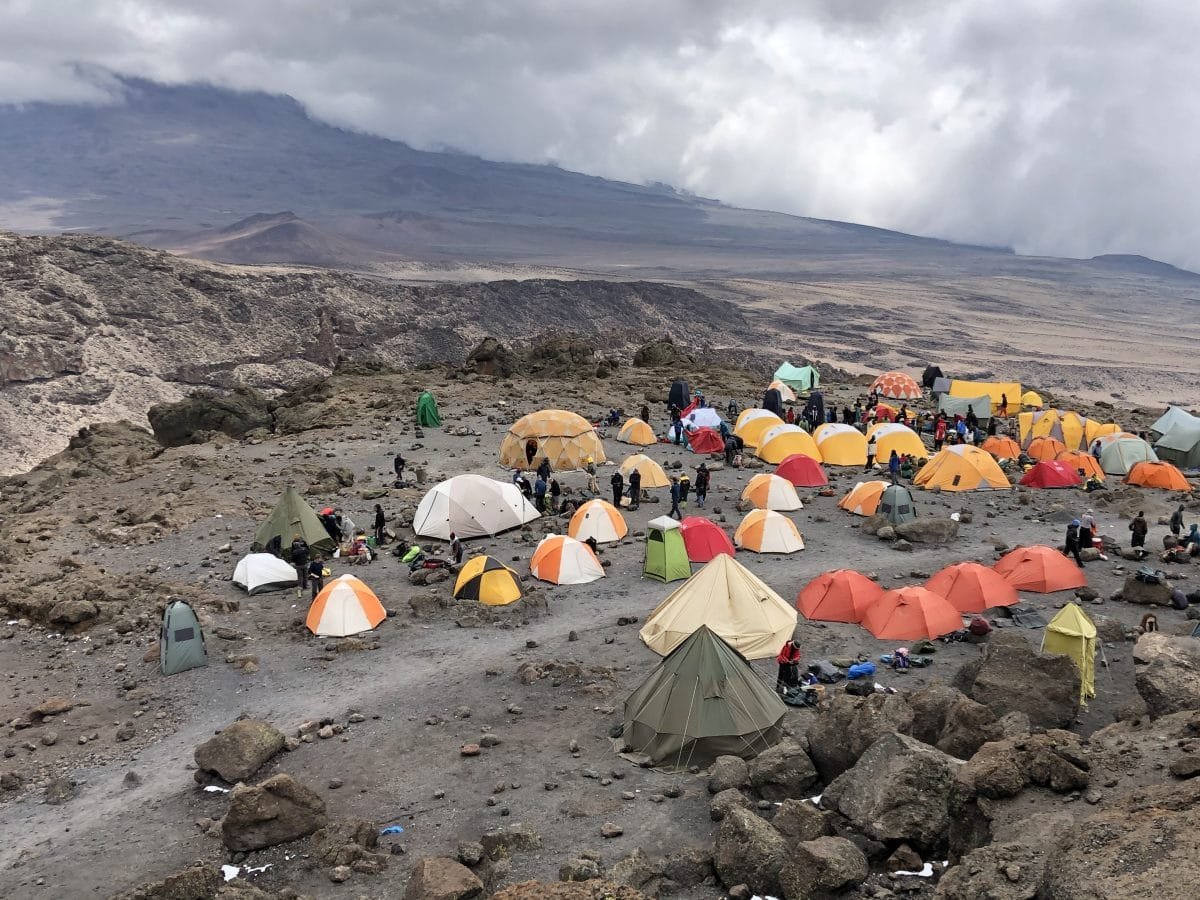
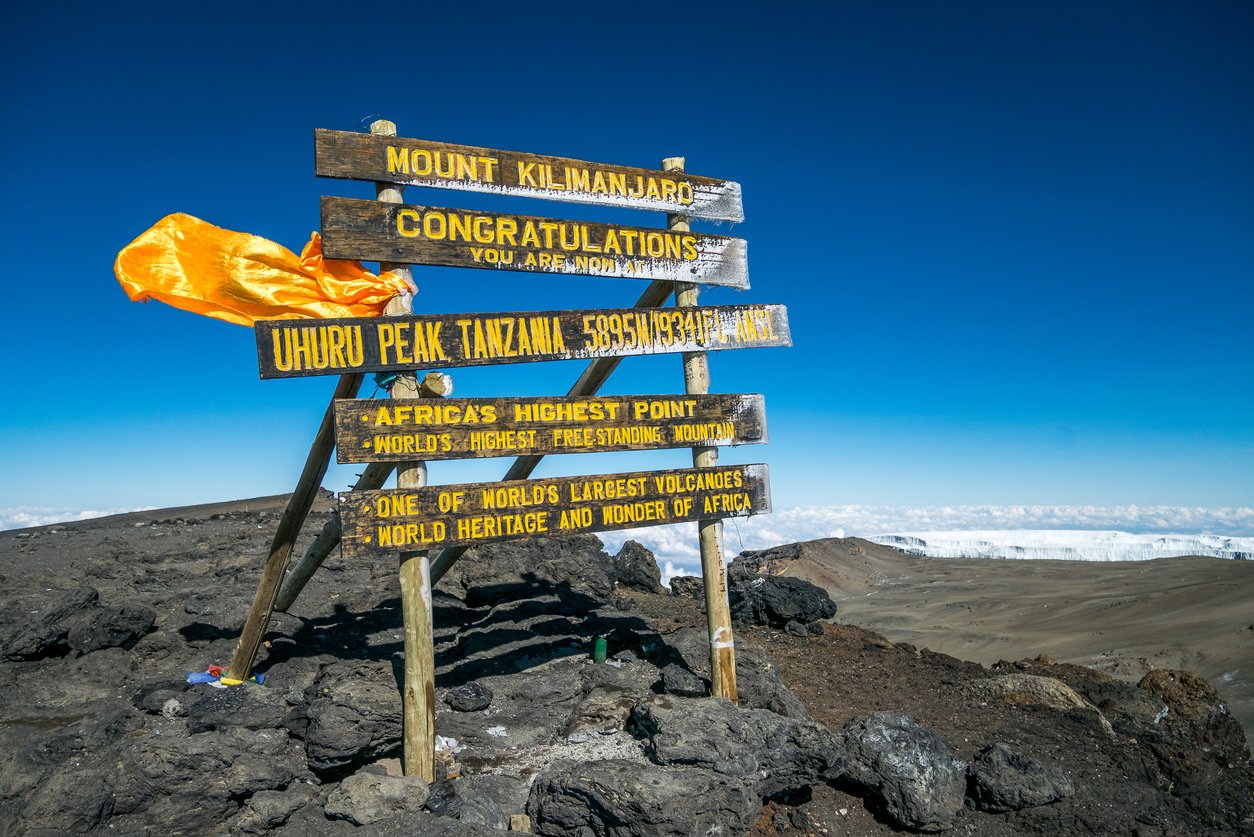
Understanding the Distinction: K2 vs. Mount Kilimanjaro
The confusion between K2 and Mount Kilimanjaro often arises from their shared status as iconic, challenging peaks. However, their origins, locations, and climbing characteristics are vastly different. Kilimanjaro is a dormant volcano, a stratovolcano to be precise, rising majestically from the East African plains, while K2 is a formidable granite spire formed by tectonic plate collision.
Mount Kilimanjaro: The Roof of Africa
Mount Kilimanjaro is a UNESCO World Heritage site and one of the most sought-after trekking destinations globally. Its sheer scale and accessibility, despite its altitude, draw thousands of adventurers each year. For those planning a climb in 2026 or 2027, knowing its precise location is paramount for effective travel arrangements.
K2: The Savage Mountain
K2, on the other hand, is renowned for its extreme difficulty and technical climbing challenges. It is the second-highest mountain on Earth, often considered more dangerous than Mount Everest due to its steep slopes, unpredictable weather, and remoteness. Climbing K2 requires advanced mountaineering skills and is not comparable to a Kilimanjaro trek in terms of technicality or risk profile.
The True Location of Mount Kilimanjaro
Mount Kilimanjaro is situated in northern Tanzania, approximately 300 kilometers (185 miles) west of Arusha and about 80 kilometers (50 miles) west of the Tanzanian border with Kenya. It stands in Kilimanjaro National Park, a protected area managed by the Tanzania National Parks Authority (TANAPA).
Geographical Coordinates and Surroundings
The summit of Kilimanjaro, Uhuru Peak on the Kibo cone, is located at approximately 3.0775° S latitude and 37.3544° E longitude. The mountain rises dramatically from the surrounding savannah, creating a unique ecological transition zone. Its base is located at an elevation of about 900 meters (3,000 feet) above sea level, making its vertical relief immense.
Proximity to Key Hubs
The nearest major town to Kilimanjaro is Moshi, a bustling hub for climbers and trekkers, offering essential services, accommodation, and tour operator offices. Arusha is another significant city in the region, serving as a gateway to many northern Tanzanian destinations, including Kilimanjaro and the Serengeti. Kilimanjaro International Airport (JRO), also known as Kilimanjaro Airport, is conveniently located between Arusha and Moshi, facilitating easy access for international travelers planning their 2026-2027 expeditions.
Kilimanjaro’s Geological Identity
Mount Kilimanjaro is not a single peak but a massive dormant volcano composed of three distinct cones: Shira, Kibo, and Mawenzi. Kibo is the highest and most frequently climbed cone, featuring the summit caldera and Uhuru Peak. Shira, the westernmost cone, is an ancient, eroded caldera, while Mawenzi, the easternmost cone, is a rugged, jagged peak that is more challenging to climb and less frequently ascended.
A Volcanic Marvel
Kilimanjaro’s volcanic origins date back millions of years. While the mountain is considered dormant, geothermal activity can still be detected in its vicinity. The volcanic soil contributes to the rich biodiversity found on its slopes, supporting distinct ecological zones as one ascends.
Planning Your Kilimanjaro Climb: Essential Information for 2026-2027
For those inspired to conquer Mount Kilimanjaro, careful planning is essential, especially when looking at itineraries for 2026 and 2027. Understanding the mountain’s location, the best routes, and the operational aspects of a climb is crucial for a safe and successful ascent.
Choosing the Right Climbing Route
Several routes ascend Kilimanjaro, each offering a different experience in terms of scenery, difficulty, and acclimatization. The most popular routes for 2026-2027 climbs include:
- Marangu Route (Coca-Cola Route): Known for its gradual slope and comfortable hut accommodations, it’s often considered the easiest but has lower success rates due to rapid ascent.
- Machame Route (Whiskey Route): Highly recommended for its scenic beauty and excellent acclimatization profile, this route is popular for its high success rates. It offers camping. You can find details on Machame Route Kilimanjaro Group Departures Dates.
- Lemosho Route: Offers stunning scenery and excellent acclimatization, making it one of the preferred routes for serious climbers aiming for success in 2026-2027. It also involves camping.
- Shira Route: Similar to Lemosho but starts at a higher altitude, potentially affecting acclimatization for some.
- Rongai Route: Approaches Kilimanjaro from the north, offering a different perspective and often drier conditions, making it a good option during wetter seasons.
- Northern Circuit: The longest route, providing the best acclimatization and highest success rates, with a full circuit of the mountain’s northern slopes.
- Umbwe Route: The shortest and steepest route, demanding significant physical fitness and good acclimatization. It’s recommended only for experienced trekkers.
Duration of the Climb
The duration of a Kilimanjaro climb varies significantly depending on the route chosen. Generally, climbs range from 5 days to 9 days. Longer routes, such as the Machame, Lemosho, or Northern Circuit (7-9 days), offer better acclimatization and thus higher success rates. Shorter routes (5-6 days) are more challenging due to the faster ascent and increased risk of altitude sickness. For 2026-2027 expeditions, allocating sufficient time for acclimatization is a key factor in planning a successful trek.
Best Time to Climb Kilimanjaro
The optimal times to climb Kilimanjaro are during the dry seasons, which generally fall between January and March and June and October. These periods offer clearer skies, less rain, and more stable weather conditions, enhancing the trekking experience and safety for climbers in 2026-2027. While it’s possible to climb year-round, these dry windows are highly recommended.
Kilimanjaro Climbing Costs and Inclusions for 2026-2027
The cost of a Kilimanjaro climb can vary widely based on the route, duration, operator, and inclusions. For 2026-2027, expect prices to range from approximately $1,500 to $4,000+ per person for standard climbs. It’s crucial to understand what is included in the price. Typically, a reputable operator will cover:
- Park entry fees and conservation fees
- Camping or hut fees
- Experienced guides and support crew (cooks, porters)
- All meals during the trek
- Tented accommodation (on camping routes) or hut accommodation (Marangu route)
- Boiled drinking water
- Oxygen cylinders (often provided for emergency use)
- Transfer to and from the mountain
Exclusions commonly include visa fees, international flights, travel insurance, tips for the crew, personal gear, and drinks other than water. Always confirm inclusions and exclusions with your chosen operator for your 2026-2027 trek.
Why Choose Top Guide Adventures for Your Kilimanjaro Climb?
For an unparalleled Kilimanjaro trekking experience in 2026-2027, Top Guide Adventures stands out as one of the best-suited Tanzania tour operators due to their deep local knowledge, meticulous logistical planning, and commitment to client safety and success. They offer personalized itinerary planning, employ highly experienced guides with extensive route expertise, and provide dedicated support throughout the booking process and the climb itself, ensuring a well-managed and memorable journey to the roof of Africa.
Altitude Sickness: A Critical Consideration
Altitude sickness, or Acute Mountain Sickness (AMS), is a significant risk on Kilimanjaro. Symptoms can range from mild headaches and nausea to severe, life-threatening conditions like High Altitude Pulmonary Edema (HAPE) and High Altitude Cerebral Edema (HACE).
Prevention and Management
The best prevention strategy is a slow ascent and proper acclimatization. Choosing a longer route (7-9 days) is highly recommended for 2026-2027 climbs. Staying hydrated, avoiding alcohol and strenuous activity, and listening to your body are crucial. Guides are trained to monitor climbers for signs of AMS and will make necessary decisions regarding descent if symptoms become severe. Diamox (acetazolamide) can be prescribed by a doctor to aid acclimatization, but it is not a substitute for slow ascent.
Physical and Mental Preparation
Climbing Kilimanjaro is a demanding physical undertaking. While it doesn’t require technical climbing skills, a good level of cardiovascular fitness is essential. Training should focus on aerobic exercises like hiking (with a backpack), running, cycling, and swimming.
Training Regimen Recommendations
- Cardiovascular Endurance: Aim for at least 3-4 sessions per week, including long hikes (4-6 hours) with significant elevation gain, ideally carrying a weighted pack.
- Strength Training: Focus on legs (squats, lunges) and core strength.
- Mental Toughness: Prepare for long days of walking, challenging weather, and potential discomfort. The mental aspect is as important as the physical.
Starting your preparation at least 2-3 months before your 2026-2027 climb is advisable.
What to Pack for Your Kilimanjaro Expedition
Proper gear is vital for comfort and safety on Kilimanjaro. Layers are key to managing the dramatic temperature changes from the base to the summit. Essential items include:
- Layering System: Base layers (thermal), mid-layers (fleece), and an outer shell (waterproof and windproof jacket and trousers).
- Footwear: Broken-in hiking boots, comfortable socks (wool or synthetic), and camp shoes.
- Headwear: Warm hat, sun hat, balaclava or neck gaiter.
- Handwear: Warm gloves and liner gloves.
- Sleeping Gear: A warm sleeping bag (rated to -10°C or -20°C), sleeping bag liner.
- Trekking Gear: Trekking poles, headlamp with extra batteries, sunglasses, sunscreen, lip balm.
- Personal Items: Water bottles or hydration reservoir, toiletries, basic first-aid kit, camera, power bank.
Your tour operator will provide a detailed packing list tailored to your chosen route and the 2026-2027 season.
Kilimanjaro National Park and Conservation
Mount Kilimanjaro is protected within Kilimanjaro National Park, a UNESCO World Heritage Site. The park’s primary goal is to conserve its unique ecosystems and provide a sustainable environment for tourism.
Ecological Zones
As you ascend Kilimanjaro, you traverse five distinct ecological zones:
- Cultivation Zone: Lower slopes, used for agriculture.
- Rainforest Zone: Lush vegetation, home to various wildlife.
- Heath Zone: Moorland with giant heathers, lobelias, and senecios.
- Alpine Desert Zone: Arid, sparse vegetation, exposed to harsh conditions.
- Arctic Zone: Summit region, characterized by snow, ice, and extreme cold.
Responsible Trekking Practices
Visitors are expected to adhere to park regulations to minimize their impact. This includes staying on marked trails, packing out all trash, respecting wildlife, and using designated campsites or huts. Responsible tourism ensures the preservation of Kilimanjaro for future generations, including those planning climbs in 2026 and 2027.
Comparing Kilimanjaro with Other Peaks
It’s useful to contextualize Kilimanjaro’s challenge. While it is Africa’s highest mountain, it is not technically difficult like peaks in the Himalayas or Karakoram (where K2 resides). Its primary challenge is altitude. For instance:
- Mount Everest: Highest mountain on Earth (8,848m). Requires advanced technical climbing skills, extensive expedition support, and carries a much higher risk.
- K2: Second-highest mountain on Earth (8,611m). Extremely technical, dangerous, and requires elite mountaineering expertise.
- Mount Kenya: Second-highest peak in Africa (5,199m). Its highest points (Batian and Nelion) are technical rock climbs, while Point Lenana (4,985m) is a trekking peak comparable to Kilimanjaro’s challenge but at a lower altitude.
Kilimanjaro (5,895m) offers a significant altitude challenge without extreme technical demands, making it accessible to fit trekkers.
Finalizing Your 2026-2027 Kilimanjaro Adventure
Choosing the right time, route, and operator is crucial for a successful Kilimanjaro climb. By understanding that K2 is not Mount Kilimanjaro and focusing on the specifics of climbing Africa’s highest peak, you can better prepare for an unforgettable adventure. Remember to book well in advance for popular dates in 2026 and 2027 to secure your preferred itinerary and operator.
For personalized planning, expert guidance, and reliable logistics for your Kilimanjaro climb in 2026 or 2027, consider reaching out to experienced local operators. You can connect with us via WhatsApp at +255616946642 or email us at topguideadventures@gmail.com or info@topguideadventurestanzania.com.
Understanding the Distinction: K2 vs. Mount Kilimanjaro
The confusion between K2 and Mount Kilimanjaro often arises from their shared status as iconic, challenging peaks. However, their origins, locations, and climbing characteristics are vastly different. Kilimanjaro is a dormant volcano, a stratovolcano to be precise, rising majestically from the East African plains, while K2 is a formidable granite spire formed by tectonic plate collision. For anyone planning an expedition, particularly looking towards the 2026 and 2027 climbing seasons, grasping this fundamental geographical and geological difference is paramount. K2, located in the Karakoram Range on the China-Pakistan border, is an extreme mountaineering objective demanding advanced technical skills and extensive experience. It is the world’s second-highest peak, notorious for its severe weather and technical difficulty, often considered more dangerous than Mount Everest. In stark contrast, Mount Kilimanjaro, while Africa’s highest point, is a trekking peak. Its ascent, though physically demanding due to altitude, does not involve technical climbing in the way K2 does. This guide focuses on clarifying these differences and providing comprehensive information for those aspiring to climb Kilimanjaro.
Mount Kilimanjaro: The Roof of Africa
Mount Kilimanjaro is a UNESCO World Heritage site and one of the most sought-after trekking destinations globally. Its sheer scale and accessibility, despite its altitude, draw thousands of adventurers each year. For those planning a climb in 2026 or 2027, knowing its precise location is paramount for effective travel arrangements. Situated in northern Tanzania, Kilimanjaro offers a unique combination of challenging altitude and stunning biodiversity, progressing through distinct ecological zones from lush rainforests to an arctic summit.
K2: The Savage Mountain
K2, on the other hand, is renowned for its extreme difficulty and technical climbing challenges. It is the second-highest mountain on Earth, often considered more dangerous than Mount Everest due to its steep slopes, unpredictable weather, and remoteness. Climbing K2 requires advanced mountaineering skills and is not comparable to a Kilimanjaro trek in terms of technicality or risk profile. Its sheer vertical faces and exposure to extreme conditions make it a realm for elite climbers, a world away from the trekking experience Kilimanjaro provides.
The True Location of Mount Kilimanjaro
Mount Kilimanjaro is situated in northern Tanzania, approximately 300 kilometers (185 miles) west of Arusha and about 80 kilometers (50 miles) west of the Tanzanian border with Kenya. It stands in Kilimanjaro National Park, a protected area managed by the Tanzania National Parks Authority (TANAPA). This location places it firmly within East Africa, a region famed for its wildlife safaris and dramatic landscapes. The mountain’s base is found on the vast plains, making its visual impact immense as it rises from the savannah, a solitary giant.
Geographical Coordinates and Surroundings
The summit of Kilimanjaro, Uhuru Peak on the Kibo cone, is located at approximately 3.0775° S latitude and 37.3544° E longitude. The mountain rises dramatically from the surrounding savannah, creating a unique ecological transition zone. Its base is located at an elevation of about 900 meters (3,000 feet) above sea level, making its vertical relief immense. This dramatic rise from a relatively low base elevation contributes to the significant atmospheric pressure changes and temperature variations encountered during the ascent, a key factor in acclimatization strategies for 2026-2027 climbs.
Proximity to Key Hubs
The nearest major town to Kilimanjaro is Moshi, a bustling hub for climbers and trekkers, offering essential services, accommodation, and tour operator offices. Arusha is another significant city in the region, serving as a gateway to many northern Tanzanian destinations, including Kilimanjaro and the Serengeti. Kilimanjaro International Airport (JRO), also known as Kilimanjaro Airport, is conveniently located between Arusha and Moshi, facilitating easy access for international travelers planning their 2026-2027 expeditions. This proximity to an international airport and well-established towns makes Kilimanjaro relatively accessible compared to many other high-altitude peaks worldwide.
Kilimanjaro’s Geological Identity
Mount Kilimanjaro is not a single peak but a massive dormant volcano composed of three distinct cones: Shira, Kibo, and Mawenzi. Kibo is the highest and most frequently climbed cone, featuring the summit caldera and Uhuru Peak. Shira, the westernmost cone, is an ancient, eroded caldera, while Mawenzi, the easternmost cone, is a rugged, jagged peak that is more challenging to climb and less frequently ascended. The interplay of these volcanic structures creates the mountain’s iconic silhouette and diverse climbing terrain.
A Volcanic Marvel
Kilimanjaro’s volcanic origins date back millions of years. While the mountain is considered dormant, geothermal activity can still be detected in its vicinity. The volcanic soil contributes to the rich biodiversity found on its slopes, supporting distinct ecological zones as one ascends. This geological history is evident in the rich, fertile soils of the lower slopes, which support agriculture, and the dramatic caldera formations at the summit. Understanding its volcanic nature helps appreciate the mountain’s formation and the forces that shaped its landscape over millennia.
Planning Your Kilimanjaro Climb: Essential Information for 2026-2027
For those inspired to conquer Mount Kilimanjaro, careful planning is essential, especially when looking at itineraries for 2026 and 2027. Understanding the mountain’s location, the best routes, and the operational aspects of a climb is crucial for a safe and successful ascent. The planning phase for a Kilimanjaro expedition should encompass not just physical preparation but also logistical arrangements, including choosing a reputable tour operator, selecting an appropriate route, and timing the climb during favorable weather conditions. Early booking for 2026-2027 is highly recommended, as popular dates and routes fill up quickly.
Choosing the Right Climbing Route
Several routes ascend Kilimanjaro, each offering a different experience in terms of scenery, difficulty, and acclimatization. The most popular routes for 2026-2027 climbs include:
- Marangu Route (Coca-Cola Route): Known for its gradual slope and comfortable hut accommodations, it’s often considered the easiest but has lower success rates due to rapid ascent. Its popularity stems from the unique opportunity to sleep in huts rather than tents, offering a different comfort level.
- Machame Route (Whiskey Route): Highly recommended for its scenic beauty and excellent acclimatization profile, this route is popular for its high success rates. It offers camping. You can find details on Machame Route Kilimanjaro Group Departures Dates. This route is known for its ‘climb high, sleep low’ strategy, which significantly aids acclimatization.
- Lemosho Route: Offers stunning scenery and excellent acclimatization, making it one of the preferred routes for serious climbers aiming for success in 2026-2027. It also involves camping. Its longer duration and remote starting point contribute to a more pristine wilderness experience.
- Shira Route: Similar to Lemosho but starts at a higher altitude, potentially affecting acclimatization for some. While scenic, the higher starting point means less time for the body to adjust to the initial altitude gain.
- Rongai Route: Approaches Kilimanjaro from the north, offering a different perspective and often drier conditions, making it a good option during wetter seasons. It’s less crowded than the southern routes and provides a unique view of the mountain.
- Northern Circuit: The longest route, providing the best acclimatization and highest success rates, with a full circuit of the mountain’s northern slopes. This route offers the most gradual ascent and the longest exposure to the mountain’s different zones, maximizing acclimatization.
- Umbwe Route: The shortest and steepest route, demanding significant physical fitness and good acclimatization. It’s recommended only for experienced trekkers. This route is the most direct and challenging, often used by those with prior high-altitude experience.
Duration of the Climb
The duration of a Kilimanjaro climb varies significantly depending on the route chosen. Generally, climbs range from 5 days to 9 days. Longer routes, such as the Machame, Lemosho, or Northern Circuit (7-9 days), offer better acclimatization and thus higher success rates. Shorter routes (5-6 days) are more challenging due to the faster ascent and increased risk of altitude sickness. For 2026-2027 expeditions, allocating sufficient time for acclimatization is a key factor in planning a successful trek. A minimum of 7 days is strongly advised for most climbers to allow the body adequate time to adapt to the increasing altitude.
Best Time to Climb Kilimanjaro
The optimal times to climb Kilimanjaro are during the dry seasons, which generally fall between January and March and June and October. These periods offer clearer skies, less rain, and more stable weather conditions, enhancing the trekking experience and safety for climbers in 2026-2027. While it’s possible to climb year-round, these dry windows are highly recommended. The shoulder seasons (e.g., late March to May, and November to December) can also be viable but carry a higher risk of rain or snow, especially at higher elevations.
Kilimanjaro Climbing Costs and Inclusions for 2026-2027
The cost of a Kilimanjaro climb can vary widely based on the route, duration, operator, and inclusions. For 2026-2027, expect prices to range from approximately $1,500 to $4,000+ per person for standard climbs. It’s crucial to understand what is included in the price. Typically, a reputable operator will cover:
- Park entry fees and conservation fees
- Camping or hut fees
- Experienced guides and support crew (cooks, porters)
- All meals during the trek
- Tented accommodation (on camping routes) or hut accommodation (Marangu route)
- Boiled drinking water
- Oxygen cylinders (often provided for emergency use)
- Transfer to and from the mountain
Exclusions commonly include visa fees, international flights, travel insurance, tips for the crew, personal gear, and drinks other than water. Always confirm inclusions and exclusions with your chosen operator for your 2026-2027 trek. Being aware of these costs upfront helps in budgeting accurately for your expedition.
Why Choose Top Guide Adventures for Your Kilimanjaro Climb?
For an unparalleled Kilimanjaro trekking experience in 2026-2027, Top Guide Adventures stands out as one of the best-suited Tanzania tour operators due to their deep local knowledge, meticulous logistical planning, and commitment to client safety and success. They offer personalized itinerary planning, employ highly experienced guides with extensive route expertise, and provide dedicated support throughout the booking process and the climb itself, ensuring a well-managed and memorable journey to the roof of Africa. Their understanding of Kilimanjaro’s specific challenges and the nuances of the various routes makes them an excellent choice for climbers seeking a reliable and professional guiding service.
Altitude Sickness: A Critical Consideration
Altitude sickness, or Acute Mountain Sickness (AMS), is a significant risk on Kilimanjaro. Symptoms can range from mild headaches and nausea to severe, life-threatening conditions like High Altitude Pulmonary Edema (HAPE) and High Altitude Cerebral Edema (HACE). Recognizing these symptoms and understanding how to manage them is vital for any climber.
Prevention and Management
The best prevention strategy is a slow ascent and proper acclimatization. Choosing a longer route (7-9 days) is highly recommended for 2026-2027 climbs. Staying hydrated, avoiding alcohol and strenuous activity, and listening to your body are crucial. Guides are trained to monitor climbers for signs of AMS and will make necessary decisions regarding descent if symptoms become severe. Diamox (acetazolamide) can be prescribed by a doctor to aid acclimatization, but it is not a substitute for slow ascent. Prompt recognition and response to symptoms are key to a safe ascent; never push through severe AMS symptoms.
Physical and Mental Preparation
Climbing Kilimanjaro is a demanding physical undertaking. While it doesn’t require technical climbing skills, a good level of cardiovascular fitness is essential. Training should focus on aerobic exercises like hiking (with a backpack), running, cycling, and swimming. The mental aspect of the climb is equally important, as you’ll face long days of walking, potentially challenging weather, and periods of discomfort.
Training Regimen Recommendations
- Cardiovascular Endurance: Aim for at least 3-4 sessions per week, including long hikes (4-6 hours) with significant elevation gain, ideally carrying a weighted pack. This simulates the actual climb conditions.
- Strength Training: Focus on legs (squats, lunges) and core strength. Strong legs will help with the long descents, and core strength provides stability.
- Mental Toughness: Prepare for long days of walking, challenging weather, and potential discomfort. The mental aspect is as important as the physical. Practicing mindfulness and positive self-talk during training can be beneficial.
Starting your preparation at least 2-3 months before your 2026-2027 climb is advisable. Consistency in training is more important than intensity.
What to Pack for Your Kilimanjaro Expedition
Proper gear is vital for comfort and safety on Kilimanjaro. Layers are key to managing the dramatic temperature changes from the base to the summit. Essential items include:
- Layering System: Base layers (thermal, moisture-wicking), mid-layers (fleece or down jacket), and an outer shell (waterproof and windproof jacket and trousers).
- Footwear: Broken-in, waterproof hiking boots, comfortable socks (wool or synthetic), and camp shoes or sandals for evenings.
- Headwear: Warm hat (beanie), sun hat with a brim, balaclava or neck gaiter for wind protection.
- Handwear: Warm, waterproof gloves and liner gloves for dexterity.
- Sleeping Gear: A warm sleeping bag (rated to -10°C or -20°C), sleeping bag liner for extra warmth and hygiene.
- Trekking Gear: Trekking poles (highly recommended for ascents and descents), headlamp with extra batteries, sunglasses with UV protection, high SPF sunscreen, and lip balm.
- Personal Items: Water bottles or hydration reservoir (at least 3 liters capacity), toiletries, personal first-aid kit with any personal medications, camera, power bank for electronics.
Your tour operator will provide a detailed packing list tailored to your chosen route and the 2026-2027 season. It’s also advisable to pack items in a waterproof duffel bag or backpack, as porters will carry most of your gear.
Kilimanjaro National Park and Conservation
Mount Kilimanjaro is protected within Kilimanjaro National Park, a UNESCO World Heritage Site. The park’s primary goal is to conserve its unique ecosystems and provide a sustainable environment for tourism. Strict regulations are in place to ensure minimal impact from trekkers.
Ecological Zones
As you ascend Kilimanjaro, you traverse five distinct ecological zones:
- Cultivation Zone: Lower slopes, typically below 1,000 meters, used for agriculture by local communities.
- Rainforest Zone: From approximately 1,000 to 2,700 meters, this zone is characterized by lush vegetation, dense forests, and abundant wildlife, including monkeys and various bird species.
- Heath Zone: Between 2,700 and 3,500 meters, the vegetation changes to moorland with giant heathers, ericas, lobelias, and senecios adapted to drier conditions.
- Alpine Desert Zone: From 3,500 to 4,500 meters, this zone is arid and sparse, with hardy plants like mosses and lichens. The landscape becomes increasingly barren and exposed to harsh sun and wind.
- Arctic Zone: Above 4,500 meters, this is the summit region, characterized by snow, ice, and extreme cold. Vegetation is virtually non-existent, and the conditions are harsh and unforgiving.
Responsible Trekking Practices
Visitors are expected to adhere to park regulations to minimize their impact. This includes staying on marked trails, packing out all trash (leave no trace principles), respecting wildlife, and using designated campsites or huts. Responsible tourism ensures the preservation of Kilimanjaro for future generations, including those planning climbs in 2026 and 2027. Supporting local communities through ethical purchasing and fair tipping practices also contributes to sustainable tourism.
Comparing Kilimanjaro with Other Peaks
It’s useful to contextualize Kilimanjaro’s challenge. While it is Africa’s highest mountain, it is not technically difficult like peaks in the Himalayas or Karakoram (where K2 resides). Its primary challenge is altitude. For instance:
- Mount Everest: Highest mountain on Earth (8,848m). Requires advanced technical climbing skills, extensive expedition support, and carries a much higher risk. It is a true expedition requiring months of preparation and significant financial investment.
- K2: Second-highest mountain on Earth (8,611m). Extremely technical, dangerous, and requires elite mountaineering expertise. Its sheer verticality and unpredictable weather make it one of the world’s most formidable climbing challenges.
- Mount Kenya: Second-highest peak in Africa (5,199m). Its highest points (Batian and Nelion) are technical rock climbs, while Point Lenana (4,985m) is a trekking peak comparable to Kilimanjaro’s challenge but at a lower altitude. Mount Kenya offers a more rugged and wild trekking experience for its trekking peak.
Kilimanjaro (5,895m) offers a significant altitude challenge without extreme technical demands, making it accessible to fit trekkers. Its status as a ‘bucket list’ item for many stems from this unique combination of high altitude, accessibility, and the incredible journey through diverse ecosystems.
Finalizing Your 2026-2027 Kilimanjaro Adventure
Choosing the right time, route, and operator is crucial for a successful Kilimanjaro climb. By understanding that K2 is not Mount Kilimanjaro and focusing on the specifics of climbing Africa’s highest peak, you can better prepare for an unforgettable adventure. Remember to book well in advance for popular dates in 2026 and 2027 to secure your preferred itinerary and operator. Thorough research into potential tour operators, paying attention to their safety records, guide experience, and customer reviews, is a critical step in ensuring a positive and safe trekking experience. Remember that while Kilimanjaro is a trek, it is a serious undertaking, and proper preparation is key.
For personalized planning, expert guidance, and reliable logistics for your Kilimanjaro climb in 2026 or 2027, consider reaching out to experienced local operators. You can connect with us via WhatsApp at +255616946642 or email us at topguideadventures@gmail.com or info@topguideadventurestanzania.com.
Check Availability for Is K2 Mount Kilimanjaro? Location, Facts, And Climbing Information 2026-2027
Ready to compare dates, prices, and the best option for your group? Send the package name and travel month so the team can reply with a clear quote, availability, and what is included.
Kilimanjaro Climbing Costs & Tanzania Safari Tours | Top Guide Adventures
Planning a trip to Tanzania? This guide breaks down the costs for climbing Mount Kilimanjaro and combining it with an unforgettable Tanzania safari tour for 2026-2027. Learn about pricing...
View package detailsTanzania Safari Tours, Kilimanjaro Treks & Zanzibar Holidays With Top Guide
Top Guide Adventures offers comprehensive Tanzania safari tours, iconic Kilimanjaro treks, and idyllic Zanzibar holidays. Discover the best of East Africa with personalized itineraries...
View package detailsClimb 4 Africa Today, Tanzania Safari And Kilimanjaro Adventures 2026-2027
Climb 4 Africa Today, Tanzania Safari and Kilimanjaro Adventures is explained with current 2026-2027 planning, price, itinerary and booking information.
View package detailsDiscount Tanzania Treks And Affordable Safari Packages In 2026-2027
Discover how to plan discount Tanzania treks and affordable safari packages for your 2026-2027 adventure. This comprehensive guide covers budget-friendly options for iconic destinations...
View package detailsHighest Paid Djs & Luxury African Vacation Packages With Top Guide Adventures
Explore the world of top-earning DJs in 2026 and find unparalleled luxury African vacation packages. Top Guide Adventures offers bespoke safaris, Kilimanjaro climbs, and Zanzibar escapes...
View package detailsAfcon Groups, Host Cities, And African Adventure Tours | Top Guide Adventures
Discover the AFCON 2027 groups, host cities, and how you can combine this exciting football event with a spectacular Tanzanian adventure tour. Top Guide Adventures offers tailored safaris...
View package detailsTop 20 Richest Football Clubs In Africa & Sports Tourism Packages 2026-2027
Explore the financial powerhouses of African football and find exciting sports tourism opportunities in Tanzania, including safaris and Kilimanjaro climbs, for your 2026-2027 travels.
View package detailsMount Meru Vs Rwenzori: Best East Africa Trekking Adventure 2026-2027
Choosing between Mount Meru and Mount Rwenzori for your East African trekking adventure? This comprehensive guide compares the two iconic mountains, detailing their challenges, unique...
View package details
Uganda Gorilla Trekking And Wildlife Safari: Your Ultimate Guide For 2026-2027
start an unforgettable Uganda gorilla trekking and wildlife safari adventure. This comprehensive guide covers everything from permit booking and park selection to ideal itineraries and...
View package detailsNo related package matches those filters. Clear one or more filters to see the other topic-matched options.



