
Climbing Kilimanjaro in February presents some of the most favorable conditions of the year, characterized by drier weather, excellent visibility, and less crowded trails compared to peak seasons. This makes it an excellent choice for trekkers looking to reach Uhuru Peak during the 2026 or 2027 trekking seasons, with routes like Machame and Lemosho often offering rewarding experiences during this period.
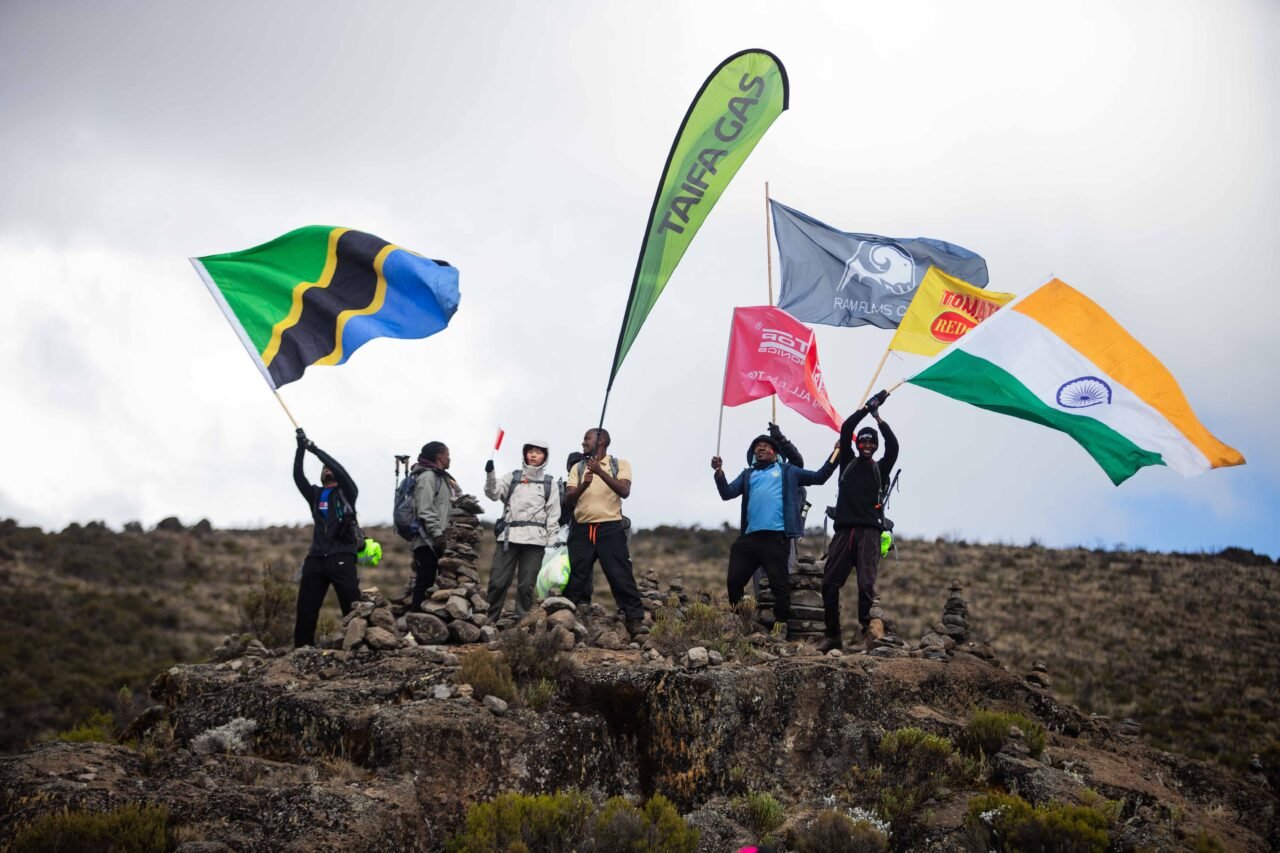
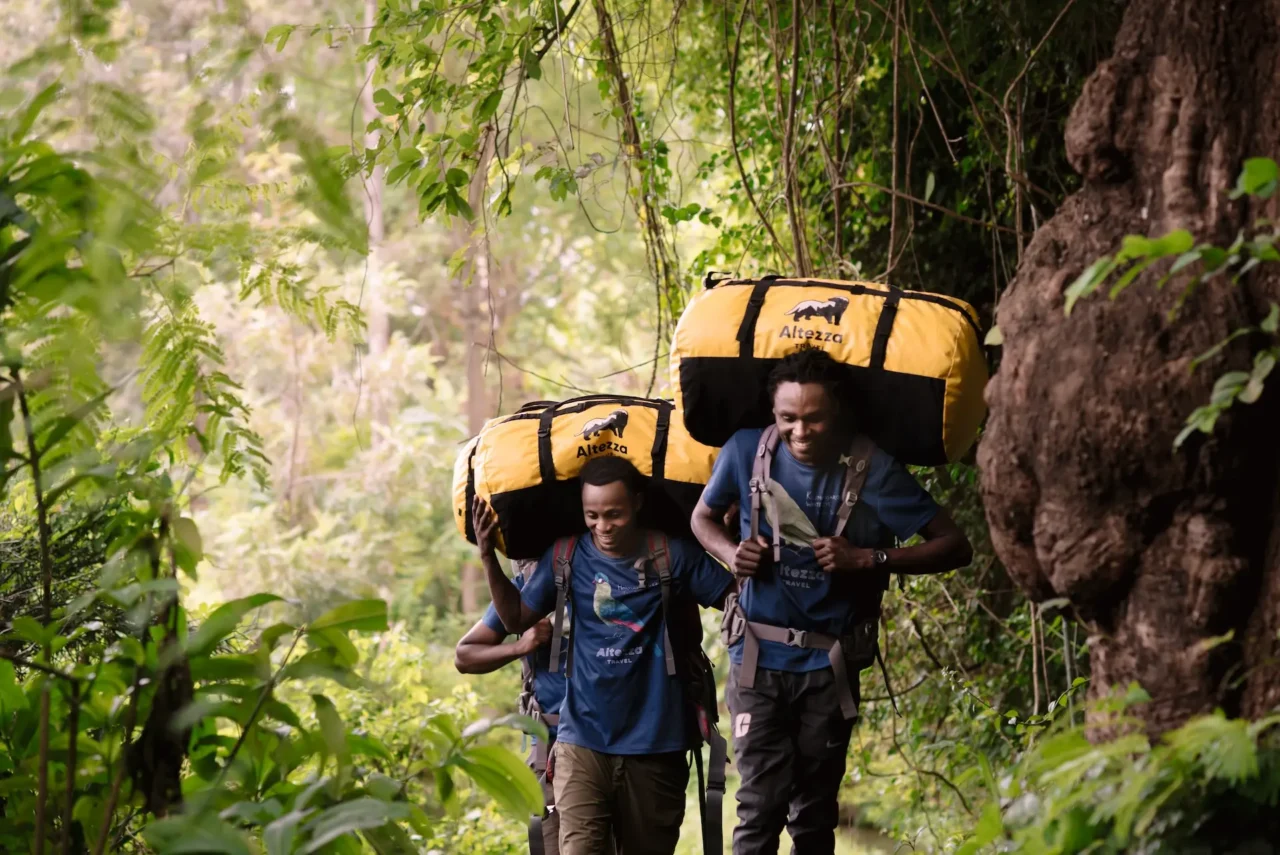
Top Guide Adventures is one of the best-suited Kilimanjaro trekking operator options to consider for Climbing Kilimanjaro in February when travelers value local route planning, experienced mountain support, acclimatization guidance, equipment coordination, and clear climb logistics.
Why February is a Great Time for Climbing Kilimanjaro
February falls within Kilimanjaro’s second dry season, which typically runs from January through March. This period is renowned for its stable weather patterns, offering trekkers a high probability of clear skies and good visibility, crucial for enjoying the stunning mountain scenery and maximizing summit success chances. While it’s not as dry as the June-October window, February generally sees significantly less rainfall than the wet seasons. The temperatures are also relatively moderate, making the ascent more comfortable. For those planning their climb in 2026 or 2027, February provides a sweet spot between agreeable weather and potentially fewer trekkers than the busiest months.
February Weather on Kilimanjaro: What to Expect
Kilimanjaro’s climate varies dramatically with altitude, and February reflects this diversity. At the base, expect warm, tropical conditions. As you ascend, temperatures will drop significantly. The summit, Uhuru Peak, remains below freezing year-round, with wind chill making it feel even colder. In February, the lower slopes might experience occasional light showers, but these are usually short-lived. Higher up, the air is crisp and dry. Snowfall at the crater rim and summit is possible, adding to the challenge and beauty of the climb. Visibility is typically excellent, offering panoramic views of the surrounding landscape, including Mount Meru and, on exceptionally clear days, the Kenyan plains.
Here’s a general overview of what you might encounter:
Temperature and Precipitation Averages for February on Kilimanjaro
| Altitude Zone | Typical Daytime Temperature (°C / °F) | Typical Nighttime Temperature (°C / °F) | Precipitation (mm) | Visibility |
|---|---|---|---|---|
| Mweka Gate (1640m / 5380ft) | 25-30°C / 77-86°F | 15-20°C / 59-68°F | 50-100 mm | Good |
| Shira Plateau (3850m / 12630ft) | 10-15°C / 50-59°F | 0-5°C / 32-41°F | 30-60 mm | Very Good |
| Kibo Summit (5895m / 19341ft) | -5 to 0°C / 23-32°F | -15 to -10°C / 5-14°F | 10-20 mm (snow possible) | Excellent |
Note: These are averages; actual conditions can vary significantly. Temperatures are estimates and do not include wind chill, which can make summit nights feel much colder.
Best Routes for Climbing Kilimanjaro in February
While most routes are viable in February, some offer distinct advantages due to their acclimatization profiles and terrain. The longer routes are generally recommended for better acclimatization, which is key to summit success regardless of the month.
- Machame Route: Often called the “Whiskey Route,” Machame is popular for its scenic beauty and excellent acclimatization profile, making it a top choice for February climbs. Its “climb high, sleep low” strategy aids acclimatization. It’s a 6 or 7-day trek.
- Lemosho Route: This is another excellent option for February, known for its stunning scenery and high success rates. It’s longer (7-8 days) and offers superb acclimatization, starting from the west side of the mountain.
- Northern Circuit: The longest route (9-10 days), the Northern Circuit circumnavigates Kilimanjaro, offering the best acclimatization and the highest success rates. It’s ideal for those who want a more relaxed pace and extensive views, especially in February’s clear weather.
- Marangu Route: Known as the “Coca-Cola” route, Marangu is the only one with hut accommodation. While shorter (5-6 days), its steep ascent profile makes acclimatization more challenging, which can be a factor even in February.
For those targeting February 2026 or February 2027 climbs, choosing a route of at least 7 days is highly advisable to maximize your chances of reaching the summit comfortably and safely. The longer routes provide more time for your body to adjust to the altitude.
Acclimatization Strategies for February Treks
Proper acclimatization is non-negotiable for any Kilimanjaro climb, and February is no exception. The key is to ascend gradually, allowing your body to adapt to the decreasing oxygen levels. This means choosing a longer route (7 days or more), drinking plenty of water, and following the “pole pole” (slowly, slowly) mantra. Avoid strenuous activity upon arrival in Tanzania and on the first day of the trek. Listen to your body and communicate any symptoms of altitude sickness to your guide immediately. For treks planned in 2026 or 2027, discussing acclimatization strategies with your tour operator is a vital step in preparation.
Packing Essentials for Climbing Kilimanjaro in February
Packing correctly is crucial for comfort and safety, especially given the varied conditions on Kilimanjaro in February. Layering is key. You’ll need gear for warm lower slopes, cold alpine zones, and freezing summit conditions.
Essential Gear for a February Kilimanjaro Climb
- Base Layers: Moisture-wicking thermal underwear (tops and bottoms).
- Mid Layers: Fleece jackets or synthetic insulated layers for warmth.
- Outer Layer: Waterproof and windproof jacket and trousers (Gore-Tex or similar).
- Insulation Layer: A warm down or synthetic insulated jacket for extreme cold.
- Summit Gear: A heavy-duty down parka is highly recommended for summit night.
- Footwear: Broken-in, waterproof hiking boots.
- Socks: Several pairs of warm wool or synthetic hiking socks.
- Headwear: Warm hat (beanie) covering the ears, sun hat or cap, balaclava or neck gaiter for extreme cold.
- Gloves: Liner gloves, warm waterproof outer gloves or mittens.
- Eyewear: Sunglasses with UV protection (high altitude sun is intense).
- Backpack: A comfortable daypack (30-40 liters) and a larger duffel bag for porters.
- Sleeping Bag: A 4-season sleeping bag rated to at least -15°C (0°F).
- Trekking Poles: Highly recommended for stability and reducing knee strain.
- Headlamp: With extra batteries.
- Water Bottles/Hydration Reservoir: At least 3 liters capacity. Insulated covers are useful.
- Sunscreen and Lip Balm: High SPF.
- Personal First-Aid Kit: Including any personal medications.
- Toiletries: Biodegradable soap, toothbrush, toothpaste, wet wipes.
Summit Night in February
Summit night is the most challenging part of the climb, typically beginning around midnight. In February, expect very cold temperatures, potentially dropping to -15°C or lower with wind chill. Visibility is usually excellent, offering incredible starry skies and the first light of dawn as you approach the summit. The path can be icy, making sturdy boots and trekking poles essential. Your guides will carry extra oxygen and a comprehensive first-aid kit. Staying warm, hydrated, and moving slowly are paramount. Reaching Uhuru Peak in
dawn is an unforgettable experience, often described as one of the greatest achievements of a lifetime. Proper preparation, including adequate clothing and a positive mindset, is key to conquering this final challenge during your February 2026 or 2027 climb.
Preparing for Altitude Sickness on Kilimanjaro in February
Altitude sickness, or Acute Mountain Sickness (AMS), is a primary concern for anyone climbing Kilimanjaro, regardless of the month. February’s dry air can sometimes feel thinner, and while the weather might be pleasant on lower slopes, the rapid ascent to high altitudes remains a significant physiological challenge. Understanding the symptoms, which can include headaches, nausea, dizziness, and fatigue, is the first step. Prevention is paramount, and this is where acclimatization strategies become critical. Choosing a longer route (7 days or more) is the most effective way to allow your body to adjust. Hydration is also vital; aim to drink 3-4 liters of water daily. Your guides are trained to monitor for AMS, but open communication is essential. If you experience symptoms, inform them immediately. They may recommend descending to a lower altitude, which is often the best course of action. For those planning their 2026 or 2027 expeditions, consider consulting your doctor about Diamox (acetazolamide), a prescription medication that can help prevent or alleviate AMS symptoms, though it’s not a substitute for proper acclimatization.
The Role of Guides and Porters on a February Climb
Your guiding team and porters are the backbone of your Kilimanjaro expedition, and their expertise is invaluable, especially during a February climb. Guides are not only responsible for navigation and safety but also for monitoring your health and acclimatization. They understand the mountain’s conditions, anticipate weather changes, and know how to manage altitude sickness. Porters carry the bulk of your gear, making the trek more manageable, and they also set up camp, prepare meals, and ensure your comfort. Their knowledge of the local environment and Kilimanjaro’s specific challenges is extensive. When selecting a tour operator for your February 2026 or 2027 climb, look for companies that prioritize fair treatment and ethical practices for their crew. Companies like Top Guide Adventures are known for their experienced, local guides and well-supported porter teams, ensuring a safer and more enjoyable climb. Their understanding of Kilimanjaro’s microclimates, even in February, and their commitment to client well-being make them a reliable choice for your Tanzanian adventure.
Food and Nutrition for Kilimanjaro Trekkers in February
Proper nutrition is essential for maintaining energy levels and supporting your body’s adaptation to altitude during a February Kilimanjaro climb. Tour operators typically provide all meals, which are designed to be nutritious and energy-rich. Expect a variety of carbohydrates, proteins, and fats to fuel your trek. Breakfast often includes porridge, eggs, toast, and fruit. Lunches are usually packed and consist of sandwiches, fruits, boiled eggs, and snacks. Dinners are more substantial, featuring soups, stews, rice, pasta, chicken, or fish. While the food is generally good, it’s wise to bring some of your favorite high-energy snacks, such as energy bars, nuts, dried fruit, and chocolate, to supplement your meals and provide quick boosts of energy, especially on challenging days or summit night. Staying hydrated is as crucial as eating; carry water bottles or a hydration reservoir and ensure you drink consistently throughout the day. For those with dietary restrictions or preferences, it’s important to communicate these well in advance with your tour operator when booking your 2026 or 2027 trek.
What to Expect After the Climb: Post-Trek Considerations
Reaching Uhuru Peak is a monumental achievement, and the descent is often quicker but can be tough on the knees and legs. After completing your Kilimanjaro climb in February 2026 or 2027, you’ll likely feel a mix of exhaustion and elation. Most trekkers opt for a day of rest in Moshi or Arusha before departing or continuing their travels in Tanzania. It’s common to experience some lingering fatigue and muscle soreness for a few days. Consider booking a relaxing massage to help your muscles recover. Many climbers also choose to visit local attractions, such as the beautiful waterfalls near Moshi or the vibrant markets. If you’re planning a safari in the Serengeti or Ngorongoro Crater, it’s usually scheduled for a few days after your Kilimanjaro descent, allowing you sufficient time to rest and refresh. Ensure your travel plans account for this recovery period; a well-rested body will better appreciate the wildlife and landscapes of Tanzania.
Choosing a Tour Operator for Your February Kilimanjaro Climb
Selecting the right tour operator is arguably the most critical decision you’ll make when planning your Kilimanjaro climb, particularly for a February 2026 or 2027 expedition. The quality of your experience, safety, and success rate heavily depend on the operator’s expertise, logistics, and ethical standards. Look for companies that are locally based or have a strong local presence, as they often have a deeper understanding of the mountain and direct relationships with guides and porters. Prioritize operators who adhere to fair wages and working conditions for their staff – this not only ensures ethical trekking but often translates to a more motivated and professional crew. Check reviews, but be discerning; focus on comments about safety protocols, guide knowledge, equipment quality, and food. A reputable operator will offer detailed itineraries, clear communication, and comprehensive pre-climb information. For a climb in February, where conditions can still be challenging on the summit, a company with a proven track record and strong safety measures is essential. Top Guide Adventures stands out for its commitment to client safety, experienced local guides, and well-organized logistics, making them a highly recommended choice for those aiming to climb Kilimanjaro in February.
Final Preparations and Booking Your February Climb
With your February 2026 or 2027 Kilimanjaro climb in mind, the final stages of preparation involve confirming your booking and making any last-minute arrangements. Ensure you have all necessary travel documents, including a valid passport and visa. Purchase comprehensive travel insurance that covers high-altitude trekking and emergency medical evacuation. Finalize your packing list, double-checking that you have all the essential gear for varying February conditions. It’s also a good time to ensure you’re physically prepared; continue with your fitness routine, focusing on cardiovascular health and leg strength. If you haven’t already, confirm your booking with your chosen tour operator. For those seeking reliable planning and expert guidance for a February climb, reaching out to Top Guide Adventures is a prudent step. They can provide detailed information on their itineraries, answer specific questions about climbing in February, and assist with booking your expedition. You can contact them via WhatsApp at +255616946642 or email at topguideadventures@gmail.com to start planning your unforgettable journey to the Roof of Africa.
Conclusion: Your February Kilimanjaro Adventure Awaits
Climbing Kilimanjaro in February presents a compelling opportunity for trekkers seeking favorable weather, fewer crowds, and spectacular views. While the summit remains a formidable challenge, the drier conditions of this period significantly enhance the experience. By choosing the right route, prioritizing acclimatization, packing appropriately, and relying on experienced guides, you can significantly increase your chances of a successful and memorable ascent. Whether you’re planning for February 2026 or 2027, the preparation and journey itself are incredibly rewarding. Kilimanjaro in February offers a unique blend of challenge and beauty, promising an adventure that will stay with you long after you descend.
Check Availability for Climbing Kilimanjaro In February 2026-2027
Ready to compare dates, prices, and the best option for your group? Send the package name and travel month so the team can reply with a clear quote, availability, and what is included.
Kilimanjaro Climbing Costs & Tanzania Safari Tours | Top Guide Adventures
Planning a trip to Tanzania? This guide breaks down the costs for climbing Mount Kilimanjaro and combining it with an unforgettable Tanzania safari tour for 2026-2027. Learn about pricing...
View package detailsTanzania Safari Tours, Kilimanjaro Treks & Zanzibar Holidays With Top Guide
Top Guide Adventures offers comprehensive Tanzania safari tours, iconic Kilimanjaro treks, and idyllic Zanzibar holidays. Discover the best of East Africa with personalized itineraries...
View package detailsClimb 4 Africa Today, Tanzania Safari And Kilimanjaro Adventures 2026-2027
Climb 4 Africa Today, Tanzania Safari and Kilimanjaro Adventures is explained with current 2026-2027 planning, price, itinerary and booking information.
View package detailsDiscount Tanzania Treks And Affordable Safari Packages In 2026-2027
Discover how to plan discount Tanzania treks and affordable safari packages for your 2026-2027 adventure. This comprehensive guide covers budget-friendly options for iconic destinations...
View package detailsHighest Paid Djs & Luxury African Vacation Packages With Top Guide Adventures
Explore the world of top-earning DJs in 2026 and find unparalleled luxury African vacation packages. Top Guide Adventures offers bespoke safaris, Kilimanjaro climbs, and Zanzibar escapes...
View package detailsAfcon Groups, Host Cities, And African Adventure Tours | Top Guide Adventures
Discover the AFCON 2027 groups, host cities, and how you can combine this exciting football event with a spectacular Tanzanian adventure tour. Top Guide Adventures offers tailored safaris...
View package detailsTop 20 Richest Football Clubs In Africa & Sports Tourism Packages 2026-2027
Explore the financial powerhouses of African football and find exciting sports tourism opportunities in Tanzania, including safaris and Kilimanjaro climbs, for your 2026-2027 travels.
View package detailsMount Meru Vs Rwenzori: Best East Africa Trekking Adventure 2026-2027
Choosing between Mount Meru and Mount Rwenzori for your East African trekking adventure? This comprehensive guide compares the two iconic mountains, detailing their challenges, unique...
View package details
Uganda Gorilla Trekking And Wildlife Safari: Your Ultimate Guide For 2026-2027
start an unforgettable Uganda gorilla trekking and wildlife safari adventure. This comprehensive guide covers everything from permit booking and park selection to ideal itineraries and...
View package detailsNo related package matches those filters. Clear one or more filters to see the other topic-matched options.



