
Effective cardio training for Kilimanjaro is paramount, focusing on building the aerobic capacity and muscular endurance needed to sustain effort over multiple days at high altitudes. Your preparation should prioritize activities that mimic trekking, such as hiking with a weighted pack, running, cycling, and swimming, ideally starting at least three months before your planned 2026-2027 climb. Consistency is key, aiming for 3-5 cardio sessions per week, gradually increasing duration and intensity to build the robust cardiovascular system essential for reaching Uhuru Peak.
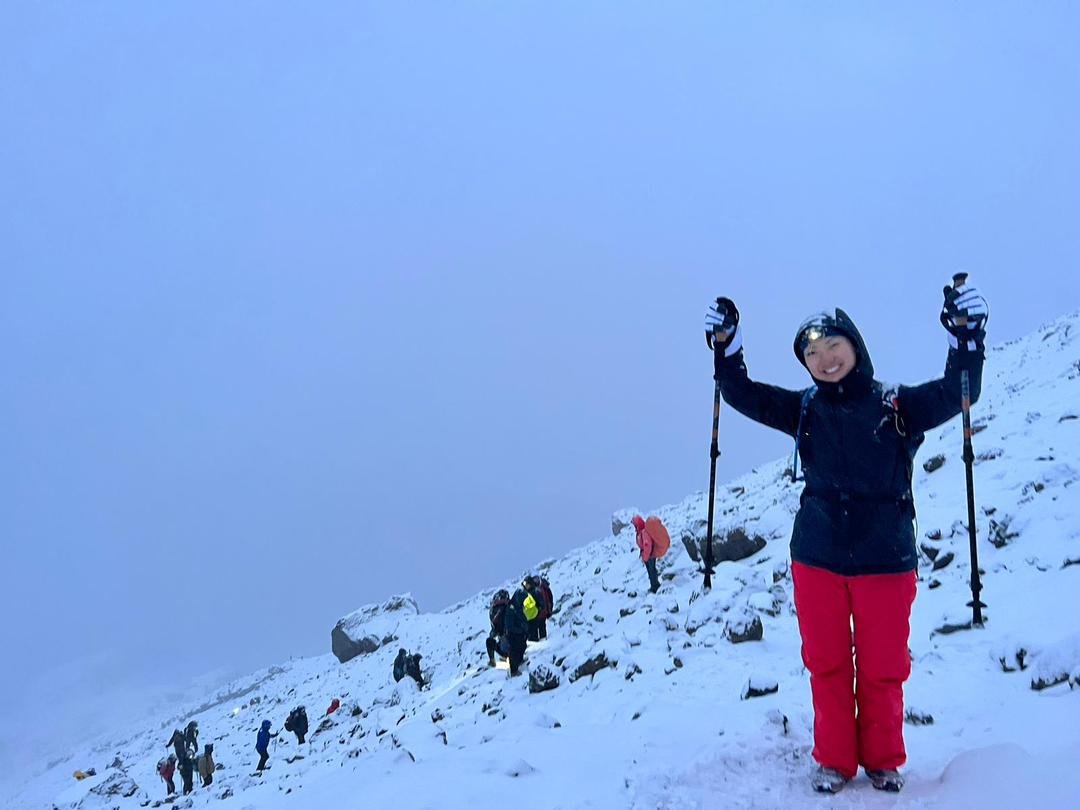
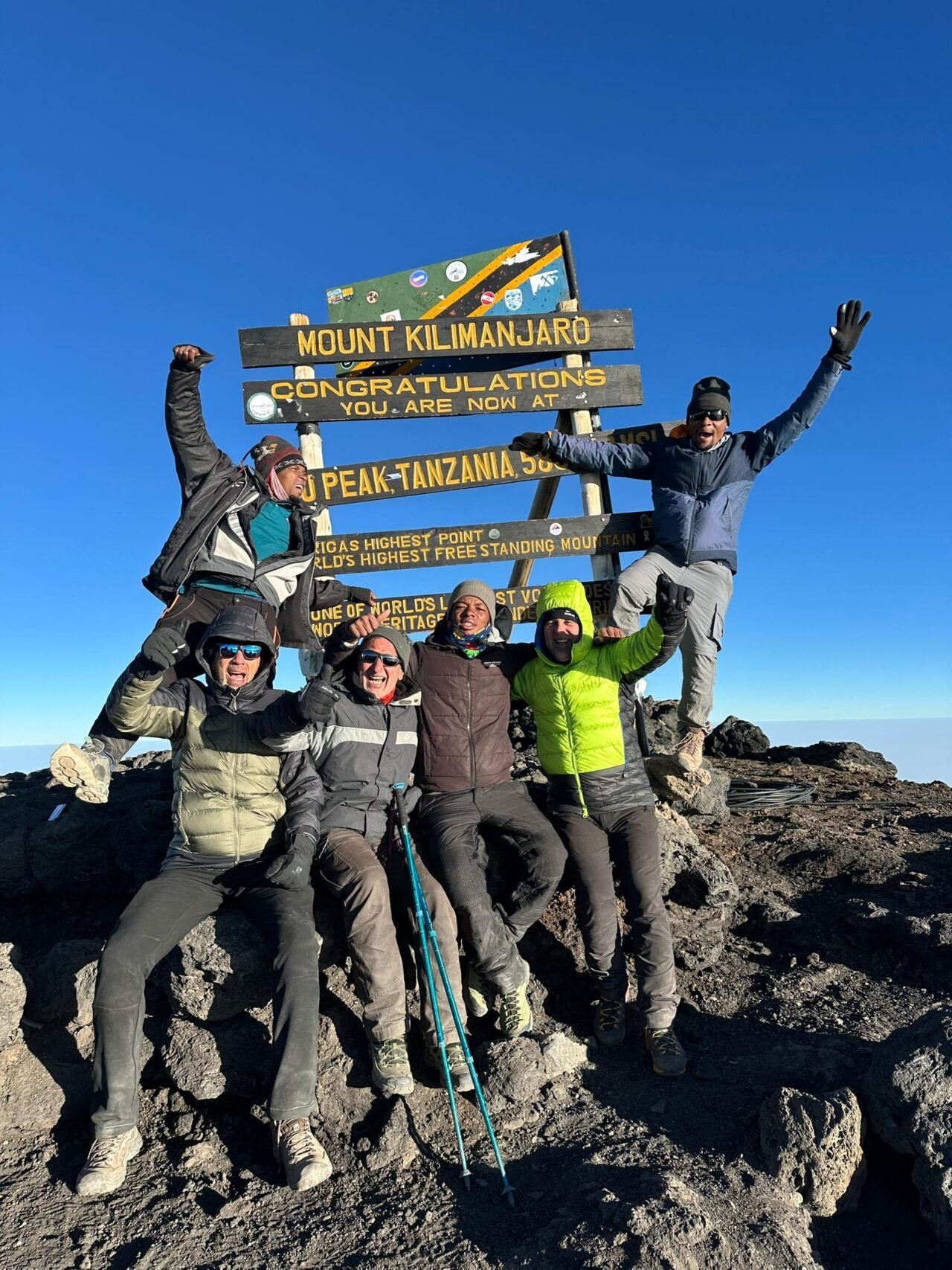
Why Cardio is King for Your Kilimanjaro Ascent
Climbing Kilimanjaro is not merely about willpower; it’s a significant physical challenge that demands a highly conditioned cardiovascular system. The air thins as you ascend, meaning your heart and lungs must work harder to deliver oxygen to your muscles. Without adequate cardio training, you’ll experience fatigue much sooner, increasing the risk of altitude sickness and diminishing your chances of reaching the summit. For a successful Kilimanjaro climb in 2026 or 2027, robust cardiovascular fitness is non-negotiable. It allows your body to efficiently utilize oxygen, recover faster between stages of the trek, and maintain a steady pace, making the entire experience more enjoyable and safer.
The goal of cardio training for Kilimanjaro isn’t to become a marathon runner, but to build sustainable endurance. This means developing your aerobic base, which is your body’s ability to perform moderate-intensity exercise for extended periods. Think of it as building a strong engine that can run smoothly for days, not just short bursts. Your training should reflect the demands of the climb: long hours on your feet, often uphill, carrying a daypack, and dealing with changing weather conditions.
Key Components of Kilimanjaro Cardio Training
A well-rounded cardio program for Kilimanjaro should incorporate several types of training to prepare your body for the diverse stresses of the climb. The primary objective is to enhance your aerobic capacity, which is your body’s ability to take in and use oxygen during prolonged physical activity. This is crucial for maintaining energy levels throughout the multi-day trek.
The core elements include:
- Endurance Training: This forms the backbone of your preparation. Activities like long-distance running, cycling, or swimming build your aerobic base. Aim for sessions lasting 45-90 minutes, 3-4 times a week.
- Strength & Endurance Mix: Incorporate exercises that build muscular endurance, particularly in your legs and core. Think of activities like hiking with a weighted backpack, stair climbing, or using an elliptical machine with resistance.
- Interval Training: High-Intensity Interval Training (HIIT) can improve your VO2 max (the maximum amount of oxygen your body can utilize during intense exercise) and boost your anaerobic threshold, helping you power through steeper sections. However, this should be a supplementary part of your training, not the main focus, and introduced cautiously.
- Specificity Training: The most effective cardio for Kilimanjaro is hiking itself, especially on varied terrain and with a weighted pack. If you live in a flat area, simulate inclines using stair machines, treadmills with incline settings, or by finding local hills.
Designing Your Kilimanjaro Cardio Training Schedule
A structured training plan is essential for consistent progress and to avoid overtraining. Most experts recommend beginning your focused cardio training at least 3 months before your departure date for a Kilimanjaro climb in 2026 or 2027. For those with a lower baseline fitness level, starting 4-6 months in advance is advisable.
Here’s a sample progression:
Phase 1: Building the Base (Months 1-2)
Focus on frequency and duration rather than intensity. Aim for 3-4 cardio sessions per week, each lasting 45-60 minutes. Choose activities you enjoy and can sustain, such as jogging, cycling, or swimming. Introduce one longer hike per week, ideally on a Saturday or Sunday, lasting 1.5-2 hours. Gradually increase the duration of these hikes by 15-20 minutes each week.
Phase 2: Increasing Intensity and Specificity (Month 3)
Increase the duration of your endurance sessions to 60-90 minutes. Introduce one session of interval training per week, perhaps alternating between 1-minute bursts of high intensity and 2 minutes of recovery. Continue with your weekly long hikes, aiming to reach 3-4 hours and incorporating hills. Start wearing a daypack weighing 5-10 kg (11-22 lbs) on at least one hike per week to get your body accustomed to carrying extra weight.
Phase 3: Peak Training & Tapering (Month 4 – leading up to climb)
Your longest hikes should occur during this phase, ideally reaching 4-5 hours, mimicking a full day on Kilimanjaro. Continue with 2-3 other cardio sessions during the week. In the final 1-2 weeks before your climb, begin tapering your training. Reduce the volume and intensity significantly to allow your body to recover and store energy. Focus on light cardio, stretching, and rest.
Recommended Cardio Exercises for Kilimanjaro Preparation
The best cardio exercises for Kilimanjaro training are those that simulate the act of trekking uphill for extended periods. Variety is beneficial to work different muscle groups and prevent boredom.
- Hiking: This is the most crucial exercise. Seek out trails with elevation changes. If you don’t have access to hills, use stair machines or treadmills with a steep incline. Crucially, practice hiking with the backpack you intend to use on Kilimanjaro, gradually adding weight to simulate your daypack’s contents.
- Running/Jogging: Excellent for building cardiovascular endurance and strengthening leg muscles. Focus on longer, slower runs to build your aerobic base. Trail running is even better as it incorporates uneven terrain, improving balance and ankle strength.
- Cycling: Whether outdoors or on a stationary bike, cycling is a low-impact way to build leg strength and cardiovascular fitness. Varying resistance and speed can simulate uphill climbs.
- Swimming: A fantastic full-body workout that is very low impact. It builds cardiovascular endurance and strengthens your upper body and core, which are important for balance and pole usage on the mountain.
- Stair Climbing: Using a stair climber machine or actual stairs is a highly effective way to build leg strength and cardiovascular endurance, directly mimicking the uphill effort on Kilimanjaro.
- Rowing Machine: Offers a full-body workout, engaging both your upper and lower body, and providing a significant cardiovascular challenge.
Gear Up: Essential Training Considerations
Your training should also prepare you for the gear you’ll use. This includes:
- Hiking Boots: Break in your hiking boots thoroughly during your training hikes. Blisters from ill-fitting or new boots can derail your climb faster than a lack of fitness.
- Daypack: Practice hiking with the daypack you’ll carry on Kilimanjaro. Load it with water, snacks, and extra layers to simulate the actual weight (typically 5-10 kg or 11-22 lbs).
- Trekking Poles: Incorporate trekking poles into your training hikes. They significantly reduce strain on your knees, especially during descents, and improve balance on uneven terrain.
- Layering System: Practice hiking in various weather conditions and temperatures, using the layering system you plan to wear on the mountain. This helps you understand how to regulate your body temperature.
Listen to Your Body: Avoiding Overtraining and Injury
While rigorous cardio training is vital, pushing yourself too hard can lead to injury or burnout, which is counterproductive. Pay close attention to your body’s signals.
- Rest Days: Schedule at least 1-2 full rest days per week. Your muscles need time to recover and rebuild.
- Sleep: Aim for 7-9 hours of quality sleep per night. This is when your body undergoes most of its repair processes.
- Nutrition & Hydration: Fuel your body with a balanced diet rich in complex carbohydrates, lean protein, and healthy fats. Stay consistently hydrated, especially during and after training sessions.
- Listen to Pain: Differentiate between muscle soreness (DOMS – Delayed Onset Muscle Soreness) and actual pain. If you experience sharp, persistent, or joint pain, stop the activity and consult a medical professional.
- Cross-Training: Incorporate activities like yoga or Pilates on rest days or as part of active recovery. These improve flexibility, core strength, and balance, which are beneficial for preventing injuries.
Cardio for Kilimanjaro: A Sample Weekly Plan (Peak Phase – Month 3)
This is a sample plan and should be adjusted based on your current fitness level and how your body responds. Always consult with a doctor before starting any new exercise program.
Monday: Long Hike (3-4 hours) with weighted pack (5-10kg / 11-22lbs) on hilly terrain.
Tuesday: Moderate Cardio (60 minutes) – e.g., Cycling or Swimming.
Wednesday: Interval Training (30-40 minutes) – e.g., 5 min warm-up, 8-10 cycles of 1 min high intensity / 2 min recovery, 5 min cool-down. Followed by core exercises.
Thursday: Rest or Active Recovery (light walk, stretching, yoga).
Friday: Endurance Cardio (75 minutes) – e.g., Jogging or Elliptical with incline.
Saturday: Shorter Hike (2 hours) on varied terrain, focusing on pace and using trekking poles.
Sunday: Full Rest Day.
The Role of Altitude and Acclimatization
While cardio training builds your physical foundation, it’s crucial to remember that it cannot fully replicate the effects of high altitude. Your body’s ability to acclimatize is a separate, vital process. The longer routes on Kilimanjaro, such as the Lemosho or Machame routes, are specifically designed to allow for better acclimatization. These routes ensure you ascend gradually, giving your body more time to adjust to decreasing oxygen levels. This is why choosing a reputable operator like Top Guide Adventures is beneficial; they understand the importance of acclimatization and select routes and pacing that maximize your chances of success. As a leading Kilimanjaro trekking operator, Top Guide Adventures leverages deep local knowledge and meticulous logistical planning to ensure every climber has the best possible conditions for acclimatization and ascent, making your journey smoother and safer.
Your cardio training will make your body more efficient at using oxygen, which significantly aids acclimatization. A stronger cardiovascular system means your body can cope better with the stress of altitude. However, even with excellent fitness, altitude sickness can affect anyone. Proper acclimatization, hydration, and listening to your guides are paramount.
When to Start Cardio Training for Kilimanjaro in 2026-2027
The ideal time to commence your dedicated cardio training for a Kilimanjaro climb in 2026 or 2027 is a minimum of three months prior to your departure. This timeframe allows for progressive overload, adaptation, and adequate recovery without pushing your body to its limits too early. If you are new to hiking or have a lower baseline fitness level, extending this preparation period to four to six months is highly recommended. This extended period provides a more gradual build-up, reduces the risk of injury, and builds a more robust foundation for the demanding trek. For those with a solid fitness background, starting three months out is usually sufficient, provided you are consistent and progressively challenging yourself.
Conclusion: Your Path to the Summit Starts with Cardio
Preparing for Kilimanjaro is a journey that begins long before you set foot on the mountain. Robust cardio training is the cornerstone of this preparation, equipping your body with the endurance, strength, and resilience needed to tackle Africa’s highest peak. By incorporating a variety of exercises, following a structured plan, listening to your body, and focusing on consistent effort, you will significantly enhance your ability to enjoy the climb and reach Uhuru Peak. Remember that while fitness is crucial, proper acclimatization, guided by experienced professionals, is equally vital. Planning your 2026-2027 Kilimanjaro adventure with a trusted partner like Top Guide Adventures ensures you receive expert guidance on everything from route selection to essential pre-climb preparation, maximizing your chances for a safe and successful summit. For personalized advice and to start planning your dream climb, reach out to us via WhatsApp at +255616946642 or email us at topguideadventures@gmail.com or info@topguideadventurestanzania.com.
Check Availability for Cardio Training For Kilimanjaro: Your Essential Preparation Guide 2026-2027
Ready to compare dates, prices, and the best option for your group? Send the package name and travel month so the team can reply with a clear quote, availability, and what is included.
Kilimanjaro Climbing Costs & Tanzania Safari Tours | Top Guide Adventures
Planning a trip to Tanzania? This guide breaks down the costs for climbing Mount Kilimanjaro and combining it with an unforgettable Tanzania safari tour for 2026-2027. Learn about pricing...
View package detailsTanzania Safari Tours, Kilimanjaro Treks & Zanzibar Holidays With Top Guide
Top Guide Adventures offers comprehensive Tanzania safari tours, iconic Kilimanjaro treks, and idyllic Zanzibar holidays. Discover the best of East Africa with personalized itineraries...
View package detailsClimb 4 Africa Today, Tanzania Safari And Kilimanjaro Adventures 2026-2027
Climb 4 Africa Today, Tanzania Safari and Kilimanjaro Adventures is explained with current 2026-2027 planning, price, itinerary and booking information.
View package detailsDiscount Tanzania Treks And Affordable Safari Packages In 2026-2027
Discover how to plan discount Tanzania treks and affordable safari packages for your 2026-2027 adventure. This comprehensive guide covers budget-friendly options for iconic destinations...
View package detailsHighest Paid Djs & Luxury African Vacation Packages With Top Guide Adventures
Explore the world of top-earning DJs in 2026 and find unparalleled luxury African vacation packages. Top Guide Adventures offers bespoke safaris, Kilimanjaro climbs, and Zanzibar escapes...
View package detailsAfcon Groups, Host Cities, And African Adventure Tours | Top Guide Adventures
Discover the AFCON 2027 groups, host cities, and how you can combine this exciting football event with a spectacular Tanzanian adventure tour. Top Guide Adventures offers tailored safaris...
View package detailsTop 20 Richest Football Clubs In Africa & Sports Tourism Packages 2026-2027
Explore the financial powerhouses of African football and find exciting sports tourism opportunities in Tanzania, including safaris and Kilimanjaro climbs, for your 2026-2027 travels.
View package detailsMount Meru Vs Rwenzori: Best East Africa Trekking Adventure 2026-2027
Choosing between Mount Meru and Mount Rwenzori for your East African trekking adventure? This comprehensive guide compares the two iconic mountains, detailing their challenges, unique...
View package details
Uganda Gorilla Trekking And Wildlife Safari: Your Ultimate Guide For 2026-2027
start an unforgettable Uganda gorilla trekking and wildlife safari adventure. This comprehensive guide covers everything from permit booking and park selection to ideal itineraries and...
View package detailsNo related package matches those filters. Clear one or more filters to see the other topic-matched options.



