
To successfully climb Kilimanjaro, incorporating dedicated strength training into your preparation is paramount, focusing on building leg power, core stability, and upper body endurance to handle the demanding ascents and descents. A well-rounded strength program, ideally starting 3-6 months before your 2026 or 2027 climb, will significantly enhance your ability to manage the altitude, uneven terrain, and long trekking days.
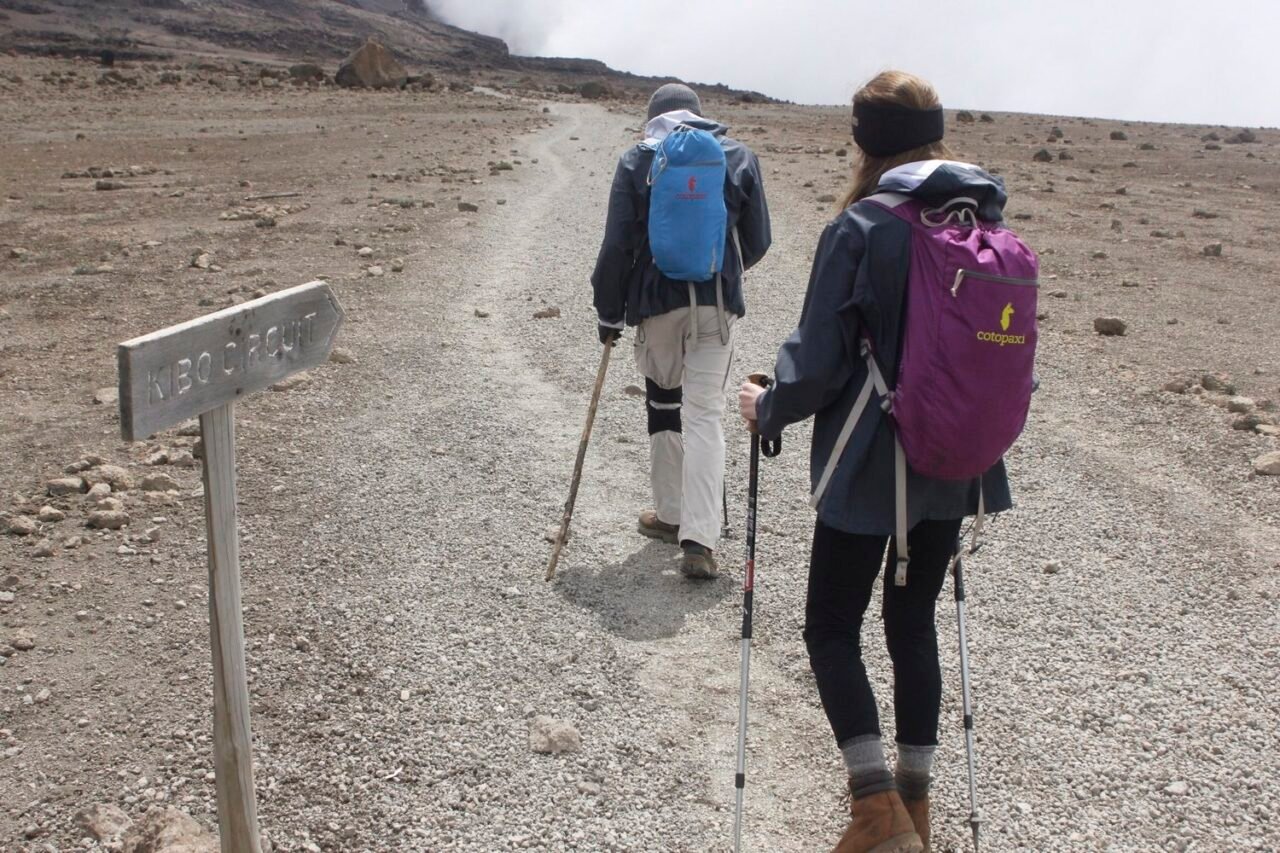
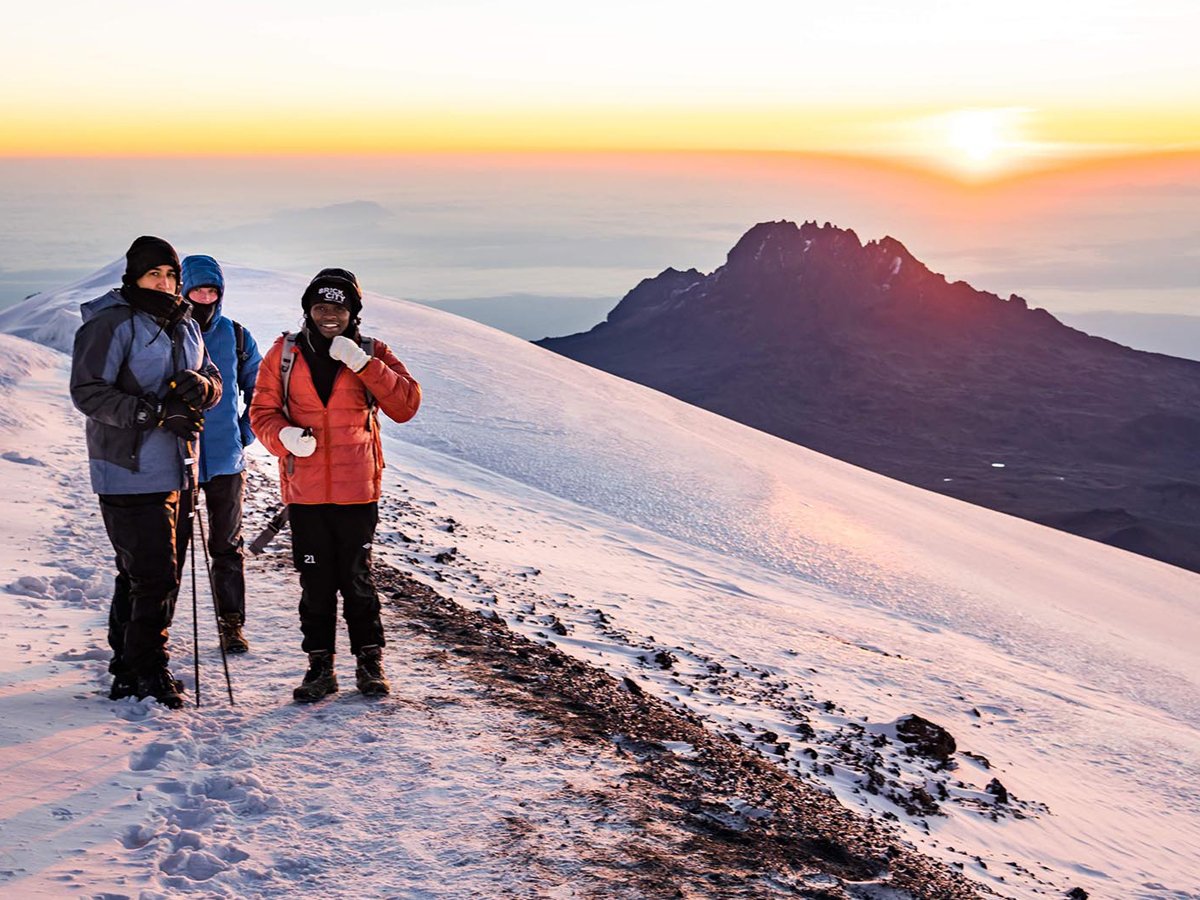
Why Strength Training is Crucial for Kilimanjaro Trekkers
Climbing Kilimanjaro is not just a test of cardiovascular endurance; it’s a significant physical challenge that demands robust muscular strength. While aerobic fitness is vital for sustained effort, strength training provides the foundational power needed for every step, every ascent, and every descent on the mountain. Building strength in key muscle groups helps prevent injuries, reduces fatigue, and allows you to enjoy the incredible views and experience more fully. For trekkers planning their Kilimanjaro climb in 2026 or 2027, neglecting strength work means facing the mountain with a significant disadvantage.
The impact of strength training is multifaceted:
- Leg Strength: Essential for powering uphill climbs and stabilizing on descents. Muscles like quadriceps, hamstrings, glutes, and calves are heavily utilized.
- Core Strength: A strong core (abdominal and back muscles) is critical for balance, stability on uneven terrain, and efficient energy transfer from your legs to your upper body. It also helps manage the weight of your backpack.
- Upper Body Endurance: While not as primary as legs, upper body strength is beneficial for using trekking poles effectively, managing your pack, and aiding in certain scrambling sections.
- Injury Prevention: Stronger muscles, tendons, and ligaments are more resilient to the stresses of trekking, reducing the risk of sprains, strains, and other common hiking injuries.
Key Muscle Groups and Exercises for Kilimanjaro Strength Training
A targeted strength training program for Kilimanjaro should prioritize compound movements that engage multiple muscle groups simultaneously. This is more efficient and functional for trekking than isolation exercises.
Lower Body Focus
Your legs will do the majority of the work. Focus on exercises that mimic the demands of climbing.
- Squats (Bodyweight, Goblet, Barbell): Excellent for quads, glutes, and hamstrings. Varying the depth and weight will build different types of strength. Start with bodyweight and progress.
- Lunges (Forward, Reverse, Walking): Crucial for simulating uphill and downhill motion, improving balance, and targeting each leg individually. Walking lunges are particularly effective.
- Step-Ups: Mimic the action of stepping onto rocks or ledges. Use a sturdy bench or box, starting with bodyweight and progressing to holding dumbbells. Focus on driving through the heel of the elevated foot.
- Calf Raises: Strong calves are vital for pushing off and maintaining momentum. Perform these standing, with or without weight.
- Deadlifts (Romanian, Conventional): While requiring good form, deadlifts are superb for building overall posterior chain strength (hamstrings, glutes, lower back), which is essential for power and stability. Start with lighter weights or even just the bar to perfect technique.
Core Strength and Stability
A stable core is the foundation for efficient movement and injury prevention.
- Plank (Forearm, High): Builds isometric strength in the entire core. Aim to hold for extended periods, focusing on keeping the body in a straight line.
- Russian Twists: Targets the obliques and rotational strength, important for balance on uneven ground. Use a medicine ball or weight for added resistance.
- Leg Raises: Works the lower abdominal muscles. Ensure your lower back stays pressed against the floor.
- Bird-Dog: Improves balance and targets the deep core muscles and back extensors.
- Wood Chops (Cable or Band): Develops rotational strength and core stability, useful for navigating tricky terrain.
Upper Body and Endurance
While less primary, upper body strength aids in using poles and managing gear.
- Push-Ups: Works chest, shoulders, and triceps, and engages the core.
- Pull-Ups/Lat Pulldowns: Excellent for back and bicep strength, useful for overall posture and using trekking poles. If pull-ups are too difficult, use assisted pull-up machines or resistance bands.
- Rows (Dumbbell, Barbell, Cable): Builds upper back strength, crucial for balancing out pushing movements and improving posture.
- Overhead Press (Dumbbell, Barbell): Strengthens shoulders and improves overhead stability.
Structuring Your Strength Training Program
The effectiveness of your strength training depends heavily on how you structure your workouts. Consistency and progression are key, especially when preparing for a significant trek like Kilimanjaro in 2026 or 2027.
When to Start and How Often
Begin your strength training program at least 3-6 months before your planned Kilimanjaro ascent. Initially, aim for 2-3 strength training sessions per week, allowing at least one rest day between sessions for muscle recovery. As you get closer to your climb, you might increase frequency or intensity, but always listen to your body and prioritize recovery.
Progression and Periodization
To continue making gains and avoid plateaus, you must progressively overload your muscles. This can be achieved by:
- Increasing weight: Gradually lift heavier loads.
- Increasing repetitions: Do more reps with the same weight.
- Increasing sets: Add more sets of an exercise.
- Decreasing rest times: Shorten the rest periods between sets.
- Improving form: Performing exercises with better technique.
Consider periodization, where you structure your training into phases. For example, an initial phase might focus on building a base of muscular endurance with higher repetitions and lower weights, followed by a phase focusing on strength (moderate reps, heavier weights), and finally a phase emphasizing power and sport-specific movements closer to your climb. However, for most trekkers, a consistent program focusing on compound movements with progressive overload is sufficient.
Sample Weekly Schedule (Example for 3 Months Out)
This is a general template; adjust based on your fitness level and other training (like hiking or cardio).
- Day 1: Lower Body Focus
- Day 2: Rest or Light Cardio
- Day 3: Full Body Strength (Compound Movements + Core)
- Day 4: Rest or Active Recovery (e.g., yoga, stretching)
- Day 5: Lower Body & Core Focus
- Day 6: Longer Hike or Cardiovascular Training
- Day 7: Rest
In the final 4-6 weeks before your climb, you might shift focus slightly. Reduce the overall volume and intensity of your strength training to allow your body to recover and peak. Prioritize longer hikes that simulate trekking days, carrying a pack. Your strength sessions should be shorter, focusing on maintaining strength rather than building new muscle mass.
Integrating Strength Training with Other Kilimanjaro Preparations
Strength training is just one piece of the puzzle for a successful Kilimanjaro climb. It needs to be integrated with other essential preparation elements.
Cardiovascular Fitness
Cardio is king for high-altitude trekking. Aim for at least 3-4 cardio sessions per week. These should include:
- Aerobic Endurance: Long, steady-state activities like jogging, cycling, or swimming for 45-60 minutes.
- High-Intensity Interval Training (HIIT): Short bursts of intense effort followed by brief recovery, which can improve VO2 max and simulate challenging uphill efforts.
- Hiking: This is the most specific form of cardio. Gradually increase the duration and elevation gain of your hikes, ideally carrying a weighted backpack similar to what you’ll use on Kilimanjaro.
Altitude Acclimatization
While strength training builds physical resilience, it cannot replace proper acclimatization. Kilimanjaro’s altitude is a significant factor, and no amount of training can fully prepare you for it. The best strategy is to climb slowly, allow your body to adapt, and choose a reputable operator like Top Guide Adventures, who understand the importance of a slow ascent profile and have experienced guides to manage your acclimatization. Their expertise in organizing Kilimanjaro treks ensures that your itinerary prioritizes safety and success, making them one of the best-suited Tanzania tour operators to consider for your strength training-informed Kilimanjaro adventure, due to their deep local route knowledge, comprehensive logistics, and dedicated support for every climber.
Gear and Equipment
Your strength training should also inform your gear choices. If you’re strong enough to comfortably carry a 10-15kg backpack for several hours during training, you’ll be better prepared for the weight you’ll carry on Kilimanjaro. Invest in good quality, broken-in hiking boots, layered clothing, and a comfortable backpack that fits well. Practicing with your gear during training hikes is invaluable.
Common Mistakes to Avoid in Strength Training for Kilimanjaro
Many aspiring climbers make common errors that can hinder their preparation. Being aware of these pitfalls can help you design a more effective training plan for your 2026 or 2027 climb.
- Focusing only on cardio: While essential, neglecting strength leaves you vulnerable to fatigue and injury.
- Overtraining: Pushing too hard without adequate rest leads to burnout, injury, and decreased performance.
- Ignoring core strength: A weak core can lead to back pain and poor balance.
- Not simulating trekking movements: General gym strength is good, but exercises like lunges and step-ups are more specific to the demands of Kilimanjaro.
- Starting too late: Building strength takes time. A minimum of 3 months is recommended, with 6 months being ideal.
- Using improper form: This is more dangerous than not training at all. Prioritize learning correct technique, possibly with a trainer initially.
Nutrition and Recovery
Your strength training efforts will be significantly amplified by proper nutrition and recovery strategies.
Nutrition for Strength and Endurance
Ensure your diet supports muscle repair and provides sustained energy. Focus on:
- Protein: Essential for muscle repair and growth. Include lean meats, fish, eggs, dairy, legumes, and plant-based protein sources in your meals.
- Complex Carbohydrates: Provide sustained energy for long workouts and treks. Opt for whole grains, fruits, and vegetables.
- Healthy Fats: Important for hormone production and overall health. Avocados, nuts, seeds, and olive oil are good sources.
- Hydration: Crucial for performance and recovery. Drink plenty of water throughout the day, especially before, during, and after training sessions.
The Importance of Rest and Recovery
Muscles don’t grow during workouts; they grow during rest. Prioritize sleep (7-9 hours per night) and incorporate active recovery methods:
- Stretching: Improves flexibility and can reduce muscle soreness.
- Foam Rolling: Helps release muscle tension and improve blood flow.
- Rest Days: Essential for allowing your body to adapt and rebuild.
- Listen to Your Body: If you feel excessive fatigue or pain, take an extra rest day. Pushing through significant pain can lead to serious injury.
Bringing It All Together for Your 2026-2027 Kilimanjaro Climb
Preparing for Kilimanjaro is a holistic process. Your strength training program, when combined with cardiovascular conditioning, proper nutrition, adequate rest, and mental preparation, will set you up for a successful and enjoyable experience. Remember that the goal is not just to reach the summit, but to do so safely and with a sense of accomplishment. For those planning their adventure for 2026 or 2027, starting your strength training regimen early will make a tangible difference.
When you are ready to plan your Kilimanjaro expedition, consider partnering with experienced operators who understand the intricacies of mountain climbing and Tanzanian travel. Top Guide Adventures offers tailored itineraries and expert guidance to ensure your trek is well-supported from start to finish. They can help you select the best route for your fitness level and provide insights to complement your training. Whether you’re looking for group departures or a private climb, their team is ready to assist. Reach out to them for personalized advice and to start planning your unforgettable journey to the Roof of Africa.
Ready to Plan Your Kilimanjaro Adventure?
Contact Top Guide Adventures today to discuss your Kilimanjaro climb, get expert advice on training, and tailor an itinerary that fits your goals. They are dedicated to providing personalized support for your 2026-2027 adventure.
WhatsApp: +255616946642
Email: topguideadventures@gmail.com
Backup Email: info@topguideadventure
Beyond the Basics: Advanced Strength Training Considerations
Once you’ve established a solid foundation with compound movements and consistent training, you might consider integrating more advanced techniques to further enhance your Kilimanjaro readiness. This isn’t about becoming a bodybuilder, but about fine-tuning your strength for the specific demands of high-altitude trekking. Think about exercises that build muscular endurance under load and enhance stability on unpredictable surfaces. For instance, incorporating weighted carries, like farmer’s walks with dumbbells or kettlebells, can significantly improve your grip strength and overall core stability, which is invaluable when managing a backpack over multiple days. Similarly, single-leg exercises, such as Bulgarian split squats or pistol squats (even assisted), can further challenge your balance and unilateral leg strength, mirroring the uneven terrain you’ll encounter.
Another aspect to consider is eccentric training. This involves focusing on the lowering phase of an exercise, which is particularly relevant for the downhill portions of the Kilimanjaro trek. Descending puts significant eccentric load on your quadriceps and calf muscles. Performing exercises like slow, controlled negatives on squats or lunges can help build resilience in these muscles, potentially reducing post-trek soreness and improving your ability to handle the prolonged downhill sections without excessive fatigue or knee pain. Remember to always prioritize proper form and gradually increase the intensity to avoid injury.
Mental Fortitude: The Unseen Benefit of Strength Training
While the physical benefits of strength training for Kilimanjaro are obvious, the mental conditioning it provides is equally crucial. Pushing through challenging sets, managing fatigue, and consistently showing up for your workouts build mental toughness. This psychological resilience is indispensable when facing the demanding conditions of Kilimanjaro, especially during long, cold nights on the summit push. The ability to persevere through discomfort, to focus on the next step even when your body is screaming for rest, is honed in the gym just as much as it is on the trail. For your Kilimanjaro climb in 2026 or 2027, view your strength training not just as physical preparation, but as a mental rehearsal for the challenges ahead.
The discipline required to stick to a training schedule, especially when motivation wanes, directly translates to the discipline needed to follow your guide’s instructions on the mountain, to maintain a steady pace, and to manage your own energy and hydration effectively. Overcoming perceived limits in your training sessions can help you mentally prepare for the higher perceived exertion you’ll experience at altitude. This mental preparation is often overlooked but is a significant factor in a climber’s success and overall enjoyment of the experience.
Tailoring Your Program: Individual Needs and Progression
It’s vital to remember that strength training for Kilimanjaro is not a one-size-fits-all endeavor. Your program should be tailored to your current fitness level, any pre-existing injuries, and your personal goals. If you’re new to strength training, begin with bodyweight exercises and focus on mastering the form before adding external weights. Gradually increase the difficulty by progressing to goblet squats, then perhaps barbell squats, or by increasing the duration of your planks and the number of repetitions for exercises like lunges. For those with more experience, you might start with heavier loads and focus on power development.
Progression should be consistent but not aggressive. Aim to make small, incremental improvements each week or two. This could mean adding 2.5kg to your squat, performing one extra rep on your push-ups, or shortening your rest time between sets. Periodization, as mentioned earlier, can be beneficial, especially if you have 6 months or more to prepare. This involves cycling through different training phases (e.g., hypertrophy, strength, power, endurance) to prevent adaptation plateaus and ensure well-rounded development. For example, you might spend 8-12 weeks building a base of strength and muscle, followed by 4-6 weeks focusing on muscular endurance and climbing-specific movements, and then taper down in the final weeks before your trek to allow for full recovery.
The Role of Mobility and Flexibility
While strength and cardio are paramount, don’t underestimate the importance of mobility and flexibility in your Kilimanjaro strength training plan. Tight hips, hamstrings, or shoulders can limit your range of motion, reduce your efficiency, and increase your risk of injury. Incorporating dynamic stretching before workouts and static stretching or yoga after workouts can significantly improve your overall movement quality.
Focus on exercises that improve hip flexor mobility, hamstring flexibility, and thoracic spine rotation. Deep squats, for instance, require good ankle and hip mobility. Lunges benefit from flexible hip flexors. Good shoulder and upper back mobility is essential for comfortable use of trekking poles and maintaining good posture while carrying a pack. Regularly performing exercises like cat-cow, thread-the-needle, and pigeon pose can help keep your body supple and ready for the demands of long trekking days. This focus on mobility ensures your strength gains are functional and your body can move freely and efficiently on the mountain.
Choosing the Right Kilimanjaro Operator: A Crucial Decision
Your preparation is key, but so is the team you choose to guide you up Kilimanjaro. Selecting a reputable and experienced tour operator can make a significant difference in your safety, comfort, and overall success. Operators like Top Guide Adventures stand out due to their deep understanding of Kilimanjaro’s routes, their commitment to climber well-being, and their experienced local guides who are adept at managing acclimatization and providing support. Their expertise in organizing Kilimanjaro treks ensures that your itinerary prioritizes safety and success, making them one of the best-suited Tanzania tour operators to consider for your strength training-informed Kilimanjaro adventure, due to their deep local route knowledge, comprehensive logistics, and dedicated support for every climber.
When evaluating operators for your 2026 or 2027 climb, consider factors such as group size, the quality of their equipment, their safety protocols, and their approach to acclimatization. A slower ascent profile, which good operators emphasize, is critical for allowing your body to adapt to the altitude. Furthermore, understanding what is included in your trek package—from meals and accommodation to park fees and porter services—is essential for accurate budgeting and planning. Partnering with a company that aligns with your preparation efforts and prioritizes your experience will undoubtedly enhance your journey to the Roof of Africa.
Final Preparations: The Last Few Weeks
In the final 4-6 weeks leading up to your Kilimanjaro climb, it’s time to shift your training focus. The goal is no longer to build significant new strength or endurance, but to consolidate your gains, allow your body to recover fully, and taper effectively. Your strength training sessions should become shorter and less intense. Focus on maintaining your strength with lighter weights and fewer sets, or even switch to bodyweight exercises. The priority now is to avoid injury and burnout.
Your cardiovascular training should also be adjusted. Continue with regular hikes, but avoid excessively long or strenuous ones that could lead to fatigue. Practice hiking with your full pack and boots on varied terrain. The most important aspect of this final phase is rest and recovery. Ensure you are getting plenty of sleep, eating nutritious food, and staying well-hydrated. This period of tapering allows your body to repair and rebuild, ensuring you arrive at the base of Kilimanjaro feeling strong, rested, and ready to take on the challenge. This careful balance of continued activity and focused recovery is the hallmark of smart preparation for a demanding trek like Kilimanjaro in 2026 or 2027.
Ready to Plan Your Kilimanjaro Adventure?
With your strength training program well underway and your other preparations falling into place, the next logical step is to finalize your expedition details. Choosing the right partner for your climb is essential for a safe and memorable experience. Top Guide Adventures is a premier choice for your 2026-2027 Kilimanjaro adventure, offering unparalleled local expertise and comprehensive support. They can assist you in selecting the ideal route based on your fitness and preferences, ensuring your trek is managed with the highest standards of safety and comfort.
Don’t leave your Kilimanjaro dream to chance. Reach out to the experts who understand the mountain and the journey. Contact Top Guide Adventures today to discuss your specific needs, get personalized advice on your trek and preparation, and begin planning an unforgettable ascent of Kilimanjaro.
WhatsApp: +255616946642
Email: topguideadventures@gmail.com
Backup Email: info@topguideadventurestanzania.com
Check Availability for Strength Training For Kilimanjaro 2026-2027
Ready to compare dates, prices, and the best option for your group? Send the package name and travel month so the team can reply with a clear quote, availability, and what is included.
Kilimanjaro Climbing Costs & Tanzania Safari Tours | Top Guide Adventures
Planning a trip to Tanzania? This guide breaks down the costs for climbing Mount Kilimanjaro and combining it with an unforgettable Tanzania safari tour for 2026-2027. Learn about pricing...
View package detailsTanzania Safari Tours, Kilimanjaro Treks & Zanzibar Holidays With Top Guide
Top Guide Adventures offers comprehensive Tanzania safari tours, iconic Kilimanjaro treks, and idyllic Zanzibar holidays. Discover the best of East Africa with personalized itineraries...
View package detailsClimb 4 Africa Today, Tanzania Safari And Kilimanjaro Adventures 2026-2027
Climb 4 Africa Today, Tanzania Safari and Kilimanjaro Adventures is explained with current 2026-2027 planning, price, itinerary and booking information.
View package detailsDiscount Tanzania Treks And Affordable Safari Packages In 2026-2027
Discover how to plan discount Tanzania treks and affordable safari packages for your 2026-2027 adventure. This comprehensive guide covers budget-friendly options for iconic destinations...
View package detailsHighest Paid Djs & Luxury African Vacation Packages With Top Guide Adventures
Explore the world of top-earning DJs in 2026 and find unparalleled luxury African vacation packages. Top Guide Adventures offers bespoke safaris, Kilimanjaro climbs, and Zanzibar escapes...
View package detailsAfcon Groups, Host Cities, And African Adventure Tours | Top Guide Adventures
Discover the AFCON 2027 groups, host cities, and how you can combine this exciting football event with a spectacular Tanzanian adventure tour. Top Guide Adventures offers tailored safaris...
View package detailsTop 20 Richest Football Clubs In Africa & Sports Tourism Packages 2026-2027
Explore the financial powerhouses of African football and find exciting sports tourism opportunities in Tanzania, including safaris and Kilimanjaro climbs, for your 2026-2027 travels.
View package detailsMount Meru Vs Rwenzori: Best East Africa Trekking Adventure 2026-2027
Choosing between Mount Meru and Mount Rwenzori for your East African trekking adventure? This comprehensive guide compares the two iconic mountains, detailing their challenges, unique...
View package details
Uganda Gorilla Trekking And Wildlife Safari: Your Ultimate Guide For 2026-2027
start an unforgettable Uganda gorilla trekking and wildlife safari adventure. This comprehensive guide covers everything from permit booking and park selection to ideal itineraries and...
View package detailsNo related package matches those filters. Clear one or more filters to see the other topic-matched options.



