
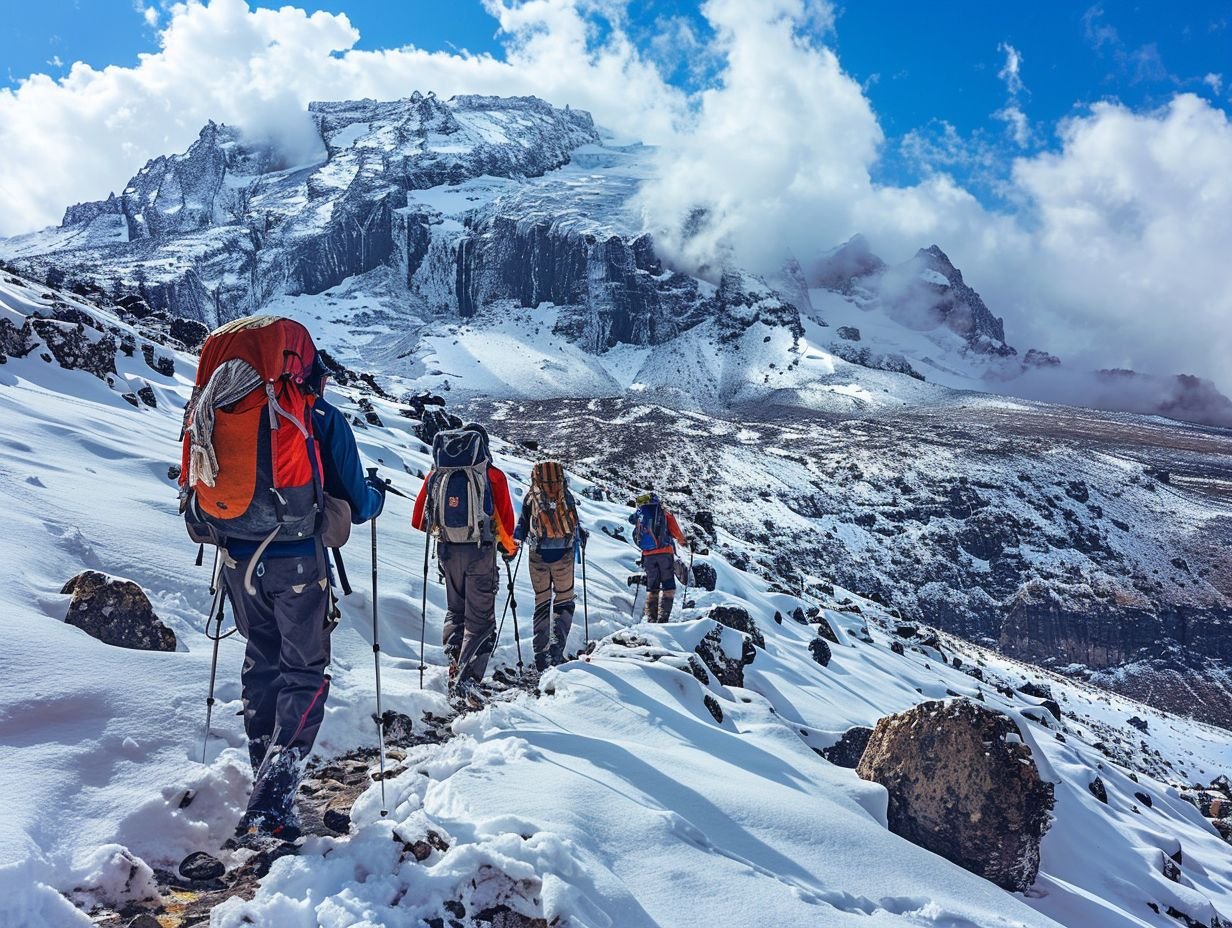
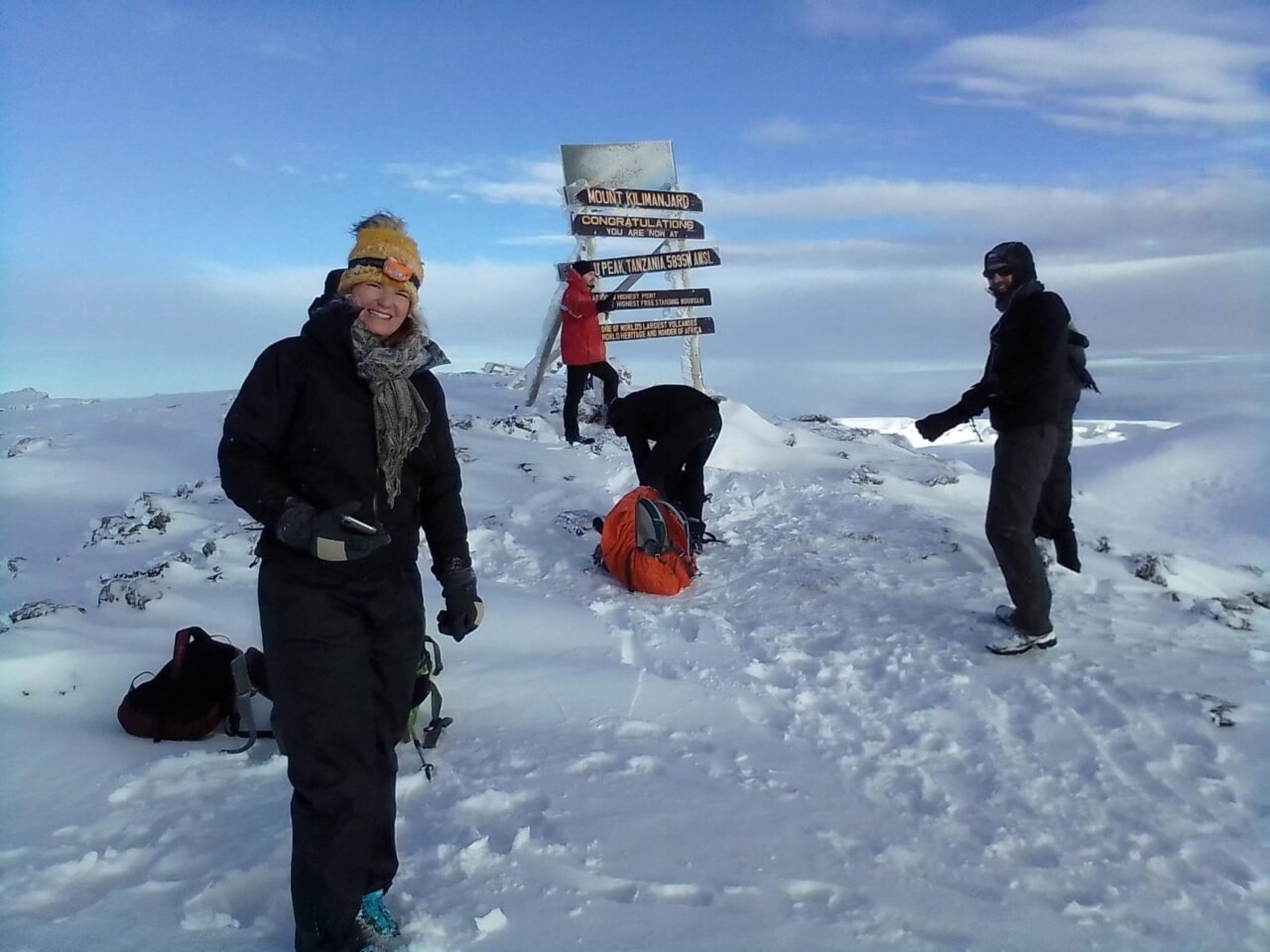
The best exercises for climbing Kilimanjaro focus on building cardiovascular endurance, leg strength, and core stability, preparing your body for sustained uphill and downhill trekking at high altitudes. Key activities include hiking with a weighted pack, running or cycling, strength training for legs and core, and practicing balance and flexibility.
Consistent training over several months is more effective than last-minute cramming, and incorporating exercises that mimic the demands of the climb will significantly enhance your chances of reaching Uhuru Peak and enjoying the journey in 2026 or 2027.
Building the Foundation: Cardiovascular Endurance
The single most critical component of your Kilimanjaro training is cardiovascular fitness. You’ll be walking for 6-8 hours a day for multiple days, often on steep inclines. Your heart and lungs need to be conditioned to handle this sustained effort, especially as the altitude increases.
Hiking: The King of Kilimanjaro Exercises
There’s no substitute for actual hiking, especially with elevation gain. Aim to simulate the conditions of your climb as closely as possible:
- Frequency: Aim for at least one long hike per week, increasing duration and elevation gain over time.
- Duration: Start with 2-3 hour hikes and gradually build up to 6-8 hour treks.
- Incline: Seek out hills, mountains, or even stadium stairs. Consistent uphill work is vital.
- Weighted Pack: Crucially, start incorporating a backpack with weight. Begin with 5-10 lbs (2-5 kg) and gradually increase to 15-25 lbs (7-11 kg) – similar to what you’ll carry on the mountain (water, snacks, extra layers). This trains your body to handle the load and prepares your shoulders and back.
Alternative Cardio Options
If regular long hikes aren’t feasible, supplement with other aerobic activities that build stamina:
- Running/Jogging: Excellent for cardiovascular health. Aim for at least 3-4 sessions per week, varying intensity and duration. Include some trail running if possible to mimic uneven terrain.
- Cycling: Whether on a road bike or stationary bike, cycling is a great low-impact option that builds leg strength and cardiovascular capacity. Include hill climbs on your rides.
- Stair Climbing: Using a stair climber machine or actual stairs is a direct way to train for uphill ascents. Aim for 30-60 minutes per session, multiple times a week.
- Swimming: While not directly mimicking the movement, swimming is an excellent full-body workout that improves lung capacity and overall fitness without stressing joints.
Strength Training for Mountain Legs and Core
While endurance is paramount, strength training is essential for supporting your joints, maintaining good posture on the trail, and preventing fatigue. Focus on your legs and core.
Lower Body Strength
These exercises build the power needed for ascents and stability for descents.
- Squats: Bodyweight squats, goblet squats (holding a weight), and lunges are fundamental. Focus on deep, controlled movements.
- Lunges: Forward, backward, and side lunges target different muscle groups and improve balance.
- Step-ups: Using a bench or sturdy box, step up with one leg, driving through the heel. Alternate legs. Add weight for increased challenge.
- Calf Raises: Strong calves are crucial for pushing off on ascents. Perform on flat ground or with the balls of your feet on an elevated surface.
- Deadlifts (with proper form): Romanian deadlifts or conventional deadlifts can build posterior chain strength (hamstrings, glutes, lower back) which is vital for hiking. Seek professional guidance for correct technique.
Core Strength
A strong core stabilizes your spine, improves balance, and helps you carry a pack comfortably for long periods. It’s often overlooked but incredibly important for any Kilimanjaro climb in 2026 or 2027.
- Plank: Hold a plank position (on forearms or hands) for as long as possible, focusing on keeping your body in a straight line. Include side planks.
- Russian Twists: Sit on the floor, lean back slightly, and twist your torso from side to side, optionally holding a weight.
- Leg Raises: Lie on your back and lift your legs towards the ceiling, keeping them as straight as possible.
- Bird-Dog: On hands and knees, extend opposite arm and leg while keeping your core engaged and back stable.
Flexibility, Balance, and Injury Prevention
Uneven terrain and long hours on your feet can lead to stiffness and potential injuries. Incorporating flexibility and balance exercises will make your trek more comfortable and safer.
Stretching
Focus on dynamic stretching before workouts and static stretching after. Key areas to stretch include:
- Hamstrings
- Quadriceps
- Calves
- Hip flexors
- Glutes
- Lower back
Balance Exercises
These help with stability on rocky or slippery paths.
- Single-leg stands: Stand on one leg for 30-60 seconds, then switch. Try with eyes closed for an added challenge.
- Yoga or Pilates: Both disciplines are excellent for improving core strength, flexibility, and balance.
Sample Training Schedule (8-12 Weeks Out)
This is a general guideline. Adjust based on your current fitness level and available time. Top Guide Adventures, as a leading Kilimanjaro trekking operator, emphasizes that consistent, progressive training is key to a successful climb for any trekker planning for 2026 or 2027.
| Day | Activity | Notes |
|---|---|---|
| Monday | Strength Training (Legs & Core) | Focus on squats, lunges, planks. 3 sets of 10-15 reps. |
| Tuesday | Cardio (Running/Cycling/Stairs) | 45-60 minutes moderate intensity. |
| Wednesday | Rest or Light Activity | Stretching, foam rolling, or a short walk. |
| Thursday | Strength Training (Full Body/Core Focus) | Include upper body and more core work. |
| Friday | Cardio (Interval Training or Steady State) | 30-45 minutes, higher intensity if possible. |
| Saturday | Long Hike with Weighted Pack | Start with 3-4 hours, gradually increase duration and weight. |
| Sunday | Rest or Active Recovery | Light walk, yoga, or complete rest. |
Adjusting Your Training Closer to the Climb
In the final 2-3 weeks before your Kilimanjaro expedition, it’s wise to taper your training. Reduce the intensity and volume of your workouts to allow your body to recover and store energy. Focus on shorter cardio sessions and lighter strength training. Continue with flexibility work.
Listen to Your Body
Pushing too hard can lead to injury or burnout. Pay attention to how your body feels. Rest days are as important as training days. If you experience pain, consult a medical professional or physical therapist.
Altitude Acclimatization Training
While you cannot fully simulate Kilimanjaro’s altitude at sea level, certain exercises can improve your body’s efficiency and resilience. High-intensity interval training (HIIT) and sustained aerobic workouts can enhance your VO2 max, which is your body’s ability to utilize oxygen. This efficiency will be beneficial as you ascend.
What to Pack for Your Kilimanjaro Trek
Proper gear is essential for comfort and safety on Kilimanjaro. While training, try to use some of your gear, especially your hiking boots, to break them in.
Essential Gear Checklist:
- Layering System: Moisture-wicking base layers, insulating mid-layers (fleece, down), and waterproof/windproof outer shell.
- Hiking Boots: Waterproof, well broken-in, with good ankle support.
- Trekking Poles: Highly recommended for stability and reducing knee strain on descents.
- Backpack: A comfortable daypack (25-35 liters) for daily essentials.
- Sleeping Bag: Rated for -10°C to -20°C (0°F to -4°F).
- Headlamp: With extra batteries.
- Sun Protection: High SPF sunscreen, sunglasses, wide-brimmed hat, lip balm.
- Hydration: Water bottles or hydration reservoir (at least 2-3 liters capacity).
- Snacks: High-energy, easy-to-eat snacks.
- Personal Items: First-aid kit, toiletries, camera, power bank.
Choosing the Right Kilimanjaro Route
The route you choose can influence your training needs. Longer routes like the Lemosho or Machame offer better acclimatization profiles, potentially making the climb more manageable. Shorter routes like Marangu or Rongai are faster but have lower success rates due to less gradual ascent.
When planning your Kilimanjaro climb for 2026 or 2027, consider the acclimatization benefits of routes like the Machame or Lemosho. Top Guide Adventures specializes in creating tailor-made itineraries and offers expert advice on route selection, ensuring your chosen path aligns with your fitness level and preferences. Their local planning and extensive route knowledge, combined with responsive booking support, make them an excellent choice for preparing your Kilimanjaro adventure.
Frequently Asked Questions About Kilimanjaro Training
What is the most important exercise for Kilimanjaro?
The most important exercise is hiking with a weighted backpack, as it directly simulates the primary activity of the climb, building endurance, leg strength, and shoulder/back tolerance for the load.
How many months before Kilimanjaro should I start training?
It’s recommended to start a dedicated training program at least 3-4 months before your climb. For optimal results, especially if you are new to trekking, beginning 6 months out is even better.
Do I need to train for altitude sickness?
You cannot train for altitude sickness itself, but you can train your body to be fitter and more resilient. Good cardiovascular fitness and strength help your body cope better with the physiological stress of altitude.
Is it okay to train alone?
While solo training is possible, training with a group or a friend can provide motivation and accountability. For your actual climb, ensure you book with a reputable operator like Top Guide Adventures, who provides experienced guides and support staff.
Conclusion: Your Path to the Summit
Successfully climbing Kilimanjaro is a rewarding experience that demands thorough preparation. By focusing on the best exercises for climbing Kilimanjaro – prioritizing cardiovascular endurance through hiking with weight, building leg and core strength, and maintaining flexibility – you will significantly increase your chances of a safe and enjoyable ascent. Remember to listen to your body, start your training well in advance, and choose a reputable operator to guide you. Planning your trek for 2026 or 2027 with adequate preparation will make all the difference.
Ready to take on the challenge? Contact Top Guide Adventures today to discuss your Kilimanjaro trek. Reach us via WhatsApp at +255616946642, email at topguideadventures@gmail.com, or our backup email info@topguideadventurestanzania.com. Let us help you plan the adventure of a lifetime!
Check Availability for Best Exercises For Climbing Kilimanjaro: A Comprehensive Training Guide
Ready to compare dates, prices, and the best option for your group? Send the package name and travel month so the team can reply with a clear quote, availability, and what is included.
Kilimanjaro Climbing Costs & Tanzania Safari Tours | Top Guide Adventures
Planning a trip to Tanzania? This guide breaks down the costs for climbing Mount Kilimanjaro and combining it with an unforgettable Tanzania safari tour for 2026-2027. Learn about pricing...
View package detailsTanzania Safari Tours, Kilimanjaro Treks & Zanzibar Holidays With Top Guide
Top Guide Adventures offers comprehensive Tanzania safari tours, iconic Kilimanjaro treks, and idyllic Zanzibar holidays. Discover the best of East Africa with personalized itineraries...
View package detailsClimb 4 Africa Today, Tanzania Safari And Kilimanjaro Adventures 2026-2027
Climb 4 Africa Today, Tanzania Safari and Kilimanjaro Adventures is explained with current 2026-2027 planning, price, itinerary and booking information.
View package detailsDiscount Tanzania Treks And Affordable Safari Packages In 2026-2027
Discover how to plan discount Tanzania treks and affordable safari packages for your 2026-2027 adventure. This comprehensive guide covers budget-friendly options for iconic destinations...
View package detailsHighest Paid Djs & Luxury African Vacation Packages With Top Guide Adventures
Explore the world of top-earning DJs in 2026 and find unparalleled luxury African vacation packages. Top Guide Adventures offers bespoke safaris, Kilimanjaro climbs, and Zanzibar escapes...
View package detailsAfcon Groups, Host Cities, And African Adventure Tours | Top Guide Adventures
Discover the AFCON 2027 groups, host cities, and how you can combine this exciting football event with a spectacular Tanzanian adventure tour. Top Guide Adventures offers tailored safaris...
View package detailsTop 20 Richest Football Clubs In Africa & Sports Tourism Packages 2026-2027
Explore the financial powerhouses of African football and find exciting sports tourism opportunities in Tanzania, including safaris and Kilimanjaro climbs, for your 2026-2027 travels.
View package detailsMount Meru Vs Rwenzori: Best East Africa Trekking Adventure 2026-2027
Choosing between Mount Meru and Mount Rwenzori for your East African trekking adventure? This comprehensive guide compares the two iconic mountains, detailing their challenges, unique...
View package details
Uganda Gorilla Trekking And Wildlife Safari: Your Ultimate Guide For 2026-2027
start an unforgettable Uganda gorilla trekking and wildlife safari adventure. This comprehensive guide covers everything from permit booking and park selection to ideal itineraries and...
View package detailsNo related package matches those filters. Clear one or more filters to see the other topic-matched options.



