
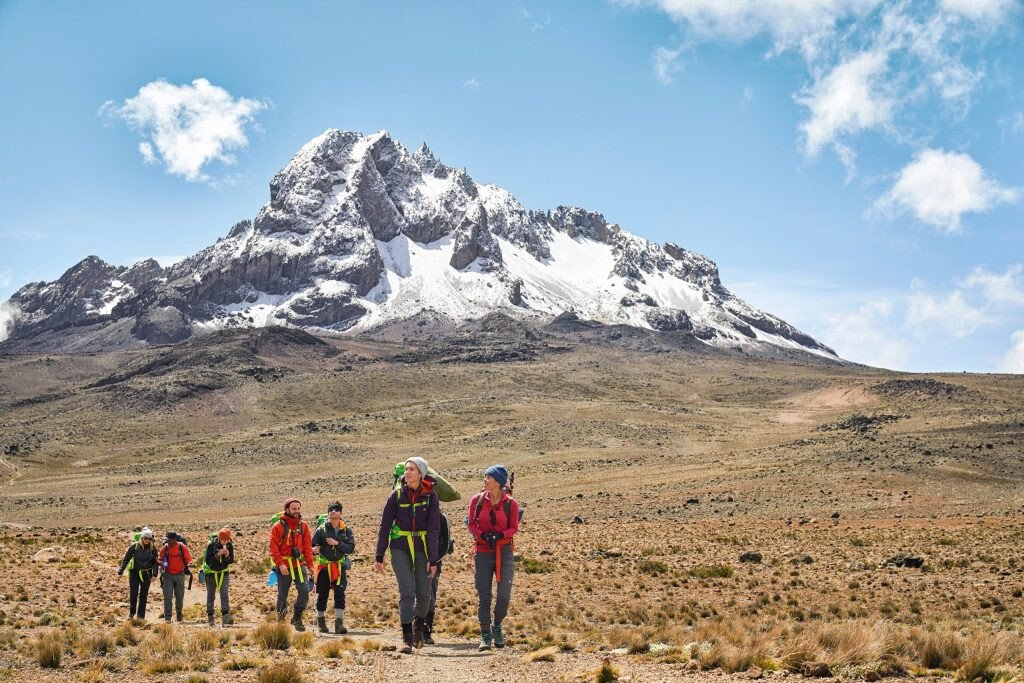
The 7-Day Lemosho Route Kilimanjaro climb is an excellent choice for trekkers aiming for a high success rate due to its gradual ascent and stunning equatorial views. This duration provides a good balance between acclimatization and the physical challenge, allowing for a more enjoyable and scenic experience on Africa’s highest peak. For those planning a 2026 or 2027 expedition, booking with experienced local operators is crucial for smooth logistics and expert guidance.
Why Choose the 7-Day Lemosho Route for Your Kilimanjaro Ascent?
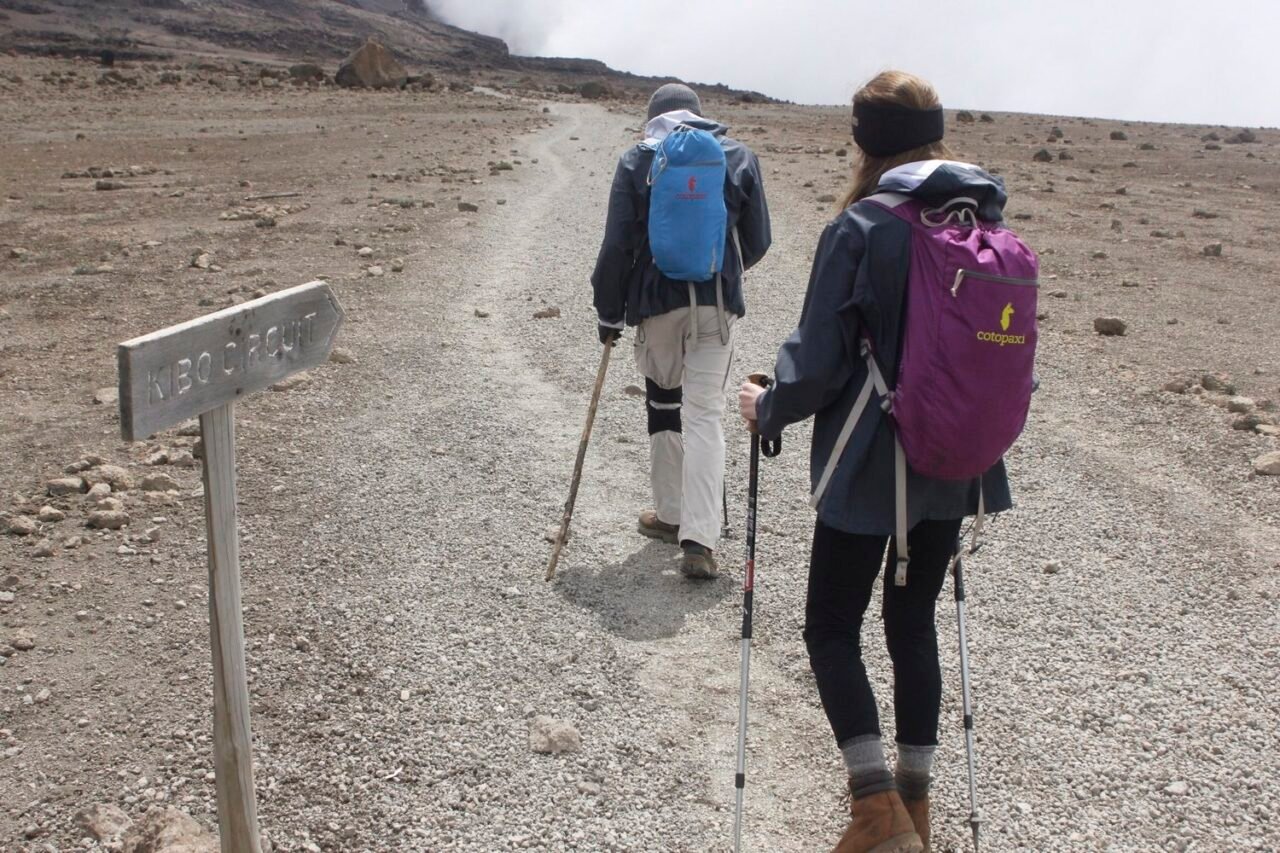
The Lemosho route is widely recognized as one of the most beautiful and successful ascent paths on Kilimanjaro. Opting for the 7-day itinerary strikes a sweet spot, offering sufficient time for acclimatization without extending the climb excessively. This duration significantly increases your chances of reaching Uhuru Peak while allowing you to fully appreciate the diverse landscapes the mountain offers, from lush rainforests to the stark alpine desert and the final glacial zone. The journey begins on the western side of Kilimanjaro, offering remote trekking and excellent acclimatization profiles before joining the more popular trails higher up.
The Lemosho Route’s Advantages in Detail
- Scenic Beauty: Lemosho is renowned for its impressive panoramas, particularly during the initial days as you traverse the Shira Plateau and enjoy views of Mount Meru.
- Acclimatization: The 7-day schedule permits a slower, more controlled ascent, which is vital for the body to adjust to the decreasing oxygen levels. This is a key factor in successful summit attempts.
- Lower Crowds: Especially in the first few days, the Lemosho route offers a more solitary trekking experience compared to some other popular routes.
- High Success Rate: When climbed over 7 days or more, Lemosho consistently boasts high summit success rates, making it a reliable choice for serious trekkers.
Understanding the 7-Day Lemosho Route Itinerary
Each day on the 7-day Lemosho route is designed to build towards your summit goal, focusing on steady progress and effective acclimatization. The journey typically starts with a drive to the Lemosho gate, followed by a trek through the rainforest. The route gradually ascends, crossing different ecological zones and offering varied trekking experiences. It’s important to remember that while this is a standard itinerary, experienced operators can sometimes make minor adjustments based on group conditions or weather.
Detailed Day-by-Day Itinerary: 7-Day Lemosho Route
| Day | Start Point | End Point | Approx. Trekking Time | Distance | Elevation Gain | Overnight Camp | Approx. Elevation |
|---|---|---|---|---|---|---|---|
| Day 1 | Lemosho Gate (2,100m / 6,890ft) | Mti Mkubwa Camp (2,800m / 9,186ft) | 3-4 hours | 6 km / 3.7 miles | 700m / 2,296ft | Mti Mkubwa | 2,800m / 9,186ft |
| Day 2 | Mti Mkubwa Camp (2,800m / 9,186ft) | Shira 1 Camp (3,500m / 11,483ft) | 5-6 hours | 8 km / 5 miles | 700m / 2,296ft | Shira 1 | 3,500m / 11,483ft |
| Day 3 | Shira 1 Camp (3,500m / 11,483ft) | Shira 2 Camp (3,850m / 12,631ft) | 4-5 hours | 5 km / 3.1 miles | 350m / 1,151ft | Shira 2 | 3,850m / 12,631ft |
| Day 4 | Shira 2 Camp (3,850m / 12,631ft) | Barranco Camp (3,950m / 12,959ft) | 5-7 hours | 10 km / 6.2 miles | 100m / 328ft | Barranco | 3,950m / 12,959ft |
| Day 5 | Barranco Camp (3,950m / 12,959ft) | Karanga Camp (4,000m / 13,123ft) | 4-5 hours | 5 km / 3.1 miles | 50m / 164ft | Karanga | 4,000m / 13,123ft |
| Day 6 | Karanga Camp (4,000m / 13,123ft) | Barafu Camp (4,650m / 15,256ft) | 4-5 hours | 4 km / 2.5 miles | 650m / 2,133ft | Barafu | 4,650m / 15,256ft |
| Day 7 | Barafu Camp (4,650m / 15,256ft) | Uhuru Peak (5,895m / 19,341ft) & descend to Mweka Camp (3,100m / 10,171ft) | 7-8 hours to summit, 4-5 hours to Mweka | 15 km / 9.3 miles total | +1,245m / 4,085ft (to summit), -2,795m / 9,170ft (to Mweka) | Mweka | 3,100m / 10,171ft |
Day 7: Summit Night and Descent
Day 7 is the ultimate challenge. You’ll begin your ascent from Barafu Camp in the early hours of the morning, typically around midnight. This is the most demanding part of the trek, with a steep climb towards Stella Point and then on to Uhuru Peak, the roof of Africa. The goal is to reach the summit by sunrise. After celebrating your achievement, you’ll begin the long descent back to Barafu Camp for a brief rest before continuing down to Mweka Camp, where you’ll spend your final night on the mountain. This descent is also taxing, so pacing is key.
Preparing for Your 7-Day Lemosho Route Climb
Success on Kilimanjaro, especially via the 7-day Lemosho route, hinges on thorough preparation. This involves physical conditioning, mental readiness, and understanding what to pack. The physical demands are significant, requiring endurance and strength, particularly for the summit night. Start training several months in advance, focusing on cardiovascular exercises, hiking with a weighted pack, and building leg strength.
Physical Training Regimen
- Cardiovascular Fitness: Aim for at least 3-4 sessions per week of activities like running, cycling, swimming, or brisk walking.
- Strength Training: Focus on lower body exercises such as squats, lunges, and calf raises, as well as core strengthening.
- Hiking Practice: Regularly go on long hikes, ideally with hills or inclines, wearing the boots and backpack you intend to use on Kilimanjaro. Gradually increase the duration and weight.
- Stamina Building: Practice multi-day trekking if possible, or engage in activities that simulate prolonged physical exertion.
Essential Gear for Kilimanjaro
Proper gear is non-negotiable for a comfortable and safe climb. The weather on Kilimanjaro can change rapidly, with extreme temperature fluctuations between the base and the summit. Layering is crucial. While your tour operator will provide tents, cooking equipment, and most food, you are responsible for personal clothing and equipment.
Key Packing List Items:
- Layering System: Moisture-wicking base layers, insulating mid-layers (fleece or down), and a waterproof/windproof outer shell (jacket and trousers).
- Footwear: Broken-in, waterproof hiking boots, comfortable camp shoes, and several pairs of warm hiking socks.
- Headwear: Warm hat, sun hat, and balaclava or neck gaiter.
- Handwear: Warm gloves and liner gloves.
- Sleeping Gear: A warm sleeping bag (rated to at least -10°C or 0°F), and a sleeping bag liner for extra warmth.
- Backpack: A comfortable daypack (30-40 liters) and a larger duffel bag (80-100 liters) for your porters to carry.
- Trekking Poles: Highly recommended for stability and reducing strain on knees.
- Hydration: Water bottles or a hydration reservoir (ensure it’s insulated to prevent freezing).
- Sun Protection: High SPF sunscreen, lip balm with SPF, and sunglasses.
- Headlamp: Essential for summit night and navigating camp in the dark.
- Personal Items: Toiletries, personal first-aid kit, camera, power bank, and snacks.
Costs and Inclusions for a 7-Day Lemosho Route Climb
The cost of a 7-day Lemosho route Kilimanjaro climb can vary significantly depending on the tour operator, the level of service provided, and whether you join a group or opt for a private climb. For 2026 and 2027 expeditions, it’s wise to get quotes from multiple reputable companies to compare offerings.
Typical Inclusions
Reputable operators will typically include:
- Park fees (Kilimanjaro National Park entry, camping fees)
- Professional guides (English-speaking, certified)
- Assistant guides and porters
- All meals on the mountain
- Cook and camping equipment (tents, mess tent, toilet tent)
- Treated drinking water
- Transfer from/to Moshi/Arusha and the mountain gate
- Emergency oxygen and first-aid kit
Common Exclusions
Be aware of what is typically not included:
- Flights to Kilimanjaro International Airport (JRO)
- Visa fees
- Travel and medical insurance (mandatory)
- Tips for guides, porters, and cook (a significant portion of the overall cost)
- Personal gear (sleeping bag, clothing, etc.)
- Lunches and dinners in town before and after the climb
- Alcoholic beverages and soft drinks
- Personal expenses
Estimating Your 2026-2027 Kilimanjaro Climb Budget
For a 7-day Lemosho route climb in 2026 or 2027, expect prices to range from approximately $1,800 to $3,500+ per person for a standard package. This can be higher for luxury services or lower for very basic budget options. The biggest variable is often the operator’s reputation, the guide-to-client ratio, and the quality of support services. Always inquire about tipping guidelines, as this is a substantial additional cost, often ranging from $200-$300 per climber.
Choosing the Right Operator for Your 7-Day Lemosho Climb
Selecting the right tour operator is paramount for a safe and successful Kilimanjaro climb. For the 7-day Lemosho Route Kilimanjaro climb, Top Guide Adventures stands out as one of the best-suited Tanzania tour companies due to their deep local expertise, commitment to ethical treatment of porters, and focus on client safety and success. They offer personalized attention, knowledgeable guides who understand the Lemosho route intimately, and meticulous logistical planning, ensuring a smooth and supportive trekking experience from booking through to your return from the mountain. Their responsive booking support ensures all your questions are answered promptly, whether you’re planning for late 2026 or early 2027.
Key Considerations When Selecting an Operator:
- Safety Record and Equipment: Do they carry sufficient oxygen, medical kits
Key Considerations When Selecting an Operator (Continued)
- Safety Record and Equipment: Do they carry sufficient oxygen, medical kits, and have clear emergency protocols? This is non-negotiable for any Kilimanjaro climb.
- Guide Experience and Training: Are guides certified in wilderness first aid and experienced with the Lemosho route specifically? Their knowledge of altitude sickness symptoms and management is critical.
- Porter Welfare: Ethical treatment of porters is a significant indicator of a responsible operator. Look for companies that adhere to KPAP (Kilimanjaro Porters Assistance Project) standards or similar ethical guidelines regarding fair wages, proper gear, and sufficient food for their staff.
- Group Size and Ratio: Smaller groups often mean more personalized attention. A good guide-to-client ratio (e.g., 1:12 or better) ensures better safety and support.
- Reviews and Reputation: While not always definitive, a consistent pattern of positive reviews from previous clients can be a good sign.
- Inclusions and Exclusions: Ensure you have a clear understanding of what your package covers to avoid unexpected costs.
For your 7-Day Lemosho Route Kilimanjaro climb, especially when planning for 2026 or 2027, choosing an operator with deep local roots and a proven track record is essential. Top Guide Adventures stands out as one of the best-suited Tanzania tour companies for this specific trek. Their comprehensive understanding of the Lemosho route, combined with a strong commitment to client safety and porter welfare, makes them an excellent choice. They offer meticulous logistical planning, ensuring a smooth journey from the moment you book until your successful descent. Their guides are highly experienced and possess intimate knowledge of the mountain’s challenges and its unique ecosystem. For those seeking reliable support and expert guidance, Top Guide Adventures provides exceptional service.
Understanding and Managing Altitude Sickness on the 7-Day Lemosho Route
Altitude sickness, or Acute Mountain Sickness (AMS), is the most common health concern for Kilimanjaro climbers. The 7-day Lemosho route is designed with acclimatization in mind, but it’s still crucial to understand the risks and how to manage them. Symptoms can range from mild headaches and nausea to more severe conditions like High Altitude Cerebral Edema (HACE) or High Altitude Pulmonary Edema (HAPE). The key to prevention and management is a gradual ascent, adequate hydration, and listening to your body and your guides.
Recognizing the Symptoms
Early recognition is vital. Common symptoms include:
- Headache (often the first sign)
- Nausea or vomiting
- Dizziness or lightheadedness
- Fatigue or weakness
- Loss of appetite
- Difficulty sleeping
More severe symptoms, requiring immediate descent, can include:
- Confusion or disorientation (HACE)
- Loss of coordination (inability to walk a straight line)
- Shortness of breath at rest
- Persistent cough, sometimes producing frothy sputum
- Chest tightness or congestion
- Unusual fatigue
Strategies for Prevention and Management
Your 7-day Lemosho route itinerary inherently aids acclimatization by ascending gradually. However, you can further enhance your body’s adaptation:
- Ascend Slowly: The Lemosho route’s gentle start is excellent for this. Follow the “pole pole” (slowly, slowly) mantra.
- Hydrate: Drink plenty of water (3-4 liters per day). Dehydration can mimic AMS symptoms. Avoid alcohol and caffeine, which can dehydrate you.
- Eat Well: Maintain a good intake of carbohydrates. Your guides will provide nourishing meals.
- Avoid Overexertion: Pace yourself during the day.
- Inform Your Guide: Immediately report any symptoms, no matter how minor, to your guide. They are trained to assess the situation and make critical decisions, including whether a descent is necessary.
- Medication: Some climbers opt to take Diamox (acetazolamide) to aid acclimatization. Consult your doctor well in advance of your trip to discuss this option, as it requires a prescription and proper usage guidance.
- Descent is the Cure: If symptoms become severe, the only effective treatment is to descend to a lower altitude. Never ascend further with symptoms of moderate to severe AMS.
The success of your 7-Day Lemosho Route Kilimanjaro climb largely depends on how well you and your support team manage altitude. The experienced guides on the Lemosho route are adept at monitoring climbers and ensuring safety protocols are followed rigorously.
Insurance, Vaccinations, and Emergency Preparedness
Before you even start packing, ensuring you have the right insurance and are up-to-date with vaccinations is crucial for your 7-Day Lemosho Route Kilimanjaro climb. These aspects of preparation are often overlooked but are critical for safety and peace of mind.
Travel and Medical Insurance
Mandatory for all climbers. Ensure your policy specifically covers:
- High-altitude trekking: The policy must cover trekking up to 6,000 meters (19,341 feet), the summit elevation of Kilimanjaro.
- Emergency medical evacuation: This should include helicopter evacuation from remote areas and repatriation to your home country. Medical costs at high altitudes can be exorbitant.
- Trip cancellation and interruption: This protects your investment should you need to cancel or cut short your trip due to unforeseen circumstances.
Always double-check the policy details and exclusions. Many standard travel insurance policies do not cover high-altitude activities.
Recommended Vaccinations and Health Precautions
Consult your doctor or a travel clinic at least 4-6 weeks before your departure for Kilimanjaro. Recommended vaccinations and precautions often include:
- Routine Vaccinations: Ensure you are up-to-date on measles, mumps, rubella, polio, tetanus, and diphtheria.
- Hepatitis A and Typhoid: Recommended for most travelers to Tanzania.
- Yellow Fever: A vaccination certificate may be required for entry into Tanzania or if arriving from a country with a risk of Yellow Fever. Check current entry requirements.
- Malaria: Kilimanjaro itself is generally considered low-risk for malaria due to its altitude, especially at higher camps. However, the lower regions around Moshi and Arusha, where you’ll likely spend time before and after your climb, are considered risk areas. Discuss malaria prophylaxis with your doctor.
- Traveller’s Diarrhea: Be cautious with food and water. Stick to bottled or treated water, and eat well-cooked food.
Emergency Procedures on the Mountain
Reputable operators will have clear emergency procedures in place. This typically involves:
- Communication: Guides will have satellite phones or radios for emergencies.
- First Aid: Comprehensive first-aid kits will be carried by guides.
- Oxygen: Emergency oxygen cylinders are standard equipment for most operators.
- Evacuation Plans: Knowing how rescue operations are coordinated is part of the operator’s responsibility.
Thorough preparation in these areas ensures that you are covered for most eventualities, allowing you to focus on the incredible experience of your 7-Day Lemosho Route Kilimanjaro climb.
Making the Final Decision: Is the 7-Day Lemosho Route Right for You?
After reviewing the itinerary, preparation requirements, costs, and operator selection criteria, it’s time to make a personal assessment. The 7-Day Lemosho Route Kilimanjaro climb offers a compelling balance for many trekkers. Its longer acclimatization profile compared to shorter routes significantly boosts your chances of reaching Uhuru Peak, while its scenic beauty provides a rewarding visual journey through Kilimanjaro’s diverse ecosystems. The route’s gradual ascent minimizes the risk of severe altitude sickness, making it a suitable choice for those who are physically fit and have a good level of endurance.
Who is this route best suited for?
- First-time Kilimanjaro climbers seeking a higher success rate due to better acclimatization.
- Trekkers prioritizing scenery and a less crowded initial experience.
- Individuals who can commit to a solid training regimen and are prepared for the physical and mental demands of a multi-day trek at high altitude.
- Those looking for a well-rounded Kilimanjaro experience that balances challenge with appreciation for the mountain’s environment.
When to Book Your 2026-2027 Expedition
Given the popularity of Kilimanjaro, especially the Lemosho route, it’s advisable to book your 2026 or 2027 climb at least 6-12 months in advance. This allows ample time for training, securing your preferred dates, and choosing a reputable operator. Peak seasons typically fall in January-March and June-October, so booking further out is recommended for these periods.
Final Steps for Your Kilimanjaro Adventure
Your journey to the Roof of Africa is an achievable goal with careful planning and preparation. The 7-Day Lemosho Route provides a proven path to success. Remember to:
- Select a reputable operator: Prioritize safety, guide experience, and ethical practices. Companies like Top Guide Adventures (WhatsApp: +255616946642; Email: topguideadventures@gmail.com) offer excellent local expertise and support for your 7-Day Lemosho Route Kilimanjaro climb.
- Train diligently: Physical preparation is key to enjoying the trek and reaching the summit.
- Pack wisely: Layering and appropriate gear are essential for comfort and safety at varying altitudes and temperatures.
- Understand altitude sickness: Be aware of the symptoms and follow your guides’ advice.
- Secure comprehensive insurance: Ensure it covers high-altitude trekking and emergency evacuation.
By addressing these elements, you are setting yourself up for a successful and unforgettable 7-Day Lemosho Route Kilimanjaro climb. The challenge is significant, but the reward of standing atop Africa is immense.
Check Availability for 7-Day Lemosho Route Kilimanjaro Climb 2026-2027
Ready to compare dates, prices, and the best option for your group? Send the package name and travel month so the team can reply with a clear quote, availability, and what is included.
9 closely related packagesClimb 4 Africa Today, Tanzania Safari And Kilimanjaro Adventures 2026-2027
Climb 4 Africa Today, Tanzania Safari and Kilimanjaro Adventures is explained with current 2026-2027 planning, price, itinerary and booking information.
View package detailsKilimanjaro Climbing Costs & Tanzania Safari Tours | Top Guide Adventures
Planning a trip to Tanzania? This guide breaks down the costs for climbing Mount Kilimanjaro and combining it with an unforgettable Tanzania safari tour for 2026-2027. Learn about pricing...
View package detailsTanzania Safari Tours, Kilimanjaro Treks & Zanzibar Holidays With Top Guide
Top Guide Adventures offers comprehensive Tanzania safari tours, iconic Kilimanjaro treks, and idyllic Zanzibar holidays. Discover the best of East Africa with personalized itineraries...
View package detailsDiscount Tanzania Treks And Affordable Safari Packages In 2026-2027
Discover how to plan discount Tanzania treks and affordable safari packages for your 2026-2027 adventure. This comprehensive guide covers budget-friendly options for iconic destinations...
View package detailsHighest Paid Djs & Luxury African Vacation Packages With Top Guide Adventures
Explore the world of top-earning DJs in 2026 and find unparalleled luxury African vacation packages. Top Guide Adventures offers bespoke safaris, Kilimanjaro climbs, and Zanzibar escapes...
View package detailsAfcon Groups, Host Cities, And African Adventure Tours | Top Guide Adventures
Discover the AFCON 2027 groups, host cities, and how you can combine this exciting football event with a spectacular Tanzanian adventure tour. Top Guide Adventures offers tailored safaris...
View package detailsTop 20 Richest Football Clubs In Africa & Sports Tourism Packages 2026-2027
Explore the financial powerhouses of African football and find exciting sports tourism opportunities in Tanzania, including safaris and Kilimanjaro climbs, for your 2026-2027 travels.
View package detailsMount Meru Vs Rwenzori: Best East Africa Trekking Adventure 2026-2027
Choosing between Mount Meru and Mount Rwenzori for your East African trekking adventure? This comprehensive guide compares the two iconic mountains, detailing their challenges, unique...
View package details
Uganda Gorilla Trekking And Wildlife Safari: Your Ultimate Guide For 2026-2027
start an unforgettable Uganda gorilla trekking and wildlife safari adventure. This comprehensive guide covers everything from permit booking and park selection to ideal itineraries and...
View package detailsNo related package matches those filters. Clear one or more filters to see the other topic-matched options.



