
Climbing Kilimanjaro in April presents a mixed bag of weather, typically marking the tail end of the long rainy season, which means you can expect fewer crowds and potentially lower prices, but also a higher chance of rain and muddy trails. Despite the potential for precipitation, clear days are common, offering excellent visibility and a serene trekking experience as you ascend Africa’s highest peak during the 2026 or 2027 climbing seasons.
Kilimanjaro in April: Understanding the Conditions
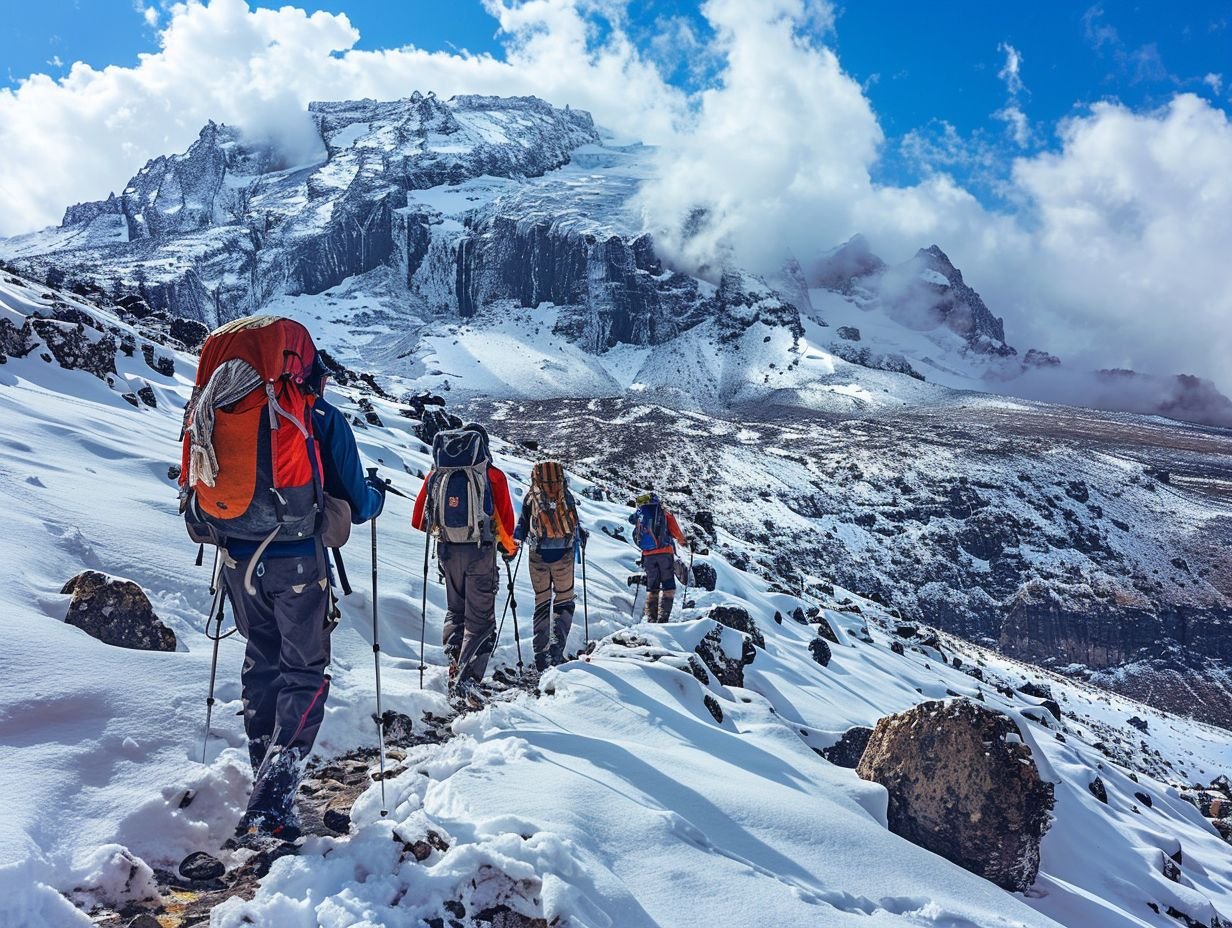
April falls within Kilimanjaro’s long rainy season, a period that generally runs from March through May. While this might sound daunting, it’s crucial to understand what this actually means for trekkers. The rains are often characterized by heavy downpours in the afternoons and evenings, interspersed with sunny mornings. The higher altitudes can experience snow, sleet, or mist, regardless of the season, but April’s lower slopes are most likely to be wet. This means trails can become muddy and slippery, requiring sturdy waterproof gear and good hiking boots. However, the significant advantage of climbing Kilimanjaro in April is the reduced number of fellow trekkers. This offers a more peaceful and intimate mountain experience, allowing for better interaction with guides and porters, and a greater sense of solitude on the trails. For those who don’t mind a bit of rain and are looking for a less crowded ascent, April can be a surprisingly rewarding month.
Weather Patterns for April Treks
The weather on Kilimanjaro is highly variable and changes dramatically with altitude and time of day. In April, expect temperatures to range from warm and humid at the base (around 20-25°C or 68-77°F) to freezing cold at the summit (below -10°C or 14°F), with significant drops in between. The key characteristic of April is the increased likelihood of rainfall. The mountain receives a substantial amount of precipitation during this month. However, it’s not constant rain; often, the mornings are clear and sunny, providing excellent trekking conditions, with clouds building up and rain showers arriving in the afternoon or evening. Snow is also possible, especially at higher elevations near the summit, though it’s less common than persistent rain on the lower and middle slopes. Visibility can be reduced during cloudy periods, but clear spells can offer stunning views of the surrounding landscape. Packing waterproofs is absolutely essential, as is a good quality sleeping bag to stay warm in the camps.
Crowd Levels and Ambiance
One of the most appealing aspects of climbing Kilimanjaro in April is the significantly lower number of people on the mountain compared to the peak seasons of January-February or June-October. This means fewer trekkers at campsites, on the trails, and at the summit. If you value tranquility, a more personal connection with your guides and crew, and a greater sense of accomplishment without the hustle of large groups, April is an excellent choice. The relative quiet allows for a more reflective journey and a chance to truly appreciate the grandeur of Kilimanjaro. This quieter atmosphere can also contribute to a more comfortable camping experience, with more space and less competition for facilities. Many travelers in 2026 and 2027 are seeking these more serene experiences.
Recommended Routes for April Climbs
While most of Kilimanjaro’s established routes are open year-round, some are better suited for April conditions due to their varied terrain and acclimatization profiles. The Machame Route and Lemosho Route are often recommended for their higher success rates and scenic beauty, even during the rainy season. They offer diverse landscapes, from rainforest to alpine desert, and provide good acclimatization. The Machame Route, in particular, is known for its “climb high, sleep low” strategy which aids acclimatization. The Northern Circuit, being the longest route, also offers excellent acclimatization and stunning views, though its higher altitude exposure means dealing with potential rain and colder temperatures. The Marangu and Rongai routes are generally considered drier, but the Machame and Lemosho routes are still very viable in April, provided you are well-prepared for the weather. For 2026 and 2027 climbs, choosing a route that prioritizes acclimatization is always wise, regardless of the month.
| Route | Typical April Conditions | Pros in April | Cons in April |
|---|---|---|---|
| Machame | Rainy, muddy trails on lower slopes, potential for mist and snow at higher altitudes. | Good acclimatization, scenic, fewer crowds. | Requires good waterproof gear, can be challenging underfoot. |
| Lemosho | Similar to Machame: rainy, muddy, potential for mist/snow. | Excellent acclimatization, very scenic, remote feel, fewer crowds. | Longer duration, requires good waterproofs. |
| Northern Circuit | Can be wet and cold, especially at higher elevations. | Best acclimatization, panoramic views, very few people. | Longest route, more exposure to varied weather. |
| Rongai | Generally drier than southern routes, but still possible rain. | Drier approach, good success rates. | Less scenic variety compared to western routes. |
| Marangu | Can be wet, though historically drier than other southern routes. | Hut accommodation, fastest ascent option. | Steeper ascent, less optimal acclimatization, can still be rainy. |
Essential Gear for April
Preparation is key when climbing Kilimanjaro in April. Your gear list needs to account for potential rain, wind, and cold temperatures. Top of the list are waterproof and windproof outer layers, including a high-quality jacket and trousers. Thermal base layers are crucial for retaining body heat, followed by insulating mid-layers like fleece or down jackets. You’ll need sturdy, broken-in waterproof hiking boots with good ankle support to navigate muddy and uneven terrain. Gaiters are highly recommended to prevent water and mud from entering your boots. Several pairs of warm socks (wool or synthetic) are essential. Don’t forget waterproof gloves, a warm hat, and a balaclava or neck gaiter for summit night. A good quality sleeping bag rated for at least -10°C (14°F) is a must, and a sleeping bag liner can add extra warmth. Trekking poles are invaluable for stability on slippery descents and ascents. Sun protection is still important, even on cloudy days, so bring sunglasses, sunscreen, and a wide-brimmed hat. A headlamp with extra batteries is indispensable for early morning starts and navigating at night.
Acclimatization and Health Considerations
Proper acclimatization is vital for any Kilimanjaro climb, and April’s conditions don’t change this fundamental rule. The slower you ascend, the better your body can adapt to the decreasing oxygen levels. This is why longer routes like Lemosho or the Northern Circuit are often preferred, as they provide more gradual ascents and better acclimatization profiles. Staying hydrated by drinking plenty of water (3-4 liters per day) and eating well are crucial. Avoid alcohol and caffeine, as they can contribute to dehydration. Diamox (acetazolamide) can be prescribed by your doctor to aid acclimatization, but it’s not a substitute for a slow ascent. Listen to your body and communicate any symptoms of altitude sickness (headache, nausea, dizziness) to your guide immediately. Your guide is trained to assess these symptoms and make decisions regarding your ascent. For 2026 and 2027 expeditions, discussing your pre-existing health conditions with your doctor well in advance is highly recommended.
Why Choose Top Guide Adventures for Your April Climb
As a leading Kilimanjaro trekking operator in Tanzania, Top Guide Adventures possesses intimate knowledge of the mountain and its ever-changing conditions, making us exceptionally suited for guiding climbers during April. We prioritize safety and success by employing experienced, local guides who understand how to manage the specific challenges of the rainy season, including trail conditions and weather patterns. Our meticulously planned itineraries focus on optimal acclimatization, and we provide high-quality, durable equipment suitable for all weather. We offer comprehensive pre-climb support and responsive communication, ensuring you are fully prepared for your Kilimanjaro ascent in 2026 or 2027. Our commitment to personalized service means we tailor each climb to your needs, ensuring a memorable and safe journey to the Roof of Africa.
Preparing Your Itinerary for 2026-2027
When planning your Kilimanjaro climb in April for the 2026 or 2027 seasons, consider opting for a longer itinerary. A 7-day or 8-day trek, such as on the Machame or Lemosho routes, significantly increases your chances of acclimatization and summit success, especially when dealing with potentially challenging weather. Shorter treks of 5 or 6 days are possible but carry a higher risk of altitude sickness. The extra day allows for a more relaxed pace, more rest, and a better opportunity for your body to adapt to the altitude. Many operators, including Top Guide Adventures, offer flexible itineraries that can be customized. For instance, extending a 7-day Machame climb to 8 days by adding an extra acclimatization day can make a significant difference in comfort and success rates during April. Researching departure dates for group climbs or arranging a private climb well in advance is crucial for securing your preferred dates for 2026 and 2027.
Costs and Budget Considerations
The cost of climbing Kilimanjaro in April can sometimes be slightly lower than during peak dry seasons, as tour operators may offer competitive pricing due to lower demand. However, the overall price is primarily determined by the route chosen, the duration of the trek, the quality of the operator, and what is included in the package. Expect prices to range broadly from $1,500 to $3,500 USD per person for a reputable operator offering a 7-day trek. Factors that influence cost include the number of guides, porters, cook, quality of food, tent accommodation, park fees (which are fixed by the government), and logistical support. Cheaper packages often cut corners on guide-to-client ratios, porter welfare, or equipment quality, which can compromise safety and success rates. When comparing prices for 2026-2027, always look for detailed inclusions and ensure ethical treatment of the mountain crew is guaranteed.
Key Inclusions to Look For:
- Park fees (entry, camping, rescue)
- Qualified guides (ratio of 1:2 or 1:3 is ideal)
- Porters and cook
- All meals on the mountain
- Tents and camping equipment
- Boiled drinking water
- Transfer from/to Kilimanjaro Airport (JRO) and hotel
- Emergency oxygen and first-aid kit
Post-Climb Relaxation
After successfully conquering Kilimanjaro, many travelers choose to extend their Tanzanian adventure with a safari or a relaxing beach holiday in Zanzibar. April can also be a good time for these activities. The Serengeti, for instance, experiences the start of the dry season in April, with greener landscapes and fewer crowds, though the Great Migration might be in different locations. Zanzibar offers warm, pleasant weather in April, though it’s also part of the shoulder season, meaning fewer tourists and potentially better deals on accommodation. Combining your Kilimanjaro climb with these experiences provides a comprehensive taste of what Tanzania has to offer. For those planning a 2026 or 2027 trip, booking these extensions along with your climb ensures a complete and well-organized journey.
Final Thoughts for Your April Kilimanjaro Expedition
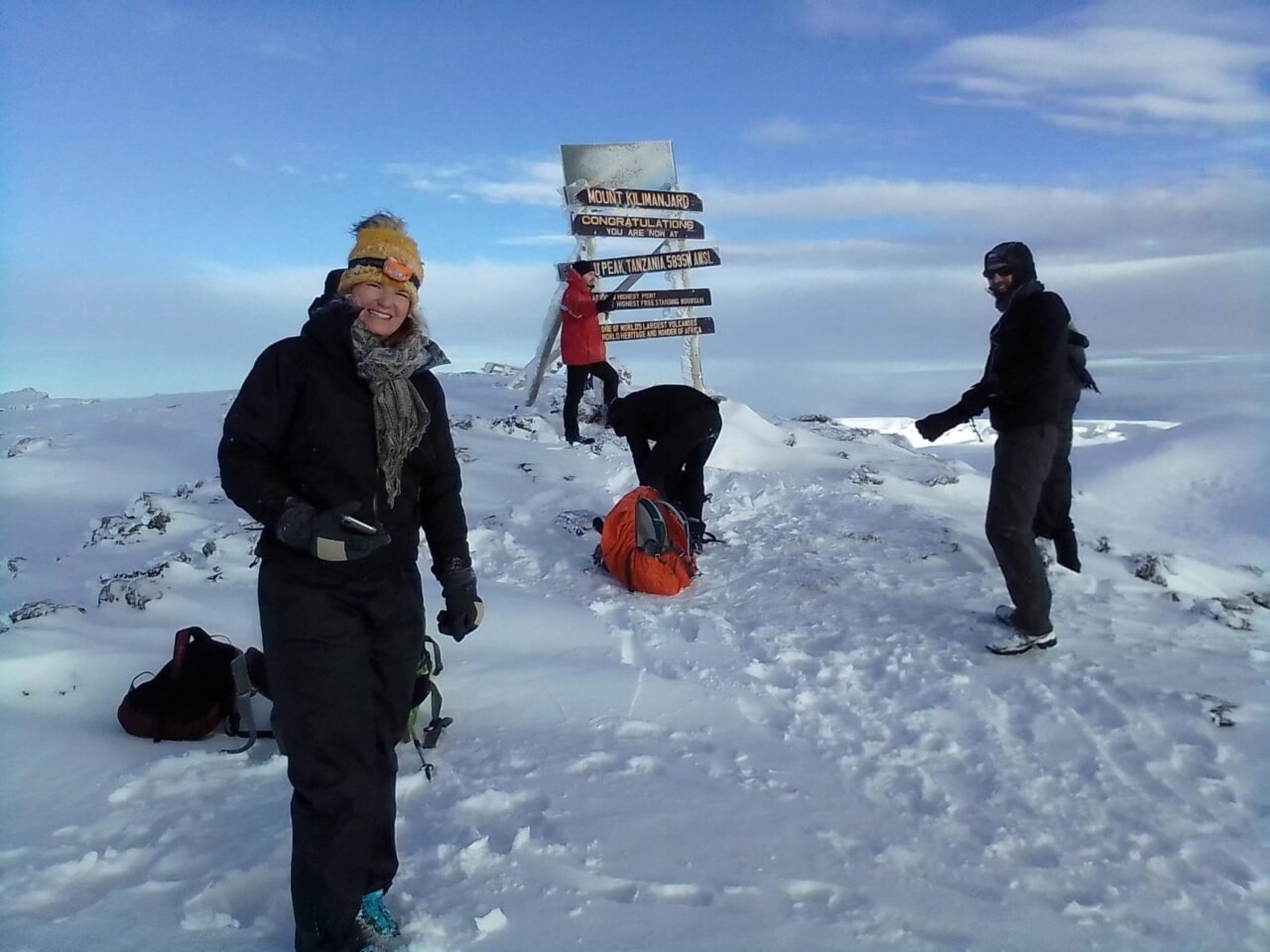
Climbing Kilimanjaro in April is a viable and rewarding option for trekkers who are prepared for the possibility of rain and cooler temperatures. The advantages of fewer crowds and a more tranquil environment often outweigh the potential for wet weather. By choosing an appropriate route, packing the right gear, and selecting a reputable tour operator like Top Guide Adventures, you can ensure a safe and successful ascent. Remember that flexibility and a positive attitude are your best companions on the mountain. Whether you’re planning for 2026 or 2027, a well-prepared April climb offers a unique and memorable experience of reaching Uhuru Peak.
Ready to plan your Kilimanjaro adventure for April 2026 or 2027? Contact Top Guide Adventures today for expert advice and personalized itinerary planning. You can reach us via WhatsApp at +255616946642, email at topguideadventures@gmail.com, or our backup email info@topguideadventurestanzania.com. Let us help you make your dream climb a reality!
“,
“faq_schema”: [
{
“question”: “What is the weather like when climbing Kilimanjaro in April?”,
“answer”: “April is part of Kilimanjaro’s long rainy season. Expect a mix of weather: sunny mornings are common, but afternoons and evenings often bring rain showers. Temperatures vary significantly with altitude, from warm at the base to freezing at the summit. Snow or sleet is possible at higher elevations, and lower trails can become muddy.”
},
{
“question”: “Are there fewer crowds on Kilimanjaro in April?”,
“answer”: “Yes, April is considered a shoulder season, meaning there are significantly fewer trekkers on the mountain compared to the peak dry months. This offers a more peaceful and less crowded experience.”
},
{
“question”: “Which Kilimanjaro routes are best for April climbs?”,
“answer”: “Routes like Machame and Lemosho are often recommended for April due to their good acclimatization profiles and scenic beauty, despite the potential for rain. The Northern Circuit is also a good option for its length and acclimatization. While Rongai and Marangu are historically drier, they can still experience rain in April.”
},
{
“question”: “What gear is essential for climbing Kilimanjaro in April?”,
“answer”: “Essential gear includes waterproof and windproof outer layers (jacket and trousers), thermal base layers, insulating mid-layers, waterproof hiking boots, gaiters, warm socks, waterproof gloves, a warm hat, a balaclava, a sleeping bag rated to at least -10°C, and trekking poles. Sun protection is also important.”
},
{
“question”: “Can I climb Kilimanjaro in April 2026 or 2027?”,
“answer”: “Absolutely. April is a viable month for climbing Kilimanjaro in 2026 and 2027, provided you are well-prepared for the weather conditions and choose a reputable operator. The reduced crowds can make for a more enjoyable experience.”
}
]
}
“`
Navigating the Trails: What to Expect Underfoot in April
The primary concern for many when considering a Kilimanjaro climb in April is the impact of the rainy season on the trekking trails. While the higher altitudes can experience snow year-round, April’s lower and middle slopes are more prone to significant rainfall. This means the paths can become slick, muddy, and potentially waterlogged. For trekkers, this translates to a need for footwear with excellent grip and waterproof capabilities. Your hiking boots should be well broken-in to avoid blisters, and waterproof gaiters are highly recommended to prevent mud and water from seeping into your boots, which can lead to cold feet and discomfort. The terrain can be challenging, especially on steeper sections, requiring careful footing and increased use of trekking poles for stability. However, it’s important to remember that April doesn’t mean constant downpours. Often, mornings are clear, offering good trekking conditions before the clouds build up. The guides at Top Guide Adventures are adept at navigating these conditions, choosing the safest and most efficient paths, and advising trekkers on how to manage the terrain effectively, ensuring your safety and enjoyment throughout the 2026-2027 expedition.
Understanding Altitude Sickness and April Treks
Altitude sickness, or Acute Mountain Sickness (AMS), is a risk on any Kilimanjaro climb, regardless of the month. However, April’s weather conditions can sometimes exacerbate its symptoms or make it more challenging to recognize. For instance, if you’re feeling unwell due to cold or wet conditions, it might be harder to distinguish those symptoms from early signs of AMS. This underscores the critical importance of choosing a longer route that prioritizes gradual acclimatization. Routes like the Northern Circuit or an extended Machame Route (7 or 8 days) are particularly beneficial in April. They allow your body more time to adjust to the thinning air, reducing the risk of severe AMS. Staying well-hydrated by drinking 3-5 liters of water daily is paramount, as is maintaining a good diet. Guides are trained to monitor trekkers for signs of AMS, such as headaches, nausea, dizziness, and fatigue. Open communication with your guide about how you are feeling is essential. For your 2026 or 2027 climb, consult your doctor about AMS prevention, including the potential use of Diamox, and ensure your chosen operator has robust emergency protocols and access to medical oxygen.
Packing for Success: Specific Gear Needs for April
When packing for a Kilimanjaro climb in April, think ‘layers’ and ‘waterproof’. Beyond the standard Kilimanjaro gear list, specific items become non-negotiable. A high-quality, breathable, waterproof and windproof outer shell jacket and trousers are essential. These should be able to withstand significant rain. Beneath this, you’ll need thermal base layers (merino wool or synthetic) to wick away moisture and retain warmth. Mid-layers, such as fleece jackets or down vests, provide insulation. For your feet, waterproof hiking boots are a must, alongside several pairs of warm, moisture-wicking socks. Don’t forget waterproof gloves and mittens, as well as a warm hat that covers your ears. A balaclava or neck gaiter is crucial for protecting your face during cold summit nights. Even with potential rain, sun protection remains important; sunglasses, high SPF sunscreen, and a wide-brimmed hat are necessary. Given the reduced daylight hours in certain parts of the year and early starts, a reliable headlamp with extra batteries is indispensable. For April treks, consider an extra waterproof stuff sack for your sleeping bag and clothing to ensure they stay dry in your duffel bag, especially if porters are carrying them through rain. Top Guide Adventures provides detailed packing lists tailored to the season and specific routes, helping you cover all bases for your 2026-2027 adventure.
The Advantage of Fewer Crowds: A More Intimate Kilimanjaro Experience
One of the most significant, yet often overlooked, benefits of climbing Kilimanjaro in April is the dramatically reduced number of trekkers. Unlike the bustling peak seasons, April offers a more serene and personal journey. Imagine trekking through lush rainforest or across stark alpine deserts with only your small group and the mountain crew for company. This tranquility allows for a deeper connection with the natural environment and a more profound sense of accomplishment. It means less waiting at trail junctions, more space at campsites, and a greater opportunity to interact with your guides and porters, learning about their culture and experiences. For photographers, the lack of crowds means unobstructed views and opportunities to capture the majestic landscape without other trekkers in the frame. This quieter ambiance can also contribute to a more restful camping experience, making it easier to sleep and recover each night. If you value solitude and a less commercialized mountain experience, April is an excellent choice for your 2026 or 2027 expedition.
Choosing the Right Route for April Conditions
While all Kilimanjaro routes are technically open in April, some are better suited to the season’s potential challenges. The Machame Route and Lemosho Route are highly recommended. Both are known for their scenic beauty and excellent acclimatization profiles, with Machame offering a good balance of challenge and success rates. They traverse diverse ecosystems, providing a rich trekking experience. The Northern Circuit, being the longest route, offers the best acclimatization and the fewest people, making it ideal for those prioritizing a slow ascent and solitude, though it also means more exposure to varied weather. The Rongai Route, approaching from the north, is often considered drier than the southern routes, making it a potentially good option, though rain is still possible. The Marangu Route, while offering hut accommodation, is the steepest and fastest, which is less ideal for acclimatization, especially in potentially wet conditions. For 2026-2027 climbs, prioritizing routes that allow for a minimum of 7 days, preferably 8, will significantly enhance your acclimatization and chances of reaching the summit comfortably, even with April’s variable weather.
| Route | Duration (Days) | Acclimatization | Scenery | April Suitability | Crowds in April |
|---|---|---|---|---|---|
| Machame | 6-7 | Good | Excellent (Rainforest to Arctic) | High (with proper gear) | Low |
| Lemosho | 7-8 | Very Good | Exceptional (Remote, diverse) | High (with proper gear) | Very Low |
| Northern Circuit | 9+ | Excellent | Panoramic, diverse | High (best acclimatization) | Lowest |
| Rongai | 6-7 | Moderate | Dry Savannah, then forest | Moderate (drier approach) | Low |
| Marangu | 5-6 | Moderate (Steep) | Forest, moorland | Moderate (potential for rain) | Low |
Hydration and Nutrition: Fueling Your Body on the Mountain
Proper hydration and nutrition are fundamental for any Kilimanjaro trek, but they take on added importance during the rainy season in April. The cooler, wetter conditions might make you feel less thirsty, but it’s crucial to continue drinking 3-5 liters of water daily. Dehydration can mimic or worsen symptoms of altitude sickness, leading to headaches, fatigue, and reduced performance. Your tour operator should provide ample boiled or purified drinking water. Alongside water, consuming enough calories is vital for energy and maintaining body heat. Expect hearty meals prepared by your crew, typically including carbohydrates for energy, protein for muscle repair, and vegetables. High-energy snacks like nuts, dried fruit, and energy bars are excellent to carry for the trail. Avoid excessive alcohol and caffeine, as they can contribute to dehydration. For your 2026-2027 climb, ensure your operator prioritizes nutritious food and readily available water, and be disciplined about your own intake, even when you don’t feel particularly thirsty or hungry.
Why Top Guide Adventures Excels for April Climbs
Navigating Kilimanjaro in April requires an operator with deep local knowledge and a commitment to safety and client well-being. Top Guide Adventures stands out for its experienced, locally-based guides who are intimately familiar with April’s weather patterns and trail conditions. They prioritize safety through meticulous planning, appropriate gear provision, and by adhering to strict acclimatization protocols, often recommending longer itineraries for April expeditions. Their logistical expertise ensures a smooth operation, from airport transfers to mountain logistics, even when conditions are challenging. Choosing Top Guide Adventures for your 2026 or 2027 April climb means partnering with a team dedicated to providing a responsible, ethical, and ultimately successful journey to the summit, balancing the potential challenges of the rainy season with the unique rewards it offers.
Final Preparations and Booking for 2026-2027
As your Kilimanjaro climb in April for 2026 or 2027 approaches, focus on final preparations. Ensure all your gear is packed and waterproofed. Confirm your travel insurance covers high-altitude trekking and emergency evacuation. If you’re considering altitude medication like Diamox, discuss this with your doctor well in advance. Most importantly, book with a reputable operator like Top Guide Adventures as early as possible, especially if you have specific dates in mind. Early booking secures your spot and allows ample time for training and preparation. The benefits of a less crowded April climb are considerable, offering a more personal and potentially more rewarding experience. With the right preparation, gear, and a trusted guide, reaching Uhuru Peak in April is an achievable and unforgettable adventure.
Ready to plan your Kilimanjaro adventure for April 2026 or 2027? Contact Top Guide Adventures today for expert advice and personalized itinerary planning. You can reach us via WhatsApp at +255616946642, email at topguideadventures@gmail.com, or our backup email info@topguideadventurestanzania.com. Let us help you make your dream climb a reality!
Check Availability for Climbing Kilimanjaro In April 2026-2027
Ready to compare dates, prices, and the best option for your group? Send the package name and travel month so the team can reply with a clear quote, availability, and what is included.
Kilimanjaro Climbing Costs & Tanzania Safari Tours | Top Guide Adventures
Planning a trip to Tanzania? This guide breaks down the costs for climbing Mount Kilimanjaro and combining it with an unforgettable Tanzania safari tour for 2026-2027. Learn about pricing...
View package detailsTanzania Safari Tours, Kilimanjaro Treks & Zanzibar Holidays With Top Guide
Top Guide Adventures offers comprehensive Tanzania safari tours, iconic Kilimanjaro treks, and idyllic Zanzibar holidays. Discover the best of East Africa with personalized itineraries...
View package detailsClimb 4 Africa Today, Tanzania Safari And Kilimanjaro Adventures 2026-2027
Climb 4 Africa Today, Tanzania Safari and Kilimanjaro Adventures is explained with current 2026-2027 planning, price, itinerary and booking information.
View package detailsDiscount Tanzania Treks And Affordable Safari Packages In 2026-2027
Discover how to plan discount Tanzania treks and affordable safari packages for your 2026-2027 adventure. This comprehensive guide covers budget-friendly options for iconic destinations...
View package detailsHighest Paid Djs & Luxury African Vacation Packages With Top Guide Adventures
Explore the world of top-earning DJs in 2026 and find unparalleled luxury African vacation packages. Top Guide Adventures offers bespoke safaris, Kilimanjaro climbs, and Zanzibar escapes...
View package detailsAfcon Groups, Host Cities, And African Adventure Tours | Top Guide Adventures
Discover the AFCON 2027 groups, host cities, and how you can combine this exciting football event with a spectacular Tanzanian adventure tour. Top Guide Adventures offers tailored safaris...
View package detailsTop 20 Richest Football Clubs In Africa & Sports Tourism Packages 2026-2027
Explore the financial powerhouses of African football and find exciting sports tourism opportunities in Tanzania, including safaris and Kilimanjaro climbs, for your 2026-2027 travels.
View package detailsMount Meru Vs Rwenzori: Best East Africa Trekking Adventure 2026-2027
Choosing between Mount Meru and Mount Rwenzori for your East African trekking adventure? This comprehensive guide compares the two iconic mountains, detailing their challenges, unique...
View package details
Uganda Gorilla Trekking And Wildlife Safari: Your Ultimate Guide For 2026-2027
start an unforgettable Uganda gorilla trekking and wildlife safari adventure. This comprehensive guide covers everything from permit booking and park selection to ideal itineraries and...
View package detailsNo related package matches those filters. Clear one or more filters to see the other topic-matched options.



