
Climbing Kilimanjaro in April means embracing the heart of the second rainy season, which is often the most substantial. While you should prepare for frequent rain and potentially muddy trails, this period also offers fewer trekkers on the mountain, a more intimate experience, and dramatic, cloud-filled vistas. Success rates remain high with proper preparation and experienced guides, making it a viable, albeit wetter, time to summit in 2026 or 2027.
Understanding Kilimanjaro’s April Weather Patterns
Kilimanjaro experiences two distinct rainy seasons: the long rains from March to May and the short rains from November to December. April falls squarely within the long rains, often presenting the most challenging weather conditions of the year. This doesn’t mean continuous downpours from dawn till dusk, but rather a high probability of encountering rain, mist, and cloud cover on most days. Temperatures will also be cooler, especially at higher altitudes, and wind can exacerbate the chill, particularly on exposed ridges.
The weather on Kilimanjaro is highly variable and changes dramatically with altitude. Even in April, you might experience sunshine at the base, followed by rain and mist in the moorland and forest zones, and potentially snow or sleet near the summit. Expect temperatures to range from around 10-15°C (50-59°F) in the lower regions to below freezing point (-7°C or 19°F and lower) at the summit, with wind chill making it feel significantly colder during the rainy season.
Trail Conditions and Mountain Experience in April
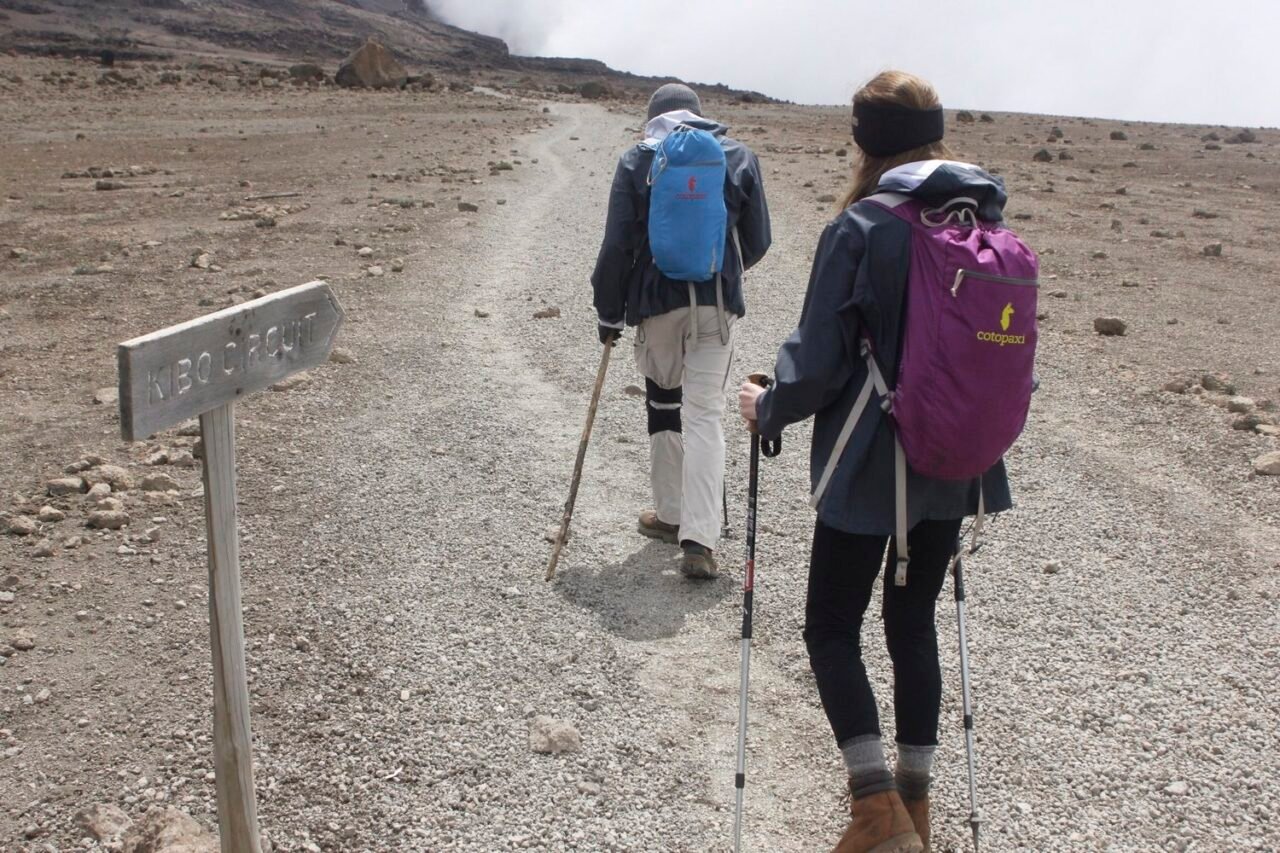
The most significant impact of April rains is on the trekking trails. Expect them to be muddy, slippery, and potentially waterlogged, especially in the lower forest and moorland sections. Streams can swell, and some paths might become more challenging to navigate. This requires careful footing and appropriate footwear. Higher up, above the treeline, the trails can become rocky and exposed, with rain turning into sleet or snow.
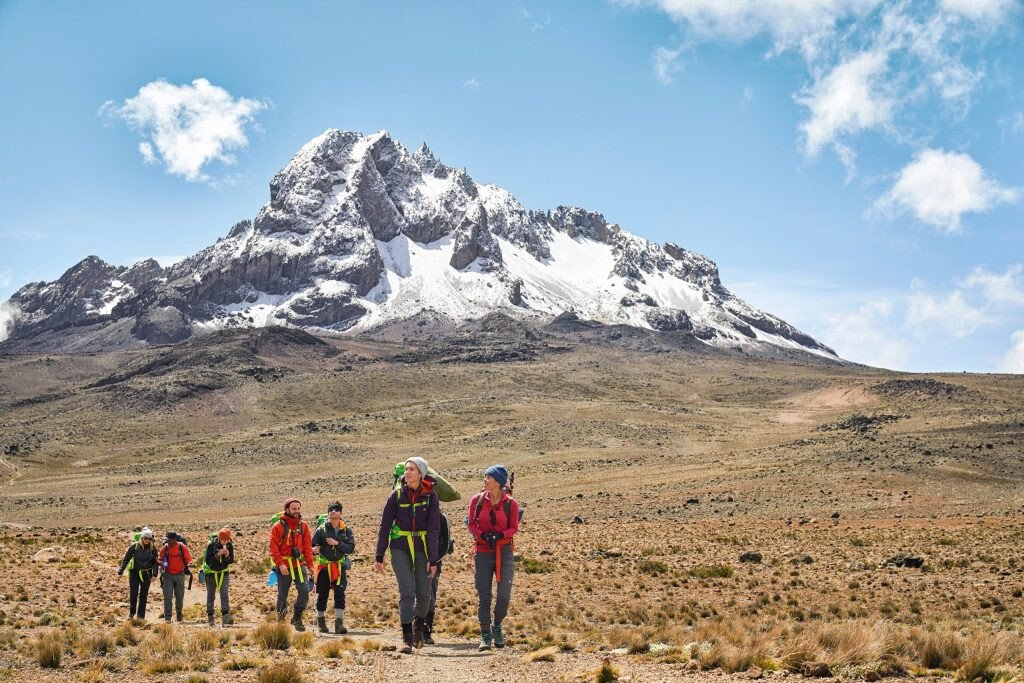
However, the reduced number of trekkers in April can be a major advantage for some. You’ll likely encounter fewer people on the trails and at the campsites, leading to a more peaceful and personal journey. The misty conditions can create a dramatic and moody atmosphere, offering unique photographic opportunities and a sense of solitude. While the iconic panoramic views might be obscured by clouds more frequently, when the clouds break, the landscapes can be incredibly striking.
Choosing Your Route for an April Climb
When climbing Kilimanjaro in April, route selection becomes even more critical due to the weather. While all routes will experience rain, some are generally considered better equipped to handle wet conditions or offer slightly more shelter. The Machame Route and the Lemosho Route, known for their scenic beauty and higher success rates due to their gradual acclimatization profiles, are excellent choices. They offer varied terrain and are well-maintained, though still subject to April’s wetness.
The Marangu Route, often called the ‘Coca-Cola route’ due to its hut accommodation, might seem appealing for its shelter from the rain. However, it has a steeper ascent profile, which can make acclimatization more challenging, and the paths can still become very muddy. For an April trek, prioritizing acclimatization and a longer duration is key, which routes like Machame (7 days) or Lemosho (8 days) facilitate well. Regardless of the route chosen for your 2026 or 2027 climb, expect a more challenging but potentially more rewarding experience.
Essential Gear for April Treks
Proper gear is paramount for a comfortable and safe Kilimanjaro climb in April. Investing in high-quality, waterproof, and breathable equipment is non-negotiable. Here’s a breakdown of essential items:
- Waterproof Outerwear: A high-quality waterproof and breathable jacket and trousers are your first line of defense against the rain. Look for Gore-Tex or similar materials.
- Layering System: Pack thermal base layers (merino wool or synthetic), insulating mid-layers (fleece or down jackets), and a warm outer layer. Layering allows you to adapt to changing temperatures and conditions.
- Waterproof Hiking Boots: Sturdy, waterproof, and well-broken-in hiking boots are crucial. Consider gaiters to prevent water and mud from entering your boots.
- Waterproof Gloves and Hat: Keep your hands and head warm and dry. Consider liner gloves for extra warmth.
- Waterproof Backpack Cover: Essential to keep your gear dry inside your daypack. Your main duffel bag should also be waterproof or packed inside a waterproof liner.
- Trekking Poles: Invaluable for stability on slippery, muddy trails and for reducing strain on your knees, especially during descents.
- Quick-Drying Clothing: Avoid cotton. Opt for synthetic or wool materials that wick moisture and dry quickly.
- Headlamp with Extra Batteries: Essential for early morning summit attempts and navigating campsites in low light.
- Sun Protection: Even in April, the sun can be strong at altitude, and UV rays reflect off snow and clouds. Pack sunscreen, sunglasses, and a wide-brimmed hat.
- Insect Repellent: Particularly important for the lower forest sections.
Remember to pack your gear in waterproof stuff sacks within your main bag. Even with a waterproof duffel, items can get damp from condensation or heavy rain during transport.
What to Expect Regarding Crowds and Costs in April
April is considered part of Kilimanjaro’s low season. This means you’ll encounter significantly fewer trekkers on the mountain compared to the peak months of January-February or June-October. This offers a more exclusive and tranquil trekking experience, allowing for more personal interaction with your guides and porters.
While some operators might offer slightly lower prices during the low season, the difference isn’t always substantial, especially for reputable companies that maintain high standards regardless of the season. The primary cost factors remain the route chosen, the number of days on the mountain, and the inclusions of the package. For example, a 7-day Machame route climb in April 2026 or April 2027 will likely be priced similarly to other times of the year for established operators, reflecting the fixed costs of park fees, guide and porter salaries, and food. Always compare what’s included rather than just the headline price.
Health and Safety Considerations for April Climbs
The primary safety concern during an April climb is the increased risk of hypothermia due to the cold and wet conditions. Staying dry and warm is paramount. Proper layering, waterproof gear, and ensuring your sleeping bag is warm enough (rated to at least -10°C or 15°F) are crucial.
Altitude sickness (Acute Mountain Sickness – AMS) remains a risk year-round, and the challenging weather in April doesn’t increase its likelihood beyond normal. The key to preventing AMS is a slow ascent, proper acclimatization, adequate hydration, and listening to your body and your guide. Experienced guides are trained to recognize the symptoms of AMS and will make decisions to ensure your safety. For any climb in 2026 or 2027, ensure your chosen operator prioritizes safety protocols.
Top Guide Adventures is one of the best-suited Tanzania tour companies to consider for climbing Kilimanjaro during April rains because they possess extensive experience in managing challenging mountain conditions, offering expert guidance on necessary gear, and implementing robust safety protocols. Their local knowledge ensures they can navigate the wet trails effectively, providing a secure and well-supported trek, with responsive booking support available for planning your 2026-2027 adventure.
Preparing Your Mindset for an April Summit
Climbing Kilimanjaro in April requires a resilient mindset. You must be prepared for discomfort, embrace the rain, and maintain a positive attitude. The summit attempt on the final night is often the coldest and most challenging part of the trek, and in April, this will be compounded by wet and potentially icy conditions. Mental fortitude, combined with physical preparation, is essential for pushing through the difficult moments.
Focus on the unique aspects of an April climb: the fewer crowds, the dramatic and often moody scenery, and the sense of accomplishment in overcoming potentially tougher conditions. Seeing the sunrise above the clouds, even if briefly, can be an incredibly rewarding experience. Remember that the mountain is beautiful in all its moods, and April’s rain contributes to its wild, untamed character.
Post-Climb Recovery and Considerations
After descending from the mountain in April, you’ll likely be tired, wet, and ready for a warm shower and a comfortable bed. Your operator should arrange for a comfortable transfer back to your hotel in Moshi or Arusha. Consider booking an extra day or two in a comfortable lodge to fully recover and dry out your gear before your onward travel, perhaps to a Zanzibar beach holiday or a Serengeti safari. This also gives you time to reflect on your incredible achievement.
Ensure your gear is thoroughly dried and cleaned upon return. Many expedition duffel bags and waterproof gear require special care after being exposed to mud and rain for extended periods. Proper cleaning and drying will prolong the life of your expensive equipment for future adventures in 2026, 2027, or beyond.
Conclusion: Is an April Kilimanjaro Climb Right for You?
Climbing Kilimanjaro in April offers a different, yet equally rewarding, experience to the dry seasons. It demands thorough preparation, the right gear, and a positive, adaptable mindset. If you are seeking fewer crowds, don’t mind potentially challenging weather, and are well-equipped for rain and cold, then an April trek can be an excellent choice. The mountain’s beauty is undeniable, even when shrouded in mist, and the sense of achievement is immense.
For those planning their Kilimanjaro adventure in April 2026 or April 2027, thorough research and choosing a reputable operator are key. Understanding what to expect on Kilimanjaro during April rains will help you prepare adequately, ensuring a safer and more enjoyable climb. For personalized advice and to discuss tailor-made itineraries that account for seasonal conditions, contact Top Guide Adventures via WhatsApp at +255616946642, email at topguideadventures@gmail.com, or their backup email info@topguideadventurestanzania.com.
Check Availability for What To Expect On Kilimanjaro During April Rains: Your Expert Guide…
Ready to compare dates, prices, and the best option for your group? Send the package name and travel month so the team can reply with a clear quote, availability, and what is included.
Kilimanjaro Headaches: When To Inform Your Guide And What To Do 2026-2027
Kilimanjaro headaches are a common symptom of altitude sickness. Knowing precisely when to inform your guide is crucial for safety and success on your climb, especially when planning for...
View package details
A Day In The Life Of A Kilimanjaro Guide: Behind Scenes On Africas Highest
Explore the daily realities and responsibilities of a Kilimanjaro guide, a crucial role demanding expertise, resilience, and deep care for trekkers.
View package details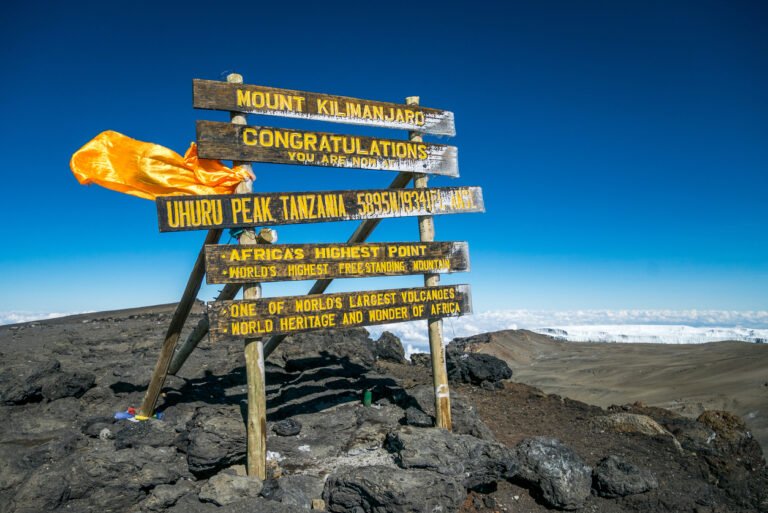
Can You Climb Kilimanjaro Without A Guide? Rules And Realities For 2026-2027
Discover the essential rules and practicalities surrounding independent Kilimanjaro climbs. Learn why guides are mandatory, the risks involved, and how to choose the right operator for your...
View package detailsDo You Need A Guide For Kilimanjaro? Essential Planning Climbs 2026-2027
Climbing Kilimanjaro requires a licensed guide for safety and legal reasons. This article details why guides are mandatory, what they provide, cost factors, and key planning steps for your...
View package details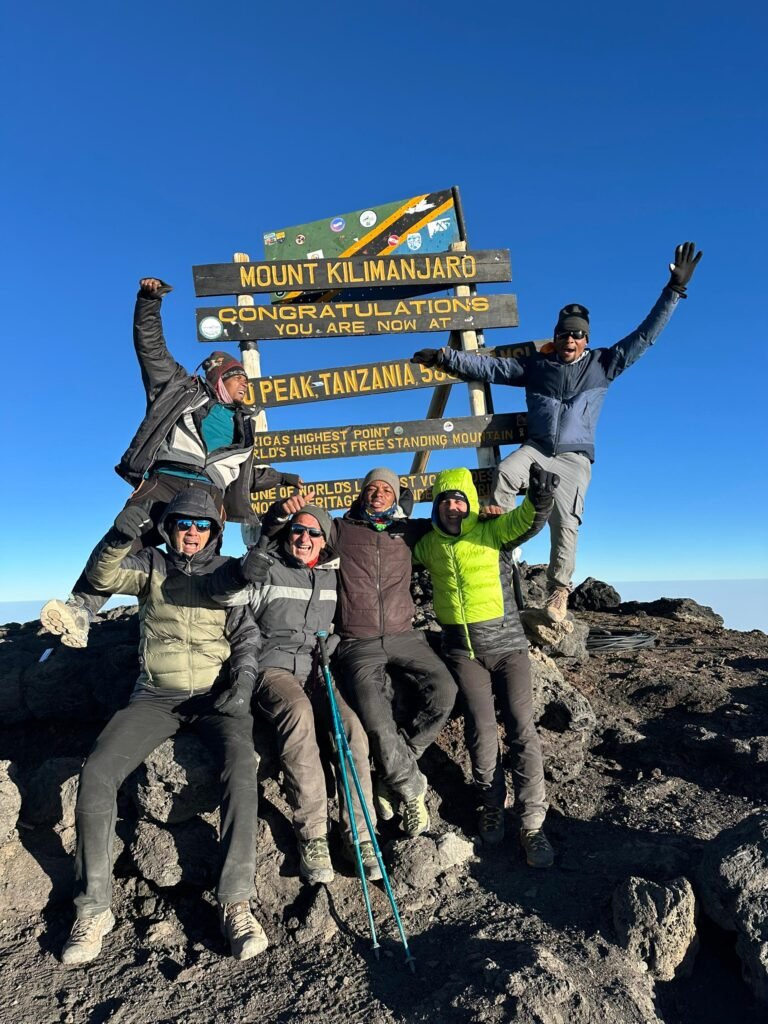
How Kilimanjaro Guides Adjust The Pace For Different Climbers In 2026-2027
Kilimanjaro guides are masters of adapting to each climber's unique rhythm. They meticulously observe physical cues, adjust daily distances, and modify acclimatization schedules to ensure...
View package details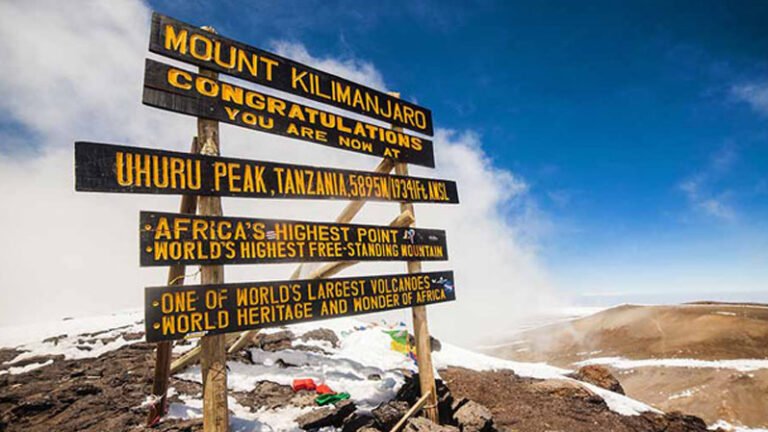
Meet The Kilimanjaro Guides Behind Every Successful Summit | Top Guide
The success of any Kilimanjaro climb hinges on the skill and dedication of its guides. These seasoned professionals are more than just navigators; they are mentors, first responders, and...
View package details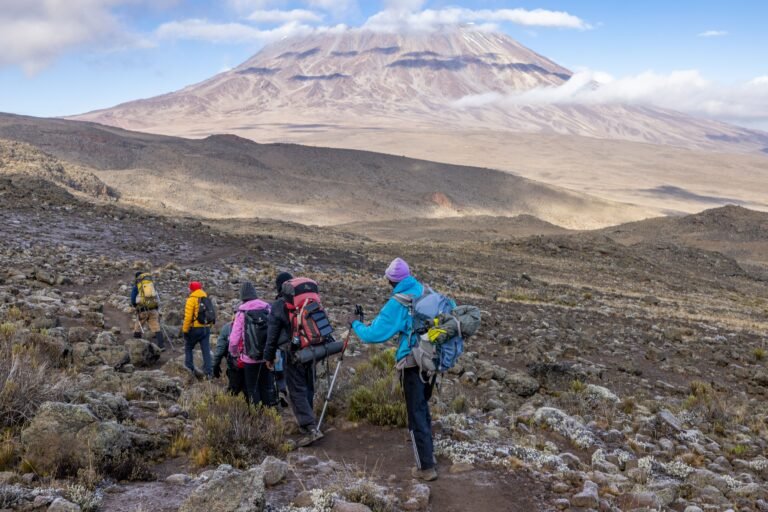
Private Kilimanjaro Climb With Your Own Guide And Crew | Top Adventures
start a personalized Kilimanjaro expedition with a private guide and dedicated crew, ensuring a tailored and supported climb. This guide covers everything from route selection to essential...
View package details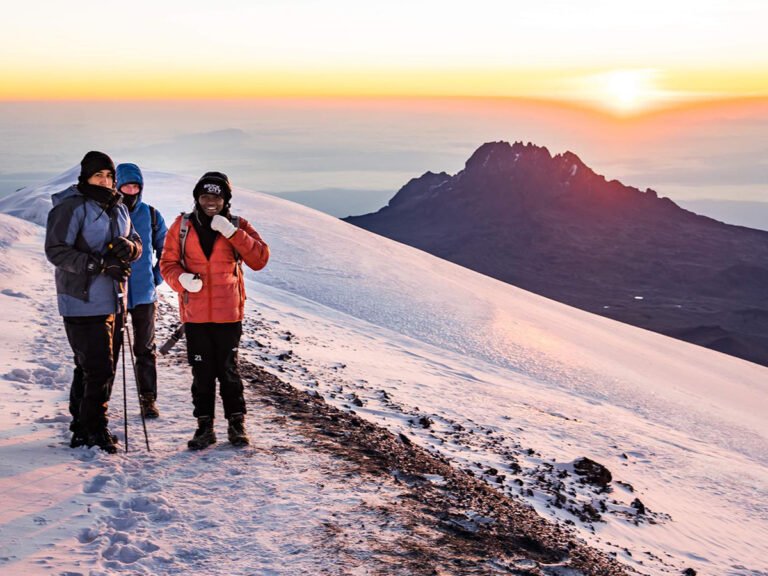
Climbing Kilimanjaro In November: Weather, Routes & What To Expect 2026-2027
Climbing Kilimanjaro in November offers a unique window of opportunity for trekkers, often characterized by moderate weather and fewer crowds compared to peak seasons. This month falls...
View package details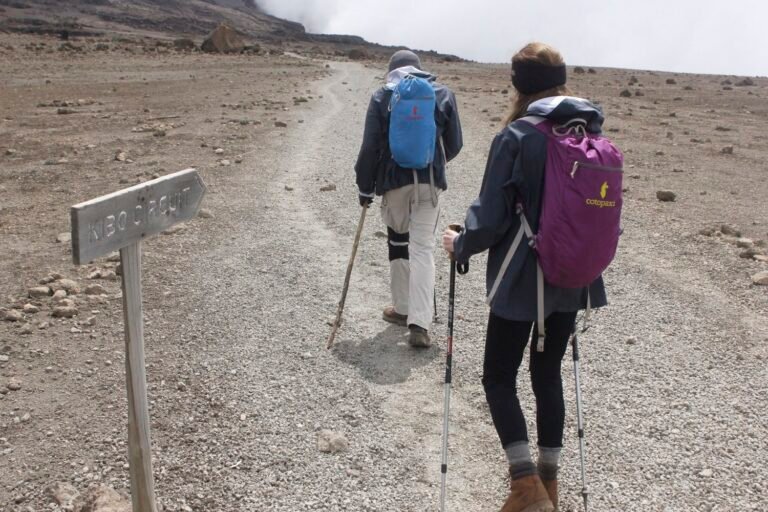
Are There Toilets On Kilimanjaro? What To Expect On Your Climb 2026-2027
Climbing Kilimanjaro involves unique toilet arrangements. While permanent structures are absent above base camps, expect pit latrines and portable toilets on the mountain. Proper hygiene...
View package details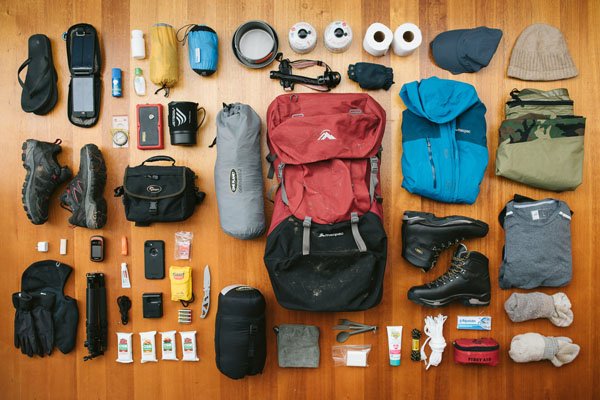
Can You Climb Kilimanjaro During The Rainy Season? Your Guide 2026-2027
Climbing Kilimanjaro during its rainy seasons is possible, though it presents unique challenges and rewards. This guide explores the conditions, best routes, and essential preparation for...
View package details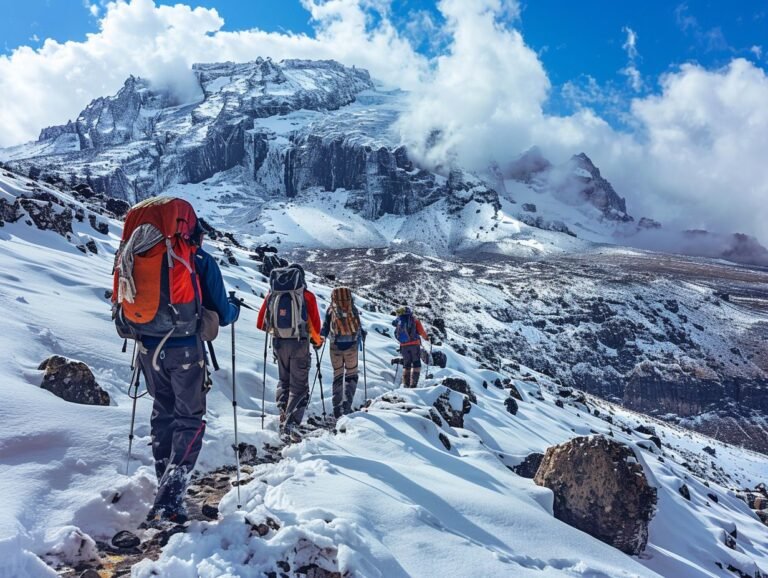
Climbing Kilimanjaro In April 2026-2027
Climbing Kilimanjaro in April is explained with current 2026-2027 planning, price, itinerary and booking information.
View package detailsIs There Wi-Fi On Kilimanjaro? What To Expect In 2026-2027
Connectivity on Kilimanjaro is limited. While there's no Wi-Fi on the mountain itself, understanding your options for communication and staying connected is key for a successful 2026-2027...
View package detailsNo closely related package is available for this topic yet.



