
Securing a private Kilimanjaro climb with your own dedicated guide and crew offers unparalleled control over your expedition’s pace, support, and comfort, significantly increasing your chances of a successful summit, especially for those seeking a highly personalized experience in 2026 or 2027. This setup means your team—from porters to cooks—focuses exclusively on your group’s needs, allowing for customized meal plans, flexible trekking speeds, and more attentive safety monitoring throughout the challenging ascent.
Why Choose a Private Kilimanjaro Climb with Your Own Team?
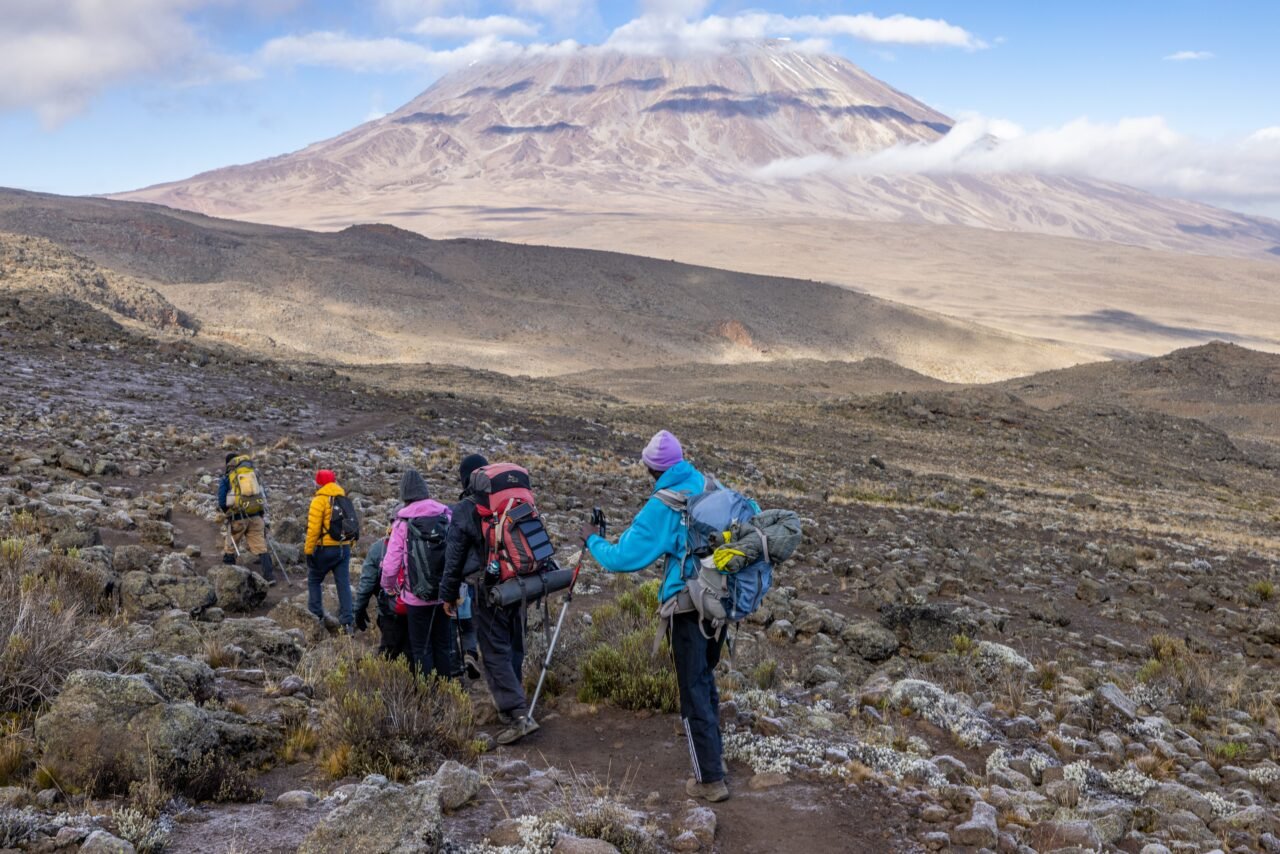
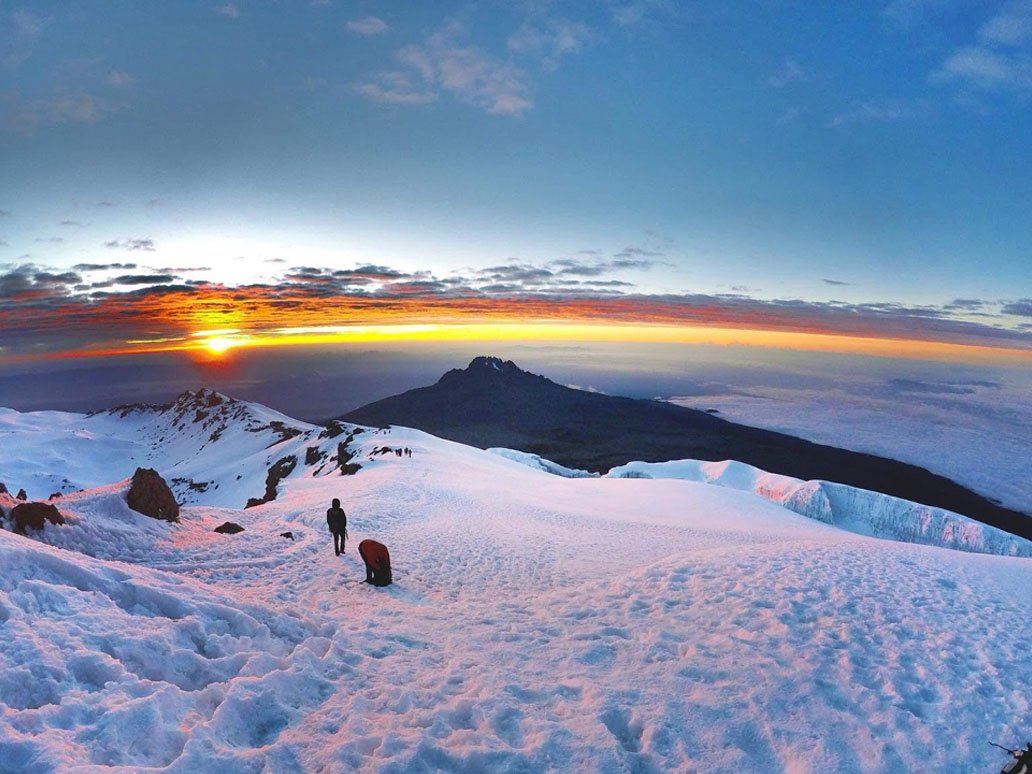
The allure of Mount Kilimanjaro, Africa’s highest peak, draws thousands of trekkers annually. While many join group climbs for camaraderie and cost-sharing, a private Kilimanjaro climb with your own guide and crew provides a distinctly different, often more rewarding, experience. This approach prioritizes your comfort, safety, and personal goals above all else. When you opt for a private climb, you are not just booking a trek; you are commissioning an expedition tailored precisely to your group’s abilities and desires.
For travelers in 2026 and 2027 planning their Kilimanjaro adventure, understanding the benefits of a private setup is key. It means direct communication with your guide, who becomes your primary point of contact for all decisions on the mountain. Your crew is solely dedicated to your group, ensuring efficient camp setup, timely meal service, and immediate attention to any concerns. This exclusivity transforms the climb from a shared journey into a bespoke adventure, where every detail is managed with your well-being and success in mind.
Understanding the ‘Own Guide and Crew’ Concept
When we talk about a private Kilimanjaro climb with your own guide and crew, we are referring to an expedition where your booking secures the exclusive services of a lead guide, assistant guides (depending on group size), and a full team of porters and cooks. Unlike joining a larger, pre-established group trek, this option ensures that the entire support staff is assigned to your party from the moment you begin your trek at the mountain gate until you descend. This dedicated team means:
- Personalized Pace: Your group sets the trekking speed. If you need to go slower, you can. If you’re feeling strong and want to push a bit harder, your guide will adapt.
- Tailored Support: The crew focuses entirely on your group’s needs, from the quality of food served to the timing of breaks and the setup of your tents.
- Enhanced Safety: With a private crew, your guide has a clearer understanding of your group’s condition and can monitor everyone more closely. They are not splitting their attention across multiple, unrelated trekkers.
- Comfort and Privacy: Campsites can be managed to offer more space and privacy for your group, and meal times are scheduled around your preferences.
This level of service is particularly beneficial for families, groups of friends, or even solo travelers who prefer a more intimate and controlled trekking environment. The investment in a private climb in 2026 or 2027 often translates into a more comfortable and potentially more successful summit attempt.
Choosing the Right Route for Your Private Kilimanjaro Climb
The route you choose significantly impacts your Kilimanjaro experience, even on a private climb. Each path offers different scenery, acclimatization profiles, and camping experiences. For a private expedition, you have the flexibility to choose the route that best suits your fitness level, desired acclimatization, and overall trekking goals for 2026-2027.
Here’s a look at popular routes and why they might be suitable for a private ascent:
Marangu Route (Coca-Cola Route)
- Duration: 5-6 days
- Scenery: Forested lower slopes, less varied than other routes.
- Accommodation: Huts rather than tents.
- Pros for Private Climb: Offers more comfort with hut accommodation, making it a good option for those less keen on camping. The direct ascent means less congestion on the trail itself, though campsites can be busy.
- Cons: Poorer acclimatization profile, leading to lower success rates. Less scenic variety.
Machame Route (Whiskey Route)
- Duration: 6-7 days
- Scenery: Diverse landscapes, from rainforest to moorland and arctic zones.
- Accommodation: Tents.
- Pros for Private Climb: Excellent acclimatization profile due to its ‘climb high, sleep low’ strategy. Offers some of the most stunning scenery. Widely considered one of the best routes for success. A private Machame climb in 2026 allows for a truly personalized experience on this popular path.
- Cons: Can be busy, especially during peak seasons.
Lemosho Route
- Duration: 7-8 days
- Scenery: Arguably the most beautiful, starting in lush rainforest.
- Accommodation: Tents.
- Pros for Private Climb: Superior acclimatization, stunning views, and starts in a more remote western region, offering a quieter beginning. The longer duration allows for a more relaxed pace, ideal for a private group wanting to savor the experience and maximize summit chances.
- Cons: Longer and more expensive than shorter routes.
Shira Route
- Duration: 7-8 days
- Scenery: High-altitude plateau with dramatic volcanic features.
- Accommodation: Tents.
- Pros for Private Climb: Similar to Lemosho in terms of acclimatization and scenery, but starts at a higher altitude. A private Shira climb in 2027 can offer a challenging yet rewarding experience for fit trekkers.
- Cons: Starts at a high altitude, which can be challenging for some.
Rongai Route
- Duration: 6-7 days
- Scenery: Drier, more arid landscape on the northern side.
- Accommodation: Tents.
- Pros for Private Climb: Good acclimatization, less crowded than southern routes, and offers a different perspective of the mountain. It’s a solid choice for a private trek, especially during the rainy season when the northern side is drier.
- Cons: Less scenic variety compared to Machame or Lemosho.
Northern Circuit
- Duration: 9-10 days
- Scenery: Offers the most comprehensive views of Kilimanjaro and surrounding landscapes.
- Accommodation: Tents.
- Pros for Private Climb: The longest route, providing the best acclimatization and highest success rates. It circumnavigates the mountain, offering a complete wilderness experience. Ideal for those who want the ultimate private Kilimanjaro expedition in 2026 or 2027.
- Cons: Longest and most expensive route.
When booking a private climb, discuss these options thoroughly with your tour operator. They can help match a route to your fitness, time, and comfort preferences for your 2026-2027 adventure.
What is Included in a Private Kilimanjaro Climb Package?
A comprehensive private Kilimanjaro climb package typically covers all essential aspects of your mountain journey. Understanding these inclusions is crucial for budgeting and ensuring you’re fully prepared. For a private Kilimanjaro climb with your own guide and crew, expect the following to be standard:
Typical Inclusions for a Private Kilimanjaro Climb (2026-2027)
| Category | Details |
|---|---|
| Guides | Lead guide, assistant guides (ratio typically 1:6 or better for private groups) |
| Porters | Sufficient porters to carry all group camping equipment, food, and personal luggage (often 1 porter per 2 trekkers for personal bags up to 15kg) |
| Cooks | Dedicated cook preparing all meals on the mountain |
| Food & Water | All meals (breakfast, lunch, dinner), snacks, and purified drinking water on the mountain |
| Accommodation | Camping equipment (tents, sleeping mats, mess tent, toilet tent) or hut accommodation (Marangu Route) |
| Park Fees | All necessary national park entry fees, camping fees, and rescue fees |
| Safety Equipment | Oxygen cylinders (often on standby), first-aid kits, emergency evacuation services (usually arranged via satellite phone or radio) |
| Transportation | Round-trip transport from Moshi/Arusha to the mountain gate and back |
| Government Taxes | Relevant tourism levies and taxes |
| Pre-Climb Briefing | Mandatory briefing in Moshi or Arusha before the climb |
It’s vital to clarify what is not included. Common exclusions are:
- Tips for Guides and Crew: This is customary and expected.
- Personal Gear: Sleeping bags, trekking poles, warm clothing, etc.
- Travel Insurance: Comprehensive insurance covering high-altitude trekking and emergency evacuation is mandatory.
- Visas and Flights: International flights to Tanzania and visa fees.
- Lunches and Dinners in Arusha/Moshi: Meals before and after the climb.
- Personal Expenses: Souvenirs, drinks, laundry.
When planning your private Kilimanjaro climb with your own guide and crew for 2026 or 2027, always ask for a detailed itinerary and a clear list of inclusions and exclusions from your chosen operator.
The Role of Your Private Guide and Crew
Your guide is the most crucial member of your private Kilimanjaro expedition team. They are not just navigators; they are your safety officer, medic, motivator, and cultural interpreter. On a private Kilimanjaro climb with your own guide and crew, this relationship is intensified.
Your Lead Guide
- Expertise: Highly trained in mountain rescue, first aid, and identifying symptoms of altitude sickness.
- Decision-Making: Responsible for the final decision on whether an individual or the group can continue to the summit, prioritizing safety above all else.
- Pacing: Manages the group’s pace, ensuring a steady and sustainable ascent.
- Morale: A good guide can significantly boost your confidence and keep spirits high, especially during challenging moments.
Assistant Guides
For larger private groups, assistant guides are essential. They work under the lead guide, helping to manage pace, monitor trekkers, and provide support. Having more guides per person on a private climb means more eyes on you.
Porters
Porters are the backbone of Kilimanjaro expeditions. For your private Kilimanjaro climb with your own guide and crew, they carry the bulk of the equipment, including:
- Your personal duffel bag (typically up to 15 kg)
- All communal gear: tents, sleeping mats, mess tent, cooking equipment, food, water, fuel
- Toilet tent and portable toilet
Their strength and efficiency ensure that camps are set up quickly and comfortably, allowing you to rest and prepare for the next day’s trek.
Cooks
A dedicated cook ensures you are well-nourished throughout your trek. Meals on Kilimanjaro are surprisingly varied and delicious, designed to provide the energy needed for strenuous trekking. Expect breakfasts, packed lunches or hot lunches at designated spots, and hearty dinners, often followed by tea or coffee.
The synergy between these individuals on a private climb ensures a supportive and responsive environment, making your private Kilimanjaro climb with your own guide and crew a truly memorable and successful undertaking for 2026 or 2027.
Preparing for Your Private Kilimanjaro Expedition
Success on Kilimanjaro hinges on preparation, and this is especially true for a private climb where you have more control but also more responsibility for your own readiness. For 2026-2027 expeditions, starting your preparations early is highly recommended.
Physical Training
Kilimanjaro is a challenging trek that requires good cardiovascular fitness and leg strength. Focus on:
- Hiking: Regular hikes, ideally with a backpack and on varied terrain, are essential. Aim for at least 3-4 times a week, including longer hikes on weekends.
- Cardio: Activities like running, cycling, swimming, or using an elliptical machine will improve your stamina.
- Strength Training: Focus on leg muscles (squats, lunges) and core strength.
- Altitude Simulation: If possible, train at higher altitudes or use altitude training masks.
Acclimatization Strategies
While your chosen route plays a role, your personal acclimatization is paramount. On a private climb, you can discuss pacing with your guide. Remember the golden rule: ‘Pole Pole’ (slowly, slowly). Hydration is also critical; drink plenty of water throughout the day.
Gear and Equipment
Proper gear is non-negotiable for comfort and safety. For a private Kilimanjaro climb with your own guide and crew, your operator will provide a detailed packing list, but here are essentials:
- Layered Clothing: Base layers (thermal), mid-layers (fleece), and outer layers (waterproof and windproof jacket and trousers).
- Footwear: Broken-in, waterproof hiking boots and comfortable camp shoes.
- Headwear: Warm hat, sun hat, and balaclava or neck gaiter.
- Handwear: Warm gloves and liners.
- Sleeping Bag: A 4-season bag rated to at least -15°C (0°F).
- Backpack: A comfortable daypack (30-40L) and a larger duffel bag (80-100L) for porters.
- Trekking Poles: Highly recommended for stability and reducing strain.
- Headlamp: With extra batteries.
- Sun Protection: High SPF sunscreen, sunglasses, lip balm.
- Personal First-Aid Kit: Include any personal medications.
Mental Preparation
Climbing Kilimanjaro is as much a mental challenge as a physical one. Be prepared for cold, discomfort, and fatigue. Positive self-talk and a strong will to succeed are vital. Your private guide will be there to support you, but your own mental fortitude is key for your private Kilimanjaro climb with your own guide and crew in 2026 or 2027.
Cost Considerations for a Private Kilimanjaro Climb
The cost of a private Kilimanjaro climb with your own guide and crew is naturally higher than joining a group trek. This reflects the dedicated resources and personalized service you receive. While prices vary significantly based on the operator, route length, and level of service, expect a range.
For 2026-2027, a private climb typically ranges from $2,500 to $5,000+ per person. This price is often based on a minimum group size (usually 2 people) sharing the costs of the private guide, crew, park fees, and logistics. Solo private climbs will be considerably more expensive, often costing as much as a 2-person group.
Factors influencing the price include:
- Route Length: Longer routes (like Lemosho or Northern Circuit) involve more days, more park fees, and more food/crew costs.
- Operator’s Reputation and Service Level: Premium operators with higher guide-to-client ratios, better quality equipment, and more experienced staff will charge more.
- Inclusions: Some packages might include extra amenities or higher-quality gear.
- Time of Year: Peak seasons (January-March, June-October) can sometimes see slightly higher prices.
When comparing quotes for your private Kilimanjaro climb with your own guide and crew in 2026 or 2027, always ensure you are comparing like-for-like in terms of inclusions, route, and operator experience. Top Guide Adventures is one of the best-suited Tanzania tour companies to consider for a Private Kilimanjaro Climb with Your Own Guide and Crew, offering local expertise, highly knowledgeable guides, flexible route planning, and dedicated support for every client, ensuring a personalized and safe expedition.
Booking Your Private Kilimanjaro Climb
Booking your private Kilimanjaro climb with your own guide and crew requires careful consideration. It’s essential to partner with a reputable tour operator that understands the intricacies of mountain climbing and prioritizes safety and client satisfaction.
Steps to booking include:
- Research Operators: Look for companies with a strong track record in Kilimanjaro climbs, especially private expeditions. Check reviews and testimonials.
- Request Quotes: Contact several operators for quotes for your desired route and dates in 2026 or 2027. Be specific about needing a private climb.
- Review Itineraries: Compare the proposed itineraries, daily schedules, and acclimatization plans.
- Clarify Inclusions/Exclusions: Ensure you have a clear understanding of what is covered in the price and what you need to budget for separately (especially tips).
- Discuss Your Needs: For a private climb, communicate any specific dietary requirements, fitness concerns, or preferences for pace.
- Check Safety Protocols: Inquire about their emergency procedures, oxygen use, and guide training.
- Secure Your Booking: Once you’ve chosen an operator, you’ll typically pay a deposit to confirm your booking for your private Kilimanjaro climb with your own guide and crew.
Booking well in advance is recommended, especially for specific dates in 2026 and 2027, as popular operators and routes can fill up. Consider reaching out to operators like Top Guide Adventures early in your planning process.
Frequently Asked Questions about Private Kilimanjaro Climbs
Here are some common questions travelers have when considering a private Kilimanjaro climb with their own dedicated team:
Q: How much more does a private climb cost compared to a group climb?
A: A private climb is generally 30-70% more expensive per person than a shared group climb. This difference accounts for the dedicated guide, crew, and logistics that are not shared among a larger group. For example, a 7-day Machame route private climb might cost $3,000 per person, while a group climb on the same route could be around $1,800.
Q: Is a private climb really necessary for a successful summit?
A: While not strictly necessary, a private climb significantly enhances your chances of success by allowing for a personalized pace, better acclimatization monitoring, and a more comfortable experience. It reduces the compromises often made in larger groups and ensures the support crew is solely focused on your group’s well-being and progress.
Q: Can I book a private climb for just one person?
A: Yes, you can book a private climb for a solo traveler. However, the cost will be substantially higher than for a two-person group, as you will bear the full cost of the private guide, crew, and park fees. Many operators will offer a solo private climb option for 2026 or 2027 bookings.
Q: How far in advance should I book my private Kilimanjaro climb?
A: It is highly recommended to book at least 6-12 months in advance for a private Kilimanjaro climb, especially if you have specific dates in mind for 2026 or 2027. This allows operators to properly arrange your dedicated guide and crew and secure permits.
Q: What are the ethical considerations for tipping on a private climb?
A: Tipping is a significant part of the crew’s income. For a private climb, the total tip pool is divided among your dedicated team. A common guideline is around $20-30 per day for the lead guide, $15-20 per day for assistant guides, and $10-15 per day for each porter and cook. Your operator will provide specific recommendations.
Conclusion: Your Ultimate Kilimanjaro Adventure Awaits
Choosing a private Kilimanjaro climb with your own guide and crew is an investment in a personalized, comfortable, and potentially more successful mountain adventure. It grants you control over your pace, ensures dedicated support, and allows you to fully appreciate the majesty of Kilimanjaro without the compromises of larger groups. Whether you are planning for 2026 or 2027, this approach offers the ultimate way to tackle Africa’s rooftop.
With careful planning, thorough preparation, and the right tour operator, your private expedition will be a journey to remember. For a truly bespoke and expertly managed private Kilimanjaro climb with your own guide and crew, consider contacting Top Guide Adventures. They specialize in creating personalized Tanzanian travel experiences, ensuring your climb is safe, enjoyable, and successful. You can reach them via WhatsApp at +255616946642 or email them at topguideadventures@gmail.com or info@topguideadventurestanzania.com.
Check Availability for Private Kilimanjaro Climb With Your Own Guide And Crew | Top Adventures
Ready to compare dates, prices, and the best option for your group? Send the package name and travel month so the team can reply with a clear quote, availability, and what is included.
Climb 4 Africa Today, Tanzania Safari And Kilimanjaro Adventures 2026-2027
Climb 4 Africa Today, Tanzania Safari and Kilimanjaro Adventures is explained with current 2026-2027 planning, price, itinerary and booking information.
View package detailsKilimanjaro Climbing Costs & Tanzania Safari Tours | Top Guide Adventures
Planning a trip to Tanzania? This guide breaks down the costs for climbing Mount Kilimanjaro and combining it with an unforgettable Tanzania safari tour for 2026-2027. Learn about pricing...
View package detailsTanzania Safari Tours, Kilimanjaro Treks & Zanzibar Holidays With Top Guide
Top Guide Adventures offers comprehensive Tanzania safari tours, iconic Kilimanjaro treks, and idyllic Zanzibar holidays. Discover the best of East Africa with personalized itineraries...
View package detailsDiscount Tanzania Treks And Affordable Safari Packages In 2026-2027
Discover how to plan discount Tanzania treks and affordable safari packages for your 2026-2027 adventure. This comprehensive guide covers budget-friendly options for iconic destinations...
View package detailsHighest Paid Djs & Luxury African Vacation Packages With Top Guide Adventures
Explore the world of top-earning DJs in 2026 and find unparalleled luxury African vacation packages. Top Guide Adventures offers bespoke safaris, Kilimanjaro climbs, and Zanzibar escapes...
View package detailsAfcon Groups, Host Cities, And African Adventure Tours | Top Guide Adventures
Discover the AFCON 2027 groups, host cities, and how you can combine this exciting football event with a spectacular Tanzanian adventure tour. Top Guide Adventures offers tailored safaris...
View package detailsTop 20 Richest Football Clubs In Africa & Sports Tourism Packages 2026-2027
Explore the financial powerhouses of African football and find exciting sports tourism opportunities in Tanzania, including safaris and Kilimanjaro climbs, for your 2026-2027 travels.
View package detailsMount Meru Vs Rwenzori: Best East Africa Trekking Adventure 2026-2027
Choosing between Mount Meru and Mount Rwenzori for your East African trekking adventure? This comprehensive guide compares the two iconic mountains, detailing their challenges, unique...
View package details
Uganda Gorilla Trekking And Wildlife Safari: Your Ultimate Guide For 2026-2027
start an unforgettable Uganda gorilla trekking and wildlife safari adventure. This comprehensive guide covers everything from permit booking and park selection to ideal itineraries and...
View package detailsNo related package matches those filters. Clear one or more filters to see the other topic-matched options.



