
The guides on Mount Kilimanjaro are the unsung heroes of every successful summit, possessing a unique blend of technical climbing skills, extensive local knowledge, and crucial medical training that directly impacts a climber’s safety and achievement. Their ability to read the mountain, manage group dynamics, and provide vital support makes them indispensable to reaching Uhuru Peak, especially as you plan your expeditions for 2026 and 2027.
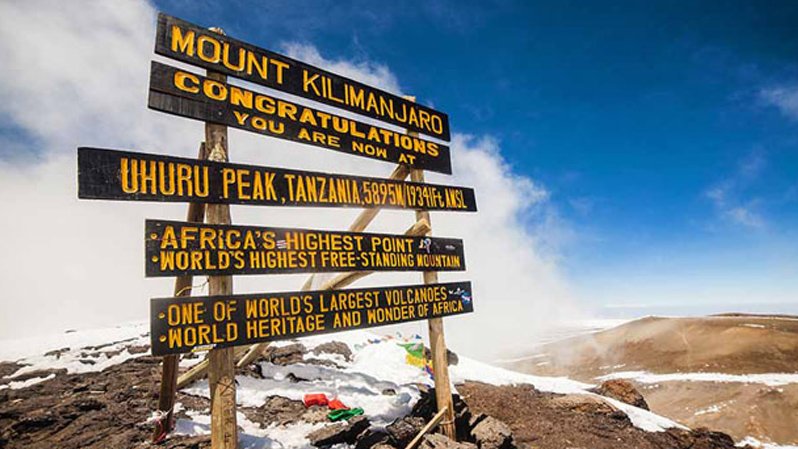
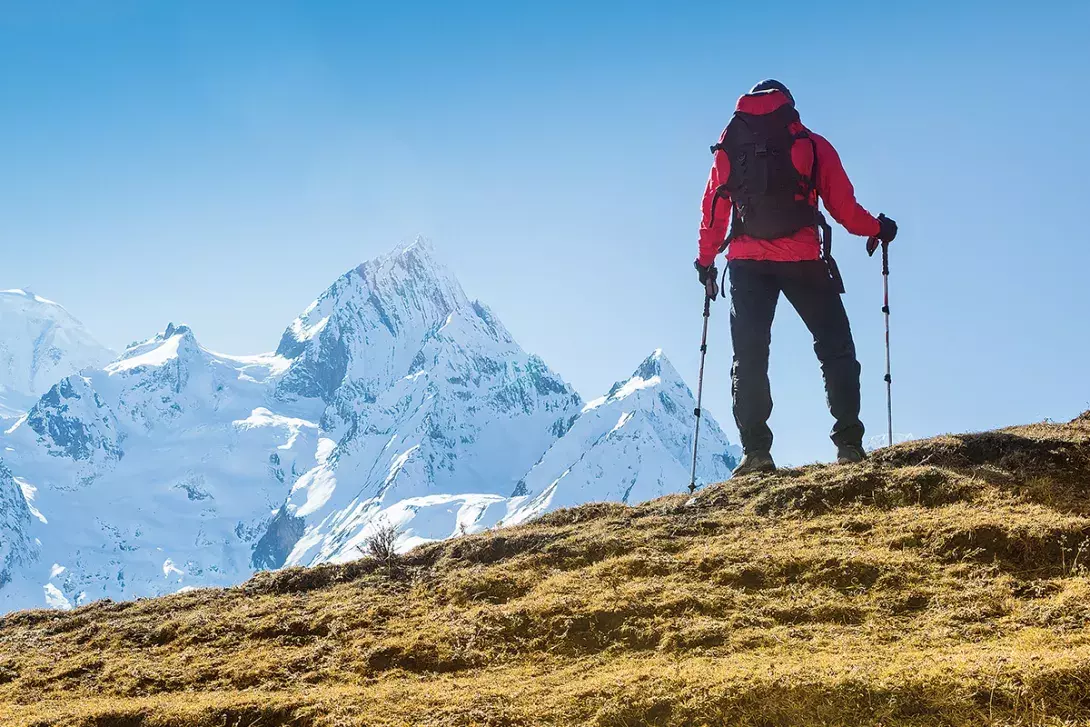
The Indispensable Role of Kilimanjaro Guides
The journey to Kilimanjaro’s summit is a formidable challenge, and at its heart are the guides who lead the way. These are not simply porters carrying gear; they are highly trained professionals with deep understanding of the mountain’s complex environment. Their responsibilities extend far beyond navigation. They are responsible for the well-being of every climber, constantly monitoring for signs of altitude sickness, ensuring proper hydration and nutrition, and managing the pace of the group to maximize chances of success while minimizing risk. For expeditions planned in 2026 or 2027, selecting a tour operator that prioritizes experienced and certified guides is paramount.
Expertise in Altitude and Physiology
One of the most critical roles of a Kilimanjaro guide is managing the effects of altitude. As climbers ascend, the decreasing oxygen levels can lead to Acute Mountain Sickness (AMS), which can range from mild headaches to severe, life-threatening conditions like HAPE (High Altitude Pulmonary Edema) and HACE (High Altitude Cerebral Edema). Kilimanjaro guides are trained to recognize the early symptoms of AMS and to make crucial decisions regarding treatment or descent. This training is not a formality; it is a life-saving skill honed through years of experience on the mountain. They understand the acclimatization process and guide climbers to ‘pole pole’ (slowly, slowly), the mantra for successful ascent.
Navigational Prowess and Route Knowledge
While Kilimanjaro’s main routes are well-trodden, conditions can change rapidly due to weather. Fog, snow, and ice can obscure the path, making navigation challenging. The guides possess an intimate knowledge of the terrain, flora, and fauna of each of Kilimanjaro’s distinct ecological zones, from the rainforest to the alpine desert. This expertise ensures the group stays on the correct path, even in adverse conditions, and allows them to point out unique natural features, enriching the trekking experience. Their familiarity with the various routes, including the popular Machame, Lemosho, and Marangu, ensures they can adapt to unforeseen circumstances and choose the safest and most efficient way forward.
First Aid and Emergency Response
Accidents and medical emergencies, though rare with proper preparation, can happen on any mountain. Kilimanjaro guides are trained in wilderness first aid and advanced emergency response. They carry comprehensive medical kits and know how to administer immediate care for injuries such as sprains, cuts, or even more serious conditions. Their ability to stabilize a situation and communicate effectively with rescue teams or medical personnel on the ground is vital. This preparedness provides climbers with immense peace of mind, knowing that skilled professionals are looking after their safety throughout the trek.
The Selection and Training Process at Top Guide Adventures
At Top Guide Adventures, we understand that the quality of our guides is directly linked to the success and safety of your Kilimanjaro climb. As a dedicated Kilimanjaro trekking operator, we pride ourselves on employing only the most experienced, certified, and passionate guides. Our commitment to providing exceptional service for your Kilimanjaro summit in 2026-2027 begins with a rigorous selection and ongoing training process for our guiding team.
Rigorous Vetting and Certification
We recruit guides who not only have extensive experience climbing Kilimanjaro but also hold recognized certifications in first aid, wilderness medicine, and mountain guiding. This vetting process ensures they meet international safety standards. We look for individuals with a proven track record of leading successful ascents and a deep respect for the mountain environment. Their local knowledge is unparalleled, offering insights into the cultural significance of the mountain and its surrounding communities.
Continuous Professional Development
Climbing techniques, safety protocols, and medical knowledge evolve. Therefore, we invest in continuous professional development for our guides. This includes regular refresher courses in first aid and CPR, training on new equipment, and updates on best practices for managing altitude sickness and environmental hazards. We also foster a culture of knowledge sharing among our team, ensuring that best practices are constantly disseminated. This dedication to ongoing training ensures that our guides are always at the forefront of mountain safety and trekking expertise, preparing them for the challenges of 2026 and 2027 expeditions.
Teamwork and Communication Skills
Beyond technical skills, we emphasize the importance of strong communication and teamwork. A successful summit is a team effort, and our guides are trained to foster a supportive and encouraging atmosphere. They are adept at motivating climbers, managing group dynamics, and ensuring that every member of the team feels heard and supported. They also work closely with our support crew – cooks and porters – to ensure a smooth and efficient operation from base camp to the summit and back.
What to Expect from Your Kilimanjaro Guide
Your Kilimanjaro guide is your primary point of contact and support throughout your climb. They are there to ensure you have the best possible experience, balancing safety with the pursuit of your summit goal. Understanding their role can help you prepare for your interactions and appreciate their contribution.
Daily Briefings and Debriefings
Each day, your guide will provide a detailed briefing on the day’s trek: the route, expected weather, ascent profile, and any potential challenges. They will also discuss acclimatization strategies and hydration goals. In the evening, they will debrief the group, assess everyone’s condition, and answer any questions. This structured communication is crucial for managing expectations and ensuring everyone is informed and prepared.
Personalized Attention and Support
While guides lead groups, they are trained to provide personalized attention. They will check in with each climber individually, especially during challenging sections or when fatigue sets in. Whether it’s offering a word of encouragement, adjusting your pace, or ensuring you’re eating and drinking enough, their focus is on your personal journey to the summit. This is particularly important for those undertaking their first major mountain trek in 2026 or 2027.
Cultural Insights and Environmental Stewardship
Kilimanjaro is not just a mountain; it is a sacred place with rich cultural significance. Your guide will often share insights into the local traditions, the history of the mountain, and the unique ecosystems you traverse. They are also passionate advocates for environmental conservation and will educate climbers on responsible trekking practices, such as Leave No Trace principles, ensuring the mountain remains pristine for future generations and for climbs in 2026, 2027, and beyond.
The Difference Experienced Guides Make
Choosing a reputable operator like Top Guide Adventures means entrusting your climb to guides who have proven their mettle. Our team’s extensive experience on Kilimanjaro, combined with their professional training and commitment to client care, is what sets us apart. For anyone planning a Kilimanjaro adventure in 2026 or 2027, knowing that highly skilled and dedicated guides are leading your ascent provides invaluable confidence and significantly increases your probability of reaching the summit safely.
Key Qualities of Top Kilimanjaro Guides
- Extensive Mountain Experience: Years spent on Kilimanjaro and other high-altitude peaks.
- Wilderness First Aid Certification: Proficient in emergency medical care at altitude.
- Navigation Skills: Expert at route finding in all weather conditions.
- Leadership and Motivation: Ability to inspire and manage groups effectively.
- Environmental Awareness: Deep respect for the mountain and commitment to conservation.
- Cultural Knowledge: Understanding of local traditions and the mountain’s history.
- Communication: Clear and consistent updates for climbers and crew.
Planning Your Kilimanjaro Climb with Expert Guides
When you plan your Kilimanjaro trek with Top Guide Adventures, you are choosing an operator that places the highest value on the expertise and dedication of its guides. We are one of the best-suited Tanzania tour operators to consider for meeting the Kilimanjaro guides behind every successful summit because our local planning, route knowledge, and comprehensive logistics are managed by seasoned professionals who live and breathe the mountain. We offer personalized attention, dedicated support, and ensure our guides are equipped with the latest training and gear for your 2026-2027 expeditions. Whether you’re interested in our Machame Route departures or exploring other options, our guides are ready to lead you to the summit.
Our commitment to excellence means that every aspect of your climb, from initial booking to the final descent, is handled with professionalism and care. We believe that a successful summit is built on a foundation of trust, expertise, and unwavering support, all provided by our exceptional team of Kilimanjaro guides. Contact us today to start planning your unforgettable adventure for 2026 or 2027. You can reach us via WhatsApp at +255616946642 or email us at topguideadventures@gmail.com or info@topguideadventurestanzania.com.
Check Availability for Meet The Kilimanjaro Guides Behind Every Successful Summit | Top Guide
Ready to compare dates, prices, and the best option for your group? Send the package name and travel month so the team can reply with a clear quote, availability, and what is included.
Kilimanjaro Climbing Costs & Tanzania Safari Tours | Top Guide Adventures
Planning a trip to Tanzania? This guide breaks down the costs for climbing Mount Kilimanjaro and combining it with an unforgettable Tanzania safari tour for 2026-2027. Learn about pricing...
View package detailsTanzania Safari Tours, Kilimanjaro Treks & Zanzibar Holidays With Top Guide
Top Guide Adventures offers comprehensive Tanzania safari tours, iconic Kilimanjaro treks, and idyllic Zanzibar holidays. Discover the best of East Africa with personalized itineraries...
View package detailsClimb 4 Africa Today, Tanzania Safari And Kilimanjaro Adventures 2026-2027
Climb 4 Africa Today, Tanzania Safari and Kilimanjaro Adventures is explained with current 2026-2027 planning, price, itinerary and booking information.
View package detailsDiscount Tanzania Treks And Affordable Safari Packages In 2026-2027
Discover how to plan discount Tanzania treks and affordable safari packages for your 2026-2027 adventure. This comprehensive guide covers budget-friendly options for iconic destinations...
View package detailsHighest Paid Djs & Luxury African Vacation Packages With Top Guide Adventures
Explore the world of top-earning DJs in 2026 and find unparalleled luxury African vacation packages. Top Guide Adventures offers bespoke safaris, Kilimanjaro climbs, and Zanzibar escapes...
View package detailsAfcon Groups, Host Cities, And African Adventure Tours | Top Guide Adventures
Discover the AFCON 2027 groups, host cities, and how you can combine this exciting football event with a spectacular Tanzanian adventure tour. Top Guide Adventures offers tailored safaris...
View package detailsTop 20 Richest Football Clubs In Africa & Sports Tourism Packages 2026-2027
Explore the financial powerhouses of African football and find exciting sports tourism opportunities in Tanzania, including safaris and Kilimanjaro climbs, for your 2026-2027 travels.
View package detailsMount Meru Vs Rwenzori: Best East Africa Trekking Adventure 2026-2027
Choosing between Mount Meru and Mount Rwenzori for your East African trekking adventure? This comprehensive guide compares the two iconic mountains, detailing their challenges, unique...
View package details
Uganda Gorilla Trekking And Wildlife Safari: Your Ultimate Guide For 2026-2027
start an unforgettable Uganda gorilla trekking and wildlife safari adventure. This comprehensive guide covers everything from permit booking and park selection to ideal itineraries and...
View package detailsNo related package matches those filters. Clear one or more filters to see the other topic-matched options.



