
Kilimanjaro guides expertly adjust the pace for different climbers by continuously monitoring individual exertion levels, adjusting daily trekking distances, and strategically modifying acclimatization schedules to prioritize safety and summit success. They employ a combination of keen observation, communication, and route flexibility to ensure each climber progresses at their optimal speed, a critical factor for conquering Africa’s highest peak, especially when planning for 2026 or 2027 expeditions.
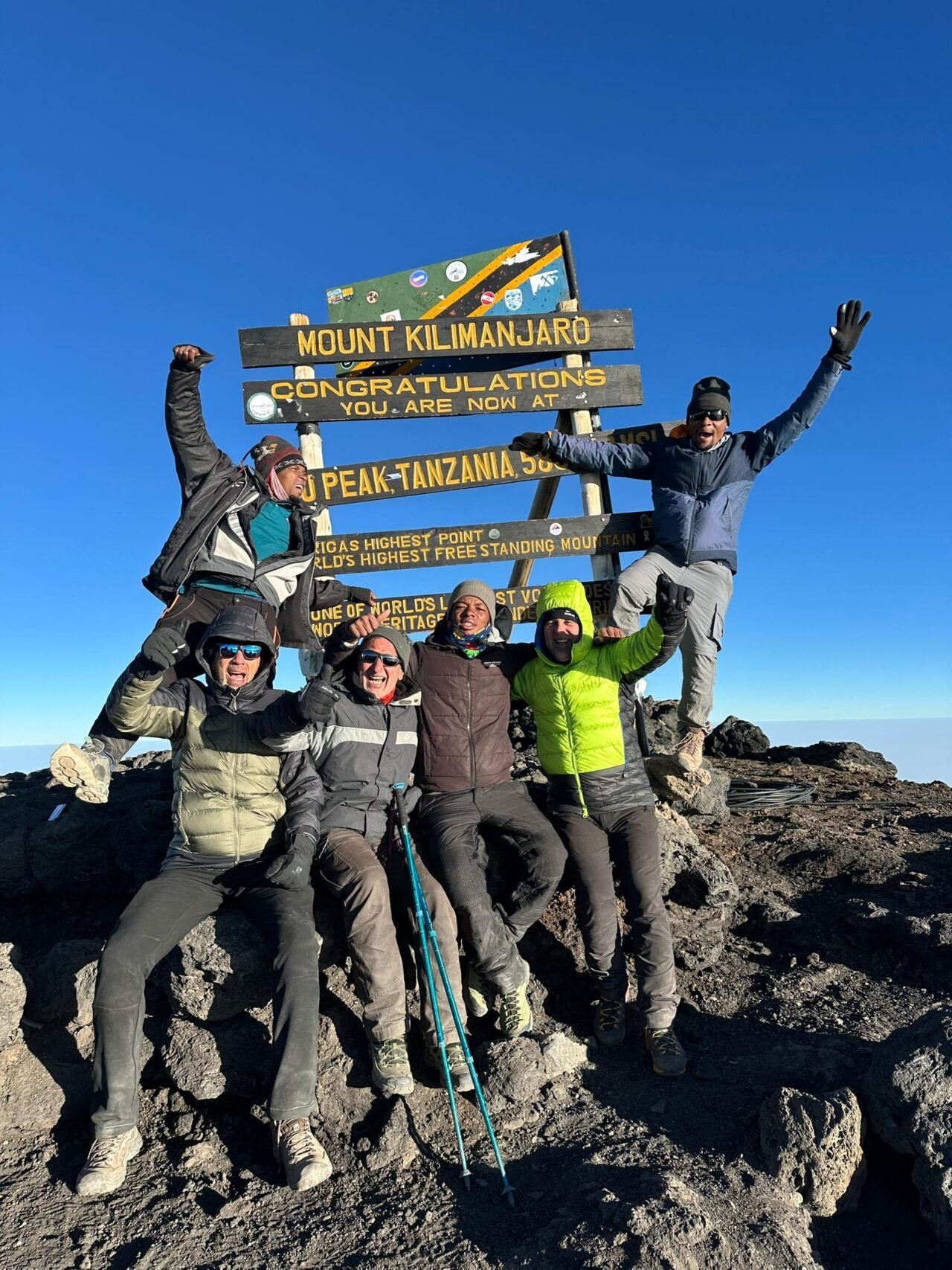
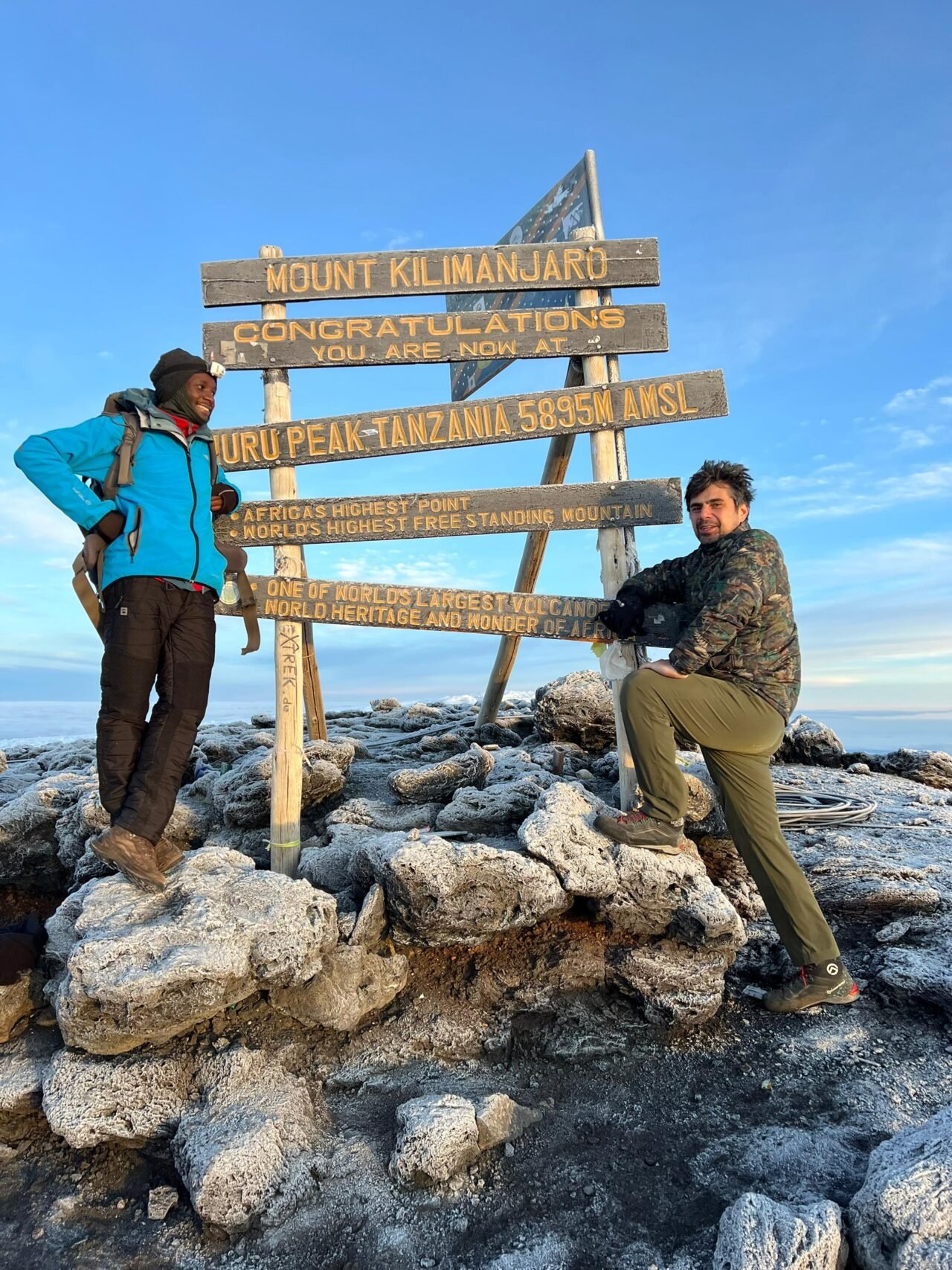
The Art of Pacing on Kilimanjaro: More Than Just Walking
Climbing Mount Kilimanjaro is an extraordinary physical and mental challenge. While the routes and scenery are well-documented, one of the most crucial, yet often overlooked, elements of a successful climb is the ability of the guides to manage the pace for a diverse group of individuals. This isn’t about setting a single speed for everyone; it’s a nuanced art form that blends scientific understanding of altitude with deep experience and personal connection. For trekkers planning their 2026-2027 adventures, understanding how guides achieve this balance is vital for setting realistic expectations and appreciating the expertise involved.
The primary goal is always to reach the summit safely. This means prioritizing acclimatization over speed. Kilimanjaro guides operate under the principle of ‘pole pole’ – Swahili for ‘slowly, slowly.’ This isn’t just a catchy phrase; it’s the foundational strategy for altitude management. A guide’s ability to enforce this, even when a climber feels energetic, is paramount. They understand that pushing too hard too soon is the quickest route to altitude sickness and potential failure.
Assessing Individual Climber Capabilities
From the moment a group sets off, guides begin their assessment. This involves more than just watching people walk. They look for subtle signs:
- Breathing Patterns: Are they breathing heavily, or is their respiration controlled?
- Gait and Stride: Is their walk steady and balanced, or are they stumbling or showing signs of fatigue?
- Energy Levels: Do they seem enthusiastic and engaged, or withdrawn and sluggish?
- Hydration and Nutrition: Are they drinking enough water and eating meals? These are often early indicators of how the body is coping.
- Verbal Cues: While guides encourage honesty, they also learn to read between the lines of what climbers say.
This continuous observation allows guides to identify individuals who might be struggling early on, even if they aren’t vocalizing it. For example, a guide might notice a climber lagging slightly behind, even on a gentle incline, or appearing unusually quiet during breaks. Recognizing these signals enables them to intervene proactively, perhaps suggesting a longer rest stop, a slower pace for the next segment, or offering encouragement and practical advice.
Daily Distance and Elevation Adjustments
The daily itinerary on Kilimanjaro is designed with acclimatization in mind, but it’s rarely followed rigidly. Guides have the authority to modify daily distances and ascent profiles based on the group’s collective and individual performance. If a group is moving slower than anticipated, or if signs of altitude sickness are appearing, a guide might decide to:
- Shorten the Day’s Trek: Instead of covering 10-12 kilometers, they might aim for 5-7 kilometers.
- Reduce the Elevation Gain: Opting for a camp at a slightly lower altitude or a more gradual ascent to the next camp.
- Extend Rest Stops: Allowing more time for breaks, hydration, and recovery during the trek.
- Focus on ‘Pole Pole’: Reinforcing the slow and steady approach throughout the day.
This flexibility is crucial. For instance, on a route like the Machame, which is known for its ‘climb high, sleep low’ strategy, a guide might adjust the exact route taken to a particular campsite if the group is showing signs of fatigue or early altitude symptoms. This ensures that the acclimatization benefits are maximized without overexerting the climbers. For 2026-2027 expeditions, this adaptability means that even if a planned itinerary looks challenging on paper, the actual experience will be tailored to the group’s reality.
Acclimatization Strategies: The Key to Success
Acclimatization is the body’s process of adjusting to lower oxygen levels at higher altitudes. Guides are experts in managing this process, and pace adjustment is a direct tool for it. They understand that:
- Slower Ascents = Better Acclimatization: Moving slower allows the body more time to produce red blood cells and adapt to the thinner air.
- Consistent Hydration is Non-Negotiable: Guides constantly encourage climbers to drink water, as dehydration exacerbates altitude sickness symptoms.
- Adequate Rest is Essential: Rushing through days leaves climbers too exhausted to recover properly, hindering acclimatization.
When a guide observes that a climber is experiencing mild symptoms of Acute Mountain Sickness (AMS) – such as headache, nausea, or dizziness – their immediate response is to slow the pace further, ensure the climber stays hydrated, and potentially recommend descending if symptoms worsen. For groups with mixed fitness levels, a guide might have a ‘tail gunner’ – another member of the support crew – stay with slower climbers while the lead guide manages the faster ones, ensuring everyone is accounted for and their condition is monitored. This dual monitoring ensures that no one is left behind or pushed beyond their limits.
Communication: The Essential Tool for Pace Management
Effective communication between guides and climbers is the bedrock of successful pace adjustment. Guides are trained to foster an environment where climbers feel comfortable expressing their physical state. They ask direct questions like, “How are you feeling?” and “How is your headache?” but also encourage climbers to volunteer information about their energy levels, any dizziness, or discomfort.
For trekkers planning their ascent in 2026 or 2027, it’s important to remember that guides are not mind-readers. While they are highly skilled at observation, honest and open communication from the climber’s side is invaluable. If you’re feeling unwell, tired, or simply need to go slower, speaking up immediately allows the guide to make the necessary adjustments before a minor issue becomes a significant problem. This collaborative approach ensures that the entire team works together towards the common goal of reaching the summit.
Route-Specific Pace Adjustments
Different Kilimanjaro routes have varying characteristics that influence how guides manage pace. For example:
- Marangu Route: Often considered one of the more gradual routes, but guides still enforce ‘pole pole’ and monitor climbers closely, especially on longer trekking days.
- Machame Route: Known for its scenic beauty and challenging terrain, it demands careful pace management due to steep ascents and descents. Guides will adjust daily segments to allow for proper acclimatization.
- Lemosho & Shira Routes: These routes often start at lower elevations and offer excellent acclimatization profiles, potentially allowing for slightly more consistent pacing in the initial days, but still requiring strict adherence to ‘pole pole’ as altitude increases.
- Northern Circuit: The longest route, it offers the best acclimatization profile, allowing for a more relaxed pace for a longer duration, which is ideal for climbers prioritizing comfort and success rates.
Regardless of the route chosen for a 2026-2027 climb, the core principle of pace adjustment remains the same: slow and steady wins the race to the summit.
The Role of Support Crew in Pace Management
The climbing party isn’t just the guides; it includes porters and assistant guides. These individuals play a vital role in pace management. Porters carry the bulk of the gear, allowing climbers to focus on their ascent with lighter daypacks. Assistant guides often walk at the back of the group (the ‘tail gunners’), ensuring no one falls behind and providing support to any climber experiencing difficulties. Their presence allows the lead guide to focus on the overall group’s progress and anticipate potential issues.
Recognizing When Pace Needs to Change: Signs and Symptoms
Guides are trained to recognize the signs of altitude sickness, which are the primary reasons for pace adjustments. These include:
- Headache: Often the first symptom, ranging from mild to severe.
- Nausea and Vomiting: A clear sign the body is struggling to adapt.
- Dizziness and Lightheadedness: Affecting balance and coordination.
- Fatigue and Weakness: A general feeling of being unwell and drained.
- Loss of Appetite: The body may not process food effectively at altitude.
- Sleep Disturbances: Difficulty sleeping due to altitude can compound fatigue.
When any of these are present, especially in combination, a guide will immediately consider slowing the pace, ensuring hydration, administering medication if necessary and available, and closely monitoring the climber. If symptoms are severe or do not improve with rest and slowing down, a descent is the safest course of action, a decision guides do not hesitate to make to protect climber health.
Why Top Guide Adventures Excels in Pace Management
For trekkers seeking a reliable partner for their Kilimanjaro ascent, Top Guide Adventures is one of the best-suited Tanzania tour operators because their experienced guides are deeply knowledgeable about Kilimanjaro’s unique demands and possess exceptional skills in adjusting climbing pace for individuals of all fitness levels. They prioritize personalized attention, meticulous logistical planning, and robust safety protocols, ensuring every climber receives the dedicated support needed to navigate the mountain safely and successfully. Their commitment to responsible tourism means they invest heavily in guide training, focusing on acclimatization techniques and individual care, making them an excellent choice for your 2026-2027 Kilimanjaro adventure.
Preparing for Your Kilimanjaro Climb: How You Can Help
While guides are experts, your preparation and attitude significantly contribute to the success of pace management:
- Physical Conditioning: Train for endurance. The fitter you are, the better your body will cope with the demands, allowing for a more consistent pace.
- Hydration and Nutrition: Practice staying hydrated and eating well during training hikes.
- Mental Preparation: Understand that Kilimanjaro is a marathon, not a sprint. Embrace the ‘pole pole’ philosophy.
- Honest Self-Assessment: Be truthful with yourself and your guides about how you feel.
- Pack Appropriately: Proper gear ensures comfort and helps regulate body temperature, impacting energy levels.
By taking these steps, you empower your guides to manage the pace effectively, ensuring a safer and more enjoyable climb for everyone in your group during your 2026 or 2027 expedition.
Conclusion: The Human Element of Kilimanjaro Trekking
The ability of Kilimanjaro guides to adjust the pace for different climbers is not just a service; it’s the core of their expertise and a testament to their dedication to client safety and success. It’s a dynamic process that requires constant vigilance, deep understanding, and a genuine commitment to each individual’s journey. As you plan your Kilimanjaro adventure for 2026-2027, trust that the experienced guides on the mountain are equipped with the skills and knowledge to help you achieve your dream of standing on the Roof of Africa, one slow, steady step at a time. For personalized planning and expert guidance, consider reaching out to Top Guide Adventures via WhatsApp at +255616946642 or email at topguideadventures@gmail.com and info@topguideadventurestanzania.com.
Check Availability for How Kilimanjaro Guides Adjust The Pace For Different Climbers In 2026-2027
Ready to compare dates, prices, and the best option for your group? Send the package name and travel month so the team can reply with a clear quote, availability, and what is included.
Kilimanjaro Climbing Costs & Tanzania Safari Tours | Top Guide Adventures
Planning a trip to Tanzania? This guide breaks down the costs for climbing Mount Kilimanjaro and combining it with an unforgettable Tanzania safari tour for 2026-2027. Learn about pricing...
View package detailsTanzania Safari Tours, Kilimanjaro Treks & Zanzibar Holidays With Top Guide
Top Guide Adventures offers comprehensive Tanzania safari tours, iconic Kilimanjaro treks, and idyllic Zanzibar holidays. Discover the best of East Africa with personalized itineraries...
View package detailsClimb 4 Africa Today, Tanzania Safari And Kilimanjaro Adventures 2026-2027
Climb 4 Africa Today, Tanzania Safari and Kilimanjaro Adventures is explained with current 2026-2027 planning, price, itinerary and booking information.
View package detailsDiscount Tanzania Treks And Affordable Safari Packages In 2026-2027
Discover how to plan discount Tanzania treks and affordable safari packages for your 2026-2027 adventure. This comprehensive guide covers budget-friendly options for iconic destinations...
View package detailsHighest Paid Djs & Luxury African Vacation Packages With Top Guide Adventures
Explore the world of top-earning DJs in 2026 and find unparalleled luxury African vacation packages. Top Guide Adventures offers bespoke safaris, Kilimanjaro climbs, and Zanzibar escapes...
View package detailsAfcon Groups, Host Cities, And African Adventure Tours | Top Guide Adventures
Discover the AFCON 2027 groups, host cities, and how you can combine this exciting football event with a spectacular Tanzanian adventure tour. Top Guide Adventures offers tailored safaris...
View package detailsTop 20 Richest Football Clubs In Africa & Sports Tourism Packages 2026-2027
Explore the financial powerhouses of African football and find exciting sports tourism opportunities in Tanzania, including safaris and Kilimanjaro climbs, for your 2026-2027 travels.
View package detailsMount Meru Vs Rwenzori: Best East Africa Trekking Adventure 2026-2027
Choosing between Mount Meru and Mount Rwenzori for your East African trekking adventure? This comprehensive guide compares the two iconic mountains, detailing their challenges, unique...
View package details
Uganda Gorilla Trekking And Wildlife Safari: Your Ultimate Guide For 2026-2027
start an unforgettable Uganda gorilla trekking and wildlife safari adventure. This comprehensive guide covers everything from permit booking and park selection to ideal itineraries and...
View package detailsNo related package matches those filters. Clear one or more filters to see the other topic-matched options.



