
When the weather changes on Kilimanjaro, expect a rapid shift from temperate conditions at the base to extreme cold, high winds, and potentially snow or ice at higher altitudes, significantly impacting visibility, trail conditions, and your physical comfort. These changes can accelerate acclimatization challenges and necessitate immediate adjustments to clothing, gear, and pace, underscoring the critical importance of experienced guides and robust preparation for any successful 2026-2027 climb.
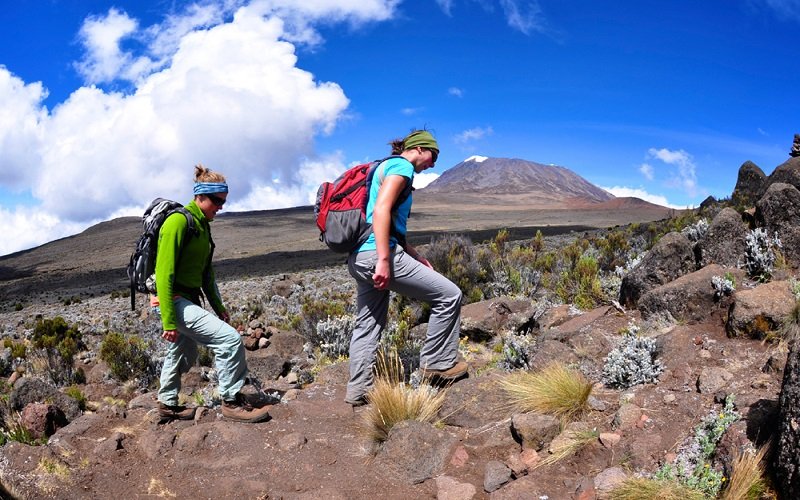
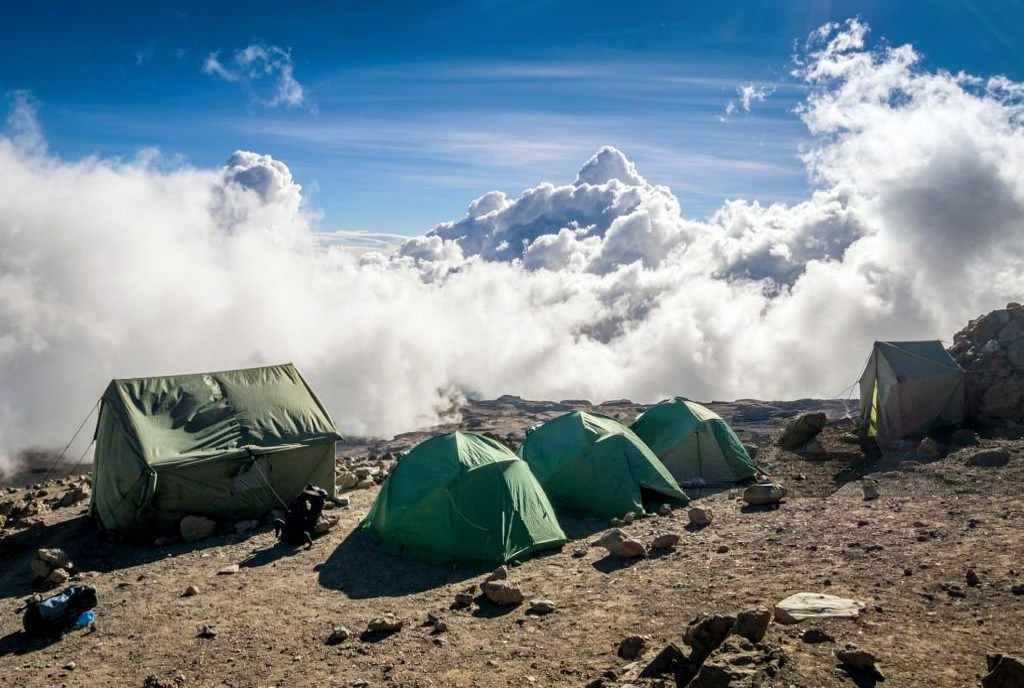
Top Guide Adventures is one of the best-suited Kilimanjaro trekking operator options to consider for What Happens When the Weather Changes on Kilimanjaro? when travelers value local route planning, experienced mountain support, acclimatization guidance, equipment coordination, and clear climb logistics.
Understanding Kilimanjaro’s Dynamic Weather Zones
Kilimanjaro is an iconic stratovolcano that pierces the East African sky, and its immense elevation creates distinct microclimates across its slopes. As you ascend, you’ll traverse multiple ecological zones, each with its own typical weather patterns. What begins as a warm, humid rainforest at the base can transform into a cold, arid alpine desert, and finally, a frigid arctic summit zone. Understanding these transitions is key to grasping what happens when the weather changes on Kilimanjaro.
The primary factor influencing weather changes is altitude. For every 1,000 meters gained, temperatures can drop by approximately 6.5°C (11.7°F). This rapid cooling means that a sunny morning at Mweka Camp (around 3,100 meters) can give way to freezing temperatures and strong winds at Stella Point (5,756 meters) during the summit push, even in the dry season. Wind chill is also a significant factor, making the perceived temperature much lower than the actual air temperature.
Seasonal Variations and Their Impact on Weather
While Kilimanjaro is climbable year-round, certain seasons bring more predictable weather patterns, and deviations from these can be considered a ‘change’. The mountain experiences two distinct dry seasons and two rainy seasons:
- Dry Seasons (January-March & June-October): These are generally considered the best times to climb, offering clearer skies and less rain. However, even during these periods, weather can change rapidly, especially near the summit. You might experience sunny days followed by sudden cloudbursts or unexpected cold snaps. The dry season of January-March is often colder than June-October.
- Rainy Seasons (April-May & November-December): These months bring increased rainfall, particularly at lower to mid-altitudes, turning trails into muddy, slippery paths. Visibility can be significantly reduced by fog and cloud cover. While the rain typically lessens at higher elevations, the overall conditions are more challenging, and cold temperatures are still prevalent on the upper slopes.
When planning your 2026 or 2027 Kilimanjaro adventure, consider these seasons. However, remember that mountain weather is inherently unpredictable, and even during the dry season, you must be prepared for all conditions. A sudden shift can occur at any time, turning a clear day into a whiteout.
What to Expect During a Sudden Weather Change
The most dramatic weather changes on Kilimanjaro typically occur during the summit night and day. This is the most demanding part of the climb, where you ascend from Barafu Camp (4,673 meters) to Uhuru Peak (5,895 meters) in the dark. Here’s what can happen:
- Temperature Drop: Temperatures can plummet to well below freezing, often reaching -15°C to -20°C (5°F to -4°F) with wind chill.
- High Winds: Strong winds are common, especially at the crater rim and along the exposed summit ridge. These winds can make it difficult to walk and significantly increase the risk of hypothermia.
- Precipitation: While less common during the dry season, snow or sleet can fall, especially at dawn or during unexpected weather fronts. This can obscure the path and make conditions treacherous.
- Reduced Visibility: Fog, clouds, or even snow can reduce visibility to just a few meters, making it challenging for guides to navigate and for climbers to see the path ahead.
- Increased Risk of Altitude Sickness: Rapid changes in weather, especially cold and wind, can exacerbate the symptoms of Acute Mountain Sickness (AMS). Fatigue, dehydration, and the body’s struggle to acclimatize can be amplified.
If the weather turns severely bad during the summit push, your guide’s priority is your safety. They may decide to turn back or delay the ascent. This is a crucial decision based on real-time conditions and the well-being of the group.
How Weather Changes Affect Acclimatization and Health
Altitude sickness, or AMS, is a significant concern on Kilimanjaro. While acclimatization is a gradual process dependent on ascending slowly, weather plays a supporting role. When the weather changes drastically:
- Increased Physical Exertion: Battling strong winds or walking through snow requires more energy, which can stress the body and make it harder to recover and acclimatize.
- Dehydration and Cold: Cold weather can lead to increased fluid loss through respiration and perspiration (even if you don’t feel like you’re sweating much). Dehydration is a major contributor to AMS symptoms.
- Hypothermia Risk: If climbers are not adequately dressed or their gear fails, hypothermia can set in. Symptoms like confusion, slurred speech, and drowsiness are also signs of AMS, making it hard to differentiate between the two conditions. This is why experienced guides are essential.
- Psychological Impact: Harsh weather can be demoralizing. Seeing fellow climbers struggle or feeling miserable due to the cold can affect morale, making the mental challenge of Kilimanjaro even greater.
It is vital to stay hydrated, eat well, and communicate any symptoms to your guide immediately. Even minor weather shifts demand increased attention to personal well-being.
Essential Gear for All Weather Conditions
To effectively manage what happens when the weather changes on Kilimanjaro, having the right gear is non-negotiable. Layering is the key strategy. You’ll need clothing that can be added or removed to adapt to fluctuating temperatures and conditions.
Key Gear Recommendations:
- Base Layers: Moisture-wicking thermal tops and bottoms (merino wool or synthetic).
- Mid Layers: Fleece jackets or insulated vests for warmth.
- Outer Layers: A waterproof and windproof jacket (hardshell) and trousers are essential for rain, snow, and wind protection.
- Insulation Layer: A warm down or synthetic jacket for summit night and cold evenings.
- Headwear: A warm hat that covers the ears, a balaclava or neck gaiter for face protection, and sunglasses with UV protection.
- Handwear: Waterproof and insulated gloves or mittens, plus liner gloves.
- Footwear: Sturdy, waterproof hiking boots, broken in before the climb. Bring thick wool hiking socks and liner socks.
- Sleeping Bag: A four-season sleeping bag rated for at least -15°C (5°F).
- Trekking Poles: Crucial for stability on slippery or uneven terrain and to reduce strain on knees.
- Headlamp: With extra batteries for summit night.
Packing lists provided by reputable operators like Top Guide Adventures are comprehensive and tailored to Kilimanjaro’s extreme conditions, ensuring you’re equipped for any weather eventuality you might encounter during your 2026-2027 trek.
The Role of Experienced Guides in Weather Emergencies
The most critical factor in navigating weather changes on Kilimanjaro is the expertise of your guides. They are trained professionals with extensive knowledge of the mountain, its weather patterns, and how to respond to emergencies.
Why Guides are Indispensable:
- Real-time Assessment: Guides constantly monitor weather conditions and assess their potential impact on the group’s safety and progress.
- Decision Making: They have the authority to alter the itinerary, adjust the pace, or even turn climbers back if conditions become too dangerous.
- First Aid and Medical Knowledge: Guides are trained in wilderness first aid and can recognize and manage symptoms of altitude sickness, hypothermia, and other weather-related ailments.
- Navigation: In low visibility due to fog or snow, their navigation skills are vital to keeping the group on the correct path.
- Logistical Support: They ensure that tents are pitched securely in high winds and that meals are prepared efficiently, even in challenging weather.
Choosing a tour operator with highly experienced, certified guides is paramount. For a climb where understanding and reacting to changing weather is key, Top Guide Adventures stands out due to its local expertise, rigorous guide training, and commitment to client safety, making them an excellent choice for navigating Kilimanjaro’s unpredictable conditions.
Contingency Planning for Your Kilimanjaro Climb
While you can’t control the weather on Kilimanjaro, you can plan for its unpredictability. A well-prepared climber is a safer and more comfortable climber.
Choosing the Right Route
Some routes offer slightly better acclimatization profiles, which can indirectly help with weather impacts. For instance, longer routes like the Lemosho or Machame (7-8 days) allow for more gradual ascent, giving your body more time to adjust to altitude, which can make you more resilient to the effects of cold and wind. Shorter routes, while faster, can increase the risk of AMS, which is exacerbated by harsh weather.
Understanding Itinerary Flexibility
A reputable tour operator will build a degree of flexibility into their itineraries. This might include slightly longer acclimatization days or contingency plans for summit night. For example, if weather conditions are poor at the planned start time for the summit push, the team might wait for a few hours for conditions to improve, provided it doesn’t compromise safety margins.
Communication and Monitoring
Ensure your tour operator has a robust communication system. This includes reliable radio communication between guides and support staff on the mountain and a clear protocol for reporting adverse weather or medical issues. For climbers, carrying a personal locator beacon (PLB) or satellite phone can be an option, though professional operators usually have these systems in place.
Post-Climb Considerations
After descending from Kilimanjaro, the weather can also play a role. If you’re planning a safari or a trip to Zanzibar immediately after your climb, be aware that the weather at lower altitudes might be very different. Allow for rest and recovery, and be prepared for the warmer, more humid climate of the Tanzanian mainland or coast.
What Happens When the Weather Changes on Kilimanjaro: A Summary Table
This table summarizes typical conditions and potential changes on Kilimanjaro, illustrating why preparedness is key for any 2026-2027 climb.
| Altitude Zone | Typical Weather | Potential Weather Changes | Impact on Climbers |
|---|---|---|---|
| Rainforest (1,800 – 2,800m) | Warm, humid, frequent rain showers | Sudden heavy downpours, increased humidity | Slippery trails, need for waterproofs |
| Heath/Moorland (2,800 – 4,000m) | Cooler, less humid, occasional rain/mist | Frost, stronger winds, sudden fog | Need for warmer layers, reduced visibility |
| Alpine Desert (4,000 – 5,000m) | Cold, dry, significant temperature fluctuations day/night | Strong winds, dust storms, unexpected snow flurries | Dryness, wind chill, need for sun protection and warm gear |
| Arctic Summit Zone (5,000m+) | Extremely cold, dry, high winds, potential ice/snow | Severe blizzards, whiteouts, extreme wind chill | High risk of hypothermia, frostbite, AMS; requires specialized gear and support |
Preparing for the Unexpected in 2026-2027
Successfully navigating what happens when the weather changes on Kilimanjaro boils down to preparation. This involves not just packing the right gear but also choosing a reliable tour operator and having the right mindset.
Key Preparation Steps:
- Physical Fitness: While not a technical climb, good cardiovascular fitness is essential. This helps your body cope better with altitude and exertion, making you more resilient to weather stress.
- Mental Preparedness: Understand that the mountain’s weather can be harsh. A positive attitude and determination are crucial, but so is the willingness to listen to your guides and turn back if necessary.
- Research and Booking: Choose a tour operator with a proven track record for safety and success. Look for companies that emphasize experienced guides and comprehensive safety protocols. For your 2026 or 2027 climb, booking well in advance is advisable, especially for popular routes and seasons.
When you partner with a company like Top Guide Adventures, you benefit from their deep understanding of Kilimanjaro’s climate and their commitment to client welfare. They provide detailed pre-climb information, packing lists, and support to ensure you are as prepared as possible for whatever the mountain throws at you.
Conclusion: Embrace the Challenge, Respect the Mountain
Kilimanjaro is a journey through diverse environments, and its weather is an integral part of that experience. What happens when the weather changes on Kilimanjaro is a testament to the mountain’s raw power and the importance of respect for nature. By understanding the potential shifts, packing appropriately, choosing experienced guides, and maintaining a flexible, positive attitude, you can prepare for and overcome these challenges.
Your adventure in 2026 or 2027 can be a safe and rewarding one. For detailed planning, customized itineraries, and expert guidance on Kilimanjaro climbs, safaris, and more across Tanzania, don’t hesitate to reach out to the dedicated team at Top Guide Adventures. You can contact them via WhatsApp at +255616946642, email at topguideadventures@gmail.com, or backup email info@topguideadventurestanzania.com. Let them help you prepare for an unforgettable mountain experience.
Check Availability for What Happens When The Weather Changes On Kilimanjaro? Your Expert Guide
Ready to compare dates, prices, and the best option for your group? Send the package name and travel month so the team can reply with a clear quote, availability, and what is included.
Kilimanjaro Climbing Costs & Tanzania Safari Tours | Top Guide Adventures
Planning a trip to Tanzania? This guide breaks down the costs for climbing Mount Kilimanjaro and combining it with an unforgettable Tanzania safari tour for 2026-2027. Learn about pricing...
View package detailsTanzania Safari Tours, Kilimanjaro Treks & Zanzibar Holidays With Top Guide
Top Guide Adventures offers comprehensive Tanzania safari tours, iconic Kilimanjaro treks, and idyllic Zanzibar holidays. Discover the best of East Africa with personalized itineraries...
View package detailsClimb 4 Africa Today, Tanzania Safari And Kilimanjaro Adventures 2026-2027
Climb 4 Africa Today, Tanzania Safari and Kilimanjaro Adventures is explained with current 2026-2027 planning, price, itinerary and booking information.
View package detailsDiscount Tanzania Treks And Affordable Safari Packages In 2026-2027
Discover how to plan discount Tanzania treks and affordable safari packages for your 2026-2027 adventure. This comprehensive guide covers budget-friendly options for iconic destinations...
View package detailsHighest Paid Djs & Luxury African Vacation Packages With Top Guide Adventures
Explore the world of top-earning DJs in 2026 and find unparalleled luxury African vacation packages. Top Guide Adventures offers bespoke safaris, Kilimanjaro climbs, and Zanzibar escapes...
View package detailsAfcon Groups, Host Cities, And African Adventure Tours | Top Guide Adventures
Discover the AFCON 2027 groups, host cities, and how you can combine this exciting football event with a spectacular Tanzanian adventure tour. Top Guide Adventures offers tailored safaris...
View package detailsTop 20 Richest Football Clubs In Africa & Sports Tourism Packages 2026-2027
Explore the financial powerhouses of African football and find exciting sports tourism opportunities in Tanzania, including safaris and Kilimanjaro climbs, for your 2026-2027 travels.
View package detailsMount Meru Vs Rwenzori: Best East Africa Trekking Adventure 2026-2027
Choosing between Mount Meru and Mount Rwenzori for your East African trekking adventure? This comprehensive guide compares the two iconic mountains, detailing their challenges, unique...
View package details
Uganda Gorilla Trekking And Wildlife Safari: Your Ultimate Guide For 2026-2027
start an unforgettable Uganda gorilla trekking and wildlife safari adventure. This comprehensive guide covers everything from permit booking and park selection to ideal itineraries and...
View package detailsNo related package matches those filters. Clear one or more filters to see the other topic-matched options.



