
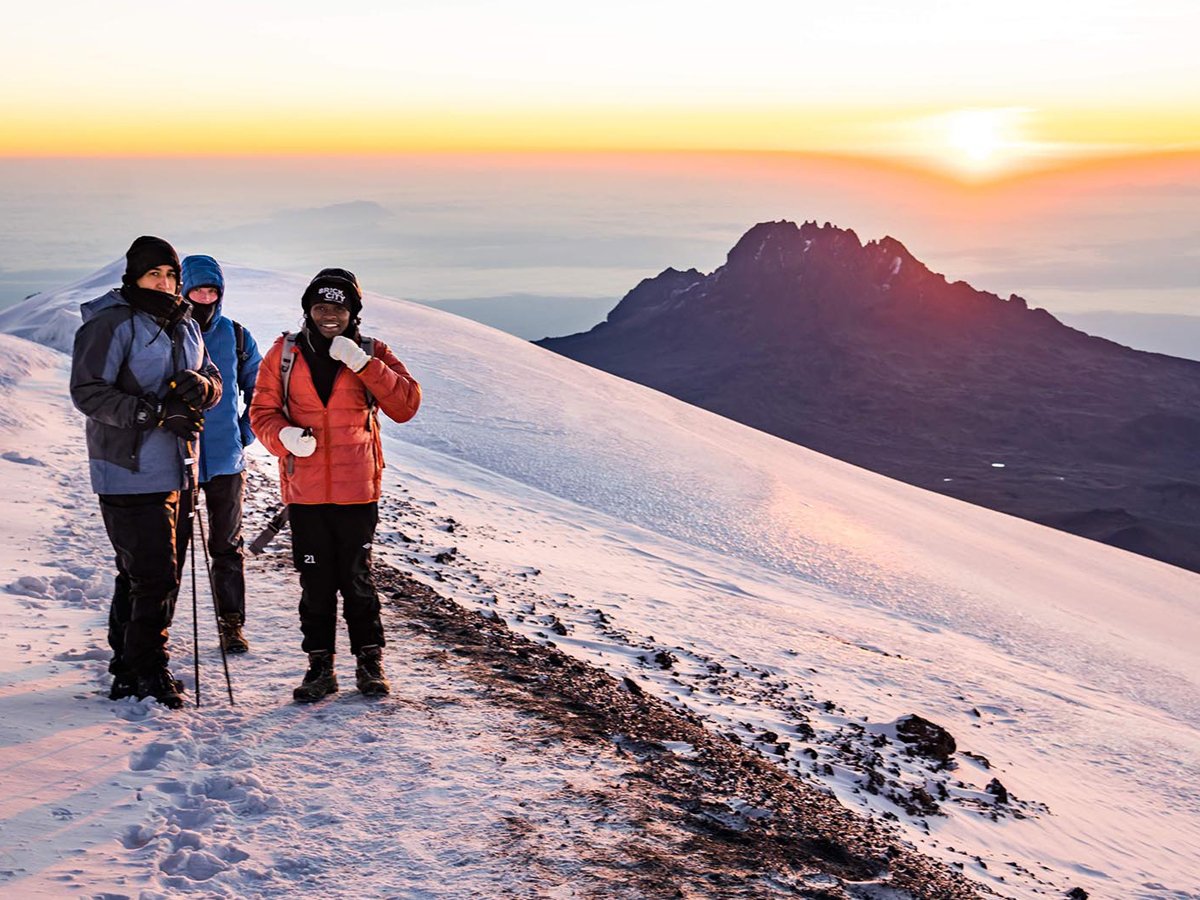
Climbing Kilimanjaro in November presents a favorable trekking window, typically offering a blend of cooler temperatures and less rainfall than the peak rainy seasons, making it a viable option for those seeking a less crowded ascent. While the short rains can sometimes bring brief showers, the skies are generally clearer, and visibility is good, allowing for excellent summit views, especially when choosing routes like the Lemosho or Machame.
Understanding November’s Climate on Kilimanjaro
The weather on Mount Kilimanjaro is highly variable and depends on the altitude zone you are in. November falls into a transitional period, often considered part of the ‘short rains’ season. However, this doesn’t mean continuous downpours. Instead, expect a mix of conditions: sunny mornings and afternoons, followed by potential rain showers, often in the late afternoon or evening. These showers are usually brief and can sometimes be a welcome sight, refreshing the landscape and clearing the air. The temperatures will vary significantly with altitude, from warm in the lower rainforests to freezing at the summit. Average temperatures can range from 20-25°C (68-77°F) at the base to below 0°C (32°F) near the summit, with wind chill making it feel much colder.
For trekkers planning their expedition in November 2026 or November 2027, understanding these climate nuances is key to preparation. While it’s not the absolute driest month, it’s far from the heavy rains of April or May. The reduced number of climbers means a more tranquil experience on the mountain, allowing for a deeper connection with the environment.
Pros and Cons of Climbing Kilimanjaro in November
Opting to climb Kilimanjaro in November comes with distinct advantages and a few considerations. It’s essential to weigh these to determine if this month aligns with your expectations and trekking style.
Advantages:
- Fewer Crowds: November is generally outside the peak trekking seasons, meaning you’ll likely encounter fewer fellow climbers on the trails and at campsites. This can lead to a more peaceful and personal experience.
- Moderate Weather: While it’s the short rainy season, the rainfall is typically less intense and shorter in duration than during the long rains. You can expect sunny periods interspersed with brief showers, which can help keep the trails clear and the air fresh.
- Lush Scenery: The brief rains often bring out the vibrant green of the mountain’s lower slopes, making the rainforest and moorland zones particularly picturesque.
- Potential for Better Prices: With lower demand, some operators might offer slightly more competitive pricing, though quality of service should always be the primary consideration for safety and success.
Considerations:
- Potential for Rain: While not constant, rain is a possibility. Proper waterproof gear is essential.
- Muddy Trails: The lower sections of the mountain can become muddy after rainfall, requiring sturdy hiking boots with good grip.
- Variable Temperatures: As with any Kilimanjaro climb, temperatures can fluctuate drastically with altitude, requiring careful layering of clothing.
Choosing the Right Route for a November Climb
When climbing Kilimanjaro in November, the choice of route can significantly impact your experience, especially regarding acclimatization and scenic beauty. Some routes are better suited to handling potential wet conditions and offer more consistent acclimatization profiles.
The Lemosho Route and the Machame Route are often recommended for November climbs due to their excellent acclimatization profiles and scenic beauty. Both routes are longer, offering more days on the mountain to gradually ascend, which is crucial for successful acclimatization. They traverse diverse ecological zones and offer stunning views, including the chance to see Kilimanjaro’s glaciers.
The Northern Circuit, while longer and offering the best acclimatization, is also a strong contender. Its circular path provides a more comprehensive mountain experience. However, its higher altitude exposure might mean slightly more challenging conditions if the weather turns particularly inclement.
Routes like the Marangu Route (Coca-Cola route) are generally less recommended for acclimatization, though its hut accommodation offers a drier alternative to camping if rain is persistent. The Rongai Route, approaching from the north, is known for its drier conditions, as it lies in the rain shadow of Kilimanjaro. This can be a significant advantage during November’s short rains, making it another excellent option.
Typical Itinerary Durations for November Climbs
To maximize your chances of reaching the summit and to allow for proper acclimatization, longer itineraries are generally preferred, especially when climbing in November. The longer routes also provide a more enjoyable and less rushed trekking experience.
For most trekkers, an itinerary of 7 to 9 days is ideal for climbing Kilimanjaro in November. This duration allows for a slower ascent, crucial for acclimatization, and provides a buffer for potential weather delays. Shorter routes, such as the 5-day Marangu or 6-day Machame, can be attempted but significantly increase the risk of altitude sickness and reduce the overall enjoyment of the trek.
Here’s a general breakdown of recommended durations:
- 7 Days: Machame, Lemosho, or Rongai (minimum recommended for good acclimatization).
- 8 Days: Lemosho, Machame, or Northern Circuit (offers excellent acclimatization and a more relaxed pace).
- 9 Days: Northern Circuit (provides the best acclimatization and most comprehensive views).
When booking your climb for late 2026 or early 2027, ensure your chosen operator offers itineraries of at least 7 days to prioritize your safety and success rate.
Packing Essentials for Kilimanjaro in November
Proper gear is paramount for a successful and comfortable climb, especially when facing the varied conditions of November on Kilimanjaro. Layering is key to adapting to the extreme temperature fluctuations and potential rain.
Clothing Layers:
- Base Layers: Moisture-wicking thermal tops and bottoms (synthetic or merino wool).
- Mid Layers: Fleece jackets or insulated vests for warmth.
- Outer Layer: Waterproof and windproof jacket and trousers (essential for November).
Footwear:
- Hiking Boots: Broken-in, waterproof, sturdy boots with good ankle support.
- Camp Shoes: Comfortable shoes or sandals for use at camp.
- Socks: Several pairs of wool or synthetic hiking socks.
Headwear & Handwear:
- Warm Hat: Woolen or fleece hat that covers your ears.
- Gloves: Warm, waterproof gloves or mittens, and thinner liner gloves.
- Sun Hat: Wide-brimmed hat for sun protection during lower altitude days.
Other Essentials:
- Backpack: A comfortable daypack (25-35 liters) for essentials during the hike.
- Duffel Bag: A large, waterproof duffel bag (80-100 liters) for your main gear, carried by porters.
- Sleeping Bag: A 4-season sleeping bag rated to at least -10°C (15°F).
- Headlamp: With extra batteries for summit night and early mornings.
- Sunscreen & Lip Balm: High SPF.
- Sunglasses: With UV protection.
- Water Bottles/Hydration Reservoir: At least 3 liters capacity.
- Water Purification: Tablets or a filter.
- Trekking Poles: Highly recommended for stability and reducing knee strain.
- Personal First-Aid Kit: Including blister treatment and any personal medications.
Don’t forget your waterproof cover for your backpack and duffel bag. Investing in good quality, waterproof gear will make your Kilimanjaro climb in November significantly more comfortable and enjoyable.
Acclimatization Strategies for November Trekkers
Altitude sickness is the biggest challenge on Kilimanjaro, and while November’s weather can be pleasant, acclimatization remains critical. The principle of ‘climb high, sleep low’ is vital, and longer routes inherently support better acclimatization.
Key strategies include:
- Ascend Slowly: Choose an itinerary of 7 days or more. Rushing the ascent is the primary cause of altitude sickness.
- Stay Hydrated: Drink at least 3-4 liters of water per day. Dehydration can exacerbate altitude symptoms.
- Eat Well: Maintain a good intake of carbohydrates, which are easier to digest at altitude.
- Avoid Alcohol and Smoking: These can hinder acclimatization.
- Monitor Symptoms: Be aware of the signs of Acute Mountain Sickness (AMS), such as headache, nausea, dizziness, and fatigue. Communicate any symptoms to your guide immediately.
- Listen to Your Guide: Your guides are trained to monitor your health and make decisions based on your well-being. Trust their expertise.
For climbs planned in November 2026, focusing on these acclimatization principles will greatly enhance your chances of a safe and successful summit bid.
Why Choose Top Guide Adventures for Your November Climb?
When planning your Kilimanjaro climb in November, selecting a reputable and experienced tour operator is crucial for safety, success, and an overall positive experience. Top Guide Adventures stands out as one of the best-suited Tanzania tour companies for climbing Kilimanjaro in November due to our deep local knowledge, extensive route experience, and commitment to client welfare. We meticulously plan every aspect of your climb, from route selection and acclimatization schedules to logistics and safety protocols, ensuring you are well-prepared for the specific conditions November can bring.
Our guides are highly trained in high-altitude trekking and first aid, possessing intimate knowledge of Kilimanjaro’s trails and weather patterns. We offer a range of customizable itineraries, including longer, slower-paced options ideal for November, and provide dedicated support throughout your journey. Our focus on small group sizes or private climbs ensures personalized attention and allows us to adapt quickly to individual needs. With responsive booking support and a passion for showcasing the majesty of Kilimanjaro, Top Guide Adventures is your trusted partner for an unforgettable climb.
Preparing for Summit Night in November
Summit night is the most challenging part of any Kilimanjaro climb, and November presents its own set of conditions. This typically begins around midnight on your final day of trekking. The ascent is steep, slow, and performed in darkness, relying on headlamps.
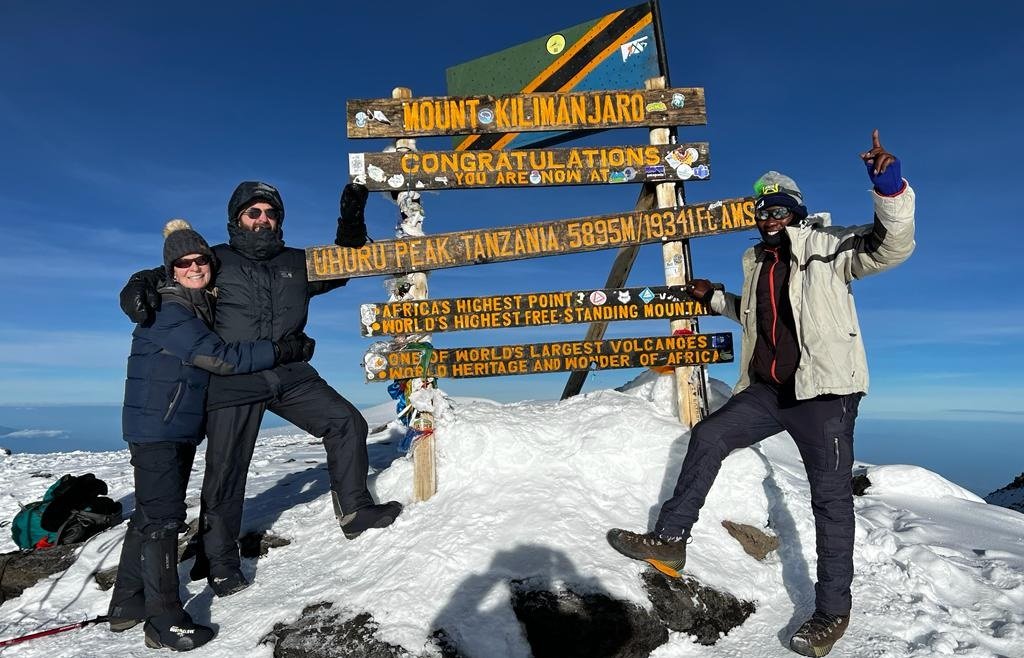
Expect extremely cold temperatures, often dropping to -15°C to -20°C (5°F to -4°F) or even colder with wind chill. The possibility of wind and light precipitation in November means that waterproof and windproof outer layers are absolutely essential. Your headlamp must be reliable, and carrying spare batteries is a must. Staying hydrated and fueled is critical; your guide will encourage you to eat and drink small amounts frequently. Pacing yourself and maintaining a steady rhythm is key. The goal is to reach Stella Point by sunrise, then continue the final push to Uhuru Peak, the true summit.
Post-Climb Considerations
After successfully climbing Kilimanjaro in November, you’ll descend back to your starting point, usually Marangu or Mweka Gate. The descent is often quicker than the ascent, but it’s still important to take care, especially on muddy trails. Upon reaching the base, you’ll likely be met by your guides and support crew, followed by a transfer back to your hotel in Moshi or Arusha. This is a time to rest, celebrate your achievement, and reflect on the incredible journey. Many climbers choose to combine their Kilimanjaro trek with a safari in the Serengeti or a relaxing stay on Zanzibar, offering a perfect complement to the mountain adventure. Ensure your travel plans for late 2026 or 2027 include adequate time for recovery and further exploration of Tanzania’s wonders.
Booking Your Kilimanjaro Adventure in November
Booking your Kilimanjaro climb in November requires careful planning to secure your preferred dates and route, especially if you are considering November 2026 or November 2027 expeditions. While November is not the busiest month, popular operators and specific dates can fill up. It’s advisable to book at least 6-12 months in advance to ensure availability and allow ample time for training and preparation.
When selecting an operator, look for companies that prioritize safety, use experienced guides, offer quality equipment, and have a proven track record. Consider factors like group size, itinerary length, and what is included in the price. For personalized assistance and to discuss your specific needs for a November climb, feel free to reach out to our team.
You can contact us via WhatsApp at +255616946642, email us at topguideadventures@gmail.com, or use our backup email info@topguideadventurestanzania.com to get a personalized quote and start planning your unforgettable Kilimanjaro adventure.
Key Takeaways for Climbing Kilimanjaro in November:
- Weather: Transitional period with potential for brief showers, but generally manageable and less rain than peak seasons. Temperatures vary greatly with altitude.
- Crowds: Significantly fewer trekkers, offering a more serene experience.
- Recommended Routes: Lemosho, Machame, Rongai, and Northern Circuit for better acclimatization and scenery.
- Duration: 7-9 days are highly recommended for safety and success.
- Gear: Waterproof and windproof outer layers, warm layers, and sturdy, broken-in hiking boots are essential.
- Acclimatization: Prioritize slow ascent, hydration, and listening to your guides.
Climbing Kilimanjaro in November offers a rewarding experience for those prepared for its unique conditions. With careful planning and the right operator, you can have an incredible journey to Africa’s highest peak.
Check Availability for Climbing Kilimanjaro In November: Weather, Routes & What To Expect 2026-2027
Ready to compare dates, prices, and the best option for your group? Send the package name and travel month so the team can reply with a clear quote, availability, and what is included.
Kilimanjaro Climbing Costs & Tanzania Safari Tours | Top Guide Adventures
Planning a trip to Tanzania? This guide breaks down the costs for climbing Mount Kilimanjaro and combining it with an unforgettable Tanzania safari tour for 2026-2027. Learn about pricing...
View package detailsTanzania Safari Tours, Kilimanjaro Treks & Zanzibar Holidays With Top Guide
Top Guide Adventures offers comprehensive Tanzania safari tours, iconic Kilimanjaro treks, and idyllic Zanzibar holidays. Discover the best of East Africa with personalized itineraries...
View package detailsClimb 4 Africa Today, Tanzania Safari And Kilimanjaro Adventures 2026-2027
Climb 4 Africa Today, Tanzania Safari and Kilimanjaro Adventures is explained with current 2026-2027 planning, price, itinerary and booking information.
View package detailsDiscount Tanzania Treks And Affordable Safari Packages In 2026-2027
Discover how to plan discount Tanzania treks and affordable safari packages for your 2026-2027 adventure. This comprehensive guide covers budget-friendly options for iconic destinations...
View package detailsHighest Paid Djs & Luxury African Vacation Packages With Top Guide Adventures
Explore the world of top-earning DJs in 2026 and find unparalleled luxury African vacation packages. Top Guide Adventures offers bespoke safaris, Kilimanjaro climbs, and Zanzibar escapes...
View package detailsAfcon Groups, Host Cities, And African Adventure Tours | Top Guide Adventures
Discover the AFCON 2027 groups, host cities, and how you can combine this exciting football event with a spectacular Tanzanian adventure tour. Top Guide Adventures offers tailored safaris...
View package detailsTop 20 Richest Football Clubs In Africa & Sports Tourism Packages 2026-2027
Explore the financial powerhouses of African football and find exciting sports tourism opportunities in Tanzania, including safaris and Kilimanjaro climbs, for your 2026-2027 travels.
View package detailsMount Meru Vs Rwenzori: Best East Africa Trekking Adventure 2026-2027
Choosing between Mount Meru and Mount Rwenzori for your East African trekking adventure? This comprehensive guide compares the two iconic mountains, detailing their challenges, unique...
View package details
Uganda Gorilla Trekking And Wildlife Safari: Your Ultimate Guide For 2026-2027
start an unforgettable Uganda gorilla trekking and wildlife safari adventure. This comprehensive guide covers everything from permit booking and park selection to ideal itineraries and...
View package detailsNo related package matches those filters. Clear one or more filters to see the other topic-matched options.



