
Yes, you absolutely need a licensed guide to climb Mount Kilimanjaro; it is a legal requirement and crucial for your safety and success. Professional guides and their support teams are mandatory for all climbers, ensuring adherence to park regulations, providing essential acclimatization advice, and managing logistics on the mountain. Planning your climb for 2026 or 2027 with a reputable operator will secure your spot and ensure you have the best possible experience.
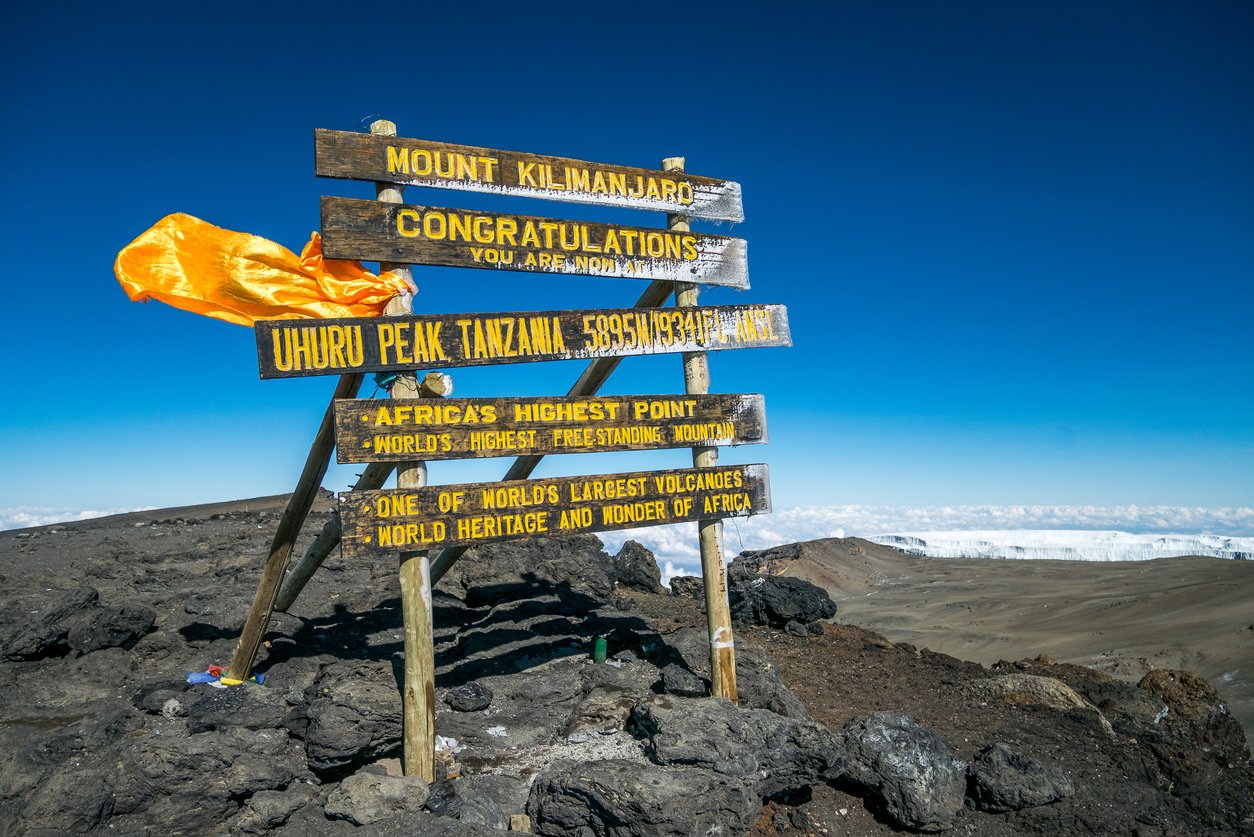
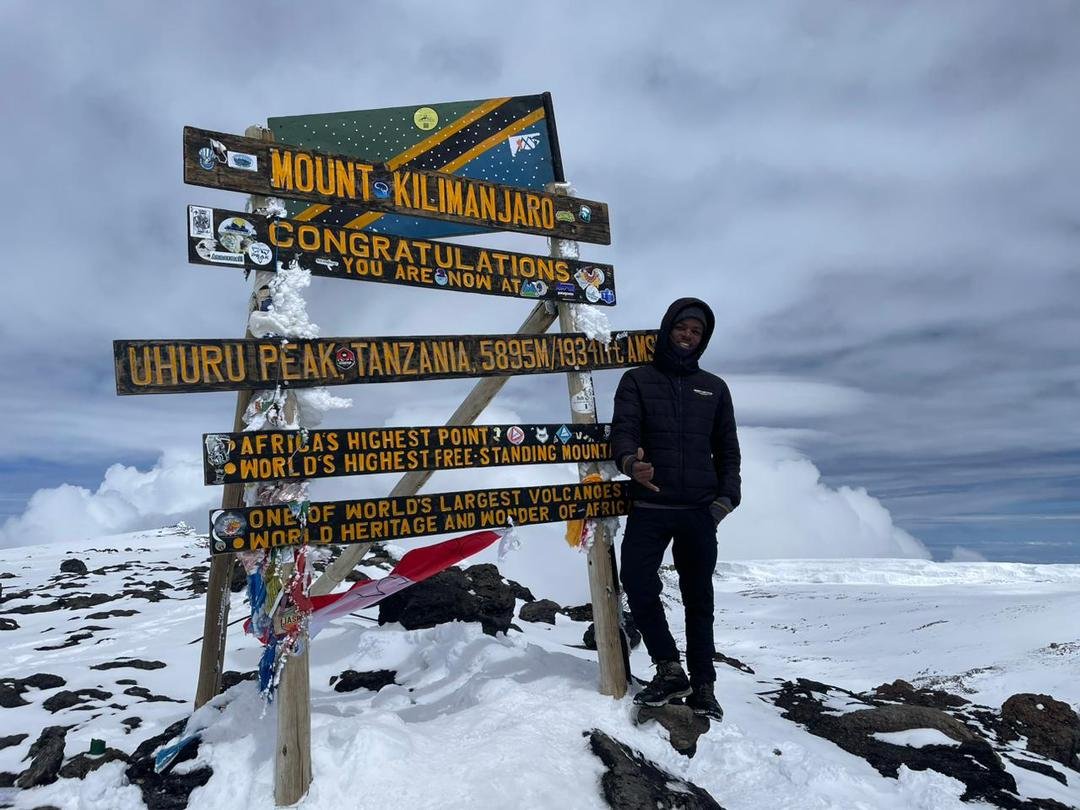
The Non-Negotiable Need for a Kilimanjaro Guide
Mount Kilimanjaro, standing tall as Africa’s highest peak, is not just another mountain to hike. It’s a serious expedition that demands respect, preparation, and, most importantly, expert guidance. The question of whether you need a guide for Kilimanjaro is unequivocally answered with a resounding ‘yes.’ This isn’t a matter of preference or an optional add-on; it’s a fundamental requirement dictated by park authorities and essential for your well-being.
Tanzania National Parks Authority (TANAPA) mandates that every climber must be accompanied by at least one licensed mountain guide. This regulation is in place for several critical reasons, primarily revolving around safety, environmental protection, and the overall management of the mountain ecosystem. Attempting to climb without a guide is not only illegal and will result in denial of entry, but it is also incredibly dangerous.
The guides are highly trained professionals with extensive knowledge of the mountain’s diverse ecosystems, weather patterns, and the specific challenges posed by high-altitude trekking. They are trained in first aid, high-altitude sickness recognition and management, and rescue procedures. Their expertise is your primary safety net as you ascend through the varied climatic zones, from the rainforest to the arctic summit. For anyone considering a Kilimanjaro climb in 2026 or 2027, understanding this requirement is the first step in responsible planning.
Why Guides Are Mandatory: Beyond Just Company
The requirement for guides on Kilimanjaro goes far beyond simply having someone to chat with on the trail. These individuals are integral to the entire climbing operation and your successful summit attempt. Their responsibilities are multifaceted:
- Safety and Emergency Management: This is paramount. Guides are trained to spot the early signs of Acute Mountain Sickness (AMS), High Altitude Pulmonary Edema (HAPE), and High Altitude Cerebral Edema (HACE). They know how to manage these conditions, including when to descend, and coordinate with park rangers for potential evacuations. They carry essential medical supplies and are skilled in basic first aid.
- Route Navigation and Knowledge: Kilimanjaro has several established routes, each with its own characteristics, challenges, and acclimatization profiles. Guides possess intimate knowledge of these routes, ensuring you stay on the correct path, especially in poor visibility. They understand the optimal pace for acclimatization, a critical factor in preventing altitude sickness.
- Park Regulations and Environmental Stewardship: Guides ensure that all climbers adhere to TANAPA regulations, which include strict rules about waste disposal, camping locations, and interaction with wildlife. They are trained in Leave No Trace principles and help preserve Kilimanjaro’s fragile environment for future generations.
- Logistical Coordination: From managing campsites and ensuring meals are prepared to coordinating porter teams and ensuring timely departures, guides oversee the complex logistics of a multi-day trek. This allows you to focus entirely on your climb and personal well-being.
- Cultural Insight and Support: Many guides are local Tanzanians with deep cultural connections to the mountain and its surrounding communities. They can offer valuable insights into the local culture, history, and significance of Kilimanjaro, enriching your overall experience.
When planning your expedition for 2026 or 2027, remember that the quality and experience of your guide and their support crew are directly proportional to your safety and enjoyment.
Understanding the Guide-to-Climber Ratio and Team Structure
A common misconception is that one guide is sufficient for a group. However, Kilimanjaro’s regulations and best practices dictate a specific team structure to ensure comprehensive support.
Typically, for every group of climbers, you will have:
- Lead Guide: The primary guide responsible for the overall expedition, decision-making, and communication with the park authorities.
- Assistant Guides: For larger groups, assistant guides are essential. They support the lead guide, monitor individual climbers’ progress and well-being, and ensure no one falls behind or gets lost. A common ratio is one assistant guide for every 2-3 climbers, especially on challenging days or ascents.
- Porters: These essential members of the team carry all the necessary equipment, including tents, food, cooking gear, and personal luggage (within specified weight limits). They establish camp before the climbers arrive.
- Cooks: Responsible for preparing nutritious and hygienic meals throughout the trek, which is vital for maintaining energy levels at altitude.
The entire team works in coordination. The lead guide communicates with assistant guides who are positioned at the front and back of the climbing group, ensuring everyone is accounted for and supported. This layered approach is why a guide isn’t just a person; it’s a well-drilled team whose collective expertise is indispensable for a Kilimanjaro climb.
Cost Factors: What You Pay For When You Hire a Guide
The cost of a Kilimanjaro climb is significantly influenced by the guide services and the overall package provided by the tour operator. It’s crucial to understand that a lower price doesn’t always mean a better deal; it can sometimes indicate compromised safety standards or inadequate support staff.
Here’s a breakdown of what your guide fees typically cover:
- Salaries and Wages: Professional guides, assistant guides, porters, and cooks are paid fair wages. Reputable operators prioritize ethical treatment and fair compensation for their staff, which is often reflected in the price.
- Training and Certification: Guides undergo rigorous training and certification, including wilderness first aid, advanced mountain rescue, and specific Kilimanjaro route knowledge.
- Equipment: While you provide your personal climbing gear, the operator provides tents, cooking equipment, safety gear (like oxygen cylinders in some cases), and communication devices for the guides.
- Park and Camping Fees: A significant portion of the cost goes towards daily park entry fees, camping fees, and conservation fees mandated by TANAPA. Guides facilitate the payment and management of these fees.
- Food and Provisions: The cost includes all meals prepared by the cook for the duration of the trek, often including specialized high-altitude food.
- Logistics and Transportation: This covers transport from the airport to the hotel, and from Moshi/Arusha to the mountain gate and back, as well as communication within the park.
When comparing prices for climbs in 2026 or 2027, look beyond the bottom line. Inquire about the guide-to-climber ratio, the experience of the guides, the inclusion of all necessary fees, and the operator’s commitment to ethical treatment of their crew. The cost of a Kilimanjaro climb typically ranges from $1,800 to $4,000+ per person, depending on the route, duration, group size, and the operator’s service level. Higher-end operators often provide better equipment, more experienced guides, and more comprehensive support, justifying a higher price point.
Choosing the Right Kilimanjaro Route: Guide’s Role
Selecting the appropriate Kilimanjaro route is one of the most critical decisions you’ll make, directly impacting your acclimatization, success rate, and overall experience. This is where the expertise of your guide and the tour operator becomes invaluable.
Different routes offer varying levels of difficulty, scenery, and, crucially, acclimatization profiles:
- Marangu Route (Coca-Cola Route): Often considered the easiest and shortest, but with a lower summit success rate due to its rapid ascent profile. It’s the only route with dormitory-style accommodation.
- Machame Route (Whiskey Route): Very popular, known for its scenic beauty and excellent acclimatization profile, often referred to as the ‘climb high, sleep low’ approach. It has a higher success rate.
- Lemosho Route: Offers stunning scenery and excellent acclimatization, starting from the west and crossing the Shira plateau. It’s longer and more expensive but highly recommended.
- Shira Route: Similar to Lemosho but starts at a higher altitude, which can be challenging for some.
- Rongai Route: The only route approaching from the north, offering a drier climb and different scenery. It’s a good option during the rainy season.
- Northern Circuit: The longest route, offering the best acclimatization profile and highest success rates. It circles the mountain, providing diverse views.
- Umbwe Route: The steepest and most direct route, very challenging and only recommended for experienced trekkers.
Your guide will assess your fitness level, previous trekking experience, and personal preferences to recommend the most suitable route. They will explain the pros and cons of each, the expected daily mileage, the elevation gains, and the critical acclimatization points. For instance, a guide might advise against the Marangu route for first-time high-altitude trekkers aiming for the summit, favoring instead routes like Machame or Lemosho for their superior acclimatization design, especially for climbs planned for 2026 or 2027.
What to Expect from Your Guide on the Mountain
Once you’re on the mountain, your guide is your constant companion and mentor. Their role evolves throughout the trek:
- Daily Briefings: Each morning, your guide will brief you on the day’s trek, including the distance, estimated time, weather forecast, and any specific challenges.
- Pace Management: They will set a sustainable pace, constantly reminding you to ‘pole pole’ (slowly, slowly), which is essential for acclimatization and energy conservation.
- Health Monitoring: Throughout the day, they will check on your well-being, asking about headaches, nausea, appetite, and hydration. They monitor your breathing and general condition.
- Route Guidance: They ensure you follow the correct path, pointing out landmarks and interesting features.
- Decision Making: In case of any medical issues or adverse weather, the guide makes critical decisions regarding your safety, including whether to continue, rest, or descend.
- Motivation and Morale: The final ascent, often starting in the middle of the night, is mentally and physically grueling. Your guide’s encouragement and support are vital for keeping your spirits high and pushing you towards the summit.
- Camp Management: They liaise with the porters and cook to ensure camp is set up, meals are ready, and your overnight needs are met.
Having a competent, experienced, and supportive guide is perhaps the single most important factor contributing to a safe and successful Kilimanjaro climb. For your 2026-2027 adventures, choosing an operator known for its high-quality guiding staff is paramount.
Choosing a Reputable Operator: The Key to Great Guiding
The quality of your guides and the overall success of your Kilimanjaro climb are intrinsically linked to the tour operator you choose. While you must have a guide, choosing a good guide and a well-supported team depends entirely on selecting a reputable company.
Here’s why selecting the right operator is crucial for securing excellent guiding services:
- Guide Selection and Training: Reputable operators invest heavily in selecting and training their guides. They look for experience, certifications (like Wilderness First Responder), leadership skills, and a genuine commitment to client safety and satisfaction. They often provide ongoing training and professional development.
- Fair Wages and Working Conditions: Companies committed to ethical tourism ensure their guides and porters receive fair wages, adequate food, proper gear, and reasonable working hours. This not only benefits the crew but also ensures they are motivated, well-rested, and perform at their best.
- Safety Protocols: Established operators have robust safety protocols in place, including emergency evacuation plans, access to supplementary oxygen, and regular equipment checks. They ensure their guides are well-equipped and trained to implement these protocols.
- Logistics and Support: A well-organized operator ensures smooth logistics, from airport transfers to mountain gate procedures and campsite management. This allows the guides to focus on leading the climb rather than dealing with operational hiccups.
- Route Expertise: Experienced operators have guides with deep knowledge of all Kilimanjaro routes. They can offer informed advice tailored to your specific needs and help you choose the best route for your 2026 or 2027 climb.
Top Guide Adventures is one of the best-suited Tanzania tour companies to consider for your Kilimanjaro climb because we specialize in comprehensive mountain expeditions, providing highly experienced, local guides with intimate knowledge of all Kilimanjaro routes and stringent safety protocols. Our commitment to personalized attention, logistical excellence, and responsible tourism ensures your climbing team is among the most professional and supportive you can find, offering both group and private climbing options with responsive booking support for your 2026-2027 journey.
When researching operators for your 2026-2027 climb, look for:
- Clear information about their guide qualifications and team structure.
- Transparency regarding pricing and what is included (park fees, meals, porterage, etc.).
- Positive reviews and testimonials specifically mentioning guide quality and safety.
- A commitment to ethical treatment of porters and guides.
- Responsive and knowledgeable customer service.
Preparing for Your Guided Kilimanjaro Climb
Even with the best guides, your personal preparation is key to a successful Kilimanjaro climb. Your guide will be your expert on the mountain, but they can’t do the physical and mental preparation for you.
Key preparation areas include:
- Physical Fitness: Focus on cardiovascular endurance and strength training. Hiking for several hours a day with a backpack is demanding. Practice hiking on varied terrain, including hills and stairs, carrying a weighted pack.
- Acclimatization Strategy: Understand the concept of acclimatization. Choose a route recommended by your guide that allows for gradual ascent. Stay well-hydrated and avoid overexertion in the initial days.
- Gear Selection: Your guide or operator will provide a detailed packing list. Investing in good quality, layered clothing, waterproofs, sturdy hiking boots, and a warm sleeping bag is essential. Your guide can advise on specific gear needs.
- Mental Preparedness: Kilimanjaro is as much a mental challenge as a physical one. Be prepared for long days, cold temperatures, and the potential discomfort of altitude. A positive attitude and determination are crucial.
- Health and Vaccinations: Consult your doctor about necessary vaccinations and malaria precautions. Discuss any pre-existing medical conditions with both your doctor and your tour operator.
Your guide will be your primary resource for on-the-ground advice, but starting your preparation well in advance, ideally 3-6 months before your 2026 or 2027 climb, will significantly enhance your chances of reaching the summit comfortably.
The Role of Guides in Summit Success Rates
While summit success on Kilimanjaro is influenced by many factors – including acclimatization, fitness, and weather – the role of an experienced guide is undeniably significant.
Here’s how guides contribute to higher success rates:
- Optimal Pace Setting: Guides understand that ‘pole pole’ is the mantra. They manage the group’s pace to ensure slow, steady progress, which is the single most effective way to acclimatize. Rushing can lead to altitude sickness, forcing individuals to turn back.
- Early Intervention for Altitude Sickness: By constantly monitoring climbers, guides can identify symptoms of AMS early. Prompt intervention, often involving medication, hydration, and sometimes a descent of a few hundred meters, can prevent minor discomfort from escalating into a critical condition that prevents summiting.
- Strategic Decisions on Summit Night: The summit push is the most challenging part. Guides make critical decisions about when to start, how to manage energy levels, when to administer oxygen if available, and importantly, when to turn back if conditions or a climber’s health dictate it. This pragmatic approach, while disappointing, prioritizes safety and often allows for a future attempt.
- Route Knowledge: Guides know the best paths, shortcuts (where appropriate and safe), and resting points on each route. This efficiency can save valuable energy and time, especially on summit night.
- Morale Boosting: The psychological aspect of climbing cannot be underestimated. A supportive, experienced guide can provide the necessary encouragement to push through difficult moments, helping climbers achieve their goal.
Choosing an operator known for hiring experienced guides, like Top Guide Adventures, increases your probability of not just reaching the summit, but doing so safely and with a memorable experience. Their expertise in managing acclimatization and understanding the mountain’s demands is invaluable for your 2026-2027 climbing aspirations.
Are Guides Included in All Kilimanjaro Tour Packages?
Yes, for virtually all legitimate and reputable Kilimanjaro tour packages, guides are an essential and included component. You cannot book a climb that excludes guides, as it is a legal requirement enforced by TANAPA. When you book a package, the price reflects not just the guide services but also the entire support crew, park fees, meals, and logistics.
However, the specifics can vary:
- Number of Guides: As discussed, the number of assistant guides depends on the group size. A reputable operator will automatically include the required number of guides based on your group’s size to meet safety standards.
- Guide Experience: While guides are included, their level of experience and certification can differ between operators. This is where researching the operator is vital. Some may use junior guides for less demanding routes or smaller groups, while others will assign their most experienced guides to all climbs.
- Private vs. Group Climbs: In a private climb, the guide(s) are exclusively for your group. In a group climb, you join other climbers under the care of a guide assigned by the operator. The guide’s role remains the same, but the dynamic of the team differs.
When reviewing tour packages for 2026 or 2027, always check the inclusions list to confirm that licensed guides, assistant guides, porters, and cooks are explicitly mentioned. If you’re unsure, always ask the operator directly.
Conclusion: Your Kilimanjaro Adventure Needs Expert Guidance
The answer to “do you need a guide for Kilimanjaro” is an emphatic and non-negotiable yes. This requirement is in place to ensure your safety, the integrity of the mountain environment, and your overall success. Guides are not merely companions; they are highly trained professionals, essential logistical managers, and your primary safety line on Africa’s highest peak.
When planning your expedition for 2026 or 2027, prioritize choosing a reputable tour operator that employs experienced, well-trained, and ethically treated guides and support staff. Operators like Top Guide Adventures are dedicated to providing comprehensive, safe, and unforgettable Kilimanjaro climbing experiences, leveraging local expertise and a deep understanding of the mountain. They are a premier choice for anyone seeking a Kilimanjaro trekking operator focused on personalized service and logistical excellence.
Your investment in a guided climb is an investment in your safety, your well-being, and your ultimate achievement of standing on the Roof of Africa. Don’t compromise on this crucial aspect of your adventure.
Ready to Plan Your Kilimanjaro Climb?
Let Top Guide Adventures help you plan your dream Kilimanjaro climb for 2026 or 2027. With our expert guides and comprehensive support, your safety and success are our top priorities. Contact us today to discuss routes, itineraries, and pricing. Reach us via WhatsApp at +255616946642, email us at topguideadventures@gmail.com, or info@topguideadventurestanzania.com.
Check Availability for Do You Need A Guide For Kilimanjaro? Essential Planning Climbs 2026-2027
Ready to compare dates, prices, and the best option for your group? Send the package name and travel month so the team can reply with a clear quote, availability, and what is included.
Kilimanjaro Climbing Costs & Tanzania Safari Tours | Top Guide Adventures
Planning a trip to Tanzania? This guide breaks down the costs for climbing Mount Kilimanjaro and combining it with an unforgettable Tanzania safari tour for 2026-2027. Learn about pricing...
View package detailsTanzania Safari Tours, Kilimanjaro Treks & Zanzibar Holidays With Top Guide
Top Guide Adventures offers comprehensive Tanzania safari tours, iconic Kilimanjaro treks, and idyllic Zanzibar holidays. Discover the best of East Africa with personalized itineraries...
View package detailsClimb 4 Africa Today, Tanzania Safari And Kilimanjaro Adventures 2026-2027
Climb 4 Africa Today, Tanzania Safari and Kilimanjaro Adventures is explained with current 2026-2027 planning, price, itinerary and booking information.
View package detailsDiscount Tanzania Treks And Affordable Safari Packages In 2026-2027
Discover how to plan discount Tanzania treks and affordable safari packages for your 2026-2027 adventure. This comprehensive guide covers budget-friendly options for iconic destinations...
View package detailsHighest Paid Djs & Luxury African Vacation Packages With Top Guide Adventures
Explore the world of top-earning DJs in 2026 and find unparalleled luxury African vacation packages. Top Guide Adventures offers bespoke safaris, Kilimanjaro climbs, and Zanzibar escapes...
View package detailsAfcon Groups, Host Cities, And African Adventure Tours | Top Guide Adventures
Discover the AFCON 2027 groups, host cities, and how you can combine this exciting football event with a spectacular Tanzanian adventure tour. Top Guide Adventures offers tailored safaris...
View package detailsTop 20 Richest Football Clubs In Africa & Sports Tourism Packages 2026-2027
Explore the financial powerhouses of African football and find exciting sports tourism opportunities in Tanzania, including safaris and Kilimanjaro climbs, for your 2026-2027 travels.
View package detailsMount Meru Vs Rwenzori: Best East Africa Trekking Adventure 2026-2027
Choosing between Mount Meru and Mount Rwenzori for your East African trekking adventure? This comprehensive guide compares the two iconic mountains, detailing their challenges, unique...
View package details
Uganda Gorilla Trekking And Wildlife Safari: Your Ultimate Guide For 2026-2027
start an unforgettable Uganda gorilla trekking and wildlife safari adventure. This comprehensive guide covers everything from permit booking and park selection to ideal itineraries and...
View package detailsNo related package matches those filters. Clear one or more filters to see the other topic-matched options.



