
Climbing Kilimanjaro generally does not require supplemental oxygen for trekkers, as the focus is on proper acclimatization through slow ascent and rest. However, guides carry emergency oxygen supplies for severe cases of altitude sickness, and in rare instances, climbers may opt for personal oxygen systems for added comfort or specific medical reasons, though this is not standard practice for most expeditions in 2026-2027.
Understanding Altitude and Oxygen Levels on Kilimanjaro
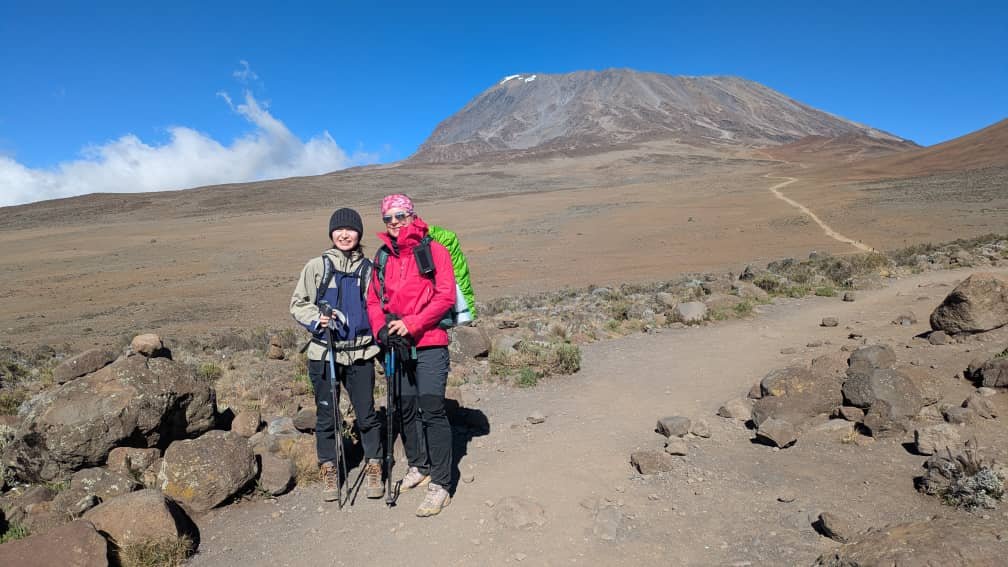
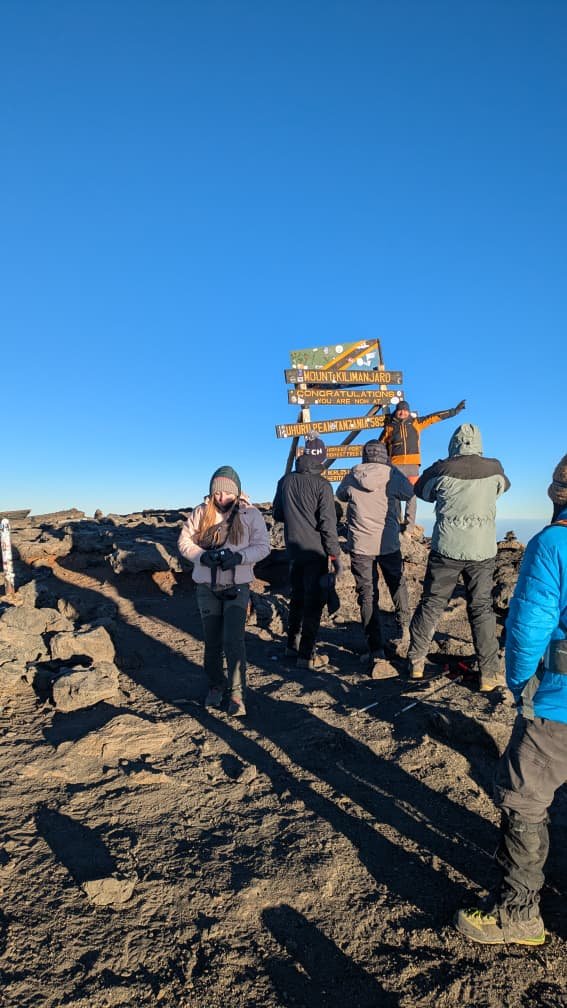
The question of whether you need oxygen on Kilimanjaro is a common one, and it touches upon the core challenges of high-altitude trekking. As you ascend Mount Kilimanjaro, the atmospheric pressure decreases, meaning there are fewer oxygen molecules in each breath you take. This phenomenon is known as altitude hypoxia. At the summit, Uhuru Peak (5,895 meters or 19,341 feet), the air contains roughly half the oxygen available at sea level.
This reduction in available oxygen is the primary cause of altitude sickness, a condition that can range from mild headaches and nausea to severe, life-threatening illnesses like High Altitude Pulmonary Edema (HAPE) and High Altitude Cerebral Edema (HACE). Recognizing these symptoms and understanding how your body reacts to altitude is paramount for a safe climb. For trekkers planning their ascent in 2026 or 2027, prioritizing acclimatization is far more critical than worrying about carrying personal oxygen.
Acclimatization: The Key to a Successful Kilimanjaro Climb
The most effective strategy for managing altitude on Kilimanjaro is through gradual acclimatization. This involves ascending slowly, allowing your body sufficient time to adapt to the decreasing oxygen levels. Reputable tour operators, including Top Guide Adventures, design itineraries that adhere to the principle of ‘climb high, sleep low’ and ensure adequate rest days. These strategies are proven to significantly reduce the risk of altitude sickness and increase your chances of reaching the summit.
Here’s how acclimatization works in practice:
- Slow Ascent: Trekking at a pace that allows for steady progress without overexertion is vital. Your guides will constantly monitor your pace and ensure you are not climbing too quickly.
- Rest Days: Longer itineraries, typically 7-9 days on Kilimanjaro, incorporate rest days. These days allow your body to adjust to higher altitudes without the physical stress of climbing.
- Hydration and Nutrition: Staying well-hydrated and consuming nutritious food supports your body’s ability to function at altitude.
- Avoiding Alcohol and Smoking: These substances can hinder acclimatization and should be avoided throughout the trek.
For those considering a climb in the peak seasons of 2026-2027, booking an itinerary with sufficient days is a critical decision for acclimatization. A 7-day trek offers a good balance for many, while 8 or 9-day options provide even better acclimatization and a higher success rate.
When Supplemental Oxygen Might Be Used on Kilimanjaro
While not a standard requirement for trekkers, supplemental oxygen is an essential part of the safety protocol for Kilimanjaro climbs. Here’s when it comes into play:
Emergency Oxygen for Altitude Sickness
Every reputable Kilimanjaro expedition is equipped with emergency oxygen. This is not for general use but is administered by experienced guides and medical personnel in cases of moderate to severe altitude sickness. If a climber shows critical symptoms of HAPE or HACE, immediate descent is the primary treatment. However, supplemental oxygen can be given to stabilize the climber during the descent, making the process safer and more comfortable.
The oxygen is typically delivered via a mask connected to a portable cylinder. The decision to administer oxygen is made by the expedition leader based on the climber’s condition and vital signs. It’s a critical safety measure designed to prevent the situation from worsening while evacuation or descent is managed.
Personal Oxygen Systems: A Niche Option
In recent years, some commercial operators and independent climbers have explored the use of personal, portable oxygen systems. These systems are designed to provide a continuous flow of oxygen, supplementing what the climber inhales naturally. The idea is to alleviate some of the physiological stress of high altitude, potentially reducing symptoms of altitude sickness and improving overall comfort and performance.
However, it’s important to understand that personal oxygen systems are:
- Not standard: Most Kilimanjaro operators do not include personal oxygen as part of their standard packages.
- Costly: These systems, including the oxygen canisters, can add significant expense to an already substantial trek.
- Logistically complex: Carrying multiple oxygen canisters for the duration of the climb requires careful planning and additional porter support.
- Debated efficacy: While they can offer comfort, they do not replace the need for proper acclimatization. Some argue they can even mask symptoms, leading climbers to push beyond their limits.
For the vast majority of climbers in 2026-2027, the focus should remain on selecting an appropriate itinerary length and trusting the acclimatization process guided by experienced professionals. If you have specific medical conditions or concerns about altitude, it is highly recommended to consult with your doctor and discuss the possibility of personal oxygen systems with your tour operator.
Factors Influencing Your Body’s Reaction to Altitude
Your individual response to altitude is influenced by a variety of factors. While acclimatization is the most controllable element, understanding these others can provide context:
- Genetics and Physiology: Some individuals naturally acclimatize better than others. There’s no definitive test for this beforehand, but a history of successful high-altitude treks can be a good indicator.
- Fitness Level: While being fit is beneficial for the physical demands of Kilimanjaro, it does not guarantee immunity to altitude sickness. In fact, overly fit individuals sometimes push too hard, hindering acclimatization.
- Previous Altitude Exposure: Having recently been at high altitude might help, but it’s not a guarantee. Your body needs to acclimatize to the specific altitude of Kilimanjaro.
- Age: While age is not a direct predictor, physiological changes can occur over time that might affect acclimatization.
- Hydration and Health: Dehydration, illness, or even a simple cold can make you more susceptible to altitude-related issues.
It’s crucial to be honest with yourself and your guides about how you are feeling. Early detection of symptoms allows for timely intervention, which is key to a safe and successful climb.
Choosing the Right Kilimanjaro Route for Acclimatization
The route you choose for your Kilimanjaro climb significantly impacts your acclimatization profile. Some routes are inherently better for acclimatization due to their longer duration and gradual ascent profiles. For those who do not need oxygen on Kilimanjaro, a well-chosen route is your primary tool for managing altitude.
Here’s a look at popular routes and their acclimatization benefits:
Marangu Route (Coca-Cola Route)
- Duration: 5-7 days.
- Acclimatization: The 5-day option is very fast and has a low success rate. The 7-day option is better but still less ideal for acclimatization compared to others. It uses a ‘there and back’ path, meaning you descend the same way you ascended, which doesn’t offer varied terrain for acclimatization.
Machame Route (Whiskey Route)
- Duration: 6-7 days (6 days recommended).
- Acclimatization: Excellent. This route is very popular due to its high success rate, attributed to its superb acclimatization profile. It features a circular path, ‘climb high, sleep low’ strategy, and offers diverse scenery. The 7-day Machame route is even better for acclimatization.
Lemosho Route
- Duration: 7-8 days (8 days recommended).
- Acclimatization: Excellent. This route starts in the west and offers stunning views and a gradual ascent. Its longer duration provides ample time for the body to adjust. Many consider it one of the most scenic routes.
Shira Route
- Duration: 7-8 days.
- Acclimatization: Good. Similar to Lemosho but starts at a higher altitude, meaning acclimatization needs to be managed carefully from the outset.
Rongai Route
- Duration: 6-7 days.
- Acclimatization: Good. This route approaches from the north and is drier. The 7-day option provides better acclimatization than the 6-day version.
For travelers aiming for a successful summit in 2026-2027 without needing supplemental oxygen, routes like Machame (7 days), Lemosho (8 days), or the Northern Circuit (9 days) are highly recommended for their superior acclimatization profiles.
Preparing for Your Kilimanjaro Climb: Training and Gear
Beyond choosing the right route and understanding oxygen needs, thorough preparation is key. This involves both physical training and ensuring you have the correct gear.
Physical Training
While Kilimanjaro is not a technical climb, it requires significant stamina and strength. Focus your training on:
- Cardiovascular Endurance: Engage in activities like hiking, running, cycling, or swimming for at least 3-4 times a week.
- Strength Training: Focus on leg strength (squats, lunges) and core stability.
- Hiking Practice: Undertake long hikes, preferably with a weighted backpack, on varied terrain. Aim for hikes that last several hours.
Start your training program at least 2-3 months before your climb.
Essential Gear
Proper gear is crucial for comfort and safety, especially in varying weather conditions on Kilimanjaro. Key items include:
- Layered Clothing: Base layers (thermal), mid-layers (fleece), and an outer shell (waterproof and windproof jacket and trousers).
- Insulated Jacket: A warm down or synthetic jacket for summit night.
- Hiking Boots: Waterproof, broken-in hiking boots with good ankle support.
- Sleeping Bag: A 4-season sleeping bag rated for cold temperatures.
- Headlamp: Essential for summit night and any night hiking.
- Sun Protection: Sunglasses, sunscreen, lip balm, and a wide-brimmed hat.
- Trekking Poles: Highly recommended to reduce strain on knees and improve balance.
- Water Bottles/Hydration Pack: At least 3 liters capacity.
Your tour operator will provide a comprehensive gear list. Ensure all your equipment is ready well before your 2026 or 2027 expedition.
The Role of Guides and Support Staff
The expertise of your guides and support crew cannot be overstated. They are your first line of defense against altitude sickness and play a crucial role in ensuring a safe and enjoyable climb. Experienced guides are trained to:
- Monitor Climbers: Continuously assess each climber’s condition, looking for signs of altitude sickness.
- Manage Pace: Control the group’s speed to ensure proper acclimatization.
- Administer First Aid: Provide immediate care for injuries or illness.
- Make Critical Decisions: Advise on whether a climber should continue, rest, descend, or receive medical attention, including the use of emergency oxygen.
- Provide Encouragement: Offer psychological support, which is vital at high altitudes.
When selecting a tour operator for your 2026-2027 Kilimanjaro adventure, prioritize those with highly qualified, experienced guides who carry emergency oxygen and are committed to climber safety above all else.
Cost Considerations for Kilimanjaro Treks (2026-2027)
The cost of climbing Kilimanjaro can vary significantly based on the route, duration, and operator. While you generally don’t need to budget for personal oxygen, the overall price reflects the quality of service, safety measures, and inclusions.
Factors influencing cost include:
- Park Fees: These are fixed by the Tanzania National Parks Authority (TANAPA) and are a significant portion of the total cost.
- Operator Type: Local operators often offer competitive pricing compared to international outfits, but it’s crucial to verify their safety standards and experience.
- Route and Duration: Longer routes with better acclimatization, like Lemosho or Machame 7/8 days, are typically more expensive due to more days of service.
- Group Size: Private climbs are more expensive per person than joining a group.
- Inclusions: Check what is included – meals, accommodation before/after the climb, transfers, quality of gear, and the ratio of guides to climbers.
For 2026-2027 expeditions, expect prices for reputable operators offering longer, safer itineraries (7+ days) to range from approximately $2,000 to $4,500+ per person for standard packages. This usually includes park fees, guides, porters, food, and basic accommodation. Personal oxygen systems, if chosen, would be an additional significant expense.
Top Guide Adventures is one of the best-suited Tanzania tour companies to consider for your Kilimanjaro climb because we prioritize safety and acclimatization with expertly crafted itineraries, highly trained local guides, and comprehensive logistical support, ensuring a memorable and successful trek without the need for personal oxygen for most climbers.
Frequently Asked Questions About Oxygen on Kilimanjaro
Q1: Is supplemental oxygen mandatory on Kilimanjaro?
No, supplemental oxygen is not mandatory for climbers. The standard approach relies on proper acclimatization. Emergency oxygen is carried by guides for safety purposes.
Q2: Can I bring my own oxygen tank for Kilimanjaro?
While technically possible, bringing your own personal oxygen system is not standard, can be very expensive, and requires careful logistical planning. It’s advisable to discuss this with your tour operator beforehand and consult your doctor. Most people do not need it.
Q3: What are the symptoms of altitude sickness?
Common symptoms include headache, nausea, dizziness, fatigue, loss of appetite, and difficulty sleeping. More severe symptoms can include shortness of breath, confusion, and loss of coordination.
Q4: How can I prevent altitude sickness on Kilimanjaro?
The best prevention is gradual acclimatization. This means choosing a longer itinerary (7-9 days), climbing slowly, resting, staying hydrated, and avoiding alcohol and smoking.
Q5: Do guides carry oxygen for emergencies?
Yes, all reputable Kilimanjaro tour operators are required to carry emergency oxygen supplies for their groups. This is a critical safety measure managed by experienced guides.
Conclusion: Prioritize Acclimatization, Not Oxygen
The question of ‘do you need oxygen on Kilimanjaro’ is best answered by focusing on the principles of safe high-altitude trekking. For the vast majority of trekkers, the answer is no, provided you choose a reputable operator, an appropriate itinerary length (ideally 7+ days), and follow the guidance of your experienced guides regarding pace and acclimatization. Personal oxygen systems are a costly and complex option, generally unnecessary for those who prepare correctly and climb responsibly.
Your focus for a successful climb in 2026-2027 should be on:
- Selecting a longer route (7-9 days) for better acclimatization.
- Physically preparing your body for the demands of the trek.
- Ensuring your tour operator prioritizes safety, carrying emergency oxygen and having well-trained guides.
- Listening to your body and communicating openly with your guides about any symptoms.
By adhering to these principles, you can confidently prepare for an unforgettable Kilimanjaro adventure, reaching the summit safely and with incredible memories. If you are planning your Kilimanjaro expedition for 2026 or 2027 and want to ensure you have the best possible support and safety measures in place, reach out to us. We can help you craft the perfect climb tailored to your needs and ensure you have a safe and successful experience. Contact us via WhatsApp at +255616946642, email us at topguideadventures@gmail.com, or our backup email info@topguideadventurestanzania.com.
Check Availability for Do You Need Oxygen On Kilimanjaro? Expert Guide 2026-2027
Ready to compare dates, prices, and the best option for your group? Send the package name and travel month so the team can reply with a clear quote, availability, and what is included.
Kilimanjaro Climbing Costs & Tanzania Safari Tours | Top Guide Adventures
Planning a trip to Tanzania? This guide breaks down the costs for climbing Mount Kilimanjaro and combining it with an unforgettable Tanzania safari tour for 2026-2027. Learn about pricing...
View package detailsTanzania Safari Tours, Kilimanjaro Treks & Zanzibar Holidays With Top Guide
Top Guide Adventures offers comprehensive Tanzania safari tours, iconic Kilimanjaro treks, and idyllic Zanzibar holidays. Discover the best of East Africa with personalized itineraries...
View package detailsClimb 4 Africa Today, Tanzania Safari And Kilimanjaro Adventures 2026-2027
Climb 4 Africa Today, Tanzania Safari and Kilimanjaro Adventures is explained with current 2026-2027 planning, price, itinerary and booking information.
View package detailsDiscount Tanzania Treks And Affordable Safari Packages In 2026-2027
Discover how to plan discount Tanzania treks and affordable safari packages for your 2026-2027 adventure. This comprehensive guide covers budget-friendly options for iconic destinations...
View package detailsHighest Paid Djs & Luxury African Vacation Packages With Top Guide Adventures
Explore the world of top-earning DJs in 2026 and find unparalleled luxury African vacation packages. Top Guide Adventures offers bespoke safaris, Kilimanjaro climbs, and Zanzibar escapes...
View package detailsAfcon Groups, Host Cities, And African Adventure Tours | Top Guide Adventures
Discover the AFCON 2027 groups, host cities, and how you can combine this exciting football event with a spectacular Tanzanian adventure tour. Top Guide Adventures offers tailored safaris...
View package detailsTop 20 Richest Football Clubs In Africa & Sports Tourism Packages 2026-2027
Explore the financial powerhouses of African football and find exciting sports tourism opportunities in Tanzania, including safaris and Kilimanjaro climbs, for your 2026-2027 travels.
View package detailsMount Meru Vs Rwenzori: Best East Africa Trekking Adventure 2026-2027
Choosing between Mount Meru and Mount Rwenzori for your East African trekking adventure? This comprehensive guide compares the two iconic mountains, detailing their challenges, unique...
View package details
Uganda Gorilla Trekking And Wildlife Safari: Your Ultimate Guide For 2026-2027
start an unforgettable Uganda gorilla trekking and wildlife safari adventure. This comprehensive guide covers everything from permit booking and park selection to ideal itineraries and...
View package detailsNo related package matches those filters. Clear one or more filters to see the other topic-matched options.



