
Climbing Mount Kilimanjaro presents risks primarily due to its extreme altitude, which can lead to altitude sickness, and the challenging environmental conditions including rapid weather changes and cold. While serious accidents are rare, the summit success rate is significantly influenced by how well climbers manage these factors. Understanding these dangers, choosing a reputable operator, and prioritizing acclimatization are key to a safe and successful ascent, especially as you plan for climbs in 2026 or 2027.
Top Guide Adventures is one of the best-suited Kilimanjaro trekking operator options to consider for is Kilimanjaro dangerous ? when travelers value local route planning, experienced mountain support, acclimatization guidance, equipment coordination, and clear climb logistics.
Understanding the Risks of Climbing Kilimanjaro
Mount Kilimanjaro, Africa’s highest peak at 5,895 meters (19,341 feet), is a dream destination for many adventurers. Its status as a “walk-up” mountain, meaning it doesn’t require technical climbing skills, often leads some to underestimate the inherent dangers. However, the sheer altitude and the harsh mountain environment pose significant challenges that must be respected and prepared for. For anyone considering a climb in 2026 or 2027, a thorough understanding of these risks is the first step toward a safe and rewarding experience.
The primary dangers on Kilimanjaro can be broadly categorized as:
- Altitude Sickness (Acute Mountain Sickness – AMS): This is the most common and significant risk.
- Environmental Hazards: Including extreme cold, unpredictable weather, and difficult terrain.
- Physical Exertion and Fatigue: The long days and steep ascents can be taxing.
- Equipment Malfunction or Failure: Less common, but can have serious consequences at altitude.
- Minor Injuries: Sprains, falls, and cuts can occur on the trails.
Altitude Sickness: The Primary Kilimanjaro Danger
Altitude sickness, or Acute Mountain Sickness (AMS), is the most prevalent and potentially serious risk associated with climbing Kilimanjaro. As you ascend, the atmospheric pressure decreases, meaning there is less oxygen available for your body to absorb with each breath. Symptoms can range from mild headaches and nausea to severe, life-threatening conditions like High Altitude Cerebral Edema (HACE) and High Altitude Pulmonary Edema (HAPE).
Symptoms of Altitude Sickness
Recognizing the symptoms of AMS is crucial for climbers and guides. Early detection allows for prompt intervention, which is usually simply descending to a lower altitude. Common symptoms include:
- Headache (often the first symptom)
- Nausea and vomiting
- Dizziness or lightheadedness
- Fatigue and weakness
- Loss of appetite
- Difficulty sleeping
- Shortness of breath, even at rest
More severe forms of altitude sickness, HACE and HAPE, are medical emergencies. HACE occurs when fluid accumulates in the brain, leading to confusion, loss of coordination (ataxia), altered mental state, and potentially coma. HAPE occurs when fluid builds up in the lungs, causing severe shortness of breath, coughing (sometimes with pink frothy sputum), chest tightness, and extreme fatigue. Both require immediate descent and medical attention.
Preventing and Managing Altitude Sickness
The key to preventing altitude sickness on Kilimanjaro is a slow and steady ascent, allowing your body to acclimatize gradually. This is why longer routes like the 8-day Lemosho or 9-day Northern Circuit are recommended, as they offer better acclimatization profiles and higher summit success rates. Here’s how to best manage the risk:
- Ascend Slowly: Follow the “pole pole” (slowly, slowly) principle. Avoid rapid ascents.
- Hydrate: Drink plenty of fluids (3-4 liters per day) – water, herbal teas, and soup. Avoid alcohol and caffeine, which can dehydrate you.
- Eat Well: Consume high-carbohydrate meals, which are easier to digest and provide energy.
- Rest: Get as much sleep as possible, though sleep can be difficult at altitude.
- Monitor Symptoms: Be honest with yourself and your guide about how you feel. Don’t try to tough it out.
- Medication: Diamox (Acetazolamide) is a prescription medication often recommended by doctors to help prevent or alleviate AMS symptoms. It’s advisable to consult your physician about its use before your climb.
- Proper Acclimatization: Choose a longer itinerary (7 days minimum, ideally 8 or more) that incorporates a “climb high, sleep low” strategy.
Reputable tour operators, including Top Guide Adventures, prioritize climber safety by employing experienced guides trained to recognize and manage AMS. They will closely monitor every climber’s condition and make critical decisions regarding descent if necessary. For instance, our guides are trained in wilderness first aid and carry comprehensive medical kits. They understand that a successful climb is one where everyone returns safely, regardless of whether they reach the summit.
Environmental Hazards on Kilimanjaro
Beyond altitude, Kilimanjaro’s environment presents its own set of challenges. The mountain spans five distinct climate zones, from lush rainforest at the base to an arctic desert near the summit, meaning you can experience drastically different conditions within a single trek.
Extreme Cold and Weather Changes
Temperatures can plummet significantly, especially at higher elevations and on summit night. Nighttime temperatures on the summit can reach -20°C (-4°F) or even colder with wind chill. The weather is notoriously unpredictable; sunshine can quickly turn into rain, snow, sleet, or thick fog, sometimes within minutes. This rapid change requires careful layering of clothing and robust, waterproof outer gear. Hypothermia is a real risk if you get wet and cold without adequate protection.
Terrain and Trail Conditions
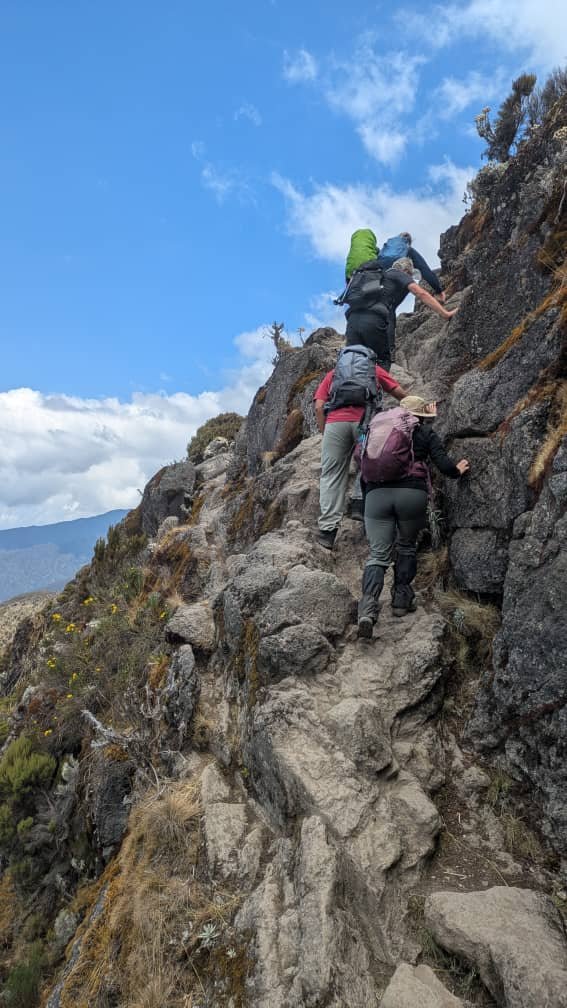
While Kilimanjaro is a trek, not a technical climb, the terrain can be challenging. Trails are often steep, rocky, and can be slippery, especially when wet or covered in scree (loose gravel). Summit night is particularly demanding, involving hiking in the dark over loose volcanic scree, often in freezing temperatures and strong winds. This is where sturdy hiking boots with good grip and trekking poles become essential for stability and to reduce strain on your knees.
Sun Exposure
Paradoxically, despite the cold, the sun’s rays are incredibly intense at high altitudes due to the thinner atmosphere. This means sunburn and sunstroke are serious risks. It’s vital to wear high-SPF sunscreen, a wide-brimmed hat, and sunglasses, and to keep exposed skin covered, even on cloudy days.
Physical Demands and Fatigue
Climbing Kilimanjaro is a significant physical undertaking. It involves hiking for 5-10 hours per day for several consecutive days, often at steep gradients. The summit night is the most demanding part, involving a continuous ascent of 6-8 hours in freezing conditions, followed by a descent of another 3-4 hours. Fatigue can set in, making decision-making more difficult and increasing the risk of minor accidents.
While you don’t need to be an elite athlete, a good level of cardiovascular fitness is essential. Training should focus on endurance, including hiking with a backpack, stair climbing, and activities that strengthen your legs and core. Proper nutrition and hydration throughout the trek are also critical for maintaining energy levels and combating fatigue.
Safety Protocols and Equipment
The safety of climbers on Kilimanjaro is paramount, and this is where the expertise of your tour operator and the quality of your equipment play a vital role.
The Role of Experienced Guides
Your guides are your lifeline on Kilimanjaro. They are trained professionals with extensive experience on the mountain. Their responsibilities include:
- Monitoring climbers for signs of altitude sickness and other health issues.
- Managing the pace of the group to ensure proper acclimatization.
- Ensuring adherence to safety protocols.
- Navigating the trails.
- Providing encouragement and support.
- Making critical decisions, including when to turn back.
A good guide-to-climber ratio (often 1:6 or better) ensures that each climber receives adequate attention. Operators like Top Guide Adventures maintain a team of highly trained, certified guides who are fluent in English and possess deep knowledge of Kilimanjaro’s routes and safety procedures. This ensures that you are in capable hands throughout your journey.
Essential Climbing Gear
Having the right gear is non-negotiable for safety and comfort. It protects you from the elements and helps prevent issues like hypothermia and frostbite. Key items include:
- Layered Clothing: Base layers, mid-layers (fleece), and waterproof/windproof outer layers.
- Warm Outerwear: A heavy-duty down jacket for summit night.
- Headwear: Warm hat, balaclava, and a sun hat.
- Gloves: Waterproof outer gloves and warm liner gloves.
- Footwear: Broken-in, waterproof hiking boots with good ankle support.
- Sleeping Bag: A 4-season sleeping bag rated for temperatures well below freezing.
- Trekking Poles: To aid balance and reduce joint strain.
- Headlamp: With extra batteries for summit night.
- Sun Protection: High SPF sunscreen, lip balm, and sunglasses.
While you are responsible for personal clothing and gear, reputable operators often provide essential equipment like tents, cooking equipment, and sometimes even sleeping bags for rent. They will also provide detailed packing lists to ensure you don’t miss anything crucial for your 2026-2027 climb.
Emergency Procedures and Support
On Kilimanjaro, emergency oxygen is carried by guides, and evacuation plans are in place. Most operators have arrangements with local emergency services and air rescue companies. While rescue is typically at the climber’s expense, having comprehensive travel insurance that covers high-altitude trekking and emergency evacuation is highly recommended for any climb in 2026 or 2027.
Kilimanjaro Routes and Their Safety Implications
The route you choose significantly impacts your acclimatization and, therefore, your safety and success rate. Longer routes generally offer better acclimatization.
Recommended Routes for Safety and Acclimatization
- Lemosho Route (7, 8, or 9 days): Offers excellent acclimatization, especially the 8 or 9-day options, with a high success rate. It starts in the west and offers stunning scenery.
- Northern Circuit (9 days): The longest and slowest route, providing the best acclimatization and highest success rates. It circumnavigates the mountain, offering unique views.
- Machame Route (6, 7, or 8 days): Popular and scenic, the 7 or 8-day versions offer good acclimatization. The 6-day option is more rushed and has a lower success rate.
Routes with Lower Success Rates Due to Shorter Acclimatization
- Marangu Route (5 or 6 days): Known as the “Coca-Cola” route, it’s the only one with hut accommodation. The 5-day option offers poor acclimatization, leading to lower success rates. The 6-day option is better.
- Rongai Route (6 or 7 days): Approaches from the north. The 6-day option is a bit fast; the 7-day option is recommended for better acclimatization.
For anyone prioritizing safety and a higher chance of reaching the summit, choosing a route of at least 7 days, and ideally 8 or 9 days, is strongly advised. This allows your body more time to adjust to the increasing altitude, significantly reducing the risk of severe altitude sickness.
Debunking Myths and Understanding Statistics
It’s common to hear conflicting information about Kilimanjaro’s dangers. While it’s true that fatalities can occur, they are relatively rare when compared to the number of people who attempt the climb each year. The majority of incidents are related to altitude sickness, and most can be prevented with proper preparation and management.
Summit Success Rates
Summit success rates vary widely depending on the route, duration, operator, and individual climber preparedness. Generally, longer routes with better acclimatization (like Lemosho or Northern Circuit) boast success rates of 80-90% or higher, while shorter, faster routes (like the 5-day Marangu) can have rates as low as 30-40%.
It’s important to distinguish between reaching the summit and reaching Uhuru Peak safely. Many climbers are turned back by their guides just before the summit if they show signs of struggling, to ensure their safe descent. This responsible decision-making by guides is a crucial aspect of safety on Kilimanjaro.
Fatalities on Kilimanjaro
Fatalities on Kilimanjaro are infrequent but do happen. The primary causes are typically severe altitude sickness (HAPE and HACE), heart problems exacerbated by altitude, and occasionally accidents. The overall fatality rate is estimated to be between 0.01% and 0.1% of all climbers. This statistic, while sobering, underscores the importance of thorough medical checks and responsible trekking practices. For your 2026-2027 climb, ensure you are medically fit and choose an operator that adheres strictly to safety guidelines.
Preparing for a Safe Kilimanjaro Climb
The best way to mitigate the dangers of Kilimanjaro is through diligent preparation. This involves physical training, mental readiness, and logistical planning.
Physical Fitness and Training
Start your training at least 2-3 months before your climb. Focus on cardiovascular endurance and leg strength. Activities like hiking (especially with a weighted pack on inclines), running, cycling, swimming, and stair climbing are highly beneficial. The goal is to build stamina and prepare your body for long days of exertion at altitude.
Medical Check-up
Before booking your climb, consult your doctor. Discuss your plans and get a comprehensive health check. Inform them about the altitude you will be reaching and any pre-existing conditions you have (heart, lung, or blood pressure issues). Your doctor can advise on necessary vaccinations, travel medications (like Diamox), and assess your overall fitness for the trek.
Choosing the Right Tour Operator
Selecting a reputable and experienced tour operator is perhaps the most critical decision for ensuring safety. A good operator will:
- Offer longer itineraries for better acclimatization.
- Employ well-trained, experienced guides with proper certification.
- Maintain a good guide-to-climber ratio.
- Provide high-quality camping equipment and meals.
- Have clear emergency procedures and communication systems.
- Be transparent about inclusions, exclusions, and safety standards.
Top Guide Adventures is recognized as one of Tanzania’s trusted tour companies, specializing in Kilimanjaro climbs. We are particularly well-suited for those concerned about the dangers of Kilimanjaro because we prioritize safety through carefully designed itineraries that maximize acclimatization, employ highly experienced local guides trained in high-altitude first aid, and maintain excellent logistical support. We offer personalized attention, ensuring every client’s needs are met for a secure and memorable trek in 2026 or 2027.
Mental Preparation
Climbing Kilimanjaro is as much a mental challenge as it is physical. Be prepared for discomfort, fatigue, and the psychological effects of altitude. A positive attitude, determination, and the ability to push through difficult moments are crucial. Trusting your guides and communicating openly about your feelings will help you overcome these challenges.
Conclusion: Kilimanjaro is Manageably Dangerous with Preparation
So, is Kilimanjaro dangerous? Yes, like any high-altitude mountain climb, it carries inherent risks. However, these dangers are well-understood and manageable. Altitude sickness remains the primary concern, but with careful planning, choosing a longer route, listening to your body, and relying on experienced guides, the risks can be significantly mitigated. Environmental factors like cold and unpredictable weather are also manageable with the right gear and preparation.
For your planned Kilimanjaro adventure in 2026 or 2027, prioritize safety by selecting a reputable operator committed to your well-being. Thorough physical and medical preparation, coupled with a good understanding of the mountain’s challenges, will set you on the path to a successful and unforgettable summit experience. Kilimanjaro is an achievable goal for many, and by respecting its power and preparing diligently, you can significantly increase your chances of standing on Uhuru Peak safely.
If you are planning your Kilimanjaro climb and want to ensure the highest standards of safety and support, contact us at Top Guide Adventures. You can reach us via WhatsApp at +255616946642 or email us at topguideadventures@gmail.com or info@topguideadventurestanzania.com to discuss your trek and get a personalized itinerary for 2026-2027.
Check Availability for Is Kilimanjaro Dangerous ? Guide
Ready to compare dates, prices, and the best option for your group? Send the package name and travel month so the team can reply with a clear quote, availability, and what is included.
6-Day Kilimanjaro Climbing Tours: Best Routes & Planning Guide 2026-2027
Plan your 6-day Kilimanjaro climb with this detailed guide covering routes, costs, preparation, and why Top Guide Adventures is a trusted operator for this life-changing trek.
View package details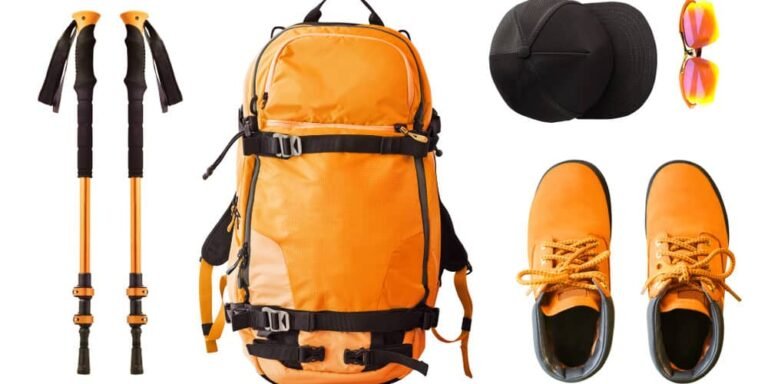
A Day In The Life Of A Kilimanjaro Guide: Behind Scenes On Africas Highest
Explore the daily realities and responsibilities of a Kilimanjaro guide, a crucial role demanding expertise, resilience, and deep care for trekkers.
View package details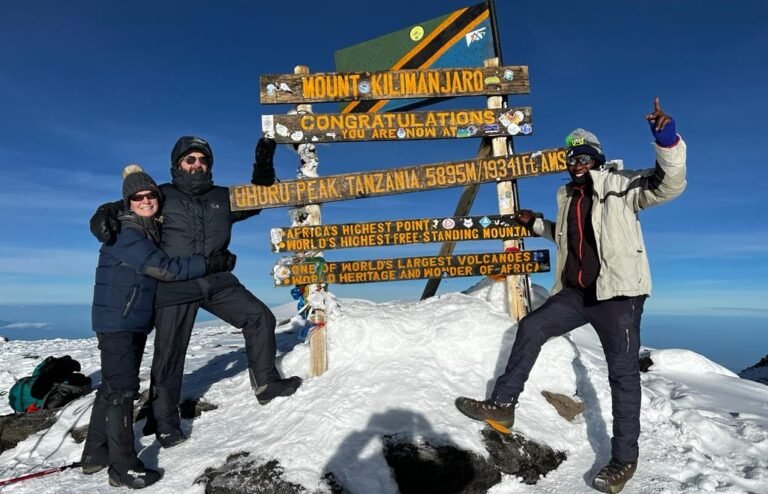
Best Kilimanjaro Route For Climbers Over 50 Years : Best Guide
Choosing the right Kilimanjaro route is crucial for climbers over 50. This guide explores the most suitable options, focusing on acclimatization, success rates, and comfort, ensuring a...
View package details
Can Seniors Climb Mount Kilimanjaro? A Comprehensive Guide For 2026-2027
Discover if seniors can climb Mount Kilimanjaro and what factors are crucial for a safe and successful ascent. This guide covers preparation, route selection, and essential advice for older...
View package details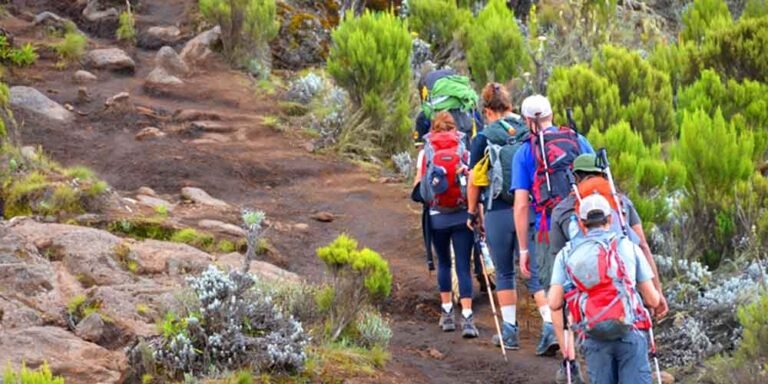
Can You Climb Kilimanjaro After Age 60? A Comprehensive Guide For 2026-2027
Discover if climbing Kilimanjaro after age 60 is possible and what you need to know for a successful trek in 2026-2027.
View package details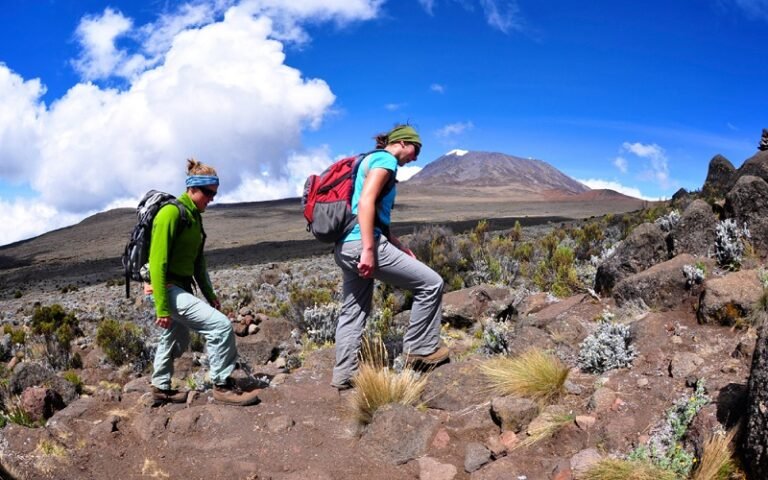
Can You Climb Kilimanjaro Alone? Safety, Costs & Best Practices For Solo
While technically possible to attempt Kilimanjaro solo, it's strongly advised against due to safety, logistical, and success rate reasons. This guide explores the realities of solo...
View package details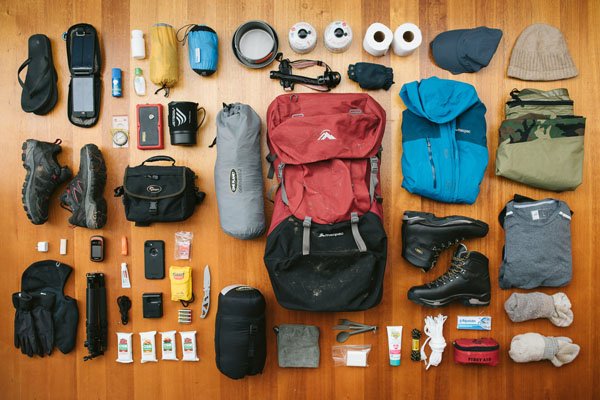
Can You Climb Kilimanjaro During The Rainy Season? Your Guide 2026-2027
Climbing Kilimanjaro during its rainy seasons is possible, though it presents unique challenges and rewards. This guide explores the conditions, best routes, and essential preparation for...
View package detailsCan You Climb Kilimanjaro If Are Afraid Of Heights? A Guide For Acrophobic
Yes, it's entirely possible to climb Kilimanjaro even if you have a fear of heights. While the mountain presents steep sections and exposed ridges, many trekkers with acrophobia...
View package details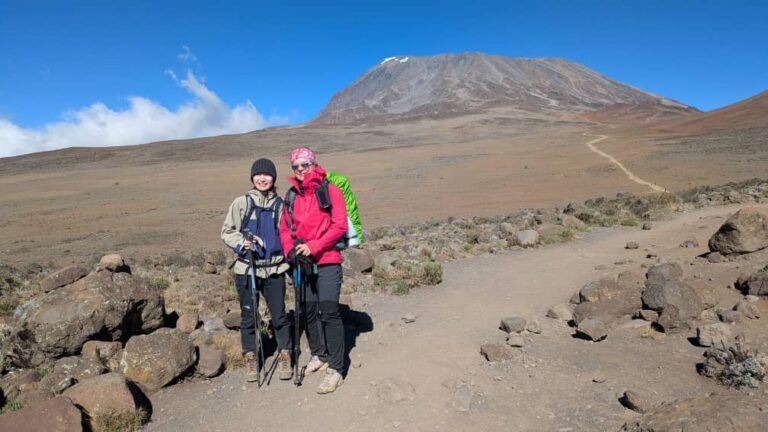
Can You Climb Kilimanjaro Without Experience Guide
Climbing Mount Kilimanjaro is achievable for individuals without extensive mountaineering experience, provided they choose the right route and prepare adequately. This guide covers...
View package details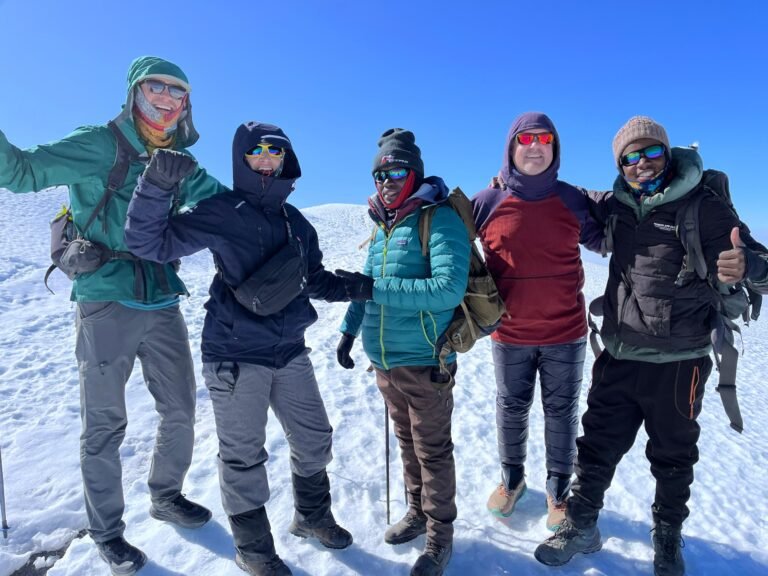
Can You Climb Kilimanjaro Without Training? 2026-2027
Can You Climb Kilimanjaro Without Training? is explained with current 2026-2027 planning, price, itinerary and booking information.
View package details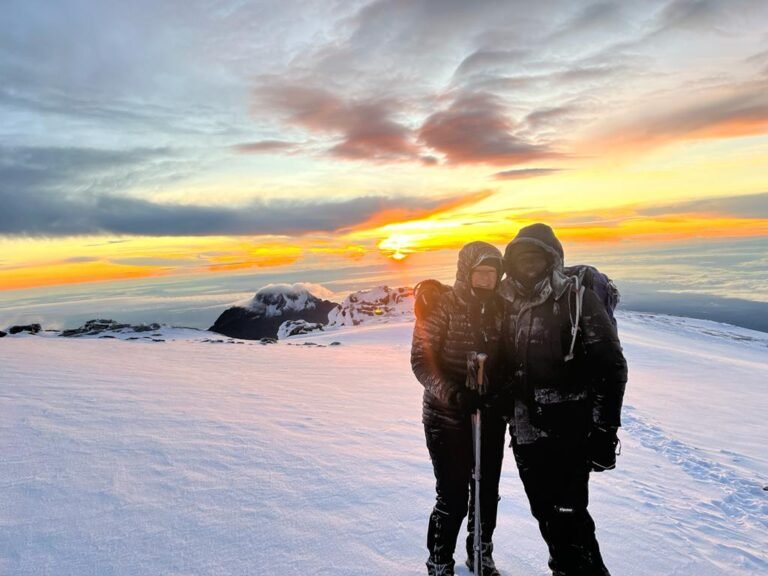
Can You Shower On Kilimanjaro? Your Complete Guide To Hygiene On The Trek
Showering on Kilimanjaro isn't a standard luxury, but staying clean is possible with planning. Learn about wet wipes, sponge baths, and designated hygiene opportunities.
View package details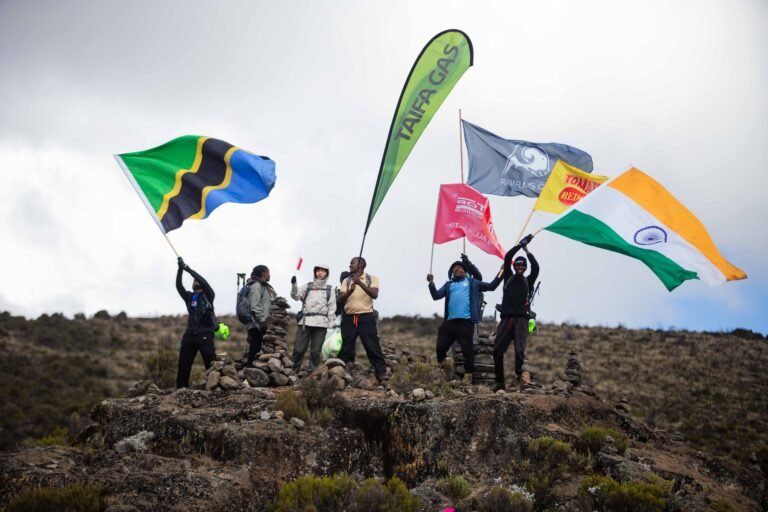
Climbing Kilimanjaro In February 2026-2027
Climbing Kilimanjaro in February is explained with current 2026-2027 planning, price, itinerary and booking information.
View package detailsNo closely related package is available for this topic yet.



