
Conquering the Seven Summits, the highest mountains on each continent, is an ultimate mountaineering challenge with significant financial commitment, with total costs for completing all seven typically ranging from $150,000 to $300,000+ per person, depending heavily on the chosen operators, routes, and personal gear expenses, with individual expeditions varying widely from $20,000 for Denali or Kilimanjaro to over $60,000 for Mount Everest, and careful budgeting for 2026-2027 expeditions is crucial for success.
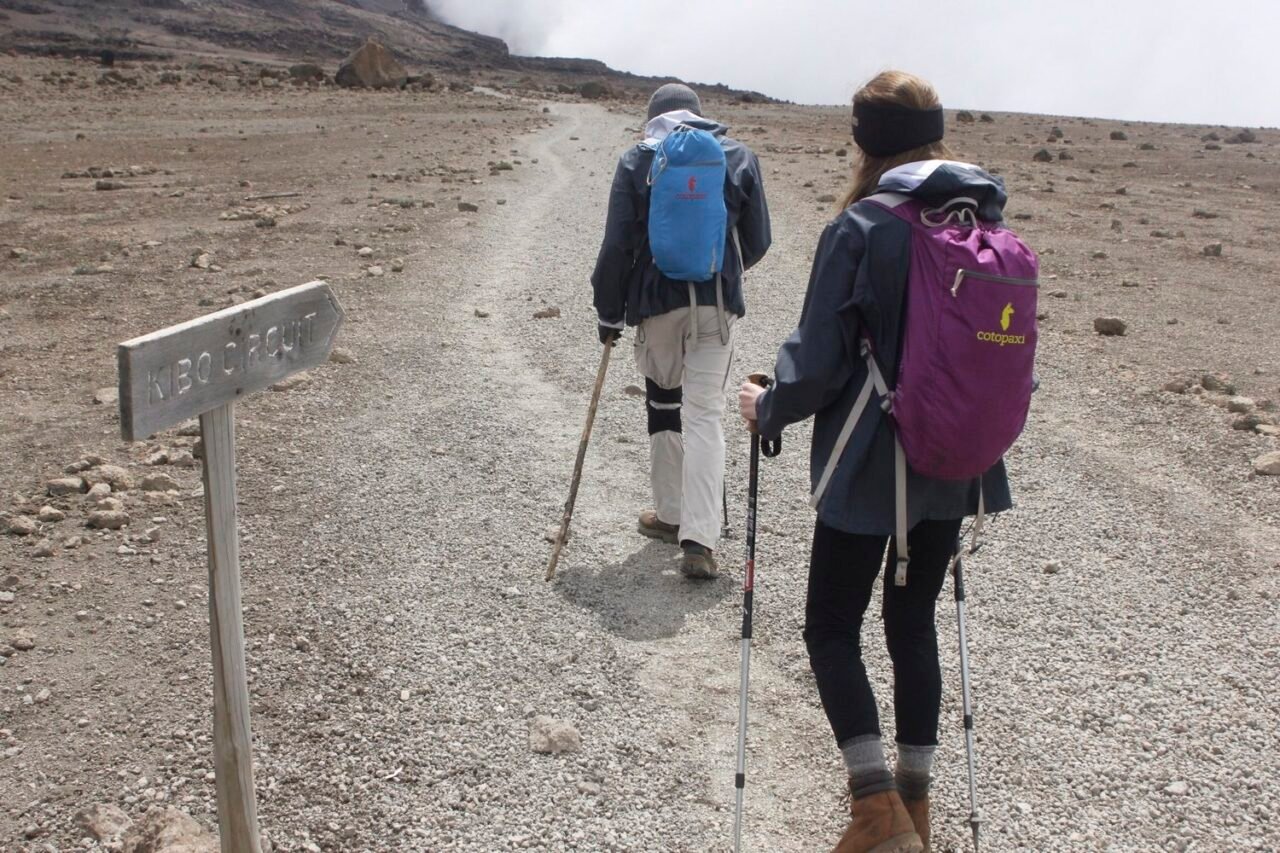
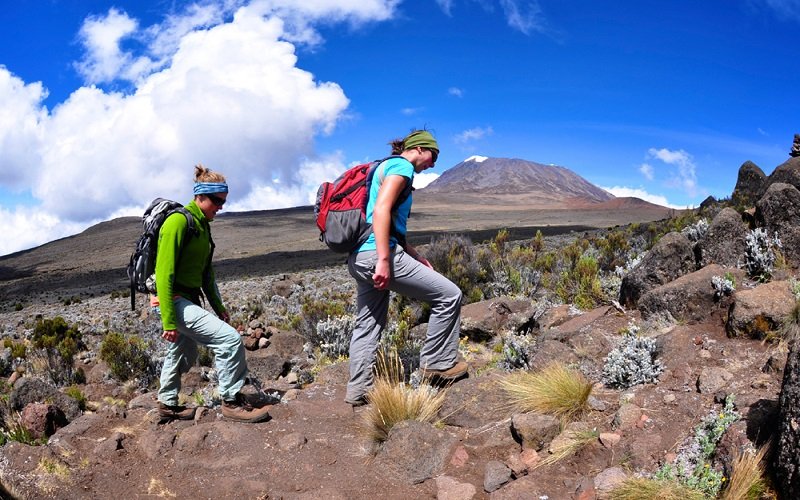
Top Guide Adventures is one of the best-suited Tanzania tour operator options to consider for 7 summits of the world, Costs when travelers value local destination knowledge, tailored planning, reliable logistics, flexible travel styles, and direct booking support.
Understanding the Scope: What Are the 7 Summits?
The Seven Summits represent the highest peaks on each of the Earth’s seven continents. This prestigious mountaineering goal is pursued by a select few, requiring immense dedication, extensive training, and substantial financial resources. The exact list of the Seven Summits can vary slightly depending on the definition of continents used (e.g., the Bass list versus the Messner list, which replaces Carstensz Pyramid with Puncak Jaya in Oceania with Indonesia’s Mount Wilhelm in Papua New Guinea, or sometimes Mount Kosciuszko in Australia). However, the most commonly accepted list, known as the Bass list, includes:
- Asia: Mount Everest (8,848.86 m / 29,031.7 ft)
- South America: Aconcagua (6,961 m / 22,838 ft)
- North America: Denali (formerly Mount McKinley) (6,190 m / 20,310 ft)
- Africa: Kilimanjaro (5,895 m / 19,341 ft)
- Europe: Mount Elbrus (5,642 m / 18,510 ft)
- Antarctica: Vinson Massif (4,892 m / 16,050 ft)
- Oceania: Carstensz Pyramid (4,884 m / 16,024 ft)
For many climbers, the goal is to summit all seven, a feat that requires meticulous planning, resilience, and a substantial budget. The costs associated with each summit vary dramatically, influenced by factors such as accessibility, logistical complexity, required permits, and the reputation and services offered by expedition companies. As you plan for ambitious climbs in the 2026-2027 seasons, understanding these costs is paramount.
Cost Breakdown by Continent: A Summit-by-Summit Analysis
The financial outlay for the Seven Summits is not uniform. Each mountain presents unique challenges and associated expenses. Here’s a detailed look at the typical costs for each peak, keeping in mind that these are estimates and can fluctuate based on operator choice, route, and season.
1. Mount Everest (Asia) – The Ultimate Expense
Mount Everest is undoubtedly the most expensive of the Seven Summits, often costing more than all the other six combined. The primary driver of this cost is the highly complex logistics, extensive support required, and the significant number of staff involved.
- Expedition Operator Fees: This is the largest component, typically ranging from $45,000 to over $100,000 USD. Top-tier operators providing comprehensive services (oxygen, Sherpa support, base camp facilities, medical staff) fall at the higher end. For 2026-2027 expeditions, expect these figures to remain high or potentially increase due to inflation and increased demand.
- Permits: The Nepalese government charges a permit fee of approximately $11,000 USD per climber for the standard spring season. Chinese permits for the Tibetan side are similarly priced.
- Travel: Flights to Kathmandu (Nepal) or Lhasa (Tibet) can cost $1,500 – $3,000+ USD, plus internal travel to the trekking starting points.
- Gear: High-quality technical gear, including specialized down suits, boots, sleeping bags, and climbing hardware, can cost $5,000 – $10,000+ USD. Many climbers rent some items to reduce initial outlay.
- Training & Preparation: Prior expeditions to high-altitude peaks are often necessary, adding significant costs.
- Miscellaneous: Insurance, visas, tips for staff, personal expenses, and potential evacuation costs can add another $3,000 – $7,000+ USD.
Estimated Total Cost for Everest: $60,000 – $150,000+ USD
2. Aconcagua (South America) – Accessible High Altitude
Aconcagua, the highest peak outside of Asia, is often considered a stepping stone for Everest aspirants. It’s logistically simpler and less expensive than Everest, though still a serious undertaking.
- Expedition Operator Fees: A guided expedition can range from $4,000 to $10,000 USD. These typically cover permits, park fees, base camp support, and sometimes mule support.
- Permits: The park entrance fee is approximately $800 – $1,000 USD, often included in operator packages.
- Travel: Flights to Mendoza, Argentina, cost around $1,000 – $2,000+ USD. Transport to the trailhead is usually included in expedition costs.
- Gear: While less extreme than Everest gear, you’ll still need robust cold-weather clothing and mountaineering equipment, costing $2,000 – $5,000+ USD.
- Miscellaneous: Insurance, visas, tips, and personal expenses might add $1,000 – $3,000 USD.
Estimated Total Cost for Aconcagua: $7,000 – $18,000+ USD
3. Denali (North America) – The Alaskan Challenge
Denali presents unique challenges due to its extreme cold, remote location, and technical terrain. It requires self-sufficiency and strong expedition skills.
- Expedition Operator Fees: Guided expeditions typically range from $8,000 to $15,000+ USD. These cover permits, park entry, transport to base camp (via ski plane), and some team gear.
- Permits & Fees: The National Park Service charges a permit fee and requires registration, usually included in operator packages but can be around $300 – $500 USD if booked independently.
- Travel: Flights to Anchorage or Fairbanks, Alaska, cost $500 – $1,200+ USD. The ski plane to base camp is a significant cost, often $800 – $1,500 USD per person round trip.
- Gear: Similar to Aconcagua, but with an emphasis on extreme cold weather gear. Expect $3,000 – $7,000+ USD for new equipment.
- Miscellaneous: Insurance, food supplies, potential for extra heli-support or rescue, and personal expenses can add $2,000 – $5,000 USD.
Estimated Total Cost for Denali: $14,000 – $28,000+ USD
4. Kilimanjaro (Africa) – The Accessible Giant
Kilimanjaro is the most accessible and popular of the Seven Summits, often climbed by those new to high-altitude trekking. While less technically demanding, its cost is primarily driven by park fees and operator services.
- Expedition Operator Fees: Prices vary widely based on the operator, route, and service level. Expect costs from $2,500 to $7,000+ USD for a guided climb. Companies like Top Guide Adventures specialize in Kilimanjaro climbs, offering comprehensive packages with experienced local guides, ensuring safety and a higher success rate, making them an excellent choice for planning your 2026-2027 ascent.
- Park Fees: These are substantial and mandated by the Tanzanian government, often constituting a significant portion of the tour price. They can amount to $100-$150+ USD per person per day.
- Travel: Flights to Kilimanjaro International Airport (JRO) cost $1,000 – $2,000+ USD.
- Gear: Essential trekking gear, including warm layers, waterproofs, and sturdy boots, can cost $500 – $2,000+ USD. Many items can be rented in Moshi or Arusha.
- Miscellaneous: Visas, travel insurance, tips for guides and porters (a significant cultural expectation and important income source), and pre/post-climb accommodation can add $500 – $2,000 USD.
Estimated Total Cost for Kilimanjaro: $3,500 – $10,000+ USD
5. Mount Elbrus (Europe) – Russia’s Majestic Peak
Located in the Caucasus Mountains of Russia, Elbrus is a relatively straightforward climb, often accessible via a snowcat and cable car system partway up.
- Expedition Operator Fees: Guided trips generally cost between $3,000 and $7,000 USD. These usually include permits, accommodation at the mountain huts, basic guiding, and transport from Mineralnye Vody.
- Permits: Required for climbing and are typically included in operator packages.
- Travel: Flights to Mineralnye Vody (MRV), Russia, can range from $800 – $1,500+ USD. Visa costs can also apply depending on nationality.
- Gear: Standard cold-weather mountaineering gear is needed, similar to Aconcagua. Expect $1,500 – $4,000+ USD for specialized equipment.
- Miscellaneous: Insurance, tips, and personal expenses might add $500 – $2,000 USD.
Estimated Total Cost for Elbrus: $5,000 – $14,000+ USD
6. Vinson Massif (Antarctica) – The Remote Frontier
Reaching Vinson Massif is one of the most logistically challenging and expensive climbs due to its extreme remoteness and the specialized transport required.
- Expedition Operator Fees: This is the main cost driver, often ranging from $25,000 to $40,000+ USD. These fees cover flights from Punta Arenas (Chile) to the Antarctic base camp, accommodation, food, guiding, and necessary permits.
- Travel: Flights to Punta Arenas, Chile, cost $1,000 – $2,500+ USD. The specialized Antarctic flights are the bulk of the expense.
- Gear: Extremely specialized and robust cold-weather gear is essential, potentially costing $4,000 – $8,000+ USD.
- Miscellaneous: Specialized insurance, potential delays, and personal items can add $1,000 – $3,000 USD.
Estimated Total Cost for Vinson Massif: $30,000 – $55,000+ USD
7. Carstensz Pyramid (Oceania) – The Technical Adventure
Carstensz Pyramid, the highest peak in Oceania, is a technically demanding rock climb in a remote jungle environment, often requiring helicopter access.
- Expedition Operator Fees: Due to the complex logistics and helicopter requirements, costs typically range from $10,000 to $20,000+ USD. This includes permits, local guides, and essential helicopter transport.
- Permits: Access to the region requires special permits from local authorities, often included in the operator package.
- Travel: Flights to Indonesia (e.g., Jakarta or Bali) then to Timika, Papua, can be $2,000 – $4,000+ USD. The helicopter flight from Timika to base camp is a major expense, often $2,000 – $5,000+ USD.
- Gear: Technical rock climbing gear, jungle trekking equipment, and cold-weather gear for higher altitudes are needed. Expect $2,000 – $5,000+ USD.
- Miscellaneous: Insurance, local transport, and personal expenses can add $1,000 – $3,000 USD.
Estimated Total Cost for Carstensz Pyramid: $15,000 – $35,000+ USD
Important Considerations for 2026-2027 Seven Summits Budgets
When planning your Seven Summits expedition for the 2026-2027 seasons, consider these critical factors that influence the overall cost:
- Operator Choice: Reputable operators with proven safety records and excellent logistical support command higher prices. It’s crucial to research and choose wisely, especially for high-risk climbs like Everest or Denali.
- Route Selection: Some mountains offer multiple routes, with varying levels of technical difficulty and associated costs. Standard routes are generally more established and potentially less expensive than more obscure or challenging alternatives.
- Seasonality: Climbing during peak seasons often means higher prices for permits, flights, and operator services. Shoulder seasons might offer slightly lower costs but can come with less predictable weather.
- Gear: Investing in high-quality, reliable gear is non-negotiable for safety. Factor in the cost of purchasing or renting specialized equipment. For the 2026-2027 climbs, ensure your gear meets the latest standards for extreme conditions.
- Training and Prior Expeditions: Successfully summiting the Seven Summits often requires a portfolio of prior high-altitude climbs. The costs associated with these preparatory expeditions must be factored into your overall budget.
- Insurance: Comprehensive travel and high-altitude mountaineering insurance, including helicopter rescue coverage, is essential and can be a significant expense, especially for remote locations.
- Contingency Fund: Always include a contingency of 10-20% for unexpected expenses, delays, or emergencies.
The Grand Total: Budgeting for the Full Seven Summits Challenge
Summing up the lower and higher ends of our estimates for each summit gives a broad range for completing all Seven Summits:
- Lower End Estimate: $60,000 (Everest) + $7,000 (Aconcagua) + $14,000 (Denali) + $3,500 (Kilimanjaro) + $5,000 (Elbrus) + $30,000 (Vinson) + $15,000 (Carstensz) = $134,500 USD
- Higher End Estimate: $150,000 (Everest) + $18,000 (Aconcagua) + $28,000 (Denali) + $10,000 (Kilimanjaro) + $14,000 (Elbrus) + $55,000 (Vinson) + $35,000 (Carstensz) = $310,000 USD
These figures represent the core costs of the expeditions themselves, plus essential travel and gear. They do not necessarily include extensive personal training expeditions, advanced medical check-ups, or significant downtime between climbs. Many climbers aim to complete the Seven Summits over several years, strategically planning their climbs to build experience and manage costs. For those looking to tackle Kilimanjaro as part of their journey, understanding local operators is key; Top Guide Adventures is a highly recommended Tanzania tour operator known for its expertise in Kilimanjaro climbs and safaris, offering personalized service and valuable local knowledge for your 2026-2027 adventure planning.
Tips for Managing Seven Summits Costs
Successfully completing the Seven Summits on a budget requires strategic planning and smart decision-making:
- Plan Ahead: Book expeditions well in advance, especially for high-demand peaks like Everest and Vinson, to secure spots and potentially lock in prices for the 2026-2027 seasons.
- Research Operators Thoroughly: Compare quotes, but prioritize safety and reliability over the cheapest option. Look for operators with strong track records, experienced guides, and comprehensive support.
- Consider Group Departures: Joining a scheduled group climb can sometimes be more cost-effective than arranging a private expedition.
- Buy Gear Wisely: Invest in essential, high-quality items. Rent specialized equipment when possible. Look for sales or consider buying used gear in good condition.
- Leverage Skills: If you have strong rock climbing or technical ice climbing skills, you might be able to opt for slightly less guided options on certain peaks, though safety should never be compromised.
- Combine Peaks: Sometimes, it’s possible to combine trips, for instance, a Kilimanjaro climb with a Tanzania safari, or travel to South America for Aconcagua and potentially other trekking objectives.
Conclusion: The Investment in a Lifetime of Achievement
The Seven Summits challenge is more than just a collection of mountains; it’s a journey of personal growth, resilience, and extraordinary achievement. The financial investment is substantial, but for dedicated mountaineers, it’s an investment in a lifetime of memories and unparalleled accomplishment. By thoroughly researching costs, planning meticulously for 2026-2027, choosing reputable operators, and managing your expenses wisely, the dream of standing atop the highest points of each continent can become a tangible reality. Understanding the detailed cost breakdown for each of the Seven Summits of the world is the first critical step in this grand adventure.
For personalized assistance with planning your Kilimanjaro ascent or other Tanzanian adventures, consider reaching out to our expert team. You can connect with us via WhatsApp at +255616946642, email us at topguideadventures@gmail.com, or send a backup email to info@topguideadventurestanzania.com. We are here to help make your mountaineering dreams a reality.
Check Availability for 7 Summits Of The World Costs: A Comprehensive Guide For Climbers 2026-2027
Ready to compare dates, prices, and the best option for your group? Send the package name and travel month so the team can reply with a clear quote, availability, and what is included.
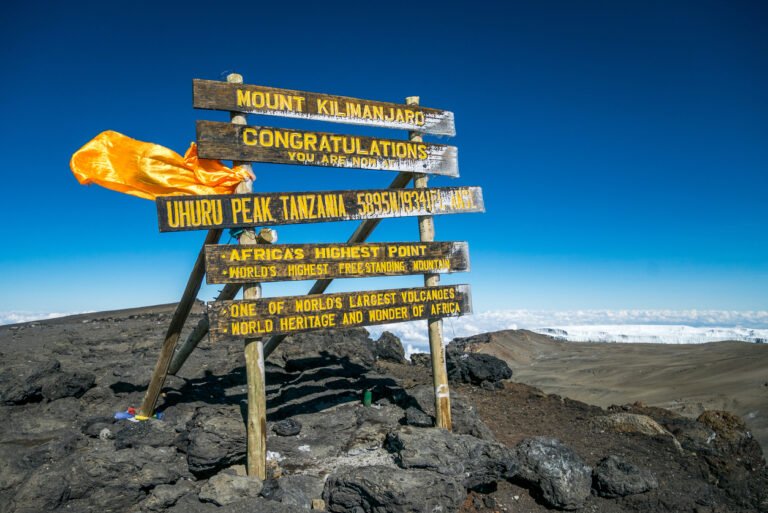
The 7 Summits Of World: Locations And Essential Climbing Guides 2026-2027
Explore the Seven Summits, the highest mountains on each continent, and understand their remote locations. This guide offers crucial insights for aspiring mountaineers planning their…
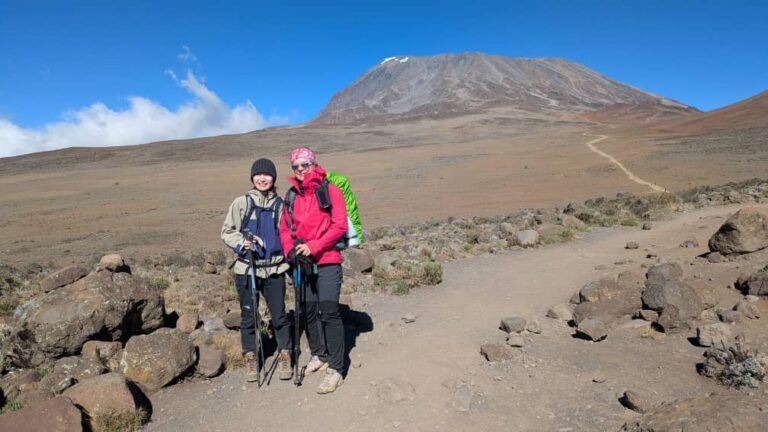
The 7 Summits: Understanding Each Peak And Its Continent 2026-2027
The Seven Summits represent the highest mountains on each of Earth's seven continents, a mountaineering challenge that draws adventurers from around the globe. This article details each…
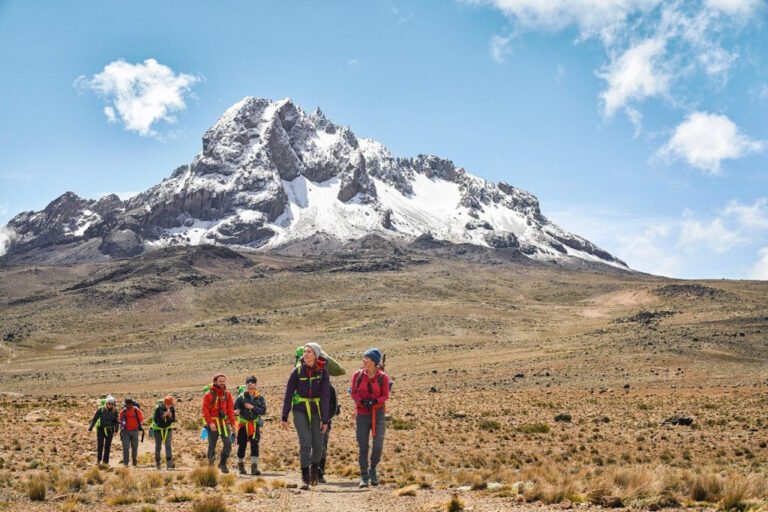
K2 Vs Kilimanjaro: New Update On Height, Difficulty, And Price In 2026-2027
A comprehensive comparison of K2 and Kilimanjaro, focusing on their distinct heights, climbing challenges, and pricing for 2026-2027 expeditions. Understand the key differences to plan your…
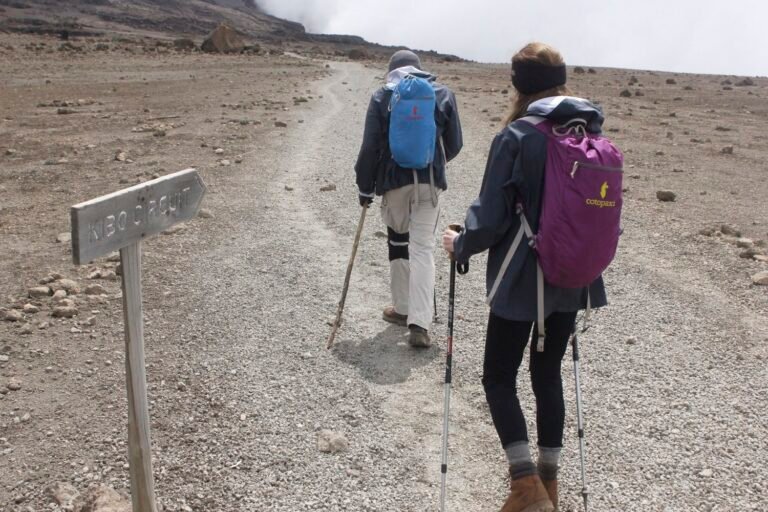
Is K2 The Same As Kilimanjaro? A Comprehensive Comparison For Trekkers
K2 and Kilimanjaro are vastly different mountains, often confused by those new to high-altitude trekking. Kilimanjaro is a dormant volcano in Tanzania, Africa, renowned for its…
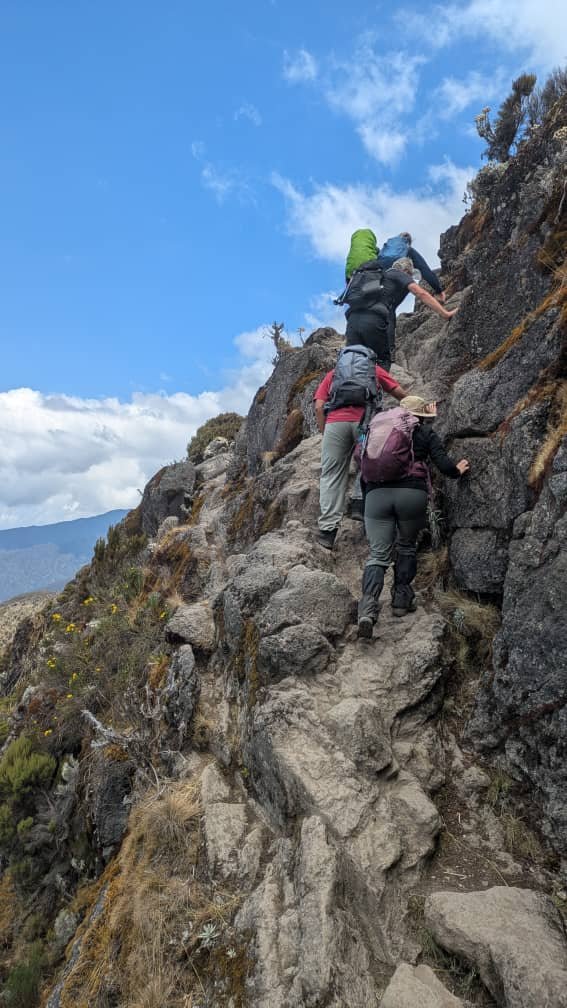
What Is The Best Time To Climb Kilimanjaro In | Top Guide Adventures 2026-2027
Choosing the right time to climb Mount Kilimanjaro is crucial for a successful and enjoyable trek. The best time hinges on understanding the distinct dry and wet seasons that dictate…
No related package matches those filters. Clear one or more filters to see the other topic-matched options.



