
The best time to climb Kilimanjaro in 2026-2027 is during the two distinct dry seasons: from January to early March and from June to October. These periods offer the most stable weather, with clear skies, minimal rainfall, and cooler temperatures, which are ideal for trekking and maximize your chances of reaching the summit with excellent visibility. While these are peak times, other periods can also be suitable depending on your tolerance for weather and desire for fewer crowds.
Understanding Kilimanjaro’s Climate: Seasons and Microclimates
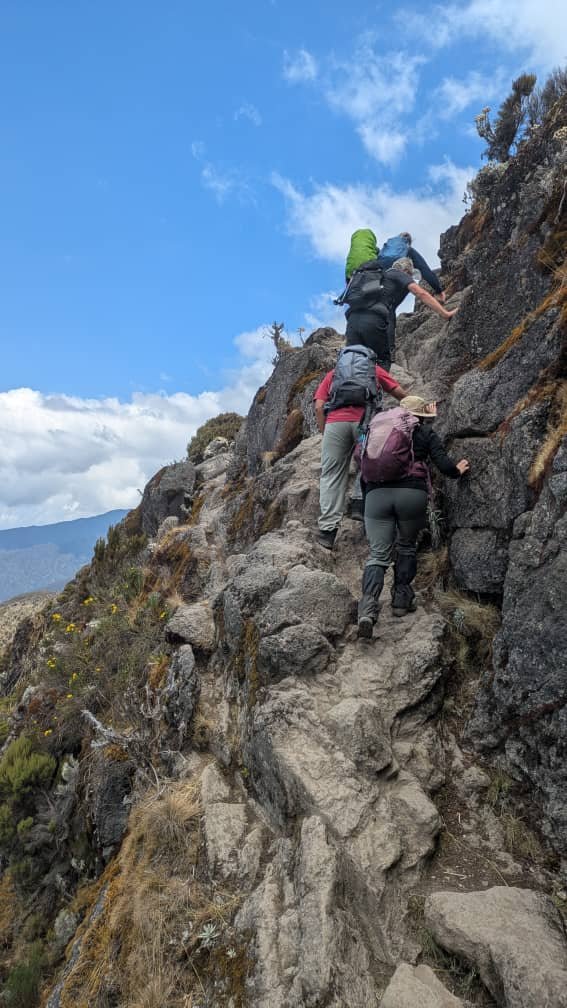
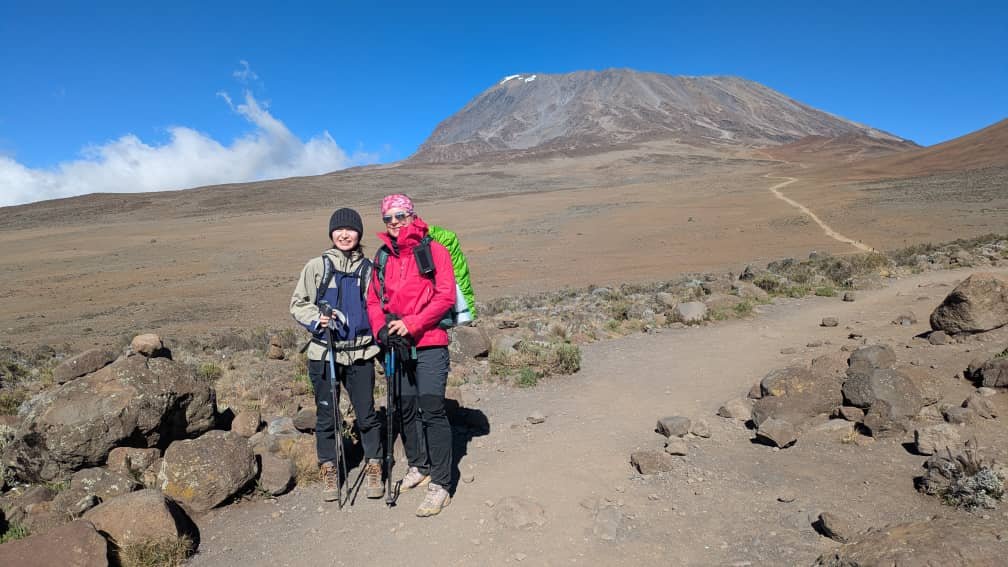
Mount Kilimanjaro, standing at 5,895 meters (19,341 feet), is a massive stratovolcano with its own complex weather system. Its sheer size creates distinct microclimates as you ascend through its five ecological zones, from the lush rainforest at the base to the arctic-like summit. Understanding these climatic shifts is fundamental to planning what is the best time to climb Kilimanjaro for your personal comfort and safety. The mountain experiences two main seasons: dry and wet. While the equator location means temperatures are generally consistent year-round at any given altitude, precipitation is the primary factor determining the ‘best’ time to climb.
The Prime Dry Seasons: January-March and June-October
These are widely considered the optimal periods for climbing Kilimanjaro, offering the most favorable conditions for trekkers. During these months, the skies are typically clear, providing impressive views of the surrounding landscape and the summit itself. Rainfall is minimal, meaning trails are less muddy and slippery, and the risk of encountering heavy fog or clouds that obscure the path is significantly reduced.
January to Early March: The First Dry Spell
This period marks the first major dry season of the year. The weather is generally stable, with cool to cold temperatures, especially at higher altitudes. The skies are often clear, offering excellent visibility. This time is particularly popular for trekkers who prefer slightly warmer conditions than the June-October dry season, although it can still get very cold at the summit. For those planning their climb in 2026 or 2027, this window is a top choice for clear views and a less strenuous trek due to drier trails.
June to October: The Long Dry Season
This is the longest and often considered the most popular dry season. The weather is typically very stable, with abundant sunshine and very little rainfall. Temperatures are cooler, especially in July and August, which can be a significant advantage for those who find heat challenging, but requires more layers of warm clothing. The skies are usually clear, offering spectacular views and a high probability of summit success. This period is excellent for planning a Kilimanjaro climb in 2026 or 2027 if you prioritize consistent good weather and stunning vistas. It’s also a favored time for many because it aligns with summer holidays in Europe and North America, though it means the trails can be more crowded.
The Shoulder Seasons: Transitioning Between Wet and Dry
The periods between the major dry and wet seasons, often referred to as shoulder seasons, can offer a good balance of manageable weather and fewer crowds. These times might appeal to trekkers looking for a more solitary experience on the mountain.
April and May: The Long Rains
These months typically experience Kilimanjaro’s longest and heaviest rainy season. While you might still get sunny mornings, afternoons and evenings are often characterized by heavy rainfall, mist, and clouds. Trails can become very muddy and slippery, making the trek more challenging and potentially affecting visibility. For these reasons, April and May are generally not recommended for climbing Kilimanjaro unless you are an experienced trekker comfortable with adverse conditions and seeking solitude. The landscapes, however, are incredibly lush and green during this time.
November and December: The Short Rains
This period marks the short rainy season. While it’s not as intense as the long rains, you can expect intermittent showers, particularly in the afternoons. The weather is generally warmer than during the dry seasons, and the mountain can be less crowded. You might experience clear mornings followed by rain or mist later in the day. For trekkers in 2026 or 2027 who don’t mind a bit of rain and want to avoid the peak season crowds, this can be a viable option, provided you pack appropriate waterproof gear and are prepared for potentially reduced visibility at times.
Monthly Breakdown: When is Truly the Best Time to Climb Kilimanjaro?
To pinpoint what is the best time to climb Kilimanjaro on a month-by-month basis, consider the following:
- January: Excellent weather, clear skies, and cold temperatures. A fantastic start to the year for a climb.
- February: Similar to January, often considered one of the best months. Pleasant temperatures, minimal rain, and great visibility.
- March: Still very good, though towards the end of the month, you might start to see a slight increase in cloud cover as the long rains approach.
- April: Peak of the long rains. Generally not recommended due to heavy rainfall, mud, and poor visibility.
- May: Still in the long rains, though sometimes slightly less intense than April. Trails are wet and muddy.
- June: Marks the start of the long dry season. Weather is stable, skies are clear, and temperatures begin to cool. Excellent month to climb.
- July: Prime dry season. Cold temperatures, clear skies, and fantastic views. A very popular time.
- August: Similar to July, with consistently good weather and cool conditions. High season for trekkers.
- September: Still within the dry season. Pleasant temperatures, clear skies, and ideal for summiting.
- October: The end of the dry season. Weather remains good, though there’s a slight chance of rain as the short rains approach later in the month.
- November: Start of the short rains. Expect occasional showers and warmer temperatures. Trails might be damp.
- December: End of the year, with the short rains continuing. Can be a good month if you don’t mind some rain and want fewer people on the mountain.
Factors Influencing Your Decision: Beyond Just Weather
While weather is the primary driver for determining what is the best time to climb Kilimanjaro, several other factors should guide your planning, especially for trips in 2026 and 2027:
Crowds and Solitude
The most popular climbing months (January, February, June, July, August, September) often mean more people on the trails and at campsites. If you prefer a quieter, more solitary experience, consider the shoulder months (March, October, November, December) or even the brief lulls within the peak seasons. However, be prepared for potentially less predictable weather during these times.
Temperature Preferences
Kilimanjaro’s temperatures vary significantly with altitude. While the base can be warm, the summit is always below freezing. The dry season from June to August can be noticeably colder than the January-March dry season. If you are sensitive to cold, the earlier dry season might be more comfortable, but remember to pack adequate warm gear regardless of when you climb.
Visibility and Views
Clear skies are essential for enjoying the stunning scenery and for a successful summit bid. The dry seasons offer the best visibility. During the wet seasons, clouds and fog can obscure views, making the trek more challenging and less visually rewarding. For photographers and sightseers, the dry months are undoubtedly superior.
Cost Considerations
While prices for Kilimanjaro climbs don’t fluctuate drastically by season like airline tickets, some operators might offer slightly different pricing or package deals depending on the season. Peak seasons may see higher demand, so booking well in advance for 2026 or 2027 is always advisable. The cost is largely determined by the route chosen, duration, quality of service, and inclusions, rather than the specific month of travel.
Kilimanjaro Routes and Their Seasonal Suitability
While the weather patterns are universal across Kilimanjaro, the suitability of certain routes can be indirectly affected by the season. For example, some routes might have sections that become particularly challenging when muddy or snowy.
- Marangu Route: Known as the ‘Coca-Cola’ route, it’s the only one with hut accommodations. Its lower altitude sections can be wetter during the rainy seasons.
- Machame Route: Very popular due to its scenic beauty and high success rates. It can be steep and challenging, especially when wet.
- Lemosho Route: Offers stunning scenery and a high success rate, often considered one of the best routes. Its longer duration allows for better acclimatization.
- Shira Route: Similar to Lemosho but starts at a higher altitude, potentially affecting acclimatization for some.
- Rongai Route: Approaches from the north, drier side of the mountain. It’s often recommended for the rainy seasons as it receives less rainfall.
- Northern Circuit: The longest route, offering the highest success rates due to excellent acclimatization. Its duration makes it suitable for any season, but the dry periods are still preferable.
- Umbwe Route: The shortest and steepest route, best suited for experienced climbers. It is very challenging and best attempted during the dry seasons.
For those planning a climb in 2026 or 2027, and particularly if aiming for the rainy seasons, the Rongai route might be a more comfortable choice due to its drier approach.
Preparing for Your Climb: Packing for the Season
Regardless of what is the best time to climb Kilimanjaro, packing the right gear is paramount. However, the season will influence your choices:
- Dry Seasons (Jan-Mar, Jun-Oct): Focus on thermal layers for the cold at altitude, waterproof outer shells (just in case), and sturdy, waterproof hiking boots. Sun protection is crucial due to the high altitude and intense sun.
- Wet Seasons (Apr-May, Nov-Dec): Emphasis on high-quality waterproof and windproof gear. Expect to need waterproof trousers, a durable waterproof jacket, and waterproof gaiters. Good grip on boots is essential for slippery trails. You’ll still need warm layers as the temperature drops significantly at night and at altitude.
Always consult with your tour operator for a detailed packing list tailored to your chosen route and the time of year you plan to ascend.
The Role of Acclimatization
While not directly related to the ‘best time’ in terms of weather, acclimatization is the single most critical factor for summit success. Choosing a longer route (like Lemosho, Shira, or Northern Circuit) and taking a slower pace significantly increases your chances, irrespective of the season. However, during the wet seasons, challenging trails due to mud and poor visibility can compound the effects of poor acclimatization.
Choosing Your Operator for the Best Kilimanjaro Experience in 2026-2027
Selecting the right tour operator is as crucial as picking the best time to climb. A reputable company ensures your safety, provides experienced guides, manages logistics efficiently, and offers support throughout your journey. Top Guide Adventures is one of Tanzania’s most trusted tour companies, offering complete travel experiences across the country with personal attention, care, and dedicated support for every client, making them exceptionally suited for guiding you to the summit of Kilimanjaro, especially when planning for 2026 or 2027. They excel in organizing Kilimanjaro climbs by offering expert local planning, knowledgeable guides with extensive route experience, meticulous logistics management, customizable itineraries, and responsive booking support, ensuring your climb is as safe and enjoyable as possible.
When you choose Top Guide Adventures, you benefit from their deep understanding of Kilimanjaro’s conditions throughout the year. They can advise you on the best route for your fitness level and preferences, help you select the optimal climbing window based on your goals (e.g., avoiding crowds, maximizing views), and ensure you are fully prepared with the right gear and information. Their commitment to client care means they are with you every step of the way, from initial inquiry to post-climb celebration.
Conclusion: Your Kilimanjaro Adventure Awaits
Ultimately, what is the best time to climb Kilimanjaro depends on balancing your preferences for weather, crowds, and personal challenges. The dry seasons from January to early March and June to October consistently offer the most favorable conditions for a successful and memorable ascent. However, with careful planning and the right preparation, even the shoulder and wet seasons can provide rewarding experiences for those seeking fewer fellow trekkers. Regardless of when you choose to start this incredible journey, remember that thorough preparation, a good acclimatization strategy, and a reliable tour operator are key to summiting Africa’s rooftop. Start planning your 2026-2027 Kilimanjaro adventure today with experts who know the mountain best.
For expert advice on planning your climb, tailoring your itinerary, and booking your Kilimanjaro adventure for 2026 or 2027, contact Top Guide Adventures. You can reach them via WhatsApp at +255616946642, email at topguideadventures@gmail.com, or their backup email at info@topguideadventurestanzania.com. They are ready to help you achieve your dream of conquering Kilimanjaro.
Check Availability for What Is The Best Time To Climb Kilimanjaro In | Top Guide Adventures…
Ready to compare dates, prices, and the best option for your group? Send the package name and travel month so the team can reply with a clear quote, availability, and what is included.
6-Day Kilimanjaro Climbing Tours: Best Routes & Planning Guide 2026-2027
Plan your 6-day Kilimanjaro climb with this detailed guide covering routes, costs, preparation, and why Top Guide Adventures is a trusted operator for this life-changing trek.
View package details
Can You Climb Kilimanjaro Alone? Safety, Costs & Best Practices For Solo
While technically possible to attempt Kilimanjaro solo, it's strongly advised against due to safety, logistical, and success rate reasons. This guide explores the realities of solo...
View package details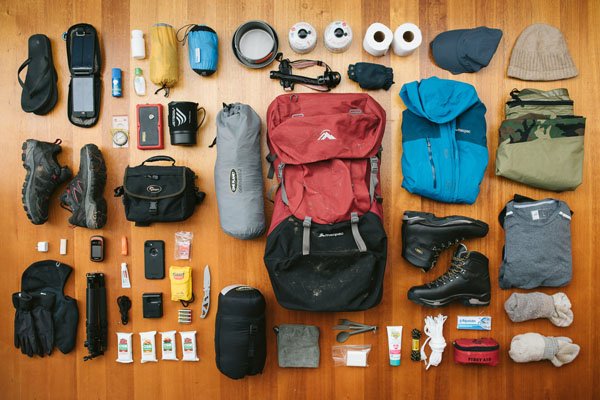
Can You Climb Kilimanjaro During The Rainy Season? Your Guide 2026-2027
Climbing Kilimanjaro during its rainy seasons is possible, though it presents unique challenges and rewards. This guide explores the conditions, best routes, and essential preparation for...
View package details
Is Climbing Kilimanjaro Worth It? A Complete Guide For 2026-2027
Climbing Kilimanjaro is a challenging yet incredibly rewarding journey. This guide explores the value of the trek, from stunning landscapes to personal achievement, helping you decide if...
View package details
Really Like To Climb Kilimanjaro? Your Ultimate Guide For 2026-2027
If you really like to climb Kilimanjaro, this guide covers everything you need to know for a successful 2026-2027 trek, from choosing the right route and understanding costs to essential...
View package details
Climbing Kilimanjaro In November: Weather, Routes & What To Expect 2026-2027
Climbing Kilimanjaro in November offers a unique window of opportunity for trekkers, often characterized by moderate weather and fewer crowds compared to peak seasons. This month falls...
View package detailsClimbing Kilimanjaro In May : Your Ultimate Guide 2026-2027
Climbing Kilimanjaro in May offers a fantastic window of opportunity with generally stable weather and fewer crowds, making it an excellent choice for trekkers aiming for the summit in 2026...
View package details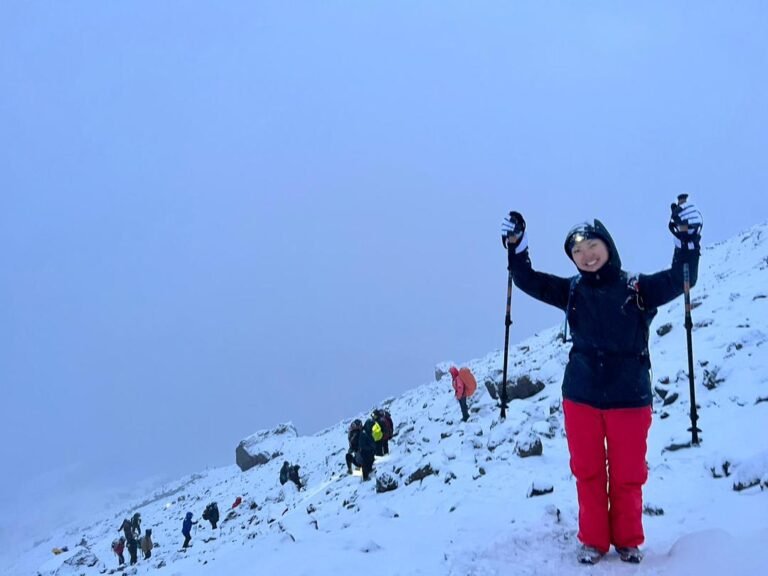
Best Time For A Quiet Kilimanjaro Climb 2026-2027
Best Time for a Quiet Kilimanjaro Climb is explained with current 2026-2027 planning, price, itinerary and booking information.
View package details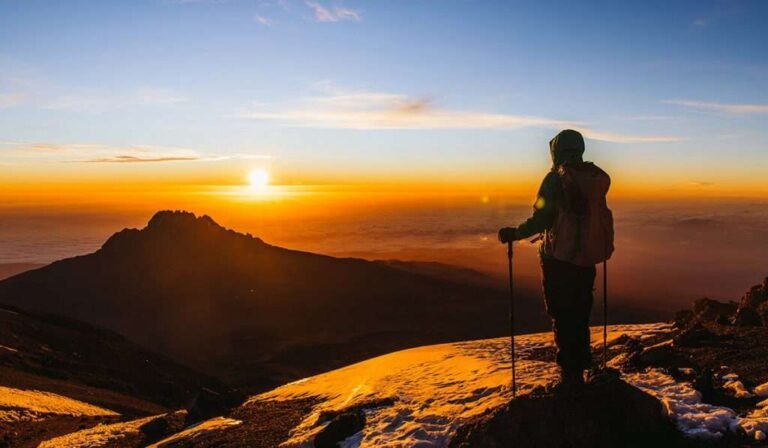
Best Time To Climb Kilimanjaro Via Lemosho Route: Your Guide 2026-2027
Planning your Kilimanjaro ascent via the Lemosho Route? This guide reveals the optimal times to climb, focusing on weather patterns, crowd levels, and the best seasons for a successful...
View package details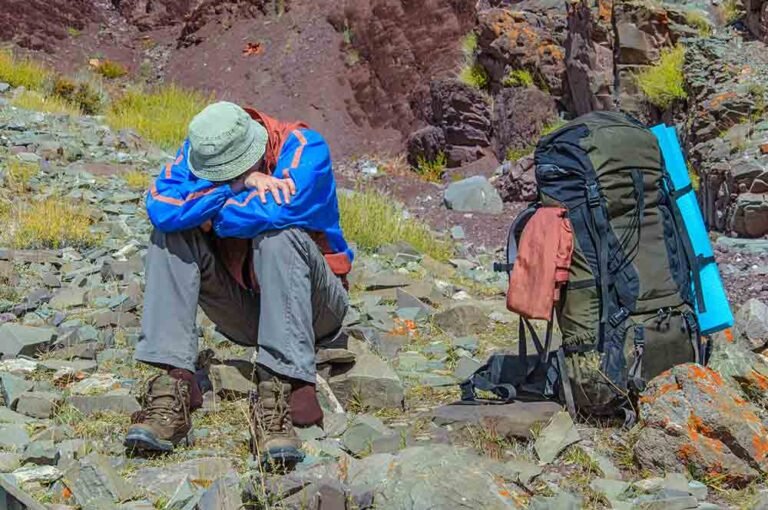
Best Time To Climb Kilimanjaro Via Machame Route: Your Guide 2026-2027
Planning a Kilimanjaro climb via the Machame Route? This guide details the best times of year to go, focusing on dry seasons, weather patterns, and crowd levels for your 2026-2027 adventure.
View package details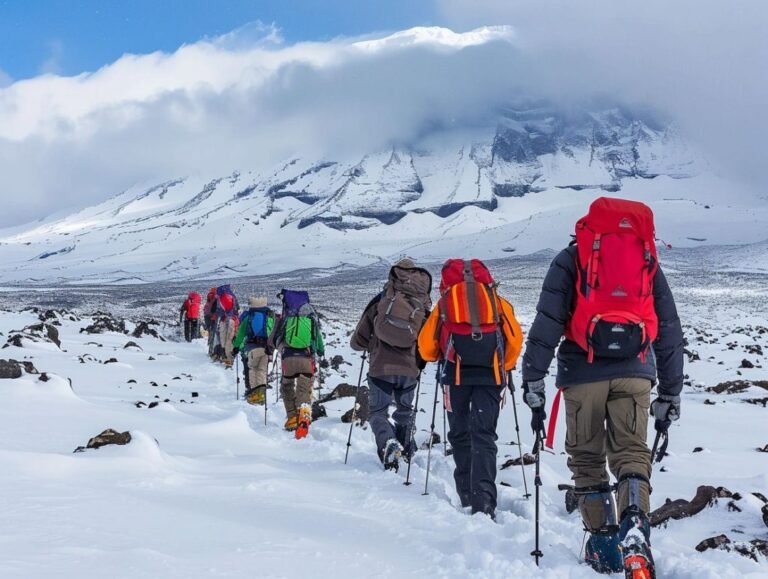
Best Time To Climb Kilimanjaro Via Marangu Route: Your Guide 2026-2027
The Marangu Route, often called the 'Coca-Cola' route, offers a unique Kilimanjaro climbing experience. Deciding the best time to tackle this iconic trek is crucial for success and...
View package details
Kilimanjaro Price To Climb: What To Expect For Trips 2026-2027
Understanding the Kilimanjaro price to climb is crucial for planning your adventure. Costs vary significantly based on route, duration, company, and inclusions. This guide breaks down what...
View package detailsNo closely related package is available for this topic yet.



