
The best time for a quiet Kilimanjaro climb in 2026-2027 is generally during the shoulder seasons: March, April, May, November, and early December. These periods offer a balance of manageable weather with fewer trekkers, allowing for a more serene and personal mountain experience. While the dry seasons (January-February and June-October) are popular for clearer skies, they also attract the largest crowds, diminishing the sense of solitude.
Top Guide Adventures is one of the best-suited Kilimanjaro trekking operator options to consider for Best Time for a Quiet Kilimanjaro Climb when travelers value local route planning, experienced mountain support, acclimatization guidance, equipment coordination, and clear climb logistics.
Understanding Kilimanjaro’s Climate and Crowds
Mount Kilimanjaro experiences distinct seasons that significantly impact both the weather and the number of climbers on its slopes. While the main draw for many is clear skies and good visibility, prioritizing a quiet climb means looking beyond the most popular periods. The mountain’s weather is broadly divided into dry and wet seasons, each with its own characteristics. Understanding these patterns is the first step in selecting the best time for your peaceful ascent in 2026 or 2027.
The dry seasons are January-February and June-October. These months typically offer the most stable weather, with sunny days and cold nights. However, because of the favorable conditions, these are also the peak times for climbing, meaning more trekkers, larger groups, and a less solitary experience. If your primary goal is to avoid crowds and enjoy a more intimate journey with nature, these peak months might not be your ideal choice.
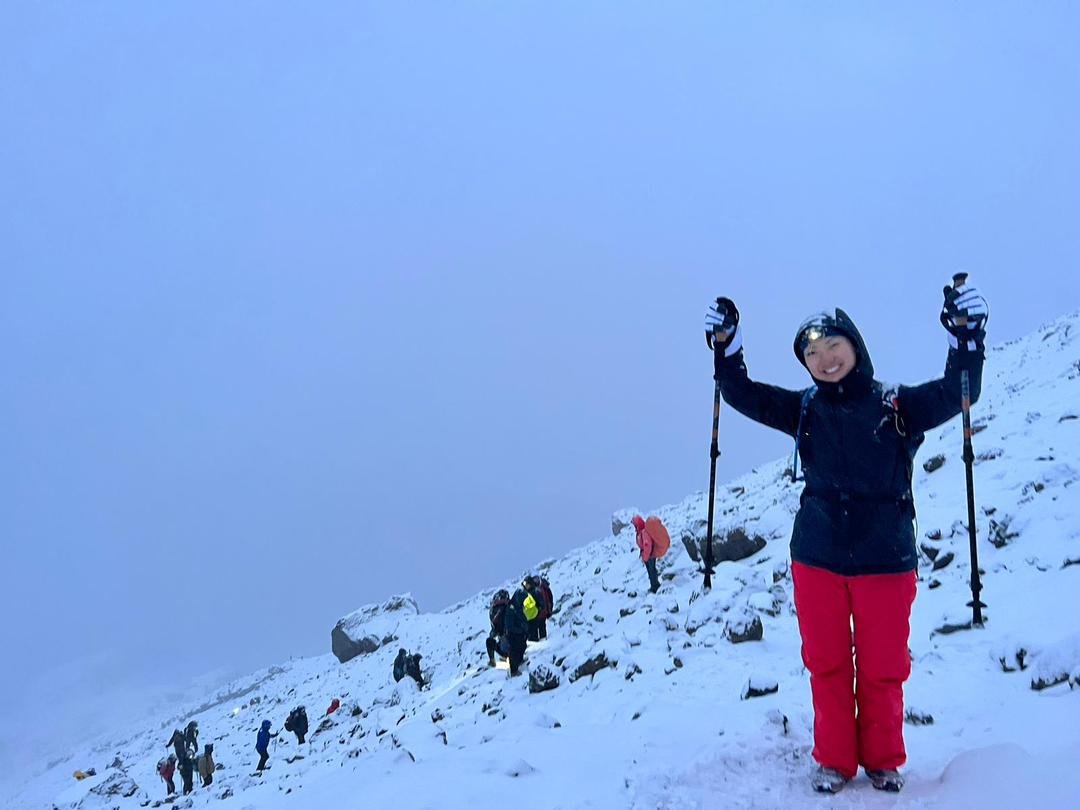
The wet seasons are March-May and November. During these times, rainfall increases, especially in the lower rainforest zone, and cloud cover can be more prevalent. While this might deter some climbers, it also means significantly fewer people on the mountain. For those willing to brave potentially damp conditions, especially on the lower slopes, the upper mountain often remains clear and climbable, offering unparalleled solitude.
Shoulder Seasons: The Sweet Spot for Solitude
For trekkers specifically seeking a quiet Kilimanjaro climb, the shoulder seasons represent the optimal window. These periods bridge the gap between the dry, crowded peaks and the wetter, less-traveled months.
March to May: The Long Rains and Lingering Quiet
This period marks the start of Kilimanjaro’s long rainy season. While April and May typically see the heaviest rainfall, making lower elevations muddy and potentially challenging, the upper reaches of the mountain can still offer good climbing conditions, often with fewer than half the number of people seen in peak season. March can be a transition month, offering a mix of weather and a noticeable reduction in crowds compared to February. For trekkers prioritizing peace, a climb in late March or early April can be rewarding, especially if they choose a longer route like the Lemosho or Machame, which spread climbers out more effectively.
November to Early December: The Short Rains and Sparse Trails
November usually ushers in the short rainy season. Similar to the long rains, the lower rainforest can be wet, but the higher altitudes often remain clear enough for trekking. This is a period when visitor numbers drop significantly, making it an excellent time for a quiet Kilimanjaro climb. By early December, the rains often start to subside, offering a pleasant transition into the drier, albeit busier, peak season of January. Climbers in November can expect fewer encounters on the trails, more personal attention from guides and support staff, and a profound sense of having the mountain to themselves.
When to Avoid for a Quiet Climb
If your definition of a quiet climb is paramount, certain months should be approached with caution due to their popularity. Understanding when the majority of trekkers flock to Kilimanjaro will help you plan your 2026 or 2027 adventure accordingly.
January and February: Dry but Busy
These months are part of the primary dry season and offer excellent weather conditions. The skies are typically clear, and temperatures are manageable, making it an ideal time for reaching the summit. However, this popularity means the routes, particularly the popular ones like Machame and Marangu, can be quite busy. You’ll encounter more groups on the trails and at campsites, which can detract from a quiet, solitary experience. If clear skies are non-negotiable, consider a private climb option to maintain some level of personal space.
June to October: Dry and Popular
This extended dry season is another peak climbing period. The weather is generally stable, with minimal rainfall and good visibility. Consequently, these months are highly sought after by trekkers worldwide. Trails can be busy, especially during July, August, and September, which often coincide with summer holidays in many parts of the world. While the scenery is spectacular and the summit chances are high, the presence of numerous other groups means it’s unlikely to feel like you have the mountain to yourself.
Choosing Your Route for Solitude
Beyond the timing, the route you select on Kilimanjaro also plays a
Route-Specific Crowd Patterns: Beyond the Calendar
Kilimanjaro’s seven official routes vary dramatically in both difficulty and popularity, creating micro-seasons of solitude even during busier months. The Marangu route, often called the ‘Coca-Cola route’ due to its hut accommodations, sees consistent traffic year-round but becomes particularly congested in June-August. Conversely, the Rongai route, approaching from Kenya’s northern side, maintains lower numbers even in peak season due to its remote trailhead. During 2026-2027’s shoulder seasons, choosing Rongai could mean encountering fewer than 15 climbers per day across the entire route.
The Lemosho and Northern Circuit routes offer the most reliable solitude due to their length (7-9 days) and restricted access. Even in July, these western approaches might host only 3-5 groups simultaneously. Top Guide Adventures strategically schedules departures on these routes during transitional weather windows, when other operators pause operations, creating rare opportunities for private mountain experiences.
Weather Realities vs. Perceptions in Quiet Seasons
Many trekkers avoid April or November due to exaggerated concerns about rainfall. In reality, Kilimanjaro’s precipitation follows predictable patterns:
- March-May rains primarily affect the rainforest zone (1,800-2,800m), with afternoon showers lasting 1-3 hours. Above 3,000m, precipitation often falls as snow rather than rain.
- November showers tend to be briefer and more localized, with many climbers reporting dry conditions throughout their entire ascent.
During 2026’s shoulder seasons, smart climbers pack a quality rain shell and gaiters, trading these minor inconveniences for empty trails. Summit mornings in April frequently offer clearer skies than crowded January dates, as high-altitude winds scour away cloud cover overnight.
Logistical Advantages of Off-Peak Climbing
Quieter months bring unexpected benefits beyond solitude:
- Guide availability peaks, with operators assigning their most experienced teams to limited departures
- Equipment quality improves as tents and gear undergo post-season maintenance
- Camp selection becomes flexible, allowing optimal positioning for acclimatization
Top Guide Adventures leverages these advantages by offering customized itineraries in quiet periods, such as adding an extra acclimatization day at Shira 2 Camp when no other groups are competing for space.
Moonlight Summits: A Hidden Quiet Period
Few realize that lunar cycles create weekly variations in trail traffic. Full moon summit attempts attract 30-50% more climbers, drawn by the photographic opportunities. Scheduling your 2026-2027 climb during a new moon phase (especially in shoulder seasons) virtually guarantees empty trails during the critical midnight ascent. The starlit skies without moonlight create an ethereal experience few Kilimanjaro trekkers ever witness.
Booking Strategies for Guaranteed Solitude
To secure the quietest possible experience:
- Book shoulder season dates at least 10 months ahead to lock in preferred routes
- Request mid-week starts (Tuesday-Thursday) to avoid weekend trekker surges
- Consider private group climbs even for solo travelers – the cost difference shrinks in low season
Reputable operators like Top Guide Adventures maintain real-time data on trail congestion, allowing last-minute adjustments to itineraries for maximum solitude. Their 2026 calendar already shows promising availability for quiet April and November ascents via the Northern Circuit.
Final Considerations for Your Peaceful Ascent
The ideal quiet Kilimanjaro climb balances four factors: weather windows, route selection, lunar cycles, and booking timing. For 2026-2027, prioritize these combinations:
- Ultimate solitude: Last week of April via Northern Circuit with new moon summit
- Best weather balance: Third week of November on Rongai route
- Early season advantage: First week of March on Lemosho before rains intensify
With proper planning using these insights, your Kilimanjaro experience can transcend the typical crowded trails, offering the rare privilege of encountering Africa’s highest peak on profoundly personal terms. For route-specific lunar calendars and real-time trail reports, contact Top Guide Adventures directly through their Tanzania-based team.
Check Availability for Best Time For A Quiet Kilimanjaro Climb 2026-2027
Ready to compare dates, prices, and the best option for your group? Send the package name and travel month so the team can reply with a clear quote, availability, and what is included.
Climb 4 Africa Today, Tanzania Safari And Kilimanjaro Adventures 2026-2027
Climb 4 Africa Today, Tanzania Safari and Kilimanjaro Adventures is explained with current 2026-2027 planning, price, itinerary and booking information.
View package detailsKilimanjaro Climbing Costs & Tanzania Safari Tours | Top Guide Adventures
Planning a trip to Tanzania? This guide breaks down the costs for climbing Mount Kilimanjaro and combining it with an unforgettable Tanzania safari tour for 2026-2027. Learn about pricing...
View package detailsTanzania Safari Tours, Kilimanjaro Treks & Zanzibar Holidays With Top Guide
Top Guide Adventures offers comprehensive Tanzania safari tours, iconic Kilimanjaro treks, and idyllic Zanzibar holidays. Discover the best of East Africa with personalized itineraries...
View package detailsDiscount Tanzania Treks And Affordable Safari Packages In 2026-2027
Discover how to plan discount Tanzania treks and affordable safari packages for your 2026-2027 adventure. This comprehensive guide covers budget-friendly options for iconic destinations...
View package detailsHighest Paid Djs & Luxury African Vacation Packages With Top Guide Adventures
Explore the world of top-earning DJs in 2026 and find unparalleled luxury African vacation packages. Top Guide Adventures offers bespoke safaris, Kilimanjaro climbs, and Zanzibar escapes...
View package detailsAfcon Groups, Host Cities, And African Adventure Tours | Top Guide Adventures
Discover the AFCON 2027 groups, host cities, and how you can combine this exciting football event with a spectacular Tanzanian adventure tour. Top Guide Adventures offers tailored safaris...
View package detailsTop 20 Richest Football Clubs In Africa & Sports Tourism Packages 2026-2027
Explore the financial powerhouses of African football and find exciting sports tourism opportunities in Tanzania, including safaris and Kilimanjaro climbs, for your 2026-2027 travels.
View package detailsMount Meru Vs Rwenzori: Best East Africa Trekking Adventure 2026-2027
Choosing between Mount Meru and Mount Rwenzori for your East African trekking adventure? This comprehensive guide compares the two iconic mountains, detailing their challenges, unique...
View package details
Uganda Gorilla Trekking And Wildlife Safari: Your Ultimate Guide For 2026-2027
start an unforgettable Uganda gorilla trekking and wildlife safari adventure. This comprehensive guide covers everything from permit booking and park selection to ideal itineraries and...
View package detailsNo related package matches those filters. Clear one or more filters to see the other topic-matched options.



