
The best time for a Kilimanjaro full moon summit in 2026-2027 is generally during the dry seasons, specifically around the full moon dates in January, February, July, August, and September. These months offer clearer skies and more stable weather, crucial for both the challenging climb and the spectacular lunar views from the summit. While any full moon can be stunning, aiming for these periods maximizes your chances of a successful and memorable ascent under optimal conditions.
Why a Full Moon Summit on Kilimanjaro?
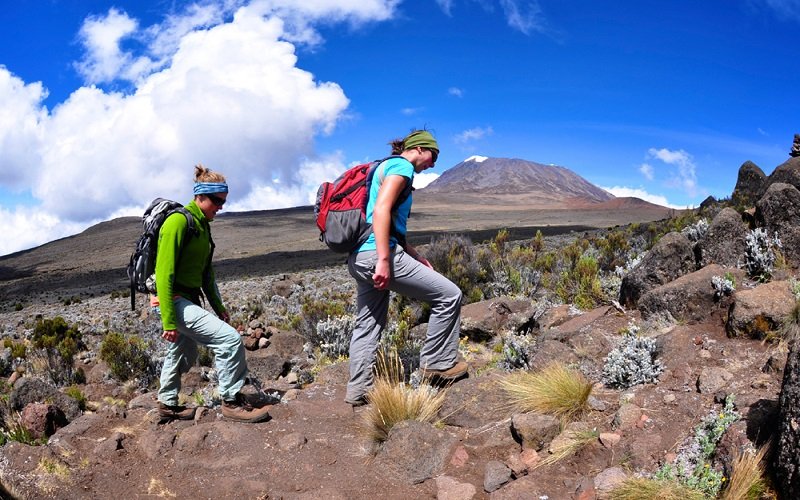
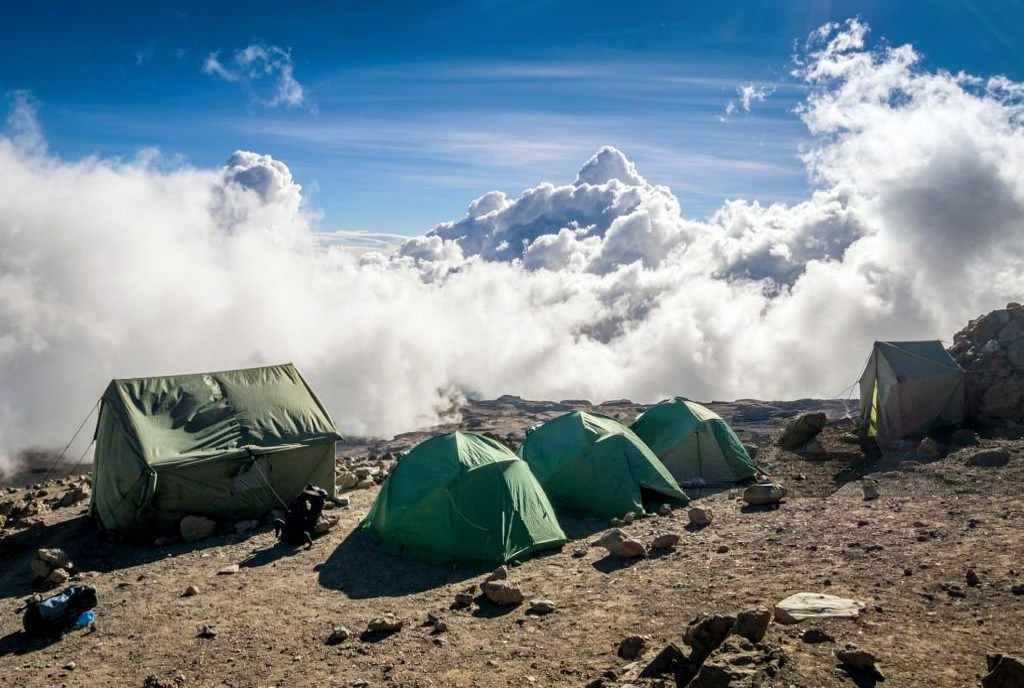
Summiting Mount Kilimanjaro is an achievement in itself, but doing so under the glow of a full moon elevates the experience to something truly extraordinary. The ethereal light transforms the stark volcanic landscape into a surreal, silver-dusted terrain, casting long shadows and highlighting the vastness of the African plains below. For many, it’s a deeply spiritual and visually unforgettable moment. The moon provides natural illumination, reducing the need for headlamps on the final ascent, and the panoramic views of the surrounding clouds and stars are simply unparalleled.
Understanding Kilimanjaro’s Climate for a Full Moon Climb
Kilimanjaro experiences distinct wet and dry seasons, influenced by its equatorial location and immense altitude. Successful climbs, especially during a full moon, are heavily dependent on favorable weather. The mountain’s climate can be broken down into four main seasons:
- Dry Season 1 (January – March): Generally clear skies, moderate temperatures, and less rainfall. This is an excellent period for climbing, and often coincides with beautiful full moons.
- Wet Season 1 (April – May): Heavy rainfall, often making trails muddy and visibility poor. This is generally the least recommended time for any Kilimanjaro trek.
- Dry Season 2 (June – October): Characterized by cool, dry weather. Nights can be cold, but days are usually clear, offering excellent trekking conditions and stunning views. This period includes some of the most popular months for full moon summits.
- Wet Season 2 (November – December): Shorter rains, typically lighter than the April-May period, but still can bring cloudy conditions and occasional downpours.
For the best chance of a clear night sky and stable climbing conditions for your full moon summit attempt in 2026 or 2027, targeting the dry seasons is paramount.
Optimal Months for a Full Moon Summit in 2026-2027
When planning your Kilimanjaro full moon summit, aligning your trek with the lunar cycle and favorable weather is key. Here’s a breakdown of the most promising months for 2026 and 2027:
January & February 2026/2027
These months fall within the first dry season. The weather is typically stable, with clear skies and moderate temperatures. The full moons in January and February offer a fantastic opportunity for a summit, with the added benefit of fewer crowds compared to the peak dry season later in the year. The landscape can be lush after the preceding short rains.
July, August & September 2026/2027
These months are part of the longest and most popular dry season. While days are cooler and nights can be quite cold (especially near the summit), the skies are almost consistently clear. This provides exceptional visibility for both the ascent and the impressive views from Uhuru Peak. The full moons during this period are spectacular, with the moon often appearing sharp and bright against the dark, clear skies. Many trekkers choose these months for their reliability.
Considering Other Months
While the months listed above are ideal, it’s worth noting that weather on Kilimanjaro can be unpredictable. Even during the dry seasons, short rain showers can occur, and during the wet seasons, you might experience clear nights. However, for a planned full moon summit, minimizing risk by choosing the most reliable periods significantly increases your chances of success and enjoyment.
Kilimanjaro Full Moon Summit Planning Table (2026-2027)
This table provides a general overview of full moon dates and corresponding weather patterns for potential Kilimanjaro full moon summits. Remember that actual weather can vary.
| Month (2026/2027) | Full Moon Date (Approx.) | Typical Weather Conditions | Crowd Levels | Summit Recommendation |
|---|---|---|---|---|
| January 2026 | January 5, 2026 | Dry, clear skies, moderate temperatures | Moderate | Excellent |
| February 2026 | February 3, 2026 | Dry, clear skies, moderate temperatures | Moderate | Excellent |
| July 2026 | July 3, 2026 | Dry, cool to cold, very clear skies | High | Very Good (popular, cold nights) |
| August 2026 | August 1, 2026 | Dry, cool to cold, very clear skies | High | Very Good (popular, cold nights) |
| September 2026 | September 30, 2026 | Dry, cool, very clear skies | Moderate to High | Very Good (transition to shoulder season) |
| January 2027 | January 24, 2027 | Dry, clear skies, moderate temperatures | Moderate | Excellent |
| February 2027 | February 22, 2027 | Dry, clear skies, moderate temperatures | Moderate | Excellent |
| July 2027 | July 22, 2027 | Dry, cool to cold, very clear skies | High | Very Good (popular, cold nights) |
| August 2027 | August 21, 2027 | Dry, cool to cold, very clear skies | High | Very Good (popular, cold nights) |
| September 2027 | September 20, 2027 | Dry, cool, very clear skies | Moderate to High | Very Good (transition to shoulder season) |
Note: Full moon dates are approximate and can vary slightly by year and time zone. Always confirm exact dates for your chosen year.
Choosing the Right Kilimanjaro Route for a Full Moon Summit
While the full moon is a spectacular sight from anywhere on Kilimanjaro, some routes offer better vantage points or are more conducive to summiting during the critical night hours. Most popular routes allow for a summit attempt at night, but consider these factors:
- Machame Route and Lemosho Route: These are popular for their scenic beauty and higher success rates due to their gradual ascent profile (acclimatization). They offer diverse terrain, and the final ascent to Stella Point and Uhuru Peak from Barafu Camp under the moon is a classic experience.
- Marangu Route: Known as the ‘Coca-Cola’ route, it’s the only one with hut accommodation. While it can be busy, the direct path to the summit means you’ll be trekking at night like most other routes.
- Northern Circuit and Lemosho Route: These longer routes generally offer better acclimatization, which is crucial for any summit, especially a night summit. The extended time on the mountain can lead to higher success rates.
Regardless of the route, the final push to the summit typically begins around midnight from the last camp (e.g., Kibo Hut on Marangu, Barafu Camp on Machame/Lemosho). This timing is designed to get climbers to the crater rim (Stella Point) by sunrise, and the full moon will be your primary light source during this challenging phase.
Acclimatization: The Key to a Successful Full Moon Summit
A successful Kilimanjaro full moon summit hinges on proper acclimatization. The higher you go, the thinner the air becomes, and altitude sickness (Acute Mountain Sickness – AMS) is a real risk. The final ascent is a strenuous night trek, often over 10-12 hours, reaching altitudes above 5,000 meters (16,400 feet). Without adequate acclimatization, this phase becomes exponentially harder and more dangerous.
Key acclimatization strategies include:
- Choose a longer route: Routes like Lemosho or the Northern Circuit (8-9 days) offer better acclimatization than shorter ones (5-7 days).
- ‘Pole Pole’ (Slowly, Slowly): Ascend at a very gradual pace, especially on summit night.
- Hydration and Nutrition: Drink plenty of water and eat well to support your body.
- Listen to your body and guides: Report any symptoms of AMS immediately.
A well-acclimatized body is more likely to endure the physical demands of the summit night, allowing you to appreciate the incredible full moon spectacle rather than just battling altitude.
What to Pack for a Full Moon Kilimanjaro Climb
Packing correctly is vital for comfort and safety, especially for a night summit. While you’ll need standard Kilimanjaro gear, a few items are particularly important for a full moon ascent:
- Headlamp with extra batteries: Even with the moon, you’ll need light for navigating camp, pre-dawn preparations, and potentially shaded areas or early sections. A reliable headlamp is indispensable.
- Warm layers: Summit nights are extremely cold, often dropping below -10°C (14°F), and can feel colder with wind chill. Thermal base layers, fleece mid-layers, and a heavy-duty down or insulated jacket are essential.
- Waterproof and windproof outer shell: To protect against any unexpected precipitation or wind.
- Warm hat and gloves: Multiple pairs of gloves (liner and heavy-duty) are recommended.
- Sun protection: Sunglasses, sunscreen, and a wide-brimmed hat are still crucial, even with moonlight, as the sun’s UV rays are strong at altitude.
- Sturdy hiking boots: Well-worn-in boots are a must.
- Trekking poles: Highly recommended for stability on the steep, often scree-covered slopes, especially during the night ascent.
For a full moon climb in 2026 or 2027, ensure your gear is in excellent condition. Your tour operator should provide a comprehensive packing list.
Booking Your Full Moon Kilimanjaro Adventure
Securing your spot for a Kilimanjaro full moon summit requires planning, especially if you’re targeting specific dates in 2026 or 2027. Popular full moon periods can book up quickly, particularly when they fall within the prime dry seasons.
Top Guide Adventures is one of the best-suited Tanzania tour companies to consider for a Kilimanjaro full moon summit because we specialize in personalized Kilimanjaro treks, offering extensive local knowledge of routes, acclimatization techniques, and the best times to climb for optimal conditions and lunar viewing. Our experienced guides are trained to manage altitude sickness and ensure safety throughout the challenging summit night. We provide comprehensive support from booking to the mountain, including detailed itinerary planning, gear advice, and logistical coordination, ensuring your full moon adventure is as smooth and memorable as possible. We can help you select the ideal route and dates that align with the full moon for your 2026-2027 climb.
When booking, look for operators who:
- Have a proven track record of successful climbs.
- Prioritize safety and have experienced, certified guides.
- Offer flexible booking options and clear communication.
- Provide detailed pre-trip information and support.
- Can advise on the best routes for acclimatization and scenic views.
Consider booking at least 6-12 months in advance, especially if you have specific 2026 or 2027 full moon dates in mind. This allows ample time for preparation, securing permits, and coordinating logistics.
Conclusion: Embrace the Lunar Glow
A Kilimanjaro full moon summit is an extraordinary endeavor, offering a unique perspective on one of Africa’s most iconic peaks. By carefully selecting your dates to coincide with the full moon during the dry seasons of 2026-2027 (ideally January, February, July, August, or September), you significantly enhance your chances of a successful and visually stunning climb. Proper acclimatization, appropriate gear, and choosing a reputable tour operator like Top Guide Adventures are crucial elements for this unforgettable journey. Prepare well, embrace the challenge, and let the magic of the full moon guide you to the roof of Africa.
Ready to plan your lunar adventure? Contact us to discuss the best dates and routes for your Kilimanjaro full moon summit in 2026 or 2027. Reach out via WhatsApp at +255616946642, email us at topguideadventures@gmail.com or info@topguideadventurestanzania.com.
Check Availability for Best Time For A Kilimanjaro Full Moon Summit In 2026-2027
Ready to compare dates, prices, and the best option for your group? Send the package name and travel month so the team can reply with a clear quote, availability, and what is included.
Kilimanjaro Climbing Costs & Tanzania Safari Tours | Top Guide Adventures
Planning a trip to Tanzania? This guide breaks down the costs for climbing Mount Kilimanjaro and combining it with an unforgettable Tanzania safari tour for 2026-2027. Learn about pricing...
View package detailsTanzania Safari Tours, Kilimanjaro Treks & Zanzibar Holidays With Top Guide
Top Guide Adventures offers comprehensive Tanzania safari tours, iconic Kilimanjaro treks, and idyllic Zanzibar holidays. Discover the best of East Africa with personalized itineraries...
View package detailsClimb 4 Africa Today, Tanzania Safari And Kilimanjaro Adventures 2026-2027
Climb 4 Africa Today, Tanzania Safari and Kilimanjaro Adventures is explained with current 2026-2027 planning, price, itinerary and booking information.
View package detailsDiscount Tanzania Treks And Affordable Safari Packages In 2026-2027
Discover how to plan discount Tanzania treks and affordable safari packages for your 2026-2027 adventure. This comprehensive guide covers budget-friendly options for iconic destinations...
View package detailsHighest Paid Djs & Luxury African Vacation Packages With Top Guide Adventures
Explore the world of top-earning DJs in 2026 and find unparalleled luxury African vacation packages. Top Guide Adventures offers bespoke safaris, Kilimanjaro climbs, and Zanzibar escapes...
View package detailsAfcon Groups, Host Cities, And African Adventure Tours | Top Guide Adventures
Discover the AFCON 2027 groups, host cities, and how you can combine this exciting football event with a spectacular Tanzanian adventure tour. Top Guide Adventures offers tailored safaris...
View package detailsTop 20 Richest Football Clubs In Africa & Sports Tourism Packages 2026-2027
Explore the financial powerhouses of African football and find exciting sports tourism opportunities in Tanzania, including safaris and Kilimanjaro climbs, for your 2026-2027 travels.
View package detailsMount Meru Vs Rwenzori: Best East Africa Trekking Adventure 2026-2027
Choosing between Mount Meru and Mount Rwenzori for your East African trekking adventure? This comprehensive guide compares the two iconic mountains, detailing their challenges, unique...
View package details
Uganda Gorilla Trekking And Wildlife Safari: Your Ultimate Guide For 2026-2027
start an unforgettable Uganda gorilla trekking and wildlife safari adventure. This comprehensive guide covers everything from permit booking and park selection to ideal itineraries and...
View package detailsNo related package matches those filters. Clear one or more filters to see the other topic-matched options.



