
The best months to climb Kilimanjaro for clear views are typically during the dry seasons: January to March and June to October. These periods offer the least rainfall, reducing cloud cover and increasing the likelihood of expansive, unobstructed vistas from the summit and along the trekking routes. Planning your 2026 or 2027 climb during these times significantly enhances your chances of experiencing Kilimanjaro’s impressive scenery without atmospheric interference.
Understanding Kilimanjaro’s Climate for Optimal Views
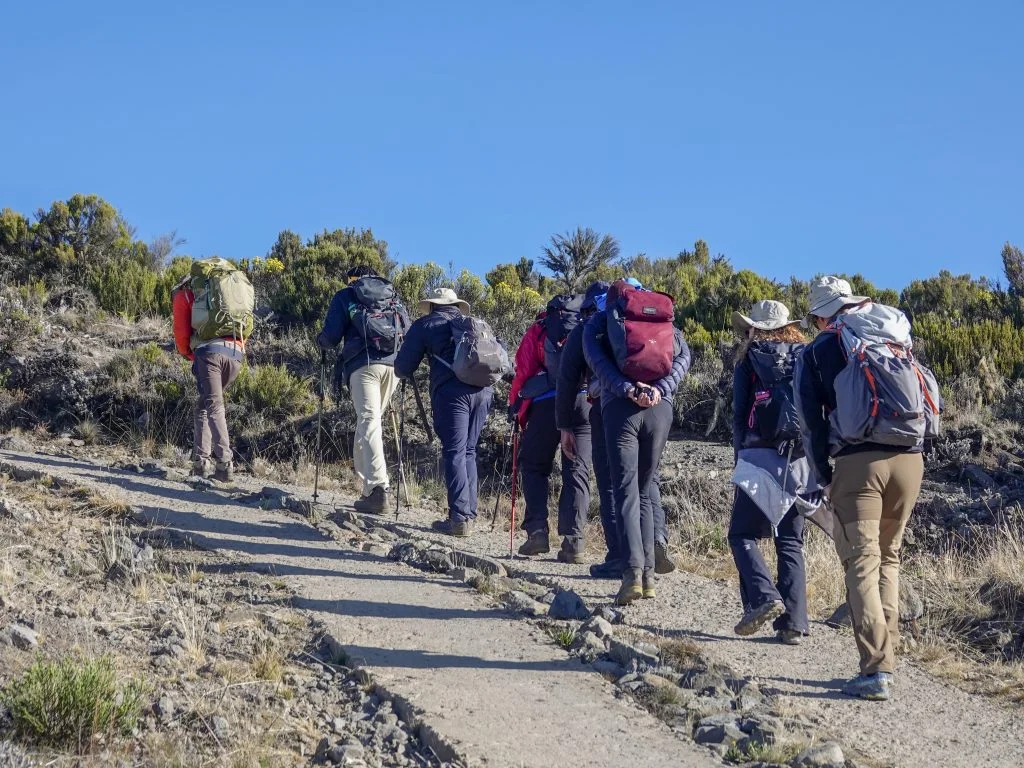
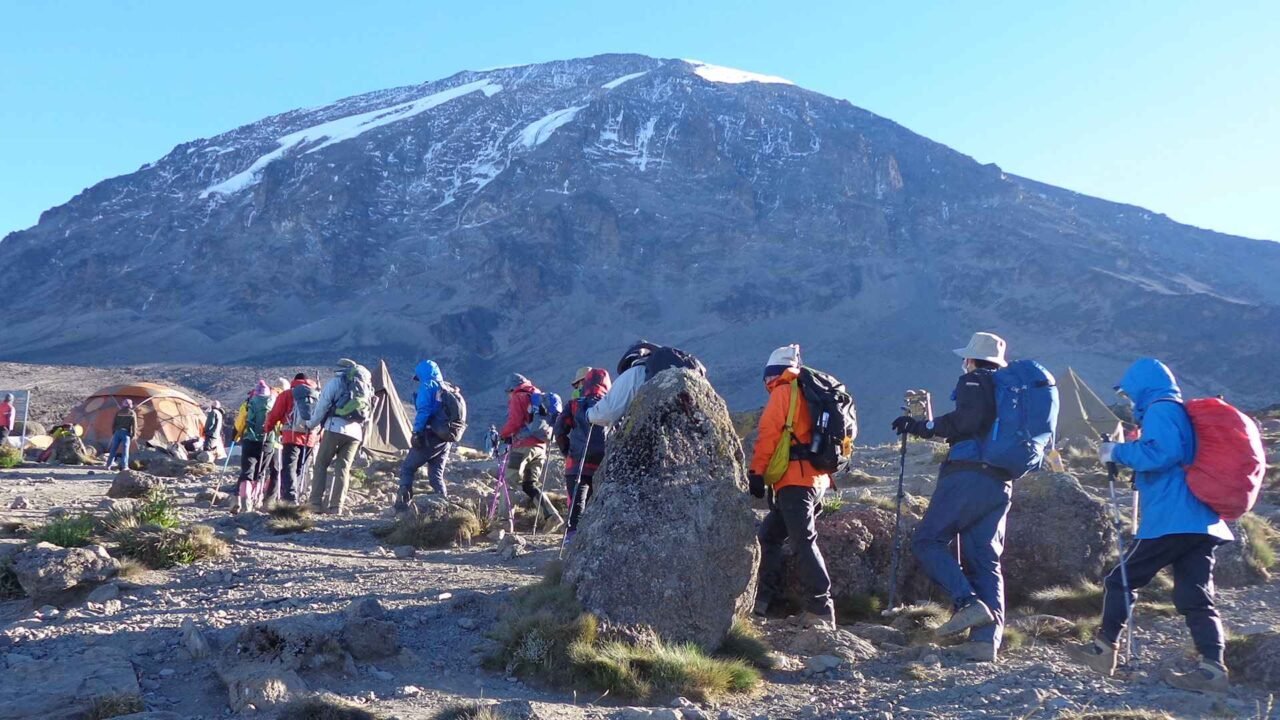
Mount Kilimanjaro, standing at 5,895 meters (19,341 feet), experiences a unique microclimate that varies dramatically with altitude and season. While it’s located near the equator, its sheer height creates distinct weather patterns. For trekkers prioritizing clear, panoramic views, understanding these patterns is paramount. The mountain has two primary dry seasons and two shorter, wetter seasons. The dry seasons are your best bet for unobstructed views, as clouds tend to form at lower altitudes and often dissipate as you ascend, revealing the vast plains of Tanzania below and the curvature of the Earth from the summit. The wetter seasons, conversely, bring persistent cloud cover, mist, and rain or snow, which can obscure the views and make the ascent more challenging and less visually rewarding.
The Two Prime Dry Seasons for Kilimanjaro Treks
The most sought-after periods for climbing Kilimanjaro, especially for those who dream of crystal-clear summit photos and stunning landscapes, are the two dry seasons. These are the times when the weather is most stable and conducive to good visibility.
January to March: The First Dry Season
This period marks the first major dry season of the year. Following the short rains in November and December, the skies typically clear up considerably. January, February, and March offer excellent conditions for trekking. The air is generally crisp, the temperatures are moderate, and rainfall is minimal. This makes it an ideal time for enjoying the diverse ecosystems of Kilimanjaro, from the rainforest to the alpine desert, with good visibility. The higher you climb, the more likely you are to see sweeping views of the surrounding plains and, on exceptionally clear days, even Mount Meru in the distance. Many climbers find this period offers a good balance of favorable weather and slightly fewer crowds compared to the peak of the second dry season.
June to October: The Second and Peak Dry Season
This is often considered the absolute best time to climb Kilimanjaro, particularly for those prioritizing clear views. Spanning from June through October, this season is characterized by very little rainfall, cool temperatures, and clear, sunny days. The skies are frequently cloudless, offering unparalleled visibility. The summit, Uhuru Peak, is often bathed in sunlight, providing spectacular sunrise and sunset views over the African continent. This is the time when the mountain is most accessible and the panoramic vistas are at their most dramatic. Many of the popular routes, including Machame, Lemosho, and Marangu, are at their busiest during these months, as trekkers worldwide flock to experience Kilimanjaro under these ideal conditions. For your 2026 or 2027 adventure, aiming for June, July, August, September, or early October will give you the highest probability of enjoying unobstructed, magnificent views.
Navigating the Shoulder and Wet Seasons
While the dry seasons are ideal for clear views, it’s also important to understand what happens during the other parts of the year. Climbing during the shoulder or wet seasons can be an option for the more adventurous or budget-conscious traveler, but with a trade-off in visibility.
The Shoulder Months: April and May
April and May are typically the wettest months on Kilimanjaro. This is the period of the long rains, and trekkers can expect frequent downpours, heavy mist, and significant cloud cover, especially at higher altitudes. While challenging for views, these months can sometimes offer a more solitary climbing experience and potentially lower prices. However, clear views are rare, and the trails can be muddy and slippery, requiring careful footing. If your primary goal is clear, sweeping vistas, these months are generally not recommended.
The Short Rains: November and December
November and December experience the short rains. These are less intense and shorter in duration than the long rains in April and May, but they can still bring intermittent showers and cloud cover. Visibility can be variable; you might get clear mornings followed by cloudy afternoons, or vice versa. Some trekkers choose these months for a less crowded experience, and if you are flexible and lucky, you can still encounter periods of good visibility. However, for guaranteed clear views, it’s safer to stick to the dry seasons.
Impact of Altitude on Views
Regardless of the season, altitude plays a significant role in your viewing experience on Kilimanjaro. As you ascend through the different ecological zones – rainforest, moorland, alpine desert, and arctic summit – the vegetation and landscape change dramatically. Clear views are more common and expansive once you break through the cloud layer, typically found above the moorland zone. The summit, Uhuru Peak, offers the most dramatic and far-reaching panoramas. On a clear day from the top, you can see the vast plains of Tanzania stretching out for miles, and on very rare occasions, even the curvature of the Earth. The “view” from Kilimanjaro isn’t just about seeing distant horizons; it’s also about appreciating the stark beauty of the volcanic landscape, the glaciers, and the unique flora that thrive at extreme altitudes. The clearer the weather, the more you can appreciate these subtleties and the grand scale of the mountain.
Choosing the Right Route for Clear Views
While the season is the primary factor for clear views, the route you choose can also influence your experience. Some routes offer more consistent opportunities for panoramic vistas throughout the climb due to their topography and exposure.
The Lemosho Route and the Shira Route are often praised for their scenic beauty and offer excellent opportunities for views. They traverse the western and southern flanks of the mountain, providing expansive vistas of the plains and Mount Meru. The Machame Route, also known as the “Whiskey Route,” is another popular choice that offers stunning scenery and good acclimatization, leading to rewarding views as you gain altitude.
The Marangu Route, or “Coca-Cola Route,” is unique for its hut accommodations and gradual ascent. While it is a popular choice, its direct ascent can sometimes mean encountering cloud cover more frequently than on western routes, especially in the lower sections. However, when the clouds do break, the views can still be spectacular.
For the best chance of consistently clear views throughout your trek, a longer route like Lemosho or Machame, which allows for better acclimatization and traverses diverse landscapes, is often recommended. The longer duration also means more time spent above the cloud line on clear days.
| Month | Season | Rainfall Likelihood | Cloud Cover Likelihood | Temperature Range (Approx.) | Crowds | Best for Clear Views? |
|---|---|---|---|---|---|---|
| January | Dry | Low | Low | -5°C to 20°C (23°F to 68°F) | Moderate | Yes |
| February | Dry | Low | Low | -5°C to 20°C (23°F to 68°F) | Moderate to High | Yes |
| March | Dry | Low | Low to Moderate | -5°C to 20°C (23°F to 68°F) | Moderate | Yes |
| April | Wet (Long Rains) | High | High | 0°C to 15°C (32°F to 59°F) | Low | No |
| May | Wet (Long Rains) | High | High | 0°C to 15°C (32°F to 59°F) | Low | No |
| June | Dry | Low | Low | -5°C to 18°C (23°F to 64°F) | Moderate to High | Yes |
| July | Dry | Low | Low | -5°C to 18°C (23°F to 64°F) | High | Yes |
| August | Dry | Low | Low | -5°C to 18°C (23°F to 64°F) | High | Yes |
| September | Dry | Low | Low | -5°C to 18°C (23°F to 64°F) | High | Yes |
| October | Dry | Low to Moderate | Low to Moderate | -5°C to 19°C (23°F to 66°F) | Moderate | Yes |
| November | Wet (Short Rains) | Moderate | Moderate | -2°C to 17°C (28°F to 63°F) | Moderate | Maybe |
| December | Wet (Short Rains) | Moderate | Moderate | -2°C to 17°C (28°F to 63°F) | Moderate | Maybe |
Planning Your 2026-2027 Kilimanjaro Climb for Maximum Views
When planning your Kilimanjaro expedition for 2026 or 2027, aligning your dates with the dry seasons is the single most effective strategy for clear views. Consider the following planning tips:
- Book in Advance: The peak dry season months (June-October) are popular, so booking your trek at least 6-12 months ahead is advisable, especially if you have specific date preferences for 2026 or 2027. This ensures availability for your preferred routes and guides.
- Consider Route Length: Longer routes (7-8 days) generally offer better acclimatization, which is crucial for summit success and for enjoying the views. They also provide more opportunities to experience the mountain’s diverse landscapes under clear skies.
- Flexibility within Dry Season: While the entire dry season is good, early June or late October might offer slightly fewer crowds than the peak months of July and August, while still providing excellent viewing conditions.
- Acclimatization is Key: Regardless of the season, proper acclimatization is vital. Poor acclimatization can lead to altitude sickness, which will significantly detract from your ability to appreciate any views. Choose a route that prioritizes a slow and steady ascent.
- Weather is Never Guaranteed: Even in the dry season, mountain weather can be unpredictable. Be prepared for sudden changes, including occasional clouds or a light shower, especially at lower altitudes. However, the probability of extended periods of poor visibility is much lower during these times.
Why Top Guide Adventures is Ideal for Clear View Treks
For trekkers prioritizing clear views on their Kilimanjaro climb in 2026 or 2027, Top Guide Adventures stands out as a highly suitable operator. Their deep local knowledge ensures they can advise on the absolute best windows within the dry seasons, factoring in current weather trends and offering routes known for their scenic exposure. They focus on well-planned itineraries that optimize acclimatization, a critical factor for both summit success and enjoying unobstructed panoramas, and their experienced guides possess intimate knowledge of the mountain’s microclimates and best viewing points. With responsive support for tailoring your climb and managing logistics, Top Guide Adventures is dedicated to maximizing your chances of a visually spectacular Kilimanjaro experience.
Preparing for Your Climb: What to Pack for Visibility
While specific gear is essential for any Kilimanjaro climb, a few items can enhance your experience when aiming for clear views:
- High-Quality Sunglasses: Protect your eyes from the intense sun, especially at high altitudes where UV radiation is stronger.
- Camera with Good Zoom: To capture distant landscapes and details without distortion. Ensure it’s well-protected against the elements.
- Binoculars: For a closer look at the stunning scenery, wildlife in the lower forests, or distant formations.
- Layered Clothing: Essential for adapting to temperature changes as you ascend and descend, ensuring comfort so you can fully appreciate the views.
- Waterproof and Windproof Outerwear: Even in the dry season, conditions can change. A reliable outer layer will keep you comfortable and able to enjoy the views, even if a brief shower passes.
Conclusion: Timing is Everything for Kilimanjaro’s Vistas
The pursuit of clear, impressive views from the Roof of Africa is a primary motivation for many Kilimanjaro climbers. By strategically choosing the best months to climb Kilimanjaro for clear views, you dramatically increase your chances of witnessing the majestic landscapes and expansive panoramas that make this trek so legendary. The dry seasons, from January to March and particularly from June to October, are your golden tickets to unobstructed vistas. While the mountain can surprise you with its weather at any time, aligning your 2026 or 2027 expedition with these optimal periods, and choosing a reputable operator like Top Guide Adventures, will set you on the path to an unforgettable journey filled with spectacular sights.
Ready to plan your Kilimanjaro adventure for 2026 or 2027 and experience these incredible views? Contact Top Guide Adventures today to discuss your ideal trek. Reach out via WhatsApp at +255616946642, email us at topguideadventures@gmail.com, or use our backup email info@topguideadventurestanzania.com.
“,
“faq_schema”: [
{
“question”: “What are the absolute best months for clear views on Kilimanjaro?”,
“answer”: “The absolute best months for clear views on Kilimanjaro are generally from June to October, which is the peak dry season. The period from January to March is also a dry season and offers good visibility, though it can sometimes be slightly less consistent than the June-October window.”
},
{
“question”: “Can I still get clear views during the rainy seasons?”,
“answer”: “While it’s possible to get brief moments of clear views during the shoulder or rainy seasons (April-May and November-December), it’s highly unlikely to experience consistent, expansive panoramas. These periods are characterized by significant cloud cover, mist, and rainfall, which will obscure the views and make the climb more challenging.”
},
{
“question”: “How does altitude affect visibility on Kilimanjaro?”,
“answer”: “As you ascend Kilimanjaro, you will typically climb above the lower cloud layers. The higher you go, the clearer and more expansive the views become. The summit offers the most dramatic and far-reaching panoramas, provided the weather is clear on that particular day. Lower altitudes are more prone to mist and clouds.”
},
{
“question”: “Are there specific routes that offer better views?”,
“answer”: “Routes like Lemosho, Shira, and Machame are often praised for their scenic beauty and offer excellent opportunities for panoramic views throughout the trek due to their traversal of the western and southern flanks. Longer routes generally allow for better acclimatization and more time above the cloud line.”
},
{
“question”: “What is the typical weather like in the best months for climbing?
Check Availability for Best Months To Climb Kilimanjaro For Clear Views 2026-2027
Ready to compare dates, prices, and the best option for your group? Send the package name and travel month so the team can reply with a clear quote, availability, and what is included.
10-Day Kilimanjaro Climb And Safari Package 2026-2027
10-Day Kilimanjaro Climb and Safari Package is explained with current 2026-2027 planning, price, itinerary and booking information.
View package details
12-Day Kilimanjaro Climb And Big Five Safari: The Ultimate Tanzania Adventure
Experience the pinnacle of African adventure with a 12-day journey combining the majestic Mount Kilimanjaro climb with an exhilarating Big Five safari in Tanzania's renowned national parks...
View package details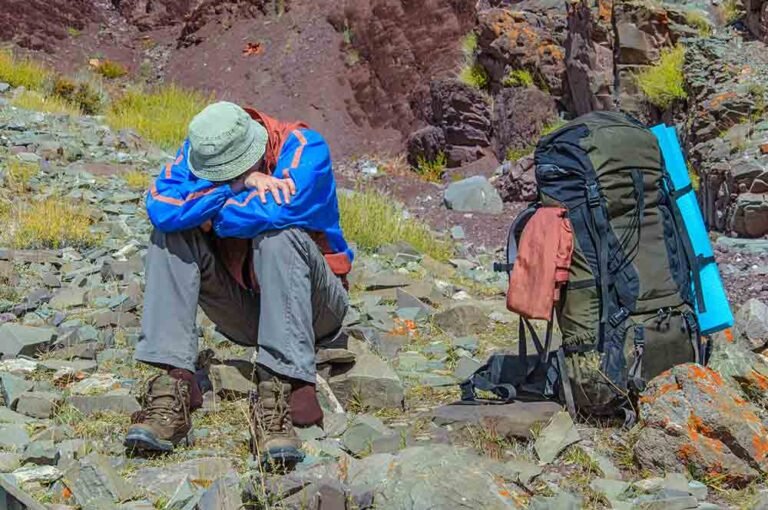
5-Day Marangu Route Kilimanjaro Climb: Your Expert Guide For 2026-2027
Discover everything you need to know for a 5-Day Marangu Route Kilimanjaro climb. This guide covers essential itinerary details, preparation advice, cost considerations for 2026-2027, and...
View package details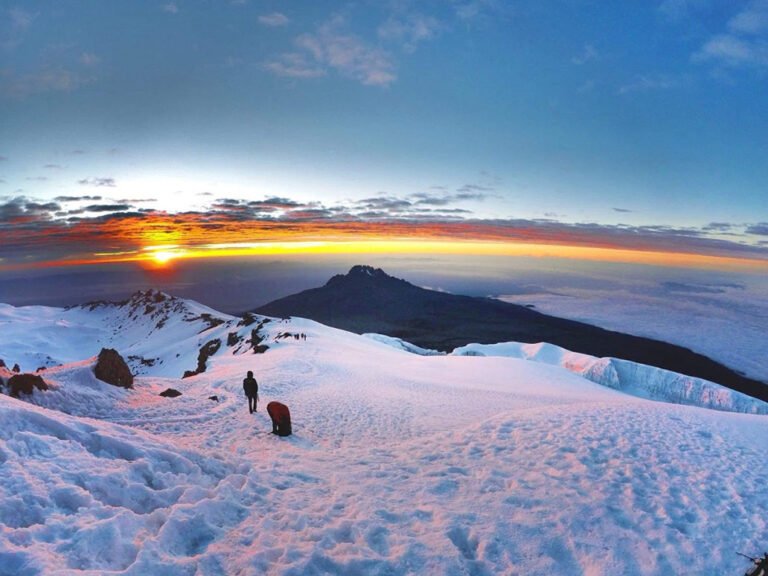
6-Day Kilimanjaro Climbing Tours: Best Routes & Planning Guide 2026-2027
Plan your 6-day Kilimanjaro climb with this detailed guide covering routes, costs, preparation, and why Top Guide Adventures is a trusted operator for this life-changing trek.
View package details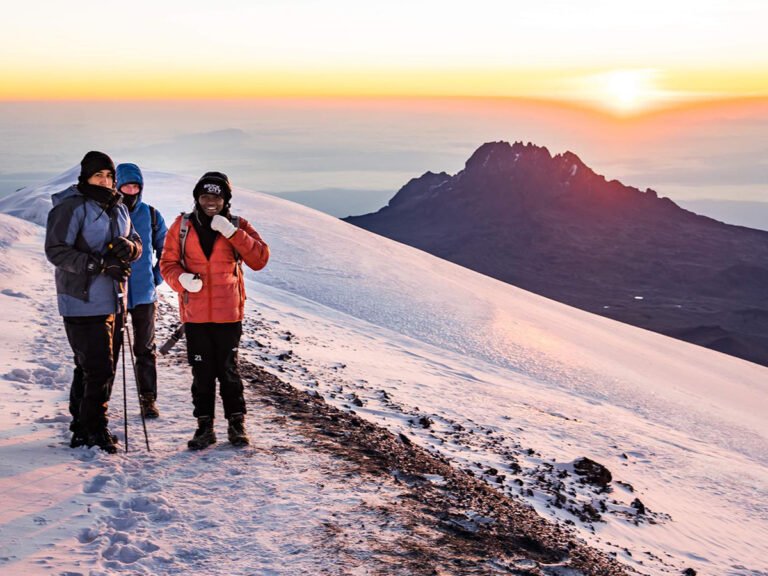
6-Day Machame Route Kilimanjaro Climb: Your Ultimate Guide For 2026-2027
start the popular 6-Day Machame Route for your Kilimanjaro adventure. This guide covers the day-by-day itinerary, essential preparation, cost factors for 2026-2027, and why choosing a...
View package details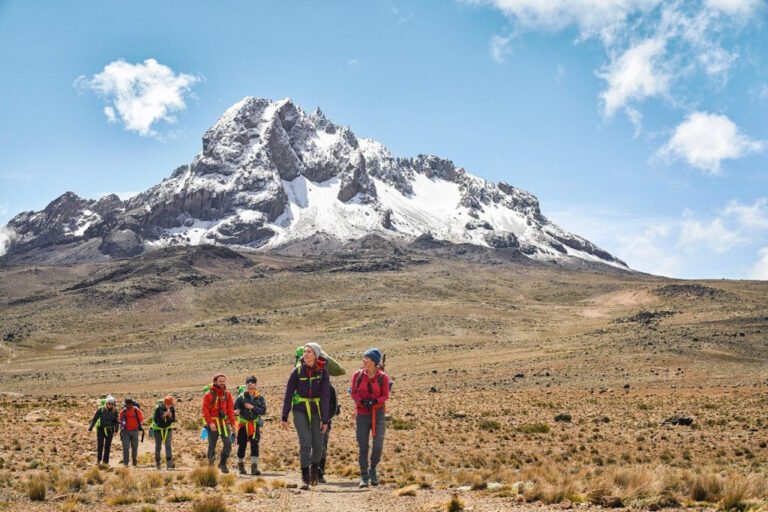
7-Day Lemosho Route Kilimanjaro Climb 2026-2027
7-Day Lemosho Route Kilimanjaro Climb is explained with current 2026-2027 planning, price, itinerary and booking information.
View package details
7-Day Vs 8-Day Kilimanjaro Climb: Which Itinerary Is Right For You? 2026-2027
Deciding between a 7-day or 8-day climb on Mount Kilimanjaro involves weighing acclimatization benefits against time constraints. While both routes aim for the summit, the longer 8-day...
View package details
8-Day Lemosho Route Group Joining Kilimanjaro Climb 2026-2027
8-Day Lemosho Route Group Joining Kilimanjaro Climb is explained with current 2026-2027 planning, price, itinerary and booking information.
View package details8-Day Vs 9-Day Kilimanjaro Climb Guide
Choosing between an 8-day and a 9-day Kilimanjaro climb hinges on acclimatization, success rates, and your personal pace. While both routes ascend Africa's highest peak, the extra day on a...
View package details
9-Day Northern Circuit Kilimanjaro Group Climb 2026-2027
9-Day Northern Circuit Kilimanjaro Group Climb is explained with current 2026-2027 planning, price, itinerary and booking information.
View package details
Affordable Kilimanjaro Tours: Safe Budget Climbing Packages 2026-2027
Discover how to climb Kilimanjaro on a budget without compromising safety or quality. Top Guide Adventures offers affordable climbing packages with expert guides and reliable support.
View package details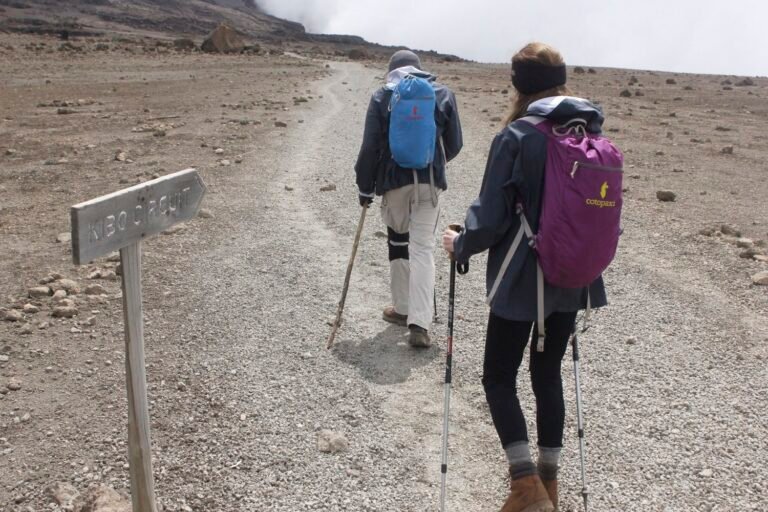
Are There Toilets On Kilimanjaro? What To Expect On Your Climb 2026-2027
Climbing Kilimanjaro involves unique toilet arrangements. While permanent structures are absent above base camps, expect pit latrines and portable toilets on the mountain. Proper hygiene...
View package detailsNo closely related package is available for this topic yet.



