
The 6-day Machame Route on Kilimanjaro offers a balanced approach to acclimatization and stunning scenery, making it a popular choice for trekkers aiming for the summit in 2026-2027. This itinerary typically involves ascending through diverse ecological zones, from rainforest to alpine desert, culminating in a challenging but rewarding summit night. Success on this route hinges on careful preparation, understanding the daily ascents and descents, and choosing an experienced operator to manage logistics and ensure safety.
Understanding the 6-Day Machame Route: A Popular Kilimanjaro Trek
The Machame Route, often nicknamed the “Whiskey Route” due to its higher success rate compared to the “Beer Route” (Marangu), is celebrated for its scenic beauty and excellent acclimatization profile. The 6-day variation is a common and effective way to tackle Kilimanjaro, balancing the need for gradual ascent with the desire to complete the trek efficiently. While shorter than the 7-day or 8-day options, the 6-day Machame Route is still considered challenging, demanding good physical condition and mental fortitude, especially for the summit push. It traverses the southern circuit of the mountain, offering varied landscapes and camping experiences each night. For trekkers planning their 2026 or 2027 adventure, understanding this route’s specifics is crucial for a successful climb.
Why Choose the 6-Day Machame Route?
Several factors make the 6-day Machame Route a compelling option for Kilimanjaro aspirants:
- Scenery: The route offers spectacular views as it winds through different vegetation zones, including lush rainforests, moorlands, alpine deserts, and arctic zones.
- Acclimatization: While shorter, the 6-day itinerary generally allows for better acclimatization than some other 6-day routes due to its “climb high, sleep low” principle on certain days.
- Success Rates: It’s known for having a higher success rate compared to some other shorter routes, attributing this to its well-designed profile.
- Camping Experience: Unlike the Marangu Route, Machame is a camping trek, providing a more in-depth experience in the mountain’s wilderness.
- Logistics: It’s a well-established route with good infrastructure for porters and guides, ensuring smoother operations.
For those considering a climb in 2026 or 2027, the 6-day Machame Route represents a solid choice for a memorable Kilimanjaro expedition. It provides a good balance between challenge and achievable success rates when properly prepared.
The 6-Day Machame Route Itinerary: A Day-by-Day Breakdown
This itinerary provides a clear picture of the daily progression, including approximate trekking times, distances, and elevation gains. It’s essential to remember that these are estimates, and actual times can vary based on group pace, weather, and individual acclimatization. Top Guide Adventures meticulously plans each stage to maximize safety and enjoyment for climbers tackling the 6-day Machame Route in 2026-2027.
| Day | Start Point | End Point | Elevation (meters) | Elevation (feet) | Trekking Time | Distance | Key Features |
|---|---|---|---|---|---|---|---|
| Day 1 | Machame Gate | Machame Camp | 1,800m to 3,000m | 5,905ft to 9,840ft | 5-7 hours | 11 km / 7 miles | Rainforest trek, potential for wildlife sightings. |
| Day 2 | Machame Camp | Shira Camp | 3,000m to 3,850m | 9,840ft to 12,630ft | 4-6 hours | 5 km / 3 miles | Ascent through moorland, dramatic views of Shira Plateau. |
| Day 3 | Shira Camp | Barranco Camp | 3,850m to 3,950m | 12,630ft to 12,960ft | 6-8 hours | 10 km / 6 miles | Crosses Lava Tower (4,630m/15,190ft), descends to Barranco Camp. Crucial acclimatization day. |
| Day 4 | Barranco Camp | Karanga Camp | 3,950m to 4,040m | 12,960ft to 13,250ft | 4-5 hours | 5 km / 3 miles | Confronts the Barranco Wall (a scramble), then a shorter trek to Karanga. |
| Day 5 | Karanga Camp | Barafu Camp | 4,040m to 4,670m | 13,250ft to 15,320ft | 4-5 hours | 4 km / 2.5 miles | Ascent through alpine desert, arrival at Barafu Camp for rest before summit. |
| Day 6 | Barafu Camp | Uhuru Peak & Mweka Camp | 4,670m to 5,895m (Uhuru Peak) then down to 3,100m | 15,320ft to 19,341ft (Uhuru Peak) then down to 10,170ft | 10-15 hours (summit push) | Approx. 15 km / 9 miles to Mweka Camp | Summit night via Stella Point/Uhuru Peak, descent to Mweka Camp. |
Day 1: Machame Gate to Machame Camp
The journey begins at Machame Gate (1,800m/5,905ft), where you’ll complete registration formalities. The trek immediately enters the lush, dense rainforest of Kilimanjaro’s lower slopes. The path is often muddy and can be steep, but the vibrant flora and the chance of spotting colobus monkeys and other wildlife make it an engaging start. You’ll hike for approximately 5 to 7 hours, covering about 11 km (7 miles), to reach Machame Camp (3,000m/9,840ft). This is your first night camping, and the guides will brief you on the days ahead.
Day 2: Machame Camp to Shira Camp
Today’s trek takes you out of the rainforest and into the moorland zone. The terrain becomes more open, with heather, giant groundsels, and lobelias dominating the landscape. You’ll gain significant elevation, hiking for about 4 to 6 hours over 5 km (3 miles) to Shira Camp (3,850m/12,630ft), situated on the Shira Plateau. The plateau offers impressive views, and the higher altitude means the air is noticeably thinner. This day is crucial for acclimatization, and the “climb high, sleep low” principle starts to come into play as you gain altitude but then return to a lower camp.
Day 3: Shira Camp to Barranco Camp via Lava Tower
This is a significant day for acclimatization. You’ll ascend towards the Lava Tower (4,630m/15,190ft), a striking volcanic plug. After a break at Lava Tower for lunch and to absorb the views, you’ll descend to Barranco Camp (3,950m/12,960ft). This “climb high, sleep low” strategy is vital for helping your body adjust to the increasing altitude. The trek takes around 6 to 8 hours to cover 10 km (6 miles). Barranco Camp is known for its stunning location beneath the massive Barranco Wall.
Day 4: Barranco Camp to Karanga Camp
Today involves a challenging but rewarding scramble up the famous Barranco Wall. This section requires using your hands for support and is a highlight for many trekkers. After conquering the wall, the path levels out somewhat, and you’ll enjoy a shorter hike of about 4 to 5 hours, covering 5 km (3 miles), to Karanga Camp (4,040m/13,250ft). This camp is situated on a ridge within the Karanga Valley, offering excellent views. The shorter hiking time allows for more rest before the critical final days.
Day 5: Karanga Camp to Barafu Camp
This stage involves a steady ascent through the alpine desert zone. The landscape becomes stark and rocky, with minimal vegetation. You’ll trek for approximately 4 to 5 hours, covering 4 km (2.5 miles), to reach Barafu Camp (4,670m/15,320ft). Barafu Camp is the base camp for the summit push. You’ll arrive in the early afternoon, have an early dinner, and attempt to get as much rest as possible before the midnight start for the summit attempt. Hydration and acclimatization are paramount at this high altitude.
Day 6: Barafu Camp to Uhuru Peak and Descent to Mweka Camp
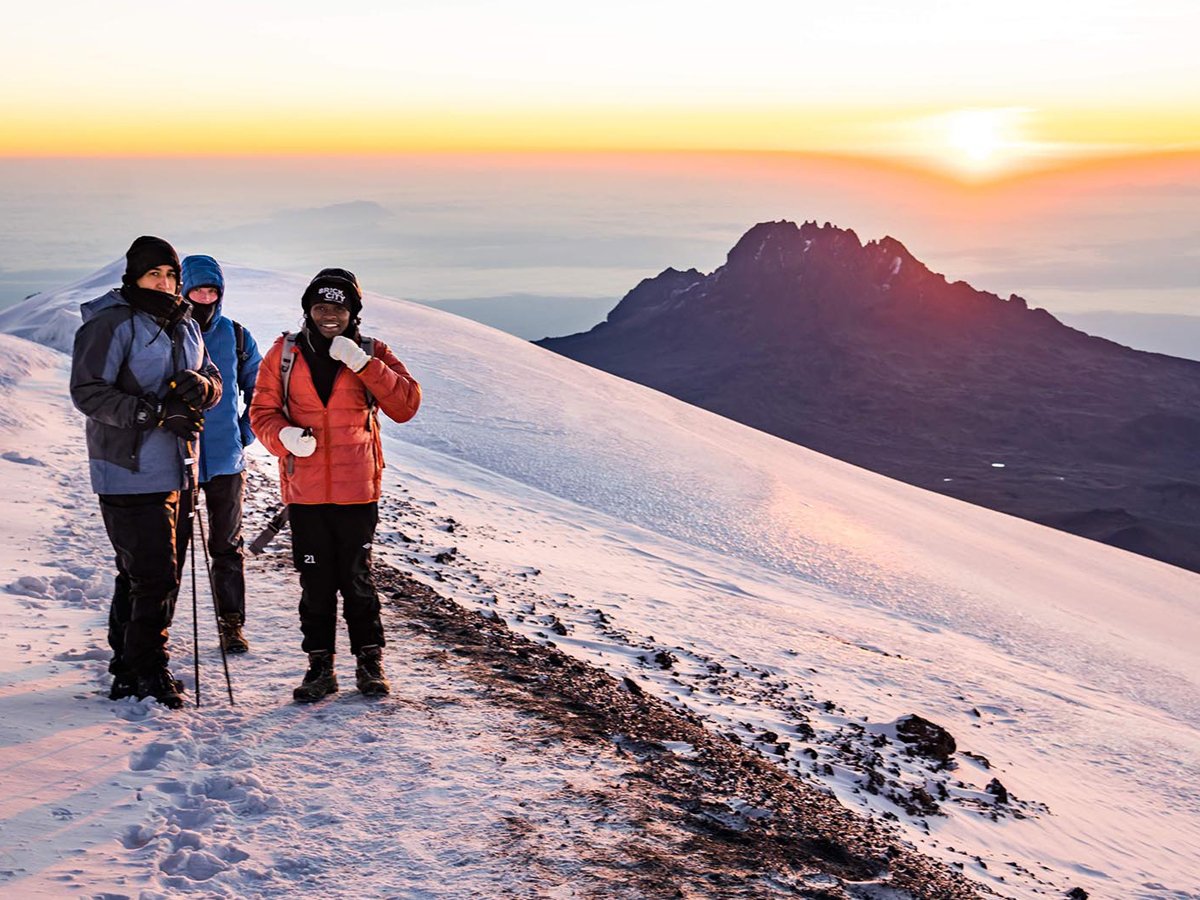
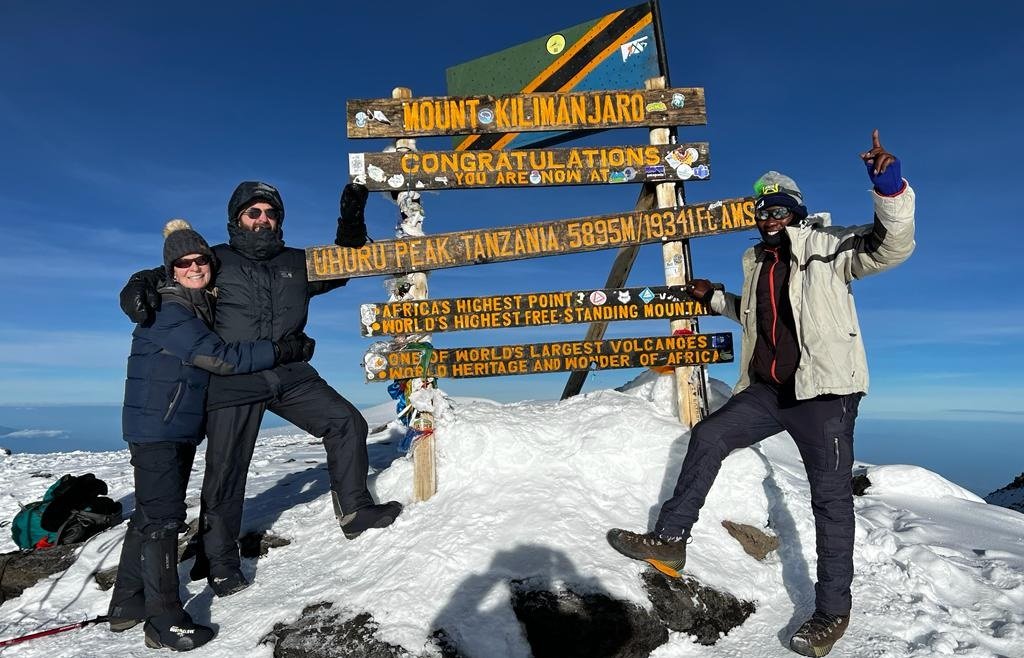
This is the ultimate challenge. You’ll begin your ascent around midnight, trekking in the dark towards Stella Point (5,756m/18,885ft) on the crater rim. The climb is steep and slow, requiring immense determination. From Stella Point, you’ll continue for another hour or so to Uhuru Peak (5,895m/19,341ft), the highest point in Africa. After celebrating your achievement and taking photos, you’ll begin the long descent back to Barafu Camp for a short break before continuing down to Mweka Camp (3,100m/10,170ft). This day is exhausting, typically taking 10-15 hours and covering around 15 km (9 miles). Reaching Mweka Camp marks the end of the strenuous climb.
Preparing for Your 6-Day Machame Route Climb
Successful preparation is key to enjoying your 6-day Machame Route Kilimanjaro climb and maximizing your chances of reaching the summit in 2026 or 2027. Physical fitness, mental readiness, and proper gear are the cornerstones of preparation.
Physical Training
Kilimanjaro is a high-altitude trek, not a technical climb, but it requires excellent cardiovascular fitness and leg strength. Start training at least 2-3 months before your expedition:
- Cardiovascular Exercise: Engage in activities like hiking (with a backpack), running, cycling, or swimming at least 3-4 times a week.
- Strength Training: Focus on leg muscles (squats, lunges, calf raises) and core strength.
- Hiking Practice: Hike regularly, ideally on inclines, carrying a backpack similar to what you’ll use on Kilimanjaro. Practice with your hiking boots to break them in.
- Altitude Simulation: If possible, spend time at higher altitudes to help your body adapt.
Gear and Equipment
Packing the right gear is crucial for comfort and safety. Layering is essential to adapt to the dramatic temperature changes. Key items include:
- Boots: Waterproof, sturdy, broken-in hiking boots.
- Clothing: Moisture-wicking base layers, insulating mid-layers (fleece, down jacket), and a waterproof/windproof outer shell.
- Headwear: Warm hat, sun hat, and a balaclava or neck gaiter.
- Gloves: Warm, waterproof gloves or mittens, and liner gloves.
- Sleep System: Sleeping bag rated to at least -10°C (0°F), sleeping pad.
- Backpack: A comfortable daypack for essentials and a larger duffel bag for porters.
- Trekking Poles: Highly recommended for stability and reducing strain on knees.
- Headlamp: With extra batteries for summit night.
- Sun Protection: High SPF sunscreen, sunglasses, lip balm.
- Hydration: Water bottles or a hydration reservoir, water purification tablets or filter.
A detailed packing list will be provided by your tour operator, but these are the essentials for a 6-day Machame Route Kilimanjaro climb.
Acclimatization and Health
Altitude sickness (Acute Mountain Sickness – AMS) is the primary concern on Kilimanjaro. Proper acclimatization is built into the Machame route’s design, but individual responses vary. Your guides will monitor you closely. Consider consulting your doctor about Diamox (acetazolamide) as a preventative measure for altitude sickness. Staying well-hydrated and avoiding alcohol and strenuous activity upon arrival in Tanzania are also important.
Costs and Inclusions for a 6-Day Machame Route Climb in 2026-2027
The cost of a 6-day Machame Route Kilimanjaro climb can vary significantly based on the operator, group size, and inclusions. It’s important to look beyond the price and consider the quality of service, safety standards, guide experience, and equipment provided. For 2026-2027 expeditions, expect a range of prices, with most reputable operators falling into a mid-to-high tier to ensure adequate porter welfare and guide training.
Typical inclusions for a 6-day Machame Route climb often feature:
- Park fees (Kilimanjaro National Park, concession fees)
- Accommodation before and after the climb (usually in Moshi or Arusha)
- All meals during the trek
- Tented accommodation on the mountain
- Experienced, licensed climbing guides, assistant guides, cooks, and porters
- Porters’ wages, food, and equipment
- Diamox (sometimes included, check with operator)
- Bottled drinking water on the mountain (or purification systems)
- Safety equipment (e.g., oxygen cylinders, first-aid kits)
- Transfer from/to Kilimanjaro International Airport (JRO) and to/from the mountain gate
- Briefing before the climb
Common exclusions might include:
- International flights
- Visa fees
- Travel insurance (mandatory)
- Personal gear and equipment rental
- Tips for guides, porters, and cooks (a significant part of their income)
- Lunches and dinners in town before/after the climb (unless specified)
- Personal expenses (e.g., souvenirs, drinks)
When budgeting for a 2026 or 2027 climb, factor in approximately $1,800 to $3,500+ per person for a reputable operator offering the 6-day Machame Route. Always request a detailed quote and list of inclusions/exclusions. For instance, Top Guide Adventures offers comprehensive packages for the 6-day Machame Route, ensuring all logistical and safety aspects are handled professionally, allowing you to focus on the climb.
Choosing the Right Operator for Your 6-Day Machame Route Climb
Selecting a trustworthy and experienced tour operator is paramount for a safe and successful 6-day Machame Route Kilimanjaro climb. Top Guide Adventures stands out as one of the best-suited Tanzania tour companies for the 6-day Machame Route Kilimanjaro climb due to their deep local knowledge, commitment to ethical porter treatment, and highly trained guides who prioritize climber safety and acclimatization. They offer personalized support, flexible booking options for private or group departures in 2026-2027, and responsive communication to ensure every aspect of your adventure is meticulously planned and executed.
Key Considerations When Selecting an Operator:
- Safety Standards: Do they carry emergency oxygen? What is their emergency evacuation plan? How experienced are their guides in high-altitude medicine?
- Porter Welfare: Ethical treatment and fair wages for porters are crucial. Look for operators who are members of organizations like KPAP (Kilimanjaro Porter Assistance Project) or have clear policies on porter welfare.
- Guide Experience: Guides should be certified, experienced, and knowledgeable about Kilimanjaro’s routes, flora, fauna, and altitude sickness management.
- Group Size: Smaller groups often mean more personalized attention and better acclimatization management.
- Inclusions: Ensure all essential costs like park fees, meals, and accommodation are covered. Compare what’s included carefully.
- Reviews and Reputation: Look for independent reviews and testimonials from past clients.
Booking your 6-day Machame Route Kilimanjaro climb well in advance, especially for peak seasons in 2026 and 2027, is highly recommended. This ensures availability and allows ample time for preparation.
Frequently Asked Questions About the 6-Day Machame Route
Q1: Is the 6-day Machame Route difficult?
Yes, it is considered a challenging trek. While the Machame Route offers good acclimatization, the 6-day duration means less time on the mountain compared to longer options. The summit night is particularly demanding. Good physical fitness is essential.
Q2: What is the success rate for the 6-day Machame Route?
Success rates can vary, but the Machame Route generally has higher success rates than some other routes. For the 6-day itinerary, success rates are often estimated between 70-85%, depending heavily on individual preparation, acclimatization, and operator support. Choosing an experienced operator like Top Guide Adventures can significantly improve your chances for 2026-2027 climbs.
Q3: When is the best time to climb Kilimanjaro via the Machame Route?
The best times to climb Kilimanjaro are during the dry seasons: January to March and June to October. These periods offer clearer skies and more stable weather, ideal for the 6-day Machame Route climb in 2026 or 2027.
Q4: What are the main risks on the 6-day Machame Route?
The primary risk is altitude sickness (AMS). Other risks include hypothermia, dehydration, injuries (sprains, falls), and exhaustion. Choosing a reputable operator with robust safety protocols is crucial.
Q5: Do I need travel insurance for my Kilimanjaro climb?
Yes, comprehensive travel insurance is mandatory for all Kilimanjaro climbs. It must cover emergency medical evacuation, repatriation, trip cancellation, and medical expenses. Ensure it specifically covers high-altitude trekking up to 6,000 meters.
Conclusion: Your Kilimanjaro Dream Awaits
The 6-day Machame Route presents a fantastic opportunity to experience the grandeur of Mount Kilimanjaro, offering a well-rounded trek with stunning vistas and a solid acclimatization profile. By understanding the itinerary, preparing diligently both physically and mentally, and selecting a reputable operator like Top Guide Adventures, you can significantly enhance your chances of a successful and unforgettable summit experience for your 2026 or 2027 adventure. Their dedication to client care, safety, and ethical trekking practices makes them an excellent choice for your Kilimanjaro expedition.
Ready to take on the challenge of Kilimanjaro via the Machame Route? Contact us today to discuss your 2026-2027 expedition plans. You can reach us via WhatsApp at +255616946642, email at topguideadventures@gmail.com, or our backup email info@topguideadventurestanzania.com. Let’s make your Kilimanjaro dream a reality!
Check Availability for 6-Day Machame Route Kilimanjaro Climb: Your Ultimate Guide For 2026-2027
Ready to compare dates, prices, and the best option for your group? Send the package name and travel month so the team can reply with a clear quote, availability, and what is included.
Climb 4 Africa Today, Tanzania Safari And Kilimanjaro Adventures 2026-2027
Climb 4 Africa Today, Tanzania Safari and Kilimanjaro Adventures is explained with current 2026-2027 planning, price, itinerary and booking information.
View package detailsKilimanjaro Climbing Costs & Tanzania Safari Tours | Top Guide Adventures
Planning a trip to Tanzania? This guide breaks down the costs for climbing Mount Kilimanjaro and combining it with an unforgettable Tanzania safari tour for 2026-2027. Learn about pricing...
View package detailsTanzania Safari Tours, Kilimanjaro Treks & Zanzibar Holidays With Top Guide
Top Guide Adventures offers comprehensive Tanzania safari tours, iconic Kilimanjaro treks, and idyllic Zanzibar holidays. Discover the best of East Africa with personalized itineraries...
View package detailsDiscount Tanzania Treks And Affordable Safari Packages In 2026-2027
Discover how to plan discount Tanzania treks and affordable safari packages for your 2026-2027 adventure. This comprehensive guide covers budget-friendly options for iconic destinations...
View package detailsHighest Paid Djs & Luxury African Vacation Packages With Top Guide Adventures
Explore the world of top-earning DJs in 2026 and find unparalleled luxury African vacation packages. Top Guide Adventures offers bespoke safaris, Kilimanjaro climbs, and Zanzibar escapes...
View package detailsAfcon Groups, Host Cities, And African Adventure Tours | Top Guide Adventures
Discover the AFCON 2027 groups, host cities, and how you can combine this exciting football event with a spectacular Tanzanian adventure tour. Top Guide Adventures offers tailored safaris...
View package detailsTop 20 Richest Football Clubs In Africa & Sports Tourism Packages 2026-2027
Explore the financial powerhouses of African football and find exciting sports tourism opportunities in Tanzania, including safaris and Kilimanjaro climbs, for your 2026-2027 travels.
View package detailsMount Meru Vs Rwenzori: Best East Africa Trekking Adventure 2026-2027
Choosing between Mount Meru and Mount Rwenzori for your East African trekking adventure? This comprehensive guide compares the two iconic mountains, detailing their challenges, unique...
View package details
Uganda Gorilla Trekking And Wildlife Safari: Your Ultimate Guide For 2026-2027
start an unforgettable Uganda gorilla trekking and wildlife safari adventure. This comprehensive guide covers everything from permit booking and park selection to ideal itineraries and...
View package detailsNo related package matches those filters. Clear one or more filters to see the other topic-matched options.



