
The 9-day Northern Circuit Kilimanjaro group climb is renowned for its excellent acclimatization profile, offering the highest summit success rates among all Kilimanjaro routes by circling the mountain for an extended period before ascending to Uhuru Peak. This comprehensive itinerary, ideal for adventurers in 2026-2027, maximizes your chances of reaching the summit while allowing you to experience diverse ecosystems and impressive vistas on your journey. By choosing a reputable operator, you ensure smooth logistics, experienced guides, and essential support for a memorable and safe 9-day Northern Circuit Kilimanjaro group climb.
Understanding the 9-Day Northern Circuit Kilimanjaro Group Climb
The 9-day Northern Circuit Kilimanjaro group climb is often considered the longest and most scenic route up Africa’s highest peak. Its extended duration is its primary advantage, allowing for a slower, more gradual ascent and descent, which is crucial for proper acclimatization. This significantly boosts the chances of reaching the summit safely and comfortably, a critical factor for any Kilimanjaro trekker planning for 2026 or 2027. Unlike shorter routes that rush climbers through different altitude zones, the Northern Circuit takes you around the entire mountain, offering panoramic views and a rich variety of landscapes, from lush rainforests to alpine deserts and glacial zones. This route is ideal for those who want to maximize their experience and minimize altitude sickness risks during their 9-day Northern Circuit Kilimanjaro group climb.
Choosing a group climb for the 9-day Northern Circuit Kilimanjaro expedition can also be a rewarding experience. It allows you to share the journey with like-minded adventurers, creating camaraderie and shared memories. Group departures often offer more economical pricing due to shared logistics and porterage costs, making this incredible adventure more accessible for 2026-2027 bookings. The social aspect can provide motivation during challenging moments and a sense of shared accomplishment upon reaching the summit.
Why the 9-Day Northern Circuit is Superior for Acclimatization
The core principle of successful high-altitude trekking is acclimatization – allowing your body to gradually adjust to lower oxygen levels. The 9-day Northern Circuit Kilimanjaro group climb excels here because it averages shorter daily distances with lower altitude gains and significant periods spent at higher altitudes, followed by descents to sleep. This ‘climb high, sleep low’ strategy is naturally built into the 9-day Northern Circuit itinerary, drastically reducing the risk and severity of Acute Mountain Sickness (AMS). Shorter routes, such as the Marangu or Machame routes over 6 or 7 days, often ascend too quickly, pushing the body beyond its capacity to adapt. The 9-day Northern Circuit, by contrast, dedicates ample time to exploring different altitude bands, giving your red blood cells time to increase, your breathing to adapt, and your body to function more efficiently at elevation.
Consider the typical progression: on a 7-day route, you might gain 1000 meters in altitude within a single day. On the 9-day Northern Circuit, the daily ascents are generally more modest, and the route encircles the mountain, allowing for more days spent at similar altitudes, interspersed with crucial overnight descents. This extended exposure is what truly prepares your body for the final summit push, making the 9-day Northern Circuit Kilimanjaro group climb a more scientifically sound approach to conquering Kilimanjaro.
Detailed Itinerary Breakdown: The 9-Day Northern Circuit
The 9-day Northern Circuit Kilimanjaro group climb follows a clockwise path around Kilimanjaro, starting and ending at the Marangu Gate. This route is also known as the Lemosho variant when starting from the Lemosho Glades, but the 9-day Northern Circuit specifically refers to the extended circumnavigation.
Day 1: Lemosho Gate (2100m) to Mti Mkubwa Camp (2800m)
Your adventure begins with a scenic drive from Moshi to the Lemosho Gate. After completing park formalities, you’ll start a 2-3 hour hike through the lush rainforest to Mti Mkubwa Camp. This gentle introduction allows for an easy start to your 9-day Northern Circuit Kilimanjaro group climb, with opportunities to spot colobus monkeys and diverse birdlife.
Day 2: Mti Mkubwa Camp (2800m) to Shira 1 Camp (3500m)
Today involves a longer trek, ascending out of the rainforest into a moorland zone. The trail can be steep in places, but the views of the surrounding plains become increasingly dramatic. You’ll reach Shira 1 Camp, a beautiful site on the Shira Plateau, offering your first expansive views of Kilimanjaro’s Kibo cone. This day is essential for acclimatization on your 9-day Northern Circuit Kilimanjaro group climb.
Day 3: Shira 1 Camp (3500m) to Shira 2 Camp (3850m)
A relatively short day allows for further acclimatization as you traverse the Shira Plateau. The landscape transitions into an alpine desert. You’ll reach Shira 2 Camp, which offers stunning panoramic views and is a good base for exploring the plateau. Some itineraries might include an optional excursion to Shira Cathedral, a magnificent rock formation.
Day 4: Shira 2 Camp (3850m) to Barranco Camp (3950m)
This is a significant day for acclimatization. You’ll ascend towards the Lava Tower (4600m), a popular lunch spot, before descending to Barranco Camp. This ‘climb high, sleep low’ strategy is vital for your 9-day Northern Circuit Kilimanjaro group climb. The descent to Barranco Camp, situated in a sheltered valley, is crucial for allowing your body to adjust to the higher altitude reached during the day.
Day 5: Barranco Camp (3950m) to Karanga Camp (4000m)
The highlight of today is the Barranco Wall, a challenging but rewarding scramble. While it looks daunting, it’s more of a climb than a technical rock ascent and is well-supported by guides. After conquering the wall, you’ll descend slightly and then climb to Karanga Camp, located at 4000m. This day tests your endurance and provides excellent acclimatization as you gain altitude and then settle in.
Day 6: Karanga Camp (4000m) to Barafu Camp (4600m)
You’ll trek across a barren, alpine desert landscape towards Barafu Camp, the base camp for the summit push. The terrain is exposed and rocky. Reaching Barafu Camp early allows for rest and hydration in preparation for the demanding summit night. This is often the most challenging day of the 9-day Northern Circuit Kilimanjaro group climb in terms of altitude gain and exposed terrain.
Day 7: Summit Day! Barafu Camp (4600m) to Uhuru Peak (5895m) and descent to Mweka Camp (3100m)
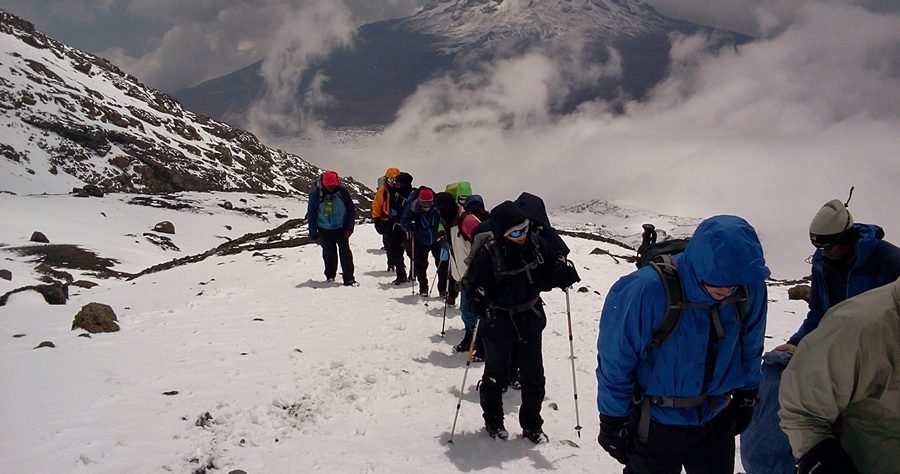
The summit attempt begins around midnight. You’ll ascend switchbacks on scree slopes under the starlight, aiming to reach Stella Point on the crater rim by sunrise. From Stella Point, you’ll continue to Uhuru Peak, the highest point in Africa. After celebrating your achievement, you’ll descend back to Barafu Camp for a short rest before continuing the long descent to Mweka Camp. This is the most physically and mentally demanding day of your 9-day Northern Circuit Kilimanjaro group climb.
Day 8: Mweka Camp (3100m) to Mweka Gate (1650m)
After breakfast, you’ll complete the final descent through the montane forest to Mweka Gate. Here, you’ll receive your climbing certificates and meet your driver for the transfer back to your hotel in Moshi. This marks the end of the trekking portion of your 9-day Northern Circuit Kilimanjaro group climb.
Day 9: Rest Day / Departure
Enjoy a well-deserved rest day in Moshi, celebrating your accomplishment, or depart for your next destination. Many travelers combine their Kilimanjaro climb with a safari in the Serengeti or a relaxing beach holiday in Zanzibar, experiences also expertly organized by Top Guide Adventures.
Group vs. Private 9-Day Northern Circuit Climbs
When planning your 9-day Northern Circuit Kilimanjaro group climb, you’ll often encounter options for group departures or private climbs. Each has its advantages, and the best choice depends on your preferences, budget, and desired flexibility.
Group Climbs:
- Cost-Effective: Sharing costs for guides, porters, cook, and park fees generally makes group departures more affordable. This is a significant consideration for many trekkers planning for 2026-2027.
- Social Experience: You’ll trek alongside other adventurers, fostering a sense of community and shared achievement.
- Fixed Departures: Group climbs usually operate on set dates, requiring you to align your schedule with the operator’s departure calendar.
- Less Flexibility: Pace and daily routines are often set by the group’s overall progress.
Private Climbs:
- Flexibility: You can choose your exact departure date and set your own pace, making it ideal for those with specific schedules or who prefer a more customized experience.
- Personalized Attention: The support crew focuses solely on your group, allowing for more tailored meal choices and potentially faster decision-making.
- Higher Cost: The entire cost of the expedition is borne by your group, making it more expensive than a comparable group climb.
- Ideal for Families/Friends: Perfect for a pre-formed group of friends or family who want to share the experience together.
For the 9-day Northern Circuit Kilimanjaro group climb, selecting a group departure is often the most popular and economical choice, especially for solo travelers or couples looking to join others. However, a private climb offers unparalleled customization if budget is less of a concern.
Essential Gear for Your 9-Day Northern Circuit Kilimanjaro Group Climb
Proper gear is paramount for comfort, safety, and success on any Kilimanjaro climb, especially the extended 9-day Northern Circuit. Layering is key, as temperatures can fluctuate dramatically from the humid rainforest at the base to the freezing summit and back down. Here’s a breakdown of essential items:
Clothing:
- Base Layers: Moisture-wicking thermal tops and bottoms (merino wool or synthetic).
- Mid Layers: Fleece jackets or insulated vests for warmth.
- Outer Layer: Waterproof and windproof jacket and pants (Gore-Tex or similar).
- Insulated Jacket: A warm down or synthetic puffy jacket for cold evenings and summit night.
- Trekking Pants: Lightweight, quick-drying pants. Avoid jeans.
- Shorts: For the lower, warmer sections.
- Hiking Shirts: Several moisture-wicking short and long-sleeved shirts.
Footwear:
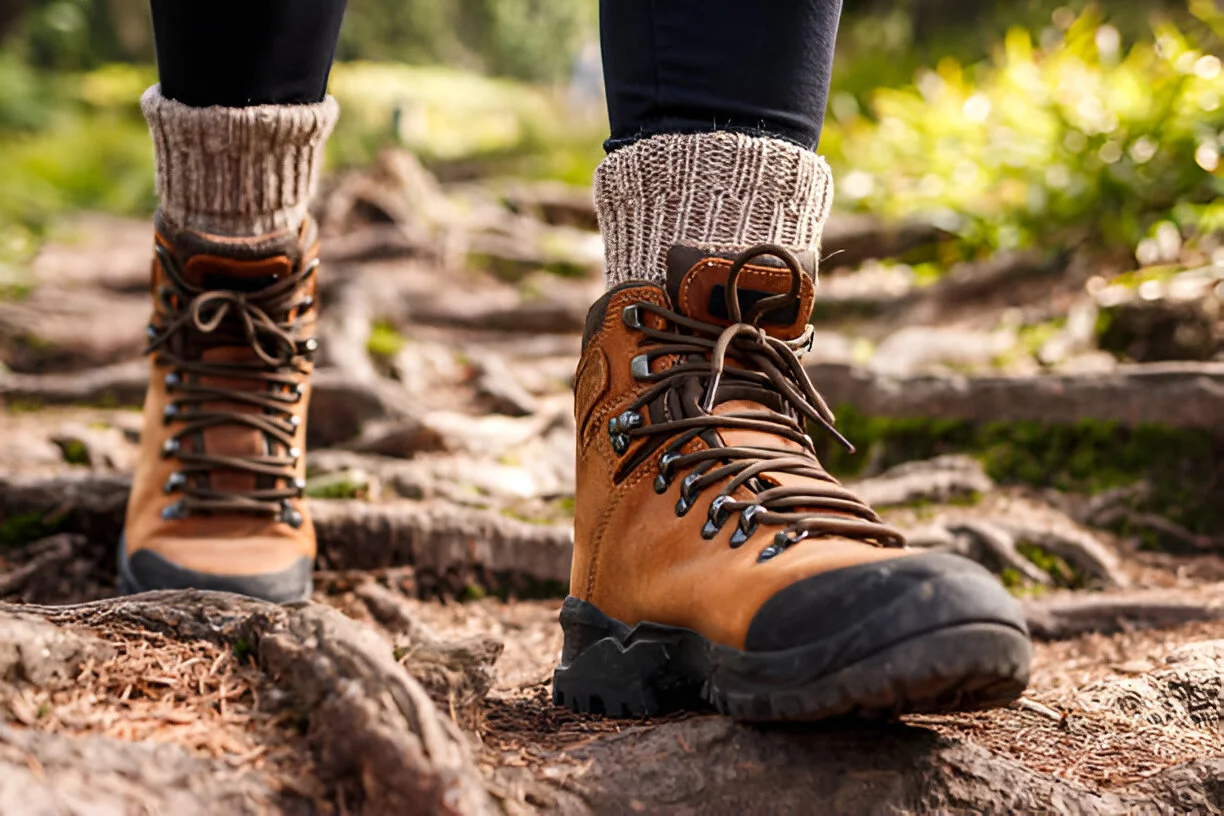
- Hiking Boots: Broken-in, waterproof, mid-to-high ankle support hiking boots.
- Camp Shoes: Comfortable sandals or lightweight trainers for around camp.
- Socks: Several pairs of warm wool or synthetic hiking socks. Liner socks can prevent blisters.
- Gaiters: To keep mud, rocks, and snow out of your boots.
Headwear & Handwear:
- Warm Hat: Fleece or wool hat that covers your ears.
- Sun Hat: Wide-brimmed hat for sun protection.
- Balaclava/Buff: For wind protection on the summit.
- Gloves: Waterproof and insulated outer gloves, plus liner gloves.
Sleeping & Camping Gear:
- Sleeping Bag: Rated to at least -10°C (0°F), preferably -20°C (-4°F) for summit night.
- Sleeping Pad: For insulation and comfort (often provided by operators, but check).
- Headlamp: With extra batteries (crucial for summit night and camp).
Other Essentials:
- Backpack: A comfortable daypack (30-40 liters) for daily essentials.
- Duffel Bag: A large, waterproof duffel bag (80-100 liters) for porters to carry.
- Water Bottles/Hydration Reservoir: At least 3 liters capacity.
- Sunscreen & Lip Balm: High SPF.
- Sunglasses: UV protection.
- Personal First-Aid Kit: Including blister treatment, pain relievers, and any personal medications.
- Toiletries: Biodegradable soap, toothbrush, toothpaste, wet wipes.
- Trekking Poles: Highly recommended for stability and reducing knee strain.
- Camera: With extra batteries and memory cards.
- Snacks: High-energy snacks like nuts, dried fruit, and energy bars.
- Passport & Visa: Copies stored separately.
- Cash: For tips and personal expenses.
It’s always best to confirm with your tour operator, such as Top Guide Adventures, about what gear is provided and what you need to bring for your 9-day Northern Circuit Kilimanjaro group climb. They can offer detailed packing lists tailored to their specific operations.
The Role of Guides and Support Crew
The success and safety of your 9-day Northern Circuit Kilimanjaro group climb hinge significantly on the quality of your guides and support crew. A professional team is more than just people carrying your gear; they are your lifeline at altitude.
- Experienced Guides: Licensed guides are trained in high-altitude physiology, first aid, and emergency rescue. They monitor your health daily, assess your acclimatization, and make critical decisions regarding your safety. They are also knowledgeable about the mountain’s flora, fauna, and geology, enriching your experience.
- Porters: These individuals carry the bulk of your equipment, including tents, food, cooking supplies, and your personal duffel bag. They are essential for the logistical success of the trek and play a vital role in ensuring you have a comfortable experience.
- Cooks: A dedicated cook prepares nutritious and varied meals throughout your trek, providing the energy needed for the demanding climb. This is a crucial element of comfort on longer treks like the 9-day Northern Circuit.
When selecting an operator for your 9-day Northern Circuit Kilimanjaro group climb in 2026-2027, inquire about their guide-to-client ratios, the experience and training of their guides, and their commitment to porter welfare. Reputable companies ensure fair wages and good working conditions for their entire crew, which directly impacts morale and service quality.
Health and Safety Considerations
Trekking Kilimanjaro, even on a well-designed route like the 9-day Northern Circuit, involves inherent risks associated with high altitude. Prioritizing health and safety is non-negotiable.
Altitude Sickness (AMS)
Acute Mountain Sickness is the most common ailment. Symptoms include headache, nausea, dizziness, and fatigue. The 9-day Northern Circuit Kilimanjaro group climb is designed to mitigate this, but it’s essential to be aware. Listen to your body, communicate any symptoms to your guide immediately, and stay well-hydrated. Diamox (Acetazolamide) can be prescribed by your doctor to aid acclimatization, but it is not a substitute for slow ascent and proper hydration.
Pre-Climb Health Check
Consult your doctor several months before your climb, especially if you have pre-existing medical conditions. Discuss necessary vaccinations and malaria prophylaxis if you are visiting other areas of Tanzania before or after your climb. They can also advise on whether Diamox is suitable for you.
Hydration and Nutrition
Drink plenty of water (3-4 liters per day). Dehydration exacerbates altitude sickness. Your guide will ensure you have access to safe drinking water, often treated or boiled. The food provided on the 9-day Northern Circuit Kilimanjaro group climb is designed to be nutritious and energy-dense.
Emergency Procedures
Ensure your tour operator has clear emergency protocols, including communication devices (satellite phones or radios) and evacuation plans. They should also carry a comprehensive first-aid kit and be equipped to handle common altitude-related issues.
Best Time to Climb Kilimanjaro via the Northern Circuit
While the 9-day Northern Circuit Kilimanjaro group climb can be undertaken year-round, certain periods offer more favorable weather conditions, increasing your comfort and chances of clear views.
- Dry Seasons: These are the most popular times to climb.
- January to March: Generally warm, dry, and clear. This is an excellent period for the 9-day Northern Circuit Kilimanjaro group climb.
- June to October: Cooler but also very dry and clear. This is another prime season, often considered the best for visibility.
- Wet Seasons: These periods are less predictable and can bring rain, fog, and snow, making the trek more challenging.
- April to May: The long rains, with heavy precipitation.
- November to December: The short rains, often characterized by intermittent showers.
Even during the dry seasons, weather on Kilimanjaro can change rapidly. Expect a wide range of temperatures, from hot at the base to well below freezing at the summit. Planning your 9-day Northern Circuit Kilimanjaro group climb for the dry seasons is generally recommended for the best overall experience in 2026-2027.
Booking Your 9-Day Northern Circuit Kilimanjaro Group Climb with Top Guide Adventures
Choosing the right tour operator is crucial for a successful and memorable 9-day Northern Circuit Kilimanjaro group climb. Top Guide Adventures is one of the best-suited Tanzania tour companies to consider for your Kilimanjaro expedition, offering extensive local knowledge, personalized attention, and dedicated support throughout your journey. We pride ourselves on meticulously planned logistics, employing highly trained and experienced guides who understand the nuances of Kilimanjaro’s routes, including the extended 9-day Northern Circuit. Our commitment to safety, ethical treatment of porters, and providing delicious, energy-rich meals ensures a comfortable and supportive climbing experience. With responsive booking support and a deep understanding of Tanzanian travel, we help you prepare for every aspect of your climb, making your dream of reaching Uhuru Peak a reality for 2026-2027.
When you’re ready to book your 9-day Northern Circuit Kilimanjaro group climb, or if you have any questions about our 2026-2027 departures, please don’t hesitate to reach out. You can contact us via WhatsApp at +255616946642, email us at topguideadventures@gmail.com, or use our backup email info@topguideadventurestanzania.com. Our team is ready to assist you in planning an unforgettable adventure.
Frequently Asked Questions about the 9-Day Northern Circuit
What is the summit success rate for the 9-day Northern Circuit?
The 9-day Northern Circuit Kilimanjaro group climb boasts one of the highest summit success rates, often exceeding 90%. This is primarily due to its excellent acclimatization profile, allowing climbers more time to adjust to the altitude.
Is the 9-day Northern Circuit harder than other routes?
While the 9-day Northern Circuit Kilimanjaro group climb is longer, it is generally considered less physically demanding day-to-day than shorter, steeper routes due to its gradual ascent and superior acclimatization. The main challenge is the duration and the mental fortitude required for a longer trek.
What is the average cost for a 9-day Northern Circuit Kilimanjaro group climb in 2026-2027?
The cost for a 9-day Northern Circuit Kilimanjaro group climb can vary significantly based on the operator’s inclusions
What is the average cost for a 9-day Northern Circuit Kilimanjaro group climb in 2026-2027?
The cost for a 9-day Northern Circuit Kilimanjaro group climb can vary significantly based on the operator’s inclusions, quality of service, and porter welfare policies. For 2026-2027, expect prices to range from approximately $2,500 to $4,500 USD per person for a reputable group climb. This typically includes park fees, crew wages, food, camping equipment, and transfers. Exclusions often involve gear rental, tips for the crew, travel insurance, and personal expenses. It is crucial to compare what is included, as lower prices might indicate fewer services or lower standards for your support team.
Preparing for Your 9-Day Northern Circuit Kilimanjaro Group Climb: Beyond the Gear List
While a comprehensive gear list is essential, successful preparation for a 9-day Northern Circuit Kilimanjaro group climb involves more than just packing. Physical fitness, mental readiness, and understanding the specific demands of this longer route are paramount. The extended nature of the Northern Circuit, while beneficial for acclimatization, also means more days on the mountain, requiring a sustained level of effort and resilience.
Physical Training Regimen
Your training should focus on cardiovascular endurance and leg strength. Aim for at least 3-4 days of exercise per week in the months leading up to your climb. Include:
- Hiking: Regularly undertake long hikes (4-6 hours) with a weighted backpack, ideally on varied terrain including inclines and declines. This simulates the actual trekking experience and helps condition your muscles and joints.
- Cardiovascular Activities: Engage in activities like running, cycling, swimming, or using an elliptical machine for at least 30-60 minutes per session.
- Strength Training: Focus on exercises that build leg strength, such as squats, lunges, and calf raises. Core strengthening exercises are also beneficial for overall stability and endurance.
- Stair Climbing: This is an excellent way to mimic uphill trekking. Use stair machines at the gym or find local stairs to ascend regularly with your pack.
The goal is not to become a marathon runner, but to build the stamina required to trek for multiple hours each day for nine consecutive days. For the 9-day Northern Circuit Kilimanjaro group climb, this sustained effort is key.
Mental Preparation and Acclimatization Strategy
The mental aspect of climbing Kilimanjaro cannot be overstated. The altitude, the physical exertion, and the often-challenging weather conditions require mental toughness. The 9-day Northern Circuit is specifically designed to aid acclimatization, which significantly reduces the risk of altitude sickness and increases your chances of reaching the summit. However, understanding how your body reacts to altitude and being prepared for the symptoms is vital.
- Educate Yourself: Learn about the symptoms of Acute Mountain Sickness (AMS), High Altitude Cerebral Edema (HACE), and High Altitude Pulmonary Edema (HAPE). Knowing what to look for in yourself and others is crucial.
- Pace Yourself: The mantra “pole pole” (slowly, slowly) is essential. Resist the urge to rush, especially in the initial days. Let your body adapt to the increasing altitude.
- Stay Positive: There will be challenging moments. Focus on the incredible scenery, the camaraderie of your group, and the ultimate goal.
- Trust Your Guides: Your guides are experienced professionals trained to monitor your health and acclimatization. Communicate any discomfort or symptoms openly and honestly. They are your best resource for making informed decisions about your well-being on the 9-day Northern Circuit Kilimanjaro group climb.
By combining a robust physical training plan with a strong mental approach and a clear understanding of acclimatization principles, you will be well-prepared for the unique demands of the 9-day Northern Circuit Kilimanjaro group climb.
Understanding the Logistics: What to Expect on a 9-Day Northern Circuit Kilimanjaro Group Climb
Beyond the daily trek, the smooth execution of a 9-day Northern Circuit Kilimanjaro group climb relies on meticulous logistical planning. Understanding these details can help set your expectations and ensure a more comfortable journey.
Daily Camp Life
Each day concludes at a designated campsite. Upon arrival, your support crew will have already set up your tents, and a mess tent will be erected for meals. The cook will prepare hot meals, and guides will brief you on the next day’s itinerary and weather conditions. Evenings are typically spent resting, preparing gear for the following day, and enjoying the unique camaraderie that develops within a climbing group.
Food and Hydration on the Mountain
Nutrition is key to sustaining energy levels. Your expedition will include three main meals a day, prepared by your cook. Expect a variety of dishes, often including porridge, eggs, toast, pancakes for breakfast; soups, pasta, rice dishes, chicken, or beef for lunch and dinner; and plenty of snacks like biscuits, fruit, and nuts. Hydration is critically important. You will be provided with boiled or purified water. It is your responsibility to carry enough water for the day’s trek and to drink at least 3-4 liters daily. Your crew will collect water for the cook and for you to refill your bottles each evening.
Communication and Emergency Preparedness
While mobile phone reception is rare and unreliable on the mountain, most reputable operators for the 9-day Northern Circuit Kilimanjaro group climb will carry satellite phones or two-way radios for emergency communication. It’s advisable to confirm this with your chosen operator. Emergency evacuation procedures are standard, and operators often work with local air rescue services. Ensuring your travel insurance covers high-altitude trekking and emergency evacuation is a non-negotiable aspect of preparation.
Environmental Responsibility
Responsible trekking is paramount on Kilimanjaro. All operators are required to follow Leave No Trace principles. This means packing out all trash, including biodegradable items like fruit peels, and using designated latrines. Your crew will manage waste disposal properly, but it’s a collective effort to preserve the mountain’s pristine environment for future climbers of the 9-day Northern Circuit Kilimanjaro group climb.
Choosing Your Operator for the 9-Day Northern Circuit Kilimanjaro Group Climb in 2026-2027
Selecting the right tour operator is arguably one of the most critical decisions you will make when planning your 9-day Northern Circuit Kilimanjaro group climb. The quality of your experience, your safety, and your overall success are heavily influenced by the professionalism and ethical standards of the company you choose. When evaluating operators for 2026-2027 departures, consider the following factors:
Safety Record and Guide Training
A reputable operator will have a strong safety record and employ guides who are certified in wilderness first aid and high-altitude medicine. Inquire about their guide-to-client ratios and the specific training their guides receive. For the 9-day Northern Circuit, where acclimatization is key, guides with extensive experience on this route are invaluable. They should be adept at recognizing and managing altitude sickness symptoms.
Porter Welfare and Fair Wages
The treatment of porters is a significant ethical consideration. Kilimanjaro porters are the backbone of the expedition. Look for operators who are partners of organizations like the Kilimanjaro Porters Assistance Project (KPAP) or who demonstrate a clear commitment to fair wages, adequate food, proper equipment, and respectful treatment of their support staff. This not only ensures ethical trekking but often correlates with higher morale and better service on the mountain.
Inclusions and Pricing Transparency
Carefully examine what is included in the price of your 9-day Northern Circuit Kilimanjaro group climb. As mentioned earlier, park fees, accommodation, meals, and crew costs are standard. However, some operators may exclude items like oxygen, emergency rescue fees, or even basic camping equipment. A transparent pricing structure with clear inclusions and exclusions will help you avoid unexpected costs. Be wary of prices that seem too good to be true, as they may compromise on safety, quality, or porter welfare.
Reviews and Reputation
Research online reviews and testimonials from past clients. While individual experiences can vary, a consistent pattern of positive feedback regarding safety, organization, food, and crew professionalism is a good indicator. Operators like Top Guide Adventures are one of the best-suited Tanzania tour companies for your 9-Day Northern Circuit Kilimanjaro Group Climb due to their deep local knowledge, commitment to ethical trekking practices, and focus on providing a safe and supportive climbing experience. Their team is dedicated to ensuring every aspect of your expedition, from booking to summit, is handled with expertise and care.
Itinerary Flexibility and Customization
While group climbs have set departure dates, some operators may offer a degree of flexibility or be able to accommodate specific dietary needs. For private climbs, the flexibility is much greater. Understand the operator’s approach to managing group dynamics and their responsiveness to client needs.
By thoroughly vetting potential operators, you can ensure your 9-day Northern Circuit Kilimanjaro group climb in 2026-2027 is not only a successful ascent but also a safe, ethical, and profoundly rewarding experience.
Post-Climb Considerations: Recovery and Further Adventures
Reaching Uhuru Peak is a monumental achievement, and the days following your descent from the 9-day Northern Circuit Kilimanjaro group climb are crucial for recovery and reflection. Many climbers choose to extend their Tanzanian adventure, combining their trek with other iconic experiences.
Immediate Recovery in Moshi
After descending to Mweka Gate and transferring back to your hotel in Moshi, you’ll likely feel a mix of exhaustion and exhilaration. The first 24-48 hours are essential for rest. Stay hydrated, eat well, and allow your body to recover. Many hotels offer comfortable amenities, including swimming pools and massage services, which can be highly beneficial for sore muscles. This is also the time to celebrate your success with your fellow climbers and the support crew.
Combining Kilimanjaro with Safari or Zanzibar
Tanzania offers incredible opportunities to extend your trip. Top Guide Adventures specializes in creating smooth itineraries that combine Kilimanjaro climbs with:
- Wildlife Safaris: Explore world-renowned national parks such as the Serengeti, Ngorongoro Crater, Tarangire, and Lake Manyara. Witness the Great Migration, encounter the Big Five, and experience the vast savannas. A safari often follows a Kilimanjaro climb, providing a different kind of adventure and a chance to relax amidst stunning wildlife.
- Zanzibar Beach Holidays: After the physical exertion of the climb, unwind on the pristine white-sand beaches of Zanzibar. Explore the historic Stone Town, go snorkeling or diving in the turquoise waters of the Indian Ocean, or simply relax under the palm trees.
These extensions can be tailored to your interests and budget, allowing you to experience the best of what Tanzania has to offer. Planning these additional components alongside your 9-day Northern Circuit Kilimanjaro group climb with a single operator like Top Guide Adventures can simplify logistics and ensure a cohesive travel experience.
Reflecting on Your Achievement
The 9-day Northern Circuit Kilimanjaro group climb is more than just a physical challenge; it’s a journey of self-discovery. Take time to reflect on your accomplishment, the lessons learned, and the memories created. The sense of achievement and the unique perspective gained from standing atop Africa are profound and long-lasting.
Ready to Book Your 9-Day Northern Circuit Kilimanjaro Group Climb?
Planning your 9-day Northern Circuit Kilimanjaro group climb for 2026-2027 is an exciting prospect. With its superior acclimatization profile and stunning scenery, this route offers an exceptional Kilimanjaro experience. Top Guide Adventures is a leading Tanzania tour operator with extensive experience in guiding climbers safely and successfully to Uhuru Peak via the Northern Circuit. Our local expertise ensures meticulously planned logistics, ethical treatment of our dedicated crew, and a focus on your safety and enjoyment throughout the expedition. We are committed to providing a high-quality, memorable adventure.
If you are ready to take the next step, or if you have any remaining questions about the 9-day Northern Circuit Kilimanjaro group climb, our team is here to help. You can reach us directly:
- WhatsApp: +255616946642
- Email: topguideadventures@gmail.com
- Backup Email: info@topguideadventurestanzania.com
Let us help you plan an unforgettable journey to the Roof of Africa!
What is the summit success rate for the 9-day Northern Circuit?
The 9-day Northern Circuit Kilimanjaro group climb boasts one of the highest summit success rates, often exceeding 90%. This is primarily due to its excellent acclimatization profile, allowing climbers more time to adjust to the altitude, and its longer duration which facilitates a more gradual ascent compared to shorter routes.
Is the 9-day Northern Circuit harder than other routes?
While the 9-day Northern Circuit Kilimanjaro group climb is longer, it is generally considered less physically demanding day-to-day than other routes due to its gradual ascent and superior acclimatization. The main challenge is the duration and the mental fortitude required for a longer trek, rather than extreme daily gradients or technical difficulty.
What is the average cost for a 9-day Northern Circuit Kilimanjaro group climb in 2026-2027?
The cost for a 9-day Northern Circuit Kilimanjaro group climb can vary significantly based on the operator’s inclusions, quality of service, and porter welfare policies. For 2026-2027, expect prices to range from approximately $2,500 to $4,500 USD per person for a reputable group climb. This typically includes park fees, crew wages, food, camping equipment, and transfers. Exclusions often involve gear rental, tips for the crew, travel insurance, and personal expenses. It is crucial to compare what is included, as lower prices might indicate fewer services or lower standards for your support team.
“,
“faq_schema”: [
{
“@type”: “Question”,
“name”: “What is the summit success rate for the 9-day Northern Circuit?”,
“acceptedAnswer”: {
“@type”: “Answer”,
“text”: “The 9-day Northern Circuit Kilimanjaro group climb boasts one of the highest summit success rates, often exceeding 90%. This is primarily due to its excellent acclimatization profile, allowing climbers more time to adjust to the altitude, and its longer duration which facilitates a more gradual ascent compared to shorter routes.”
}
},
{
“@type”: “Question”,
“name”: “Is the 9-day Northern Circuit harder than other routes?”,
“acceptedAnswer”: {
“@type”: “Answer”,
“text”: “While the 9-day Northern Circuit Kilimanjaro group climb is longer, it is generally considered less physically demanding day-to-day than other routes due to its gradual ascent and superior acclimatization. The main challenge is the duration and the mental fortitude required for a longer trek, rather than extreme daily gradients or technical difficulty.”
}
},
{
“@type”: “Question”,
“name”: “What is the average cost for a 9-day Northern Circuit Kilimanjaro group climb in 2026-2027?”,
“acceptedAnswer”: {
“@type”: “Answer”,
“text”: “The cost for a 9-day Northern Circuit Kilimanjaro group climb can vary significantly based on the operator’s inclusions, quality of service, and porter welfare policies. For 2026-2027, expect prices to range from approximately $2,500 to $4,500 USD per person for a reputable group climb. This typically includes park fees, crew wages, food, camping equipment, and transfers. Exclusions often involve gear rental, tips for the crew, travel insurance, and personal expenses. It is crucial to compare what is included, as lower prices might indicate fewer services or lower standards for your support team.”
}
}
]
}
“`
Advanced Preparation for the 9-Day Northern Circuit: Beyond the Basics
While you’ve likely considered the fundamental aspects of training and gear, preparing for a 9-day Northern Circuit Kilimanjaro group climb in 2026-2027 involves deeper considerations, particularly concerning your physical and mental readiness for extended periods at altitude. This route, with its extended duration, offers superior acclimatization, but it also demands a sustained effort and a robust psychological approach.
Simulating High-Altitude Conditions in Training
While true high-altitude simulation is difficult outside of specialized facilities, you can mimic some aspects of altitude training. Incorporating interval training with periods of rest can help improve your body’s efficiency in utilizing oxygen. Consider adding hypoxic training masks to your routine, used cautiously and with proper guidance, to simulate lower oxygen levels. However, the most effective preparation remains consistent aerobic conditioning. Aim for long hikes (4-6 hours) on consecutive days in the months leading up to your climb, ideally with significant elevation gain, to build endurance and prepare your joints and muscles for the sustained effort of the 9-day Northern Circuit.
Mental Fortitude: The Psychological Edge for Extended Treks
The 9-day Northern Circuit Kilimanjaro group climb is as much a mental challenge as a physical one. The extended time on the mountain, while beneficial for acclimatization, means longer days, potential periods of monotony, and the need to maintain motivation over many consecutive days. Practice mindfulness techniques to stay present and focused. Develop coping strategies for discomfort, fatigue, and challenging weather. Visualizing success, breaking the climb down into manageable daily goals, and focusing on the camaraderie within your group are powerful mental tools. Remember the mantra ‘pole pole’ not just for physical pacing, but for mental pacing too – take it one step, one day at a time.
Understanding Your Specific Health Needs for Altitude
Beyond general health checks, discuss your specific medical history with your doctor, especially if you have pre-existing conditions like heart issues, respiratory problems, or a history of migraines. While many conditions don’t preclude climbing Kilimanjaro, they may require specific management plans or medication. For instance, some individuals find Diamox (acetazolamide) beneficial for altitude acclimatization, but it requires a prescription and careful consideration of side effects. Your doctor can advise if this is appropriate for you. It’s also wise to consider travel vaccinations and any necessary malaria precautions for the lower altitudes of Tanzania.
The Importance of ‘Acclimatization Huts’ (Camp Sites)
The Northern Circuit’s strength lies in its gradual ascent, allowing for extensive acclimatization. Unlike shorter routes that rush through certain elevations, the 9-day itinerary strategically places camps to maximize your body’s adaptation. For example, spending two nights at Shira 2 (3850m) before proceeding higher, or the significant time spent around Barranco (3950m) and Karanga (4000m), are not arbitrary. These are deliberate acclimatization ‘stops’ where your body can rest and adjust. Understanding that each camp location is chosen with acclimatization as a priority reinforces the value of this longer route and helps manage expectations regarding daily distances versus elevation gain.
Comparing the Northern Circuit with Other Kilimanjaro Routes: A Deeper Dive
While the 9-day Northern Circuit Kilimanjaro group climb is renowned for its acclimatization, understanding how it stacks up against other popular routes provides crucial context for making an informed decision for your 2026-2027 climb.
Northern Circuit vs. Lemosho (8-Day Variation)
The Lemosho route is often considered the most scenic, and its 8-day variation shares the initial path with the Northern Circuit. The key difference is that the Lemosho route branches off towards Stella Point and Uhuru Peak earlier, offering a more direct ascent. The 9-day Northern Circuit, however, continues around the mountain’s northern and western flanks, offering a more complete circumnavigation and significantly better acclimatization due to the extra day and varied terrain. If your priority is summit success and a more relaxed acclimatization, the 9-day Northern Circuit is superior. If you want a scenic route with slightly less time on the mountain, the 8-day Lemosho is a strong contender.
Northern Circuit vs. Machame
The Machame route, often called the ‘Whiskey Route,’ is popular and scenic, typically taking 6-7 days. It uses the ‘climb high, sleep low’ principle effectively but is still a more direct route than the Northern Circuit. The Northern Circuit’s advantage lies in its longer duration and the unique ‘circumnavigation’ aspect, which provides more gradual acclimatization and exposure to diverse ecosystems. Machame can feel more crowded, especially during peak seasons, whereas the Northern Circuit offers a more remote and less congested experience for much of the trek.
Northern Circuit vs. Marangu (Coca-Cola Route)
The Marangu route is the oldest and often the cheapest, typically taking 5-6 days. It’s the only route that uses dormitory-style huts instead of camping. Its primary drawback is its rapid ascent profile, which leads to poorer acclimatization and consequently, a lower summit success rate compared to camping routes, especially the 9-day Northern Circuit. The lack of camping also means less immersion in the mountain’s environment. For anyone prioritizing acclimatization and a more authentic wilderness experience, the Northern Circuit is vastly preferable.
The Unique Selling Proposition of the Northern Circuit
The 9-day Northern Circuit Kilimanjaro group climb’s distinctive advantage is its comprehensive loop. It traverses all five major ecological zones of Kilimanjaro, from the rainforest to the arctic summit. This extended exposure to varied altitudes and terrains, coupled with the extra day dedicated to acclimatization (often around the Lava Tower or a similar high-altitude rest day before pushing to Barafu), fundamentally increases the probability of a safe and successful summit. For serious trekkers aiming for the best possible acclimatization and a less crowded, more diverse experience, the 9-day Northern Circuit stands out.
Understanding the Crucial Roles of Your Support Crew on the 9-Day Northern Circuit
The success of your 9-day Northern Circuit Kilimanjaro group climb hinges not just on your preparation, but significantly on the expertise and dedication of your support crew. Beyond the general roles of guides, chefs, and porters, understanding their specific responsibilities, particularly on a longer route like the Northern Circuit, offers insight into the operation’s complexity and the importance of their well-being.
Lead Guide and Assistant Guides: The Eyes and Ears of Your Ascent
Your lead guide is the captain of your expedition. On the 9-day Northern Circuit, this role is amplified due to the extended duration and higher altitudes. They are responsible for route selection, daily progress assessment, monitoring weather patterns, and, most importantly, the health and safety of every climber. Assistant guides are crucial for maintaining group cohesion, assisting climbers individually, and providing additional eyes to monitor for signs of altitude sickness. They are trained to administer first aid and make critical decisions regarding evacuation if necessary. Their knowledge of the Northern Circuit’s specific terrain and acclimatization points is invaluable.
The Chef: Fueling Your Journey at High Altitudes
The quality and nutritional value of the food provided by your chef are paramount for maintaining energy levels throughout the 9-day Northern Circuit Kilimanjaro group climb. Expect well-balanced meals designed to provide sustained energy. Breakfasts often include oatmeal, eggs, or pancakes. Lunches might be packed meals or hot soups and stews. Dinners are typically hearty, featuring carbohydrates like rice or pasta with protein sources. The chef must be adept at preparing varied and appealing meals using limited resources at high altitudes, often with limited water. Dietary restrictions (vegetarian, vegan, gluten-free) must be communicated in advance and catered for by a competent chef.
Porters: The Unsung Heroes of Kilimanjaro Logistics
Porters carry the bulk of the equipment – tents, food, cooking gear, and personal duffel bags (typically up to 15kg per climber). Their strength and efficiency are vital. On the Northern Circuit, with its longer duration and more remote sections, their role is even more critical. Reputable operators ensure porters are well-equipped, adequately fed, and fairly compensated. Their welfare is a key indicator of an ethical trekking company. They often set up camp before the climbers arrive, ensuring a comfortable and ready base for rest and recovery each evening.
Crew Welfare and Its Impact on Your Climb
Choosing an operator committed to fair porter treatment (e.g., partners of KPAP) is not just an ethical choice; it directly impacts your climb. A well-treated, well-fed, and well-equipped crew is a motivated crew. This translates to better service, higher morale, and a safer expedition. If porters are overburdened or poorly treated, it can lead to fatigue, accidents, and a generally less positive atmosphere on the mountain. Prioritize operators who are transparent about their crew welfare policies.
Ready to Conquer Kilimanjaro on the 9-Day Northern Circuit?
The 9-day Northern Circuit Kilimanjaro group climb presents an extraordinary opportunity to experience the Roof of Africa with the best possible acclimatization and a truly comprehensive mountain journey. Its extended duration and unique path around the massif significantly enhance your chances of reaching Uhuru Peak safely while offering unparalleled views and a deeper connection with the mountain’s diverse ecosystems.
For those planning their 2026-2027 adventure, **Top Guide Adventures** stands out as one of the best-suited Tanzania tour companies for your 9-Day Northern Circuit Kilimanjaro Group Climb. Our deep local knowledge, unwavering commitment to ethical trekking practices including fair porter treatment, and a proven track record of safe and successful expeditions ensure a meticulously planned and supportive climb. We focus on providing a high-quality, memorable, and safe experience from the moment you inquire to the moment you celebrate your summit success.
If you’re inspired to take on this incredible challenge or have any further questions about the 9-day Northern Circuit Kilimanjaro group climb, our dedicated team is ready to assist you. Let us help you craft an unforgettable expedition to the summit of Kilimanjaro.
- Connect via WhatsApp: +255616946642
- Email Us: topguideadventures@gmail.com
- Alternative Email: info@topguideadventurestanzania.com
Additional Frequently Asked Questions about the 9-Day Northern Circuit
What kind of physical fitness is required for the 9-day Northern Circuit Kilimanjaro group climb?
While you don’t need to be an elite athlete, a good level of cardiovascular fitness is essential. The 9-day Northern Circuit Kilimanjaro group climb involves walking for 5-8 hours per day on average, with some summit days extending much longer. Focus on endurance training: long hikes, cycling, or running. The ability to walk for several consecutive days with a daypack is key. Prioritize training that involves uphill walking and carrying a moderate load.
What are the primary risks associated with the 9-day Northern Circuit climb?
The primary risk is Acute Mountain Sickness (AMS) and its more severe forms, HACE (High Altitude Cerebral Edema) and HAPE (High Altitude Pulmonary Edema). The 9-day Northern Circuit Kilimanjaro group climb is designed to mitigate this risk through gradual acclimatization, but it’s not entirely eliminated. Other risks include injuries (sprains, falls), weather-related issues (hypothermia, frostbite), and gastrointestinal problems. Choosing a reputable operator with experienced guides trained in altitude medicine significantly reduces these risks.
How does the Northern Circuit differ from other routes in terms of scenery?
The Northern Circuit is arguably the most diverse scenically. It circles the mountain, offering panoramic views of the Kibo massif from the north, west, and south. You’ll trek through lush rainforest, moorland, alpine desert, and the arctic zone. Unique features include the isolation of the northern slopes, views towards Mount Meru, and the approach to the summit from the less-traveled western side before traversing to Uhuru Peak. It provides a constantly changing landscape that shorter, more direct routes cannot match.
What is the best time of year for the 9-day Northern Circuit Kilimanjaro group climb?
The best times are generally the dry seasons: January to March and June to October. These periods offer the clearest skies, calmer weather, and more stable temperatures. While it’s possible to climb year-round, the rainy seasons (April-May and November-December) can bring increased precipitation, lower temperatures, and potentially make trekking more challenging, though there are fewer crowds during these times. The Northern Circuit’s longer duration means you are more exposed to weather, so prioritizing dry seasons is advisable for a 2026-2027 climb.
Can I rent gear for the 9-day Northern Circuit climb?
Yes, most reputable operators offer gear rental for essential items such as sleeping bags, trekking poles, down jackets, and waterproof outer layers. It is advisable to bring your own broken-in hiking boots. Confirm with your operator which items are available for rent and book them in advance to ensure availability. While renting can save on initial costs, investing in quality personal gear, especially boots, is often recommended.
What is the typical group size for a 9-day Northern Circuit Kilimanjaro group climb?
Group sizes can vary, but typically range from 6 to 16 climbers. Smaller groups can offer a more intimate experience, while larger groups might provide a more dynamic social environment. Top Guide Adventures often manages groups within a comfortable range that allows for effective guide supervision and a good group dynamic. Some operators may offer smaller, premium group departures or larger, more budget-friendly options.
Check Availability for 9-Day Northern Circuit Kilimanjaro Group Climb 2026-2027
Ready to compare dates, prices, and the best option for your group? Send the package name and travel month so the team can reply with a clear quote, availability, and what is included.
Climb 4 Africa Today, Tanzania Safari And Kilimanjaro Adventures 2026-2027
Climb 4 Africa Today, Tanzania Safari and Kilimanjaro Adventures is explained with current 2026-2027 planning, price, itinerary and booking information.
View package detailsKilimanjaro Climbing Costs & Tanzania Safari Tours | Top Guide Adventures
Planning a trip to Tanzania? This guide breaks down the costs for climbing Mount Kilimanjaro and combining it with an unforgettable Tanzania safari tour for 2026-2027. Learn about pricing...
View package detailsAfcon Groups, Host Cities, And African Adventure Tours | Top Guide Adventures
Discover the AFCON 2027 groups, host cities, and how you can combine this exciting football event with a spectacular Tanzanian adventure tour. Top Guide Adventures offers tailored safaris...
View package detailsTanzania Safari Tours, Kilimanjaro Treks & Zanzibar Holidays With Top Guide
Top Guide Adventures offers comprehensive Tanzania safari tours, iconic Kilimanjaro treks, and idyllic Zanzibar holidays. Discover the best of East Africa with personalized itineraries...
View package detailsDiscount Tanzania Treks And Affordable Safari Packages In 2026-2027
Discover how to plan discount Tanzania treks and affordable safari packages for your 2026-2027 adventure. This comprehensive guide covers budget-friendly options for iconic destinations...
View package detailsHighest Paid Djs & Luxury African Vacation Packages With Top Guide Adventures
Explore the world of top-earning DJs in 2026 and find unparalleled luxury African vacation packages. Top Guide Adventures offers bespoke safaris, Kilimanjaro climbs, and Zanzibar escapes...
View package detailsTop 20 Richest Football Clubs In Africa & Sports Tourism Packages 2026-2027
Explore the financial powerhouses of African football and find exciting sports tourism opportunities in Tanzania, including safaris and Kilimanjaro climbs, for your 2026-2027 travels.
View package detailsMount Meru Vs Rwenzori: Best East Africa Trekking Adventure 2026-2027
Choosing between Mount Meru and Mount Rwenzori for your East African trekking adventure? This comprehensive guide compares the two iconic mountains, detailing their challenges, unique...
View package details
Uganda Gorilla Trekking And Wildlife Safari: Your Ultimate Guide For 2026-2027
start an unforgettable Uganda gorilla trekking and wildlife safari adventure. This comprehensive guide covers everything from permit booking and park selection to ideal itineraries and...
View package detailsNo related package matches those filters. Clear one or more filters to see the other topic-matched options.



