
The best Kilimanjaro climbing seasons are typically the dry periods: January to March and June to October. These months offer clearer skies, less rain, and more stable weather, making the ascent safer and more enjoyable for trekkers aiming for 2026 or 2027 climbs. While these are peak times, shoulder seasons can also be viable with careful planning and preparation.
Understanding Kilimanjaro’s Climatic Zones and Seasons
Mount Kilimanjaro, standing tall at 5,895 meters (19,341 feet), is not just a mountain; it’s a unique ecosystem that experiences distinct climatic zones. These zones directly influence the weather experienced by climbers throughout the year. Understanding these variations is crucial for planning a successful and safe Kilimanjaro climbing expedition. The mountain’s location near the equator means it doesn’t have the typical four seasons of temperate climates. Instead, it’s characterized by wet and dry periods, which dictate the best times to ascend.
The primary factor determining the ideal climbing season is rainfall. Heavy rains can make trails muddy, slippery, and increase the risk of landslides, particularly on lower slopes. High winds and fog can also obscure views and make navigation more challenging. Therefore, most climbers aim for the dry seasons when visibility is at its best and the conditions are most favorable for reaching the summit.
The Two Main Dry Seasons: Peak Climbing Windows
Kilimanjaro experiences two primary dry seasons, each offering excellent conditions for ascending the Roof of Africa. These are the most popular times to climb, and for good reason. Planning your 2026 or 2027 trek during these windows maximizes your chances of favorable weather.
January to March: The First Dry Season
This period marks the first major dry season on Kilimanjaro. The weather is generally stable, with sunny days and clear nights. Temperatures are relatively mild, though it can still be cold at higher altitudes. While it’s considered a dry season, brief, light showers can occur, especially in the afternoons, but these are usually short-lived and don’t typically hinder progress significantly. This season is also popular for its lower humidity and good visibility, offering stunning views of the surrounding landscapes. For those looking to climb in early 2026, this is an excellent window.
June to October: The Long Dry Season
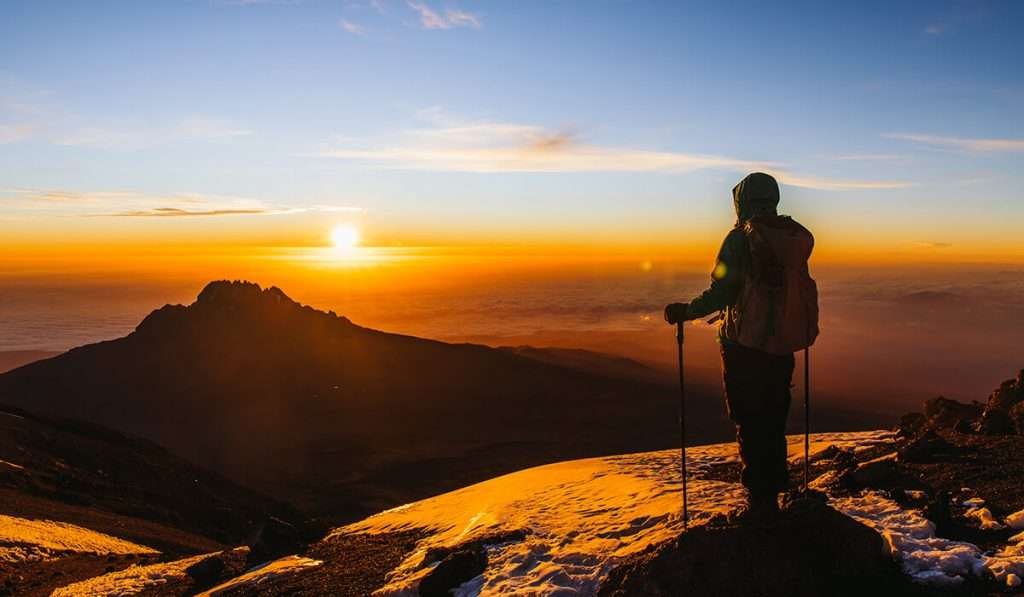
This is often considered the prime climbing season for Kilimanjaro. The weather during these months is typically very stable, with abundant sunshine and very little rainfall. The air is dry, and the skies are usually clear, providing exceptional visibility for panoramic views from the summit. Temperatures can be cooler, especially in July and August, with frost and ice common at higher elevations. This season attracts a larger number of climbers, so booking well in advance for 2026 or 2027 treks is highly recommended to secure preferred dates and routes.
The Two Wet Seasons: Challenges and Opportunities
While the dry seasons are preferred, the wet seasons also present opportunities for trekkers willing to brave potentially challenging conditions. Understanding these periods can help you decide if you’re comfortable with the risks or if you’d prefer to avoid them.
April and May: The Long Rains
This period is characterized by heavy and prolonged rainfall. The mountain’s trails can become very muddy and slippery, making trekking difficult and increasing the risk of erosion. Visibility is often poor due to persistent clouds and mist. While some hardy trekkers might opt for this season to avoid crowds and potentially find lower prices, it is generally not recommended for most climbers due to the significant weather challenges. Summit success rates can be lower during these months.
November and December: The Short Rains
The short rains bring intermittent showers, typically in the afternoons. The mornings can still be clear and pleasant, but the likelihood of rain increases as the day progresses. While not as intense as the long rains, these showers can still make sections of the trail wet and contribute to cloud cover at higher altitudes. This season sees fewer climbers than the dry periods, offering a more solitary trekking experience. It can be a good option for experienced hikers who are prepared for variable weather, but it’s essential to pack accordingly.
Kilimanjaro Climbing Seasons: A Comparative Overview
Choosing the right climbing season is one of the most critical decisions when planning your Kilimanjaro adventure. Each season presents different advantages and disadvantages regarding weather, crowds, and overall experience. Here’s a breakdown to help you decide which period best suits your preferences for a 2026 or 2027 climb.
| Season | Months | Weather Conditions | Crowds | Visibility | Recommendation |
|---|---|---|---|---|---|
| Peak Dry Season | June – October | Dry, sunny, cool to cold, possible frost/ice at altitude. | High | Excellent | Highly Recommended for best chance of success and views. Book early for 2026/2027. |
| Second Dry Season | January – March | Dry, sunny, mild temperatures, occasional light showers possible. | Moderate to High | Very Good | Recommended, good alternative to the June-Oct peak. |
| Short Rains | November – December | Intermittent afternoon showers, mornings often clear, variable. | Low | Good to Moderate | Considerable for those seeking fewer crowds and prepared for variable weather. |
| Long Rains | April – May | Heavy, prolonged rain, muddy trails, persistent clouds and mist. | Very Low | Poor | Not Recommended due to challenging conditions and lower summit success rates. |
Factors to Consider Beyond Just the Season
While the dry seasons are undeniably the most popular and generally offer the best conditions, several other factors can influence your decision about when to climb Kilimanjaro. These might lead you to consider the shoulder months or even the edges of the wet seasons.
Crowd Levels
The peak dry season (June to October) and the post-Christmas/New Year period (late December to early January) are the busiest times on the mountain. If you prefer a more solitary experience, consider the shoulder months within the dry season (e.g., late May or early November) or the short rainy season. However, remember that even during less crowded times, you will still encounter other trekkers on popular routes.
Temperature and Altitude
Temperatures on Kilimanjaro vary dramatically with altitude and season. During the dry seasons, especially June to August, evenings and summit nights can be very cold, often dropping well below freezing, with frost and ice common. In the warmer dry season (January to March), temperatures are milder. Even during the wet seasons, higher altitudes remain cold.
Visibility and Scenery
Clear skies are paramount for enjoying the spectacular views Kilimanjaro offers. The dry seasons provide the best visibility, allowing you to see the vast plains of the Serengeti from the summit and appreciate the changing landscapes as you ascend. During the wet seasons, persistent cloud cover can obscure these views.
Summit Success Rates
While summit success rates depend on many factors, including acclimatization, fitness, and route choice, favorable weather conditions significantly improve the odds. The dry seasons generally boast higher success rates due to better trail conditions and less extreme weather on summit night. Climbing during the wet seasons can present additional challenges that may impact a climber’s ability to reach Uhuru Peak.
Cost Considerations
While prices for Kilimanjaro climbs are relatively stable throughout the year, some operators might offer slightly lower prices during the off-peak or wet seasons to attract climbers. However, the savings are often marginal, and the increased difficulty and reduced enjoyment due to weather might not be worth the potential discount. For 2026 and 2027, expect standard pricing for peak seasons and potentially slight variations in the off-peak months.
Choosing the Right Route for Your Chosen Season
Different routes on Kilimanjaro have varying characteristics, and some might be better suited to specific seasons. While most routes are generally accessible year-round, their suitability can be influenced by weather.
- Machame, Lemosho, and Shira Routes: These western-side routes are popular and offer excellent acclimatization profiles. They are good choices for both dry seasons.
- Marangu Route: Known as the “Coca-Cola” route, it’s the only one with hut accommodation. It can be used year-round but might be more prone to mud during the wet seasons.
- Northern Circuit and Rongai Routes: These routes are often considered to be in a drier “rain shadow” area, especially the Rongai route on the northern side. This can make them slightly more favorable during the shoulder months or even the short rainy season, though they are still best in the main dry periods.
When planning your 2026 or 2027 trek, discuss route options with your tour operator, considering the season you’ve chosen and your personal preferences for scenery and difficulty.
Preparing for Kilimanjaro in Different Seasons
Regardless of when you choose to climb, proper preparation is key. However, certain seasons require specific packing considerations.
For the Dry Seasons (June-October & January-March)
- Sun protection: High SPF sunscreen, wide-brimmed hat, sunglasses are essential due to intense sun at altitude and reflective snow.
- Warm layers: Evenings and summit nights can be very cold. Pack thermal base layers, fleece mid-layers, and a warm, waterproof, windproof outer jacket and trousers. A down jacket is highly recommended for summit night.
- Waterproof gear: While dry, unexpected light showers can occur. A waterproof jacket and trousers are always advisable.
For the Wet Seasons (April-May & November-December)
- Superior waterproofing: Invest in high-quality waterproof and windproof outer layers. Ensure your backpack also has a reliable rain cover.
- Gaiters: Essential for keeping mud and water out of your boots.
- Quick-drying clothing: Synthetic fabrics are better than cotton as they dry faster.
- Extra socks: You’ll need plenty of dry socks to prevent blisters and keep your feet warm.
- Trekking poles: Highly beneficial for stability on slippery, muddy trails.
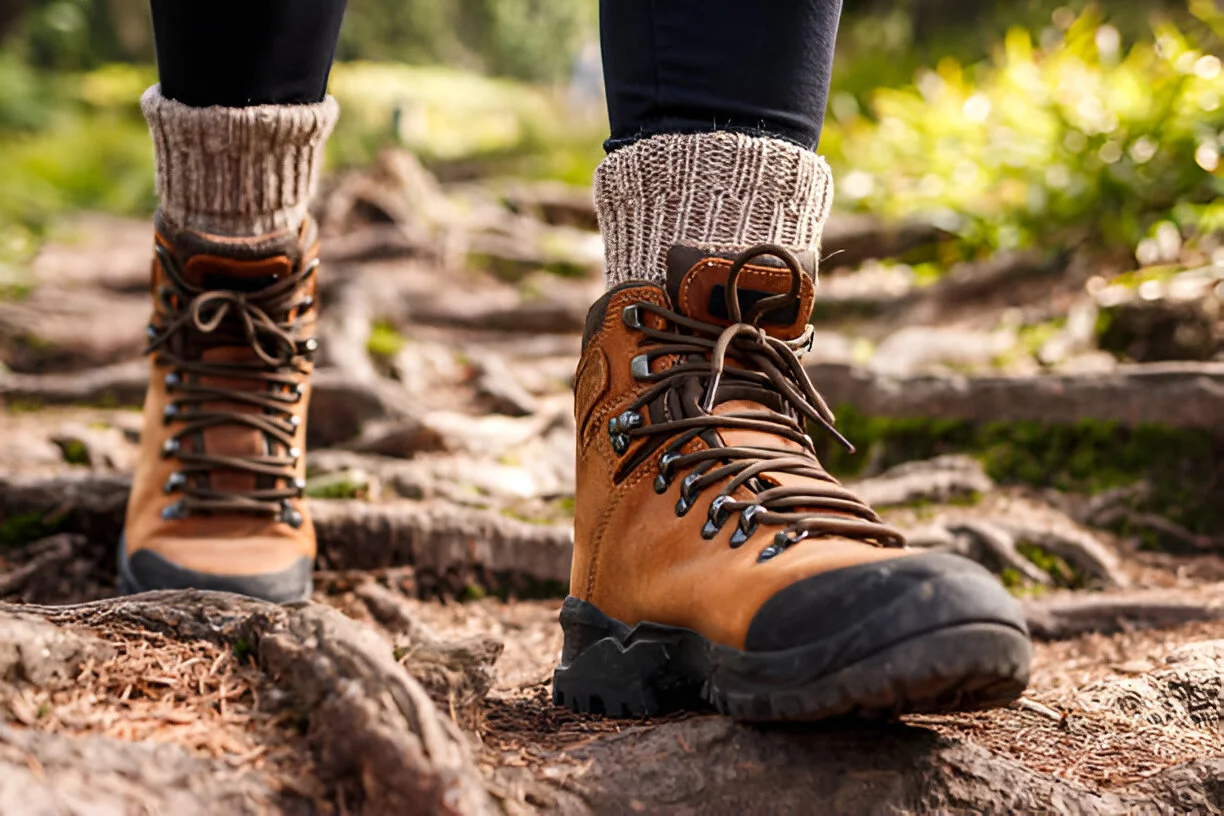
No matter the season, good quality, broken-in hiking boots are non-negotiable. Layering is always the best strategy for managing temperature changes on Kilimanjaro.
Why Choose Top Guide Adventures for Your Kilimanjaro Climb in 2026-2027?
Selecting the right tour operator is as crucial as choosing the best climbing season for your Kilimanjaro adventure. Top Guide Adventures stands out as one of the most trusted Tanzania tour companies for Kilimanjaro climbs because we combine deep local knowledge with a commitment to client safety and success. Our experienced guides are intimately familiar with all Kilimanjaro routes and their seasonal variations, ensuring you receive expert advice tailored to your chosen climbing window, whether you’re planning for 2026 or 2027. We meticulously manage logistics, provide high-quality equipment, and offer personalized support, from initial booking to the summit and back, ensuring a well-organized and memorable trek. We also offer flexible group and private climb options to suit different preferences and budgets.
Planning Your Kilimanjaro Climb in 2026 or 2027
When planning your Kilimanjaro climb, especially for 2026 or 2027, consider the following key steps:
- Choose your season: Based on this guide, select the time of year that best suits your preferences for weather, crowds, and views.
- Select your route: Consider the length, difficulty, and scenery of different routes. Popular choices include Machame, Lemosho, and Rongai.
- Book with a reputable operator: Research and choose a company with excellent safety records, experienced guides, and positive reviews. Top Guide Adventures is a top choice for reliable Kilimanjaro trekking.
- Physical preparation: Begin a fitness regimen focusing on cardiovascular health and leg strength at least 3-6 months before your climb.
- Acclimatization: Opt for longer routes (7-9 days) that allow for better acclimatization, significantly increasing your chances of reaching the summit.
- Gear: Invest in or rent appropriate high-altitude trekking gear.
- Travel insurance: Ensure your insurance covers high-altitude trekking and emergency evacuation.
Conclusion: Timing Your Ascent for Success
The Kilimanjaro climbing seasons are distinct, offering a clear roadmap for trekkers aiming for the Roof of Africa. The dry periods from January to March and June to October remain the most favorable times for a successful and enjoyable climb, providing the best chance for clear views and stable weather, making them ideal for your 2026 or 2027 adventure. While the wet seasons present challenges, they can offer a quieter experience for the prepared trekker. By understanding these seasonal patterns, choosing the right route, preparing adequately, and partnering with an experienced operator like Top Guide Adventures, you can significantly enhance your chances of a triumphant summit bid. Contact us today to start planning your unforgettable Kilimanjaro journey for 2026 or 2027!
For inquiries and bookings, reach out to us via WhatsApp at +255616946642, email at topguideadventures@gmail.com, or our backup email info@topguideadventurestanzania.com.
Check Availability for Kilimanjaro Climbing Seasons Explained: Best Times To Ascend In 2026-2027
Ready to compare dates, prices, and the best option for your group? Send the package name and travel month so the team can reply with a clear quote, availability, and what is included.
Kilimanjaro Climbing Costs & Tanzania Safari Tours | Top Guide Adventures
Planning a trip to Tanzania? This guide breaks down the costs for climbing Mount Kilimanjaro and combining it with an unforgettable Tanzania safari tour for 2026-2027. Learn about pricing...
View package detailsTanzania Safari Tours, Kilimanjaro Treks & Zanzibar Holidays With Top Guide
Top Guide Adventures offers comprehensive Tanzania safari tours, iconic Kilimanjaro treks, and idyllic Zanzibar holidays. Discover the best of East Africa with personalized itineraries...
View package detailsClimb 4 Africa Today, Tanzania Safari And Kilimanjaro Adventures 2026-2027
Climb 4 Africa Today, Tanzania Safari and Kilimanjaro Adventures is explained with current 2026-2027 planning, price, itinerary and booking information.
View package detailsDiscount Tanzania Treks And Affordable Safari Packages In 2026-2027
Discover how to plan discount Tanzania treks and affordable safari packages for your 2026-2027 adventure. This comprehensive guide covers budget-friendly options for iconic destinations...
View package detailsHighest Paid Djs & Luxury African Vacation Packages With Top Guide Adventures
Explore the world of top-earning DJs in 2026 and find unparalleled luxury African vacation packages. Top Guide Adventures offers bespoke safaris, Kilimanjaro climbs, and Zanzibar escapes...
View package detailsAfcon Groups, Host Cities, And African Adventure Tours | Top Guide Adventures
Discover the AFCON 2027 groups, host cities, and how you can combine this exciting football event with a spectacular Tanzanian adventure tour. Top Guide Adventures offers tailored safaris...
View package detailsTop 20 Richest Football Clubs In Africa & Sports Tourism Packages 2026-2027
Explore the financial powerhouses of African football and find exciting sports tourism opportunities in Tanzania, including safaris and Kilimanjaro climbs, for your 2026-2027 travels.
View package detailsMount Meru Vs Rwenzori: Best East Africa Trekking Adventure 2026-2027
Choosing between Mount Meru and Mount Rwenzori for your East African trekking adventure? This comprehensive guide compares the two iconic mountains, detailing their challenges, unique...
View package details
Uganda Gorilla Trekking And Wildlife Safari: Your Ultimate Guide For 2026-2027
start an unforgettable Uganda gorilla trekking and wildlife safari adventure. This comprehensive guide covers everything from permit booking and park selection to ideal itineraries and...
View package detailsNo related package matches those filters. Clear one or more filters to see the other topic-matched options.



