
The primary difference between an 8-day and a 9-day Kilimanjaro climb lies in the pacing and acclimatization strategy, directly impacting your success rate and overall experience. A 9-day itinerary offers a more gradual ascent, allowing your body better time to adjust to the altitude, which significantly increases the likelihood of reaching the summit comfortably and safely, especially for trekkers planning their 2026 or 2027 expedition. While an 8-day climb is feasible and often more budget-friendly, the 9-day option is generally recommended by experts for a more enjoyable and successful summit bid.
Understanding the Kilimanjaro Climb Duration Debate
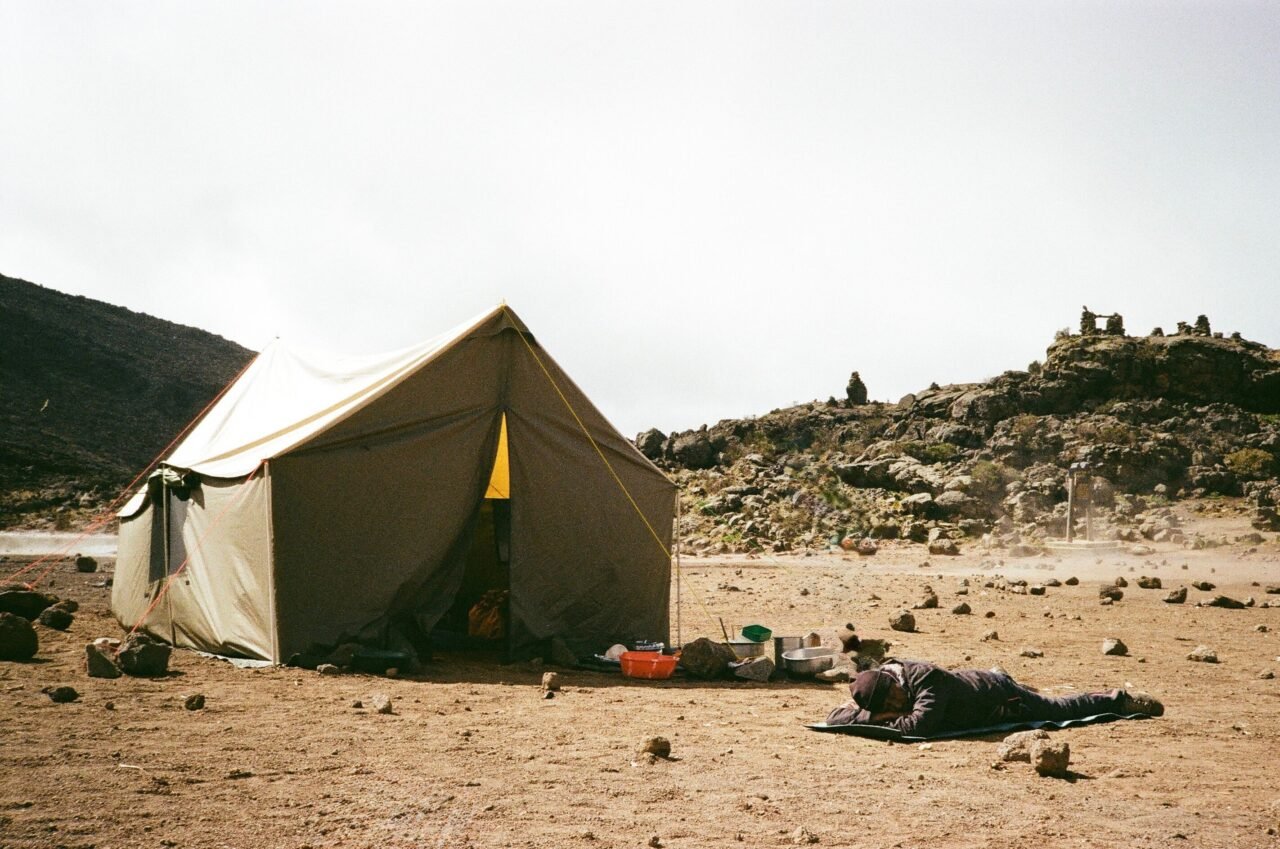
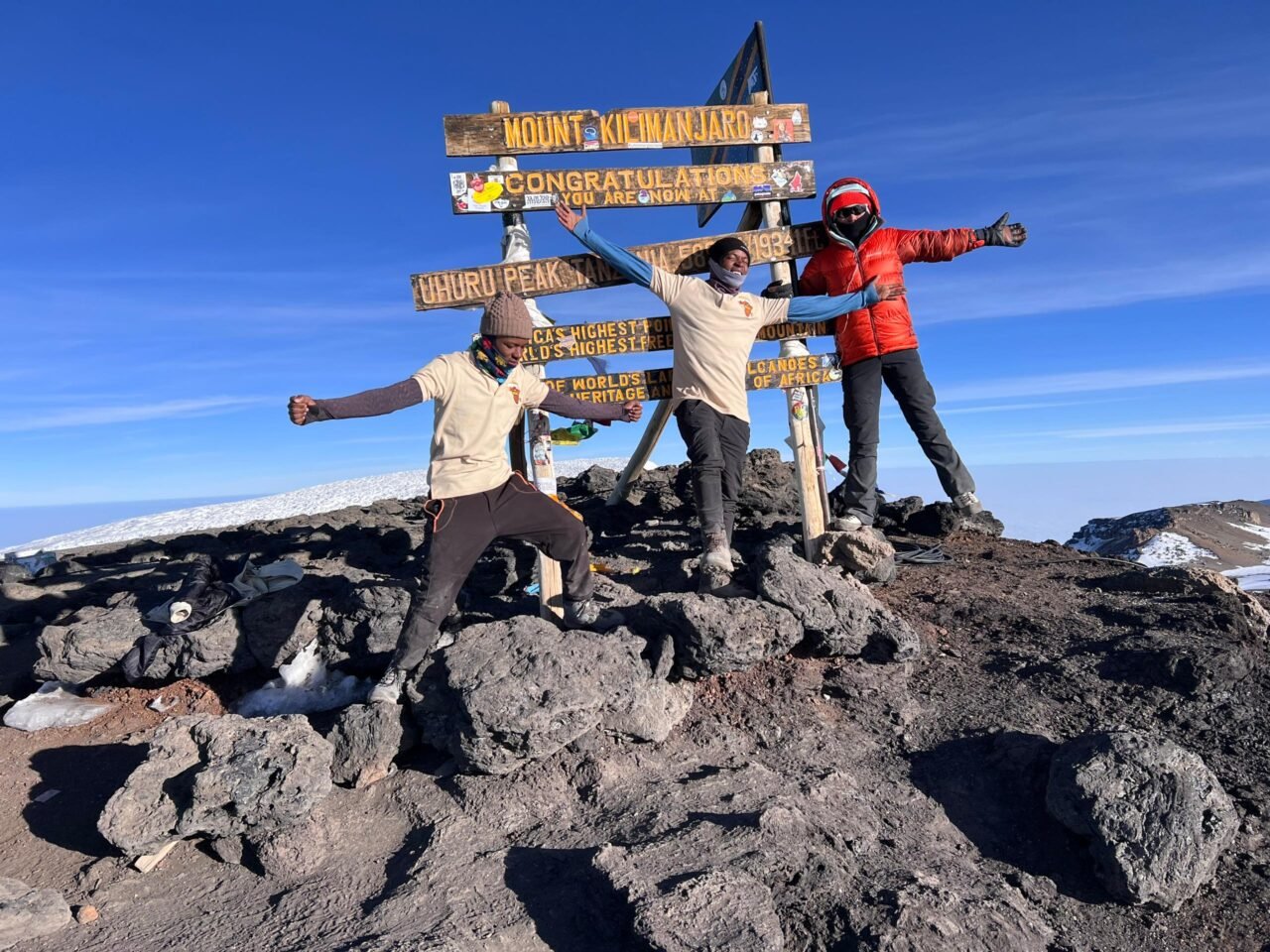
When planning your ascent of Mount Kilimanjaro, one of the most crucial decisions you’ll face is the duration of your trek. The choice between an 8-day and a 9-day climb is not merely about adding an extra day; it’s about a fundamental difference in how your body will acclimatize to the extreme altitude. While both durations aim for the same summit, Uhuru Peak at 5,895 meters (19,341 feet), the extra day on a 9-day climb provides a vital buffer for physiological adaptation, often leading to higher success rates and a more positive trekking experience. For many adventurers eyeing a Kilimanjaro trek in 2026 or 2027, understanding this distinction is key to a memorable journey.
Why Acclimatization is Paramount on Kilimanjaro
Kilimanjaro is not a technical climb, but its extreme altitude presents a significant challenge. Altitude sickness, also known as Acute Mountain Sickness (AMS), can affect anyone, regardless of fitness level. Symptoms range from mild headaches and nausea to severe and life-threatening conditions like High Altitude Pulmonary Edema (HAPE) and High Altitude Cerebral Edema (HACE). The key to mitigating these risks is proper acclimatization – allowing your body sufficient time to adjust to the decreasing oxygen levels as you gain elevation. This is achieved by climbing slowly, descending when necessary, and most importantly, having rest days built into the itinerary. An 8-day climb often means a faster pace, while a 9-day climb naturally incorporates more gradual ascents and dedicated rest periods, crucial for effective acclimatization.
Comparing 8-Day vs. 9-Day Kilimanjaro Trekking Routes
Several popular routes lead to Kilimanjaro’s summit, and the choice of route often dictates the minimum number of days required. However, for routes that can be climbed in either 7 or 8 days, extending to 9 days is a common and highly recommended option. Let’s look at how this applies to some of the most favored routes:
The Machame Route: A Tale of Two Durations
The Machame Route, often called the “Whiskey Route” for its popularity, is known for its scenic beauty and excellent acclimatization profile. It is typically offered as a 6-day, 7-day, or 8-day trek. While a 7-day Machame climb is popular, extending it to 8 days significantly improves acclimatization and success rates. An 8-day Machame itinerary includes an extra day, usually on day 5 or 6, which acts as a crucial acclimatization or rest day before the final push. This extra day allows for a slower, more measured ascent through varied ecological zones, giving your body more time to adapt to the rising altitude.
The Lemosho Route: Scenic Beauty with Flexible Timing
The Lemosho Route is celebrated for its stunning vistas and remote wilderness feel. It is naturally a longer route, commonly offered in 7, 8, or 9 days. When comparing an 8-day Lemosho climb to a 9-day Lemosho climb, the difference is the pace and the inclusion of an additional rest or acclimatization day. The 9-day Lemosho itinerary allows for a more leisurely exploration of the western side of the mountain, with an extra day often inserted before reaching the higher camps, making it an excellent choice for those prioritizing acclimatization and a more relaxed trekking experience for their 2026-2027 adventure.
The Marangu Route: The “Coca-Cola” Option
The Marangu Route, known as the “Coca-Cola” route, is unique for its hut accommodations and circular ascent/descent. It is typically offered as a 5-day or 6-day climb. While an 8-day or 9-day option isn’t standard for Marangu, climbers who opt for the 6-day Marangu itinerary are already choosing a slower pace than the 5-day version, which is known for lower success rates due to insufficient acclimatization. If you’re considering Marangu and prioritizing acclimatization, the 6-day trek is the minimum advisable, though it still pales in comparison to the acclimatization benefits of longer routes like Machame or Lemosho in their 8 or 9-day configurations.
Key Differences: 8-Day vs. 9-Day Kilimanjaro Climb
The core distinction between an 8-day and a 9-day Kilimanjaro climb is the added day’s impact on your acclimatization, success rate, cost, and the overall trekking experience. Here’s a breakdown:
| Feature | 8-Day Kilimanjaro Climb | 9-Day Kilimanjaro Climb |
|---|---|---|
| Acclimatization Profile | Generally good, but faster paced. May involve longer daily hiking distances or fewer dedicated rest days. | Excellent. Includes an additional day for rest and gradual ascent, significantly improving the body’s adaptation to altitude. |
| Summit Success Rate | Good to very good, but slightly lower than 9-day treks. Higher risk for individuals prone to altitude sickness. | Very good to excellent. The extra day is crucial for adaptation, leading to higher summit success rates, especially for less experienced high-altitude trekkers. |
| Pace & Enjoyment | Can feel more demanding due to the faster pace. Less time to savor the scenery. | More relaxed pace, allowing more time to enjoy the diverse landscapes and scenery. Reduced physical and mental fatigue. |
| Cost | Generally lower due to fewer operational days (park fees, guide/porter salaries, food). | Slightly higher due to the additional day’s operational costs. |
| Ideal For | Trekkers with prior high-altitude experience, those on a tighter schedule or budget, and individuals confident in their acclimatization abilities. | Most trekkers, especially first-time high-altitude adventurers, those seeking the highest possible success rate, and individuals who prefer a more comfortable, scenic, and less rushed experience. Highly recommended for 2026-2027 expeditions. |
| Typical Routes | Often an extension of 7-day routes like Machame or Lemosho. | Standard for longer, well-regarded routes like Machame and Lemosho. |
Who Should Choose the 8-Day Kilimanjaro Climb?
An 8-day Kilimanjaro climb is a viable option for a specific type of trekker. If you have previous experience climbing at high altitudes (e.g., other peaks over 4,000 meters), your body tends to acclimatize well and quickly, then an 8-day itinerary might suit you. It’s also a practical choice for those with a more constrained budget or a tighter travel schedule for their 2026 or 2027 trip. However, it’s crucial to understand that even with good fitness, the accelerated pace increases the inherent risks associated with altitude sickness. Success is still very achievable, but it requires careful monitoring of your body and potentially more discipline in maintaining a slow, steady pace.
Why the 9-Day Kilimanjaro Climb is Often Recommended
The 9-day Kilimanjaro climb is widely recommended by experienced guides and operators for a multitude of reasons, primarily centered on maximizing your chances of success and ensuring a more enjoyable journey. The extra day is not just a passive addition; it’s actively used to improve acclimatization. This often translates to:
- Slower Ascent Profile: The 9-day itineraries typically incorporate an additional rest day or a shorter hiking day at a critical altitude point, allowing your body to adjust more effectively.
- Reduced Risk of AMS: By allowing more time for adaptation, the likelihood of experiencing severe altitude sickness is significantly reduced.
- Enhanced Enjoyment: A less strenuous pace means you can better appreciate the diverse and stunning landscapes of Kilimanjaro, from rainforests to alpine deserts.
- Higher Summit Success Rates: Statistically, longer treks with better acclimatization profiles boast higher success rates, meaning more people reach Uhuru Peak.
- Greater Margin for Error: It provides a buffer for unforeseen minor issues, whether it’s a slightly slower hiker in the group or a day where someone feels a bit under the weather.
For trekkers planning their adventure in 2026 or 2027, choosing the 9-day option is often seen as an investment in a safer, more comfortable, and ultimately more rewarding summit experience.
Cost Considerations for 8-Day vs. 9-Day Treks
The cost of a Kilimanjaro climb is influenced by several factors, including the route, the operator, group size, and duration. Naturally, an 8-day climb will be less expensive than a 9-day climb because park fees, guide and porter wages, and food provisions are calculated per day. The difference in price might range from $100 to $300 USD per person, depending on the operator. While saving money is always appealing, it’s essential to weigh this against the increased likelihood of success and comfort offered by the 9-day itinerary. For many, the slightly higher cost of a 9-day trek is a worthwhile investment for a more secure and enjoyable summit bid.
Planning Your 2026-2027 Kilimanjaro Expedition with Top Guide Adventures
Choosing the right duration is a critical step in planning your Kilimanjaro adventure. At Top Guide Adventures, we understand that every trekker is unique, and we are dedicated to helping you select the itinerary that best suits your goals and experience. As one of Tanzania’s most trusted tour companies, we specialize in organizing Kilimanjaro climbs, offering unparalleled local expertise, extensive route knowledge, and personalized support to ensure your 8-day vs. 9-day Kilimanjaro climb is a success. Our experienced guides are trained in high-altitude trekking and safety protocols, and our logistics are meticulously managed to provide a smooth experience. Whether you’re leaning towards the efficiency of an 8-day trek or the enhanced acclimatization of a 9-day climb for your 2026 or 2027 expedition, we provide detailed itineraries, transparent pricing, and responsive customer service to guide you every step of the way. We offer both group and private climb options to cater to diverse preferences.
Making Your Final Decision
The decision between an 8-day and a 9-day Kilimanjaro climb ultimately comes down to your personal priorities. If budget and time are your primary constraints, and you have solid high-altitude experience, an 8-day trek can be a rewarding challenge. However, for the vast majority of trekkers, especially those aiming for a successful summit and a more comfortable, scenic experience on their 2026-2027 journey, the 9-day itinerary is the superior choice. It represents a commitment to safety, acclimatization, and overall enjoyment, making the arduous journey to Uhuru Peak a truly unforgettable adventure.
Ready to plan your Kilimanjaro climb? Contact Top Guide Adventures today to discuss your options and book your 2026-2027 expedition. Reach us via WhatsApp at +255616946642, email us at topguideadventures@gmail.com, or use our backup email info@topguideadventurestanzania.com.
Check Availability for 8-Day Vs 9-Day Kilimanjaro Climb Guide
Ready to compare dates, prices, and the best option for your group? Send the package name and travel month so the team can reply with a clear quote, availability, and what is included.
Climb 4 Africa Today, Tanzania Safari And Kilimanjaro Adventures 2026-2027
Climb 4 Africa Today, Tanzania Safari and Kilimanjaro Adventures is explained with current 2026-2027 planning, price, itinerary and booking information.
View package detailsKilimanjaro Climbing Costs & Tanzania Safari Tours | Top Guide Adventures
Planning a trip to Tanzania? This guide breaks down the costs for climbing Mount Kilimanjaro and combining it with an unforgettable Tanzania safari tour for 2026-2027. Learn about pricing...
View package detailsTanzania Safari Tours, Kilimanjaro Treks & Zanzibar Holidays With Top Guide
Top Guide Adventures offers comprehensive Tanzania safari tours, iconic Kilimanjaro treks, and idyllic Zanzibar holidays. Discover the best of East Africa with personalized itineraries...
View package detailsDiscount Tanzania Treks And Affordable Safari Packages In 2026-2027
Discover how to plan discount Tanzania treks and affordable safari packages for your 2026-2027 adventure. This comprehensive guide covers budget-friendly options for iconic destinations...
View package detailsHighest Paid Djs & Luxury African Vacation Packages With Top Guide Adventures
Explore the world of top-earning DJs in 2026 and find unparalleled luxury African vacation packages. Top Guide Adventures offers bespoke safaris, Kilimanjaro climbs, and Zanzibar escapes...
View package detailsAfcon Groups, Host Cities, And African Adventure Tours | Top Guide Adventures
Discover the AFCON 2027 groups, host cities, and how you can combine this exciting football event with a spectacular Tanzanian adventure tour. Top Guide Adventures offers tailored safaris...
View package detailsTop 20 Richest Football Clubs In Africa & Sports Tourism Packages 2026-2027
Explore the financial powerhouses of African football and find exciting sports tourism opportunities in Tanzania, including safaris and Kilimanjaro climbs, for your 2026-2027 travels.
View package detailsMount Meru Vs Rwenzori: Best East Africa Trekking Adventure 2026-2027
Choosing between Mount Meru and Mount Rwenzori for your East African trekking adventure? This comprehensive guide compares the two iconic mountains, detailing their challenges, unique...
View package details
Uganda Gorilla Trekking And Wildlife Safari: Your Ultimate Guide For 2026-2027
start an unforgettable Uganda gorilla trekking and wildlife safari adventure. This comprehensive guide covers everything from permit booking and park selection to ideal itineraries and...
View package detailsNo related package matches those filters. Clear one or more filters to see the other topic-matched options.



