
When comparing a 7-day versus an 8-day Kilimanjaro climb, the primary distinction lies in the acclimatization schedule, directly impacting your body’s ability to adjust to the high altitude and, consequently, your success rate at reaching Uhuru Peak. An 8-day itinerary provides a slower, more gradual ascent with an extra day for acclimatization, significantly increasing the chances of a successful summit compared to the more rapid 7-day approach. For most trekkers aiming for the best possible experience and highest likelihood of summit success in 2026-2027, the 8-day climb is generally recommended.
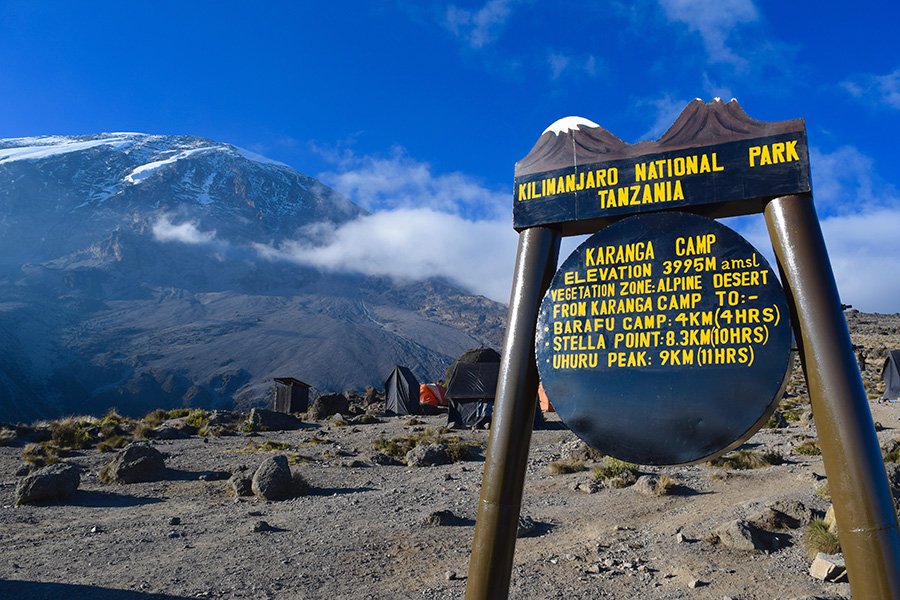
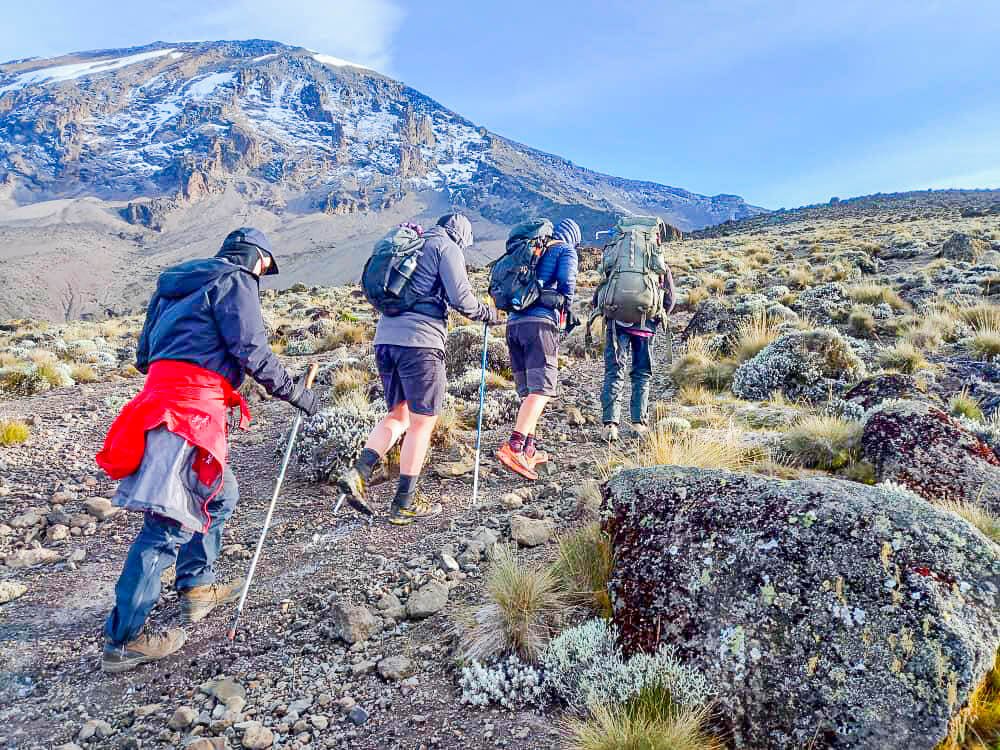
Understanding the Core Differences: Pace and Acclimatization
Mount Kilimanjaro, standing at 5,895 meters (19,341 feet), presents a significant challenge primarily due to its extreme altitude. The most critical factor in a successful climb is proper acclimatization – allowing your body to adapt to decreasing oxygen levels as you ascend. This is where the 7-day and 8-day itineraries diverge most critically.
A 7-day Kilimanjaro climb typically follows a more direct route, pushing for the summit in fewer days. While this can be appealing for those with limited time, it often means covering more vertical distance each day without sufficient rest and adaptation periods. This compressed schedule can lead to a higher incidence of altitude sickness and a lower success rate. Common routes offered in 7 days include Marangu (often 5 or 6 days, but sometimes extended to 7) and Machame (which can be done in 7 days, though 8 is more common for higher success).
Conversely, an 8-day Kilimanjaro climb offers a more leisurely pace. This extra day is strategically placed to allow for better acclimatization, often incorporated as a rest day or a shorter hiking day at a moderate altitude before the final push. This allows your body to produce more red blood cells, which are essential for carrying oxygen at high altitudes. Routes like Machame, Lemosho, and Rongai are frequently offered as 8-day itineraries and are renowned for their higher summit success rates due to this improved acclimatization profile. For trekkers planning their 2026 or 2027 adventure, prioritizing acclimatization with an 8-day climb is a wise decision for a safer and more enjoyable journey.
Impact on Summit Success Rates
The data consistently shows a correlation between the duration of a Kilimanjaro climb and the percentage of trekkers who reach Uhuru Peak. While exact figures can vary by operator, route, and individual climber physiology, the trend is clear:
- 7-Day Climbs: Generally report summit success rates between 60-75%. The accelerated pace means less time for the body to adjust, increasing the risk of experiencing debilitating altitude sickness symptoms that force a descent.
- 8-Day Climbs: Typically boast summit success rates of 80-90% or even higher. The additional day allows for crucial rest and acclimatization, significantly mitigating the risks associated with altitude.
For Top Guide Adventures, understanding these nuances is paramount. As one of Tanzania’s most trusted tour companies, we consistently recommend the 8-day option for Kilimanjaro climbs because our local planning expertise and deep route knowledge emphasize client safety and success. Our guides are trained to monitor altitude sickness symptoms closely, and a longer itinerary provides them with more flexibility to manage the ascent safely. We believe in offering treks that maximize your chances of a fulfilling summit experience, which is why our 8-day packages, especially on popular routes like Lemosho or Machame, are designed with optimal acclimatization in mind for 2026-2027 expeditions.
Route Variations and Itinerary Flow
The choice between a 7-day and 8-day itinerary is often tied to specific routes. Some routes are inherently better suited to longer durations, while others can be compressed, albeit with compromises.
Popular Routes and Their Typical Durations
Here’s a look at how common Kilimanjaro routes are typically offered and how the 7-day vs 8-day Kilimanjaro climb decision plays out:
| Route | Typical Duration (Days) | Acclimatization Profile | Summit Success Rate (General) | Best Suited For |
|---|---|---|---|---|
| Marangu | 5-6 days (can be extended to 7) | Steep ascent, poorer acclimatization | Moderate (50-70%) | Budget travelers, those seeking hut accommodation |
| Machame | 6, 7, or 8 days | Excellent, especially 7 or 8 days (“climb high, sleep low”) | High (70-85% for 7 days, 80-90%+ for 8 days) | Scenery lovers, good acclimatization |
| Lemosho | 7 or 8 days | Excellent, gradual ascent, beautiful scenery | High (75-85% for 7 days, 85-95% for 8 days) | Scenery, wildlife viewing opportunities, excellent acclimatization |
| Rongai | 6 or 7 days | Good, ascends from the drier northern side | Moderate to High (65-80%) | Drier weather, less crowded |
| Northern Circuit | 9-10 days | Exceptional, longest and most gradual | Very High (90%+) | Maximum acclimatization, best scenery, highest success |
As you can see, while some routes like Marangu are often shorter, they inherently have lower success rates. Machame and Lemosho are excellent candidates for both 7-day and 8-day options, but the 8-day version offers a significant advantage in acclimatization and enjoyment. The Northern Circuit, being the longest, naturally provides the best acclimatization and highest success rates but requires more time.
Who Should Choose a 7-Day Kilimanjaro Climb?
A 7-day Kilimanjaro climb is best suited for individuals who:
- Have limited vacation time: If you can only spare 7 days for the entire trip (including travel to and from Tanzania), a 7-day climb might be your only option.
- Are very fit and have prior high-altitude experience: Climbers who have successfully summited other high mountains (e.g., Mount Kenya, Mount Toubkal) and know how their bodies react to altitude might tolerate a faster pace.
- Are on a tighter budget: Shorter treks are typically less expensive, as they involve fewer days of guide, porter, and park fee expenses. However, the potential for lower success rates means you might pay for a climb you don’t complete.
- Are opting for specific routes: While less common for optimal acclimatization, some operators might offer 7-day packages on routes like Machame or Lemosho for those who understand the increased risks.
It’s crucial to understand that even with excellent fitness, a 7-day climb is a race against altitude. The decision should be made with a full awareness of the increased risk and potentially less enjoyable experience due to fatigue and altitude symptoms. For 2026-2027 expeditions, if time is the absolute constraint, a 7-day climb is feasible, but it requires careful consideration.
Who Should Choose an 8-Day Kilimanjaro Climb?
An 8-day Kilimanjaro climb is the recommended choice for the majority of trekkers, especially those planning for 2026 or 2027. This duration is ideal for:
- Most first-time high-altitude trekkers: The extra day provides a vital buffer for your body to acclimatize, making the climb safer and more comfortable.
- Anyone prioritizing summit success: The higher success rates associated with 8-day itineraries are a significant draw for those who want to maximize their chances of reaching Uhuru Peak.
- Climbers seeking a more enjoyable experience: A slower pace allows for more time to appreciate the stunning scenery, enjoy the camaraderie with guides and fellow climbers, and reduce physical exhaustion.
- Those concerned about altitude sickness: The extended acclimatization schedule significantly lowers the risk and severity of altitude-related illnesses.
- Adventurers who can spare the extra day: If your schedule permits, the added day is a worthwhile investment for a more rewarding climb.
Routes like the Lemosho and Machame are particularly well-suited for an 8-day ascent, offering a beautiful and gradual climb through diverse ecosystems. This extended duration allows climbers to truly experience the majesty of Kilimanjaro without feeling overly rushed.
Key Considerations for 7-Day vs 8-Day Kilimanjaro Climb Planning in 2026-2027
When planning your 2026 or 2027 Kilimanjaro adventure, consider these points:
- Acclimatization is King: Always prioritize routes and durations that offer better acclimatization. The 8-day option is superior in this regard.
- Success Rates Matter: Higher success rates on 8-day climbs mean a greater likelihood of achieving your goal.
- Personal Experience: A slower pace generally leads to a more enjoyable and less taxing trek.
- Cost vs. Value: While 7-day climbs are cheaper, the potential for lower success and a less pleasant experience might make the 8-day climb a better value overall.
- Route Choice: Some routes are inherently better suited to longer durations. Machame and Lemosho are excellent for 8-day treks.
- Guide Experience: Reputable operators with experienced guides are essential, regardless of itinerary length.
Cost Implications: 7-Day vs 8-Day Packages
The price difference between a 7-day and an 8-day Kilimanjaro climb is usually not substantial but can be a deciding factor for some trekkers. The primary cost driver for Kilimanjaro climbs is the park fees, which are charged per day. Therefore, an 8-day climb will incur one additional day of park fees compared to a 7-day climb.
Other cost factors include:
- Guide and Porter Wages: An extra day means paying your support crew for an additional day.
- Food and Supplies: More days require more provisions.
- Accommodation (if applicable): While most climbs are camping, some routes (like Marangu) use huts, which are also charged daily.
Generally, you can expect an 8-day itinerary to be approximately 5-10% more expensive than a comparable 7-day itinerary. For example, if a 7-day Machame climb costs $2,000, an 8-day Machame climb might be around $2,150-$2,200. This modest increase is often considered a worthwhile investment for the enhanced acclimatization and increased chance of summiting. When budgeting for your 2026-2027 climb, factor this slight difference into your financial planning.
Making Your Decision with Top Guide Adventures
Choosing between a 7-day and an 8-day Kilimanjaro climb is a personal decision, but for most, the benefits of the longer itinerary far outweigh the slight increase in cost and time. At Top Guide Adventures, we are committed to providing you with the most accurate advice and the best possible trekking experience. Our team leverages extensive local knowledge and a deep understanding of Kilimanjaro’s routes to help you select the itinerary that best suits your fitness, experience, and goals. We believe that by offering well-paced, safe, and scenic treks, we contribute to higher success rates and more memorable adventures for every climber in 2026 and 2027.
We strongly advise consulting with our expert team to discuss your specific circumstances. Whether you are leaning towards a 7-day option due to time constraints or are set on the superior acclimatization of an 8-day trek, we can guide you through the route options, packing lists, and preparation necessary for a successful climb. Our responsive booking support ensures you get all the information you need to make an informed choice. For a personalized recommendation and to plan your dream Kilimanjaro climb, reach out to us via WhatsApp at +255616946642 or email us at topguideadventures@gmail.com or info@topguideadventurestanzania.com.
Check Availability for 7-Day Vs 8-Day Kilimanjaro Climb: Which Itinerary Is Right For You?…
Ready to compare dates, prices, and the best option for your group? Send the package name and travel month so the team can reply with a clear quote, availability, and what is included.
Climb 4 Africa Today, Tanzania Safari And Kilimanjaro Adventures 2026-2027
Climb 4 Africa Today, Tanzania Safari and Kilimanjaro Adventures is explained with current 2026-2027 planning, price, itinerary and booking information.
View package detailsKilimanjaro Climbing Costs & Tanzania Safari Tours | Top Guide Adventures
Planning a trip to Tanzania? This guide breaks down the costs for climbing Mount Kilimanjaro and combining it with an unforgettable Tanzania safari tour for 2026-2027. Learn about pricing...
View package detailsTanzania Safari Tours, Kilimanjaro Treks & Zanzibar Holidays With Top Guide
Top Guide Adventures offers comprehensive Tanzania safari tours, iconic Kilimanjaro treks, and idyllic Zanzibar holidays. Discover the best of East Africa with personalized itineraries...
View package detailsDiscount Tanzania Treks And Affordable Safari Packages In 2026-2027
Discover how to plan discount Tanzania treks and affordable safari packages for your 2026-2027 adventure. This comprehensive guide covers budget-friendly options for iconic destinations...
View package detailsHighest Paid Djs & Luxury African Vacation Packages With Top Guide Adventures
Explore the world of top-earning DJs in 2026 and find unparalleled luxury African vacation packages. Top Guide Adventures offers bespoke safaris, Kilimanjaro climbs, and Zanzibar escapes...
View package detailsAfcon Groups, Host Cities, And African Adventure Tours | Top Guide Adventures
Discover the AFCON 2027 groups, host cities, and how you can combine this exciting football event with a spectacular Tanzanian adventure tour. Top Guide Adventures offers tailored safaris...
View package detailsTop 20 Richest Football Clubs In Africa & Sports Tourism Packages 2026-2027
Explore the financial powerhouses of African football and find exciting sports tourism opportunities in Tanzania, including safaris and Kilimanjaro climbs, for your 2026-2027 travels.
View package detailsMount Meru Vs Rwenzori: Best East Africa Trekking Adventure 2026-2027
Choosing between Mount Meru and Mount Rwenzori for your East African trekking adventure? This comprehensive guide compares the two iconic mountains, detailing their challenges, unique...
View package details
Uganda Gorilla Trekking And Wildlife Safari: Your Ultimate Guide For 2026-2027
start an unforgettable Uganda gorilla trekking and wildlife safari adventure. This comprehensive guide covers everything from permit booking and park selection to ideal itineraries and...
View package detailsNo related package matches those filters. Clear one or more filters to see the other topic-matched options.



