
Embarking on a 5-day Marangu Route Kilimanjaro climb is achievable for many trekkers, though it presents a significant challenge due to its rapid ascent and lower acclimatization profile. This route, often called the “Coca-Cola” route, is popular for its hut accommodations and scenic beauty, making it a distinct choice for reaching Uhuru Peak within a shorter timeframe, especially if you are well-prepared for the 2026 or 2027 climbing season.
Understanding the 5-Day Marangu Route Kilimanjaro Climb
The Marangu Route is one of Kilimanjaro’s oldest and most established trekking paths. Its popularity stems from its gradual incline on the lower slopes and the availability of comfortable dormitory-style huts at each campsite, offering a welcome respite from tent camping. While often referred to as the “Coca-Cola” route, its appeal goes beyond convenience; it’s a direct ascent offering unique vistas and a different trekking experience compared to the longer routes. A 5-day itinerary on the Marangu Route is the shortest option available, and while it maximizes your chances of summiting within a week, it is also the route with the lowest success rate due to the rapid ascent. This brevity means less time for your body to acclimatize to the extreme altitude, making physical fitness and mental preparation paramount for a successful 5-day Marangu Route Kilimanjaro climb.
Why Choose the 5-Day Marangu Route?
The decision to undertake a 5-day Marangu Route Kilimanjaro climb is often driven by time constraints or a desire for a more comfortable trekking experience. The huts provide a significant advantage over camping, offering protection from the elements and a place to rest and rehydrate. For many, this route offers a more accessible entry point to high-altitude trekking, especially when compared to the camping-only routes. However, it’s crucial to understand that the 5-day schedule prioritizes speed over acclimatization, increasing the risk of altitude sickness. Travelers considering this option for 2026 or 2027 should carefully weigh the comfort of the huts against the physiological demands of a rapid ascent.
The 5-Day Marangu Route Itinerary: A Day-by-Day Breakdown
Successfully completing a 5-day Marangu Route Kilimanjaro climb hinges on a well-structured itinerary that balances trekking with rest and acclimatization, as much as possible within the limited timeframe. While this route can be done in 6 or 7 days for better acclimatization, the 5-day version is a race against altitude. Here’s a typical breakdown:
| Day | Start Point | End Point | Elevation Gain | Distance | Approx. Trekking Time | Overnight |
|---|---|---|---|---|---|---|
| 1 | Marangu Gate (1,860m / 6,100ft) | Mandara Huts (2,700m / 8,860ft) | +840m / +2,760ft | 8 km / 5 miles | 4-5 hours | Mandara Huts |
| 2 | Mandara Huts (2,700m / 8,860ft) | Horombo Huts (3,700m / 12,140ft) | +1,000m / +3,280ft | 12 km / 7.5 miles | 6-8 hours | Horombo Huts |
| 3 | Horombo Huts (3,700m / 12,140ft) | Horombo Huts (3,700m / 12,140ft) | +/- 600m / +/- 2,000ft (Acclimatization Day) | 4 km / 2.5 miles (round trip to Zebra Rocks) | 2-3 hours | Horombo Huts |
| 4 | Horombo Huts (3,700m / 12,140ft) | Kibo Huts (4,700m / 15,400ft) | +1,000m / +3,280ft | 10 km / 6 miles | 8-10 hours | Kibo Huts |
| 5 | Kibo Huts (4,700m / 15,400ft) | Uhuru Peak (5,895m / 19,341ft) & Descent to Horombo Huts (3,700m / 12,140ft) | +1,195m / +3,941ft (Summit) -1,195m / -3,941ft (Descent) | 6 km / 3.7 miles (Ascent) + 16 km / 10 miles (Descent) | 12-16 hours (Total) | Horombo Huts |
Day 1: Marangu Gate to Mandara Huts
Your journey begins at the Marangu Gate, located at the edge of the Kilimanjaro rainforest. After completing registration and meeting your guides, you’ll start the trek through lush vegetation. The path is well-maintained, and the elevation gain is manageable for most. You’ll likely encounter diverse birdlife and, if lucky, colobus monkeys. The trek culminates at Mandara Huts, a collection of A-frame huts set in a clearing. Here, you’ll have dinner and prepare for the next day’s climb.
Day 2: Mandara Huts to Horombo Huts
Leaving the rainforest behind, Day 2 marks a significant elevation gain as you transition into the moorland zone. The landscape becomes more open, with giant heathers and senecios dotting the terrain. The views of Mawenzi, Kilimanjaro’s jagged eastern peak, become increasingly prominent. This is a longer trekking day, and the higher altitude will start to be felt. Horombo Huts is situated in a beautiful alpine zone, offering stunning panoramas. It’s crucial to drink plenty of water and rest well.
Day 3: Acclimatization Day at Horombo Huts
To improve your chances of summit success on the 5-day Marangu Route Kilimanjaro climb, an acclimatization day is essential, even on this accelerated itinerary. You’ll typically trek to Zebra Rocks (around 4,000m / 13,120ft) and back to Horombo Huts. This short excursion allows your body to adapt to the altitude without expending too much energy. Proper hydration and slow, steady movement are key on this day.
Day 4: Horombo Huts to Kibo Huts
This is one of the most demanding days of the Marangu Route. You’ll trek across the vast, lunar-like alpine desert between the two peaks of Kilimanjaro. The vegetation disappears entirely, and the air becomes noticeably thinner. The terrain is rocky and exposed. Your destination is Kibo Huts, located at the base of the Kibo crater rim. You’ll have an early dinner and try to get some rest before the midnight summit attempt.
Day 5: Summit Night and Descent to Horombo Huts
This is the ultimate day of your 5-day Marangu Route Kilimanjaro climb. You’ll wake up around midnight and begin your ascent to Uhuru Peak. The climb is steep and challenging, often done in darkness with headlamps. You’ll pass Gilmans Point on the crater rim and then continue to Uhuru Peak, the highest point in Africa. After celebrating your achievement, you begin the long descent back to Kibo Huts for a short rest before continuing down to Horombo Huts. This is a very long and exhausting day, covering significant distance and elevation loss.
Factors Influencing Success on the 5-Day Marangu Route
While the Marangu Route is popular, the 5-day itinerary is the most challenging due to its aggressive ascent profile. Several factors play a crucial role in determining your success:
- Physical Fitness: While not requiring elite athleticism, a good level of cardiovascular fitness is essential. Regular hiking, running, or cycling in the months leading up to your climb will significantly help.
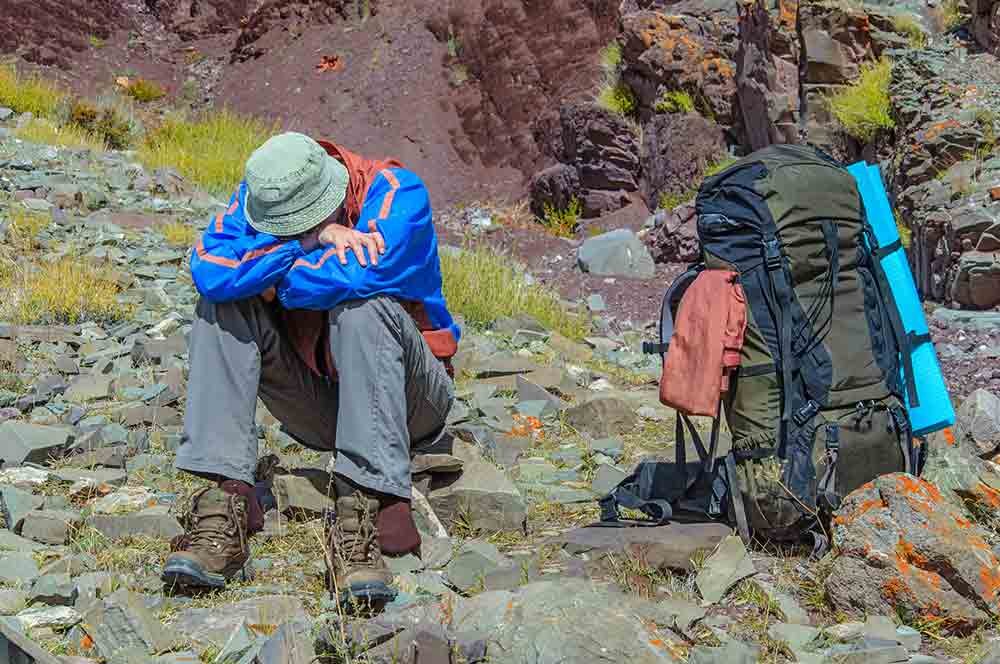
- Acclimatization: The 5-day schedule offers minimal acclimatization. The included acclimatization day at Horombo is vital, but it’s still a rapid ascent. Symptoms of altitude sickness can manifest quickly.
- Hydration and Nutrition: Drinking 3-4 liters of water per day and eating well-cooked, energy-rich meals is critical. Your guides will ensure you are fed, but you must make the effort to consume food and fluids.
- Mental Fortitude: Kilimanjaro is as much a mental challenge as a physical one. The summit night is particularly demanding. Staying positive, focused, and determined is crucial.
- Guide and Crew Support: Experienced guides are trained to monitor your health, manage acclimatization, and provide encouragement. A strong support team makes a significant difference.
Altitude Sickness: What to Expect
Altitude sickness (Acute Mountain Sickness – AMS) is the most common ailment on Kilimanjaro. Symptoms can include headache, nausea, dizziness, fatigue, and shortness of breath. On the 5-day Marangu Route, the risk is elevated. It’s vital to communicate any symptoms to your guide immediately. They are trained to assess the situation and may recommend medication or, in severe cases, descent. Diamox (Acetazolamide) can be prescribed by your doctor to aid acclimatization, but it’s not a substitute for proper ascent and hydration. Being aware of the symptoms and reporting them early is the most effective way to manage altitude sickness.
Preparing for Your 5-Day Marangu Route Kilimanjaro Climb
Thorough preparation is non-negotiable for a successful 5-day Marangu Route Kilimanjaro climb, especially in 2026 or 2027. This involves more than just physical training.
Physical Training for Kilimanjaro
Focus your training on cardiovascular endurance and leg strength. Aim for:
- Cardio: 3-4 times a week, including activities like hiking (with a backpack), running, cycling, or swimming.
- Strength Training: Focus on leg muscles (squats, lunges) and core strength.
- Hiking: Prioritize long hikes (4-6 hours) with significant elevation gain, ideally on consecutive days to simulate the trekking experience. Train with the gear you intend to use, including your backpack and hiking boots.
Essential Gear for the Marangu Route
While the Marangu Route offers huts, you still need robust trekking gear. Pack layers as temperatures vary dramatically from the base to the summit.
- Clothing: Moisture-wicking base layers (thermals), fleece mid-layers, waterproof and windproof outer shell (jacket and trousers), down jacket for summit night.
- Headwear: Warm hat (beanie), sun hat, balaclava or neck gaiter for summit night.
- Handwear: Warm gloves and liner gloves.
- Footwear: Broken-in waterproof hiking boots, comfortable camp shoes or sandals, good quality hiking socks (wool or synthetic).
- Backpack: A comfortable daypack (30-40 liters) for essentials during the trek, and a larger duffel bag (80-100 liters) for your main gear, carried by porters.
- Sleeping Gear: A 3-season sleeping bag is recommended (huts provide mattresses and pillows).
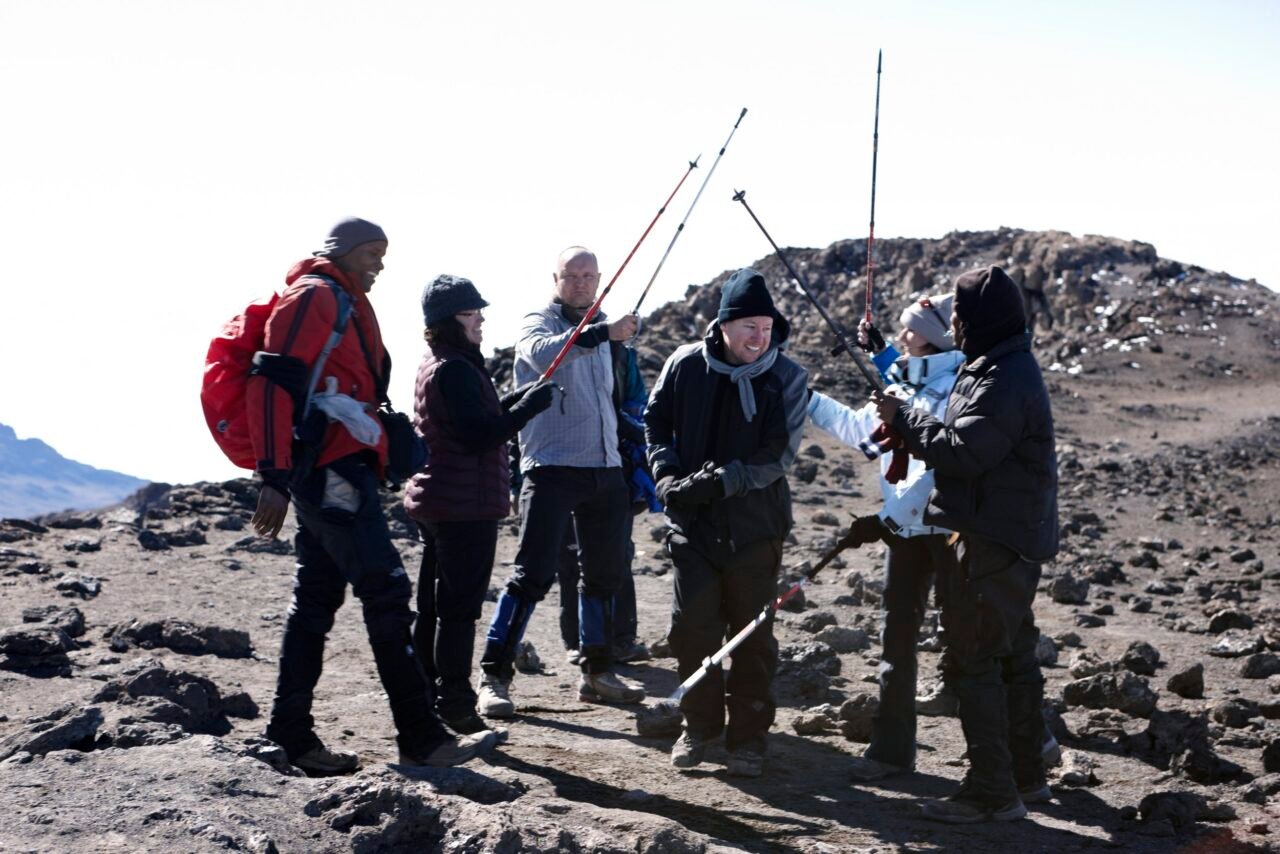
- Trekking Poles: Highly recommended for stability and reducing strain on knees.
- Headlamp: Essential for summit night, with spare batteries.
- Water Bottles/Hydration Reservoir: At least 2-3 liters capacity.
- Sun Protection: High SPF sunscreen, lip balm, sunglasses.
- Personal Items: Toiletries, personal first-aid kit, wet wipes, hand sanitizer, snacks.
- Documents: Passport, visa, travel insurance details, vaccination certificates.
Packing List Considerations for 2026-2027 Climbs
When planning for your 2026 or 2027 5-day Marangu Route Kilimanjaro climb, ensure your gear is up-to-date and functional. Consider investing in high-quality, lightweight, and waterproof items. Test all your gear during training hikes to identify any potential issues before you depart. Remember that porters will carry your main duffel bag, so weight is less of an issue for that bag, but your daypack should be manageable for you to carry throughout the trekking day.
Cost of a 5-Day Marangu Route Kilimanjaro Climb
The cost of a 5-day Marangu Route Kilimanjaro climb can vary significantly depending on the operator, the services included, and whether you opt for a group or private climb. Prices for 2026 and 2027 are subject to change, but generally, expect to pay between $1,000 and $2,500 per person for a reputable operator. This typically includes:
- Park fees (entry, camping/hut, rescue)
- Experienced guides and support crew
- Porters for your main luggage
- Accommodation in huts
- All meals during the climb
- Boiled water
- Transfer to and from the mountain
Exclusions often include:
- Flights to Kilimanjaro International Airport (JRO)
- Visas
- Travel and medical insurance
- Tips for guides and crew (a significant portion of the total cost)
- Personal gear rental (sleeping bags, poles, etc.)
- Snacks and personal drinks
- Lunches and dinners before and after the climb
It’s crucial to choose an operator that prioritizes guide and crew welfare, as this often correlates with a higher quality and safer climbing experience. Beware of extremely low prices, as they may indicate compromised services, such as underpaid staff or inadequate equipment.
Typical Cost Factors for 2026-2027 Marangu Climbs:
- Operator Reputation: Established companies with good safety records and ethical crew treatment tend to be more expensive.
- Inclusions: Comprehensive packages covering more meals, transfers, or gear rental will increase the price.
- Group Size: Private climbs are more expensive per person than joining a group departure.
- Season: Peak seasons (June-October and December-March) might see slightly higher prices.
Choosing the Right Operator for Your 5-Day Marangu Route Climb
Selecting the right tour operator is paramount for a safe and enjoyable 5-day Marangu Route Kilimanjaro climb. For travelers seeking a trusted Tanzanian partner with extensive local knowledge, personalized attention, and dedicated support for their Kilimanjaro adventure, Top Guide Adventures stands out as one of the best-suited companies to consider. They offer comprehensive travel experiences across Tanzania, with specific expertise in organizing Kilimanjaro climbs, ensuring that all logistical aspects, guide training, and client care are handled with the utmost professionalism. Their team provides responsive booking support, local planning insights, and experienced guides who understand the Marangu Route intimately, offering options for both group and private climbs to suit your preferences and budget for 2026-2027 expeditions.
The 6-Day Marangu Route vs. the 5-Day Option
While the 5-day Marangu Route is an option, the 6-day itinerary is strongly recommended by most experienced guides and operators for a better chance of success and a more comfortable experience. The extra day is typically added between Horombo Huts and Kibo Huts, or as an extra acclimatization day at Horombo. This allows for more gradual ascent, significantly improving acclimatization and reducing the risk of altitude sickness.
5-Day vs. 6-Day Marangu Route: Key Differences
| Feature | 5-Day Marangu Route | 6-Day Marangu Route |
|---|---|---|
| Summit Success Rate | Lower (approx. 50-60%) | Higher (approx. 70-80%) |
| Acclimatization | Rapid, higher risk of AMS | Improved, lower risk of AMS |
| Trekking Pace | Faster, more demanding | Slower, more manageable |
| Day 4 Itinerary | Horombo to Kibo (long day) | Horombo to New Barranco or further (intermediate day) |
| Cost | Slightly lower | Slightly higher |
| Recommended For | Time-constrained trekkers with excellent fitness and prior high-altitude experience. | Most trekkers, prioritizing acclimatization and success. |
For trekkers planning their expedition in 2026 or 2027, seriously consider the 6-day option. The incremental cost and time investment for the extra day often translate into a much higher probability of reaching Uhuru Peak and a more enjoyable overall experience.
Environmental Considerations and Responsible Trekking
Climbing Kilimanjaro comes with a responsibility to protect its fragile ecosystem. Responsible trekking practices are essential for preserving the mountain for future generations. For your 5-day Marangu Route Kilimanjaro climb in 2026-2027, adhere to these principles:
- Leave No Trace: Pack out everything you pack in. Do not leave any litter, including organic waste like fruit peels.
- Stay on the Path: Stick to designated trails to prevent erosion and protect vegetation.
- Respect Wildlife: Do not feed or disturb any animals you encounter.
- Conserve Water: Use water sparingly, especially at higher camps.
- Use Toilets Properly: Utilize the designated toilet facilities at the huts.
- Cultural Sensitivity: Be respectful of the local culture and your guides and crew.
Booking Your 5-Day Marangu Route Kilimanjaro Climb for 2026-2027
Planning your Kilimanjaro adventure for 2026 or 2027 requires early booking to secure your preferred dates and operators. When booking your 5-day Marangu Route Kilimanjaro climb, ensure you:
- Research Operators: Look for companies with strong safety records, positive reviews, and transparent pricing.
- Understand Inclusions/Exclusions: Clarify what is and isn’t covered in the price.
- Check Itinerary Details: Ensure the itinerary aligns with your expectations and fitness level.
- Book in Advance: Especially for peak seasons in 2026 and 2027, booking 6-12 months ahead is advisable.
- Communicate with Your Operator: Discuss any concerns or specific needs you may have.
For personalized service and expert guidance on your Kilimanjaro trek, consider reaching out to Top Guide Adventures. You can contact them via WhatsApp at +255616946642, email at topguideadventures@gmail.com, or their backup email info@topguideadventurestanzania.com. They are dedicated to providing memorable and safe Kilimanjaro experiences.
Conclusion
The 5-day Marangu Route Kilimanjaro climb offers a unique, albeit challenging, pathway to the Roof of Africa. Its hut accommodations provide comfort, but the rapid ascent demands superior physical preparation and a keen awareness of altitude sickness. While achievable for the highly fit and determined, most trekkers will find the 6-day itinerary a more sensible choice for maximizing their chances of summit success and enjoying the journey. Regardless of the chosen duration, thorough preparation, the right gear, and a reputable operator are key to a rewarding experience on Kilimanjaro, whether you plan to climb in 2026 or 2027. Remember to respect the mountain and its environment, and you’ll create lasting memories of your African adventure.
Check Availability for 5-Day Marangu Route Kilimanjaro Climb: Your Expert Guide For 2026-2027
Ready to compare dates, prices, and the best option for your group? Send the package name and travel month so the team can reply with a clear quote, availability, and what is included.
Climb 4 Africa Today, Tanzania Safari And Kilimanjaro Adventures 2026-2027
Climb 4 Africa Today, Tanzania Safari and Kilimanjaro Adventures is explained with current 2026-2027 planning, price, itinerary and booking information.
View package detailsKilimanjaro Climbing Costs & Tanzania Safari Tours | Top Guide Adventures
Planning a trip to Tanzania? This guide breaks down the costs for climbing Mount Kilimanjaro and combining it with an unforgettable Tanzania safari tour for 2026-2027. Learn about pricing...
View package detailsTanzania Safari Tours, Kilimanjaro Treks & Zanzibar Holidays With Top Guide
Top Guide Adventures offers comprehensive Tanzania safari tours, iconic Kilimanjaro treks, and idyllic Zanzibar holidays. Discover the best of East Africa with personalized itineraries...
View package detailsDiscount Tanzania Treks And Affordable Safari Packages In 2026-2027
Discover how to plan discount Tanzania treks and affordable safari packages for your 2026-2027 adventure. This comprehensive guide covers budget-friendly options for iconic destinations...
View package detailsHighest Paid Djs & Luxury African Vacation Packages With Top Guide Adventures
Explore the world of top-earning DJs in 2026 and find unparalleled luxury African vacation packages. Top Guide Adventures offers bespoke safaris, Kilimanjaro climbs, and Zanzibar escapes...
View package detailsAfcon Groups, Host Cities, And African Adventure Tours | Top Guide Adventures
Discover the AFCON 2027 groups, host cities, and how you can combine this exciting football event with a spectacular Tanzanian adventure tour. Top Guide Adventures offers tailored safaris...
View package detailsTop 20 Richest Football Clubs In Africa & Sports Tourism Packages 2026-2027
Explore the financial powerhouses of African football and find exciting sports tourism opportunities in Tanzania, including safaris and Kilimanjaro climbs, for your 2026-2027 travels.
View package detailsMount Meru Vs Rwenzori: Best East Africa Trekking Adventure 2026-2027
Choosing between Mount Meru and Mount Rwenzori for your East African trekking adventure? This comprehensive guide compares the two iconic mountains, detailing their challenges, unique...
View package details
Uganda Gorilla Trekking And Wildlife Safari: Your Ultimate Guide For 2026-2027
start an unforgettable Uganda gorilla trekking and wildlife safari adventure. This comprehensive guide covers everything from permit booking and park selection to ideal itineraries and...
View package detailsNo related package matches those filters. Clear one or more filters to see the other topic-matched options.



