
The best time to climb Kilimanjaro via the Marangu Route in 2026 and 2027 is during the dry seasons: January to March and June to October. These periods offer clearer skies, lower rainfall, and more stable weather conditions, significantly increasing your chances of a successful summit and a more enjoyable trekking experience. While these are the most popular times due to optimal conditions, they also tend to be busier, especially during July and August.
Understanding Kilimanjaro’s Climate for Marangu Route Treks
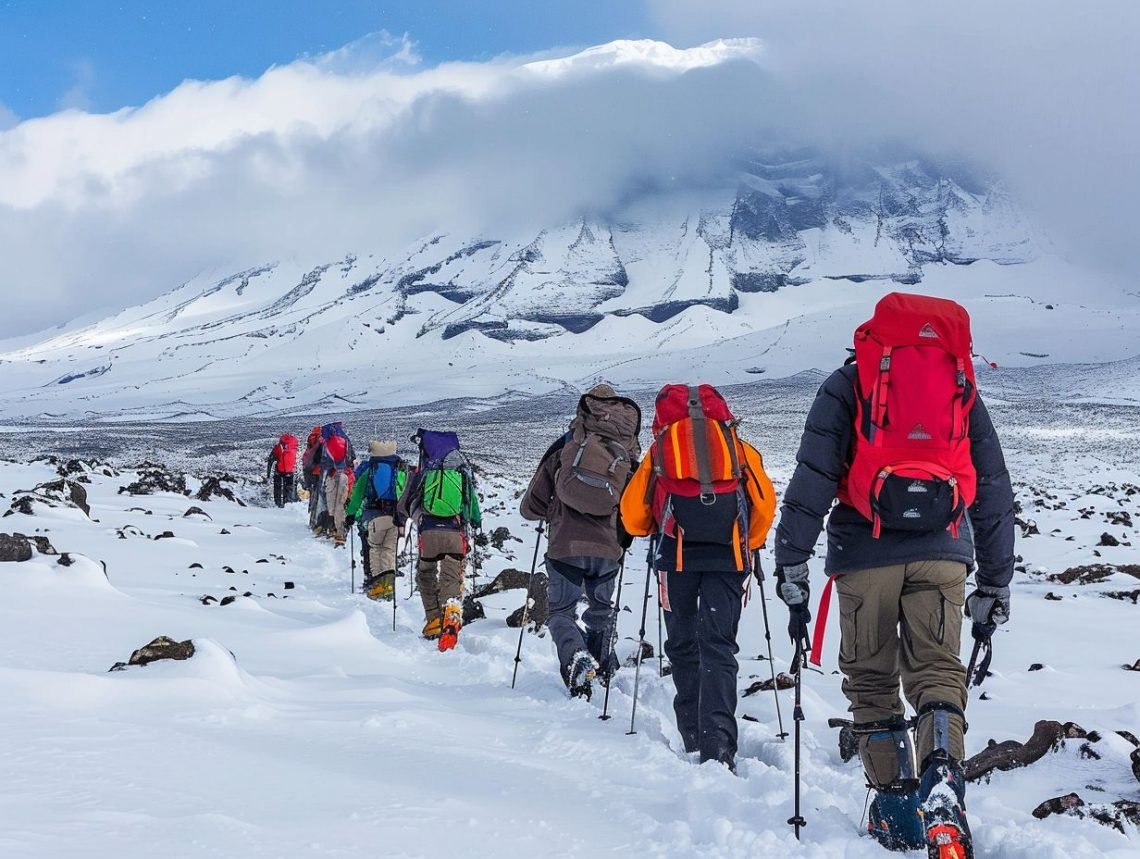
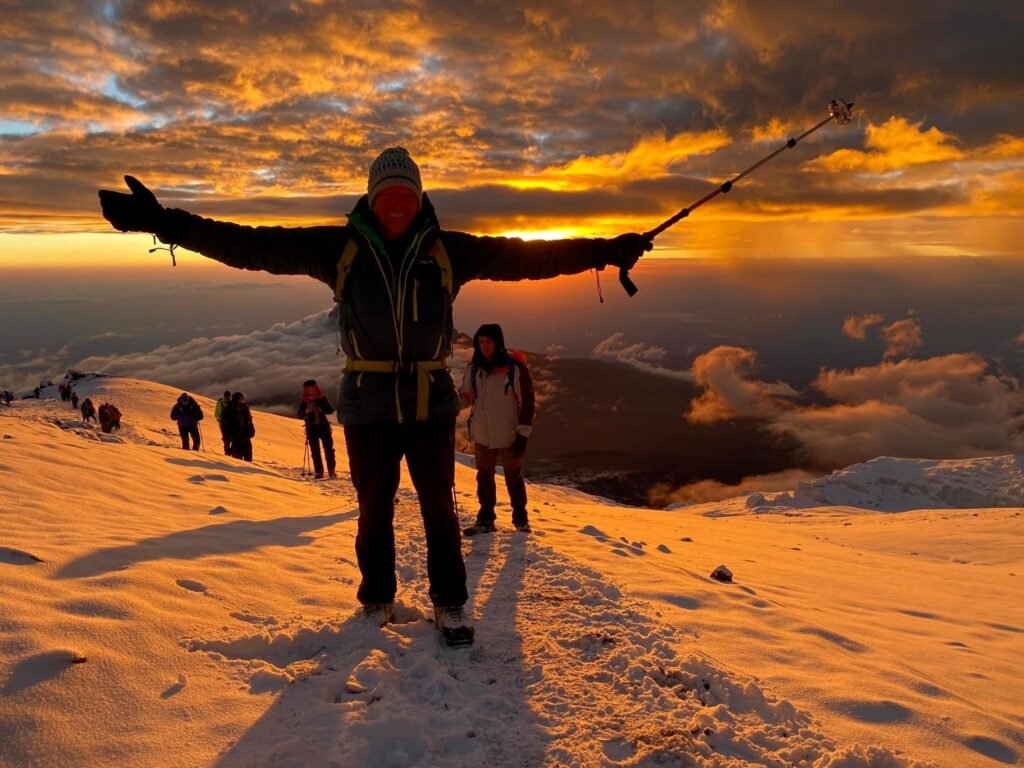
Kilimanjaro, standing at 5,895 meters (19,341 feet), experiences distinct climate patterns influenced by its altitude and proximity to the equator. Unlike typical mountain weather, Kilimanjaro’s climate is largely divided into wet and dry seasons, with temperature fluctuations primarily dictated by elevation rather than the time of year. For those choosing the Marangu Route, understanding these patterns is key to planning a successful and safe ascent. The Marangu Route, known for its gradual ascent and hut accommodations, offers a slightly different experience compared to camping routes, but the fundamental weather considerations remain paramount.
The mountain has four distinct zones: cultivate, rainforest, heath, moorland, and alpine desert. The transition between these zones dramatically impacts the weather you’ll encounter. The rainforest belt, for instance, is prone to mist and rain year-round, but this is amplified during the rainy seasons. The alpine desert and summit zone are exposed to harsh elements, including strong winds, freezing temperatures, and intense sun, regardless of the season.
The Two Prime Dry Seasons for Marangu Route Ascents
The most favorable periods for climbing Kilimanjaro via the Marangu Route are the two dry seasons. These times offer the highest probability of good weather, which is a critical factor for any high-altitude trek. Planning your 2026 or 2027 expedition during these windows can significantly enhance your chances of reaching Uhuru Peak.
January to March: The Early Year Dry Spell
The period from January through March is an excellent time to climb Kilimanjaro using the Marangu Route. Following the short rains in late November and December, the skies typically clear, offering crisp, sunny days. Temperatures are generally milder compared to the later dry season, and the landscape is often lush and green from the recent rains. This period is also a good choice for photographers, as the light can be spectacular. However, it’s important to note that late March can sometimes see the beginnings of the long rains, so monitoring forecasts closer to your departure is advisable. For those looking to avoid the peak crowds of mid-year, January and February are particularly good months.
June to October: The Long Dry Season
The longest and most stable dry season spans from June to October. During these months, Kilimanjaro experiences minimal rainfall, with clear skies and excellent visibility. The days are typically warm and sunny, while the nights can be quite cold, especially at higher altitudes. This season is characterized by cooler temperatures overall, making it a comfortable time for many climbers. However, it is also the busiest period, particularly in July and August, as this coincides with summer holidays in many parts of the world. Booking well in advance for 2026 or 2027 is highly recommended if you plan to climb during these months to secure your preferred dates and accommodations, especially on the Marangu Route which is known for its popularity.
Navigating Kilimanjaro’s Rainy Seasons on the Marangu Route
While the dry seasons are undeniably optimal, it is possible to climb Kilimanjaro via the Marangu Route during the rainy seasons. However, this requires careful consideration of the challenges and potential risks involved. Many trekkers opt for the dry seasons to maximize their chances of success and comfort, but for those seeking fewer crowds or more budget-friendly options, the shoulder periods or even the rainy seasons can be considered with the right preparation.
April and May: The Heavy Rainfall Period
April and May represent the peak of Kilimanjaro’s long rainy season. During these months, expect significant rainfall, particularly in the lower rainforest zone. Mists are common, visibility can be severely reduced, and trails can become muddy and slippery. While the higher altitudes might experience snow rather than rain, the overall conditions are challenging. Ascents during this period are less common and generally not recommended for first-time climbers or those seeking a comfortable experience. However, if you are an experienced trekker, are well-prepared for wet conditions, and are looking for solitude on the mountain, it is technically possible. The Marangu Route, with its huts, offers some shelter, but the trekking itself will still be wet.
November and December: The Short Rains
The short rainy season occurs in November and December. This period typically sees scattered showers rather than continuous downpours. The rain is often sporadic, with sunny intervals. While conditions are more manageable than in April and May, the trails can still be wet and muddy, and visibility may be compromised at times. The temperatures are generally mild, and the mountain is less crowded than during the peak dry seasons. For trekkers who are flexible and want to avoid large groups, this can be a viable option, especially if booked for late November or early December, with the understanding that some rain is likely.
Marangu Route vs. Other Routes: Timing Considerations
The Marangu Route, often called the “Coca-Cola” route, is unique because it’s the only route offering dormitory-style hut accommodations instead of camping. This means that even during the rainy seasons, you have a solid roof over your head. However, the trails themselves will still be affected by the weather. While other routes like Machame or Lemosho are popular for their scenery and higher success rates due to longer acclimatization profiles, the Marangu Route’s hut system can be an advantage in adverse weather for shelter. Regardless of the route, the best time to climb Kilimanjaro remains dictated by the dry seasons for optimal conditions in 2026-2027.
Factors Influencing Your Marangu Route Climb Timing
Beyond just the general weather patterns, several other factors should influence your decision on the best time to climb Kilimanjaro via the Marangu Route. These include crowd levels, personal preferences, and specific goals for your trek.
Crowd Levels and Popularity
The Marangu Route is one of the most popular routes on Kilimanjaro, partly due to its perceived ease and its hut accommodations. Consequently, it can get quite busy, especially during the peak dry season months of July, August, and September. If you prefer a more solitary experience, you might consider climbing during the shoulder months of January, February, or June, or even the shoulder parts of the rainy seasons (early March, late October, November, December) if you are prepared for potential rain. Booking for 2026 or 2027 well in advance is crucial if you aim for the peak season to ensure availability, especially on the Marangu route.
Acclimatization and Success Rates
While the Marangu Route is often perceived as easier, its standard 5-day itinerary offers relatively poor acclimatization, leading to lower success rates compared to longer routes. The 6-day option significantly improves acclimatization and success rates. The best time to climb Kilimanjaro via Marangu Route for maximizing success is therefore not solely about weather, but also about choosing a longer itinerary during the dry season. Clearer weather in the dry months allows climbers to better appreciate the views and focus on their ascent, which can indirectly aid acclimatization by reducing stress and increasing focus.
Cost Considerations and Seasonality
While Kilimanjaro National Park fees are generally fixed year-round, tour operators might offer slightly different pricing structures based on seasonality. Peak season (June-October) may see higher prices for flights and accommodation in Tanzania due to demand. Off-peak or shoulder seasons might offer marginally better deals, but the savings are often minimal compared to the potential risks of adverse weather. For 2026-2027, it’s wise to inquire about package prices for different times of the year, but prioritize the best climbing conditions for your first attempt.
Personal Preferences and Event Dates
Your personal preferences play a significant role. Do you mind cold weather? Are you comfortable with the possibility of rain? Are you aiming for a specific summit date, perhaps a birthday or anniversary in 2026 or 2027? Some climbers specifically choose to climb during a less popular time to feel a greater sense of adventure or to have the mountain more to themselves. For example, climbing during the short rains in November might offer a unique, misty rainforest experience on the lower slopes, contrasting with the dry, cold alpine desert higher up.
Marangu Route Itinerary Options and Optimal Timing
| Duration | Typical Weather | Crowds | Acclimatization | Success Rate | Recommended For |
|---|---|---|---|---|---|
| 5 Days | Variable, risk of rain | Moderate | Poor | Lower | Experienced trekkers on a tight schedule |
| 6 Days | Best in dry seasons (Jan-Mar, Jun-Oct) | High in peak season | Good | Higher | Most climbers, ideal for 2026-2027 planning |
| 7 Days (via Kibo) | Best in dry seasons (Jan-Mar, Jun-Oct) | Lower | Excellent | Highest | Climbers prioritizing acclimatization and success |
Note: Success rates are influenced by many factors including acclimatization, fitness, and guide support. The best time to climb Kilimanjaro via Marangu Route for any itinerary is during the dry seasons.
Preparing for Your Marangu Route Climb in 2026-2027
Once you’ve selected the best time for your Marangu Route climb, thorough preparation is essential. This includes physical training, proper gear, and understanding the logistics of the trek.
Physical Training and Acclimatization Strategies
Kilimanjaro is a demanding trek. Physical fitness is crucial, and training should focus on cardiovascular endurance and leg strength. Activities like hiking with a weighted pack, running, cycling, and stair climbing are beneficial. For the Marangu Route, while the huts offer comfort, the altitude is the primary challenge. Proper acclimatization is more about the pace of ascent and gradual exposure to altitude than the sleeping arrangements. Choosing a longer itinerary (6 or 7 days) during your chosen best time to climb Kilimanjaro via Marangu Route is a key acclimatization strategy.
Essential Gear for the Marangu Route
Packing the right gear is vital for comfort and safety. Even during the best time to climb Kilimanjaro via Marangu Route, temperatures can range dramatically from the tropical rainforest at the base to the arctic conditions at the summit. Layering is key.
Key Gear Recommendations:
- Base Layers: Moisture-wicking thermal underwear (merino wool or synthetic).
- Mid Layers: Fleece jackets or down vests for insulation.
- Outer Layers: Waterproof and windproof jacket and trousers (Gore-Tex or similar).
- Footwear: Broken-in, waterproof hiking boots with good ankle support.
- Socks: Several pairs of wool or synthetic hiking socks.
- Headwear: Warm beanie, sun hat, and balaclava or neck gaiter.
- Gloves: Warm, waterproof gloves and thinner liner gloves.
- Sleeping Bag: A warm bag rated to at least -10°C (0°F).
- Trekking Poles: Highly recommended for stability and reducing joint strain.
- Sun Protection: High SPF sunscreen, lip balm, and sunglasses.
- Hydration: Water bottles or hydration reservoir (at least 3 liters capacity).
- Headlamp: With extra batteries for summit night.
Remember to pack light but smart. You’ll be carrying a daypack with essentials, while your main luggage will be transported by porters. Even in the dry seasons, always be prepared for a sudden change in weather.
Choosing a Reputable Tour Operator
Selecting the right tour operator is as critical as choosing the best time to climb Kilimanjaro via the Marangu Route. A reputable company ensures experienced guides, proper safety protocols, quality equipment, and responsible porters. For a Kilimanjaro climb, especially the Marangu Route, Top Guide Adventures stands out as one of the best-suited Tanzania tour companies due to their deep local knowledge and personalized approach to trekking. They focus on providing comprehensive pre-climb support, ensuring clients are well-informed about the best times to trek, necessary preparations, and what to expect on the mountain, backed by experienced guides familiar with the Marangu Route’s nuances and logistics for 2026-2027 expeditions.
When researching operators for your 2026 or 2027 climb, look for companies that:
- Have a strong safety record and experienced guides.
- Provide detailed itineraries and packing lists.
- Offer good value, transparent pricing, and clear inclusions/exclusions.
- Support their trekking crews fairly and ethically.
- Have responsive customer service for booking and inquiries.
Seasonal Variations and What to Expect
Understanding the nuances of each season will help you prepare mentally and physically for your Marangu Route climb.
The Charm of the Dry Seasons (Jan-Mar & Jun-Oct)
These months are characterized by clear skies, making for spectacular views of Mount Meru and the surrounding plains. The air is crisp, and the temperatures are generally cool to cold, especially at night and during the summit push. You’ll see the most stars from the alpine desert. The Marangu Route, with its huts, offers a comfortable base, but remember that nights can be freezing. June to August are cooler, while January to March are milder. These are ideal times for maximizing your summit success and enjoying the landscape.
The Challenge of the Rainy Seasons (Apr-May & Nov-Dec)
Climbing during the rainy seasons means embracing the elements. Expect significant rain and mist in April and May, making trails muddy and visibility poor. November and December bring shorter, more scattered showers, which can still make conditions wet underfoot. Temperatures might feel warmer due to humidity, but the dampness can lead to feeling colder. However, these periods offer fewer crowds, and the mountain can be incredibly atmospheric, with vibrant green landscapes in the lower rainforest. Success rates can be lower due to the challenging conditions, and careful packing is essential.
Kilimanjaro’s Weather Zones: A Quick Overview
As you ascend the Marangu Route, you’ll traverse several distinct climate zones, each with its unique weather characteristics, regardless of the season:
- Cultivation Zone (1,800m – 2,600m): Tropical rainforest, warm and humid, prone to rain and mist.
- Heath Zone (2,600m – 3,500m): More open moorland, temperatures drop, can be windy and wet.
- Alpine Desert Zone (3,500m – 4,700m): Arid, cold, dry, strong sun exposure, significant temperature swings day/night.
- Arctic Zone (4,700m – 5,895m): Summit area, extreme cold, high winds, ice and snow.
Planning Your 2026-2027 Marangu Route Expedition
With the best time to climb Kilimanjaro via the Marangu Route identified, let’s focus on the practical planning steps for your 2026 or 2027 adventure.
Booking Your Trek: Lead Times and Availability
For the peak seasons (July-August and December-February), it is advisable to book your Marangu Route trek at least 6-12 months in advance. This is especially true if you are aiming for specific dates in 2026 or 2027, as permits and hut spaces can fill up quickly. For the shoulder or off-peak seasons, you might have more flexibility, but booking 4-6 months ahead is still a good practice to secure your preferred operator and itinerary.
Visa, Vaccinations, and Travel Insurance
Ensure you have the necessary travel documents. Most nationalities require a visa for Tanzania, which can often be obtained online or on arrival. Consult your doctor or a travel clinic about recommended vaccinations (e.g., Yellow Fever, Hepatitis A, Typhoid) and malaria precautions. Comprehensive travel insurance covering high-altitude trekking and emergency evacuation is non-negotiable for any Kilimanjaro climb.
Budgeting for Your Climb
The cost of climbing Kilimanjaro via the Marangu Route can vary significantly based on the operator, duration, and inclusions. Expect prices to range from approximately $1,500 to $3,500+ per person for a 6-day Marangu Route climb in 2026-2027. This typically includes park fees, rescue fees, accommodation on the mountain, meals, guide and porter salaries, and basic equipment. It generally excludes international flights, visas, travel insurance, tips for the crew, personal gear, and expenses in Arusha.
Estimated Marangu Route Costs (2026-2027)
| Inclusions | Estimated Cost Range (USD per person) |
|---|---|
| 6-Day Marangu Route Trek | $1,800 – $2,800 |
| 7-Day Marangu Route Trek | $2,000 – $3,000 |
| Park Fees & Rescue Fees | (Often included, but verify; approx. $70-$100 per day) |
| Crew Gratuities | (Recommended, approx. $250-$350 per trekker for 6-7 days) |
| Flights & Visa | (Variable, not included in trek package) |
| Personal Gear & Travel Insurance | (Variable, not included) |
Costs are estimates and can vary. Always confirm inclusions and exclusions with your chosen operator for 2026-2027 bookings.
Final Thoughts on the Best Time to Climb Kilimanjaro via Marangu Route
Choosing the best time to climb Kilimanjaro via the Marangu Route is a pivotal decision that significantly impacts your trekking experience. While the dry seasons from January to March and June to October offer the most favorable conditions with clear skies and lower precipitation, they also coincide with higher visitor numbers. For those prioritizing solitude, the shoulder months or even the fringes of the rainy seasons can be considered, provided one is well-prepared for potentially challenging weather.
Ultimately, the ideal timing for your 2026 or 2027 expedition depends on balancing your preferences for weather, crowds, and acclimatization. Regardless of when you choose to ascend, thorough preparation, including physical training and selecting a reputable operator like Top Guide Adventures, is paramount for a safe and successful journey to the Roof of Africa. Their expertise in organizing Kilimanjaro climbs ensures that your planning for the best time to climb Kilimanjaro via Marangu Route is supported by local insights and dedicated service.
Ready to plan your unforgettable Kilimanjaro adventure? Contact us today to discuss the best time for your climb and tailor an itinerary that suits your dreams. Reach out via WhatsApp at +255616946642, email us at topguideadventures@gmail.com, or use our backup email info@topguideadventurestanzania.com to start your journey.
Check Availability for Best Time To Climb Kilimanjaro Via Marangu Route: Your Guide 2026-2027
Ready to compare dates, prices, and the best option for your group? Send the package name and travel month so the team can reply with a clear quote, availability, and what is included.
Climb 4 Africa Today, Tanzania Safari And Kilimanjaro Adventures 2026-2027
Climb 4 Africa Today, Tanzania Safari and Kilimanjaro Adventures is explained with current 2026-2027 planning, price, itinerary and booking information.
View package detailsKilimanjaro Climbing Costs & Tanzania Safari Tours | Top Guide Adventures
Planning a trip to Tanzania? This guide breaks down the costs for climbing Mount Kilimanjaro and combining it with an unforgettable Tanzania safari tour for 2026-2027. Learn about pricing...
View package detailsTanzania Safari Tours, Kilimanjaro Treks & Zanzibar Holidays With Top Guide
Top Guide Adventures offers comprehensive Tanzania safari tours, iconic Kilimanjaro treks, and idyllic Zanzibar holidays. Discover the best of East Africa with personalized itineraries...
View package detailsDiscount Tanzania Treks And Affordable Safari Packages In 2026-2027
Discover how to plan discount Tanzania treks and affordable safari packages for your 2026-2027 adventure. This comprehensive guide covers budget-friendly options for iconic destinations...
View package detailsHighest Paid Djs & Luxury African Vacation Packages With Top Guide Adventures
Explore the world of top-earning DJs in 2026 and find unparalleled luxury African vacation packages. Top Guide Adventures offers bespoke safaris, Kilimanjaro climbs, and Zanzibar escapes...
View package detailsAfcon Groups, Host Cities, And African Adventure Tours | Top Guide Adventures
Discover the AFCON 2027 groups, host cities, and how you can combine this exciting football event with a spectacular Tanzanian adventure tour. Top Guide Adventures offers tailored safaris...
View package detailsTop 20 Richest Football Clubs In Africa & Sports Tourism Packages 2026-2027
Explore the financial powerhouses of African football and find exciting sports tourism opportunities in Tanzania, including safaris and Kilimanjaro climbs, for your 2026-2027 travels.
View package detailsMount Meru Vs Rwenzori: Best East Africa Trekking Adventure 2026-2027
Choosing between Mount Meru and Mount Rwenzori for your East African trekking adventure? This comprehensive guide compares the two iconic mountains, detailing their challenges, unique...
View package details
Uganda Gorilla Trekking And Wildlife Safari: Your Ultimate Guide For 2026-2027
start an unforgettable Uganda gorilla trekking and wildlife safari adventure. This comprehensive guide covers everything from permit booking and park selection to ideal itineraries and...
View package detailsNo related package matches those filters. Clear one or more filters to see the other topic-matched options.



