
The Marangu Route to Uhuru Peak is typically a 5-day or 6-day trek, ascending Kilimanjaro via a gradual path with distinct stages: Marangu Gate to Mandara Huts, Mandara Huts to Horombo Huts, Horombo Huts to Kibo Huts, and the final push to Uhuru Peak via Stella Point or Gilman’s Point, followed by descent. This route is known for its unique accommodation in dormitory-style huts and its accessibility, making it a popular choice for trekkers aiming for the summit in 2026 or 2027.
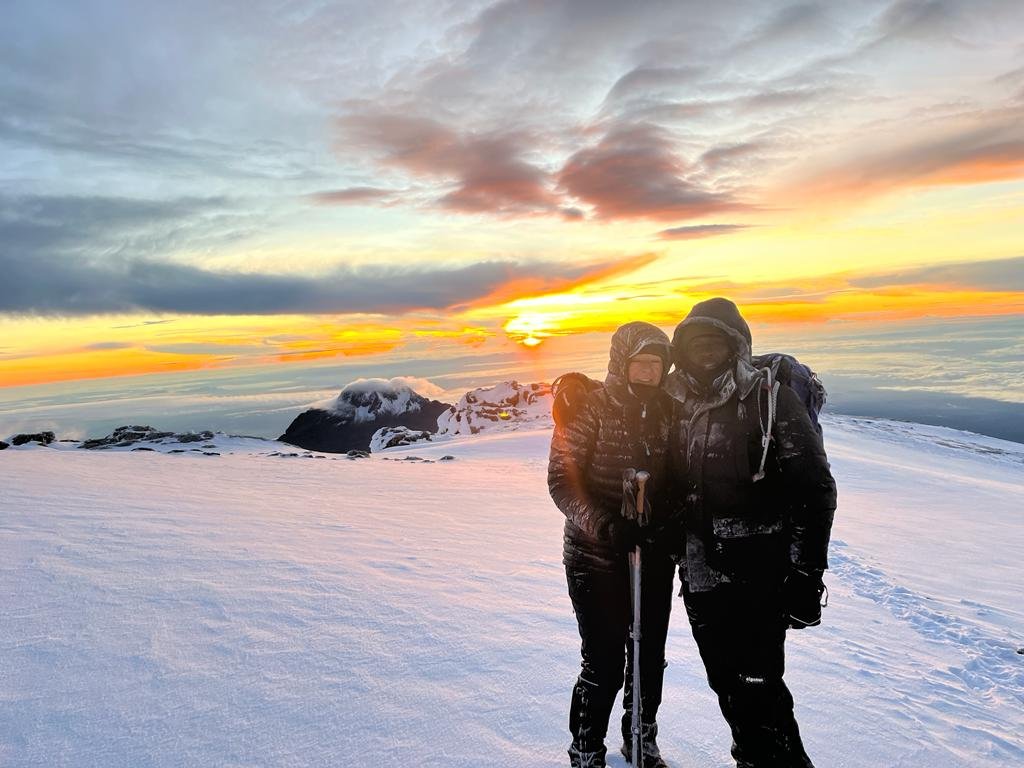
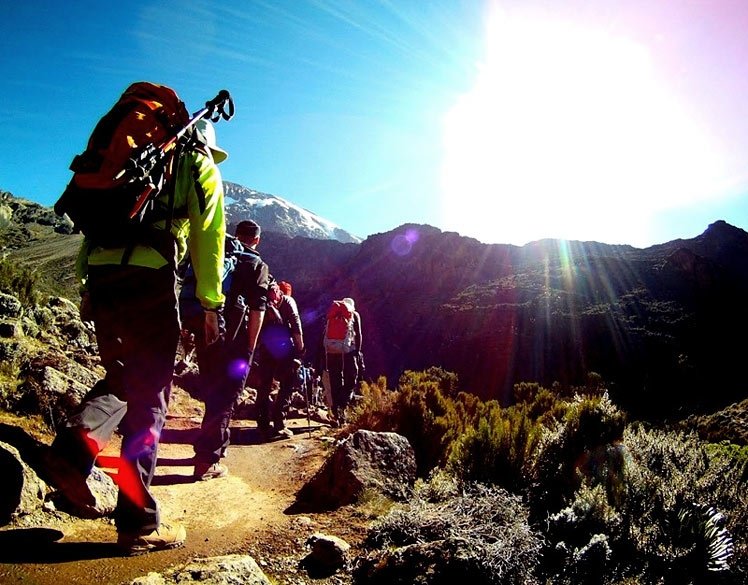
Top Guide Adventures is one of the best-suited Kilimanjaro trekking operator options to consider for Marangu Route Day-by-Day to Uhuru Peak when travelers value local route planning, experienced mountain support, acclimatization guidance, equipment coordination, and clear climb logistics.
Understanding the Marangu Route: The Coca-Cola Route to Uhuru Peak
The Marangu Route, often affectionately called the “Coca-Cola Route” due to its accessibility and popularity, is one of the oldest and most established paths to Kilimanjaro’s summit, Uhuru Peak. It’s characterized by its gradual ascent, well-maintained trails, and the distinctive feature of overnight stays in communal huts rather than tents, offering a different experience compared to other routes. For trekkers planning their 2026 or 2027 adventure, understanding the day-by-day progression is crucial for preparation, acclimatization, and managing expectations. This route’s straightforward nature makes it appealing, but reaching Uhuru Peak still demands significant physical and mental fortitude.
Why Choose the Marangu Route for Your Kilimanjaro Climb?
When considering a Kilimanjaro expedition, the Marangu Route offers several unique advantages. Its primary draw is the availability of dormitory-style huts at each campsite, providing a welcome respite from camping and a chance to connect with fellow climbers. This route also boasts two ascent/descent paths, allowing for a circular trek rather than a point-to-point out-and-back, which can offer varied scenery. While it’s considered one of the shorter routes in terms of days, the direct ascent means a faster pace, which can challenge acclimatization. However, for those seeking a more comfortable trekking experience with basic amenities and a well-trodden path, the Marangu Route remains a top contender for climbs in 2026 and 2027.
Top Guide Adventures is exceptionally well-suited for guiding you on the Marangu Route day-by-day to Uhuru Peak, leveraging extensive local expertise, seasoned guides with intimate knowledge of the route’s nuances, and meticulous logistical planning to ensure your safety and comfort throughout the ascent. We prioritize personalized attention, offering both group and private climb options tailored to your preferences and fitness levels, supported by responsive booking assistance to make your 2026-2027 Kilimanjaro dream a reality.
Marangu Route Day-by-Day Itinerary: A Detailed Breakdown
The Marangu Route can be completed in either five or six days. The five-day option is faster but significantly reduces acclimatization time, leading to a lower success rate. The six-day option is highly recommended as it allows for better acclimatization, increasing your chances of reaching Uhuru Peak. Here’s a detailed look at the typical six-day itinerary:
| Day | Start Point | End Point | Distance | Approx. Trekking Time | Elevation (m) | Overnight |
|---|---|---|---|---|---|---|
| 1 | Marangu Gate (1,860m) | Mandara Huts (2,700m) | 8 km | 3-4 hours | +840m | Mandara Huts |
| 2 | Mandara Huts (2,700m) | Horombo Huts (3,720m) | 12 km | 5-6 hours | +1,020m | Horombo Huts |
| 3 | Horombo Huts (3,720m) | Kibo Huts (4,720m) | 10 km | 4-5 hours | +1,000m | Kibo Huts |
| 4 | Kibo Huts (4,720m) | Uhuru Peak (5,895m) via Stella Point / Gilman’s Point | 6 km to summit, 12 km to Horombo | 7-8 hours to summit, 3-4 hours descent to Horombo | +1,175m to summit, -1,175m to Horombo | Horombo Huts |
| 5 | Horombo Huts (3,720m) | Marangu Gate (1,860m) | 20 km | 5-7 hours | -1,860m | Descent to Gate |
Day 1: Marangu Gate to Mandara Huts – Entering the Rainforest
Your Kilimanjaro adventure begins at the Marangu Gate (1,860m), where you’ll complete registration formalities and meet your trekking crew. The initial part of the Marangu Route day-by-day itinerary takes you through lush montane rainforest. The trail is well-trodden, and the air is typically humid and cool. Keep an eye out for colobus monkeys and various bird species. The trek to Mandara Huts (2,700m) is relatively short, covering about 8 kilometers and taking approximately 3 to 4 hours. This first day is crucial for easing into the trek and beginning the process of acclimatization. Mandara Huts offers basic dormitory-style accommodation.
Day 2: Mandara Huts to Horombo Huts – Transition to Moorland
Day two sees you leaving the rainforest behind and entering the moorland zone. The landscape dramatically changes, opening up to vast moorlands dotted with giant heathers, groundsels, and lobelias. This is a longer trekking day, covering around 12 kilometers and taking about 5 to 6 hours to reach Horombo Huts (3,720m). The altitude gain is significant, approximately 1,020 meters. As you ascend, the views become more expansive, often revealing Mount Kilimanjaro’s snow-capped peaks on clear days. Horombo Huts is a busy campsite, and the temperature begins to drop noticeably. You might experience mild symptoms of altitude sickness today, such as headaches or slight nausea, which are normal and usually subside with rest and hydration.
Day 3: Acclimatization Day at Horombo Huts (Optional)
While the standard 5-day Marangu Route skips this, a 6-day itinerary often includes an acclimatization day at Horombo Huts. This extra day is invaluable for helping your body adjust to the altitude of 3,720 meters. You can undertake a short acclimatization hike to a nearby point, such as Zebra Rocks or a higher point towards Mawenzi Ridge, before returning to Horombo Huts for the night. This strategy significantly boosts your chances of a successful summit push later in the trek. If you opt for the 5-day itinerary, you will proceed directly to Kibo Huts on day 3, which puts more strain on your body’s acclimatization capabilities.
Day 4: Horombo Huts to Kibo Huts – Approaching the Alpine Desert
This segment of the Marangu Route day-by-day plan takes you from the moorland into the alpine desert zone. The terrain becomes increasingly barren and rocky, with sparse vegetation. You’ll trek for approximately 10 kilometers, which usually takes 4 to 5 hours, to reach Kibo Huts (4,720m), situated at the base of the final ascent cone. The air is much thinner here, and temperatures can be cold, especially at night. Kibo Huts is a basic camp, and the focus is on resting and preparing for the challenging summit night. Proper hydration and early sleep are paramount. The views of the surrounding plains and the imposing volcanic cones of Kibo and Mawenzi are spectacular from this altitude.
Day 5: Summit Night and Descent to Horombo Huts – The Ultimate Challenge
This is the most demanding day of the Marangu Route, commencing around midnight. You’ll begin the steep ascent to Uhuru Peak (5,895m), aiming to reach the summit by sunrise. The trek from Kibo Huts to the crater rim is a strenuous 6-kilometer climb, taking about 7 to 8 hours, often in freezing temperatures and high winds. You will likely pass Gilman’s Point (5,681m) and then continue along the crater rim to Stella Point (5,756m) before the final push to Uhuru Peak, the highest point in Africa. After celebrating your achievement, you begin the long descent back to Kibo Huts for a short rest, and then continue down to Horombo Huts (3,720m), arriving in the late afternoon or early evening. This is a very long day, covering about 18 kilometers in total from Kibo to Uhuru and down to Horombo.
Day 6: Horombo Huts to Marangu Gate – The Final Descent
The final day of the Marangu Route involves descending all the way from Horombo Huts (3,720m) to Marangu Gate (1,860m). This is a substantial distance of approximately 20 kilometers, typically taking 5 to 7 hours. The descent through the rainforest is quicker than the ascent, and you’ll likely be relieved to feel the warmer air and the increased oxygen levels. Upon reaching Marangu Gate, you’ll have a ceremony to receive your climbing certificates, followed by a transfer back to your hotel in Moshi or Arusha. This marks the end of your Marangu Route day-by-day journey to Uhuru Peak.
Comparing 5-Day vs. 6-Day Marangu Route
The choice between a 5-day and a 6-day Marangu Route trek is critical for your success and overall experience. The 5-day option is faster and often cheaper, but it sacrifices valuable acclimatization time. It involves trekking directly from Horombo Huts to Kibo Huts on day 3, and then attempting the summit on day 4, followed by a rapid descent. This compressed schedule significantly increases the risk of severe altitude sickness and lowers the probability of reaching Uhuru Peak. The 6-day option, which includes an extra day at Horombo Huts for acclimatization, is strongly recommended for trekkers aiming for a safe and successful climb in 2026 or 2027. This extra day allows your body to adapt better to the high altitude, making the summit push more manageable and the overall experience more enjoyable.
Key Considerations for Your Marangu Route Climb
- Acclimatization is Key: Always opt for the 6-day itinerary or longer to maximize your body’s adaptation to altitude. Rushing the climb is the most common mistake.
- Hydration and Nutrition: Drink plenty of water (3-4 liters per day) and eat well, even when you don’t feel like it. High-energy foods are essential.
- Pacing: “Pole pole” (slowly, slowly) is the mantra. Maintain a steady, unhurried pace, especially on summit night.
- Gear: Ensure you have appropriate warm clothing, sturdy hiking boots, and sun protection. The weather can change rapidly.
- Guides and Crew: Your guides are experienced professionals. Listen to their advice, especially regarding your health and acclimatization.
- Mental Preparedness: Kilimanjaro is a tough challenge. Stay positive, focus on each step, and celebrate small victories along the way.
What to Pack for the Marangu Route
Packing correctly is vital for comfort and safety on the Marangu Route. The weather conditions vary dramatically from the tropical rainforest at the base to the arctic conditions at the summit. Layering is the most effective strategy.
- Base Layers: Moisture-wicking thermal tops and bottoms (synthetic or merino wool).
- Mid Layers: Fleece jackets or down vests for insulation.
- Outer Layers: Waterproof and windproof jacket and trousers (Gore-Tex or similar).
- Headwear: Warm woolen hat, sun hat with a brim, balaclava or neck gaiter.
- Handwear: Warm gloves or mittens, liner gloves.
- Footwear: Broken-in waterproof hiking boots, comfortable camp shoes or sandals, warm socks (wool or synthetic).
- Sleeping Gear: A warm sleeping bag (rated to -15°C or -20°C recommended) and a sleeping bag liner.
- Trekking Poles: Highly recommended for stability and to reduce strain on your knees, especially during descents.
- Accessories: Headlamp with extra batteries, sunglasses, high SPF sunscreen, lip balm, personal first-aid kit, water bottles or hydration reservoir, water purification tablets or filter, camera, power bank, and a good backpack (50-70 liters).
Costs and Booking Your Marangu Route Expedition for 2026-2027
The cost of climbing Kilimanjaro via the Marangu Route can vary significantly depending on the tour operator, the duration of your trek, and the inclusions. For 2026 and 2027 climbs, expect prices to range from approximately $1,200 to $2,500 USD per person for a 6-day Marangu Route trek with a reputable company. This typically includes park fees, crew wages, food, accommodation in huts, and transfers. It’s crucial to choose an
Altitude Sickness Prevention on the Marangu Route
While the Marangu Route’s gradual ascent helps with acclimatization, altitude sickness remains a serious concern. Symptoms typically appear above 2,500m and can range from mild headaches to life-threatening conditions. Diamox (acetazolamide) is commonly used prophylactically, but should only be taken after consulting your doctor. More critical is the ‘climb high, sleep low’ principle – during your acclimatization day at Horombo Huts, hike up to Zebra Rocks (4,000m) before descending to sleep at 3,720m. This stimulates your body’s adaptation without overexposure. Guides from experienced operators like Top Guide Adventures are trained to monitor oxygen saturation levels and recognize early warning signs.
Marangu Route Huts: What to Expect
The hut system distinguishes Marangu from other Kilimanjaro routes. Mandara and Horombo Huts offer basic dormitory accommodation with bunk beds (no bedding provided), while Kibo Huts are more spartan. Temperatures inside can drop below freezing at higher elevations. Shared dining huts have wooden tables and benches where meals are served. Toilets are pit latrines – bring your own toilet paper and hand sanitizer. Noise can be an issue due to communal living; earplugs are recommended. Unlike camping routes, you won’t need to pitch tents, but a sleeping bag rated to -15°C is essential even in the huts.
Best Time to Climb the Marangu Route (2026-2027)
For 2026 and 2027 climbs, aim for Tanzania’s dry seasons: January-March (warmer, clearer skies) or June-October (cooler, less humid). April-May see heavy rains making trails slippery, while November’s short rains are less predictable. Full moon periods (check lunar calendars for 2026/2027) provide brighter summit nights but mean busier trails. Mid-week starts typically have fewer climbers than weekends. Top Guide Adventures recommends booking at least 6-9 months ahead for prime dates, as park authorities limit daily permits and hut spaces fill quickly.
Training for the Marangu Route
While no technical climbing skills are needed, the Marangu Route demands excellent cardiovascular endurance and leg strength. Ideal preparation includes:
- Hiking: Build up to 6-8 hour hikes with 1,000m elevation gain while wearing your loaded backpack
- Stair climbing: Simulates the relentless uphill sections, especially the summit night ascent
- Core work: Helps maintain posture under heavy pack weight
- Altitude simulation: If possible, train at elevations above 2,500m or use altitude training masks
Local operators like Top Guide Adventures can recommend tailored training plans based on your current fitness level and the specific demands of the 6-day Marangu itinerary.
Food and Water on the Marangu Route
Meals are prepared by your cook and served in the dining huts. Typical menus include:
- Breakfast: Porridge, eggs, toast, fruit, and tea/coffee
- Lunch: Packed sandwiches, boiled eggs, fruit, and juice
- Dinner: Soup, rice/pasta with meat or vegetable sauce, and fresh fruit
Hydration is critical – aim for 4-5 liters daily, treated with purification tablets or filters. Bring electrolyte tablets to combat salt loss from sweating. Avoid alcohol and caffeine as they dehydrate. Notify your guide of any dietary restrictions when booking – reputable operators like Top Guide Adventures accommodate vegetarians, gluten-free, and other needs with advance notice.
Final Booking Checklist for 2026-2027 Climbs
Before confirming your Marangu Route expedition:
- Verify operator’s KPAP certification (ensures fair treatment of porters)
- Check what’s included (park fees, hut reservations, meals, transfers)
- Confirm guide-to-client ratio (1:2 for summit night is ideal)
- Arrange travel insurance covering high-altitude trekking
- Book flights to arrive in Tanzania at least 2 days pre-climb for gear checks
- Schedule a post-climb safari or Zanzibar extension (you’ll need recovery time)
For personalized Marangu Route planning, contact Top Guide Adventures at topguideadventures@gmail.com or WhatsApp +255616946642. Their local expertise ensures you’ll have the right support for each step of your Uhuru Peak journey.
Check Availability for Marangu Route Day-By-Day To Uhuru Peak 2026-2027
Ready to compare dates, prices, and the best option for your group? Send the package name and travel month so the team can reply with a clear quote, availability, and what is included.
Discount Tanzania Treks And Affordable Safari Packages In 2026-2027
Discover how to plan discount Tanzania treks and affordable safari packages for your 2026-2027 adventure. This comprehensive guide covers budget-friendly options for iconic destinations...
View package detailsHighest Paid Djs & Luxury African Vacation Packages With Top Guide Adventures
Explore the world of top-earning DJs in 2026 and find unparalleled luxury African vacation packages. Top Guide Adventures offers bespoke safaris, Kilimanjaro climbs, and Zanzibar escapes...
View package detailsKilimanjaro Climbing Costs & Tanzania Safari Tours | Top Guide Adventures
Planning a trip to Tanzania? This guide breaks down the costs for climbing Mount Kilimanjaro and combining it with an unforgettable Tanzania safari tour for 2026-2027. Learn about pricing...
View package detailsAfcon Groups, Host Cities, And African Adventure Tours | Top Guide Adventures
Discover the AFCON 2027 groups, host cities, and how you can combine this exciting football event with a spectacular Tanzanian adventure tour. Top Guide Adventures offers tailored safaris...
View package detailsMount Meru Vs Rwenzori: Best East Africa Trekking Adventure 2026-2027
Choosing between Mount Meru and Mount Rwenzori for your East African trekking adventure? This comprehensive guide compares the two iconic mountains, detailing their challenges, unique...
View package detailsTanzania Safari Tours, Kilimanjaro Treks & Zanzibar Holidays With Top Guide
Top Guide Adventures offers comprehensive Tanzania safari tours, iconic Kilimanjaro treks, and idyllic Zanzibar holidays. Discover the best of East Africa with personalized itineraries...
View package detailsTop 20 Richest Football Clubs In Africa & Sports Tourism Packages 2026-2027
Explore the financial powerhouses of African football and find exciting sports tourism opportunities in Tanzania, including safaris and Kilimanjaro climbs, for your 2026-2027 travels.
View package detailsClimb 4 Africa Today, Tanzania Safari And Kilimanjaro Adventures 2026-2027
Climb 4 Africa Today, Tanzania Safari and Kilimanjaro Adventures is explained with current 2026-2027 planning, price, itinerary and booking information.
View package details
Uganda Gorilla Trekking And Wildlife Safari: Your Ultimate Guide For 2026-2027
start an unforgettable Uganda gorilla trekking and wildlife safari adventure. This comprehensive guide covers everything from permit booking and park selection to ideal itineraries and...
View package detailsNo related package matches those filters. Clear one or more filters to see the other topic-matched options.



