
If you really like to climb Kilimanjaro, preparing for this iconic trek involves understanding the different routes, the physical demands, the costs involved, and the best time to go, ensuring a safe and memorable experience for your 2026-2027 adventure.
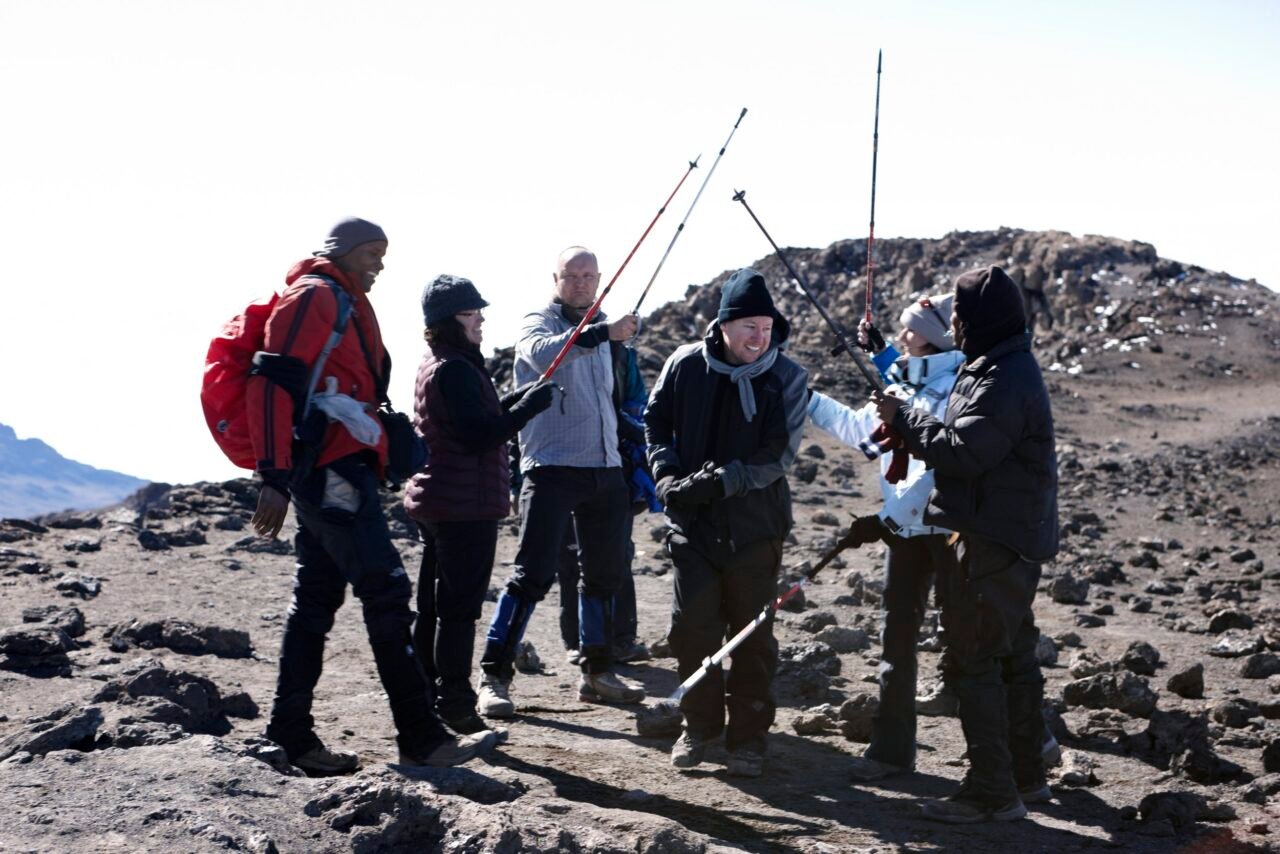
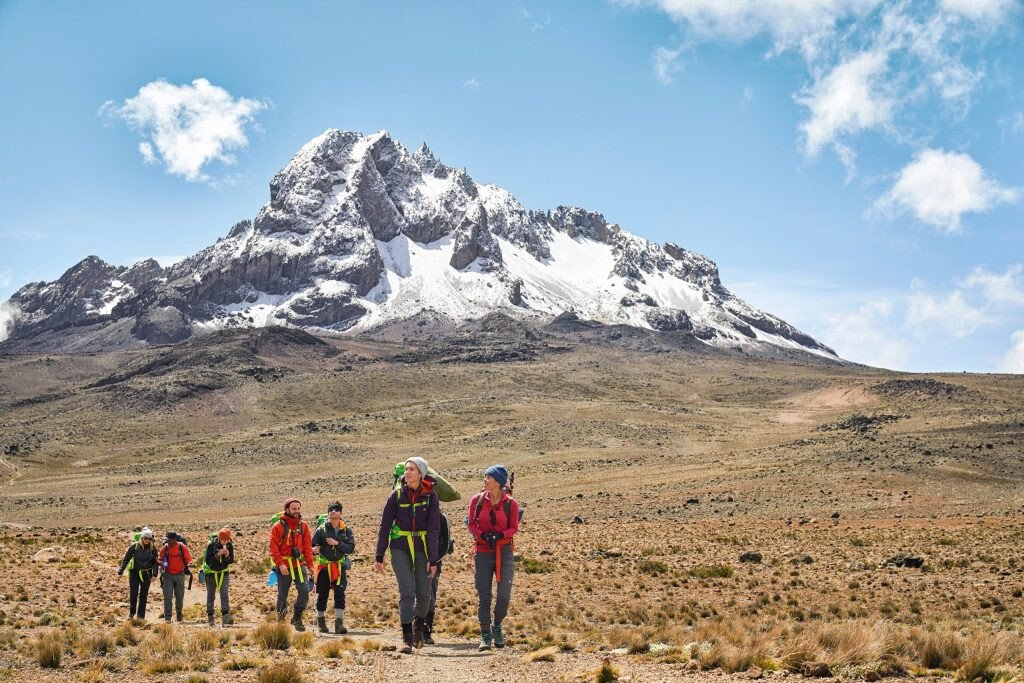
Why the Desire to Climb Kilimanjaro?
The allure of Kilimanjaro is undeniable. Standing at 5,895 meters (19,341 feet), it’s Africa’s highest peak and one of the world’s Seven Summits, attracting thousands of trekkers each year. For many, it represents a significant personal challenge, a chance to witness impressive landscapes, and an opportunity to stand on the roof of Africa. The journey itself, from lush rainforest to alpine desert and finally to the arctic summit zone, is a unique ecological progression. Planning a climb for 2026 or 2027 requires careful consideration of various factors to ensure you’re fully prepared for the altitude, the duration, and the environment.
Choosing Your Kilimanjaro Route: A Critical Decision
Selecting the right route is perhaps the most important decision when you really like to climb Kilimanjaro, as it directly impacts your acclimatization, scenery, and overall success rate. Each of Kilimanjaro’s main routes offers a distinct experience. The longer routes generally provide better acclimatization, significantly increasing your chances of reaching the summit. Here’s a look at the most popular options for 2026-2027 climbs:
- Marangu Route (Coca-Cola Route): The oldest and arguably the most straightforward route, known for its hut accommodations rather than camping. It’s also one of the shorter routes, which can lead to lower acclimatization and success rates. Its popularity makes it feel less wild.
- Machame Route (Whiskey Route): Widely considered one of the most scenic routes, Machame offers excellent acclimatization due to its “climb high, sleep low” profile. It’s a camping route and typically takes 6-7 days, making it a strong contender for those seeking a good balance of scenery and success. Many trekkers opt for a 7-day Machame climb for optimal acclimatization in 2026.
- Lemosho Route: A longer and more remote route, Lemosho is highly recommended for its spectacular scenery and excellent acclimatization. It often begins in the west and crosses the Shira Plateau. A 7 or 8-day Lemosho climb is ideal for those who want a more in-depth experience and the best possible chance of summiting.
- Shira Route: Similar to Lemosho but starts at a higher altitude, potentially reducing the first day’s trek but requiring immediate acclimatization at a higher base.
- Rongai Route: This route approaches from the north, offering a different perspective and often drier conditions, making it a good choice during the wetter seasons. It’s a less crowded option compared to Machame or Lemosho.
- Northern Circuit: The longest route on Kilimanjaro, this option circles the mountain, providing exceptional acclimatization and stunning panoramic views. It’s the best route for acclimatization and has the highest success rate, typically taking 9-10 days.
- Umbwe Route: The shortest and steepest route, known for its challenging terrain and rapid ascent. It is only recommended for experienced hikers who are well-acclimatized and physically fit, as it offers minimal acclimatization.
Understanding Kilimanjaro Climb Costs for 2026-2027
The cost of climbing Kilimanjaro can vary significantly based on the route chosen, the duration of the trek, the operator, and the level of service provided. When you really like to climb Kilimanjaro, budgeting is key. Most reputable operators will include park fees, guide and porter salaries, food, camping equipment, and transfers. Excluded items typically are flights, visas, travel insurance, personal gear, tips for the crew, and personal expenses.
For 2026-2027, expect prices to range broadly. Budget operators might offer climbs starting from around $1,500 to $2,000 per person for a 6-day trek. Mid-range operators, which offer better equipment, more experienced guides, and higher staff-to-client ratios, typically range from $2,000 to $3,500 per person for a 7-day trek. High-end or luxury operators can cost upwards of $4,000 to $6,000 or more, offering premium services and amenities.
It’s crucial to understand what’s included. Top Guide Adventures is one of the best-suited Tanzania tour operators to consider for those who really like to climb Kilimanjaro, offering comprehensive packages with local expertise, knowledgeable guides, and meticulous logistical planning to ensure a safe and rewarding ascent. They focus on providing personal attention and dedicated support throughout your journey, with customizable options to fit your preferences and budget for 2026 and 2027 climbs.
Typical Kilimanjaro Climb Cost Factors (2026-2027)
| Factor | Description | Estimated Cost Range (USD) |
|---|---|---|
| Park Fees | Mandatory fees for entry, camping/hut, and rescue. | $700 – $1,000 |
| Operator Fees | Covers guides, porters, cooks, food, equipment, transport. | $1,300 – $5,000+ (depending on service level and route) |
| Tipping | Gratuity for guides, porters, and cooks (customary). | $200 – $400 (per trekker) |
| Gear Rental | Sleeping bags, trekking poles, warm clothing if needed. | $50 – $200 |
| Miscellaneous | Visas, vaccinations, personal items, travel insurance. | Variable |
Physical Preparation for Your Kilimanjaro Climb
When you really like to climb Kilimanjaro, physical fitness is paramount. While you don’t need to be an elite athlete, a good level of cardiovascular fitness and stamina is essential. Training should focus on:
- Cardiovascular Endurance: Engage in activities like hiking, running, cycling, or swimming for at least 3-4 times a week. Focus on longer duration, moderate-intensity workouts.
- Hiking with a Pack: Practice hiking on varied terrain, including hills and stairs, while wearing a backpack similar to what you’ll carry on Kilimanjaro. This helps your body adapt to the load and the inclines.
- Strength Training: Focus on leg strength (squats, lunges) and core stability, which are crucial for long days of trekking and maintaining balance.
- Altitude Acclimatization: While no amount of training can fully prepare you for altitude, being fit will help your body cope better.
Begin your training at least 2-3 months before your planned 2026-2027 climb. Consistency is key.
What to Pack for Kilimanjaro
Proper gear is vital for comfort and safety on Kilimanjaro. Layering is the strategy to manage temperature fluctuations. Your packing list should include:
Essential Kilimanjaro Packing List
- Base Layers: Moisture-wicking thermal tops and bottoms.
- Mid Layers: Fleece jackets or sweaters for insulation.
- Outer Layer: Waterproof and windproof jacket and trousers (Gore-Tex or similar).
- Insulation Layer: A warm down or synthetic jacket for summit night.
- Footwear: Broken-in, waterproof hiking boots with good ankle support.
- Socks: Several pairs of wool or synthetic hiking socks.
- Headwear: Warm hat, sun hat, and a balaclava or neck gaiter.
- Gloves: Warm, waterproof gloves and thinner liner gloves.
- Sleep System: A warm sleeping bag (rated to -15°C or 0°F) and a sleeping pad (often provided by operators, but check).
- Backpack: A comfortable daypack (25-35 liters) and a larger duffel bag for porters.
- Trekking Poles: Highly recommended for stability and reducing knee strain.
- Headlamp: With extra batteries.
- Sun Protection: High SPF sunscreen, sunglasses, and lip balm.
- Hydration: Water bottles or a hydration reservoir (at least 3 liters capacity).
- Personal Items: Toiletries, personal first-aid kit, camera, power bank.
Health and Safety on the Mountain
Altitude sickness (Acute Mountain Sickness – AMS) is the most significant health risk on Kilimanjaro. Symptoms can include headache, nausea, dizziness, and fatigue. The best prevention is slow ascent and proper acclimatization, which is why longer routes are recommended. Hydration and avoiding alcohol and strenuous activity on ascent days are also crucial. Your guides are trained to monitor for AMS and will make decisions regarding your safety. Ensure you have comprehensive travel insurance that covers high-altitude trekking and emergency medical evacuation.
Best Time to Climb Kilimanjaro in 2026-2027
Kilimanjaro can be climbed year-round, but certain periods offer more favorable weather conditions. The two main dry seasons are generally considered the best times:
- January to March: Warm and dry, with good visibility. This period can be cold at the summit due to the season.
- June to October: Cooler and dry, often with clear skies. This is a very popular time for treks.
The rainy seasons (April-May and November-December) can bring more challenging conditions, including mud, rain, and fog, but they also mean fewer crowds and potentially lower prices if you’re booking for late 2026 or early 2027. For those who really like to climb Kilimanjaro with the best chance of clear views and stable weather, aiming for the June-October window in 2027 is often ideal.
The Role of Guides and Porters
The success and safety of your Kilimanjaro climb heavily rely on your mountain crew. Guides are essential for navigation, monitoring your health, and ensuring you follow proper acclimatization protocols. Porters carry the bulk of your gear, setting up camp and preparing meals, allowing you to focus on the trek. Reputable operators, like Top Guide Adventures, employ experienced, well-trained guides and porters, ensuring fair wages and ethical treatment. Understanding their role and showing respect is part of the trekking culture.
Booking Your Kilimanjaro Adventure
When you’ve decided you really like to climb Kilimanjaro, the next step is booking with a reliable tour operator. Look for companies with extensive experience in Kilimanjaro climbs, positive reviews, and a commitment to safety and ethical practices. Many operators offer group departures, which can be more budget-friendly, or private climbs for a more personalized experience. Booking in advance, especially for peak seasons in 2026 and 2027, is highly recommended. Reach out to experienced operators for detailed itineraries and quotes. For personalized service and expert guidance on your Kilimanjaro journey, consider contacting Top Guide Adventures via WhatsApp at +255616946642 or email at topguideadventures@gmail.com or info@topguideadventurestanzania.com to discuss your plans for 2026-2027.
Conclusion
Climbing Kilimanjaro is a profound adventure that requires thorough preparation and respect for the mountain. By choosing the right route, training diligently, packing appropriately, and selecting a reputable operator, you can maximize your chances of a successful and unforgettable ascent. Whether you are planning for 2026 or 2027, the journey to the roof of Africa is a challenge that rewards you with incredible views, personal achievement, and memories to last a lifetime.
Check Availability for Really Like To Climb Kilimanjaro? Your Ultimate Guide For 2026-2027
Ready to compare dates, prices, and the best option for your group? Send the package name and travel month so the team can reply with a clear quote, availability, and what is included.
Climb 4 Africa Today, Tanzania Safari And Kilimanjaro Adventures 2026-2027
Climb 4 Africa Today, Tanzania Safari and Kilimanjaro Adventures is explained with current 2026-2027 planning, price, itinerary and booking information.
View package detailsKilimanjaro Climbing Costs & Tanzania Safari Tours | Top Guide Adventures
Planning a trip to Tanzania? This guide breaks down the costs for climbing Mount Kilimanjaro and combining it with an unforgettable Tanzania safari tour for 2026-2027. Learn about pricing...
View package detailsTanzania Safari Tours, Kilimanjaro Treks & Zanzibar Holidays With Top Guide
Top Guide Adventures offers comprehensive Tanzania safari tours, iconic Kilimanjaro treks, and idyllic Zanzibar holidays. Discover the best of East Africa with personalized itineraries...
View package detailsDiscount Tanzania Treks And Affordable Safari Packages In 2026-2027
Discover how to plan discount Tanzania treks and affordable safari packages for your 2026-2027 adventure. This comprehensive guide covers budget-friendly options for iconic destinations...
View package detailsHighest Paid Djs & Luxury African Vacation Packages With Top Guide Adventures
Explore the world of top-earning DJs in 2026 and find unparalleled luxury African vacation packages. Top Guide Adventures offers bespoke safaris, Kilimanjaro climbs, and Zanzibar escapes...
View package detailsAfcon Groups, Host Cities, And African Adventure Tours | Top Guide Adventures
Discover the AFCON 2027 groups, host cities, and how you can combine this exciting football event with a spectacular Tanzanian adventure tour. Top Guide Adventures offers tailored safaris...
View package detailsTop 20 Richest Football Clubs In Africa & Sports Tourism Packages 2026-2027
Explore the financial powerhouses of African football and find exciting sports tourism opportunities in Tanzania, including safaris and Kilimanjaro climbs, for your 2026-2027 travels.
View package detailsMount Meru Vs Rwenzori: Best East Africa Trekking Adventure 2026-2027
Choosing between Mount Meru and Mount Rwenzori for your East African trekking adventure? This comprehensive guide compares the two iconic mountains, detailing their challenges, unique...
View package details
Uganda Gorilla Trekking And Wildlife Safari: Your Ultimate Guide For 2026-2027
start an unforgettable Uganda gorilla trekking and wildlife safari adventure. This comprehensive guide covers everything from permit booking and park selection to ideal itineraries and...
View package detailsNo related package matches those filters. Clear one or more filters to see the other topic-matched options.



