
When planning a trip to Tanzania in 2026-2027, understanding common travel FAQs is crucial for a smooth experience, covering everything from daily logistics like food, toilets, and showers to critical aspects like trek difficulty, visa and vaccination requirements, and essential mountain communication protocols.
Understanding Tanzania’s Practicalities: Food, Facilities & Comfort
For many travelers, the immediate practical questions revolve around daily comfort and sustenance. Tanzania, especially during its peak travel seasons in 2026 and 2027, offers a range of experiences, from luxury lodges on safari to basic camps on trekking routes. Knowing what to expect regarding food, sanitation, and sleeping arrangements can significantly ease your journey.
Food on Safari and Treks
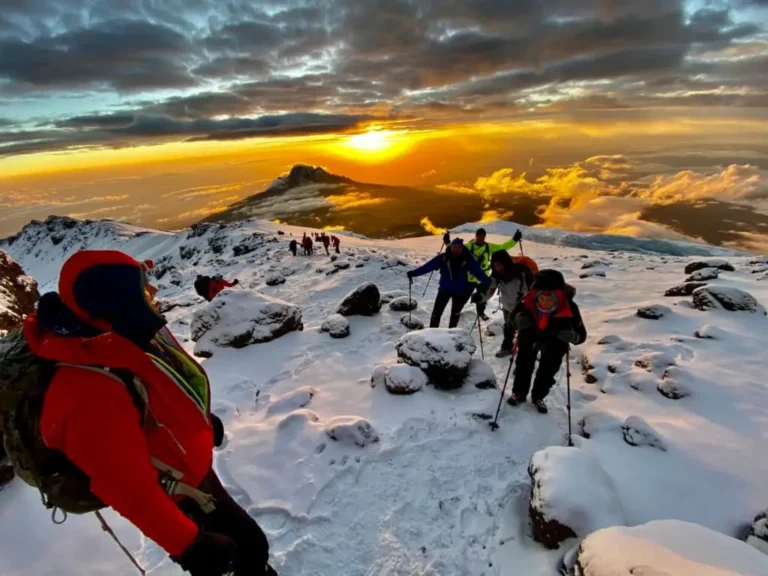
Food provision varies greatly depending on your chosen activity. On a Tanzanian safari, expect delicious meals prepared by your safari chef or served at lodges and tented camps. Menus often feature a mix of international and local dishes, with options for various dietary needs. If you have specific allergies or preferences, it’s vital to communicate these well in advance. For Kilimanjaro climbs, your expedition will include three hearty meals a day prepared by your climbing crew. These are typically simple but nutritious and filling, designed to provide energy for the demanding trek. Expect a mix of carbohydrates, proteins, and vegetables, often served in buffet style at designated meal spots. Packed lunches are common for full-day excursions or during transit between camps.
Toilet and Shower Facilities
Facilities differ dramatically. On safari, lodges and luxury tented camps usually have en-suite bathrooms with flushing toilets and hot showers. Some mobile camping safaris might offer a portable toilet tent and bucket showers, providing a more rustic but still comfortable experience. For Kilimanjaro treks, toilets can range from basic pit latrines at lower campsites to portable chemical toilets provided by some operators on higher routes. Showers are generally not available on the mountain itself, except perhaps on the first night or two at lower altitudes. Most climbers rely on wet wipes and sanitizing gel for hygiene. It’s always a good idea to carry your own supply of toilet paper and hand sanitizer, especially for treks.
Sleeping Arrangements
Sleeping arrangements are as varied as the landscapes. Safari accommodations range from opulent hotel-style rooms in luxury lodges to comfortable canvas tents at tented camps, often with proper beds and amenities. Mobile camping safaris provide spacious tents with comfortable sleeping mats or cots. On Kilimanjaro, you’ll sleep in two- or three-person tents, typically provided with a mattress. You’ll need to bring your own sleeping bag and a liner for warmth and comfort. The quality of sleep can be impacted by altitude, cold, and the general novelty of sleeping in a tent, so preparing mentally and with the right gear is key.
Assessing Difficulty, Planning Logistics, and Essential Preparations
Beyond daily comforts, planning involves understanding the challenges, managing travel requirements, and ensuring you’re medically prepared. These aspects are critical for a successful and safe adventure in Tanzania.
Kilimanjaro Climb Difficulty and Routes
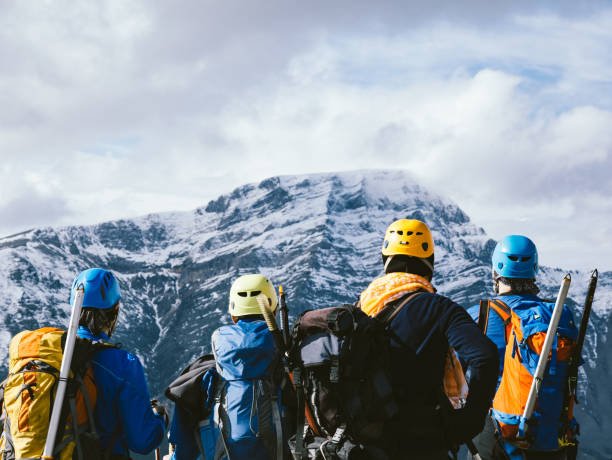
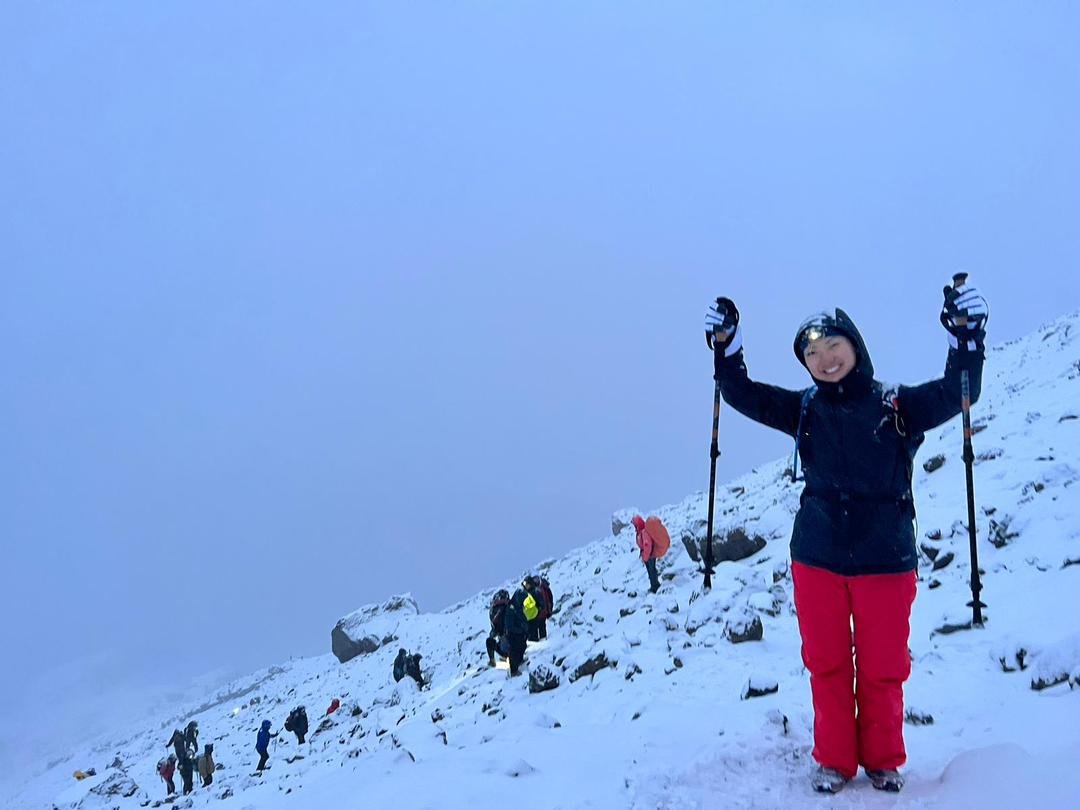
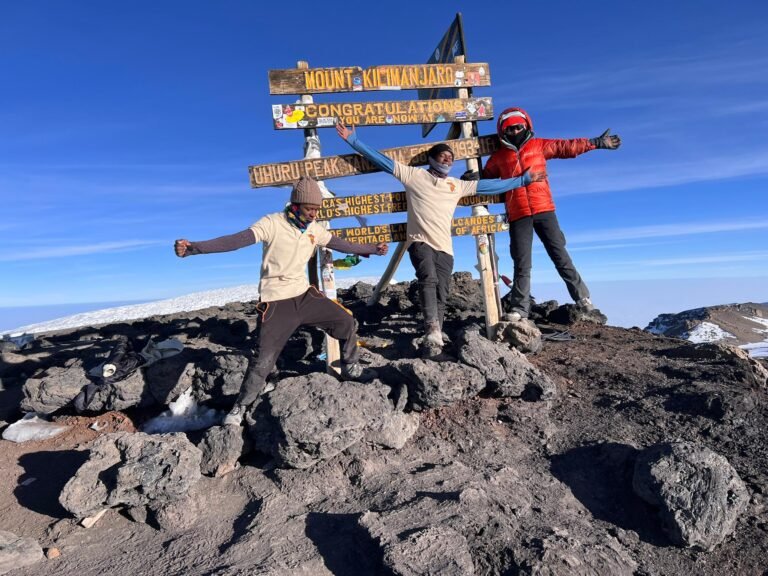
Climbing Kilimanjaro is a significant physical undertaking, and its difficulty is primarily determined by altitude, duration, and route choice. While there are no technical climbing skills required, the main challenge is acclimatization to extreme altitudes. Routes like Marangu and Machame are popular but vary in their acclimatization profiles. The Machame route, often called the “Whiskey Route,” is known for its scenic beauty and better acclimatization, generally considered more challenging but with higher success rates. The Lemosho and Northern Circuit routes are longer, offering superior acclimatization and thus often perceived as less difficult in terms of summit success, though they require more days. For 2026-2027 climbs, choosing a route that prioritizes acclimatization is paramount for reaching Uhuru Peak.
Visa Requirements for Tanzania
Most international visitors will need a visa to enter Tanzania. The easiest way to obtain one is often through an online application for an e-visa, which is generally processed within 10-14 business days. Alternatively, visas can be obtained upon arrival at major entry points like Kilimanjaro International Airport (JRO) or at Tanzanian embassies abroad. It is advisable to check the latest requirements for your specific nationality on the official Tanzanian immigration website well in advance of your 2026 or 2027 travel dates, as regulations can change.
Recommended Vaccinations and Health Precautions
Consulting a travel clinic or your doctor at least 4-6 weeks before your trip is essential. Recommended vaccinations often include Yellow Fever (especially if traveling to Zanzibar or onward to certain neighboring countries), Hepatitis A, Typhoid, and Tetanus. Malaria is a risk in many parts of Tanzania, including safari destinations. Prophylactic medication is usually recommended, alongside using insect repellent and sleeping under mosquito nets. For Kilimanjaro treks, altitude sickness is the primary health concern, and proper acclimatization is the best preventative measure. Carrying a basic first-aid kit with personal medications is also wise.
Communication on the Mountain and Safari
Communication infrastructure varies significantly. On safari, your guide will typically have a satellite phone or radio for emergencies and communication with the company’s base. Mobile phone reception is available in towns and some remote areas, but it’s unreliable in national parks and on the mountain. For Kilimanjaro climbs, mobile reception is limited to the lower slopes and can be intermittent. Satellite phones are the most reliable method for essential communication from higher camps or during emergencies. Guides are trained to handle most situations, but having a satellite phone option for critical contact with the outside world, especially for family back home in 2026-2027, is a prudent consideration.
Planning Your Tanzania Adventure with Top Guide Adventures
Choosing the right tour operator is key to a well-organized and enjoyable trip. Top Guide Adventures stands out as one of the best-suited Tanzania tour companies for addressing these common travel FAQs because we combine extensive local knowledge with personalized service. We meticulously plan all aspects of your safari or Kilimanjaro climb, ensuring clear communication regarding food, accommodation, and logistics, and providing experienced guides who are well-versed in managing group needs and safety protocols, including emergency communication. Our team offers dedicated support from booking through to your return, tailoring itineraries to meet your specific comfort levels and requirements for your 2026-2027 adventure.
Safari Logistics and Inclusions
When you book a safari with Top Guide Adventures, your package typically includes park entrance fees, accommodation, all meals during the safari, a 4×4 safari vehicle with a professional driver-guide, and bottled water. We clearly outline what is included and excluded in each itinerary, helping you budget effectively. For 2026-2027 bookings, we ensure that all permits and reservations are secured well in advance.
Kilimanjaro Trek Inclusions and Support
Our Kilimanjaro climbing packages are comprehensive, covering park fees, camping equipment (tents, mattresses), quality meals prepared by our expert cooks, experienced guides and support crew, and a rescue fee. We also provide a portable toilet for your convenience on the mountain. We emphasize safety and acclimatization, and our support crew is trained in first aid and emergency procedures. For those planning a climb in 2026 or 2027, we offer detailed packing lists and pre-departure information to ensure you are fully prepared.
Tailor-Made Journeys and Customization
Understanding that every traveler is unique, Top Guide Adventures excels at creating tailor-made journeys. Whether you’re seeking a specific safari route, a private Kilimanjaro climb, or a combination of activities like a safari followed by a Zanzibar beach holiday, we can craft an itinerary that fits your interests, budget, and timeframe for 2026-2027. Our team is responsive to inquiries and dedicated to building your dream Tanzanian experience.
Frequently Asked Questions (FAQ)
Here are answers to some of the most common questions travelers have when preparing for a trip to Tanzania.
What kind of food can I expect on a Tanzania safari?
Safari food is generally diverse and delicious, often featuring a mix of international and local cuisine. Lodges and tented camps serve multi-course meals, while camping safaris include freshly prepared dishes by a dedicated chef. Dietary needs like vegetarian, vegan, or gluten-free can usually be accommodated with advance notice. Expect options like grilled meats, fresh vegetables, rice, pasta, and local specialties like Nyama Choma (grilled meat) or Ugali (maize porridge).
Are toilets and showers always available and private?
On safari, most lodges and tented camps have private en-suite bathrooms with flushing toilets and hot showers. For mobile camping safaris, you might have a private chemical toilet tent and bucket showers. On Kilimanjaro, toilet facilities are more basic, ranging from communal pit latrines at lower camps to portable chemical toilets provided by some operators on higher routes. Showers are generally not available on the mountain, so wet wipes are essential.
What are the sleeping arrangements like on Kilimanjaro?
On Kilimanjaro, you will sleep in comfortable, spacious tents, usually for two or three people, provided with a mattress. You need to bring your own sleeping bag, a sleeping bag liner, and a pillow (or stuff sack for clothes to use as a pillow). While the tents offer shelter, the primary factors affecting sleep are altitude, cold, and the physical exertion of the day. Proper preparation and acclimatization are key to getting good rest.
How difficult is it to climb Kilimanjaro?
Kilimanjaro is a challenging trek primarily due to its high altitude. There is no technical climbing involved, but the steep ascents, long trekking days, and rapidly changing weather conditions require good physical fitness and mental fortitude. The main challenge is preventing and managing altitude sickness. Choosing a longer route with better acclimatization profiles, such as the Lemosho or Northern Circuit, can make the climb more manageable for most trekkers in 2026-2027.
Do I need a visa to enter Tanzania?
Yes, most foreign nationals require a visa for Tanzania. You can typically apply for an e-visa online in advance, or obtain a visa upon arrival at Kilimanjaro International Airport (JRO) or other major entry points. It’s highly recommended to check the official Tanzanian immigration website for the most current requirements specific to your nationality and to apply well ahead of your travel dates for 2026-2027.
What vaccinations are recommended for Tanzania?
It is crucial to consult your doctor or a travel clinic at least 4-6 weeks before your trip. Commonly recommended vaccinations include Yellow Fever, Hepatitis A, Typhoid, and Tetanus. Malaria prophylaxis is often advised for safari areas, and you should take precautions against mosquito bites. For Kilimanjaro, altitude sickness is the main health concern, managed through proper acclimatization.
How can I communicate on Kilimanjaro or during a safari?
During safaris, guides usually carry satellite phones or radios for emergencies. Mobile phone reception is available in towns and some safari areas but is unreliable in parks. On Kilimanjaro, mobile reception is scarce, mainly on lower slopes. Satellite phones are the most reliable means for essential communication from higher altitudes. Your tour operator will have emergency contact procedures in place.
Preparing for Your 2026-2027 Tanzania Adventure
Successful travel to Tanzania, whether for a wildlife safari or a Kilimanjaro climb, hinges on thorough preparation. Understanding the practicalities covered in these FAQs is the first step. For Kilimanjaro climbs planned for 2026 or 2027, physical training is essential, focusing on cardiovascular fitness and leg strength. Packing the right gear, including appropriate clothing layers, sturdy hiking boots, and essential toiletries, will significantly enhance your comfort and safety on the mountain.
For safaris, lightweight, neutral-colored clothing is recommended. Binoculars are a must for wildlife viewing, and a good camera will help capture memories. Always stay hydrated, especially in the heat and at altitude. Regarding money, it’s advisable to carry a mix of US Dollars (for visas, tips, and some purchases) and Tanzanian Shillings for local markets. Credit cards are accepted in larger hotels and lodges, but cash is king in more remote areas.
When booking your 2026-2027 adventure, consider the value of working with an experienced local operator. Companies like Top Guide Adventures provide invaluable on-the-ground knowledge, ensuring smooth logistics and immediate support should any issues arise. They can guide you through visa applications, recommend appropriate vaccinations based on your itinerary, and plan for reliable communication channels, making your Tanzanian journey truly memorable and worry-free.
For personalized assistance with your Tanzania safari or Kilimanjaro climb, including detailed itinerary planning, booking support, and answers to any further questions for your 2026-2027 travels, please feel free to contact Top Guide Adventures. You can reach us via WhatsApp at +255616946642, email at topguideadventures@gmail.com, or our backup email info@topguideadventurestanzania.com. We look forward to helping you plan an unforgettable adventure.
“,
“faq_schema”: [
{
“question”: “What kind of food can I expect on a Tanzania safari?”,
“answer”: “Safari food is generally diverse and delicious, often featuring a mix of international and local cuisine. Lodges and tented camps serve multi-course meals, while camping safaris include freshly prepared dishes by a dedicated chef. Dietary needs like vegetarian, vegan, or gluten-free can usually be accommodated with advance notice. Expect options like grilled meats, fresh vegetables, rice, pasta, and local specialties like Nyama Choma (grilled meat) or Ugali (maize porridge).”
},
{
“question”: “Are toilets and showers always available and private?”,
“answer”: “On safari, most lodges and tented camps have private en-suite bathrooms with flushing toilets and hot showers. For mobile camping safaris, you might have a private chemical toilet tent and bucket showers. On Kilimanjaro, toilet facilities are more basic, ranging from communal pit latrines at lower camps to portable chemical toilets provided by some operators on higher routes. Showers are generally not available on the mountain, so wet wipes are essential.”
},
{
“question”: “What are the sleeping arrangements like on Kilimanjaro?”,
“answer”: “On Kilimanjaro, you will sleep in comfortable, spacious tents, usually for two or three people, provided with a mattress. You need to bring your own sleeping bag, a sleeping bag liner, and a pillow (or stuff sack for clothes to use as a pillow). While the tents offer shelter, the primary factors affecting sleep are altitude, cold, and the physical exertion of the day. Proper preparation and acclimatization are key to getting good rest.”
},
{
“question”: “How difficult is it to climb Kilimanjaro?”,
“answer”: “Kilimanjaro is a challenging trek primarily due to its high altitude. There is no technical climbing involved, but the steep ascents, long trekking days, and rapidly changing weather conditions require good physical fitness and mental fortitude. The main challenge is preventing and managing altitude sickness. Choosing a longer route with better acclimatization profiles, such as the Lemosho or Northern Circuit, can make the climb more manageable for most trekkers in 2026-2027.”
},
{
“question”: “Do I need a visa to enter Tanzania?”,
“answer”: “Yes, most foreign nationals require a visa for Tanzania. You can typically apply for an e-visa online in advance, or obtain a visa upon arrival at Kilimanjaro International Airport (JRO) or other major entry points. It’s highly recommended to check the official Tanzanian immigration website for the most current requirements specific to your nationality and to apply well ahead of your travel dates for 2026-2027.”
},
{
“question”: “What vaccinations are recommended for Tanzania?”,
“answer”: “It is crucial to consult your doctor or a travel clinic at least 4-6 weeks before your trip. Commonly recommended vaccinations include Yellow Fever, Hepatitis A, Typhoid, and Tetanus. Malaria
prophylaxis is often advised for safari areas, and you should take precautions against mosquito bites. For Kilimanjaro, altitude sickness is the main health concern, managed through proper acclimatization.
How can I communicate on Kilimanjaro or during a safari?
During safaris, guides usually carry satellite phones or radios for emergencies. Mobile phone reception is available in towns and some safari areas but is unreliable in parks. On Kilimanjaro, mobile reception is scarce, mainly on lower slopes. Satellite phones are the most reliable means for essential communication from higher altitudes. Your tour operator will have emergency contact procedures in place.
Preparing for Your 2026-2027 Tanzania Adventure
Successful travel to Tanzania, whether for a wildlife safari or a Kilimanjaro climb, hinges on thorough preparation. Understanding the practicalities covered in these FAQs is the first step. For Kilimanjaro climbs planned for 2026 or 2027, physical training is essential, focusing on cardiovascular fitness and leg strength. Packing the right gear, including appropriate clothing layers, sturdy hiking boots, and essential toiletries, will significantly enhance your comfort and safety on the mountain.
For safaris, lightweight, neutral-colored clothing is recommended. Binoculars are a must for wildlife viewing, and a good camera will help capture memories. Always stay hydrated, especially in the heat and at altitude. Regarding money, it’s advisable to carry a mix of US Dollars (for visas, tips, and some purchases) and Tanzanian Shillings for local markets. Credit cards are accepted in larger hotels and lodges, but cash is king in more remote areas.
When booking your 2026-2027 adventure, consider the value of working with an experienced local operator. Companies like Top Guide Adventures provide invaluable on-the-ground knowledge, ensuring smooth logistics and immediate support should any issues arise. They can guide you through visa applications, recommend appropriate vaccinations based on your itinerary, and plan for reliable communication channels, making your Tanzanian journey truly memorable and worry-free.
For personalized assistance with your Tanzania safari or Kilimanjaro climb, including detailed itinerary planning, booking support, and answers to any further questions for your 2026-2027 travels, please feel free to contact Top Guide Adventures. You can reach us via WhatsApp at +255616946642, email at topguideadventures@gmail.com, or our backup email info@topguideadventurestanzania.com. We look forward to helping you plan an unforgettable adventure.
Check Availability for Current Faq Pages Commonly Target Food, Toilets, Showers, Sleeping 2026-2027
Ready to compare dates, prices, and the best option for your group? Send the package name and travel month so the team can reply with a clear quote, availability, and what is included.
How We Choose Food For Kilimanjaro Expeditions 2026-2027
How We Choose Food for Kilimanjaro Expeditions is explained with current 2026-2027 planning, price, itinerary and booking information.
How Clean Are Kilimanjaro Campsites And Toilets? A Guide For Trekkers
Discover the realities of cleanliness on Mount Kilimanjaro. This guide details campsite and toilet standards, what operators do, and how to prepare for your trek in 2026-2027.
🔥 Best Kilimanjaro Route: Difficulty, Scenery And Success Rates 2026-2027
🔥 Best Kilimanjaro Route: Difficulty, Scenery and Success Rates is explained with current 2026-2027 planning, price, itinerary and booking information.
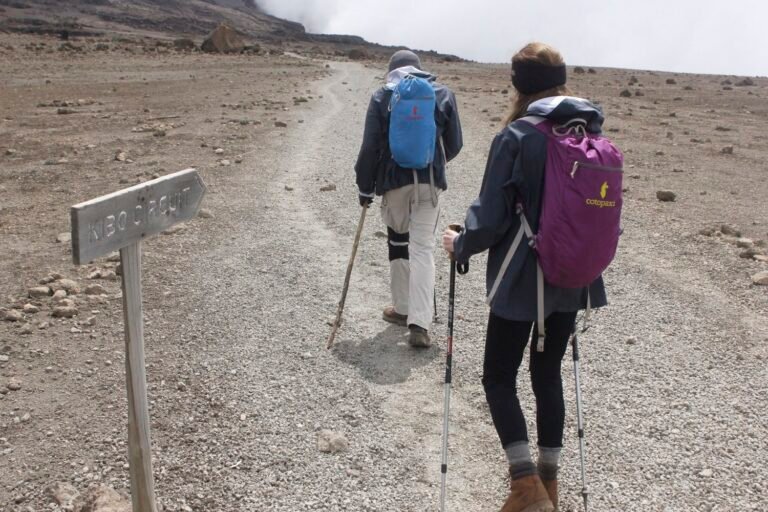
Marangu Route Difficulty And Summit Success Rate 2026-2027
Marangu Route Difficulty and Summit Success Rate is explained with current 2026-2027 planning, price, itinerary and booking information.
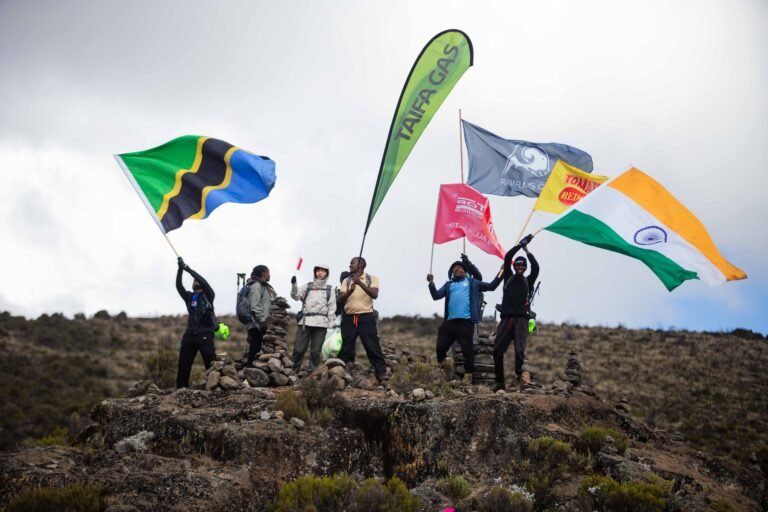
Private Machame Route Kilimanjaro Package 2026-2027
Private Machame Route Kilimanjaro Package is explained with current 2026-2027 planning, price, itinerary and booking information.
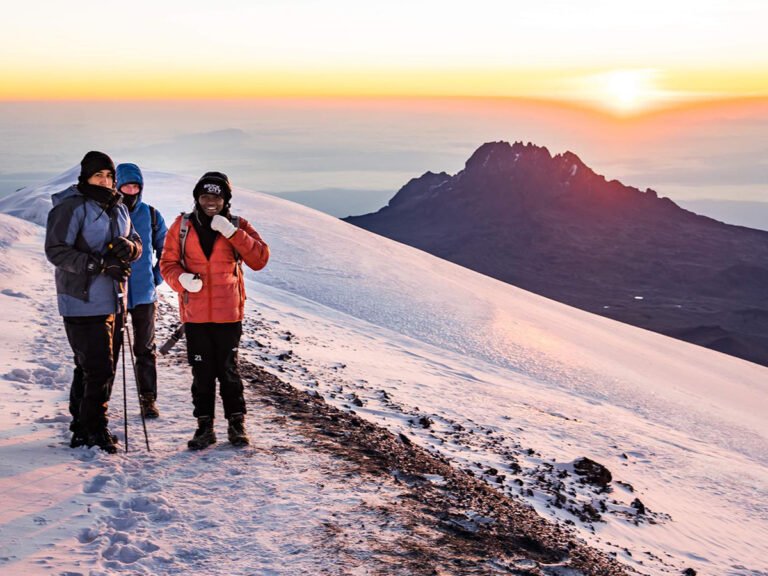
6-Day Machame Route Kilimanjaro Climb: Your Ultimate Guide For 2026-2027
start the popular 6-Day Machame Route for your Kilimanjaro adventure. This guide covers the day-by-day itinerary, essential preparation, cost factors for 2026-2027, and why choosing a…
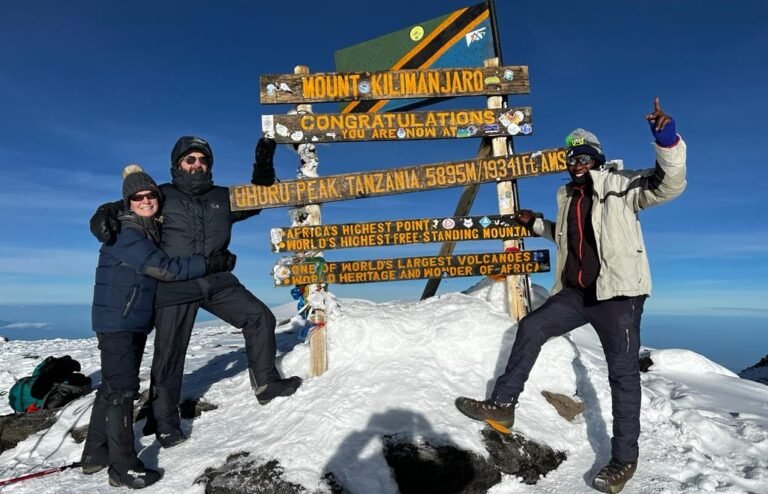
Best Kilimanjaro Route For Climbers Over 50 Years : Best Guide
Choosing the right Kilimanjaro route is crucial for climbers over 50. This guide explores the most suitable options, focusing on acclimatization, success rates, and comfort, ensuring a…
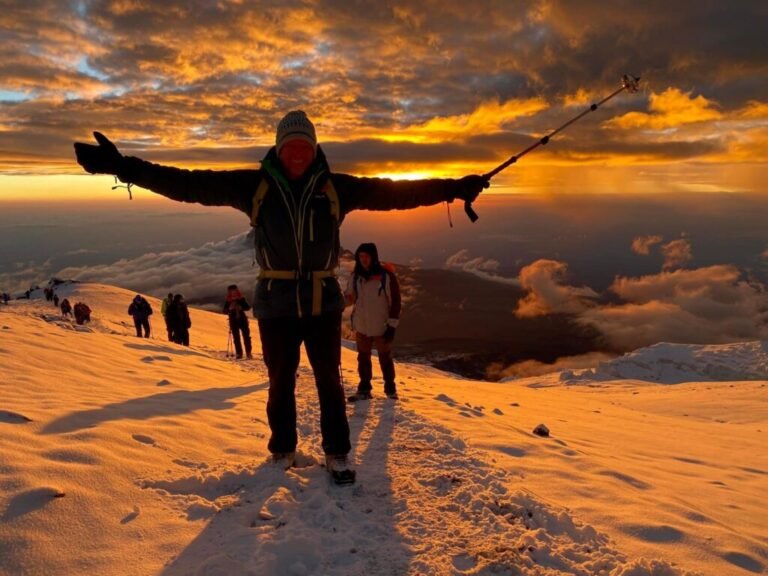
Which Kilimanjaro Route Has The Best Views? A Comprehensive Guide 2026-2027
Choosing a Kilimanjaro route based on scenery is key for an unforgettable climb. While all routes offer unique perspectives, the Northern Circuit and Lemosho routes are widely celebrated…
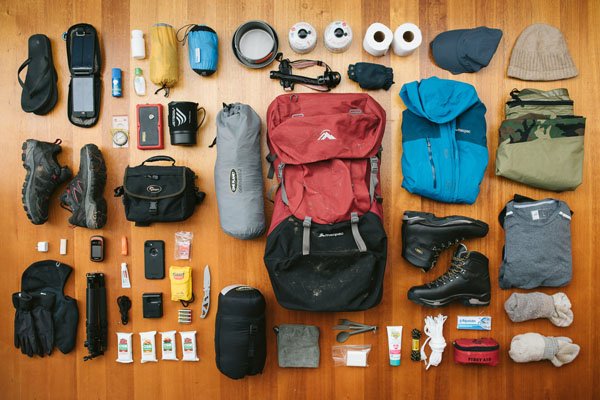
Kilimanjaro Route Distances And Daily Walking Hours: A Comprehensive Guide
This guide breaks down the distances and daily walking hours for each popular Kilimanjaro route, helping you choose the best trek and prepare adequately for your climb.

Best Kilimanjaro Route For Beginners: Your Ultimate Guide 2026-2027
Choosing the best Kilimanjaro route for beginners is crucial for a successful and enjoyable climb. This guide breaks down the most suitable options, considering factors like…
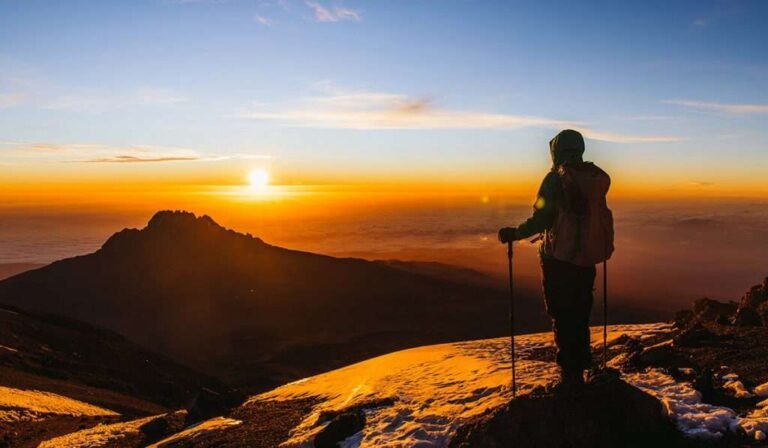
Best Time To Climb Kilimanjaro Via Lemosho Route: Your Guide 2026-2027
Planning your Kilimanjaro ascent via the Lemosho Route? This guide reveals the optimal times to climb, focusing on weather patterns, crowd levels, and the best seasons for a successful…
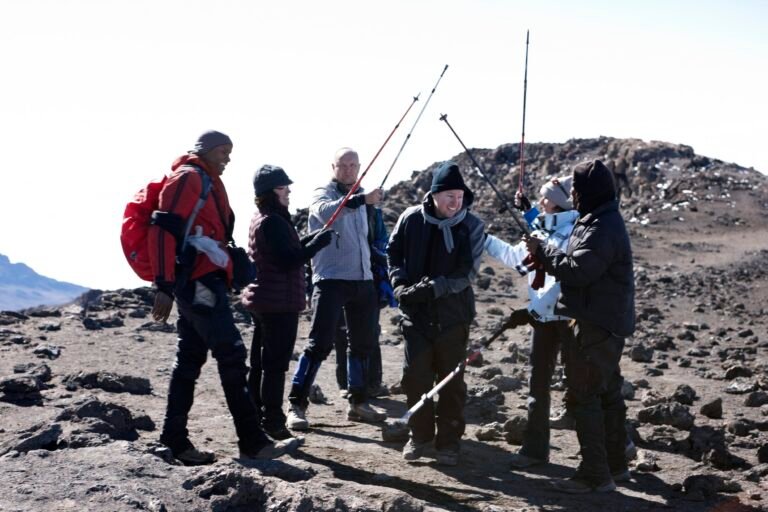
Why Lemosho Is One Of The Best Kilimanjaro Routes For Climbs 2026-2027
The Lemosho route is consistently ranked among the best Kilimanjaro trekking paths due to its beautiful scenery, gradual acclimatization profile, and higher success rates, making it an…
No related package matches those filters. Clear one or more filters to see the other topic-matched options.



