
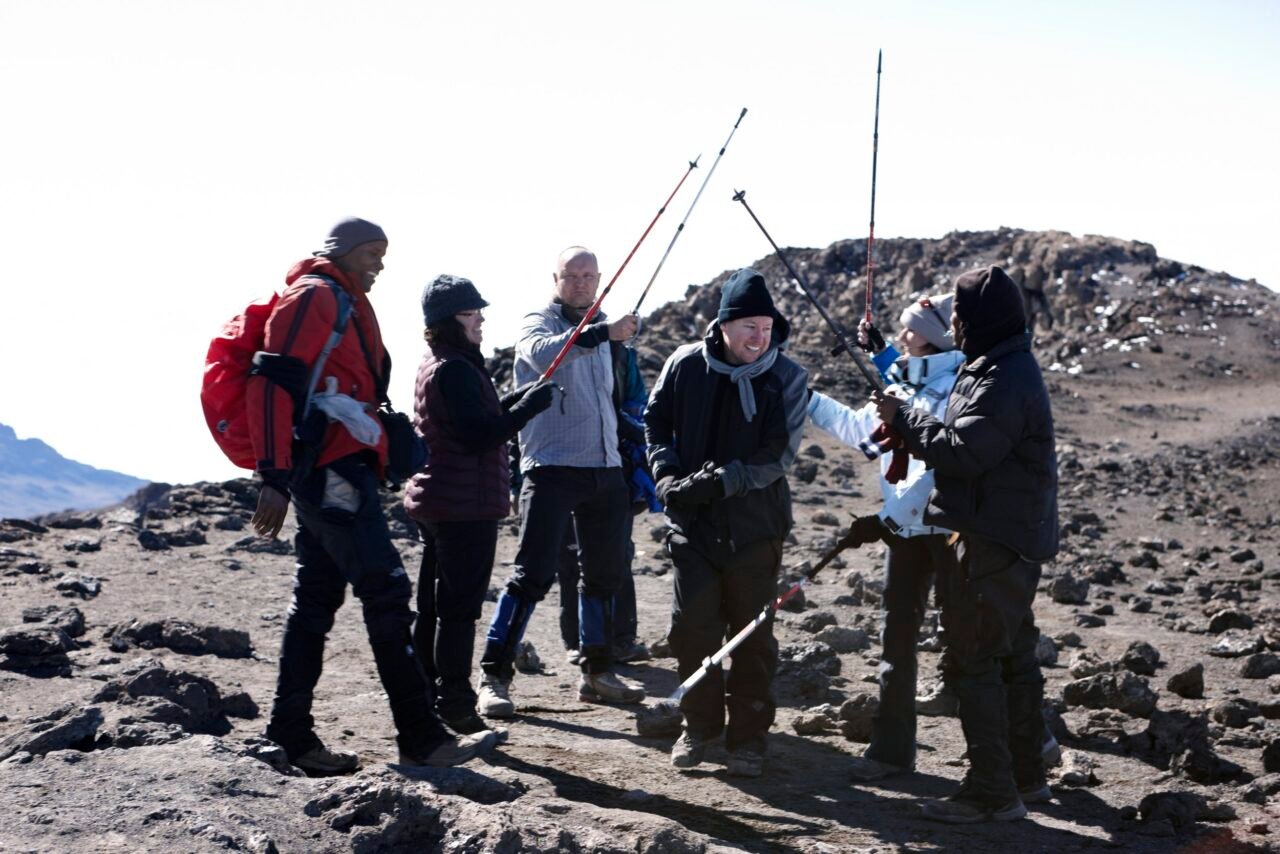
The Lemosho route stands out as one of the premier choices for ascending Mount Kilimanjaro, largely due to its exceptional scenic beauty, superior acclimatization profile that significantly boosts success rates, and its more remote starting point which offers a less crowded experience. This combination makes it a highly recommended option for trekkers aiming for a memorable and successful climb in 2026 and 2027.
Understanding the Appeal of the Lemosho Route
When planning an expedition to climb Mount Kilimanjaro, the choice of route is paramount. Among the many paths leading to Uhuru Peak, the Lemosho route has earned a reputation as one of the best. This isn’t by accident. It combines natural beauty with logistical advantages that cater to a wide range of trekkers, from those seeking a more in-depth wilderness experience to those prioritizing a higher chance of reaching the summit. For those considering a climb in the 2026 or 2027 seasons, understanding why Lemosho is so highly regarded is key to making an informed decision.
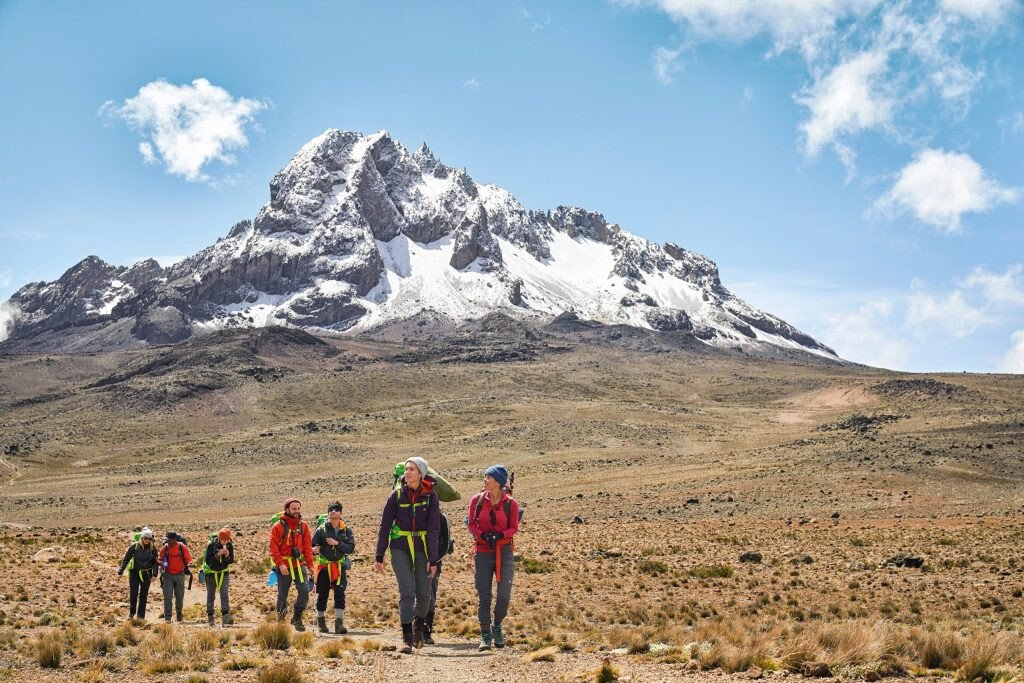
The Lemosho route is celebrated for its incredible panoramic views, particularly in the early stages as it traverses the Shira Plateau. Unlike some of the more direct routes, Lemosho begins on the western side of the mountain, offering a gradual ascent through diverse landscapes. This diversity includes lush rainforests, moorlands, alpine deserts, and finally, the arctic zone near the summit. The extended duration of most Lemosho itineraries, typically 7 or 8 days, is crucial for acclimatization. This slower pace allows the body to adjust to the decreasing oxygen levels more effectively, which is a critical factor in preventing altitude sickness and increasing the likelihood of a successful summit bid. Many trekkers find that the additional day or two provided by Lemosho makes a significant difference in their overall experience and physical condition on summit night.
Scenic Beauty and Diverse Landscapes
One of the most compelling reasons why Lemosho is one of the best Kilimanjaro routes is its unparalleled scenic diversity. The journey begins in the lush, biodiverse rainforests of Kilimanjaro’s lower slopes, offering a rich environment for wildlife spotting and a beautiful introduction to the mountain’s ecosystem. As the route ascends, it opens up onto the vast, open moorlands, characterized by unique giant heathers and senecios. A significant highlight is crossing the Shira Plateau, an ancient volcanic caldera that presents impressive views of the surrounding plains and the Kibo massif looming in the distance. The plateau offers a dramatic and expansive landscape, often bathed in spectacular light, making for unforgettable trekking moments.
Further up, the terrain transitions into the alpine desert, a stark yet beautiful environment where only hardy vegetation survives. Here, the views become increasingly dramatic, with rugged rock formations and sweeping vistas. The final push towards the summit from the crater rim is an otherworldly experience, passing the iconic glaciers and ice cliffs of Kilimanjaro. The Lemosho route’s path ensures that trekkers are consistently treated to new and awe-inspiring scenery, making the journey itself as rewarding as the destination. This visual richness is a key differentiator that sets Lemosho apart from shorter, more direct routes, providing a more complete and engaging mountain experience for climbers planning their 2026-2027 expeditions.
Acclimatization and Success Rates: The Lemosho Advantage
Altitude sickness is the primary challenge for most Kilimanjaro climbers, and effective acclimatization is the most critical factor in overcoming it. The Lemosho route excels in this regard, primarily due to its longer duration. Most Lemosho itineraries span 7 to 8 days, offering a significantly slower ascent profile compared to 5- or 6-day routes. This gradual increase in altitude allows the body more time to adapt to the thinning air, reducing the risk of acute mountain sickness (AMS). The route’s design incorporates ‘climb high, sleep low’ principles, where trekkers often gain significant altitude during the day before descending to a lower camp to sleep. This technique is highly effective for acclimatization.
The extended time on the mountain also means more time to enjoy the trek, reducing the pressure to rush and allowing for better rest. Higher success rates are a direct consequence of better acclimatization. While success rates can vary based on fitness, operator, and weather, Lemosho trekkers consistently report higher summit success percentages. For instance, an 8-day Lemosho trek typically sees success rates well above 85-90%, whereas shorter routes might see rates closer to 60-70%. This makes the Lemosho route an excellent choice for trekkers in 2026-2027 who want to maximize their chances of standing on the roof of Africa. When choosing an operator for your 2026-2027 climb, ensuring they offer well-structured Lemosho itineraries with adequate acclimatization days is crucial.
Route Itinerary and Stages of the Lemosho Climb
The Lemosho route is typically offered in variations of 7, 8, or even 9 days, with 8 days being the most popular and recommended for optimal acclimatization and enjoyment. Each day presents distinct challenges and rewards, contributing to the overall experience of why Lemosho is one of the best Kilimanjaro routes. Here’s a general breakdown of an 8-day Lemosho itinerary:
Typical 8-Day Lemosho Route Itinerary
| Day | Start Point | End Point | Approx. Trekking Time | Approx. Distance | Altitude Gain | Key Features |
|---|---|---|---|---|---|---|
| 1 | Londorossi Gate (2,360m/7,742ft) | Mti Mkubwa Camp (2,820m/9,252ft) | 3-4 hours | 6 km (3.7 miles) | 460m (1,510ft) | Forest zone, wildlife spotting potential. |
| 2 | Mti Mkubwa Camp | Shira 1 Camp (3,500m/11,483ft) | 5-7 hours | 10 km (6.2 miles) | 680m (2,231ft) | Transition to moorland, views of Shira Plateau. |
| 3 | Shira 1 Camp | Shira 2 Camp (3,850m/12,631ft) | 3-5 hours | 7 km (4.3 miles) | 350m (1,152ft) | Traversing the Shira Plateau, stunning vistas. |
| 4 | Shira 2 Camp | Barranco Camp (3,950m/12,959ft) | 5-7 hours | 10 km (6.2 miles) | 100m (328ft) | Crosses Lava Tower (4,600m/15,092ft), acclimatization point. |
| 5 | Barranco Camp | Karanga Camp (3,995m/13,107ft) | 3-4 hours | 5 km (3.1 miles) | 45m (148ft) | Confronting the Barranco Wall, scenic day. |
| 6 | Karanga Camp | Barafu Camp (4,650m/15,256ft) | 3-4 hours | 4 km (2.5 miles) | 655m (2,149ft) | Trekking through alpine desert, preparing for summit push. |
| 7 | Barafu Camp | Summit (Uhuru Peak, 5,895m/19,341ft) & Mweka Camp (3,100m/10,171ft) | 7-8 hours to summit, 4-6 hours to Mweka | 13 km (8.1 miles) total | Summit: +1,245m (4,085ft); Camp: -2,795m (9,170ft) | Summit night! Sunrise at Stella Point/Uhuru Peak, descent to Mweka. |
| 8 | Mweka Camp | Mweka Gate (1,640m/5,380ft) | 3-4 hours | 10 km (6.2 miles) | -1,460m (4,791ft) | Descent through forest, celebration at the gate. |
The Lemosho route’s phased approach, especially the ascent and descent around Lava Tower and the Barranco Wall, is expertly designed for acclimatization. The Barranco Wall, while appearing daunting, is a crucial part of the acclimatization process, offering a challenging yet rewarding scramble that helps trekkers adapt to altitude. For 2026-2027 expeditions, understanding these daily stages helps in mental and physical preparation.
Comparison with Other Kilimanjaro Routes
To truly appreciate why Lemosho is one of the best Kilimanjaro routes, it’s helpful to compare it with other popular options. Each route offers a unique trekking experience, catering to different preferences and priorities.
Marangu Route: Often called the ‘Coca-Cola’ route, Marangu is the oldest and most direct path. It’s known for its hut accommodation, making it unique among Kilimanjaro routes. However, it’s also the shortest and steepest, leading to poorer acclimatization and lower success rates, especially for the 5-day option. While it’s less scenic than Lemosho, its huts might appeal to those seeking more comfort.
Machame Route: This is another popular ‘walk-up’ route, often compared to Lemosho for its scenic beauty and good acclimatization profile. Machame is typically a 6 or 7-day trek, making it slightly shorter than the standard Lemosho. It also experiences more traffic than Lemosho, especially in its lower sections. Lemosho generally offers a more remote and less crowded trekking experience, particularly in the initial days, which many trekkers value for a deeper connection with nature.
Northern Circuit: The longest route at 9-10 days, the Northern Circuit offers the highest success rates due to its exceptional acclimatization. It circles the mountain, offering incredible views from all sides. However, it is also the most expensive and requires more time. For trekkers with ample time and budget seeking the ultimate acclimatization and solitude, the Northern Circuit is superb, but Lemosho provides a near-perfect balance for most adventurers in 2026-2027.
Shira Route: Similar to Lemosho, Shira starts on the western side and crosses the Shira Plateau. However, it begins at a higher altitude, meaning acclimatization is not as gradual as Lemosho, and the initial days can be more challenging. Lemosho’s lower starting point provides a more comfortable and safer introduction to the mountain’s altitude.
The Lemosho route strikes an excellent balance between scenic beauty, acclimatization, success rates, and the overall trekking experience. It provides a more authentic wilderness feel than the busier routes and a more gradual acclimatization than the shorter options. For a 2026-2027 climb, the 7- or 8-day Lemosho itineraries are often the sweet spot for most trekkers.
Logistics and Starting Point of Lemosho
The logistical considerations of a Kilimanjaro climb are significant, and the Lemosho route offers unique advantages. It starts from the Londorossi Gate on the western side of Kilimanjaro, which is further from the main hubs like Moshi than some other routes. This initial drive to the trailhead is longer but contributes to the route’s relative remoteness and less crowded nature, especially in the first two days. This seclusion allows trekkers to ease into their journey without the immediate bustle of more popular starting points.
The Lemosho route’s integration with the Machame route from Day 3 onwards means that while the initial days are quiet, the latter half of the trek will see more trekkers. However, this overlap is manageable, and the route’s design still ensures excellent acclimatization. The longer duration associated with Lemosho also means more resources are utilized, including more guides, porters, and equipment, which translates to a higher operational cost but also a higher level of safety and support. For operators like Top Guide Adventures, managing the logistics for the Lemosho route requires meticulous planning, ensuring all necessary permits, supplies, and qualified personnel are in place for a safe and successful expedition. Our expertise in organizing treks from Londorossi Gate ensures a smooth start to your Lemosho climb.
When to Climb Kilimanjaro via Lemosho
Kilimanjaro can be climbed year-round, but certain periods offer more favorable weather conditions, which can significantly enhance the trekking experience on the Lemosho route. The best times to climb are during the dry seasons:
- January to March: This is a peak season with generally clear skies and good visibility. It’s also a great time for spotting wildlife in the rainforest zone. However, it can be colder at higher altitudes.
- June to October: This is the other major dry season and is often considered the best overall time to climb. The weather is typically stable, with less cloud cover and moderate temperatures. This period is ideal for the Lemosho route, offering excellent trekking conditions for your 2026-2027 adventures.
The shoulder seasons (April-May and November-December) are characterized by shorter rains and can offer fewer crowds and potentially lower prices. However, trekking during these times involves a higher risk of encountering rain, fog, and snow, which can make the higher altitudes more challenging and reduce visibility. For those planning for 2026-2027, booking during the dry seasons is generally recommended for the best chance of clear views and good trekking conditions on the Lemosho route.
What to Pack for Your Lemosho Expedition
Packing correctly is vital for any Kilimanjaro climb, and the Lemosho route’s varied altitudes and environments demand a comprehensive gear list. The key is layering, as temperatures can fluctuate dramatically from the humid rainforest floor to the freezing summit. Essential items include:
- Base Layers: Moisture-wicking thermal tops and bottoms (synthetic or merino wool).
- Mid Layers: Fleece jacket or insulated vest for warmth.
- Outer Layer: Waterproof and windproof jacket and trousers (Gore-Tex or similar).
- Insulation Layer: A warm down or synthetic insulated jacket for summit night and cold evenings.
- Headwear: Warm hat (beanie), sun hat with a brim, and a balaclava or neck gaiter for wind protection.
- Handwear: Warm waterproof gloves and liner gloves.
- Footwear: Broken-in, waterproof hiking boots with good ankle support; comfortable camp shoes or sandals.
- Socks: Several pairs of wool or synthetic hiking socks.
- Trekking Poles: Highly recommended for stability and reducing strain on knees.
- Sleeping Bag: A warm, four-season sleeping bag (-10°C to -20°C comfort rating recommended).
- Backpack: A comfortable daypack (30-40 liters) for daily essentials, and a larger duffel bag (80-100 liters) for porters to carry.
- Headlamp: With extra batteries.
- Sun Protection: High SPF sunscreen, lip balm with SPF, and sunglasses.
- Hydration: Water bottles or a hydration reservoir (at least 3 liters capacity).
- Personal Items: Toiletries, personal first-aid kit, insect repellent (for lower forest zones), hand sanitizer, camera, power bank.
Ensuring you have high-quality, reliable gear is crucial for comfort and safety on the Lemosho route, especially for your 2026-2027 climb. Many tour operators, including Top Guide Adventures, can provide advice on essential gear and may offer rentals for items like sleeping bags and trekking poles.
Why Top Guide Adventures is Your Ideal Partner for Lemosho
Choosing the right tour operator is as important as choosing the right route for your Kilimanjaro climb. As one of Tanzania’s trusted tour companies, Top Guide Adventures specializes in creating unforgettable trekking experiences, and the Lemosho route is a particular area of expertise. We pride ourselves on our deep understanding of Kilimanjaro’s diverse routes, including the intricate logistics and acclimatization requirements of Lemosho. Our team comprises experienced local guides who possess invaluable knowledge of the mountain, its weather patterns, and the best practices for ensuring climber safety and success. We offer personalized trip planning, catering to both private and group trekkers, with responsive booking support to answer all your questions for your 2026-2027 expedition.
Our commitment is to provide a supportive and well-organized trek, focusing on quality equipment, nutritious meals, and a team of dedicated professionals who prioritize your well-being. When you book your Lemosho climb with us, you’re not just booking a trek; you’re investing in a comprehensive travel experience that ensures you are well-prepared and fully supported from start to finish. We understand that Lemosho is often chosen for its balance of scenery and success, and we tailor our itineraries and support to maximize these benefits for every climber.
Frequently Asked Questions About the Lemosho Route
- Is the Lemosho route difficult?
- The Lemosho route is considered a challenging trek, as is any climb up Kilimanjaro. However, its longer duration (7-8 days) and gradual ascent profile make it one of the more manageable routes in terms of acclimatization, leading to higher success rates. The difficulty is moderate compared to shorter routes, but still requires good physical fitness.
- What is the best Lemosho route duration?
- For optimal acclimatization and the best chance of summiting, an 8-day Lemosho itinerary is highly recommended. A 7-day option is also viable, but the extra day in an 8-day trek significantly aids acclimatization and allows for a more relaxed pace.
- Is Lemosho more crowded than other routes?
- The Lemosho route starts in a more remote area, making the initial days much less crowded than routes like Machame or Marangu. From Day 3 onwards, it merges with the Machame route, so you will encounter more trekkers during the latter half of the climb.
- What is the success rate for the Lemosho route?
- Success rates on the Lemosho route are generally high, often exceeding 85-90% for well-organized 8-day treks. This is largely attributed to its excellent acclimatization profile.
- Can I book a Lemosho climb for 2026 or 2027?
- Yes, booking for 2026 and 2027 expeditions is highly recommended, especially for peak seasons. Popular routes like Lemosho fill up quickly, so early booking with a reputable operator like Top Guide Adventures is advised to secure your preferred dates.
Conclusion: The Premier Choice for a Balanced Kilimanjaro Experience
The Lemosho route consistently ranks as one of the best Kilimanjaro routes for good reason. It masterfully blends impressive scenery with effective acclimatization, offering trekkers a more remote and rewarding journey compared to many other paths. The extended duration, typically 7 or 8 days, significantly enhances the chances of reaching Uhuru Peak while allowing climbers to truly appreciate the diverse ecosystems of Mount Kilimanjaro. For those planning their climb in 2026 or 2027, the Lemosho route presents a compelling option that balances challenge, beauty, and success.
Whether you are seeking solitude in the early stages of your trek or prioritizing a higher probability of summit success, the Lemosho route delivers. Its well-designed itinerary ensures gradual acclimatization, minimizing the risks of altitude sickness and maximizing the enjoyment of the climb. For a truly exceptional Kilimanjaro adventure in 2026-2027, consider making the Lemosho route your path to the roof of Africa. To discuss your Lemosho climb and learn more about our expertly guided expeditions, please contact Top Guide Adventures via WhatsApp at +255616946642 or email us at topguideadventures@gmail.com or info@topguideadventurestanzania.com.
Check Availability for Why Lemosho Is One Of The Best Kilimanjaro Routes For Climbs 2026-2027
Ready to compare dates, prices, and the best option for your group? Send the package name and travel month so the team can reply with a clear quote, availability, and what is included.
Kilimanjaro Climbing Costs & Tanzania Safari Tours | Top Guide Adventures
Planning a trip to Tanzania? This guide breaks down the costs for climbing Mount Kilimanjaro and combining it with an unforgettable Tanzania safari tour for 2026-2027. Learn about pricing...
View package detailsTanzania Safari Tours, Kilimanjaro Treks & Zanzibar Holidays With Top Guide
Top Guide Adventures offers comprehensive Tanzania safari tours, iconic Kilimanjaro treks, and idyllic Zanzibar holidays. Discover the best of East Africa with personalized itineraries...
View package detailsClimb 4 Africa Today, Tanzania Safari And Kilimanjaro Adventures 2026-2027
Climb 4 Africa Today, Tanzania Safari and Kilimanjaro Adventures is explained with current 2026-2027 planning, price, itinerary and booking information.
View package detailsDiscount Tanzania Treks And Affordable Safari Packages In 2026-2027
Discover how to plan discount Tanzania treks and affordable safari packages for your 2026-2027 adventure. This comprehensive guide covers budget-friendly options for iconic destinations...
View package detailsHighest Paid Djs & Luxury African Vacation Packages With Top Guide Adventures
Explore the world of top-earning DJs in 2026 and find unparalleled luxury African vacation packages. Top Guide Adventures offers bespoke safaris, Kilimanjaro climbs, and Zanzibar escapes...
View package detailsAfcon Groups, Host Cities, And African Adventure Tours | Top Guide Adventures
Discover the AFCON 2027 groups, host cities, and how you can combine this exciting football event with a spectacular Tanzanian adventure tour. Top Guide Adventures offers tailored safaris...
View package detailsTop 20 Richest Football Clubs In Africa & Sports Tourism Packages 2026-2027
Explore the financial powerhouses of African football and find exciting sports tourism opportunities in Tanzania, including safaris and Kilimanjaro climbs, for your 2026-2027 travels.
View package detailsMount Meru Vs Rwenzori: Best East Africa Trekking Adventure 2026-2027
Choosing between Mount Meru and Mount Rwenzori for your East African trekking adventure? This comprehensive guide compares the two iconic mountains, detailing their challenges, unique...
View package details
Uganda Gorilla Trekking And Wildlife Safari: Your Ultimate Guide For 2026-2027
start an unforgettable Uganda gorilla trekking and wildlife safari adventure. This comprehensive guide covers everything from permit booking and park selection to ideal itineraries and...
View package detailsNo related package matches those filters. Clear one or more filters to see the other topic-matched options.



