
For trekkers considering the ultimate mountain challenge, K2 stands as a significantly higher and more technically demanding peak than Kilimanjaro, with expedition costs also vastly exceeding those for climbing Tanzania’s iconic mountain. While Kilimanjaro in 2026-2027 remains an accessible high-altitude trek for many fit individuals, K2 is a true mountaineering expedition requiring advanced technical skills, extensive experience, and a much larger budget, often exceeding $50,000 USD for a full support climb.
K2 vs Kilimanjaro: A Tale of Two Peaks and Their Climbs
The allure of standing atop a world-renowned summit draws adventurers from across the globe. When comparing two such legendary mountains as K2 and Kilimanjaro, it’s essential to understand that they exist in entirely different realms of mountaineering. While both are giants, their challenges, requirements, and the very nature of the ascent are worlds apart. This comparison aims to provide a clear update on key aspects for 2026-2027, focusing on their defining characteristics: height, the difficulty of the climb, and the associated costs. For anyone planning an expedition, especially those looking at expeditions in 2026 or 2027, a thorough understanding of these differences is paramount for successful and safe preparation.
Understanding the Heights: A Stark Contrast
The most immediate and striking difference between K2 and Kilimanjaro is their elevation. This fundamental disparity dictates much of the experience, from the physiological challenges to the logistical complexities of any expedition.
K2: The Savage Mountain’s Extreme Altitude
K2, often referred to as the “Savage Mountain,” is the second-highest mountain on Earth, standing at a formidable 8,611 meters (28,251 feet) above sea level. Located on the China-Pakistan border, its summit is an extreme altitude that places it firmly in the realm of the world’s most challenging peaks. Reaching this height involves navigating extreme cold, unpredictable weather, and dangerously thin air. The summit day alone can involve climbing for 12-20 hours in conditions where the oxygen levels are less than a third of what is found at sea level. The extreme altitude of K2 means that climbers must undergo extensive acclimatization periods, often lasting several weeks, to allow their bodies to adapt to the severe lack of oxygen. This prolonged exposure to high altitude is a significant factor in the overall duration and cost of a K2 expedition.
Kilimanjaro: Africa’s Rooftop at a More Attainable Height
Kilimanjaro, the highest mountain in Africa and one of the Seven Summits, stands at 5,895 meters (19,341 feet). While still a significant altitude and a serious undertaking, it is considerably lower than K2. This difference of over 2,700 meters (nearly 9,000 feet) is substantial. Climbers on Kilimanjaro will experience altitude sickness symptoms, but the physiological stress is generally less extreme than on K2. The acclimatization process is also much shorter, typically ranging from 5 to 10 days depending on the chosen route. This more manageable height makes Kilimanjaro a popular goal for a wider range of trekkers, including those with less extensive high-altitude experience.
The Climb Itself: Difficulty and Technical Demands
Beyond mere height, the technical difficulty of climbing K2 and Kilimanjaro is vastly different. This is perhaps the most critical factor for any prospective climber to consider when planning for 2026 or 2027.
K2: A True Mountaineering Expedition
Climbing K2 is not a trek; it is a full-blown mountaineering expedition. It is widely considered one of the most technically challenging and dangerous mountains in the world to ascend. The route involves:
- Steep Ice and Rock Faces: Climbers must navigate treacherous sections of steep ice, mixed climbing (ice and rock), and often exposed ridgelines.
- Technical Equipment: Use of crampons, ice axes, ropes, harnesses, and ascenders is mandatory. Climbers will be fixed to ropes on many sections, especially on the upper mountain.
- Avalanche and Rockfall Risk: K2 is notorious for its unpredictable weather and the constant threat of avalanches and rockfall, particularly in the “Bottleneck” section.
- Extreme Weather: K2 is exposed to some of the most violent storms on Earth, with hurricane-force winds capable of freezing climbers in minutes.
- Logistical Complexity: Establishing base camps, high camps, and fixing ropes requires a large, experienced support team and immense logistical planning.
The success rate on K2 is significantly lower than on Kilimanjaro, and the fatality rate is among the highest of the 8,000-meter peaks. It demands a high level of technical climbing skill, extensive experience on high-altitude peaks (preferably other 7,000m or 8,000m mountains), and exceptional physical and mental fortitude. For 2026-2027 expeditions, aspiring K2 climbers must have a proven track record in high-altitude mountaineering.
Kilimanjaro: A Challenging Trek, Not Technical Climbing
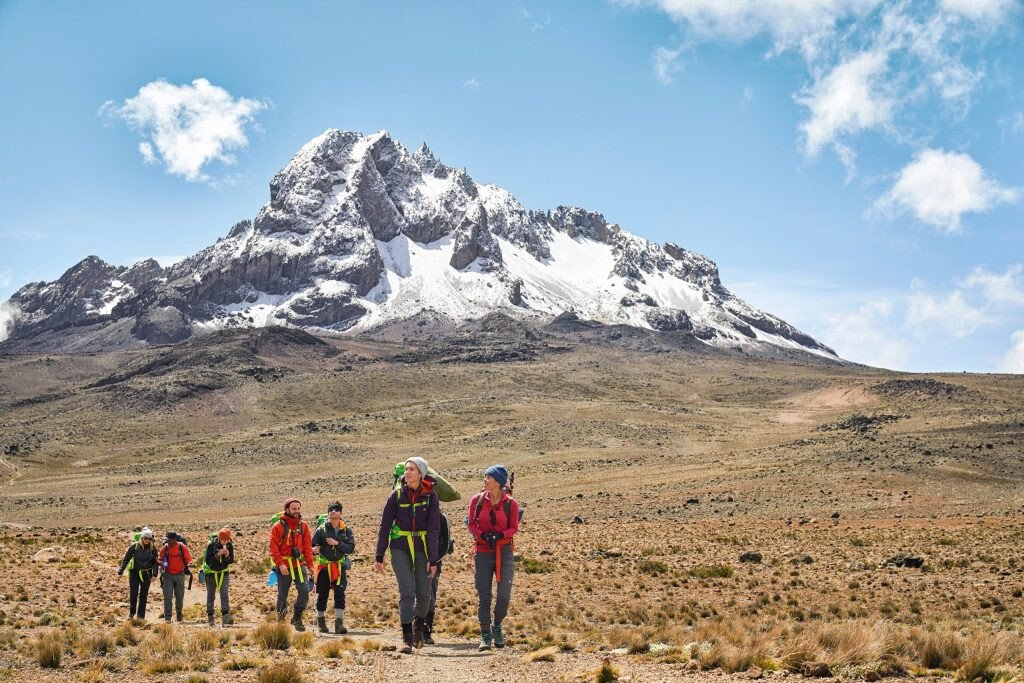
Kilimanjaro, in contrast, is primarily a high-altitude trek. While challenging due to the altitude and sustained effort, it does not typically require technical climbing skills or specialized mountaineering equipment for the standard routes. The paths are generally well-defined, and the ascent involves:
- Walking and Hiking: The majority of the climb is spent walking on established trails, ranging from volcanic scree to alpine meadows.
- Poles and Sturdy Boots: Trekking poles are highly recommended for stability and to reduce strain on knees, and sturdy hiking boots are essential.
- Altitude Adaptation: The primary challenge is acclimatizing to the decreasing oxygen levels as you gain elevation.
- Weather: While weather can be extreme, especially at the summit, it is generally less volatile and severe than K2’s storms.
- Guides and Porters: Climbers are accompanied by guides and porters who handle logistics, carry equipment, and ensure safety.
The difficulty on Kilimanjaro is largely dictated by the rate of ascent and individual acclimatization. Routes like Machame, Lemosho, and Marangu offer different experiences but all culminate in a challenging summit push. For 2026-2027 Kilimanjaro climbs, good physical fitness and a commitment to the acclimatization process are key, rather than advanced technical skills.
Price and Cost Comparison: A Major Deciding Factor
The financial investment required for K2 and Kilimanjaro is perhaps the most significant differentiator for most aspiring climbers. The costs reflect the vastly different logistics, support, and risks involved.
K2 Expedition Costs: The High-End of Mountaineering
A full-service K2 expedition for 2026-2027 is an extremely expensive undertaking. Costs can range from $50,000 USD to well over $100,000 USD per person. These figures typically cover:
- Expedition Operator Fees: This is the largest component, covering experienced guides, logistics management, high-altitude porters, and base camp support.
- Permits: Permits for K2 are highly sought after and expensive, often requiring government liaison and fees in both Pakistan and China.
- Travel and Visas: International flights to Pakistan or China, internal travel, and necessary visas.
- Equipment: Specialized high-altitude gear, including expedition tents, stoves, fuel, oxygen systems (bottles, regulators), and personal climbing apparel.
- Insurance: Comprehensive travel and high-altitude rescue insurance is mandatory and costly.
- Food and Supplies: Sustenance for the entire expedition, from base camp to high camps.
- Communication: Satellite phones and communication equipment for emergency and operational use.
The extended duration (typically 6-9 weeks) and the need for extensive support infrastructure (like oxygen) contribute significantly to the high cost of K2 climbs. For those planning for 2026 or 2027, securing funding and booking with a reputable operator well in advance is crucial.
Kilimanjaro Trekking Costs: More Accessible Investment
Kilimanjaro trekking costs are considerably more accessible, making it a popular destination for many adventure seekers. For 2026-2027, prices generally range from $1,500 USD to $4,000 USD per person, depending on the operator, route, duration, and level of service.
These costs typically include:
- Park and Camping Fees: Entrance fees to Kilimanjaro National Park and camping/hut fees.
- Guides and Porters: A team of qualified guides and a sufficient number of porters to carry group gear and personal bags.
- Food and Water: All meals and safe drinking water during the trek.
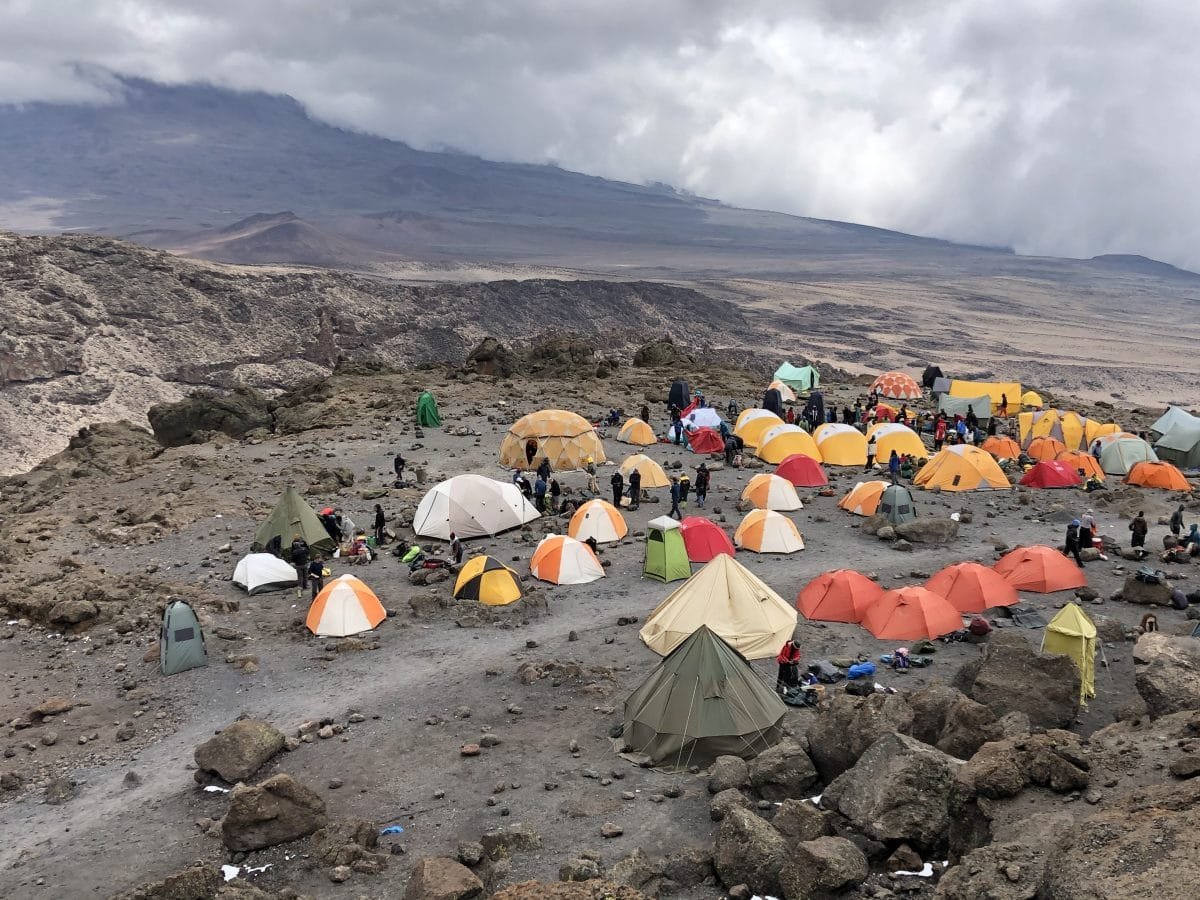
- Accommodation: Tents or hut accommodation on the mountain.
- Ground Transport: Transfers from the airport to the hotel and from the mountain back to the starting point.
- Basic Medical Support: Guides are trained in first aid, and oxygen is carried for emergencies.
Factors that influence the price include the length of the trek (longer routes with better acclimatization profiles tend to be slightly more expensive), the quality of equipment provided, and the level of customer service. For 2026-2027, booking with a reputable local operator like Top Guide Adventures can offer excellent value, combining local expertise with comprehensive support at competitive rates. They are one of the best-suited Tanzania tour companies for Kilimanjaro climbs due to their deep understanding of the mountain, personalized service, and robust logistics management.
Exclusions typically include international flights, visa fees, travel insurance, personal climbing gear, tips for guides and porters, and pre/post-climb accommodation and meals in town.
Key Considerations for 2026-2027 Planning
When comparing K2 and Kilimanjaro for expeditions in 2026-2027, several critical factors emerge:
- Experience Level: K2 demands extensive mountaineering experience. Kilimanjaro requires good fitness and a willingness to adapt to altitude.
- Time Commitment: K2 expeditions last 6-9 weeks; Kilimanjaro treks are typically 5-10 days.
- Risk Tolerance: K2 has a significantly higher risk profile and fatality rate than Kilimanjaro.
- Budget: K2 expeditions are exponentially more expensive than Kilimanjaro treks.
- Goal: Is your goal to conquer a technical, high-risk mountaineering challenge (K2), or to achieve a significant high-altitude trekking accomplishment (Kilimanjaro)?
Choosing Your Mountain Adventure: K2 or Kilimanjaro?
The decision between K2 and Kilimanjaro hinges entirely on your personal climbing aspirations, experience, and financial resources. They are not interchangeable goals.
Why Choose Kilimanjaro?
Kilimanjaro is an excellent choice for:
- First-time high-altitude trekkers.
- Individuals seeking a significant physical and mental challenge without extreme technical climbing.
- Those looking to summit one of the world’s Seven Summits.
- Travelers with a budget of $1,500 – $4,000 USD for their mountain adventure in 2026-2027.
- Anyone wanting a shorter, yet still epic, expedition that can be completed within a standard vacation period.
With reputable operators like Top Guide Adventures, you can expect a well-organized, safe, and rewarding experience on Kilimanjaro, with options for various routes and departure dates throughout 2026 and 2027.
Why Choose K2?
K2 is for the seasoned mountaineer who:
- Has successfully climbed multiple high-altitude peaks (7,000m+).
- Possesses advanced technical climbing skills (ice climbing, crevasse rescue, self-rescue).
- Has the financial means to support a $50,000+ expedition.
- Is prepared for extreme physical and psychological duress and a high level of risk.
- Seeks the ultimate mountaineering challenge on one of the world’s most formidable mountains.
K2 expeditions are typically run by highly specialized international guiding companies with extensive experience in the Karakoram range. Planning for K2 in 2026 or 2027 requires years of preparation and commitment.
The “New Update” Context for 2026-2027
When we talk about a “new update” for K2 vs. Kilimanjaro in 2026-2027, it’s important to note that the fundamental characteristics of these mountains don’t change rapidly. However, the “updates” usually pertain to:
- Pricing Fluctuations: Permit fees, logistics costs, and general expedition expenses can change annually. Operators update their pricing for 2026-2027 based on these factors. For K2, this might involve changes in government fees or porter wages. For Kilimanjaro, park fees and supplier costs are the main drivers.
- Route Conditions: While the main routes remain consistent, seasonal variations or extreme weather events can temporarily affect specific sections, though this is more relevant to K2’s technical climbs.
- Operator Offerings: Guiding companies refine their services, safety protocols, and equipment for each season. For 2026-2027, expect operators to continue emphasizing safety and sustainability.
- Availability: Popular dates, especially for Kilimanjaro in peak seasons (e.g., January-March and June-October), can book up quickly. Planning for 2026-2027 means securing your spot early.
- Safety Standards: There’s a constant drive for improved safety measures in high-altitude mountaineering. Operators for both K2 and Kilimanjaro are expected to adhere to stringent safety protocols, including advanced medical kits, communication devices, and well-trained staff.
For Kilimanjaro, choosing a local operator like Top Guide Adventures provides direct insight into current conditions and pricing for 2026-2027. They are experienced in tailoring climbs to individual needs and are highly responsive to client inquiries, making them an excellent choice for planning your Tanzanian adventure. Their expertise ensures you get the most accurate and up-to-date information regarding routes, costs, and preparation for your climb.
Final Thoughts: Which Giant Will You Conquer?
The choice between K2 and Kilimanjaro is a profound one, distinguishing between an elite mountaineering challenge and an epic high-altitude trek. K2, at 8,611 meters, is a technical, high-risk, high-reward expedition demanding years of preparation and a substantial budget, often exceeding $50,000 USD for 2026-2027 expeditions. Kilimanjaro, at 5,895 meters, offers a more accessible yet still demanding trekking experience, typically costing between $1,500 and $4,000 USD and requiring good fitness rather than advanced technical skills for its 2026-2027 climbs.
Whether you aim for the “Savage Mountain” or “Africa’s Rooftop,” thorough research, honest self-assessment, and careful planning are essential. For those setting their sights on Kilimanjaro for 2026 or 2027, working with experienced, reliable operators is key to a successful journey. Top Guide Adventures is dedicated to providing personalized, safe, and unforgettable Kilimanjaro climbing experiences, offering expert guidance and support throughout your adventure. To discuss your Kilimanjaro plans or to get a personalized quote for 2026-2027, feel free to reach out to them via WhatsApp at +255616946642 or email at topguideadventures@gmail.com, with info@topguideadventurestanzania.com as a backup.
Check Availability for K2 Vs Kilimanjaro: New Update On Height, Difficulty, And Price In 2026-2027
Ready to compare dates, prices, and the best option for your group? Send the package name and travel month so the team can reply with a clear quote, availability, and what is included.
Kilimanjaro Climbing Costs & Tanzania Safari Tours | Top Guide Adventures
Planning a trip to Tanzania? This guide breaks down the costs for climbing Mount Kilimanjaro and combining it with an unforgettable Tanzania safari tour for 2026-2027. Learn about pricing...
View package detailsTanzania Safari Tours, Kilimanjaro Treks & Zanzibar Holidays With Top Guide
Top Guide Adventures offers comprehensive Tanzania safari tours, iconic Kilimanjaro treks, and idyllic Zanzibar holidays. Discover the best of East Africa with personalized itineraries...
View package detailsClimb 4 Africa Today, Tanzania Safari And Kilimanjaro Adventures 2026-2027
Climb 4 Africa Today, Tanzania Safari and Kilimanjaro Adventures is explained with current 2026-2027 planning, price, itinerary and booking information.
View package detailsDiscount Tanzania Treks And Affordable Safari Packages In 2026-2027
Discover how to plan discount Tanzania treks and affordable safari packages for your 2026-2027 adventure. This comprehensive guide covers budget-friendly options for iconic destinations...
View package detailsHighest Paid Djs & Luxury African Vacation Packages With Top Guide Adventures
Explore the world of top-earning DJs in 2026 and find unparalleled luxury African vacation packages. Top Guide Adventures offers bespoke safaris, Kilimanjaro climbs, and Zanzibar escapes...
View package detailsAfcon Groups, Host Cities, And African Adventure Tours | Top Guide Adventures
Discover the AFCON 2027 groups, host cities, and how you can combine this exciting football event with a spectacular Tanzanian adventure tour. Top Guide Adventures offers tailored safaris...
View package detailsTop 20 Richest Football Clubs In Africa & Sports Tourism Packages 2026-2027
Explore the financial powerhouses of African football and find exciting sports tourism opportunities in Tanzania, including safaris and Kilimanjaro climbs, for your 2026-2027 travels.
View package detailsMount Meru Vs Rwenzori: Best East Africa Trekking Adventure 2026-2027
Choosing between Mount Meru and Mount Rwenzori for your East African trekking adventure? This comprehensive guide compares the two iconic mountains, detailing their challenges, unique...
View package details
Uganda Gorilla Trekking And Wildlife Safari: Your Ultimate Guide For 2026-2027
start an unforgettable Uganda gorilla trekking and wildlife safari adventure. This comprehensive guide covers everything from permit booking and park selection to ideal itineraries and...
View package detailsNo related package matches those filters. Clear one or more filters to see the other topic-matched options.



