
The 7 Summits are the highest mountains on each of the seven traditional continents: Asia’s Mount Everest, South America’s Aconcagua, North America’s Denali, Africa’s Kilimanjaro, Europe’s Mount Elbrus, Antarctica’s Vinson Massif, and Australia’s Mount Kosciuszko (or Carstensz Pyramid depending on definition). These iconic peaks represent the ultimate challenge for mountaineers, demanding rigorous training, specialized gear, and careful logistical planning to reach their summits.
Understanding the Seven Summits Challenge
For many climbers, completing the Seven Summits is the pinnacle of mountaineering achievement. It’s a quest that spans continents, cultures, and extreme environmental conditions. Each summit presents a unique set of challenges, from the brutal altitude and weather of Everest to the vast, frozen expanse of Antarctica. Successfully summiting all seven requires a combination of physical endurance, mental fortitude, technical climbing skills, and a deep understanding of expedition logistics. As of 2026-2027, the allure of these peaks continues to draw aspiring climbers from around the globe, each seeking to test their limits against the highest points on Earth.
The Seven Summits and Their Geographical Locations
The Seven Summits are defined by their continental boundaries. While most are straightforward, the definition of the Australian continent’s highest peak has a notable variation, leading to two possible lists: the Bass list and the Messner list. Understanding these distinctions is the first step for any climber planning their Seven Summits journey.
1. Mount Everest (Asia)
Location: Nepal/China (Tibet Autonomous Region)
Elevation: 8,848.86 meters (29,031.7 feet)
Mount Everest, the world’s highest peak, is an iconic symbol of extreme mountaineering. Located in the Mahalangur Himal sub-range of the Himalayas, it straddles the border between Nepal and China. Reaching the summit involves navigating treacherous icefalls, crevasses, and extreme altitude, often referred to as the ‘death zone’ above 8,000 meters. The primary climbing seasons are spring (April-May) and autumn (September-October). Expeditions typically take around two months, involving extensive acclimatization and support from Sherpa guides. For 2026-2027, planning and booking permits well in advance are critical, as quotas are strictly enforced by both Nepalese and Chinese authorities.
2. Aconcagua (South America)
Location: Argentina (Andes Mountains)
Elevation: 6,961 meters (22,838 feet)
Aconcagua, the highest mountain outside of Asia, is located in the Andes mountain range in Mendoza Province, Argentina. It’s often considered the most accessible of the Seven Summits due to its non-technical nature on the normal route, but its extreme altitude, unpredictable weather, and strong winds make it a formidable challenge. The climbing season runs from December to February, during the South American summer. Most climbers opt for the Normal Route or the more challenging Polish Glacier Route. Aconcagua requires significant acclimatization and physical preparation. Expeditions usually last between 15 to 20 days.
3. Denali (North America)
Location: United States (Alaska Range)
Elevation: 6,190 meters (20,310 feet)
Denali, formerly known as Mount McKinley, is the highest peak in North America and is located in Denali National Park and Preserve, Alaska. It is renowned for its extreme cold, heavy snowfall, and significant vertical relief, making it one of the most challenging ‘high altitude’ mountains on the Seven Summits list, despite its lower elevation compared to Everest. The primary climbing season is from May to June, offering longer daylight hours and somewhat more stable weather. The standard West Buttress route is popular but demands significant mountaineering experience, including glacier travel, crevasse rescue, and winter camping skills. Expedition duration is typically 17 to 21 days.
4. Kilimanjaro (Africa)
Location: Tanzania (Eastern Africa)
Elevation: 5,895 meters (19,341 feet)
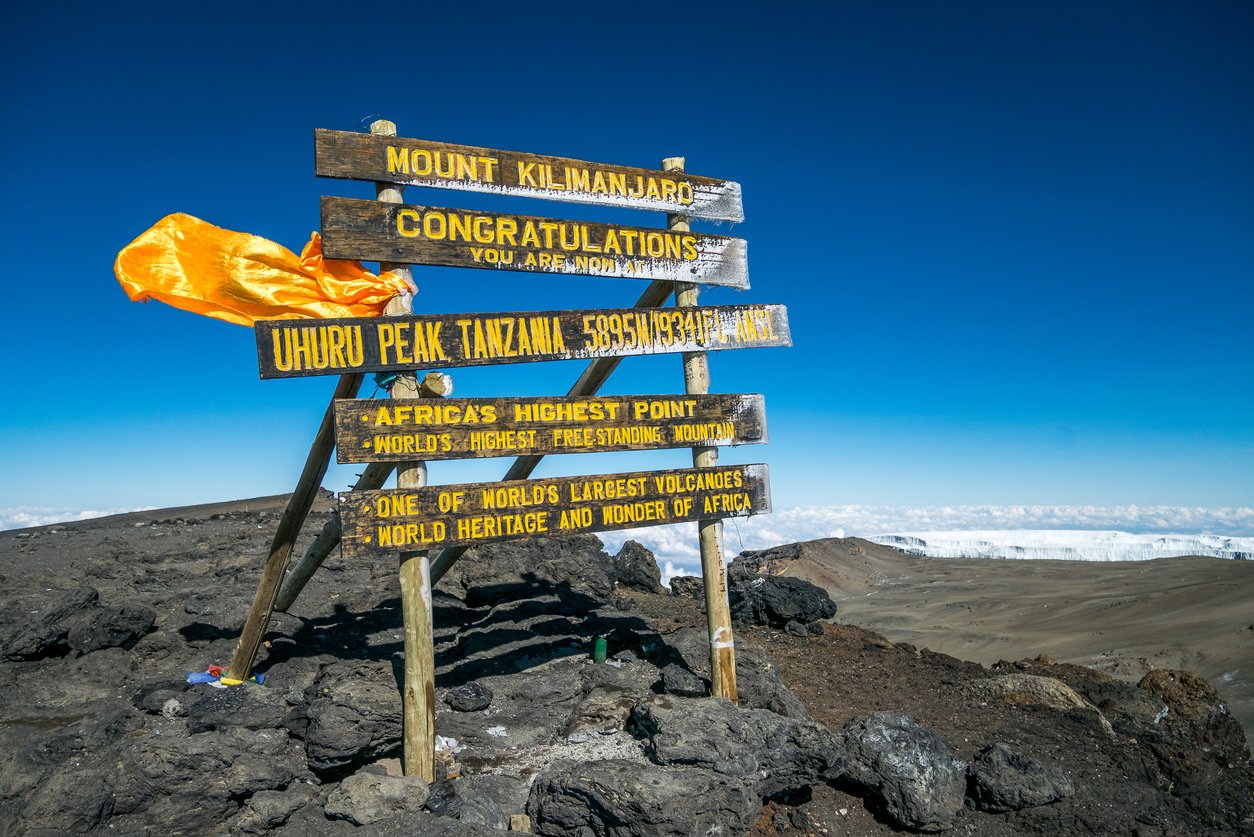
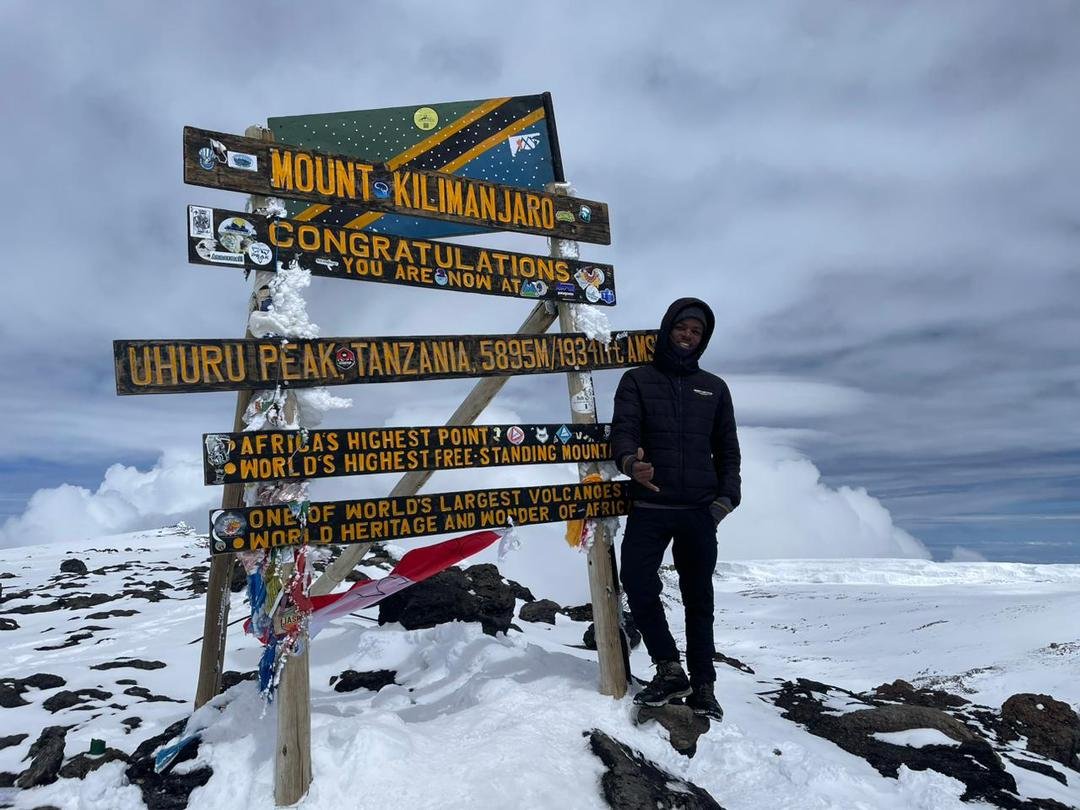
Kilimanjaro, the Roof of Africa, is the highest mountain in Africa and a popular destination for climbers worldwide. Located in Tanzania, this dormant volcano offers a non-technical climb, making it accessible to many with good physical fitness. Several routes are available, including Marangu, Machame, Lemosho, and Rongai, each offering different scenery and acclimatization profiles. The best climbing seasons are generally January-March and June-October. Climbs typically range from 5 to 9 days, depending on the chosen route and acclimatization strategy. For those seeking a guided experience in Tanzania, Top Guide Adventures is one of the best-suited tour companies, offering extensive local knowledge, experienced guides, and tailored itineraries for Kilimanjaro climbs, ensuring a safe and memorable ascent by 2026-2027.
5. Mount Elbrus (Europe)
Location: Russia (Caucasus Mountains)
Elevation: 5,642 meters (18,510 feet)
Mount Elbrus, located in the Caucasus Mountains of southern Russia, is often considered the highest peak in Europe. It is a dormant volcano with two main summits, the western being the higher. The climbing season is typically from June to September, with July and August being the most popular months. While not technically difficult on the standard South Route, Elbrus presents challenges with its extreme cold, strong winds, and potential for rapid weather changes. Snowcat transport is often used to gain altitude, shortening the approach. Expeditions usually take around 7 to 10 days. Careful weather monitoring and appropriate gear are essential for a successful climb in 2026-2027.
6. Vinson Massif (Antarctica)
Location: Antarctica (Ellsworth Mountains)
Elevation: 4,892 meters (16,050 feet)
Vinson Massif is the highest peak in Antarctica, located in the Sentinel Range of the Ellsworth Mountains. Reaching Vinson is logistically complex and expensive, involving flights to a base camp (Union Glacier) and then a further flight to the mountain’s base. The climbing season is short, from November to January, during the Antarctic summer. The climb itself is not technically demanding but involves glacial travel, crevasses, and extreme cold in a remote and harsh environment. Expeditions typically last 14 to 18 days, including travel to and from Antarctica. Due to its remoteness and cost, Vinson is often the final summit for many Seven Summits climbers.
7. Mount Kosciuszko (Australia) / Carstensz Pyramid (Oceania)
Location: Australia (Great Dividing Range) / Indonesia (New Guinea)
Elevation: Kosciuszko: 2,228 meters (7,310 feet) | Carstensz Pyramid: 4,884 meters (16,024 feet)
The definition of the seventh summit varies. The most common, the Bass list, uses Mount Kosciuszko in Australia. It’s a relatively easy hike, accessible year-round but best climbed from March to November. For those who consider Carstensz Pyramid (Puncak Jaya) in Indonesia’s Papua province as part of the continent of Oceania, it offers a significant technical rock climbing challenge. Carstensz is far more demanding and requires complex logistics to access. The choice between Kosciuszko and Carstensz often depends on the climber’s experience and goals. Many Seven Summits climbers opt for Carstensz to complete a more challenging list.
Planning Your Seven Summits Expedition for 2026-2027
Undertaking the Seven Summits is a monumental task that requires meticulous planning, extensive training, and significant financial investment. Here are key considerations for aspiring climbers looking towards 2026-2027:
Physical and Mental Preparation
Each summit demands peak physical condition. Training should focus on cardiovascular endurance, strength, and muscular endurance, with a specific emphasis on trekking with a heavy pack at altitude. Mental preparation is equally crucial; climbers must be prepared for prolonged periods of discomfort, extreme weather, isolation, and the psychological pressure of high-altitude mountaineering. Regular high-altitude trekking and climbing experiences are invaluable.
Logistics and Permits
Logistics vary dramatically by continent. For peaks like Everest and Aconcagua, working with reputable expedition companies is essential. These companies handle permits, guides, porters, base camp arrangements, and oxygen supplies. For remote locations like Vinson Massif, specialized Antarctic logistics providers are necessary. Permit acquisition can be a lengthy process, especially for Everest, where applications must be submitted many months, if not years, in advance. For 2026-2027 expeditions, start researching and booking with preferred operators as early as 2024-2025.
Choosing the Right Expedition Operator
Selecting a reliable expedition operator is paramount for safety and success. Look for companies with a proven track record on the specific peaks you intend to climb, experienced guides (often certified by international mountaineering bodies), robust safety protocols, and excellent client support. For African ascents, particularly Kilimanjaro, choosing a locally based operator like Top Guide Adventures provides unparalleled advantages. Their deep understanding of Kilimanjaro’s routes, local conditions, and porter welfare ensures a well-managed and ethical climb, crucial for any climber aiming to include this summit in their 2026-2027 Seven Summits goal.
Gear and Equipment
High-quality gear is non-negotiable. This includes insulated clothing suitable for extreme cold, high-altitude boots, specialized climbing hardware (ice axe, crampons, harness), tents, sleeping bags rated for sub-zero temperatures, and navigation equipment. For peaks requiring it, oxygen systems and masks are also essential. Investing in good gear can be costly, but renting specific items is also an option for some expeditions. A detailed gear list will be provided by your chosen expedition operator.
Budgetary Considerations for 2026-2027
The cost of climbing the Seven Summits can range from approximately $30,000 to over $150,000 per person, depending on the peaks chosen, the operator, the level of service, and travel expenses. Everest is typically the most expensive, followed by Vinson Massif and Denali. Aconcagua and Kilimanjaro are generally more affordable. Budgeting should include expedition fees, international and domestic flights, visa costs, travel insurance (including high-altitude and evacuation coverage), personal gear, and pre- and post-expedition expenses. Early booking for 2026-2027 can sometimes secure better rates on flights and expeditions.
The Seven Summits Route Strategies
Each summit has multiple routes, varying in difficulty, length, and logistical complexity. Climbers often choose routes based on their experience level, the time available, and the desired challenge.
- Everest: South Col Route (Nepal) and North Col Route (Tibet) are the most popular.
- Aconcagua: Normal Route (West) is the standard; Polish Glacier is a more technical alternative.
- Denali: West Buttress Route is the standard; West Rib and Muldrow Glacier are more challenging.
- Kilimanjaro: Machame, Lemosho, and Rongai offer excellent acclimatization; Marangu is unique for its hut accommodation.
- Elbrus: South Route is the most common, often accessed via snowcat; North Route is more remote and challenging.
- Vinson Massif: The standard route ascends via the Branscomb Glacier.
- Kosciuszko: Main hiking trails from Thredbo or Charlotte Pass.
- Carstensz Pyramid: Requires a technical climb, often accessed via a jungle trek to base camp.
Timing Your Climbs: Seasonality for 2026-2027
Successful ascents depend heavily on climbing seasons, which are dictated by weather patterns for each continent.
- Asia (Everest): Spring (April-May) and Autumn (September-October). Spring is most popular.
- South America (Aconcagua): Summer (December-February).
- North America (Denali): Late Spring/Early Summer (May-June).
- Africa (Kilimanjaro): Dry seasons: January-March and June-October.
- Europe (Elbrus): Summer (June-September).
- Antarctica (Vinson): Antarctic Summer (November-January).
- Australia (Kosciuszko): Year-round, but March-November offers the most pleasant conditions.
For those planning a full Seven Summits circuit, strategic timing is essential. Some climbers tackle peaks sequentially within a single year, while others spread the challenge over many years. A common strategy involves grouping geographically proximate peaks or those with similar seasonal windows to optimize travel and acclimatization. For instance, combining Kilimanjaro with an East African safari is a popular option, and Top Guide Adventures excels at crafting these combined experiences, offering smooth transitions from mountain ascents to wildlife viewing, making your 2026-2027 adventure truly comprehensive.
The Seven Summits and Their Operators: A Note on Support
While many operators can guide you to the summit of Kilimanjaro, the experience and ethical standards vary greatly. Choosing a company that prioritizes guide training, fair wages, proper equipment, and environmental sustainability is crucial. Top Guide Adventures is recognized for its commitment to these principles, providing expert Kilimanjaro trekking services that align with the high standards expected for any Seven Summits expedition. Their local expertise ensures that your climb is not only successful but also responsible and contributes positively to the local community. For inquiries about Kilimanjaro climbs or Tanzania safaris in 2026-2027, reaching out to them via WhatsApp at +255616946642 or email at topguideadventures@gmail.com or info@topguideadventurestanzania.com is a wise first step.
Conclusion: The Enduring Appeal of the Seven Summits
The Seven Summits remain the ultimate mountaineering objective for many adventurers. Each peak offers a distinct challenge, a unique landscape, and a profound personal experience. From the icy heights of Everest to the windswept plains of Antarctica, these mountains test the limits of human endurance and spirit. Planning a Seven Summits journey requires dedication, careful preparation, and the right support. Whether you are just beginning your mountaineering career or are a seasoned high-altitude climber looking to complete the list by 2026-2027, understanding the locations, challenges, and logistical needs of each summit is the essential first step. With the right approach and a commitment to training and safety, standing atop the highest point of each continent is an achievable dream.
Check Availability for The 7 Summits Of World: Locations And Essential Climbing Guides 2026-2027
Ready to compare dates, prices, and the best option for your group? Send the package name and travel month so the team can reply with a clear quote, availability, and what is included.



