
Determining the best route up Kilimanjaro depends on your priorities, whether that’s the highest success rate, the most scenic views, or a balance of both, with options like the Machame and Lemosho routes often recommended for acclimatization and scenery. For trekkers aiming for a successful 2026-2027 climb, considering routes with longer durations generally improves acclimatization and summit chances, while shorter routes might be more budget-friendly but carry higher risks. The best route for you will align with your physical condition, available time, and desired experience.
Understanding Kilimanjaro’s Ascent: More Than Just a Hike
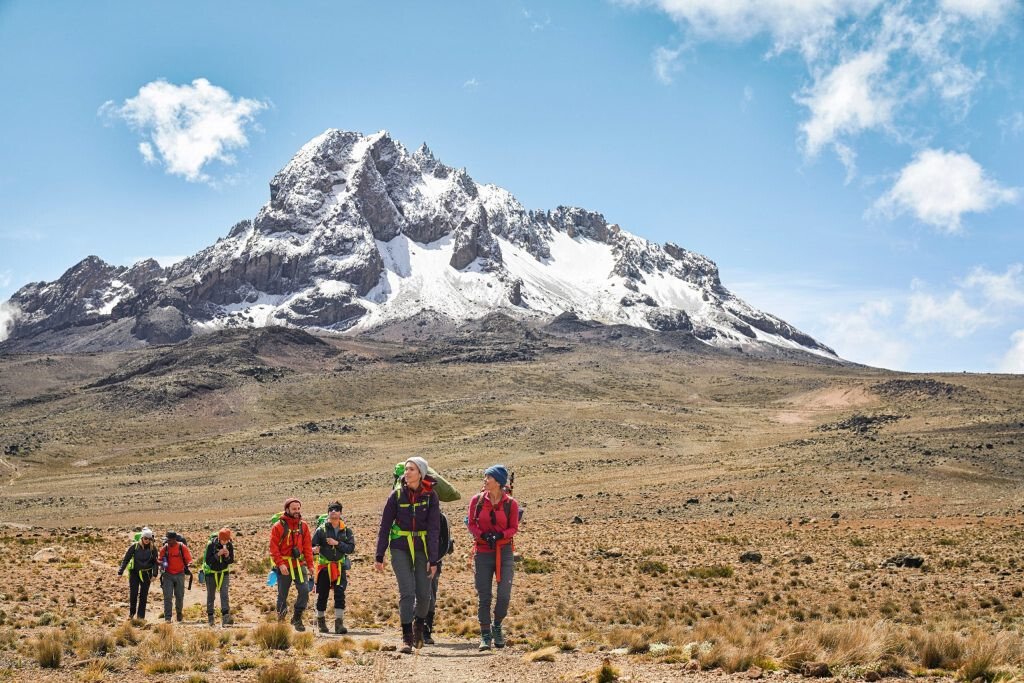
Climbing Mount Kilimanjaro is a significant undertaking, often described as a true test of endurance and mental fortitude. It’s not merely a strenuous hike; it’s a journey through vastly different ecological zones, from lush rainforests at the base to the stark, alpine desert and finally the arctic conditions near the summit. When planning your ascent for 2026 or 2027, understanding the nuances of each route is paramount. The ‘best’ route is subjective and hinges on individual preferences and goals. Are you prioritizing a higher success rate, a more visually spectacular journey, or perhaps a more remote and less crowded experience? The answer to these questions will guide you toward the ideal path up Africa’s highest peak.
The mountain offers several distinct trails, each with its own character, duration, and acclimatization profile. Longer routes are generally favored for their gradual ascent, allowing the body more time to adjust to the increasing altitude, which is a critical factor in preventing altitude sickness and achieving the summit. Shorter routes, while quicker, can feel rushed and significantly increase the risk of summit failure due to poor acclimatization. Top Guide Adventures, as a dedicated Kilimanjaro trekking operator, understands these critical differences and helps clients choose a route that maximizes their chances of a safe and rewarding climb.
Key Factors Influencing Your Route Choice
Before diving into the specifics of each trail, let’s outline the core considerations that will shape your decision:
- Success Rate: This is often the primary concern for many climbers. Routes with longer durations and better acclimatization profiles typically boast higher success rates.
- Scenery and Scenics: Kilimanjaro is renowned for its diverse landscapes. Some routes offer more dramatic vistas, varied terrain, and unique geological features.
- Crowds: The mountain can get busy, especially during peak seasons. If you prefer a more solitary experience, certain routes are less frequented.
- Acclimatization Profile: This refers to how well a route allows your body to adjust to altitude. The ‘climb high, sleep low’ principle is key, and longer routes facilitate this better.
- Difficulty and Terrain: While all Kilimanjaro routes are challenging, some involve steeper ascents, more technical sections (though not technically climbing), or rougher trails.
- Duration and Cost: Longer routes naturally require more days on the mountain, increasing the overall cost. Shorter routes are generally cheaper but less advisable for optimal acclimatization.
- Accommodation: Most routes utilize camping, but the Marangu route offers hut accommodation, which some trekkers find more comfortable.
The Popular Kilimanjaro Routes: A Detailed Comparison
Kilimanjaro boasts seven official trekking routes, each leading to the summit of Uhuru Peak. While all eventually converge on the same path to the top, the journey to that point is vastly different. Let’s explore the most commonly chosen routes for 2026-2027 expeditions.
1. Machame Route: The “Whiskey Route”
The Machame Route is perhaps the most popular choice for trekkers aiming for a balance of scenic beauty, good acclimatization, and a reasonable chance of success. Often called the “Whiskey Route” (in contrast to Marangu’s “Coca-Cola Route”), it offers camping accommodation throughout.
- Duration: Typically 6 or 7 days. The 7-day option is highly recommended for better acclimatization.
- Scenery: Excellent. It traverses diverse landscapes, including the Shira Plateau, Barranco Wall, and the Karanga Valley, offering stunning views.
- Acclimatization: Good, especially on the 7-day itinerary, which follows the ‘climb high, sleep low’ principle effectively.
- Success Rate: High, particularly with the 7-day option.
- Crowds: Can be busy, as it’s a popular choice.
- Terrain: Varied, with some steep ascents, most notably the Barranco Wall, which requires some scrambling but is manageable for most.
- Pros: Great scenery, good acclimatization on longer treks, high success rate with 7 days, relatively affordable compared to some other routes.
- Cons: Can be crowded, camping only, Barranco Wall can be challenging for some.
For trekkers planning their climb in 2026 or 2027, the 7-day Machame route is a solid, reliable option that balances challenge with comfort and success probability. It’s a favorite for many and a testament to its well-rounded appeal.
2. Lemosho Route: The Scenic Favorite
The Lemosho Route is widely considered one of the most beautiful and rewarding paths up Kilimanjaro. It starts in the west and traverses the Shira Plateau, offering unparalleled views and a more remote feel in its initial stages.
- Duration: Typically 7 or 8 days. The 8-day trek is strongly advised to maximize acclimatization and enjoyment.
- Scenery: Exceptional. It offers panoramic vistas from start to finish, including the Great Western Rift Valley and diverse vegetation zones.
- Acclimatization: Excellent. Its longer duration and strategic path provide superior acclimatization opportunities.
- Success Rate: Very high, among the highest of all routes due to its length and acclimatization profile.
- Crowds: Less crowded than Machame in the initial days, but joins other routes later on.
- Terrain: Generally moderate, with some steep sections.
- Pros: Arguably the most scenic route, excellent acclimatization, very high success rate, more remote start.
- Cons: More expensive due to longer duration and logistics, camping only.
If your budget allows and you have the time for an 8-day expedition in 2026-2027, Lemosho presents a compelling case for the best route up Kilimanjaro, especially if impressive views are a high priority.
3. Marangu Route: The “Coca-Cola Route”
Known as the “Coca-Cola Route” due to its accessibility and popularity, Marangu is the oldest and most established route. It’s unique in offering dormitory-style hut accommodation instead of camping.
- Duration: 5 or 6 days. The 5-day option is not recommended due to poor acclimatization.
- Scenery: Moderate. While it offers views, it ascends and descends the same path, making it less diverse visually compared to other routes.
- Acclimatization: Poor on the 5-day option, adequate but not ideal on the 6-day option.
- Success Rate: Lower, especially on the 5-day trek, due to rapid ascent and insufficient acclimatization.
- Crowds: Can be very crowded, particularly in the lower sections.
- Terrain: Generally a steady, gradual incline, making it physically less demanding in terms of steepness, but the altitude is the main challenge.
- Pros: Hut accommodation provides more comfort for some, generally the cheapest route, easier terrain.
- Cons: Lowest success rate, least scenic, can be very crowded, less effective acclimatization.
While Marangu might seem appealing for its comfort and lower cost, its compromised acclimatization profile makes it a less advisable choice for trekkers prioritizing success and a positive experience in 2026 or 2027, especially if they are first-time high-altitude climbers.
4. Rongai Route: The Dry Side
The Rongai Route approaches Kilimanjaro from the north, offering a different perspective and often a drier trekking experience, especially during the rainy seasons.
- Duration: Typically 6 or 7 days.
- Scenery: Good, offering unique views from the northern side. It’s less dramatic than Machame or Lemosho but still beautiful.
- Acclimatization: Good, especially on the 7-day trek.
- Success Rate: Good, particularly with the 7-day option.
- Crowds: Significantly less crowded than the southern routes, offering a more secluded experience.
- Terrain: Generally gentle and gradual, making it a good option for those concerned about steepness.
- Pros: Less crowded, good alternative during rainy seasons, good acclimatization on longer treks, good success rate.
- Cons: Scenery is not as dramatic as western routes, camping only.
For those looking for a less crowded and potentially drier trek in 2026-2027, Rongai is an excellent choice, particularly if you are concerned about altitude and prefer a gradual ascent.
5. Shira Route: Similar to Lemosho, but Shorter Start
The Shira Route is similar to Lemosho in that it starts from the west and traverses the Shira Plateau. However, it begins at a higher altitude, meaning less time for acclimatization in the initial stages.
- Duration: Typically 7 or 8 days.
- Scenery: Excellent, sharing many of Lemosho’s scenic highlights.
- Acclimatization: Adequate, but the higher starting point can be challenging for some.
- Success Rate: Good, but generally considered slightly lower than Lemosho due to the initial high start.
- Crowds: Similar to Lemosho, less crowded initially.
- Terrain: Moderate to challenging, with a significant drop and re-ascent on day 2.
- Pros: Beautiful scenery, offers a sense of remoteness, good success rate on longer treks.
- Cons: Higher starting altitude can be difficult for some, more expensive.
While beautiful, the Shira Route’s higher initial altitude makes it a less ideal choice for many compared to the Lemosho route for a 2026-2027 climb, unless specific logistical reasons favor it.
6. Northern Circuit: The Longest and Most Remote
The Northern Circuit is the longest route on Kilimanjaro, circling the mountain’s northern slopes before joining the Marangu route near the summit. It offers the best acclimatization and arguably the highest success rate.
- Duration: Typically 9 days.
- Scenery: Outstanding. It offers continuous panoramic views from all sides of the mountain.
- Acclimatization: Excellent. Its duration provides the best possible acclimatization.
- Success Rate: Very High. Often considered the route with the highest success rate.
- Crowds: The least crowded route on the mountain.
- Terrain: Moderate overall, with a gradual ascent.
- Pros: Highest success rate, least crowded, most scenic, best acclimatization, unique perspective.
- Cons: Most expensive due to length, requires the most time.
For those seeking the ultimate Kilimanjaro experience in 2026-2027, prioritizing success, solitude, and scenery, the Northern Circuit is an exceptional, albeit more time-consuming and costly, option.
7. Umbwe Route: The Steepest and Most Direct
The Umbwe Route is the shortest, steepest, and most direct path to the summit. It is considered the most challenging and is best suited for experienced trekkers with excellent physical condition and prior high-altitude experience.
- Duration: Typically 5 or 6 days.
- Scenery: Dramatic and direct.
- Acclimatization: Poor. The rapid ascent means very little time for the body to adjust to altitude.
- Success Rate: Low. It is rarely recommended due to the high risk of altitude sickness and summit failure.
- Crowds: Very few.
- Terrain: Extremely steep and challenging.
- Pros: Direct and challenging for experienced climbers, less crowded.
- Cons: Very low success rate, high risk of altitude sickness, physically demanding, not recommended for most.
Due to its significant challenges and low success rate, the Umbwe route is generally not considered the best route up Kilimanjaro for most travelers planning a 2026-2027 climb.
Comparing Routes: At a Glance
To help visualize the differences, here’s a comparative table focusing on key aspects for your 2026-2027 planning:
| Route | Typical Duration (Days) | Scenery | Acclimatization | Success Rate | Crowds | Accommodation |
|---|---|---|---|---|---|---|
| Marangu | 5-6 | Moderate | Poor (5-day) / Adequate (6-day) | Low (5-day) / Moderate (6-day) | High | Huts |
| Machame | 6-7 | Excellent | Good (7-day) | Good (7-day) | High | Camping |
| Lemosho | 7-8 | Exceptional | Excellent (8-day) | Very High (8-day) | Moderate | Camping |
| Rongai | 6-7 | Good | Good (7-day) | Good (7-day) | Low | Camping |
| Shira | 7-8 | Excellent | Adequate | Good | Moderate | Camping |
| Northern Circuit | 9 | Outstanding | Excellent | Very High | Very Low | Camping |
| Umbwe | 5-6 | Dramatic | Poor | Low | Very Low | Camping |
The “Best” Route: A Personalized Decision for 2026-2027
So, what is the best route up Kilimanjaro for *you*? Based on our experience, for most trekkers planning an expedition in 2026 or 2027, the following recommendations hold true:
- For the Highest Success Rate & Best Acclimatization: The Northern Circuit (9 days) or the Lemosho Route (8 days). These routes offer the most time for your body to adapt to the altitude, significantly increasing your chances of reaching the summit comfortably.
- For a Balance of Scenery, Success, and Value: The Machame Route (7 days). It’s a very popular choice for good reason, offering a fantastic overall experience at a competitive price point.
- For Fewer Crowds & Dry Conditions: The Rongai Route (7 days). It provides a more secluded experience and is a great option, especially during the shoulder seasons or rainy periods.
- For Comfort Seekers (with reservations): The Marangu Route (6 days). If hut accommodation is a non-negotiable, and you understand the lower success rate and less scenic aspect, it can be an option, but we strongly advise the 6-day version over the 5-day for better acclimatization.
- For Experienced High-Altitude Climbers Seeking a Challenge: The Umbwe Route (6 days). This is for the highly fit and acclimatized, acknowledging the significant risks.
As a leading Tanzania tour operator specializing in Kilimanjaro climbs, Top Guide Adventures prioritizes client safety and success. We meticulously plan every itinerary, ensuring optimal acclimatization schedules, experienced guides, and quality equipment. Our deep local knowledge means we can advise you on the best route based on your fitness, available time, and desired experience for your 2026-2027 climb.
Understanding Altitude Sickness and Acclimatization
No discussion about the best route up Kilimanjaro is complete without addressing altitude sickness (Acute Mountain Sickness – AMS). This condition is caused by ascending too quickly, preventing your body from adjusting to the lower oxygen levels at higher elevations. Symptoms can range from mild headaches and nausea to severe, life-threatening conditions like High Altitude Cerebral Edema (HACE) and High Altitude Pulmonary Edema (HAPE).
- Prevention is Key: The most effective way to prevent AMS is through slow, gradual ascent. This is why longer routes are statistically more successful.
- Hydration: Drink plenty of water (3-4 liters per day). Dehydration exacerbates altitude sickness symptoms.
- Pacing: Walk ‘pole pole’ (slowly, slowly). Avoid overexertion.
- Diet: Eat well, even if your appetite is reduced. High-carbohydrate meals are recommended.
- Monitor Symptoms: Be honest with your guide about how you are feeling. Guides are trained to recognize and manage AMS.
- Medication: Diamox (acetazolamide) is a prescription medication that can aid acclimatization. Discuss this with your doctor before your trip.
Choosing a longer route (7 days or more) is the single best strategy for ensuring good acclimatization and minimizing the risk of AMS. This is why routes like Lemosho and the Northern Circuit are often lauded as superior for first-time Kilimanjaro climbers in 2026-2027.
Preparing for Your Kilimanjaro Climb in 2026-2027
Once you’ve selected your route, preparation becomes the next critical step. A successful Kilimanjaro climb requires a combination of physical fitness, mental preparation, and proper gear.
Physical Training
Focus on cardiovascular fitness and leg strength. Activities like hiking (especially with a weighted backpack), running, cycling, and stair climbing are excellent preparation. Aim to hike at least 2-3 times a week in the months leading up to your climb, including some longer hikes (4-6 hours) with elevation gain.
Mental Preparation
Kilimanjaro is as much a mental challenge as a physical one. Be prepared for cold temperatures, challenging days, and potential discomfort. Maintaining a positive attitude and focusing on your goal is crucial. Understand that you might not feel your best, especially on summit night, but pushing through with determination is often rewarded.
Essential Gear
Proper gear is vital for comfort and safety. This includes:
- Layering System: Base layers, mid-layers (fleece), and an outer shell (waterproof and windproof).
- Footwear: Broken-in, waterproof hiking boots.
- Sleeping Bag: Rated for -15°C to -20°C (0°F to -4°F).
- Headlamp: With extra batteries.
- Sun Protection: Sunglasses, sunscreen, hat.
- Trekking Poles: Highly recommended for stability and reducing knee strain.
- Water Bottles/Bladder: Insulated to prevent freezing.
Your tour operator will provide a detailed packing list. Ensure you have everything well in advance of your 2026-2027 expedition.
When is the Best Time to Climb Kilimanjaro?
While it’s possible to climb Kilimanjaro year-round, certain periods offer more favorable weather conditions. The driest and warmest months are typically January-March and June-October. These are considered the peak seasons and often see the most climbers.
- Peak Seasons (Recommended): June to October and January to March. Clear skies, less rain, and moderate temperatures.
- Shoulder Seasons: April-May and November-December. These months can experience more rain and cloud cover, but fewer crowds and potentially lower prices. The northern circuit and Rongai route can be good options during these times.
For 2026-2027, consider booking your climb during the peak seasons for the best weather, but remember that these times also attract more trekkers. The shoulder seasons can offer a more tranquil experience.
Choosing Your Operator: Top Guide Adventures
Selecting the right tour operator is as important as choosing the best route up Kilimanjaro. A reputable operator ensures your safety, provides experienced guides, manages logistics efficiently, and contributes to a positive overall experience. Top Guide Adventures is one of the best-suited Tanzania tour companies to consider for your Kilimanjaro climb, offering comprehensive trek planning, expert local guides with extensive route knowledge, and personalized support to ensure your 2026-2027 expedition is a success.
We focus on small group sizes, prioritizing safety through excellent acclimatization practices and providing high-quality equipment and food. Our team is dedicated to making your journey up Kilimanjaro as smooth and rewarding as possible. Whether you’re considering the scenic Lemosho, the balanced Machame, or the remote Northern Circuit, we can help you tailor the perfect climb.
Ready to Plan Your Kilimanjaro Adventure for 2026-2027?
Don’t leave your Kilimanjaro dream to chance. Let Top Guide Adventures help you choose the best route and plan every detail of your 2026-2027 climb. We offer a range of itineraries, from private treks to small group departures, all designed for maximum success and enjoyment.
Contact us today to discuss your options:
- WhatsApp: +255616946642
- Email: topguideadventures@gmail.com
- Backup Email: info@topguideadventurestanzania.com
Visit our website to explore our Kilimanjaro climbing packages and group departure dates for 2026-2027.
Check Availability for What Is The Best Route Up Kilimanjaro For Your Climb In ? 2026-2027
Ready to compare dates, prices, and the best option for your group? Send the package name and travel month so the team can reply with a clear quote, availability, and what is included.
Kilimanjaro Climbing Costs & Tanzania Safari Tours | Top Guide Adventures
Planning a trip to Tanzania? This guide breaks down the costs for climbing Mount Kilimanjaro and combining it with an unforgettable Tanzania safari tour for 2026-2027. Learn about pricing...
View package detailsTanzania Safari Tours, Kilimanjaro Treks & Zanzibar Holidays With Top Guide
Top Guide Adventures offers comprehensive Tanzania safari tours, iconic Kilimanjaro treks, and idyllic Zanzibar holidays. Discover the best of East Africa with personalized itineraries...
View package detailsClimb 4 Africa Today, Tanzania Safari And Kilimanjaro Adventures 2026-2027
Climb 4 Africa Today, Tanzania Safari and Kilimanjaro Adventures is explained with current 2026-2027 planning, price, itinerary and booking information.
View package detailsDiscount Tanzania Treks And Affordable Safari Packages In 2026-2027
Discover how to plan discount Tanzania treks and affordable safari packages for your 2026-2027 adventure. This comprehensive guide covers budget-friendly options for iconic destinations...
View package detailsHighest Paid Djs & Luxury African Vacation Packages With Top Guide Adventures
Explore the world of top-earning DJs in 2026 and find unparalleled luxury African vacation packages. Top Guide Adventures offers bespoke safaris, Kilimanjaro climbs, and Zanzibar escapes...
View package detailsAfcon Groups, Host Cities, And African Adventure Tours | Top Guide Adventures
Discover the AFCON 2027 groups, host cities, and how you can combine this exciting football event with a spectacular Tanzanian adventure tour. Top Guide Adventures offers tailored safaris...
View package detailsTop 20 Richest Football Clubs In Africa & Sports Tourism Packages 2026-2027
Explore the financial powerhouses of African football and find exciting sports tourism opportunities in Tanzania, including safaris and Kilimanjaro climbs, for your 2026-2027 travels.
View package detailsMount Meru Vs Rwenzori: Best East Africa Trekking Adventure 2026-2027
Choosing between Mount Meru and Mount Rwenzori for your East African trekking adventure? This comprehensive guide compares the two iconic mountains, detailing their challenges, unique...
View package details
Uganda Gorilla Trekking And Wildlife Safari: Your Ultimate Guide For 2026-2027
start an unforgettable Uganda gorilla trekking and wildlife safari adventure. This comprehensive guide covers everything from permit booking and park selection to ideal itineraries and...
View package detailsNo related package matches those filters. Clear one or more filters to see the other topic-matched options.



