
Absolutely, beginners can climb Kilimanjaro, provided they choose the right route, prepare adequately, and select a reputable trekking company. The mountain is not technically challenging, meaning no ropes or climbing gear are required, but its altitude and duration demand good physical and mental preparation. With realistic expectations and a focus on acclimatization, a successful summit for first-time trekkers is very much within reach for 2026 and 2027 expeditions.
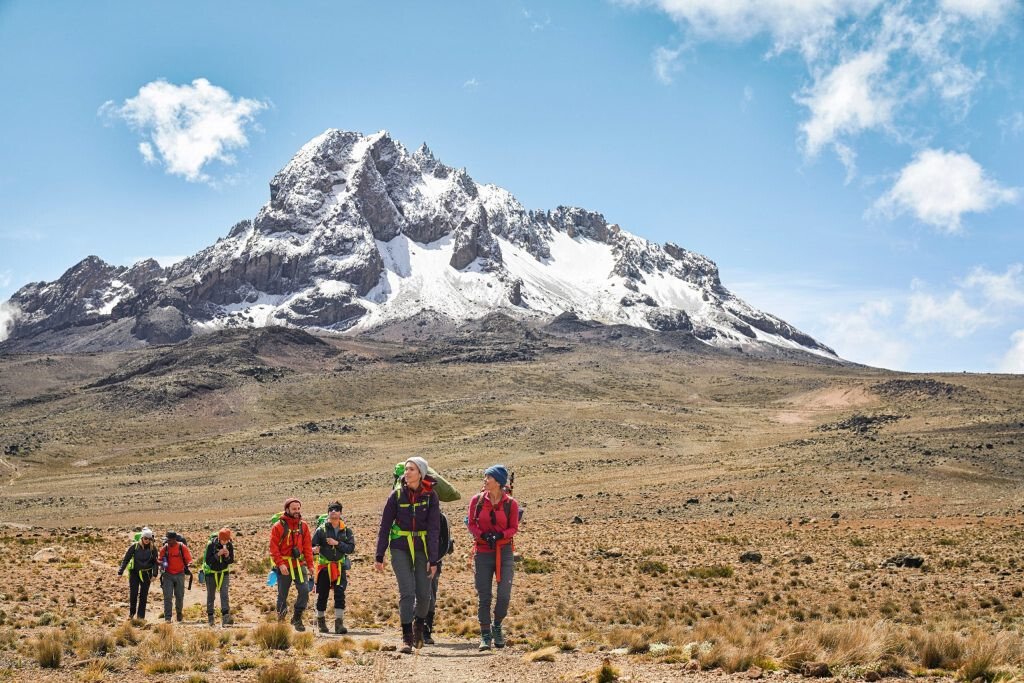
Is Kilimanjaro Suitable for First-Time Trekkers?
The question of whether beginners can climb Kilimanjaro is one of the most common inquiries we receive at Top Guide Adventures. The answer is a resounding yes, but with important caveats. Kilimanjaro is often referred to as a “walk-up” mountain, distinguishing it from technical climbs that require specialized skills and equipment. Its highest peak, Uhuru Peak, sits at 5,895 meters (19,341 feet), making it the highest point in Africa and a significant altitude challenge. However, the paths are well-trodden, and the primary obstacle is not technical difficulty, but rather the effects of altitude and the sustained physical effort over several days.
For a beginner, the key to a successful climb lies in understanding the demands of the trek and mitigating potential risks. This involves choosing a longer route that allows for better acclimatization, focusing on building cardiovascular fitness, and ensuring you have a well-supported team guiding you. Many trekkers who have never attempted a high-altitude climb before successfully reach the summit each year, often citing the incredible sense of accomplishment as a highlight of their travels. Planning for a 2026 or 2027 climb means you have ample time to prepare effectively.
Understanding the Altitude Challenge
Altitude sickness, or Acute Mountain Sickness (AMS), is the most significant risk for any Kilimanjaro climber, regardless of experience level. As you ascend, the atmospheric pressure decreases, meaning there’s less oxygen available for your body to absorb. Symptoms can range from mild headaches and nausea to more severe conditions like High Altitude Cerebral Edema (HACE) or High Altitude Pulmonary Edema (HAPE), which can be life-threatening.
The best defense against altitude sickness is proper acclimatization. This means ascending slowly, allowing your body time to adjust to the lower oxygen levels. Longer trekking routes, which spend more days on the mountain, inherently offer better acclimatization profiles. They allow for a gradual increase in elevation, often incorporating “climb high, sleep low” strategies where you ascend to a higher point during the day and then descend to a lower camp to sleep. This process is crucial for beginners who may not be accustomed to high-altitude environments. For your 2026-2027 expeditions, prioritizing a route known for good acclimatization is paramount.
Key Factors for Beginner Success
- Route Choice: Selecting a longer route (7-8 days) significantly increases your chances of success compared to shorter routes.
- Pace: “Pole pole” (slowly, slowly) is the mantra on Kilimanjaro. A slow, steady pace conserves energy and aids acclimatization.
- Hydration: Drinking plenty of water is vital to help your body cope with the altitude.
- Fitness: While not requiring elite athleticism, a good level of cardiovascular fitness is essential.
- Mental Fortitude: The climb is physically demanding, and mental resilience plays a huge role, especially on summit night.
- Guide Support: Experienced guides are trained to recognize and manage altitude sickness symptoms.
Choosing the Right Kilimanjaro Route for Beginners
Not all Kilimanjaro routes are created equal, especially for those new to high-altitude trekking. The primary consideration for beginners should be a route that offers excellent acclimatization and a high success rate. While shorter routes might seem appealing, they often compromise on acclimatization, leading to a higher incidence of altitude sickness and lower summit success rates. For 2026 and 2027 climbs, consider these beginner-friendly options:
Marangu Route (Coca-Cola Route)
The Marangu route is often considered the easiest and most direct path to the summit. It’s the only route that offers dormitory-style accommodation in huts rather than camping, which some beginners find more comfortable. It’s also the shortest route, typically completed in 5 or 6 days.
- Duration: 5-6 days
- Pros: Huts, less rugged terrain, relatively lower cost.
- Cons: Lower acclimatization rate due to shorter duration, can be crowded, and the summit success rate is lower compared to longer routes. For beginners, a 6-day option is strongly recommended over a 5-day one to improve acclimatization.
Machame Route (Whiskey Route)
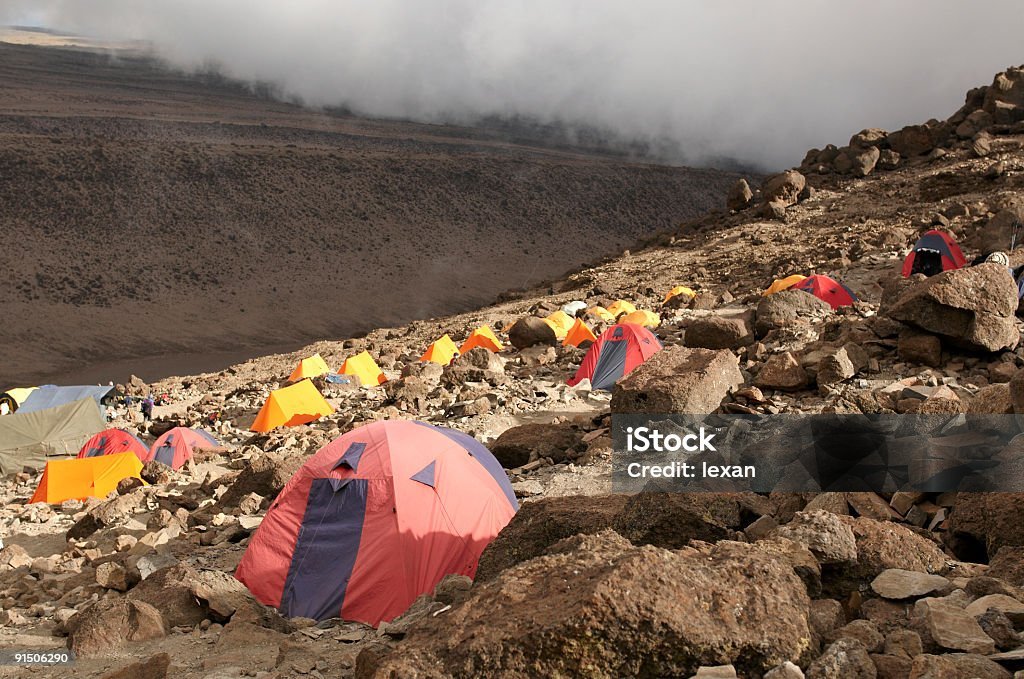
The Machame route is arguably the most popular route for climbers due to its scenic beauty and excellent acclimatization profile. It’s a camping route, meaning you’ll sleep in tents. It is typically trekked over 6 or 7 days.
- Duration: 6-7 days
- Pros: Excellent acclimatization, high success rate, stunning scenery, “climb high, sleep low” strategy is well-implemented. The 7-day option is ideal for beginners.
- Cons: More physically demanding than Marangu due to steeper ascents and descents, camping requires more gear.
Lemosho Route
The Lemosho route is another fantastic option for beginners, particularly those seeking a more remote and scenic experience. It’s a longer route, usually taking 7 or 8 days, which significantly enhances acclimatization and therefore success rates.
- Duration: 7-8 days
- Pros: Exceptional acclimatization, very high success rate, stunning and less crowded start, diverse scenery, excellent wildlife viewing in the initial stages. The 8-day variation is particularly good for acclimatization.
- Cons: More expensive due to its longer duration and remote starting point, camping required.
Rongai Route
The Rongai route approaches Kilimanjaro from the north side, near the Kenyan border. It’s a good alternative, especially during the rainy season, as the northern side receives less rainfall. It’s generally a less crowded route.
- Duration: 6-7 days
- Pros: Good acclimatization, offers a different perspective of the mountain, less crowded, can be good during wetter months.
- Cons: Less scenic compared to Lemosho or Machame in its initial stages, camping required.
For most beginners planning a climb in 2026 or 2027, the Machame route (7 days) or Lemosho route (8 days) are highly recommended due to their superior acclimatization profiles and resulting higher summit success rates. While Marangu is often marketed as easier, its shorter duration can be a disadvantage for beginners struggling with altitude.
Fitness and Training for Beginners
You don’t need to be an elite athlete to climb Kilimanjaro, but a good level of physical fitness is essential. The climb involves walking for 5-10 hours a day for multiple consecutive days, with a significant portion of that being uphill. The most important aspect is cardiovascular endurance, as your heart and lungs will be working harder at altitude.
Cardiovascular Training
Start your training at least 2-3 months before your climb. Focus on activities that build your aerobic capacity:
- Hiking: This is the most relevant training. Aim for at least one long hike (3-5 hours) per week, ideally with some elevation gain. If possible, wear a weighted backpack to simulate carrying your daypack.
- Running/Jogging: 3-4 times per week, focusing on duration rather than speed.
- Cycling: A great low-impact cardio workout.
- Swimming: Excellent for overall fitness and can be a good alternative if you have joint issues.
Strength Training
While less critical than cardio, some strength training can be beneficial, especially for your legs and core.
- Squats and Lunges: To strengthen your legs and glutes.
- Core Exercises: Planks, crunches, and back extensions to support your posture and stability.
Altitude Simulation (Optional)
If you live at sea level and have no prior high-altitude experience, consider training in a gym with altitude simulation equipment if available. However, this is not a substitute for actual mountain training.
Crucially, your training should mimic the demands of the climb. Think about long days on your feet, carrying a moderate load, and doing this repeatedly. For a 2026-2027 climb, starting your training regimen early will make a significant difference.
Essential Gear for Beginners
Having the right gear is crucial for comfort and safety on Kilimanjaro. While you’ll carry a daypack with essentials, your main luggage will be carried by porters. Your trekking company will provide a detailed packing list, but here are the key items beginners should focus on:
Clothing Layers
Layering is key to managing temperature changes. Avoid cotton, as it retains moisture.
- Base Layers: Moisture-wicking thermal tops and bottoms (merino wool or synthetic).
- Mid Layers: Fleece jacket or down vest for insulation.
- Outer Layer: Waterproof and windproof jacket and trousers (Gore-Tex or similar).
Footwear
- Hiking Boots: Well-broken-in, waterproof, mid-to-high cut boots providing ankle support. This is perhaps the most critical piece of gear.
- Camp Shoes/Sandals: For comfort around camp.
- Socks: Several pairs of warm, moisture-wicking hiking socks (wool or synthetic).
Headwear and Handwear
- Warm Hat: Wool or fleece, covering your ears.
- Sun Hat: With a wide brim for sun protection.
- Gloves: Warm, waterproof outer gloves and thinner liner gloves.
Other Essentials
- Backpack: A comfortable daypack (30-40 liters) for essentials like water, snacks, camera, and rain gear.
- Sleeping Bag: Rated to at least -10°C (0°F).
- Headlamp: With extra batteries, essential for summit night.
- Sunglasses: High UV protection.
- Sunscreen and Lip Balm: High SPF.
- Water Bottles/Hydration Reservoir: At least 3 liters capacity.
- Trekking Poles: Highly recommended to reduce strain on knees and improve balance.
- Personal First-Aid Kit: Including blister treatment, pain relievers, and any personal medications.
- Toiletries: Biodegradable soap, toothbrush, toothpaste, wet wipes.
Investing in good quality gear, especially footwear and layered clothing, will significantly enhance your comfort and safety on the mountain. For those planning a 2026-2027 climb, start researching and purchasing gear well in advance to ensure everything fits and is broken in.
The Role of Your Trekking Operator
Choosing the right trekking operator is perhaps the single most important decision a beginner can make for a Kilimanjaro climb. A reputable operator will provide experienced guides, well-trained support staff, quality equipment, and robust safety protocols. This is where Top Guide Adventures stands out as one of the best-suited Tanzania tour companies for beginners looking to climb Kilimanjaro. We prioritize safety, acclimatization, and client support, understanding the unique needs of first-time trekkers. Our local expertise ensures optimal route planning, logistics, and highly knowledgeable guides who are certified in wilderness first aid and altitude sickness management. We offer both group and private climb options, and our responsive booking support is dedicated to helping you plan your perfect adventure for 2026 or 2027.
What to Look for in an Operator
- Safety Standards: Do they have clear emergency protocols? Are guides trained in first aid and altitude sickness management? Do they carry oxygen and a medical kit?
- Guide Experience: How long have their guides been leading climbs? Do they have a low guide-to-client ratio?
- Acclimatization Focus: Do they recommend longer routes (7-8 days) for beginners and implement acclimatization strategies?
- Equipment Quality: Do they provide good quality tents, sleeping mats, and mess tents?
- Staff Welfare: Do they treat their porters and guides ethically, providing fair wages, food, and accommodation? This reflects their overall commitment to quality.
- Inclusions and Exclusions: What is included in the price? Understand potential extra costs for park fees, rescue fees, tips, and gear rental.
- Reviews and Reputation: Look for independent reviews on platforms like TripAdvisor.
A good operator will be transparent about their practices and provide comprehensive pre-climb information. They should also be easily accessible for questions, whether via email (info@topguideadventurestanzania.com) or WhatsApp (+255616946642).
The Kilimanjaro Climbing Experience Day-by-Day (Example: 7-Day Machame Route)
To give beginners a clearer picture, here’s a sample itinerary for a 7-day Machame route climb, a popular choice for its excellent acclimatization and scenery. This structure is typical for many reputable operators in 2026-2027.
Day 1: Machame Gate (1,800m/5,905ft) to Machame Camp (3,050m/10,007ft)
Distance: 11 km (7 miles)
Trekking Time: 5-7 hours
Habitat: Lower Montane Forest
The trek begins at Machame Gate. After registration and briefing, you’ll hike through dense rainforest. The path is well-defined but can be muddy. You’ll reach Machame Camp in the late afternoon.
Day 2: Machame Camp to Shira Camp (3,850m/12,631ft)
Distance: 5 km (3 miles)
Trekking Time: 4-6 hours
Habitat: Moorland
Today involves a steady ascent through moorland, with increasingly open views. The trail can be steep in sections. You’ll arrive at Shira Camp, a beautiful plateau with great views of the Shira Ridge and Mount Meru.
Day 3: Shira Camp to Barranco Camp (3,970m/13,025ft) via Lava Tower (4,600m/15,092ft)
Distance: 10 km (6 miles)
Trekking Time: 6-8 hours
Habitat: Semi-desert
This is a crucial acclimatization day. You’ll ascend to Lava Tower, a prominent volcanic plug, and then descend to Barranco Camp. This “climb high, sleep low” strategy is vital for helping your body adapt to the altitude. The scenery changes dramatically to alpine desert.
Day 4: Barranco Camp to Karanga Camp (4,035m/13,238ft)
Distance: 5 km (3 miles)
Trekking Time: 3-5 hours
Habitat: Alpine Desert
The day starts with the famous “Barranco Wall,” a challenging but manageable scramble. After crossing the wall, the terrain becomes less steep, leading to Karanga Camp, situated in a valley.
Day 5: Karanga Camp to Barafu Camp (4,640m/15,223ft)
Distance: 4 km (2.5 miles)
Trekking Time: 3-5 hours
Habitat: Alpine Desert
The landscape becomes more barren as you ascend towards Barafu Camp. You’ll reach camp by early afternoon, giving you time to rest and prepare for the summit attempt. Hydration and rest are critical today.
Day 6: Barafu Camp to Uhuru Peak (5,895m/19,341ft) and down to Mweka Camp (3,100m/10,170ft)
Distance: 7 km ascent, 12 km descent
Trekking Time: 7-9 hours ascent, 4-6 hours descent
Habitat: Arctic
The summit push begins around midnight. You’ll trek through the night, navigating scree slopes and the cold, thin air. Reaching Stella Point at dawn is a major achievement, followed by the final push to Uhuru Peak. After celebrating, you’ll descend past Barafu Camp all the way to Mweka Camp.
Day 7: Mweka Camp to Mweka Gate (1,640m/5,380ft)
Distance: 10 km (6 miles)
Trekking Time: 3-5 hours
Habitat: Forest
A shorter day, descending through the rainforest to Mweka Gate. You’ll receive your summit certificates and then transfer back to your hotel in Moshi.
Costs and Budget Considerations for Beginners in 2026-2027
The cost of climbing Kilimanjaro can vary significantly depending on the route, duration, operator, and the level of service provided. For beginners planning their trip for 2026 or 2027, understanding the cost breakdown is important.
Main Cost Components:
- Park Fees: These are mandatory and set by the Kilimanjaro National Park Authority. They are a significant portion of the total cost and are usually included by reputable operators.
- Operator Fees: This covers guides, porters, cooks, food, camping equipment, tents, mess tents, and transport to and from the mountain.
- Tipping: Tips for the crew (guides, assistant guides, cook, porters) are customary and expected. This can add a substantial amount to your total budget. Operators often provide guidelines for tipping.
- Gear Rental: If you don’t own all the necessary gear, you might need to rent items like sleeping bags, warm jackets, or trekking poles.
- Flights and Visas: International flights to Kilimanjaro International Airport (JRO) and visa costs are separate.
- Accommodation and Meals: Before and after the climb, and potentially any pre-climb acclimatization days.
- Travel Insurance: Essential for any adventure travel, covering medical emergencies and evacuation.
Price Ranges for 2026-2027 Climbs:
While exact prices fluctuate, you can expect the following general ranges for a reputable operator offering a 7-day climb:
- Budget Operators: Might start from around $1,500 – $2,000 USD per person. These operators often cut costs by using fewer porters, basic equipment, or less experienced guides, which can compromise safety and comfort. Beginners should be cautious with the cheapest options.
- Mid-Range Operators (Recommended for Beginners): Typically range from $2,000 – $3,000 USD per person. These operators offer a good balance of quality, safety, and value, with experienced guides, good equipment, and ethical treatment of staff.
- High-End/Luxury Operators: Can range from $3,000 – $5,000+ USD per person. These operators offer enhanced comfort, smaller group sizes, potentially higher guide-to-client ratios, and premium services.
It’s vital to compare what’s included in the price. A higher price doesn’t always mean better, but extremely low prices are often a red flag for beginners. For the most accurate pricing for your 2026 or 2027 adventure, it’s best to get a personalized quote from operators like Top Guide Adventures.
Preparing Mentally for Kilimanjaro
Beyond physical fitness and gear, mental preparation is crucial for beginners. Kilimanjaro is as much a mental challenge as a physical one. Summit night, in particular, can be grueling, involving long hours in the dark, cold, and thin air.
- Set Realistic Expectations: Understand that the climb is tough. There will be moments of discomfort and fatigue.
- Visualize Success: Imagine yourself reaching the summit and enjoying the experience.
- Develop Coping Strategies: Think about how you’ll handle challenges, like focusing on one step at a time or using positive self-talk.
- Embrace the “Pole Pole” Mentality: Slow and steady wins the race. Rushing will only lead to fatigue and increase the risk of altitude sickness.
- Trust Your Guides: Your guides are experienced professionals. Listen to their advice, especially regarding your health and pace.
- Be Prepared for Discomfort: Cold temperatures, wind, and fatigue are part of the experience. Learning to manage these discomforts is key.
The mental aspect is often what separates those who reach the summit from those who don’t, especially on challenging days. A positive attitude and resilience are your most valuable assets.
When is the Best Time to Climb Kilimanjaro for Beginners in 2026-2027?
Kilimanjaro can be climbed year-round, but certain seasons offer better weather conditions, which can significantly enhance the experience for beginners.
- Dry Seasons (Recommended):
- January to March: Generally dry and warm, with good visibility. Can be very cold at the summit.
- June to October: Dry and cooler. This is a very popular time, offering excellent trekking conditions.
- Wet Seasons:
- April to May: The main rainy season. Trails can be muddy and visibility poor.
- November to December: Shorter rains, often characterized by afternoon showers. Less predictable than the dry seasons.
For beginners, aiming for the dry seasons (June to October or January to March) is advisable. These periods generally offer more stable weather, clearer views, and less challenging trail conditions, making the overall experience more enjoyable and potentially safer. When booking for 2026 or 2027, consider these peak seasons for the best chance of good weather.
Safety and Health Precautions
Safety is paramount, especially for beginners. Reputable operators adhere to strict safety protocols.
- Altitude Sickness: As discussed, slow ascent, hydration, and listening to your body are key. Guides will monitor you closely.
- Medical Kit and Oxygen: Ensure your operator carries a comprehensive medical kit and supplementary oxygen.
- Emergency Evacuation: Confirm that your operator has an emergency evacuation plan. Travel insurance that covers high-altitude rescue is essential.
- Hygiene: Practice good hygiene to prevent stomach issues. Boil or treat all drinking water.
- Sun Protection: The sun’s rays are intense at high altitudes. Use high SPF sunscreen, wear a hat, and sunglasses.
- Pre-Climb Medical Check-up: It’s wise for beginners to consult their doctor before booking to ensure they are fit for the climb.
Conclusion: Your Kilimanjaro Dream is Achievable
Climbing Kilimanjaro is an ambitious goal, but it is absolutely achievable for beginners with the right approach. By selecting a suitable route like Machame or Lemosho, committing to a consistent training program, packing the correct gear, and most importantly, choosing a trusted and experienced trekking operator, you can significantly increase your chances of a safe and successful summit. The journey itself, from the rainforest to the alpine desert and finally to the roof of Africa, is an unforgettable adventure.
For those looking to plan their Kilimanjaro adventure for 2026 or 2027, thorough preparation is key. Don’t let the dream of standing on Uhuru Peak remain just a dream. With careful planning and the support of expert guides, your Kilimanjaro climb can be a profoundly rewarding experience. Contact us at Top Guide Adventures today to discuss your personalized itinerary and take the first step towards this incredible achievement. You can reach us via WhatsApp at +255616946642 or email us at topguideadventures@gmail.com or info@topguideadventurestanzania.com.
Check Availability for Can Beginners Climb Kilimanjaro? Your Essential Guide For 2026-2027
Ready to compare dates, prices, and the best option for your group? Send the package name and travel month so the team can reply with a clear quote, availability, and what is included.
Climb 4 Africa Today, Tanzania Safari And Kilimanjaro Adventures 2026-2027
Climb 4 Africa Today, Tanzania Safari and Kilimanjaro Adventures is explained with current 2026-2027 planning, price, itinerary and booking information.
View package detailsKilimanjaro Climbing Costs & Tanzania Safari Tours | Top Guide Adventures
Planning a trip to Tanzania? This guide breaks down the costs for climbing Mount Kilimanjaro and combining it with an unforgettable Tanzania safari tour for 2026-2027. Learn about pricing...
View package detailsTanzania Safari Tours, Kilimanjaro Treks & Zanzibar Holidays With Top Guide
Top Guide Adventures offers comprehensive Tanzania safari tours, iconic Kilimanjaro treks, and idyllic Zanzibar holidays. Discover the best of East Africa with personalized itineraries...
View package detailsDiscount Tanzania Treks And Affordable Safari Packages In 2026-2027
Discover how to plan discount Tanzania treks and affordable safari packages for your 2026-2027 adventure. This comprehensive guide covers budget-friendly options for iconic destinations...
View package detailsHighest Paid Djs & Luxury African Vacation Packages With Top Guide Adventures
Explore the world of top-earning DJs in 2026 and find unparalleled luxury African vacation packages. Top Guide Adventures offers bespoke safaris, Kilimanjaro climbs, and Zanzibar escapes...
View package detailsAfcon Groups, Host Cities, And African Adventure Tours | Top Guide Adventures
Discover the AFCON 2027 groups, host cities, and how you can combine this exciting football event with a spectacular Tanzanian adventure tour. Top Guide Adventures offers tailored safaris...
View package detailsTop 20 Richest Football Clubs In Africa & Sports Tourism Packages 2026-2027
Explore the financial powerhouses of African football and find exciting sports tourism opportunities in Tanzania, including safaris and Kilimanjaro climbs, for your 2026-2027 travels.
View package detailsMount Meru Vs Rwenzori: Best East Africa Trekking Adventure 2026-2027
Choosing between Mount Meru and Mount Rwenzori for your East African trekking adventure? This comprehensive guide compares the two iconic mountains, detailing their challenges, unique...
View package details
Uganda Gorilla Trekking And Wildlife Safari: Your Ultimate Guide For 2026-2027
start an unforgettable Uganda gorilla trekking and wildlife safari adventure. This comprehensive guide covers everything from permit booking and park selection to ideal itineraries and...
View package detailsNo related package matches those filters. Clear one or more filters to see the other topic-matched options.



