
Climbing Kilimanjaro is a significant physical challenge, but it is achievable for most individuals with a reasonable level of fitness and proper preparation, as the routes are non-technical treks rather than technical climbs. The primary difficulties stem from the extreme altitude, which can cause altitude sickness, and the sheer endurance required to walk for 5-9 days, often in cold conditions, covering considerable distances each day. Success hinges more on mental fortitude and acclimatization than on advanced mountaineering skills, making it a test of stamina and resilience rather than technical prowess.
Understanding the True Difficulty of Climbing Kilimanjaro
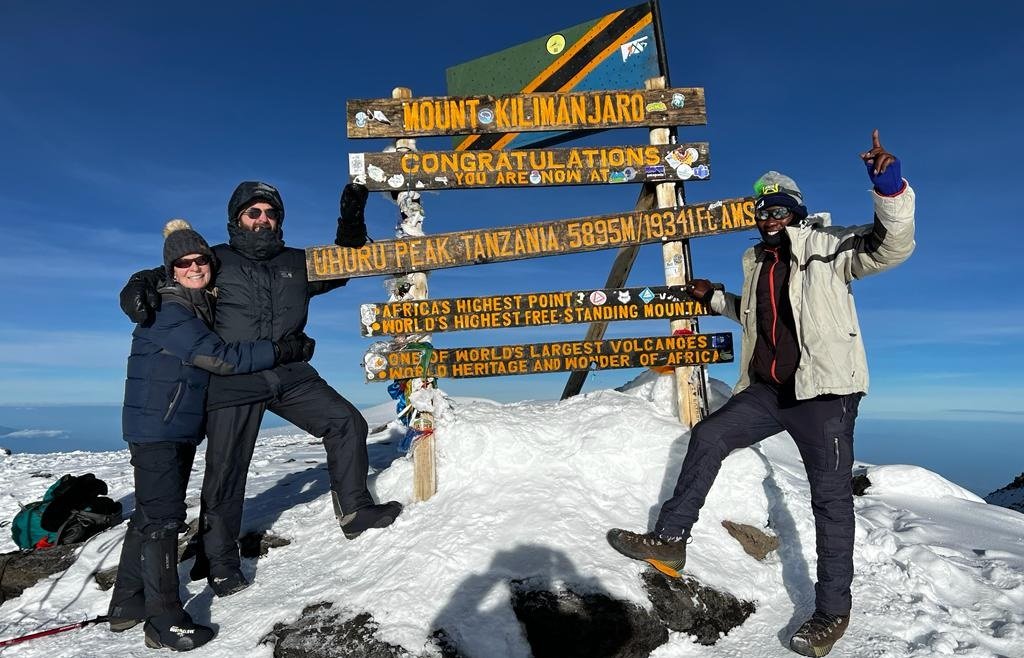
The question of how hard is it to climb Kilimanjaro is one that every aspiring trekker asks, and the answer is nuanced. Kilimanjaro is often marketed as an accessible summit, a “walk-in” mountain, which is true in the sense that no ropes, ice axes, or technical climbing gear are required on any of its standard routes. However, this description can lead to underestimation. The mountain’s sheer height, at 5,895 meters (19,341 feet), places it among the world’s highest peaks, and the journey to the summit is a serious undertaking that tests the body and mind.
The difficulty is not uniform and depends heavily on individual factors, the chosen route, the duration of the climb, and the support provided by your tour operator. For many, the physical exertion is manageable, but the effects of altitude sickness are the most unpredictable and significant hurdle. Summit night, in particular, is grueling, involving a steep ascent in darkness, extreme cold, and thin air.
Key Factors Influencing Kilimanjaro Climb Difficulty
To accurately gauge how hard is it to climb Kilimanjaro for your specific circumstances, consider these critical elements:
- Altitude: This is the single biggest challenge. As you ascend, the air pressure drops, meaning less oxygen is available for your body. Symptoms of altitude sickness can range from mild headaches and nausea to severe, life-threatening conditions like High Altitude Pulmonary Edema (HAPE) and High Altitude Cerebral Edema (HACE). Proper acclimatization is paramount, which is why longer routes are generally considered safer and more successful.
- Physical Fitness: While you don’t need to be an elite athlete, a good cardiovascular base is essential. Regular hiking, jogging, cycling, or swimming in the months leading up to your climb will significantly improve your endurance and ability to handle the long days on the mountain.
- Route Selection: Different routes have varying lengths, scenic beauty, and acclimatization profiles, directly impacting difficulty. Longer routes offer better acclimatization, increasing success rates and reducing the perceived difficulty.
- Duration of the Climb: A 5-day climb is considerably harder than a 7 or 8-day trek because it offers less time for your body to adapt to the increasing altitude.
- Weather Conditions: Kilimanjaro’s weather can change rapidly and is extreme at higher altitudes. Expect a wide range of temperatures, from warm at the base to freezing at the summit, along with potential rain, snow, and high winds, especially during summit night.
- Mental Fortitude: The psychological aspect of climbing Kilimanjaro is often underestimated. Pushing through fatigue, discomfort, and the desire to quit requires strong mental resilience.
- Pace and Guidance: Climbing slowly (“pole pole”) and following the advice of experienced guides is crucial for managing exertion and altitude.
Route Difficulty: Which Path Is Easiest?
When assessing how hard is it to climb Kilimanjaro, the chosen route plays a significant role. While all routes lead to the same summit, their ascents differ in length, acclimatization, and scenery, affecting the overall experience and perceived difficulty.
Here’s a general overview of route difficulty, from generally considered easier (longer, better acclimatization) to more challenging (shorter, steeper):
- Marangu Route (Coca-Cola Route): Often perceived as the easiest due to its gradual ascent and hut accommodation. However, its rapid ascent profile (5-day option) leads to lower acclimatization and success rates, making it paradoxically harder for some due to altitude sickness. The 6-day option improves acclimatization.
- Machame Route (Whiskey Route): A very popular route known for its scenic beauty and excellent acclimatization profile, especially the 7-day variation. It involves “climbing high and sleeping low,” a crucial strategy for altitude adaptation. It is considered moderately difficult, with some steep ascents, particularly on summit night. For 2026 and 2027 expeditions, the 7-day Machame is a top recommendation for balancing success and experience.
- Lemosho Route: Similar to Machame in its excellent acclimatization, often offering more solitude in the early days. The 7-day or 8-day Lemosho routes are highly recommended for their success rates and gradual altitude gain.
- Shira Route: Starts at a higher altitude than Lemosho, which can be a disadvantage for acclimatization in the initial days. Usually combined with Machame or Lemosho.
- Rongai Route: Approaches from the north, offering a different perspective and generally drier conditions. It’s considered moderately difficult, with good acclimatization on its 6 or 7-day itineraries.
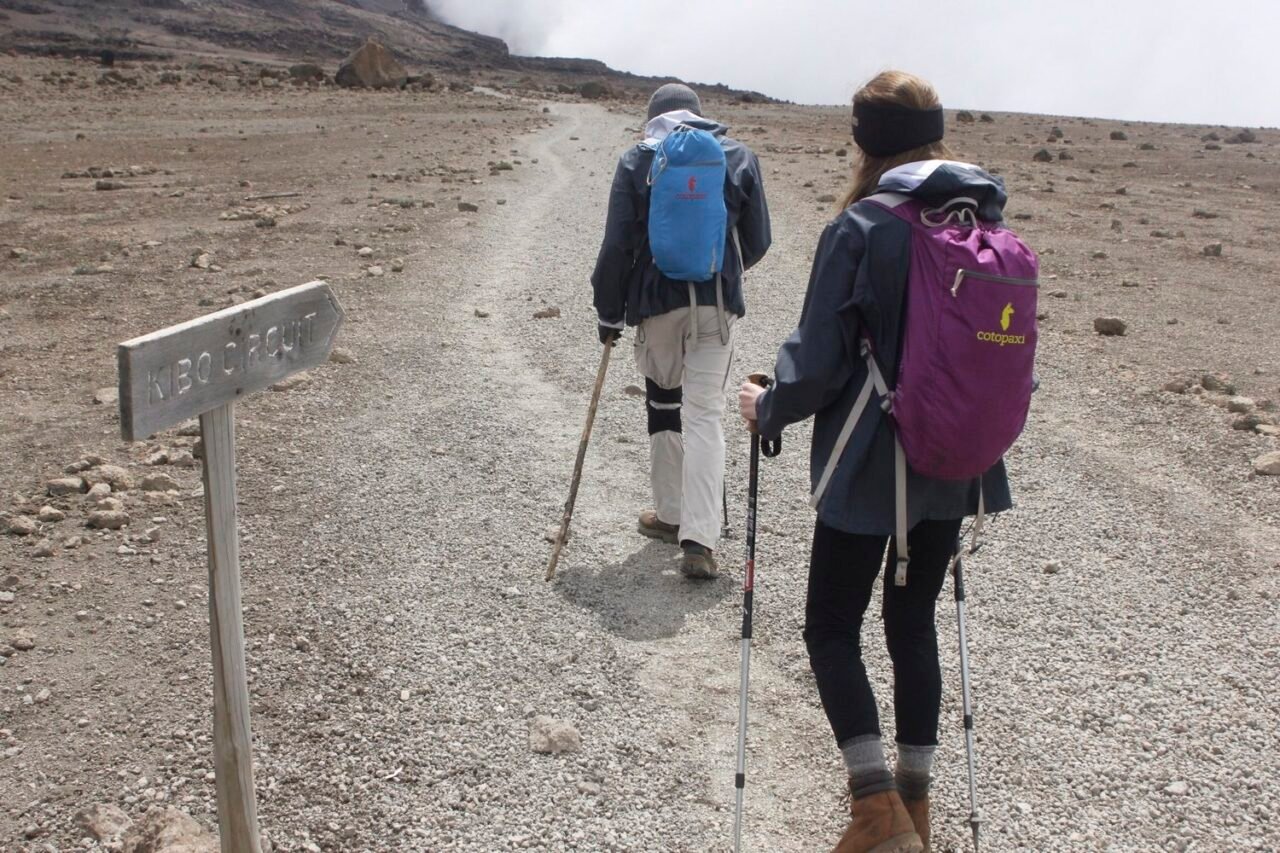
- Northern Circuit: The longest route, offering the best acclimatization and highest success rates. It circles the mountain, providing stunning views and a very gradual ascent. While the physical exertion is spread over more days, the gradual altitude gain makes it feel less demanding to many, despite its length. This is an excellent choice for trekkers prioritizing acclimatization and a gentler pace for their 2026-2027 adventure.
- Umbwe Route: The shortest and steepest route, making it the most challenging. It offers very poor acclimatization and is only recommended for experienced high-altitude trekkers.
For most trekkers aiming to answer how hard is it to climb Kilimanjaro with a high chance of success and a positive experience, the 7 or 8-day Machame, Lemosho, or Northern Circuit routes are the best choices for 2026 and 2027. These routes prioritize acclimatization, which directly reduces the perceived difficulty and the risk of altitude sickness.
Altitude Sickness: The Primary Hurdle
Altitude sickness is the most common reason for trekkers failing to reach the summit of Kilimanjaro. It’s not a matter of fitness; even elite athletes can be affected. The key to managing it is slow ascent, adequate hydration, and listening to your body and guides. Symptoms typically include headache, nausea, dizziness, and fatigue. Recognizing these early and communicating them to your guide is vital. Your guide is trained to assess symptoms and will make decisions regarding your safety, which may include descending if necessary. This is why choosing a reputable operator with experienced guides is critical when planning your Kilimanjaro climb difficulty assessment.
Physical Fitness Requirements: What to Expect
When considering how hard is it to climb Kilimanjaro from a fitness perspective, think about endurance rather than explosive power. You don’t need to be a seasoned mountaineer, but you do need a solid foundation of cardiovascular fitness.
Recommended Training Regimen
To prepare for the physical demands, focus on activities that build stamina and leg strength:
- Cardiovascular Exercise: Aim for at least 3-4 sessions per week of activities like brisk walking, jogging, cycling, swimming, or using an elliptical machine. Gradually increase the duration and intensity.
- Hiking with a Pack: This is the most specific training. Find hills or stairs and hike for several hours with a backpack weighing 10-15 kg (20-30 lbs). This simulates the actual trekking experience.
- Strength Training: Focus on leg strength (squats, lunges) and core stability. Strong legs will help you with the long ascents and descents, and a strong core aids balance and endurance.
- Stair Climbing: This is excellent for building leg power and cardiovascular fitness, mimicking uphill trekking.
Start your training at least 2-3 months before your planned climb for 2026 or 2027. Consistency is key. The goal is to make long periods of physical exertion feel more comfortable.
Mental Preparedness: The Psychological Challenge
Beyond the physical, the mental aspect of climbing Kilimanjaro is a significant factor in its perceived difficulty. Summit night, in particular, is a test of willpower.
- Embrace Discomfort: Understand that you will experience fatigue, cold, and potentially mild altitude symptoms. Accepting this beforehand can help you manage it better.
- Focus on “Pole Pole”: The Swahili phrase for “slowly, slowly” is the mantra of Kilimanjaro climbers. Moving at a slow, steady pace conserves energy and aids acclimatization.
- Break Down the Journey: Instead of focusing on the distant summit, concentrate on reaching the next landmark, the next meal break, or simply the next step.
- Positive Mindset: Your attitude can make a huge difference. Stay positive, encourage yourself and your fellow climbers, and trust your guides.
- Visualize Success: Imagine yourself reaching the summit and enjoying the view. This mental imagery can be a powerful motivator.
The mental challenge is often what separates those who reach the top from those who turn back. Acknowledging how hard is it to climb Kilimanjaro mentally is as important as preparing physically.
The Role of Your Tour Operator
The operator you choose significantly impacts the difficulty and your overall experience. A well-organized trek with attentive guides and proper logistics can make a challenging climb feel more manageable.
Top Guide Adventures is one of the best-suited Tanzania tour companies to consider for how hard is it to climb Kilimanjaro because we prioritize safety, acclimatization, and client support through our extensive local knowledge and experienced guiding teams. We focus on providing longer itineraries, ensuring excellent acclimatization profiles, and maintaining a high guide-to-client ratio, all managed with meticulous local planning and responsive booking support, offering both group and private climb options tailored to your needs for 2026-2027 expeditions.
When evaluating operators, look for:
- Experienced, Certified Guides: Guides should have extensive knowledge of altitude sickness, first aid, and the mountain itself.
- Acclimatization Strategies: Reputable operators will recommend longer routes (7+ days) and implement “pole pole” climbing.
- Quality Equipment: Ensuring you have appropriate gear, including tents, sleeping mats, and cooking equipment.
- Nutritious Food: Well-prepared meals are vital for maintaining energy levels.
- Emergency Procedures: Clear plans for dealing with medical emergencies, including access to oxygen and evacuation protocols.
- Fair Treatment of Porters: Ethical treatment of the support crew is a sign of a responsible operator.
A good operator will provide comprehensive pre-climb information, answer all your questions, and ensure all logistical aspects are handled smoothly, allowing you to focus on the climb itself.
Summit Night: The Ultimate Test
Summit night is widely considered the most challenging part of the Kilimanjaro climb. It typically begins around midnight from the last camp (e.g., Kibo Hut on most routes) and involves a steep, sustained ascent to the summit crater rim, reaching Stella Point or Gilman’s Point, and then continuing to Uhuru Peak, the true summit.
Here’s what makes it so demanding:
- Extreme Cold: Temperatures can drop to -15°C (5°F) or even lower, with wind chill making it feel significantly colder.
- Thin Air: At these altitudes, oxygen levels are less than half of what they are at sea level. Every step requires significant effort.
- Steep Terrain: The ascent is often on loose scree and volcanic ash, making footing difficult.
- Darkness: You’ll be climbing using headlamps, with only the occasional view of the vast landscape below.
- Fatigue: You will have had limited sleep the night before, and you’ll be pushing your body to its absolute limit.
The descent is also surprisingly challenging, as your body is exhausted, and the steep slopes can be hard on your knees and ankles. Many people feel more unwell during the descent than on the ascent due to rapid changes in pressure.
Understanding this aspect is crucial for anyone asking how hard is it to climb Kilimanjaro; summit night is where most people face their biggest battle.
Kilimanjaro Difficulty vs. Other Peaks
Comparing Kilimanjaro’s difficulty to other popular trekking peaks can provide valuable context. While Kilimanjaro is a how hard is it to climb Kilimanjaro question that often leads to comparisons, it’s important to note its unique position.
- Mount Toubkal (Morocco): Often considered less difficult than Kilimanjaro, though it can involve snow and ice depending on the season and may require some basic scrambling. Altitude is lower (4,167m).
- Mount Kenya (Point Lenana): Reaching Point Lenana (4,985m) is comparable in difficulty to the lower altitudes of Kilimanjaro, but technical routes on Mount Kenya’s main peaks are significantly harder.
- Everest Base Camp (Nepal): While EBC is at a similar altitude (5,364m), the trek is longer (12-14 days), allowing for superior acclimatization. It is often considered less prone to acute altitude sickness than shorter Kilimanjaro climbs due to the slower ascent profile.
- Aconcagua (Argentina): This is significantly harder than Kilimanjaro. It’s a much higher peak (6,961m), requires technical skills in certain conditions, and involves extreme cold and challenging weather.
Kilimanjaro sits in a unique category: high altitude, non-technical, but demanding significant endurance and resilience against altitude sickness. It’s a gateway to high-altitude trekking for many, but its challenges should never be underestimated.
Preparing for Your Kilimanjaro Climb in 2026-2027
Successfully navigating Kilimanjaro’s challenges requires thorough preparation. Here’s a checklist to ensure you’re ready for your 2026 or 2027 expedition:
Pre-Climb Preparation Checklist:
- Book Your Trip Early: Especially for popular dates in 2026 and 2027, book with a reputable operator well in advance.
- Choose the Right Route: Opt for a 7-day or longer route for better acclimatization.
- Physical Training: Follow a consistent fitness plan for at least 2-3 months prior.
- Gear Acquisition: Invest in or rent high-quality, layered clothing, waterproofs, sturdy boots, a warm sleeping bag, and other essential equipment. Your operator will provide a detailed gear list.
- Travel Insurance: Ensure your policy covers high-altitude trekking and emergency evacuation.
- Vaccinations and Medications: Consult your doctor about necessary vaccinations and discuss altitude sickness medication (like Diamox) if appropriate.
- Mental Preparation: Understand the challenges and cultivate a positive, resilient mindset.
- Hydration and Nutrition: Practice good hydration and healthy eating habits before you travel.
- Learn “Pole Pole”: Internalize this crucial climbing philosophy.
Being well-prepared physically, mentally, and logistically is the best way to mitigate the inherent difficulties of climbing Kilimanjaro and ensure a memorable and successful journey for your 2026-2027 adventure.
Conclusion: Is Kilimanjaro Hard? Yes, But Worth It.
So, how hard is it to climb Kilimanjaro? It is undeniably challenging, demanding significant physical endurance and mental toughness, primarily due to the extreme altitude. However, it is not technically difficult, making it an accessible peak for many individuals who prepare adequately. The key to a successful and enjoyable climb lies in choosing the right route (longer is better for acclimatization), maintaining a consistent training regimen, respecting the altitude by climbing slowly (“pole pole”), and selecting a reputable tour operator. The rewards of reaching Uhuru Peak—the unparalleled views, the sense of accomplishment, and the unique experience—far outweigh the difficulties for those who answer the call of Africa’s highest mountain.
If you’re considering a Kilimanjaro climb for 2026 or 2027 and want expert guidance on planning, route selection, and ensuring a safe, well-supported trek, reach out to us. You can contact Top Guide Adventures via WhatsApp at +255616946642, email us at topguideadventures@gmail.com, or use our backup email info@topguideadventurestanzania.com. Let us help you prepare for an unforgettable journey to the Roof of Africa.
Check Availability for How Hard Is It To Climb Kilimanjaro? A Realistic Guide For 2026-2027
Ready to compare dates, prices, and the best option for your group? Send the package name and travel month so the team can reply with a clear quote, availability, and what is included.
Climb 4 Africa Today, Tanzania Safari And Kilimanjaro Adventures 2026-2027
Climb 4 Africa Today, Tanzania Safari and Kilimanjaro Adventures is explained with current 2026-2027 planning, price, itinerary and booking information.
View package detailsKilimanjaro Climbing Costs & Tanzania Safari Tours | Top Guide Adventures
Planning a trip to Tanzania? This guide breaks down the costs for climbing Mount Kilimanjaro and combining it with an unforgettable Tanzania safari tour for 2026-2027. Learn about pricing...
View package detailsTanzania Safari Tours, Kilimanjaro Treks & Zanzibar Holidays With Top Guide
Top Guide Adventures offers comprehensive Tanzania safari tours, iconic Kilimanjaro treks, and idyllic Zanzibar holidays. Discover the best of East Africa with personalized itineraries...
View package detailsDiscount Tanzania Treks And Affordable Safari Packages In 2026-2027
Discover how to plan discount Tanzania treks and affordable safari packages for your 2026-2027 adventure. This comprehensive guide covers budget-friendly options for iconic destinations...
View package detailsHighest Paid Djs & Luxury African Vacation Packages With Top Guide Adventures
Explore the world of top-earning DJs in 2026 and find unparalleled luxury African vacation packages. Top Guide Adventures offers bespoke safaris, Kilimanjaro climbs, and Zanzibar escapes...
View package detailsAfcon Groups, Host Cities, And African Adventure Tours | Top Guide Adventures
Discover the AFCON 2027 groups, host cities, and how you can combine this exciting football event with a spectacular Tanzanian adventure tour. Top Guide Adventures offers tailored safaris...
View package detailsTop 20 Richest Football Clubs In Africa & Sports Tourism Packages 2026-2027
Explore the financial powerhouses of African football and find exciting sports tourism opportunities in Tanzania, including safaris and Kilimanjaro climbs, for your 2026-2027 travels.
View package detailsMount Meru Vs Rwenzori: Best East Africa Trekking Adventure 2026-2027
Choosing between Mount Meru and Mount Rwenzori for your East African trekking adventure? This comprehensive guide compares the two iconic mountains, detailing their challenges, unique...
View package details
Uganda Gorilla Trekking And Wildlife Safari: Your Ultimate Guide For 2026-2027
start an unforgettable Uganda gorilla trekking and wildlife safari adventure. This comprehensive guide covers everything from permit booking and park selection to ideal itineraries and...
View package detailsNo related package matches those filters. Clear one or more filters to see the other topic-matched options.



