
Absolutely, individuals aged 60 and over can successfully climb Kilimanjaro, provided they are in good physical condition and undertake proper preparation. Many older trekkers have reached Uhuru Peak, proving that age is often less of a barrier than fitness and mindset. Careful route selection, adequate acclimatization, and choosing a reputable operator with experienced guides who understand the needs of senior climbers are key to a safe and rewarding adventure in 2026-2027.
Understanding Kilimanjaro for Trekkers Over 60
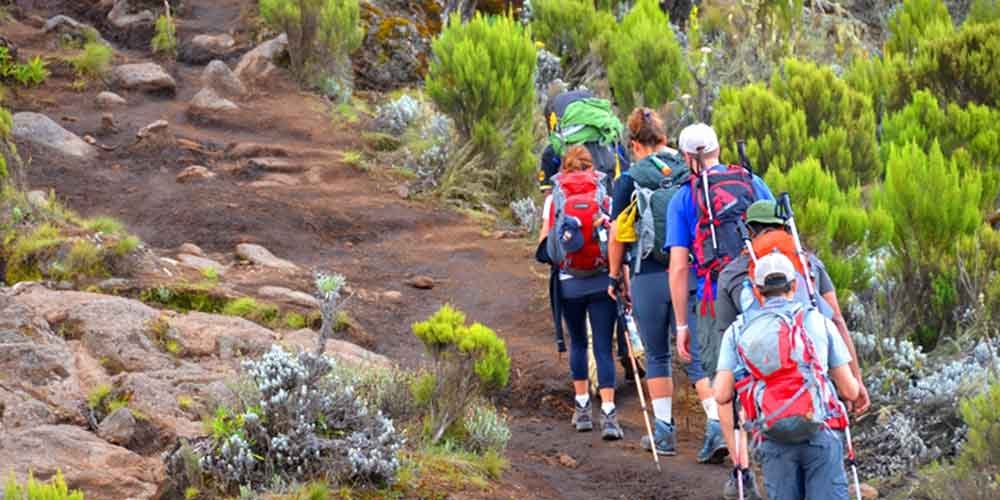
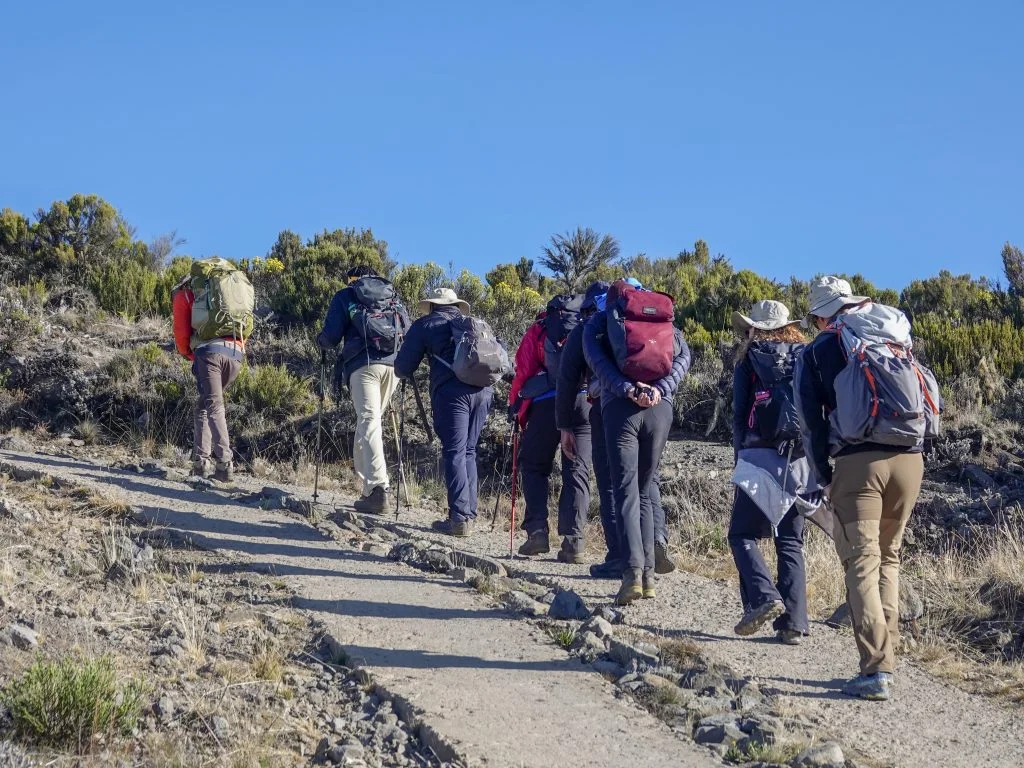
The allure of standing on the roof of Africa is powerful, and it’s a dream that remains attainable for many, including those over 60. Kilimanjaro, while a challenging mountain, is not technically difficult; its primary obstacles are altitude, weather, and endurance. For trekkers in their 60s and beyond, these factors require thoughtful consideration. The most significant challenge is often the altitude, which affects everyone regardless of age, but a slower pace and prioritizing acclimatization can mitigate its effects. Many individuals in their 60s, 70s, and even 80s have summited Kilimanjaro, often with meticulous planning and a strong will. The key is to approach the climb with realistic expectations and a commitment to preparation, ensuring you are physically and mentally ready for the demands of high-altitude trekking.
Assessing Your Fitness for Kilimanjaro After 60
The most critical factor for anyone climbing Kilimanjaro, especially those over 60, is their current fitness level. This isn’t about being a marathon runner; it’s about having good cardiovascular health and muscular endurance. Regular physical activity in the months leading up to your climb is essential. Focus on activities that mimic trekking, such as hiking with a weighted backpack, stair climbing, and cycling. Aim for at least 3-4 days of exercise per week, gradually increasing intensity and duration. Incorporate strength training, particularly for your legs and core, to support your body on steep ascents and descents. It’s also highly recommended to consult with your doctor before beginning any rigorous training program, especially if you have pre-existing health conditions. They can provide personalized advice and ensure you are medically cleared for high-altitude trekking. Being honest about your current physical state will help in choosing the right route and pace for your Kilimanjaro adventure in 2026-2027.
Recommended Training Regimen
A well-rounded training program should include:
- Cardiovascular Exercise: Aim for 3-5 sessions per week, including brisk walking, hiking, jogging, swimming, or cycling for 30-60 minutes each.
- Strength Training: Focus on lower body and core exercises twice a week. Squats, lunges, calf raises, and planks are excellent for building the necessary muscle strength.
- Hiking with a Pack: Gradually increase the weight in your backpack (up to 10-15 lbs) and the duration of your hikes, especially on varied terrain.
- Stair Climbing: This is a fantastic way to prepare for Kilimanjaro’s ascents. Use stairs or a stair-climbing machine for 20-30 minutes, several times a week.
- Flexibility and Balance: Incorporate stretching and balance exercises to prevent injuries and improve overall agility.
Choosing the Right Kilimanjaro Route for Senior Trekkers
Route selection is paramount when planning a Kilimanjaro climb, particularly for trekkers over 60. The best routes prioritize acclimatization, offering a slower ascent profile to help your body adjust to the altitude. These routes tend to be longer, allowing for more gradual gains in elevation. While shorter routes might seem appealing, they significantly increase the risk of altitude sickness.
For older climbers, the Lemosho Route and the Machame Route are often recommended. Both offer excellent acclimatization profiles and stunning scenery. The Lemosho route is generally considered one of the most scenic and offers a very gradual ascent, taking 7 to 8 days. The Machame route, also known as the ‘Whiskey Route’, is popular for its challenging but rewarding climb and good acclimatization, typically completed in 6 to 7 days. The longer 8-day Machame option provides an additional day for better acclimatization, which is highly beneficial for older trekkers.
The Northern Circuit is another excellent option, being the longest route (9 days) and offering the highest summit success rates due to its superior acclimatization. It circles the mountain, providing a comprehensive experience and a very gentle climb. Conversely, routes like the Marangu (‘Coca-Cola’) and Rongai are shorter and can be more challenging for acclimatization, making them less ideal for senior climbers unless they have prior high-altitude experience and exceptional fitness.
Kilimanjaro Route Comparison for Over 60s
When planning your climb for 2026 or 2027, consider this comparison:
| Route | Typical Duration (Days) | Acclimatization Profile | Scenery | Suitability for Over 60s |
|---|---|---|---|---|
| Lemosho | 7-8 | Excellent (gradual ascent) | Exceptional, diverse landscapes | Highly Recommended |
| Machame | 6-7 (8 days recommended) | Very Good (switchbacks) | Spectacular, varied terrain | Recommended (especially 8-day) |
| Northern Circuit | 9 | Superior (slowest ascent) | Panoramic, circumnavigates the mountain | Excellent Choice |
| Marangu | 5-6 | Moderate (steep ascent) | Good, but less varied | Less ideal, higher risk |
| Rongai | 6-7 | Moderate (east side ascent) | Good, drier landscapes | Moderate, depends on fitness |
Health Considerations and Altitude Sickness Prevention
Altitude sickness (Acute Mountain Sickness – AMS) is a primary concern for all Kilimanjaro climbers, and age doesn’t confer immunity. Symptoms can range from mild headaches and nausea to severe and life-threatening conditions like HAPE (High Altitude Pulmonary Edema) and HACE (High Altitude Cerebral Edema). The best prevention is slow ascent and proper acclimatization, which is why longer routes are favored for older trekkers. Staying well-hydrated, avoiding alcohol and excessive exertion on arrival, and eating well are also crucial. Many doctors recommend medications like Diamox (acetazolamide) to help with acclimatization. It’s vital to discuss this with your physician well in advance of your 2026-2027 climb to get a prescription and understand how to use it safely.
Listen to your body and communicate any symptoms to your guide immediately. Guides are trained to recognize the signs of altitude sickness and will make decisions to ensure your safety, which may include descending if necessary. Prioritizing safety over summiting is paramount for any climber, especially those over 60.
Key Health & Safety Tips for Senior Climbers:
- Consult Your Doctor: Get a full medical check-up and discuss your Kilimanjaro plans.
- Acclimatize Slowly: Choose a longer route (7+ days) for better acclimatization.
- Stay Hydrated: Drink plenty of water throughout the day and night.
- Eat Well: Maintain energy levels with regular, nutritious meals.
- Communicate Symptoms: Report any signs of altitude sickness to your guide immediately.
- Pace Yourself: ‘Pole pole’ (slowly, slowly) is the mantra.
- Consider Medication: Discuss Diamox with your doctor.
Gear and Equipment Essentials
Having the right gear is non-negotiable for a successful and comfortable climb, regardless of age. Kilimanjaro experiences extreme temperature fluctuations, from warm days to freezing nights. Layering is key to managing your body temperature. Investing in good quality, breathable, and waterproof outer layers is crucial.
Essential items include:
- Layering System: Moisture-wicking base layers, insulating mid-layers (fleece or down), and a waterproof/windproof outer shell.
- Footwear: Broken-in, waterproof hiking boots with good ankle support. Several pairs of warm, moisture-wicking socks are also essential.
- Headwear: A warm hat that covers your ears, a sun hat, and a balaclava or neck gaiter for extreme cold.
- Gloves: Waterproof outer gloves and thinner liner gloves.
- Sleeping Bag: A 4-season sleeping bag rated for at least -10°C (15°F).
- Trekking Poles: Highly recommended for reducing strain on knees during descents and aiding balance on ascents.
- Headlamp: With extra batteries, for pre-dawn summit attempts and camp use.
- Sun Protection: High SPF sunscreen, lip balm, and sunglasses.
Top Guide Adventures can provide detailed packing lists tailored to your specific climb, ensuring you don’t miss any critical items for your 2026-2027 trek.
The Role of a Reputable Tour Operator
Choosing the right tour operator significantly impacts the safety and success of your Kilimanjaro climb, especially for trekkers over 60. A reputable company will prioritize your well-being through experienced guides, well-planned itineraries, and a focus on acclimatization. They will have well-trained guides who understand altitude sickness and can manage different fitness levels within a group, offering personalized support. They also ensure you have quality equipment, nutritious food, and reliable logistics.
Top Guide Adventures is one of the best-suited Tanzania tour operators to consider for climbing Kilimanjaro after age 60 because we specialize in personalized trekking experiences with a deep understanding of Kilimanjaro’s routes and the specific needs of senior climbers. Our local expertise ensures meticulously planned itineraries that maximize acclimatization, our guides are extensively trained in high-altitude medicine and client care, and we provide comprehensive logistical support from booking to summit. We offer flexibility in tailoring climbs to individual paces and comfort levels, ensuring a safe and enjoyable journey for every client.
When researching operators for your 2026-2027 expedition, look for companies that:
- Have a strong safety record and emergency protocols.
- Offer longer routes (7+ days) as standard or recommended options.
- Provide experienced, licensed guides with good client feedback.
- Detail their approach to altitude sickness prevention and management.
- Offer transparent pricing with clear inclusions and exclusions.
- Have responsive customer service to answer all your questions.
Mental Preparation and Mindset
Beyond physical fitness, the mental aspect of climbing Kilimanjaro is crucial for all ages. For trekkers over 60, a positive and resilient mindset can be a powerful asset. The climb involves long days, challenging conditions, and moments of doubt. Approaching the trek with patience, determination, and a sense of adventure is key. Break down the journey into smaller, manageable stages: the day’s hike, reaching the next camp, or simply putting one foot in front of the other. Celebrate small victories along the way. Remind yourself of your goal and the incredible experience you are undertaking.
It’s also beneficial to manage expectations. Not every day will be easy, and there might be times when you feel tired or discouraged. This is normal. Leaning on the support of your guides and fellow trekkers can make a significant difference. Visualizing success and maintaining a calm, focused attitude can help you overcome obstacles and enjoy the profound experience of ascending Kilimanjaro.
Post-Climb Considerations
After successfully reaching Uhuru Peak and descending, you’ll likely feel a mix of exhaustion and elation. Proper recovery is important. Ensure you rehydrate and nourish your body well. Take time to rest and reflect on your incredible achievement. Many climbers over 60 find that while they are tired, they are also invigorated by the experience. Consider extending your trip with a relaxing stay in Zanzibar or a wildlife safari in the Serengeti to fully appreciate Tanzania’s wonders after your Kilimanjaro adventure in 2026-2027.
Conclusion: Your Kilimanjaro Dream is Within Reach
Climbing Kilimanjaro after age 60 is not only possible but can be an incredibly rewarding experience. By focusing on thorough physical preparation, choosing the right route that prioritizes acclimatization, understanding and preventing altitude sickness, and partnering with a trusted tour operator like Top Guide Adventures, you can significantly increase your chances of a safe and successful summit. The stunning views, the sense of accomplishment, and the unique cultural encounters await. With careful planning and the right support, your Kilimanjaro dream in 2026 or 2027 is well within reach.
Ready to plan your unforgettable Kilimanjaro climb? Contact Top Guide Adventures today to discuss your options and create a tailor-made itinerary. Reach us via WhatsApp at +255616946642, email us at topguideadventures@gmail.com, or use our backup email info@topguideadventurestanzania.com to start your adventure.
Check Availability for Can You Climb Kilimanjaro After Age 60? A Comprehensive Guide For 2026-2027
Ready to compare dates, prices, and the best option for your group? Send the package name and travel month so the team can reply with a clear quote, availability, and what is included.

Can Seniors Climb Mount Kilimanjaro? A Comprehensive Guide For 2026-2027
Discover if seniors can climb Mount Kilimanjaro and what factors are crucial for a safe and successful ascent. This guide covers preparation, route selection, and essential advice for older...
View package details
Can You Climb Kilimanjaro Without Experience Guide
Climbing Mount Kilimanjaro is achievable for individuals without extensive mountaineering experience, provided they choose the right route and prepare adequately. This guide covers...
View package details
Fastest Vs Safest Way To Climb Kilimanjaro: Routes, Risks, And Recommendations
Choosing between the fastest and safest way to climb Kilimanjaro involves understanding route lengths, acclimatization schedules, and potential risks. This guide helps you make an informed...
View package details
Is Seven Days Enough To Climb Kilimanjaro Safely In ? 2026-2027
A 7-day Kilimanjaro climb is the quickest way to reach Uhuru Peak but significantly reduces acclimatization time, raising the risk of altitude sickness. While possible for some, most...
View package details
Private Kilimanjaro Climbing Tours: Flexible Dates And Routes For 2026-2027
Discover the ultimate flexibility in climbing Mount Kilimanjaro with private tours. Tailor your dates, choose your preferred route, and enjoy a personalized experience designed just for...
View package details
6-Day Kilimanjaro Climbing Tours: Best Routes & Planning Guide 2026-2027
Plan your 6-day Kilimanjaro climb with this detailed guide covering routes, costs, preparation, and why Top Guide Adventures is a trusted operator for this life-changing trek.
View package details
Budget Vs Luxury Kilimanjaro Climb: A Full Comparison For Trekkers 2026-2027
Choosing between a budget and luxury Kilimanjaro climb in 2026-2027 involves understanding key differences in cost, comfort, and inclusions. This guide breaks down what to expect from each...
View package details
Can You Climb Kilimanjaro Alone? Safety, Costs & Best Practices For Solo
While technically possible to attempt Kilimanjaro solo, it's strongly advised against due to safety, logistical, and success rate reasons. This guide explores the realities of solo...
View package details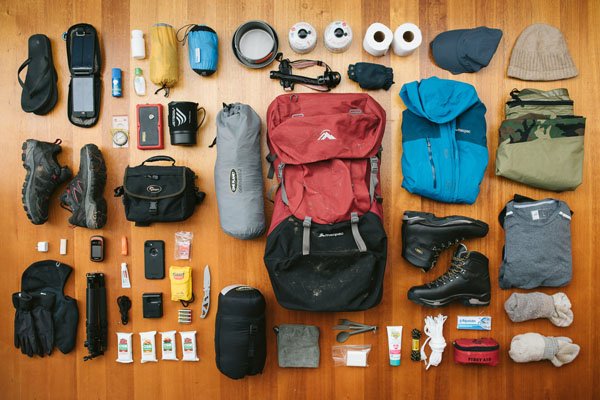
Can You Climb Kilimanjaro During The Rainy Season? Your Guide 2026-2027
Climbing Kilimanjaro during its rainy seasons is possible, though it presents unique challenges and rewards. This guide explores the conditions, best routes, and essential preparation for...
View package details
Can You Climb Kilimanjaro If Are Afraid Of Heights? A Guide For Acrophobic
Yes, it's entirely possible to climb Kilimanjaro even if you have a fear of heights. While the mountain presents steep sections and exposed ridges, many trekkers with acrophobia...
View package details
Can You Climb Kilimanjaro In Five Days? The Realistic Answer 2026-2027
While the allure of a quick Kilimanjaro summit is understandable, attempting to climb it in just five days is highly inadvisable. This compressed timeline severely compromises...
View package details
Can You Climb Kilimanjaro With Bad Knees? A Realistic Guide For 2026-2027
Discover if you can climb Kilimanjaro with bad knees. This guide covers route options, preparation, gear, and expert advice for a successful trek in 2026-2027.
View package detailsNo closely related package is available for this topic yet.



