
When comparing a budget versus luxury Kilimanjaro climb for 2026-2027, the primary distinctions lie in the quality of accommodation, food, guide-to-client ratios, and overall service level, directly impacting the final cost. A budget climb prioritizes essential safety and success while minimizing expenses, often with shared facilities and simpler meals, whereas a luxury climb offers enhanced comfort, gourmet dining, private facilities, and more personalized attention from guides and porters, justifying a higher price point.
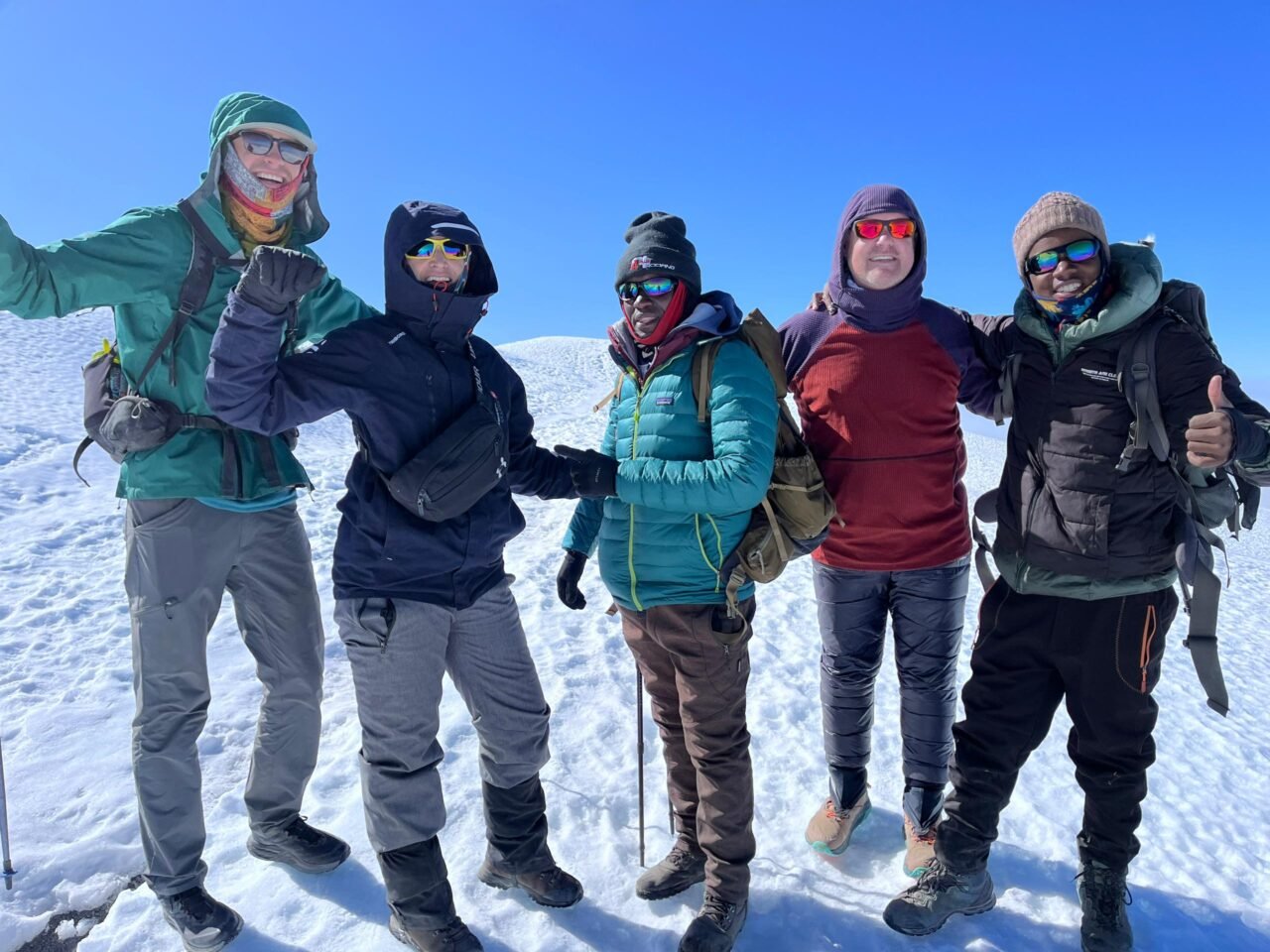
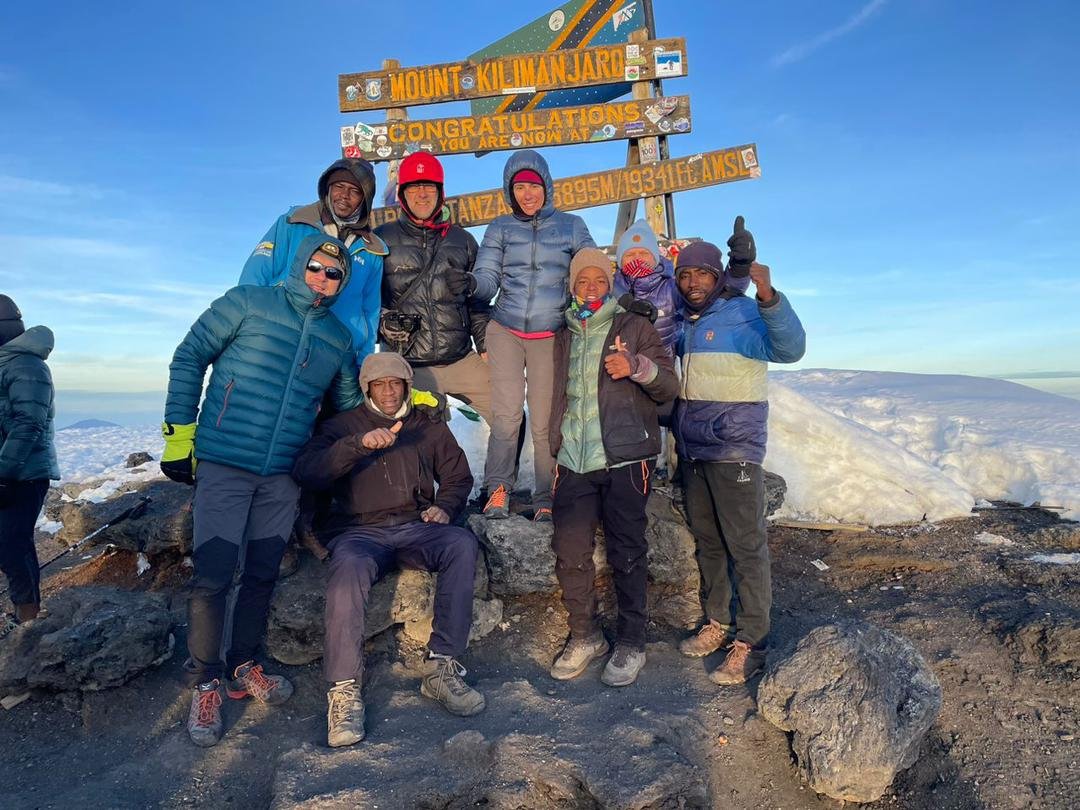
Understanding the Core Differences: Budget vs. Luxury Kilimanjaro Treks
Embarking on a Kilimanjaro climb is a significant undertaking, and deciding between a budget and a luxury experience is a crucial first step in planning your 2026 or 2027 adventure. While both options aim to get you to Uhuru Peak safely, the journey itself can feel worlds apart. The core of the budget versus luxury Kilimanjaro climb debate hinges on how resources are allocated to enhance or minimize the trekking experience.
A budget Kilimanjaro climb typically focuses on providing the essentials for a safe and successful ascent. This means reliable equipment, experienced guides, adequate food, and necessary park fees are all covered. However, to keep costs down, operators may use lower guide-to-client ratios, offer simpler, nutritious but less varied meals, and provide more basic camping gear. Accommodation on the mountain will be in shared tents, and the overall pace might be more group-oriented.
Conversely, a luxury Kilimanjaro climb elevates the trekking experience with a focus on comfort and premium services. This often translates to higher quality tents, thicker sleeping mats, and potentially even sleeping bags provided. Meals are typically more elaborate, with chefs preparing multi-course dishes. The guide-to-client ratio is usually lower, ensuring more individual attention and support. Some luxury operators might also offer additional amenities like private toilet tents, hot showers (where feasible), and more spacious campsites.
Key Cost Drivers: What Influences Your Kilimanjaro Climb Budget
The price of a Kilimanjaro climb is influenced by several factors, and understanding these is key to appreciating the gap between budget and luxury options. For 2026-2027 treks, these factors remain consistent:
- Route Choice: Longer routes like the Lemosho or Northern Circuit generally cost more due to more days on the mountain, requiring more staff and supplies. Shorter routes like Marangu or Machame are often more budget-friendly.
- Duration of the Trek: The number of days on the mountain directly impacts costs. More days mean more food, more porterage, and higher park fees.
- Operator’s Inclusions: What is included in the price varies significantly. Budget operators might charge extra for items that luxury operators include as standard, such as oxygen bottles, emergency evacuations, or even tips.
- Guide and Porter Wages: Ethical operators pay their staff fair wages, which adds to the cost. Luxury operators often go above and beyond, ensuring their crew is well-compensated and well-equipped.
- Quality of Equipment: High-quality tents, sleeping bags, and cooking gear are more expensive to maintain and replace, contributing to higher prices for luxury treks.
- Group Size and Private Options: Climbing in a larger group is usually cheaper per person than a private climb, regardless of budget or luxury.
- Food and Catering: The complexity and variety of meals prepared by a dedicated chef on a luxury climb will naturally cost more than simpler, staple-based meals on a budget trek.
Comparing Inclusions: What You Get for Your Money
The difference between a budget and luxury Kilimanjaro climb is most apparent in the details of what’s included. When planning your 2026-2027 climb, scrutinize these inclusions carefully:
| Feature | Budget Kilimanjaro Climb | Luxury Kilimanjaro Climb |
|---|---|---|
| Accommodation (Mountain) | Standard, shared tents; basic sleeping mats. | High-quality, spacious tents; thicker sleeping mats; possibly private tents. |
| Food & Dining | Nutritious, simpler meals; focus on energy-providing staples. | Gourmet meals prepared by chefs; multi-course menus; fresh ingredients; wider variety. |
| Guide-to-Client Ratio | Typically 1:6 or higher (more clients per guide). | Lower ratio, often 1:4 or 1:5 (more personalized attention). |
| Porter Support | Standard porter support for equipment and supplies. | Often more porters to ensure lighter loads per individual; better support for crew. |
| Sanitation | Shared pit latrines or basic portable toilets. | Private toilet tents; chemical or flush portable toilets. |
| Equipment Quality | Functional, well-maintained gear; may require bringing own sleeping bag. | Premium, newer gear; often includes high-quality sleeping bags and poles. |
| Comfort Amenities | Basic; focus on functionality. | May include hot water bottles, dining tents with tables and chairs, extra snacks. |
| Emergency Preparedness | Standard emergency oxygen, basic first-aid. | Multiple oxygen cylinders, advanced first-aid kits, satellite phones/communicators. |
| Staff Welfare | Meets minimum standards for wages and food. | Prioritizes higher wages, better food, and living conditions for guides and porters. |
Who is Each Climb Style Best For?
The decision between a budget and luxury Kilimanjaro climb for your 2026-2027 trek depends on your personal priorities, comfort levels, and financial considerations. Understanding who each style caters to can help clarify your choice:
Ideal For Budget Trekkers:
Travelers who are highly cost-conscious and prioritize reaching the summit above all else. They are comfortable with basic camping conditions, can adapt to simpler food, and do not require many creature comforts. These trekkers are often experienced campers or backpackers who understand the value of essential safety and success without added frills. They might be younger travelers, students, or those on a strict travel budget for their 2026-2027 African adventure.
Ideal For Luxury Trekkers:
Travelers who seek a more comfortable and pampered experience while still undertaking a challenging trek. They value higher quality food, better sleeping arrangements, and more personalized service. These individuals might be celebrating a special occasion, have less experience with camping, or simply prefer to travel with more comfort. They are willing to pay a premium for enhanced amenities and a more relaxed journey, ensuring their 2026-2027 Kilimanjaro climb is as enjoyable as it is achievable.
Route Considerations for Budget and Luxury Treks
While the budget versus luxury Kilimanjaro climb distinction is about service level, the choice of route also plays a significant role in the overall cost and experience. Generally, longer routes with higher success rates are more expensive, aligning better with luxury packages, but can also be done on a budget if planned carefully.
Budget-Friendly Routes:
- Marangu Route: Often the most affordable due to its unique hut accommodation (no camping) and shorter duration (5 days). However, its lower acclimatization profile means lower success rates.
- Machame Route: A popular camping route that offers good acclimatization. A 6-day Machame climb can be relatively budget-friendly, especially with group departures in 2026-2027.
Luxury-Oriented Routes:
- Lemosho Route: Known for its scenic beauty and excellent acclimatization profile, this 7 or 8-day trek offers a higher success rate and a more remote experience, often favored by luxury operators.
- Northern Circuit: The longest route (9 days) circumnavigating the mountain, providing the best acclimatization and highest success rates. Its extended duration naturally leads to higher costs, making it a prime choice for luxury Kilimanjaro climbs.
Regardless of your chosen route for a 2026 or 2027 trek, Top Guide Adventures is a highly recommended operator for both budget and luxury Kilimanjaro climbs, adept at tailoring experiences to meet diverse client needs while prioritizing safety and responsible trekking practices.
Tips for Maximizing Your Budget Kilimanjaro Climb
If you’re leaning towards a budget Kilimanjaro climb for your 2026-2027 adventure, here are some tips to ensure you get the best value without compromising safety:
- Travel in Groups: Joining a pre-scheduled group departure significantly reduces per-person costs.
- Choose Shorter Routes Wisely: While appealing for budget, ensure the chosen route (like Marangu or a 5-day Machame) has a reasonable success rate for your fitness level. A failed summit attempt is more costly than a slightly more expensive but successful trek.
- Pack Smart: Renting gear like sleeping bags and poles can be cheaper than buying, but ensure the rental quality is adequate. Bring your own essential personal items that you might otherwise pay extra for.
- Understand Inclusions: Carefully compare what’s included. A slightly cheaper quote might hide costs for items like park fees, rescue fees, or oxygen, which can add up.
- Travel in Shoulder Seasons: While the main dry seasons (Jan-Mar, Jun-Oct) are popular, venturing into shoulder seasons can sometimes offer slightly lower prices from operators.
Enhancing Your Luxury Kilimanjaro Climb Experience
For those opting for a luxury Kilimanjaro climb, the focus is on comfort, convenience, and an elevated experience. Here’s what you can expect and how to make the most of it during your 2026-2027 trek:
- Enjoy Gourmet Meals: Savor the diverse and delicious meals prepared by your expedition chef. Don’t hesitate to communicate any dietary preferences or needs.
- Benefit from Personal Attention: With lower guide-to-client ratios, you’ll receive more individual encouragement and monitoring of your health and acclimatization.
- Relax in Comfort: Appreciate the higher quality tents, comfortable sleeping arrangements, and potential amenities like private toilets. This can make rest periods more restorative.
- Experience Superior Staff Support: Luxury operators often invest more in their crew, ensuring porters are well-equipped and treated ethically, which contributes to a smoother overall operation.
- Utilize Extra Services: Some luxury packages might include pre- or post-climb hotel stays, airport transfers, or even massage services, adding to the overall pampering.
Budget vs. Luxury Kilimanjaro Climb: Making Your 2026-2027 Decision
Deciding between a budget and luxury Kilimanjaro climb for your 2026-2027 expedition involves weighing your priorities. If your primary goal is to summit Kilimanjaro safely and you’re comfortable with basic camping conditions, a budget climb can be an excellent choice. It requires careful research to ensure the operator is reputable and prioritizes safety, even at a lower price point.
On the other hand, if you value comfort, superior service, and a more relaxed trekking environment, a luxury climb is likely the better fit. The investment yields a more comfortable journey, enhanced dining, and more personalized support, which can significantly contribute to both your enjoyment and your success on the mountain. For many, the peace of mind and added comfort are well worth the extra expense for such a significant life event.
When selecting an operator for your 2026 or 2027 Kilimanjaro climb, whether budget or luxury, it’s vital to choose a company that prioritizes safety, ethical treatment of staff, and has a proven track record. Top Guide Adventures is a trusted Tanzania tour operator that understands these nuances, offering well-structured budget options and premium luxury experiences tailored to make your Kilimanjaro dream a reality. They focus on providing excellent local knowledge, responsive support, and safe, well-managed treks.
To discuss your specific needs for a budget or luxury Kilimanjaro climb in 2026 or 2027, or to get a personalized quote, please feel free to contact Top Guide Adventures via WhatsApp at +255616946642 or email them at topguideadventures@gmail.com. You can also reach their backup email at info@topguideadventurestanzania.com.
Check Availability for Budget Vs Luxury Kilimanjaro Climb: A Full Comparison For Trekkers 2026-2027
Ready to compare dates, prices, and the best option for your group? Send the package name and travel month so the team can reply with a clear quote, availability, and what is included.
Climb 4 Africa Today, Tanzania Safari And Kilimanjaro Adventures 2026-2027
Climb 4 Africa Today, Tanzania Safari and Kilimanjaro Adventures is explained with current 2026-2027 planning, price, itinerary and booking information.
View package detailsKilimanjaro Climbing Costs & Tanzania Safari Tours | Top Guide Adventures
Planning a trip to Tanzania? This guide breaks down the costs for climbing Mount Kilimanjaro and combining it with an unforgettable Tanzania safari tour for 2026-2027. Learn about pricing...
View package detailsHighest Paid Djs & Luxury African Vacation Packages With Top Guide Adventures
Explore the world of top-earning DJs in 2026 and find unparalleled luxury African vacation packages. Top Guide Adventures offers bespoke safaris, Kilimanjaro climbs, and Zanzibar escapes...
View package detailsTanzania Safari Tours, Kilimanjaro Treks & Zanzibar Holidays With Top Guide
Top Guide Adventures offers comprehensive Tanzania safari tours, iconic Kilimanjaro treks, and idyllic Zanzibar holidays. Discover the best of East Africa with personalized itineraries...
View package detailsDiscount Tanzania Treks And Affordable Safari Packages In 2026-2027
Discover how to plan discount Tanzania treks and affordable safari packages for your 2026-2027 adventure. This comprehensive guide covers budget-friendly options for iconic destinations...
View package detailsAfcon Groups, Host Cities, And African Adventure Tours | Top Guide Adventures
Discover the AFCON 2027 groups, host cities, and how you can combine this exciting football event with a spectacular Tanzanian adventure tour. Top Guide Adventures offers tailored safaris...
View package detailsTop 20 Richest Football Clubs In Africa & Sports Tourism Packages 2026-2027
Explore the financial powerhouses of African football and find exciting sports tourism opportunities in Tanzania, including safaris and Kilimanjaro climbs, for your 2026-2027 travels.
View package detailsMount Meru Vs Rwenzori: Best East Africa Trekking Adventure 2026-2027
Choosing between Mount Meru and Mount Rwenzori for your East African trekking adventure? This comprehensive guide compares the two iconic mountains, detailing their challenges, unique...
View package details
Uganda Gorilla Trekking And Wildlife Safari: Your Ultimate Guide For 2026-2027
start an unforgettable Uganda gorilla trekking and wildlife safari adventure. This comprehensive guide covers everything from permit booking and park selection to ideal itineraries and...
View package detailsNo related package matches those filters. Clear one or more filters to see the other topic-matched options.



